-
Seattle Unveils Swami Vivekananda Statue: A Historic Milestone for Dharmic Unity and U.S.–India Ties

Seattle has installed the first U.S. city-government-hosted life-size statue of Swami Vivekananda at Westlake Square, unveiled by the city’s mayor and Consul General of India in Seattle, Prakash Gupta. Gifted by the Indian Council for Cultural Relations (ICCR), the bronze monument strengthens cultural diplomacy and people-to-people ties between India and the U.S. Pacific Northwest. The…
-
Bhadrachalam Sthala Puranam: Sacred Legends, Living Devotion at Sita Ramachandra Swamy

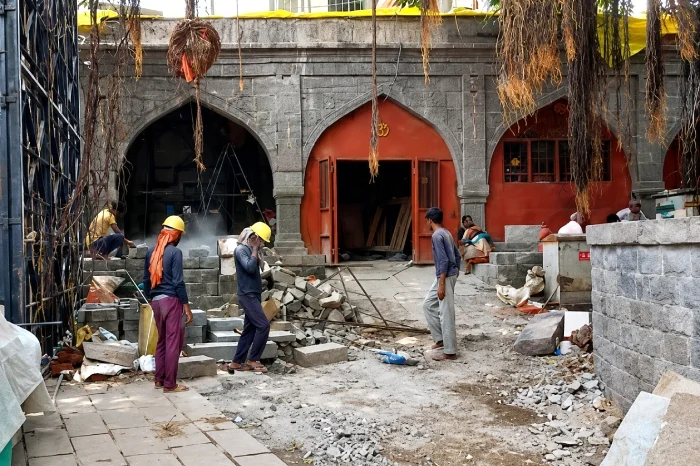
Set on the banks of the Godavari, the Bhadrachalam Sita Ramachandra Swamy Temple embodies a living synthesis of Valmiki’s Ramayana, sacred geography, and historical tradition. Its Sthala Puranam links Ayodhya’s epic events to the forests of Dandakaranya, where Sri Rama, Seetha, and Lakshmana are venerated in the unique Vaikuntha Rama iconography. The kshetra’s renaissance under…
-
Unveiling Nāga Kanyā: A Research-Backed Guide to Hinduism’s Boundless Serpent Guardian

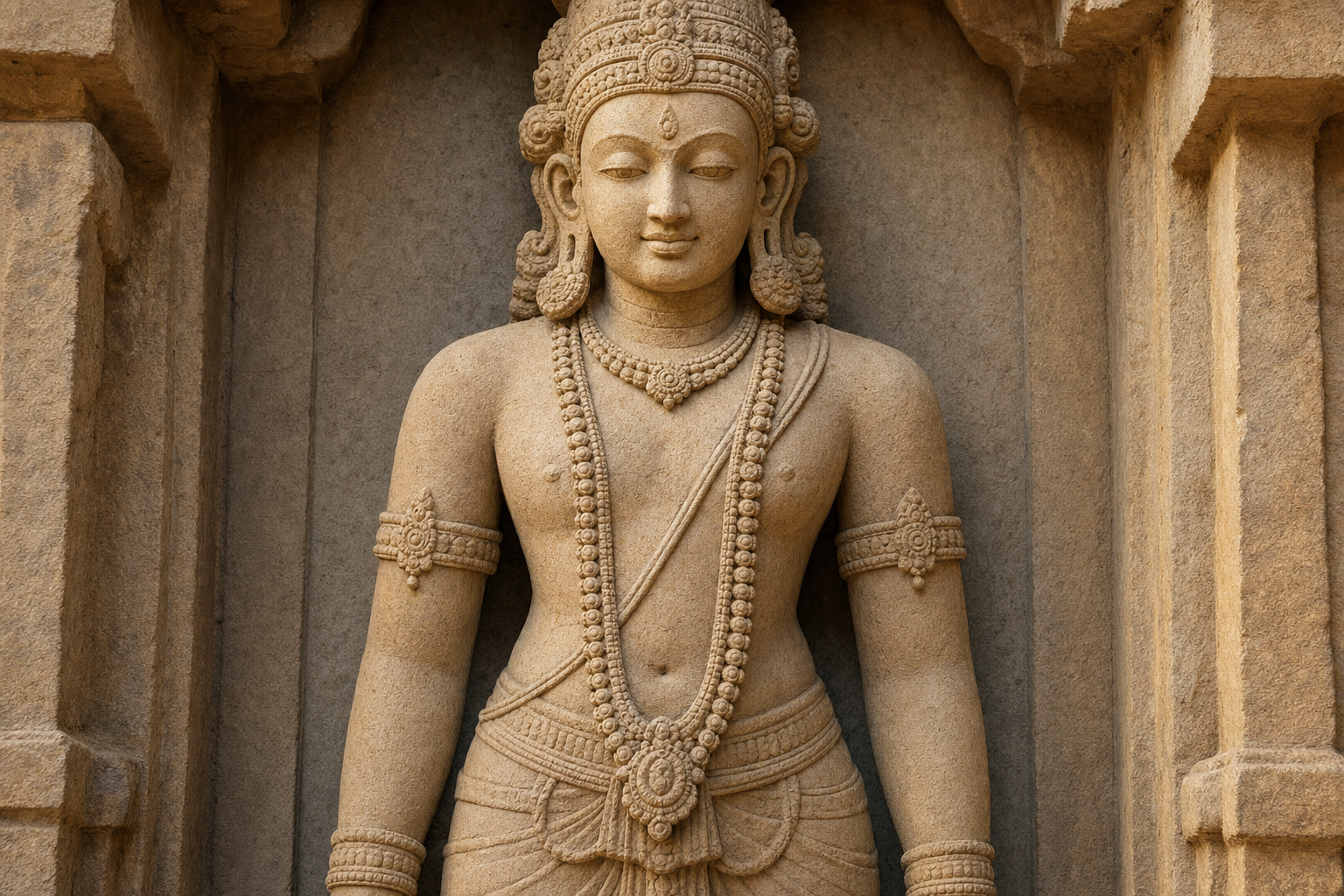
Nāga Kanyā—“the virgin serpent”—is a pan-Indic guardian archetype whose maidenly autonomy and serpentine potency protect thresholds, waters, and life. This research-grounded overview situates Nāga Kanyā in Hindu scriptures and art (Jaratkaru, Ulūpī, Hoysala and Chola sculptures) while clarifying that “virgin” signifies self-sovereignty, not social status. It explains how nāga-kanyā symbolism converges with festivals such as…
-
Preserving Raag and Reverence: International Seminar on Bhai Avtar Singh Ragi’s Legacy

This in-depth overview of the International Seminar on Bhai Avtar Singh Ragi’s legacy explains how his disciplined, raag-based approach to Sikh kirtan shaped modern Gurmat Sangeet. Readers gain a clear view of the musicological building blocks—raag, taal, rahao, ghar, and partaal—and how they serve the semantic and spiritual heart of the shabad. The summary outlines…
-
Viralimalai Murugan Temple & Arunagirinathar: Hunter-Lord Legend, Art, Rituals, and Peacocks

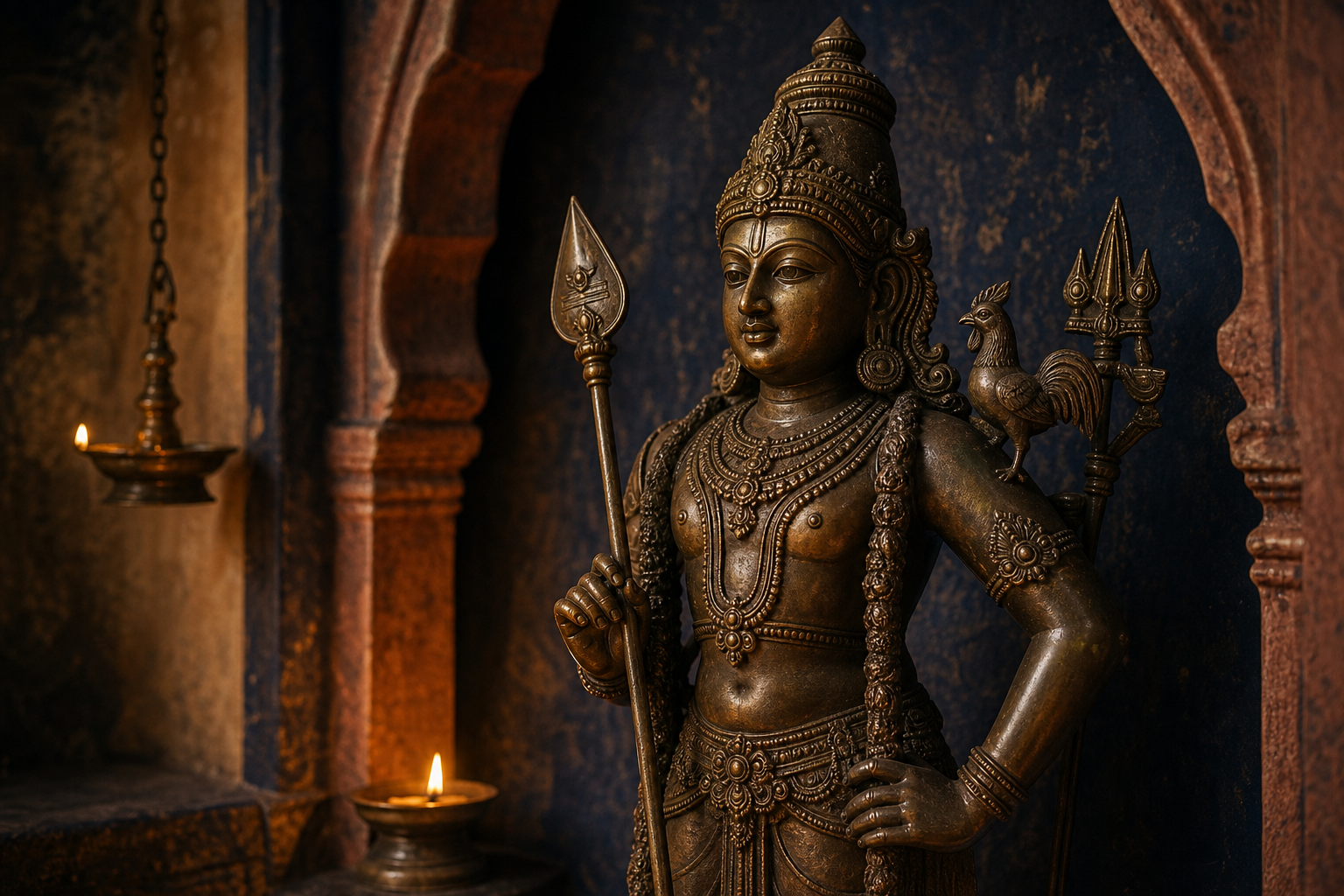
Viralimalai’s Shanmuganathar Temple presents a rare seated-on-peacock icon of Lord Murugan, uniting legend, music, and sacred ecology in a single hilltop experience. The site’s historical layers and South Indian hill-temple architecture encode a living Kaumāra tradition guided by Śaiva āgamas and Śilpa-Śāstra canons. Local memory of “When the Lord became the Hunter” situates Viralimalai within…
-
Annamacharya Jayanti 2026: Definitive Vaishakha Purnima Guide to Date, Rituals & Legacy

Annamacharya Jayanti 2026 will be observed on 1 May, aligning with Vaishakha Purnima. This definitive guide explains the date, calendar nuances, and how the Jayanti honors Tallapaka Annamacharya—vaishnava saint-poet and pioneering Telugu vaggeyakara—whose tradition credits 32,000 sankeertanas to Sri Venkateswara. Readers will discover how TTD preserved copper-plate manuscripts (about 14,000 extant), how modern maestros tuned…
-
Ayodhya’s Sacred Flame Debate: Honouring Akhand Jyoti while Meeting Modern Safety Norms

A social media dispute about an alleged plastic lamp at the Shri Ram Janmabhoomi Mandir sparked a wider discussion about the Akhand Jyoti, ritual integrity, and heritage stewardship. This analysis distinguishes the sacred, ghee-fed flame from decorative or safety lighting, clarifying why Agni as Devata cannot be reduced to mere illumination. It draws on safety…
-
Naimisharanya Lalita Devi Shakti Peeth: Timeless Power, Textual Echoes, Living Devotion

Naimisharanya’s Lalita Devi Temple in Uttar Pradesh is revered in living practice as a Siddha Shakti Peeth, drawing thousands of devotees daily. A verse in the Devi Bhagavata—“Vārāṇasyāṁ Viśālākṣī Naimiśe Liṅga Dhāriṇī, Prayāge Lalitā Devī Kāmakā Gandha Mādanē…” —situates Naimisharanya within a sacred map that includes Kashi and Prayag. The temple’s theology harmonizes Shaiva and…
-
Gorakhpur’s Budhiya Mai Temple: 600 Years of Sacred Forest Devotion, Memory, and Living Heritage

Set amid the Kusmhi forest near Gorakhpur, the Budhiya Mai Temple is locally regarded as a Purvanchal heritage site with around six centuries of remembered devotion. This analysis situates the shrine within sacred ecology, showing how forest setting, ritual practice, and communal memory reinforce one another. Readers gain a careful account of the origin legend—an…
-
From War Thunder to Living Gods: Ratha (Chariot) as Weapon, Ritual, and Wisdom in Ancient Hinduism

This long-form, research-driven essay follows the ratha (chariot) from its earliest Vedic mentions through epic warfare, temple architecture, and living festivals. Readers gain a balanced view of textual evidence (Rigveda, Mahabharata, Upanishads), archaeological debates (including Sinauli), and the Arthaśāstra’s statecraft, alongside technical insights into chariot design, crew roles, and battlefield tactics. It unpacks the Kaṭha…
-
Bringing Sikh Stories to Screen: Authentic Representation, Dharmic Unity, and Cultural Power

This article outlines a research-led, production-ready framework for bringing nuanced Sikh stories to screen while advancing unity across dharmic traditions. It details how respectful depiction of articles of faith, language authenticity, and community consultation improve cinematic representation and trust. Practical guidance covers writing-room research, casting and wardrobe, sound and music ethics, location protocols in gurdwaras,…
-
Unveiling Gyan Chaupar: The Dharmic, Karmic Origins of Snakes and Ladders and the Soul’s Ascent

Gyan Chaupar—known in variants as Moksha Patam and Paramapada Sopanam—originated as a Dharmic simulator of karma, virtue, vice, and liberation long before its colonial reinvention as Snakes and Ladders. This article traces its historical boards, scripts, and iconography across Hindu and Jain milieus, and shows how the same ethical architecture aligns with Buddhist and Sikh…
-
Vaisakhi Through Sikh Art: An Invitation to the Villa—A Powerful Blueprint for Unity

This exhibition blueprint frames Vaisakhi as an academic and community-centered journey through Sikh art within an intimate villa setting. It traces the Khalsa’s founding at Anandpur Sahib, highlights Gurmukhi calligraphy and manuscript traditions, and situates paintings, textiles, and martial regalia within rigorous historical context. Preventive conservation, ethical display practices, and bilingual interpretation ensure scholarly integrity…
-
Shiyali Kali (Kokmukha Devi): Unveiling the Enigmatic Jackal-Faced Shakti of India

Shiyali Kali (Kokmukha Devi) is a rare, jackal-faced manifestation of the Hindu Goddess that embodies the sacred power of liminality—night, the cremation ground, and the frontier between life and death. Although largely forgotten today, this form remains legible through Ancient Texts, Archaeology, regional memory, and the broader Śākta iconographic grammar linking the Goddess with jackals.…
-
Surdas Jayanti 2026: Date, Panchang, Rituals and the Timeless Bhakti Legacy of Krishna’s Poet

Surdas Jayanti 2026 will be observed on 21 April, aligning with Vaishakh Shukla Paksha Panchami in the North Indian Hindu calendar. The day honors Surdas—Krishna’s beloved Bhakti poet—whose Braj Bhasha padas shaped devotional literature, temple music, and community kirtan across North India. Devotees typically celebrate with Krishna puja, recitation from the Sursagar, congregational singing, and…
-
Maharishi Parashara Jayanti 2026: Sacred Date, Timeless Vedic Legacy, and Jyotisha Impact

Maharishi Parashara Jayanti 2026 falls on April 18, coinciding with Vaishakh Shukla Paksha Pratipada in North Indian (Purnimanta) calendars. The observance honors Parashara Maharshi’s far-reaching legacy across Purana theology, dharma discourse, and Jyotisha, especially through Vishnu Purana, Parāśara Smṛti, and the foundational Brihat Parashara Hora Shastra. Devotees observe the day with guru-vandana, parayana, study, dhyana–japa,…
-
Protecting Goa’s Inquisition-Era Memory: Preserve ‘Hat Katro Khamba’ and Confront the Past

Hindu Raksha Maha Aghadi has urged the Goa Government to retain the historical name ‘Hat Katro Khamba’ and to protect Inquisition-era evidence through rigorous, public-facing interpretation. The debate underscores why toponyms are historical sources that anchor social memory and guide research. Global conservation principles recommend documentation, context, and consultation rather than nominal erasure through renaming.…
-
Grinding Memory: Mumbai’s Kolhu Reenactment Reawakens the Brutal Realities of Kala Pani

A live kolhu demonstration at the Swatantryaveer Savarkar Rashtriya Smarak in Mumbai recreated the oil-press labor once forced upon freedom fighters at the Cellular Jail (Kala Pani) in the Andamans. By translating archival testimony into an embodied experience, the exhibit made the mechanics and cruelty of colonial punishment legible to contemporary audiences. The kolhu’s simple…