The 10th Chalachitram National Film Festival is scheduled for 24 and 25 October 2026 at the Jyoti Chitraban premises in Kahilipara, Guwahati, according to the supplied DharmaRenaissance Blog preview. Because the event is still presented as forthcoming, its dates, programme and awards should be understood as reported plans rather than completed outcomes.
The larger significance of CNFF 2026 lies in the model of heritage cinema it proposes. Its combination of short films, regional storytelling, civilisational memory and social concerns offers a useful framework for asking how cinema can conserve inherited culture without turning it into a static display.
Heritage cinema is more than a catalogue of the past
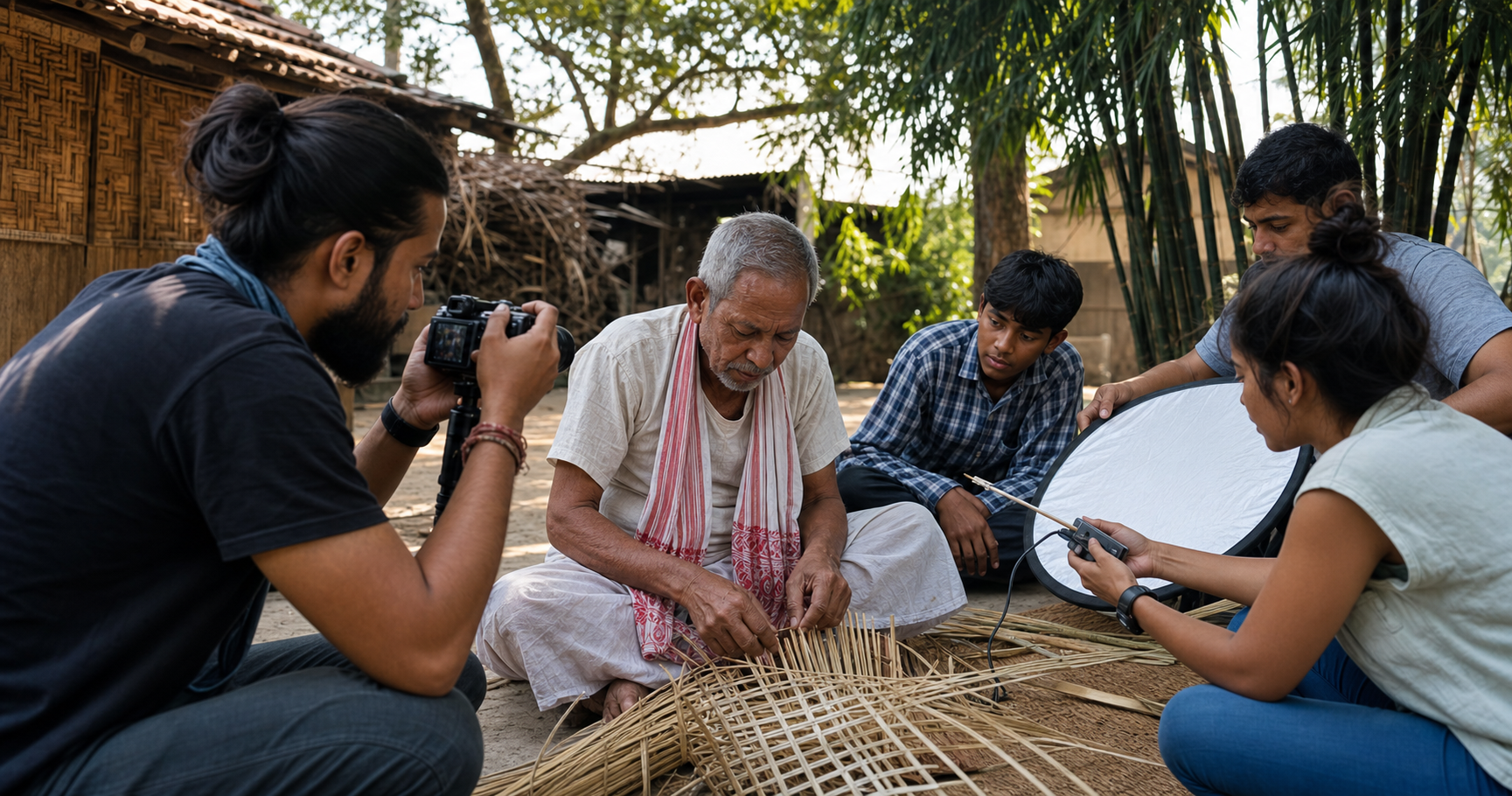
In general terms, heritage cinema can document material inheritance, such as buildings, manuscripts, textiles and artefacts, as well as less tangible forms of memory: music, oral narratives, rituals, skills, social customs and relationships with the natural world. The strongest examples do more than record an object or performance. They explain who sustains it, what it means within a community and what pressures may alter or erase it.
CNFF’s reported history supports this expansive interpretation. The festival began as the Guwahati Film Festival in 2017 and was renamed in 2019 around the theme Our Heritage Our Pride. The preview describes a wide field encompassing indigenous society, national integration, artisans, monuments, manuscripts, music, textiles, traditional sports, social reformers, tourism, the environment and even the tea and oil industries.
Placed together, those subjects suggest that heritage is not confined to antiquity. It also resides in livelihoods, local knowledge, landscapes and institutions shaped over time. A film about a craftsperson, for example, can simultaneously address technique, family transmission, economic survival and regional identity. A film about a monument can examine not only architecture but also the community practices and memories gathered around it.
The festival is reported to be organised by Chalachitram, described in the source as a subsidiary of Vishwa Samvad Kendra-Assam, under the mentorship of Bharatiya Chitra Sadhna. Its stated emphasis on nationalism and the lived traditions of Bharat consequently gives heritage cinema a public role: connecting distinct local inheritances with a broader civilisational and national frame.
The short form changes who can create the cultural record
The preview reports that eligible entries must run from one to 25 minutes, must have been produced between 1 September 2025 and 1 September 2026, and may be submitted by professional or novice filmmakers. This compact format is central to the festival’s identity rather than a minor technical condition.
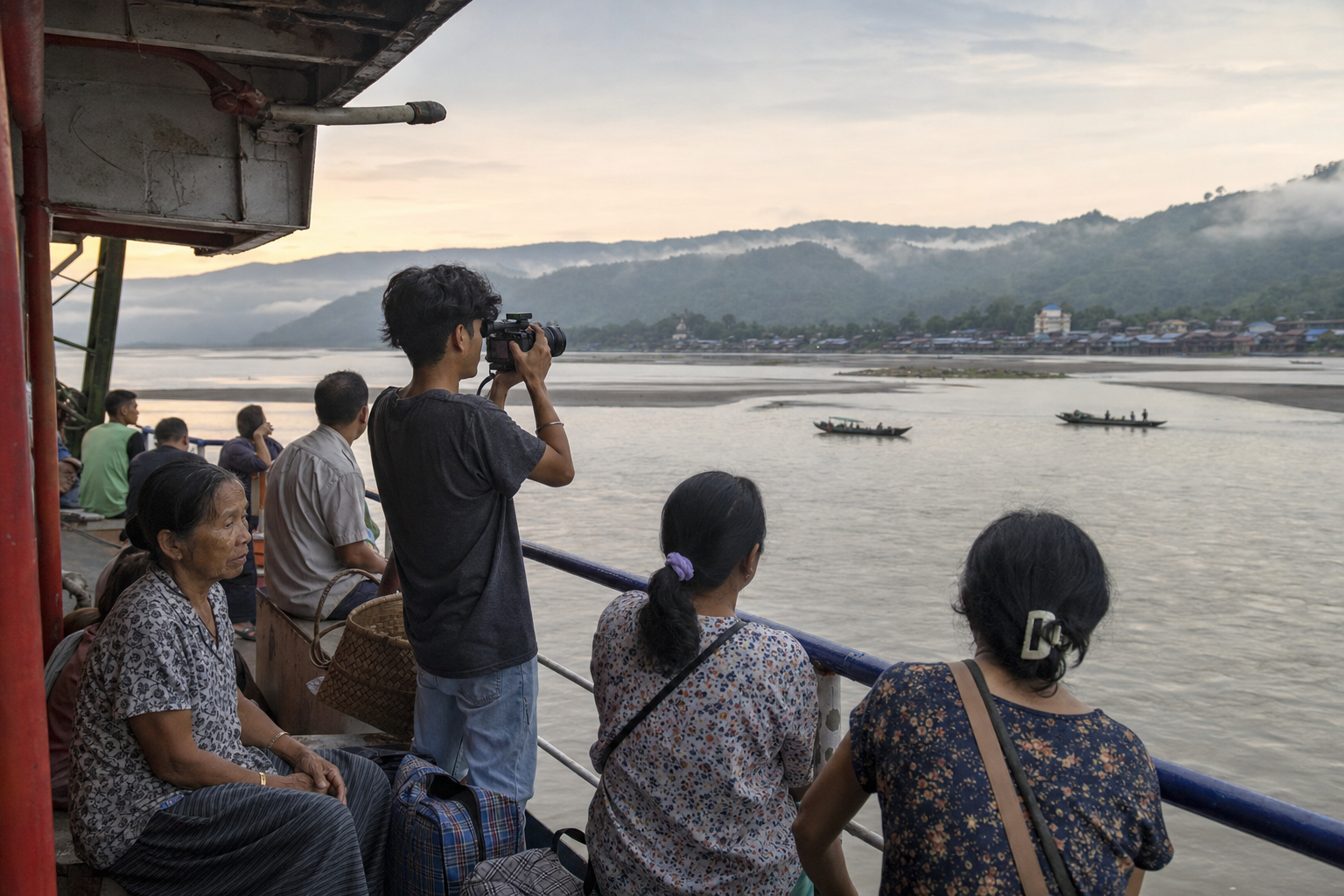
Short films lower some practical barriers to cultural documentation. A student, independent creator or first-time filmmaker may be able to follow one artisan, record one endangered performance or build a narrative around one family conflict without the resources demanded by a feature-length production. Limited duration can also impose useful discipline: the filmmaker must identify a precise subject, choose revealing details and establish why the story matters.
Compression nevertheless brings risks. Heritage subjects can become decorative montages if a film supplies striking images without history, context or human agency. Social questions can likewise be reduced to moral lessons if characters are used only to illustrate a predetermined message. Within a one-to-25-minute canvas, careful research, sound, editing and point of view become especially important.
The previous edition indicates how much thematic variety the format can accommodate. According to the source, more than 30 competitive and non-competitive short features and documentaries were screened, addressing subjects that included ageing, family estrangement, dignity near the end of life, death, fraud, greed, environmental concern and civilisational heritage. The range shows that heritage cinema need not occupy a separate compartment from contemporary social storytelling.
A North-East vantage point within an all-India frame
Guwahati gives CNFF a meaningful geographical perspective. The reported award structure distinguishes North East India entries from an All India category, while recognising forms such as short features and documentaries and crafts including direction, screenplay, cinematography and editing. That structure can acknowledge regional specificity without isolating North-East stories from national cinematic conversation.
The distinction matters because national integration is most persuasive when regions appear as sources of knowledge rather than as picturesque margins. The preview points to earlier films involving matriarchal social patterns, traditional Assamese string puppetry, village narratives about malevolent spirits and practices associated with magic. It also mentions textile traditions from across Bharat. These subjects connect the local and national through comparison, circulation and shared questions about memory.
Such films can also resist two opposite simplifications. One is to absorb every regional practice into a uniform national image; the other is to treat local culture as disconnected from wider historical relationships. A productive heritage film can preserve names, voices and contexts while showing how communities exchange techniques, stories and ethical ideas across regions.
Social responsibility is a test of civilisational memory
The festival preview does not describe heritage solely through celebratory subjects. Its account of earlier programming includes loneliness among older people, caste-based inequality and the experiences of slow learners and differently-able children. Bringing these concerns into the same festival as monuments, crafts and oral traditions makes an important argument: cultural continuity must be examined through the quality of relationships within society.
Stories about elderly people can translate a broad concern about changing family structures into rooms, silences, routines and unmet expectations. Films about caste prejudice can reveal how inherited social arrangements affect dignity in ordinary life. Narratives concerning children with different learning needs can move attention from abstract labels toward care, patience, education and participation.
This approach complicates the meaning of pride. A mature engagement with heritage can honour what communities have created while still examining exclusion, neglect or injustice within inherited practices. The source explicitly presents confronting social wounds as compatible with, rather than hostile to, a dharmic civilisational outlook. Whether individual films achieve that balance will depend on their willingness to grant subjects depth and agency instead of using them as symbols.
Key takeaways for reading heritage films at CNFF
- Documentation: Does the film preserve specific knowledge, testimony or practice that might otherwise be overlooked?
- Context: Does it explain how the subject belongs to a living community rather than presenting culture as an isolated spectacle?
- Craft: Do image, sound, structure and editing deepen understanding within the short running time?
- Ethical attention: Are artisans, elders, children and marginalised people portrayed as full participants in their own stories?
- Connection: Does the film relate a regional experience to wider questions without erasing its local character?
CNFF 2026 will be most consequential if its films leave behind more than a record of cultural forms. The opportunity is to create a usable cinematic memory: precise enough to protect local inheritance, honest enough to confront present difficulties and open enough to carry those stories into future public conversation.