-
At Bhojshala After MP High Court Order: Uninterrupted Hindu Worship and a Call for Harmony

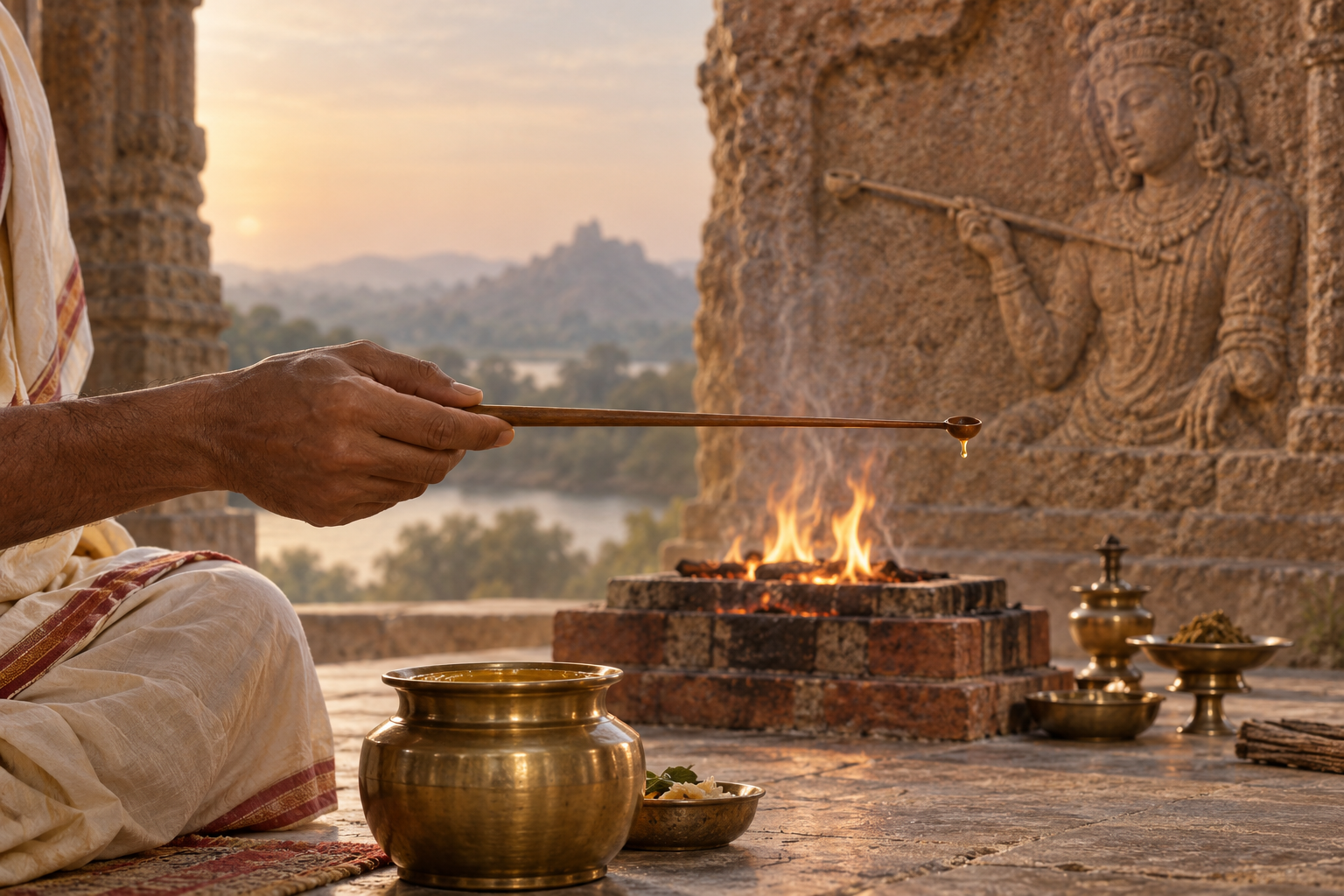
Following the Madhya Pradesh High Court’s directives, Bhojshala in Dhar hosted uninterrupted Hindu worship on the first Friday after the order, while Friday namaz did not occur at the monument that day, according to official reports. This analysis explains why the moment is significant, distinguishing symbolic claims (such as “700 years”) from verifiable chronology. It…
-
Abhinavabharati Unveiled: Abhinavagupta’s Masterwork on Bharata’s Natyashastra and Rasa Theory

Abhinavabharati, Abhinavagupta’s celebrated commentary on Bharata Muni’s Natyashastra, clarifies how drama, dance, and music yield rasa through vibhavas, anubhavas, and vyabhicari-bhavas in the receptive sahridaya. It accepts śānta rasa as the apex, harmonizing aesthetic passion with contemplative calm in line with dharmic ideals shared across Hinduism, Buddhism, Jainism, and Sikhism. By integrating dhvani (suggestion) from…
-
Unmasking Medieval Indo-Persian Chronicles: How Propaganda and Piety Shaped India’s Memory

Medieval Arabic and Persian court chronicles in India did more than list battles and dates—they engineered collective memory by merging piety, patronage, and propaganda. This analysis maps their genres (Sirah, Tabaqat, Tarikh, Malfuzat, Maghazi, Maktubat), clarifies how narratives framed Darul Harb and the Ghazi ideal, and explains why panegyric conventions celebrated conquest as sanctity. It…
-
Decoding the Khatvanga: Skull Staff of Chamunda & Kali—Fearlessness, Tantra, and Transcendence

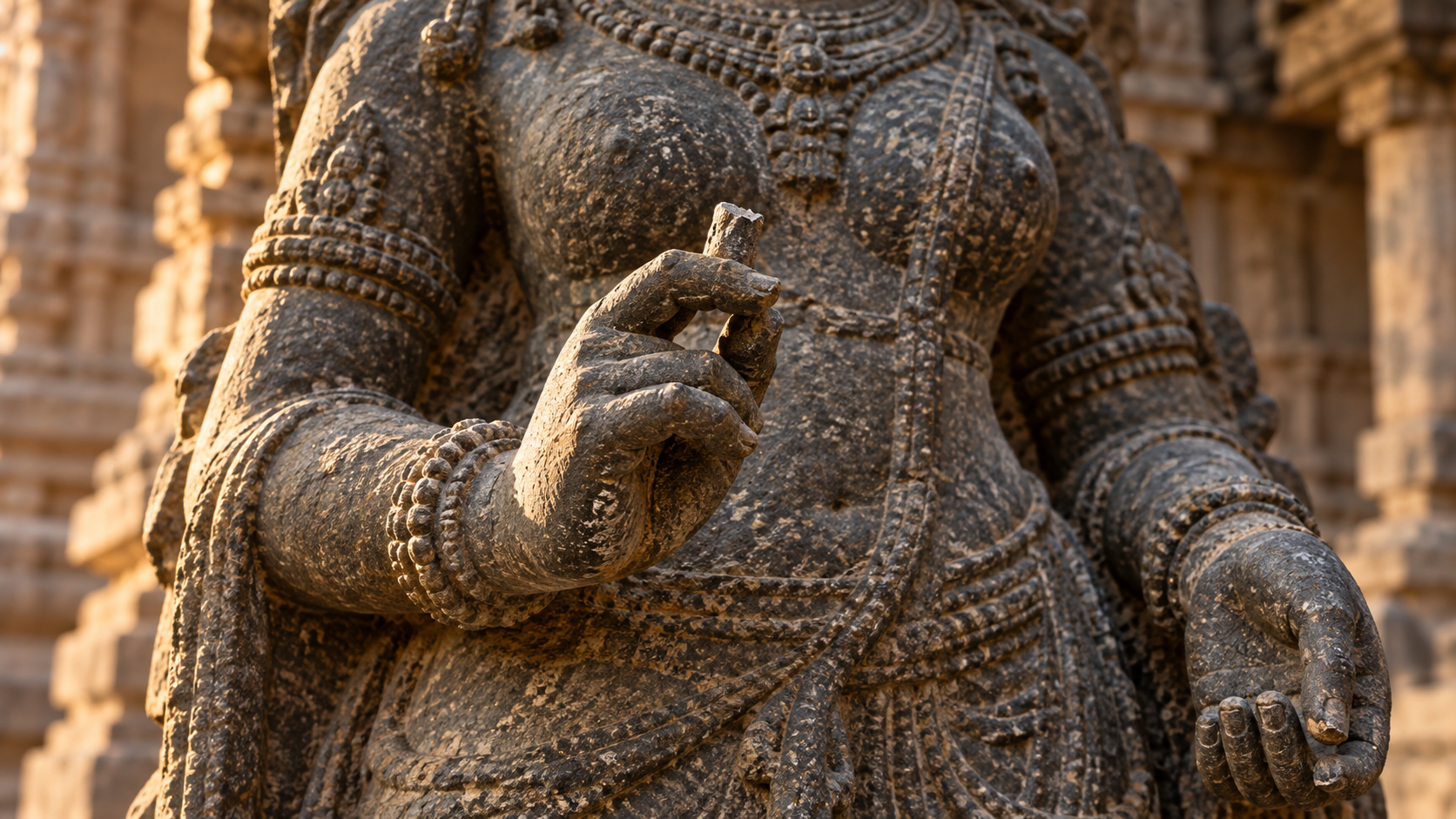
The khatvanga—skull-staff of Chamunda, Kali, and other fierce goddesses—emerges as a precise, multilayered symbol in Hindu iconography and tantric philosophy. This long-form analysis decodes its form (skull, bone staff, damaru, banner), its cremation-ground origins, and its ethical evolution from literal bone to wood or metal in mainstream ritual spaces. It clarifies how the staff encodes…
-
Gurmat Sangeet Certification: Master Raags, Shabad Kirtan, and Timeless Sikh Devotional Heritage

Gurmat Sangeet is the living Sikh tradition of sacred music, where Shabad is sung within the grammar of raag and taal to cultivate contemplation and ethical action. A well-designed certification program grounds training in the Guru Granth Sahib’s raag-based structure, emphasizing accurate pronunciation (santhiya), faithful use of ਰਹਾਉ (rahāo), and historically aware performance. Learners progress…
-
New Vrindaban’s Palace of Gold: A Living Testament to Devotion, Craft, and Dharmic Unity

This long-form reflection examines New Vrindaban’s Palace of Gold in West Virginia, the focus of a second documentary by Vrsabhanu das. It traces the site’s evolution from a planned residence for Srila Prabhupada to a memorial shrine and cultural landmark within ISKCON. Readers gain a technical view of materials, methods, and process discipline—marble inlay, glass…
-
Global Sikhs, Enduring Heritage: How Diaspora Guardians Safeguard Sikhi Worldwide

Global Sikh communities are emerging as rigorous custodians of Sikh heritage, uniting conservation science, digital archiving, and living traditions. The post maps tangible assets—manuscripts, instruments, gurdwaras—and intangible practices such as Gurmat Sangeet, gatka, langar, and Gurmukhi literacy. It outlines technical standards for digitization, metadata, storage environments, and ethical access to Gurbani. It also highlights governance…
-
Defending Punjabi: Safeguarding Punjab’s Civilizational Soul Through Language, Script, and Policy

Defending Punjabi is inseparable from safeguarding Punjab’s civilizational identity: a plural, dharmic heritage shared across Hindu, Buddhist, Jain, and Sikh traditions. This long-form analysis outlines historical trajectories, the complementary roles of Gurmukhi and Shahmukhi, and the constitutional scaffolding that enables Punjabi to thrive in schools, administration, and scholarship. It translates research on mother-tongue education into…
-
Sultanpur Lodhi: Sacred Spring of Guru Nanak’s Mission, Sikh Heritage, and Dharmic Unity

Sultanpur Lodhi is the historic river-town in Punjab where Guru Nanak Dev Ji’s public mission took form, anchoring Sikh heritage in lived practice along the Kali Bein. The town’s sacred geography—centered on Gurdwara Sri Ber Sahib and a constellation of related gurdwaras—translates scripture and song into daily acts of kirtan, langar, and seva. Ethical labor,…
-
The Parashu in Hindu Iconography: A Definitive Guide to Form, Theology, and Dharmic Unity

The parashu (paraśu), or sacred battle axe, condenses Hindu theology of force, restraint, and renewal into a single powerful ayudha. This long-form guide explains how to recognize the parashu in Hindu Sculptures, details its associations with Shiva, Ganesha, Durga, and Parashurama, and situates it within the ethics of Kshatra and dharma-yuddha. It connects scriptural narratives…
-
Inside Bhakti Bhavan, Kolkata—Awe-Inspiring Darshan of Srila Bhaktivinoda Thakur’s Living Legacy

Bhakti Bhavan in Kolkata, the historic home of Srila Bhaktivinoda Thakura, preserves the living heart of Gaudiya Vaishnavism through the Madhava deity, Giriraja Sila, the Salagrama Sila manifest as Jagannatha, and the Kurma Sila. A recent visit demonstrates how careful heritage conservation and daily archana deepen understanding of scripture, lineage, and practice. The site powerfully…
-
Panjurli Daiva of Tulunadu: Sacred Boar, Agrarian Covenant, and the Living Bhuta Kola

Tulunadu’s Panjurli Daiva, the sacred boar guardian of coastal Karnataka and northern Kerala, embodies a living covenant between forest and farmland. This in-depth overview situates Panjurli within Bhuta Kola/Nema traditions, tracing historical continuities, ritual roles, costume language, and oracular justice. Readers gain an integrated view of how daivasthanas function as both sacred spaces and civic…
-
Timeless Welcoming Grace: Ahuya–Varada Mudra in Hindu Iconography and Sculpture
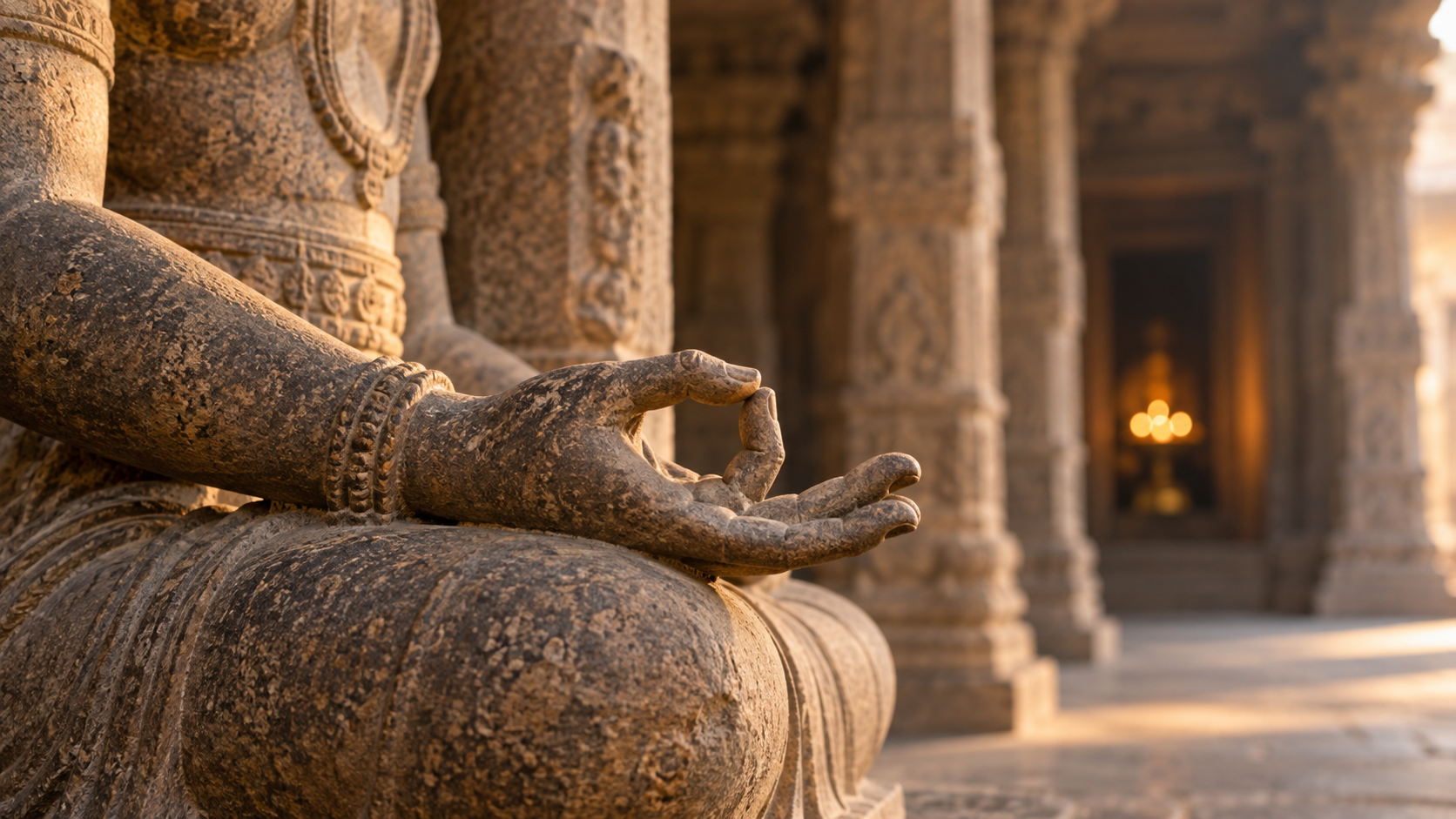
Ahuya–Varada Mudra crystallizes a powerful promise in Hindu iconography: an invitation to approach, followed by the boon of grace. The analysis clarifies etymology and form—Ahuya as a welcoming inclination, Varada as the classic downward, open palm—while distinguishing them from Abhaya. Drawing on Shilpa Śāstra canons, regional styles (Chola, Odishan, Pāla–Sena, Hoysala), and ritual practice, it…
-
Decoding Medieval Islamicate Court Chronicles: Skills, Hijri Timekeeping, and How to Read Them Critically

This essay decodes how medieval Islamicate court chronicles in India were made, why they date events from the Hijri era, and how their theological vocabulary shaped historical writing. It details the rigorous training of chroniclers in Quran, Hadis, Fiqh, Persian adab, and calligraphy, and explains their overlapping roles as jurists, advisers, and scribes. Through examples—Amir…
-
Unveiling Shimanthoor’s Sri Adi Janardhana: A Rare Vishnu Icon Holding Pinda in Karnataka

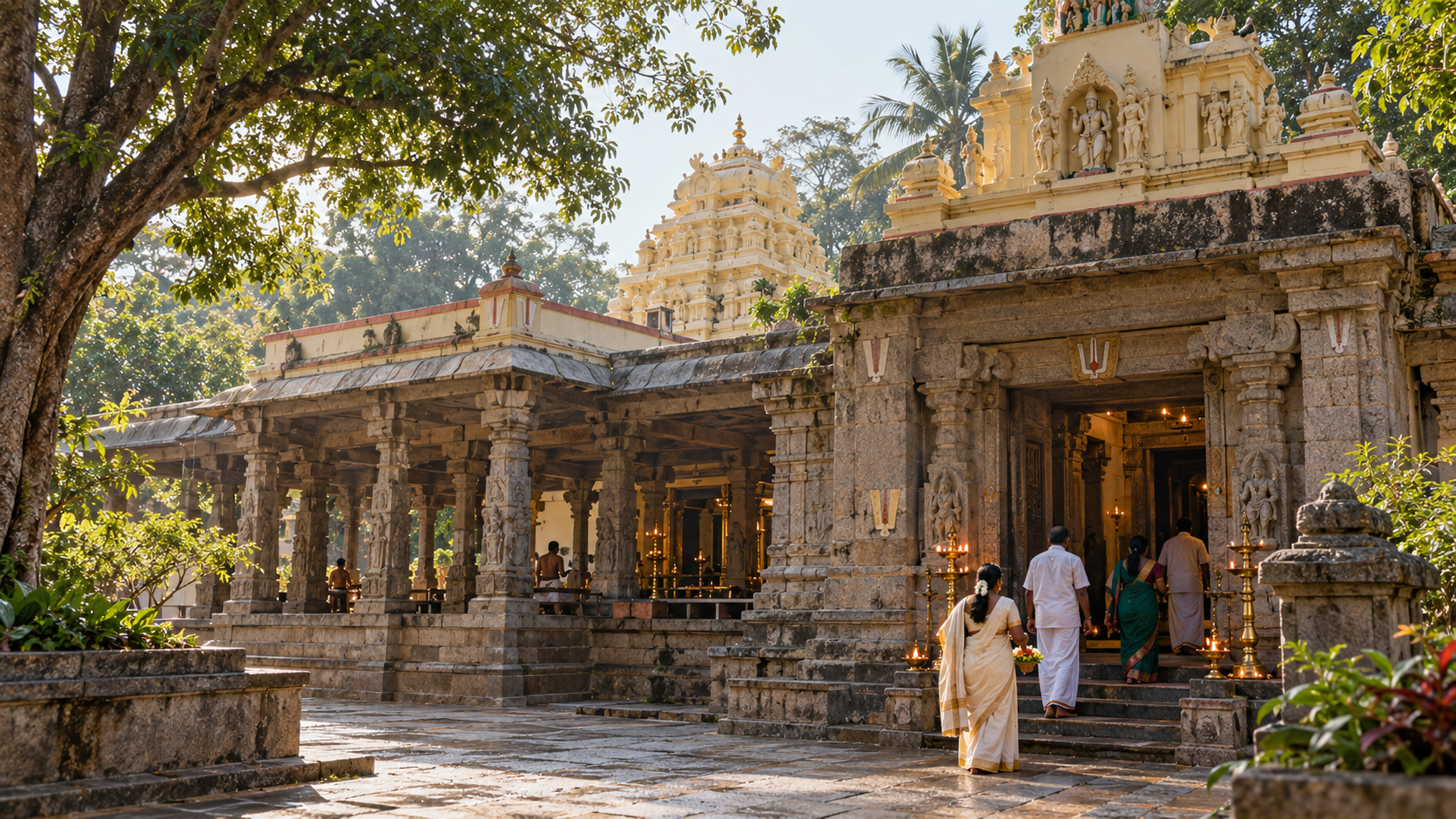
Sri Adi Janardhana Temple in Shimanthoor, Dakshina Kannada, is among the rarest Vishnu shrines in India, featuring Janardhana holding a pinda in the lower right hand. This singular iconography bridges Vaishnava theology with ancestral remembrance, situating śrāddha values within the very form of the deity. Set in Karnataka’s Tulu Nadu, the temple showcases coastal architecture…
-
From Jamun to Jambudvipa: Sacred Dark Hues, Divine Cosmology, and Bharata’s Enduring Soul

Jamun’s deep purple hue, Jambudvipa’s sacred geography, and the dark complexions of Divine iconography converge to reveal a unifying civilizational vision of Bharata. Drawing on Hindu Puranas, Buddhist Pali sources, and Jain cosmography, the analysis shows how Jambudvipa frames Bharata-varsha as a moral and spiritual habitat rather than a mere map. The essay connects sacred…