
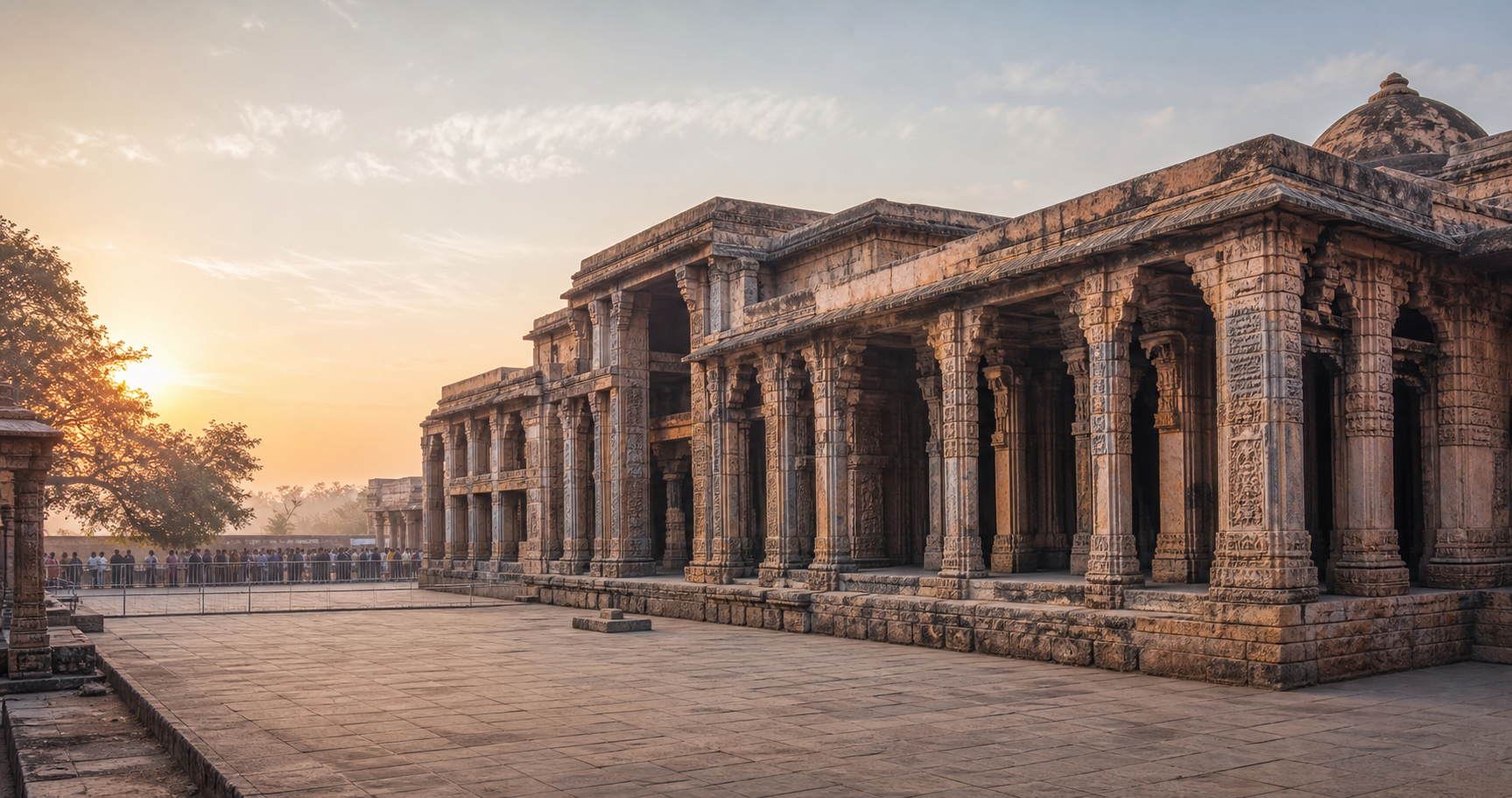
If you have seen messages claiming that the status of the Bhojshala-Kamal Maula complex has suddenly changed, pause before forwarding them. The development reported from Dhar is significant, but it is a mobilisation and a demand. It is not, on the facts presently established, a completed removal, an official transfer of control, or a final ruling on the disputed site.
You can support the protection and reclamation of Hindu heritage without turning an unverified claim into a fact. In a dispute this sensitive, the strongest advocacy begins by separating what happened, what protesters want, and what a competent authority has actually ordered.
What the Dhar mobilisation actually establishes
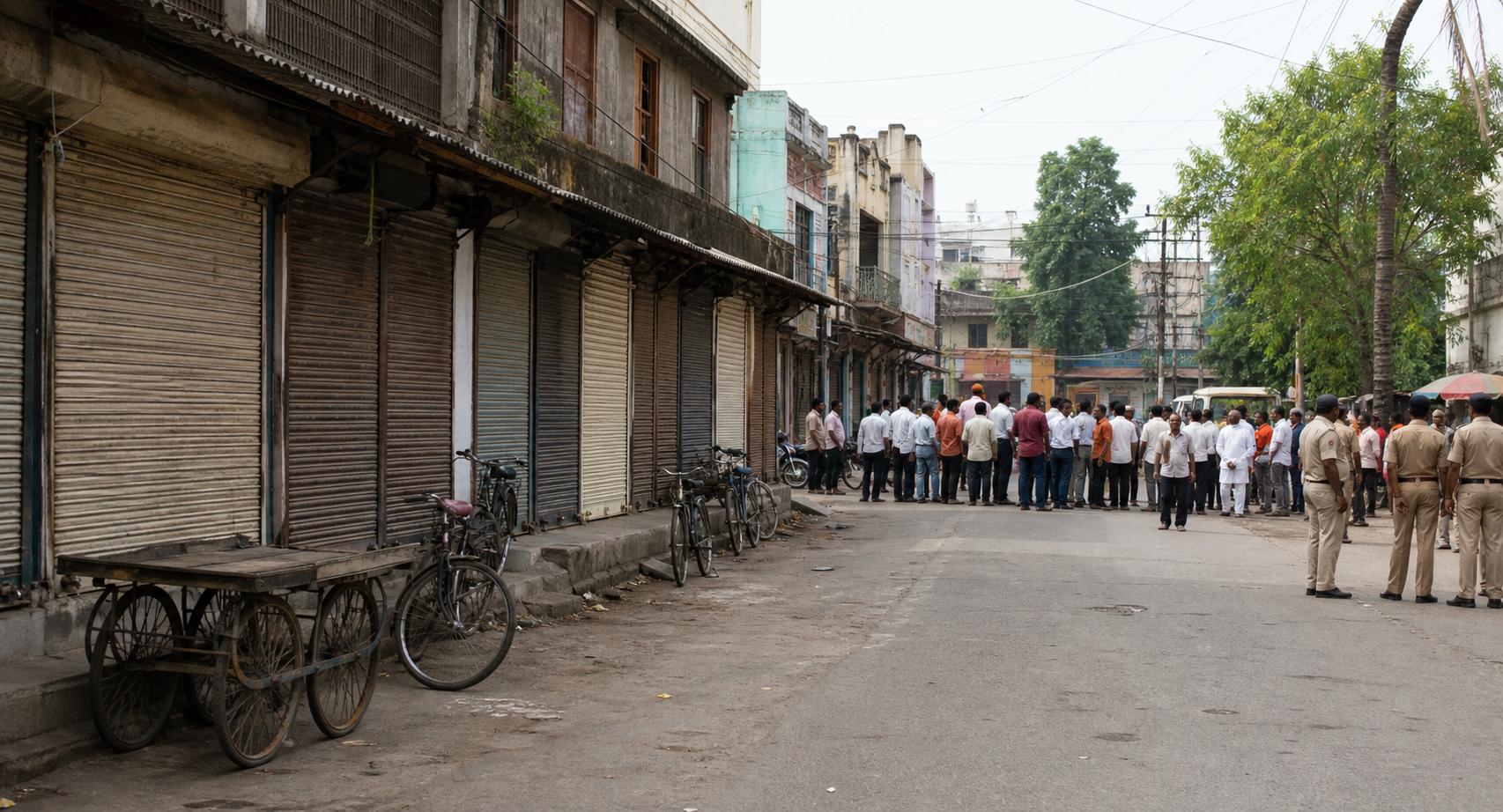
On 26 August 2026, Hindutva organisations called for a bandh in Dhar. Their demands and objections concerned the Kamal Maula tomb and a Muslim prayer site described as being near the disputed Bhojshala-Kamal Maula complex. The mobilisation also questioned the role of the BJP government.
That establishes a political development with three clear elements:
- Hindutva organisations called for a Dhar bandh.
- They demanded the removal of the Kamal Maula tomb from the Bhojshala complex.
- They raised objections to a Muslim prayer site described as being near the disputed complex and challenged the government’s response.
It does not establish that the government accepted the demand, that an authority issued a removal order, or that work to remove any structure began. It also does not settle the site’s historical, legal, archaeological, or administrative questions. If a message changes the phrase “called for removal” into “removal has been ordered,” it changes the substance of what is known.
This distinction is not semantic caution for its own sake. A public demand tells you what a movement seeks. An authenticated order tells you what the state has authorised. Implementation records tell you what has physically occurred. Those are three different stages, and the available facts reach only the first.
Do not merge the tomb, prayer site, and entire complex
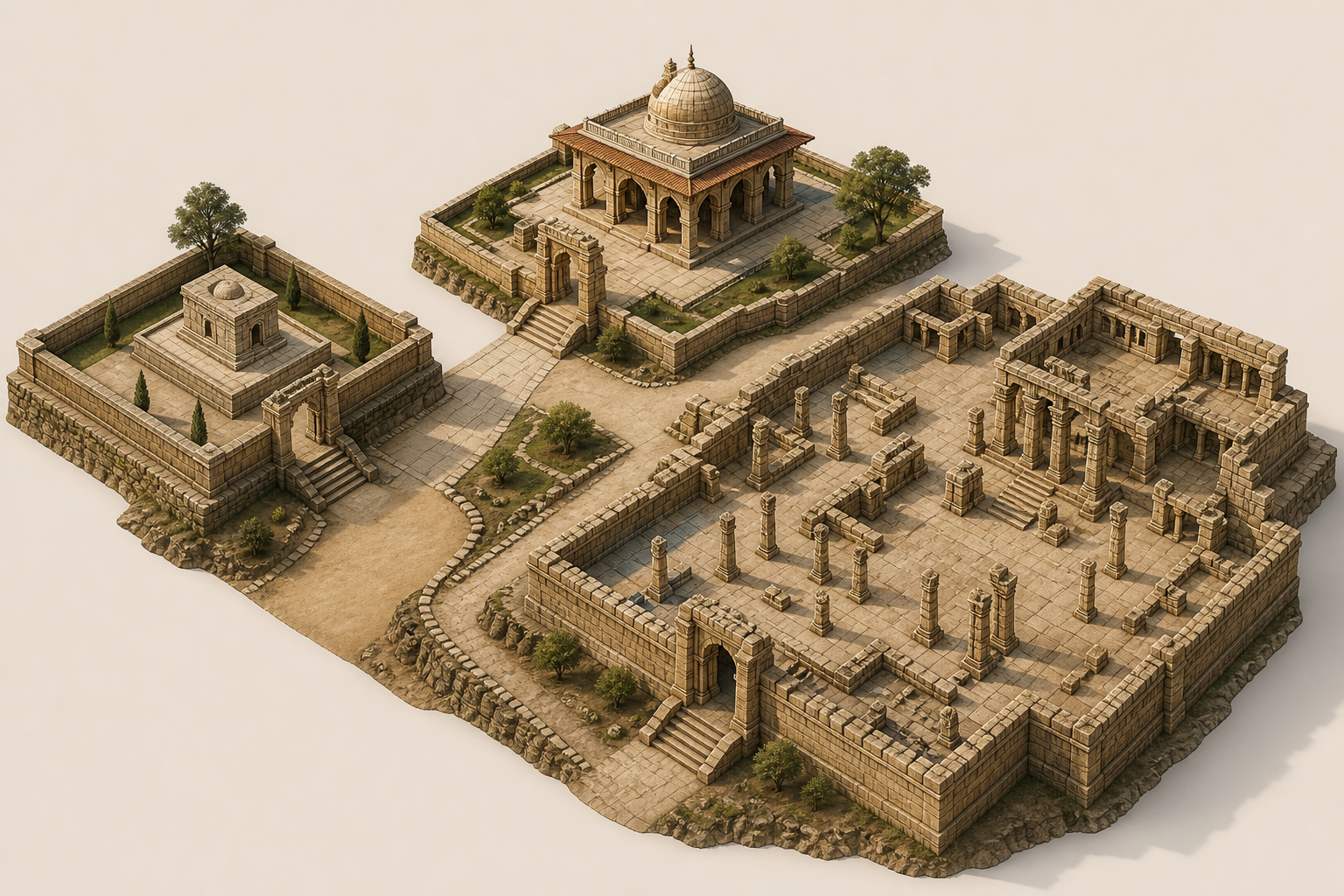
The public wording contains an important spatial ambiguity. One part of the demand refers to removing the Kamal Maula tomb from the Bhojshala complex. Another refers to a Muslim prayer site near the disputed complex. Those descriptions should not be treated as interchangeable without an authenticated site plan or official identification of the structures involved.
Before accepting a claim about the dispute, ask five precise questions:
- What physical place is being discussed? Is the claim about the tomb, a place used for prayer, a separate nearby location, or the whole complex?
- Where is it located? Does the evidence say that it is within a recognised boundary, adjoining that boundary, or merely near the disputed site?
- What action is being sought? Removal, relocation, restricted use, investigation, or clarification are not the same demand.
- Who has acted? A campaign organisation can announce a demand; only a competent public or judicial authority can make an operative decision within its jurisdiction.
- What stage has been reached? A call, representation, notice, order, and completed action are separate events.
This test catches the most common distortion in fast-moving heritage disputes: a specific objection becomes a claim about the entire property, and a political demand becomes an accomplished government act. If the person sharing the claim cannot identify the structure, boundary, authority, and stage, you do not yet have enough information to repeat it as fact.
A bandh raises political pressure but does not settle evidence

A bandh can demonstrate mobilisation, make local dissatisfaction visible, and increase the political cost of official silence. The challenge directed at the BJP government therefore matters: supporters are not merely expressing a civilisational concern but asking a government to take responsibility for a concrete dispute.
Yet political pressure cannot substitute for the records needed to establish location, authority, ownership, permitted use, or an enforceable change. A large or emotionally powerful mobilisation may strengthen a demand in the political arena; it does not automatically prove every historical or legal assertion made around that demand.
For pro-Hindu cultural advocacy, this is a question of credibility as much as caution. Keep three layers separate:
- The civilisational position: Hindu sacred and cultural heritage deserves protection, truthful historical examination, and a fair institutional hearing.
- The political demand: Organisations are asking the government to respond and seeking removal of the Kamal Maula tomb from the complex.
- The operative status: No completed removal or binding official change is established by the information currently available.
You do not weaken the Hindu case by maintaining these distinctions. You prevent opponents, officials, and casual observers from dismissing a legitimate heritage concern because supporters circulated a claim that outran the evidence.
Key takeaways
- The confirmed development is a 26 August 2026 call by Hindutva organisations for a bandh in Dhar.
- The stated demand concerns removal of the Kamal Maula tomb from the Bhojshala complex, alongside objections involving a Muslim prayer site described as near the disputed complex.
- A bandh call is evidence of political mobilisation, not proof that the government or a court ordered a change at the site.
- Do not merge references to a tomb, a nearby prayer site, and the entire complex unless a reliable boundary record identifies them.
- Before forwarding an update, check the exact structure, its location, the authority involved, the requested action, and whether the claim concerns a demand or an order.
How to support the cause without weakening the record
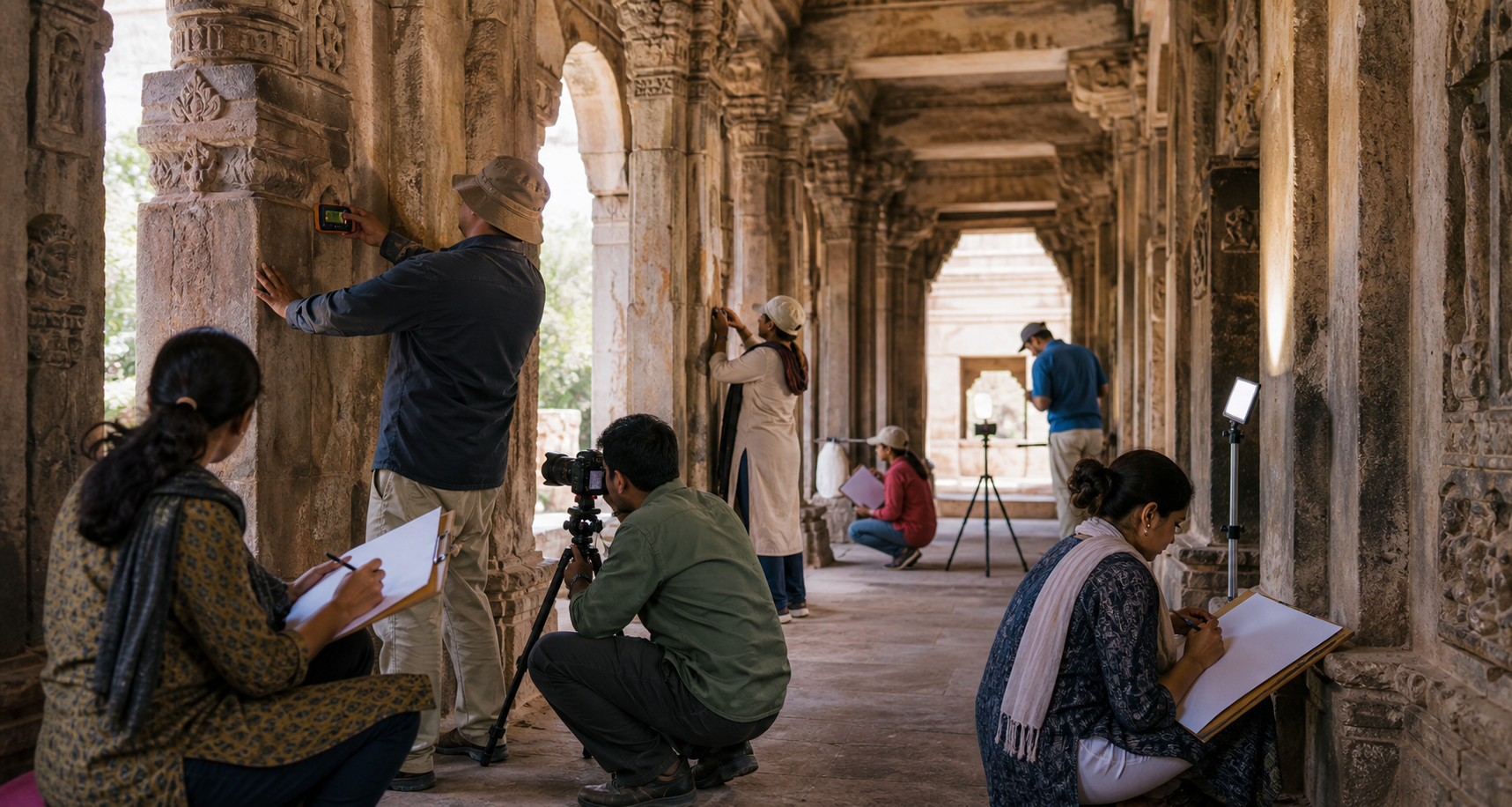
If you plan to discuss the dispute publicly, attend a peaceful civic programme, or ask representatives for action, use a process that can survive scrutiny.
- State the event in its exact form. Say that organisations called for a bandh and demanded removal. Do not say that removal was approved, ordered, or completed unless you can produce the authenticated decision.
- Name the object precisely. Use “Kamal Maula tomb,” “prayer site described as near the complex,” or “Bhojshala-Kamal Maula complex” only when that is the thing your evidence identifies.
- Ask for primary records. Look for an authenticated government notice, judicial direction, official boundary record, or implementation instruction. A cropped social-media image without an issuing authority, date, and complete text is not enough.
- Preserve the chain of evidence. Save the full page, publication date, URL, issuing body’s name, and complete document rather than keeping only a screenshot of a headline. This allows later claims to be checked against what was actually available at the time.
- Mark uncertainty openly. If the relation between the tomb and the nearby prayer site is unclear, say so. Do not fill a spatial gap with an assumption simply because the assumption supports your preferred conclusion.
- Direct demands towards responsible institutions. Ask decision-makers for records, reasons, timelines, and lawful action. Do not publish private addresses, target ordinary worshippers, or circulate calls for confrontation. Such conduct creates danger and distracts from the heritage question.
- Correct the record when it changes. If an authenticated order later appears, cite its date, issuing authority, exact scope, and operative language. If an earlier claim proves inaccurate, correct it as visibly as you shared it.
The next decisive development will not be another slogan. It will be a verifiable act that identifies the relevant structure, fixes its location in relation to the complex, names the authority acting, and states what is legally or administratively to happen. Until that appears, treat confident claims of a completed change with caution.
You do not have to choose between defending Bhojshala’s Hindu heritage and demanding factual discipline. Do both. Save the exact 26 August claim, request the authenticated location and decision records, and correct any message that quietly turns “called for” into “ordered.” That is how cultural advocacy builds a record strong enough to matter after the day’s mobilisation has passed.
References
