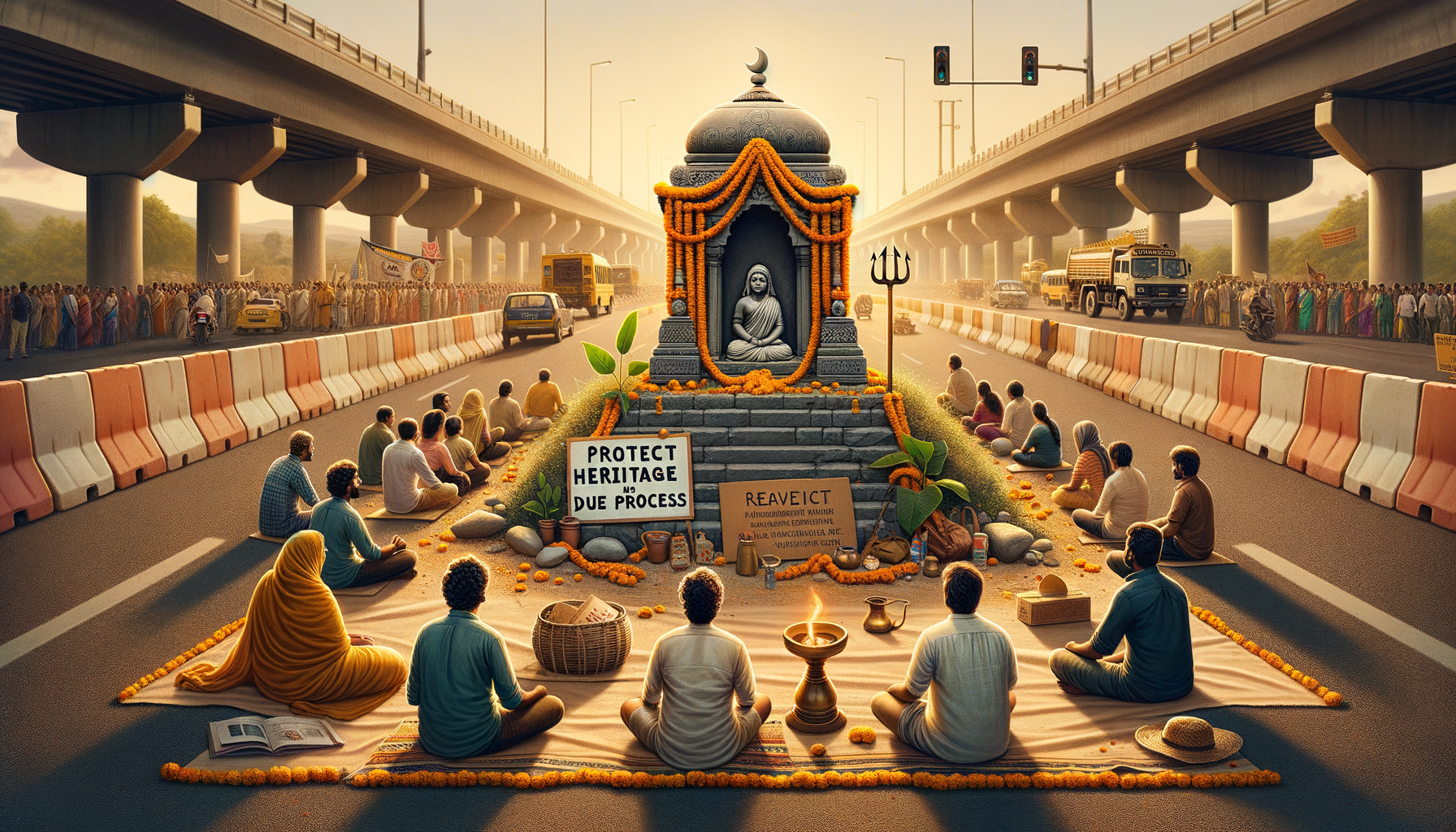
Peddapalli, Nov 7, 2025 A peaceful dharna in Ramagundam drew significant public attention as Hindu organisations protested the reported demolition of numerous Daari Maisamma temples. Participants urged a transparent inquiry, immediate safeguards for remaining shrines, and community consultation before any further civic works. The demonstration framed the issue as one of cultural heritage protection, due process, and religious rights within a constitutional framework.
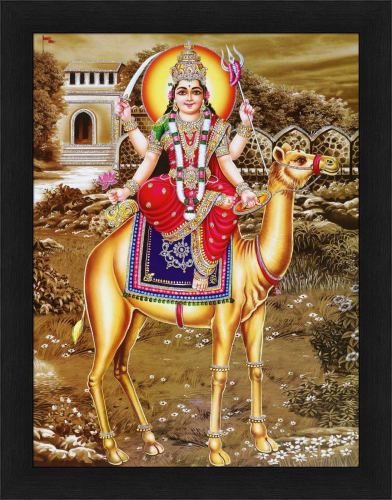
Daari Maisamma holds longstanding significance in Telangana as a guardian deity associated with local safety and communal well-being. Many shrines are modest, community-maintained wayside sites that serve as focal points for daily worship, seasonal observances, and neighborhood identity. The removal of such structures, without participatory dialogue, is perceived by residents as a loss of shared memory and continuity.
Local accounts allege that around 100 wayside Daari Maisamma structures were removed during infrastructure and road-widening activities in Ramagundam, Peddapalli district. Municipal authorities, according to residents, cited encroachment, safety, and alignment requirements as rationale. Community representatives countered that, even where relocation is warranted, prior notice, alternatives, and religious protocols should be respected.
Protesters articulated clear, process-oriented demands: an official inventory of affected shrines; a time-bound review of demolition actions; relocation or re-consecration at suitable nearby sites; and guidelines that balance urban planning with heritage stewardship. They also called for coordination between municipal bodies and temple administration departments to ensure compliance with legal norms and culturally sensitive practices.
Residents described the mood as one of quiet determination. For many families, the sight of vacant plinths where Daari Maisamma once stood evoked childhood memories of festivals, daily pradakshina, and roadside aarti. Community elders emphasized that such spaces are not merely physical structures but living nodes of social care, especially during Karthika masam when collective worship intensifies.
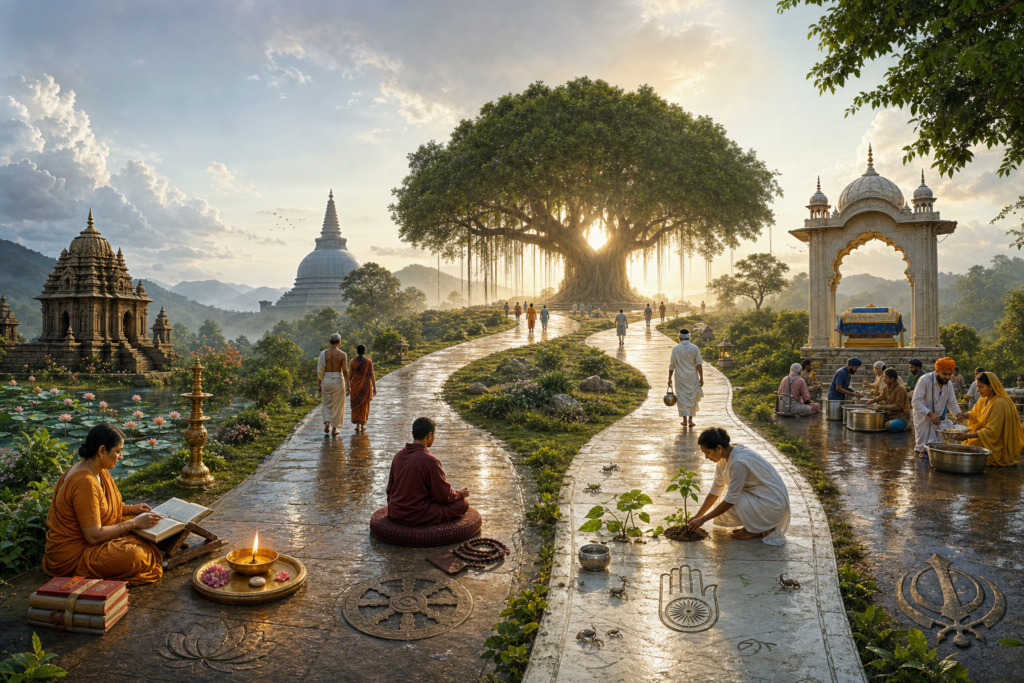
In a notable show of dharmic solidarity, voices from Hindu, Buddhist, Jain, and Sikh circles highlighted the need to protect shared heritage while maintaining civic safety. The gathering underscored unity among dharmic traditions, affirming that plural religious practices can coexist with modern infrastructure through dialogue, planning, and empathy. The emphasis remained firmly on harmony, lawful resolution, and mutual respect.
Policy suggestions emerging from the forum included a district-level grievance cell, mandatory pre-project community consultations, heritage impact assessments for urban upgrades, and clearly signposted relocation protocols for affected shrines. Participants urged transparent criteria that the public can scrutinize, alongside training for field officials on culturally sensitive engagement and documentation.
Looking ahead, community leaders proposed confidence-building measures: mapping sacred micro-sites, establishing a restoration fund for re-consecration, and scheduling community dialogues ahead of major works. Such steps, they argued, would reduce conflict, strengthen trust, and align development with cultural continuity.
As of Nov 7, 2025, local organisations continued to seek an administrative review and constructive engagement with municipal authorities. The Ramagundam protest has become a focal point for broader discussions in Telangana on how to integrate urban development with the preservation of living heritage, ensuring that Daari Maisamma shrinesand similar sacred sitesare treated with dignity, legality, and care.
Inspired by this post on Struggle for Hindu Existence.