-
Echoes of the Vedas in Native American Lifeways: A Scholarly, Empathic Comparison

A careful comparative analysis reveals functional resonances between Vedic culture and Native American lifeways without claiming direct historical links. Drawing on the testimony of Felicity O’rourke (Anishnaabi), the discussion shows how ancestral teachings often survived as lived lifestyle under the pressures of boarding school assimilation. Parallels emerge around sacred fire and smoke, ritual sound, directional…
-
True Humility, Not Self-Hatred: A Dharmic Guide to Ego, Worth, and Inner Strength

Humility in the shastras is not self-hatred; it is an accurate acknowledgment of limitation that preserves self-worth while dismantling narcissism and self-promotion. Across Hinduism, Buddhism, Jainism, and Sikhism, humility appears as amanitvam, anatta, Anekantavada, Aparigraha, and nimrata, forming a shared dharmic ethic. Cognitive biases and modern incentives make humility difficult, but dharmic psychology and disciplined…
-
Conquer the Kleshas: Patanjali’s Yoga Sutras on Ending Suffering and Reclaiming Clarity

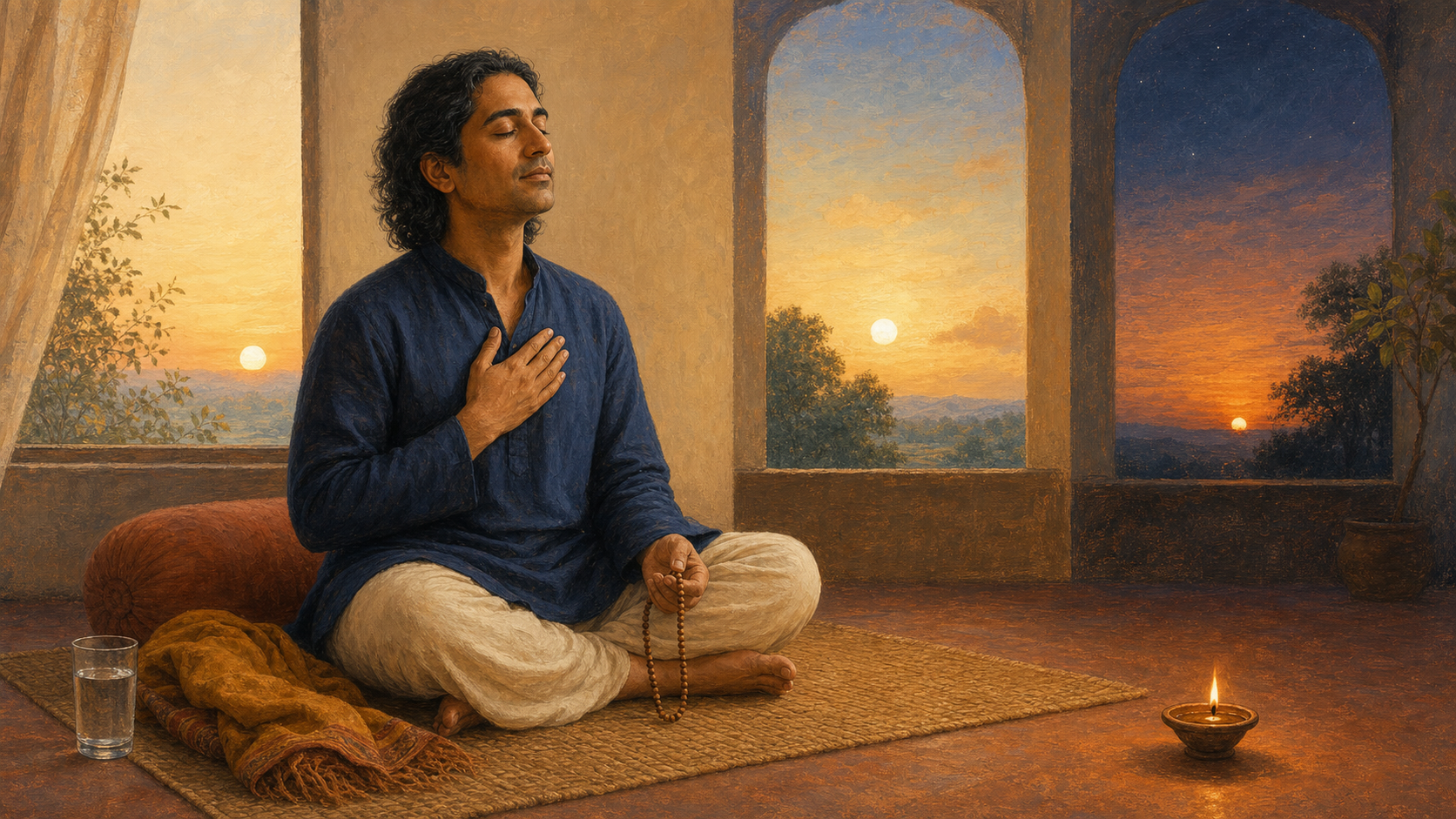
This in-depth guide explains Patanjali’s doctrine of kleshas—the inner afflictions that fuel suffering—and shows how the Yoga Sutras translate diagnosis into a practical path of freedom. Readers learn the five kleshas (avidya, asmita, raga, dvesha, abhinivesha), their activation states, and how they perpetuate karma and samskaras. The article details Kriya Yoga and Ashtanga Yoga as…
-
From Humble Beginnings to Enduring Eminence: Scholarship, Faith, and Dharmic Unity

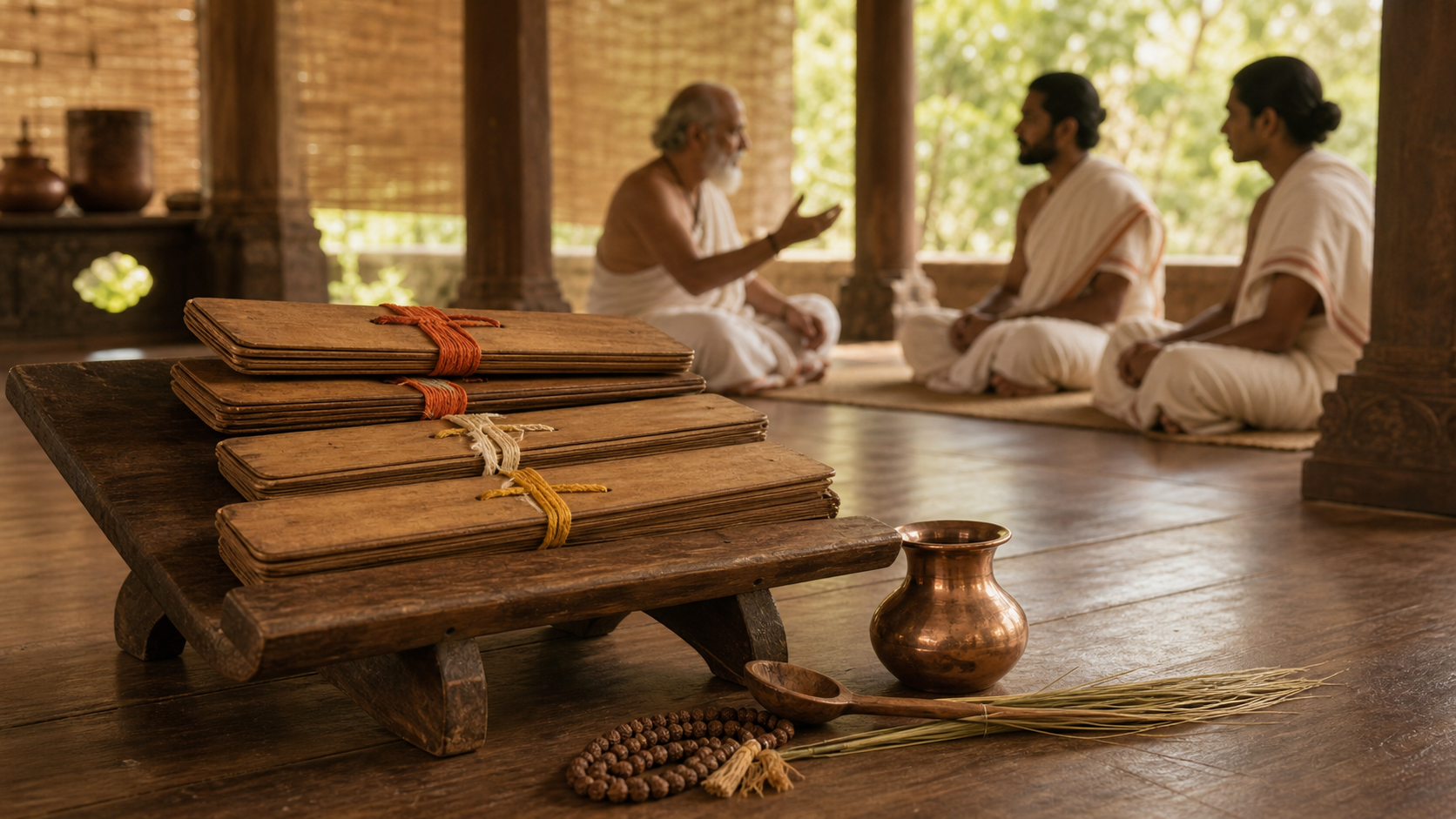
This essay maps the path from humble beginnings to enduring eminence through the dharmic lenses of scholarship, faith, struggle, legacy, and inspiration. It shows how the Guru-Shishya Tradition, Nalanda-style scholastic cultures, Jain Anekantavada, Sikh Seva, and vedantic inquiry create complementary routes to excellence. Readers gain a pragmatic five-vector blueprint—Vidya, Sadhana, Seva, Sangha, and Shraddha—for integrating…
-
World Punjabi Conference 2026, Ludhiana: A Landmark Book Release Uniting Dharmic Heritage

The World Punjabi Conference in Ludhiana (20–22 February 2026) anchors a landmark book release that advances Punjabi literature, script literacy, and cultural heritage while fostering unity among Hindu, Buddhist, Jain, and Sikh traditions. The analysis outlines how a conference-based launch delivers scholarly rigor, curriculum integration, and community engagement beyond a ceremonial unveiling. Technical guidance covers…
-
Vishkanya in Hindu Temples: Unmasking the Haunting Symbolism, Statecraft, and Ethics

The Vishkanya (Vishakanyaka), or “poison maiden,” is one of the most intriguing and misunderstood figures in Hindu temple iconography. This long-form analysis situates the motif within Arthaśāstra-inspired statecraft, narrative literature like Mudrārākṣasa, and the premodern study of toxicology (agada-tantra). It explains how specific sculptural cues—such as a scorpion on the thigh or serpent ornaments—transform a…
-
Prabhavali or Prabhamandala: The Sacred Arch of Light, Protection, and Cosmic Order in Temples

The prabhavali, or prabhamandala, is the luminous arch that frames deities in Hindu temple sanctums, uniting aesthetics, ritual function, and metaphysical meaning. Emerging prominently in classical and medieval India and perfected in traditions such as the Chola bronzes, it encodes protection, radiance, and cosmic order through motifs like kirtimukha, makara, and jvala flames. Stone, metal,…
-
Delhi Temple Attack Foiled: ISI-Linked Lashkar Cell Dismantled; Bangladesh Handler Traced

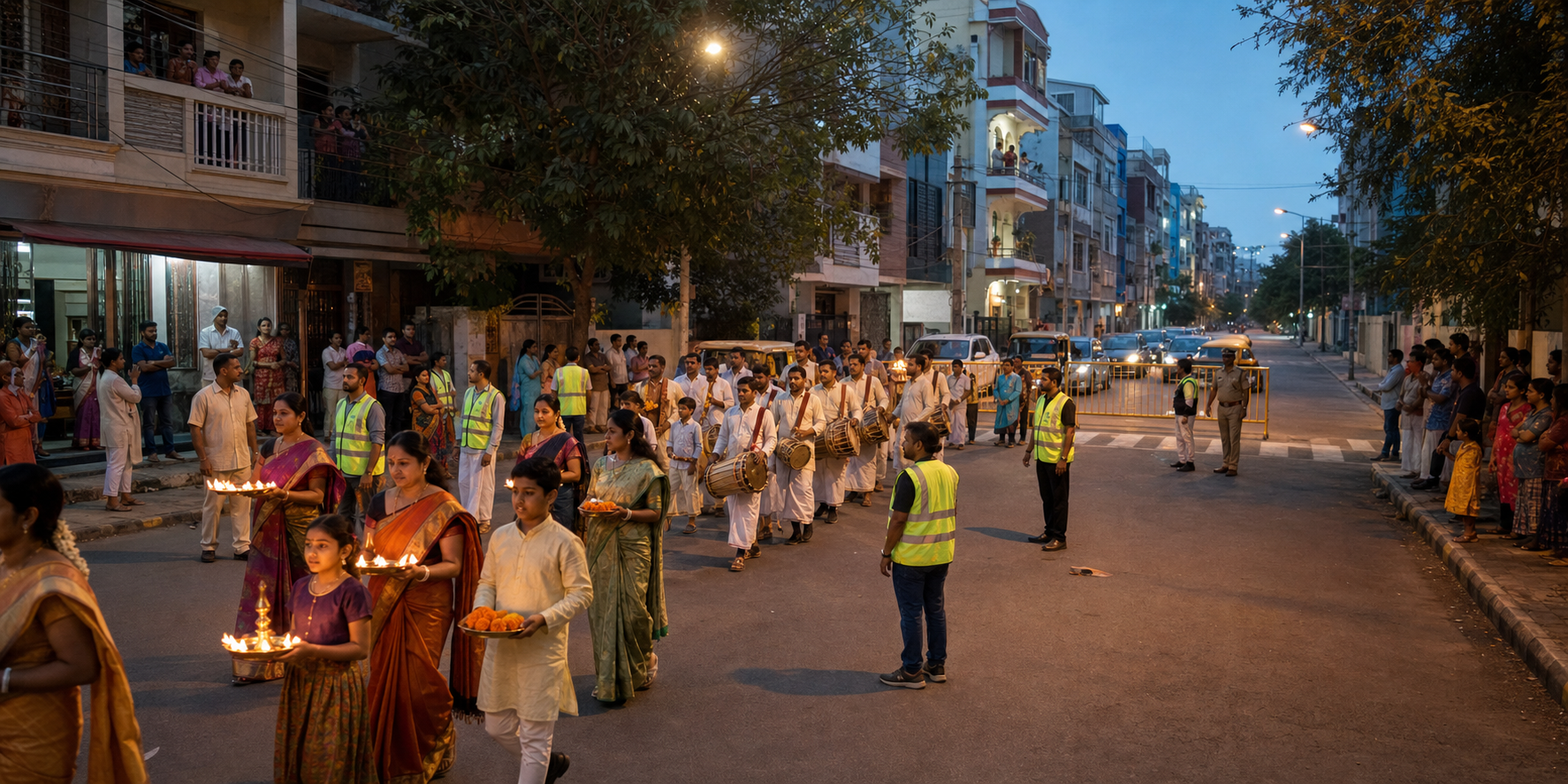
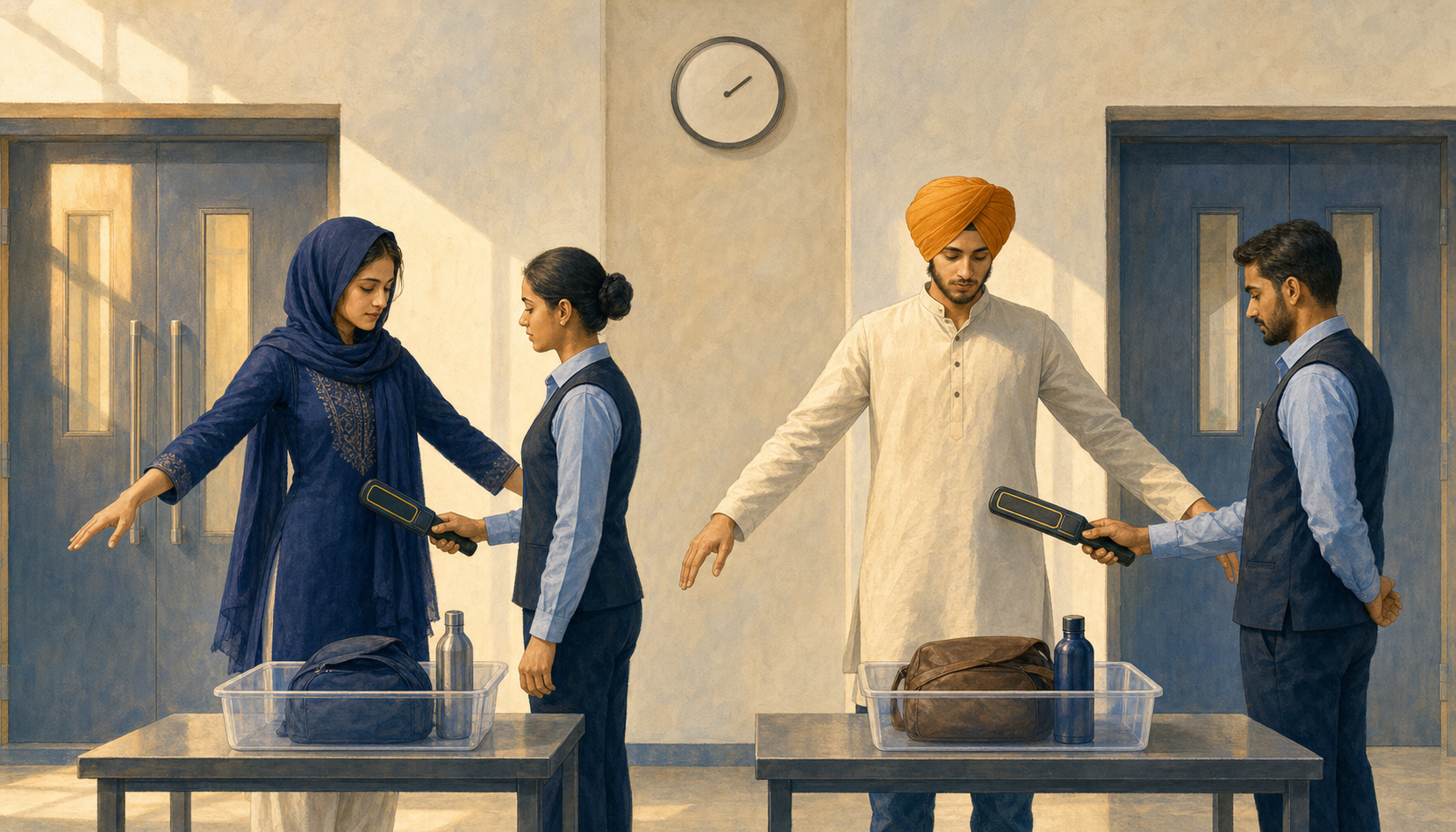
Indian security agencies reportedly foiled an ISI-linked Lashkar-e-Taiba plot targeting a Delhi temple on 23 February 2026, with a handler traced to Bangladesh. The case underscores the need for intelligence-led policing, cross-border cooperation, and rights-respecting counterterrorism. It highlights how layered protection of sacred sites—concentric perimeters, intelligent CCTV, and trained volunteer stewards—can materially reduce risk. Analysts…
-
UK Hindu Groups Challenge SOAS Leicester Unrest Report, Demand Funding Transparency and Rigor

UK Hindu organisations have challenged a SOAS-led report on the 2022 Leicester unrest, citing methodological bias and opaque funding disclosures. This analysis explains why independence, balanced sampling, and transparent codebooks are essential for credible community inquiries. It outlines a research blueprint that integrates police data with open-source digital forensics to correct rumour-driven narratives. It also…
-
Forgotten Guardian: Riksharajas, the Androgynous Vanara Who Shaped Kings Bali and Sugriva

This long-form exploration brings to light Riksharajas—also known as Riksharaja and sometimes rendered as Vriksharajas—the often-overlooked guardian in the Ramayana who raised Bali (Vali) and Sugriva. Drawing on Valmiki’s Kishkindha Kanda, Kamba Ramayanam, Krittivasi traditions, and Puranic echoes (Skanda Purana, Padma Purana), it explains how and why different recensions describe divine paternity while preserving Riksharajas’s…
-
Break the Grip of Envy: Dharmic Wisdom on Desire, Aparigraha, and True Wealth

A timeless dharmic principle—“Do not covet what is not yours”—is examined through Hindu, Buddhist, Jain, and Sikh frameworks to show how freedom from envy safeguards inner clarity and social trust. The analysis grounds the ethic in the Isha Upanishad, the Bhagavad Gita’s psychology of desire, and Patanjali’s yamas of Asteya and Aparigraha. It then aligns…
-
Chamunda’s Fiery Crown: Transformative Agni, Shakta Iconography, and Inner Alchemy

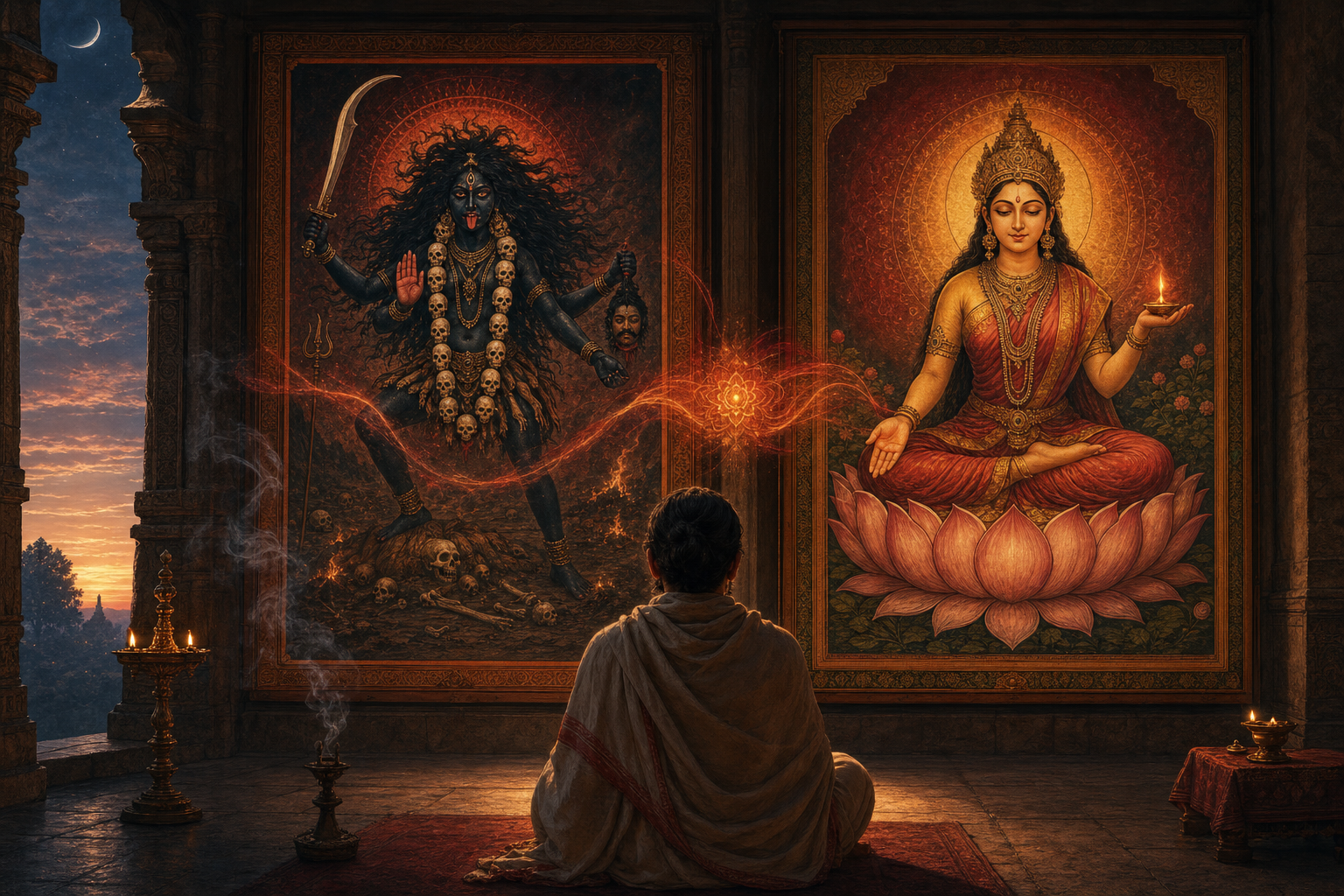
Chamunda’s crown of flame—jvālāmukuṭa—presents a precise theological statement: power governed by wisdom. Rooted in the Devi Mahatmya, this Shakta iconography aligns with Vedic and Yogic accounts of purificatory fire (Agni, jñānāgni), showing how disciplined luminosity transforms fear and anger into moral clarity. The cremation-ground setting, skull garland, and pañchamuṇḍi āsana frame the flame as sovereignty…
-
March 3, 2026 Purnima to Krishna Paksha: Tithi Times, Rituals, Good Time, Nakshatra, Rashi

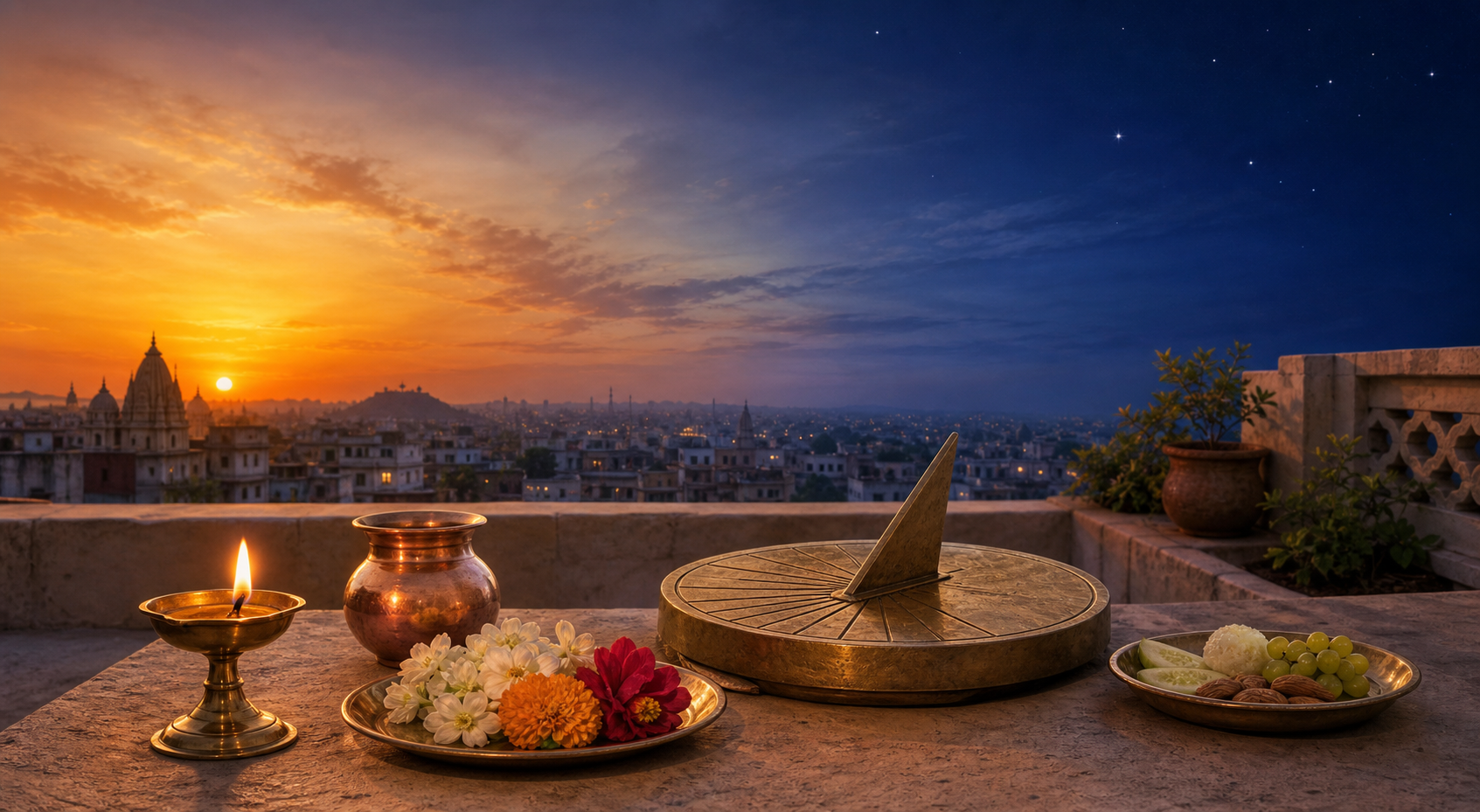
Purnima Tithi on Tuesday, March 3, 2026 prevails until 4:33 PM IST, after which Krishna Paksha Pratipada begins and lasts until 4:15 PM IST on March 4. The times are in IST and broadly apply across North, South, and Eastern India, with minor local shifts. The overview explains Tithi computation, offers practical guidance for Purnima…
-
Sri Nilobha Bhaktavar: Timeless Bhakti and Seva Lessons for Family Dharma and Community

Set in the prosperous city of Pimbalam, the account of Sri Nilobha Bhaktavar (also known as Niloba) presents a rigorous, household-centered model of bhakti to Srimannarayana. The narrative highlights disciplined generosity: serving the servant and visiting devotees first, then partaking last, thereby transforming the kitchen into a sanctum of seva and anna-dana. Read theologically and…
-
Varuda Rasipalan 2026–2027 (Parabhava): Deep-Dive Puthandu Predictions, Rituals & Auspicious Windows

Puthandu 2026 (Chithirai 1) inaugurates the Parabhava Nama Varsha on 14 April 2026, aligning the Tamil solar New Year with a wider Indic cycle that also frames Vishu and Vaisakhi. This long-form Varuda Rasipalan explains the Tamil calendar’s sidereal basis, outlines the year’s key transits—Shani in Meena and Guru’s move from Mithuna to exalted Karka—and…
-
Nakshatra Phalam 2026–2027: Definitive Predictions for 27 Birth Stars in Sri Parabhava Samvatsaram

This definitive Nakshatra Phalam 2026–2027 guide synthesizes Kandaya Phalam and major transits for Sri Parabhava nama samvatsaram to offer clear, practical direction for all 27 birth stars. It explains how to read annual predictions by janma nakshatra, outlines the year’s planetary context (Jupiter exalted in Cancer, Saturn in Pisces, and the Rahu–Ketu shift), and provides…
-
Vishu 2026 Malayalam New Year: Exact Date, Kani Rituals, Kaineettam, and Cultural Insights

Vishu 2026 in Kerala falls on Wednesday, 15 April 2026, aligning with the first day of Medam in the Malayalam Panchang and the Sun’s ingress into sidereal Aries (Mesha Sankranti). The date follows Kerala’s sunrise rule: because Sankranti occurs after sunset on 14 April, the observance shifts to the next dawn. The festival’s centerpiece is…
-
Sri Rama Navami 2026 at Bhadrachalam: Timeless Brahmotsavam & Soul‑Stirring Sita Rama Kalyanam

Sri Rama Navami 2026 at Bhadrachalam will be observed during the Vasanta Paksha Thirukalyana Brahmotsavalu from March 19 to April 2, with Sri Sita Rama Kalyanam expected in the Madhyahna window around March 27. The temple’s liturgy follows Vaishnava Agamas with Ankurarpana, Dwajarohanam, vahana sevas, the Kalyanam, and Pattabhishekam on Dasami. Devotees can expect a…
-
From Mortal Hero to Sacred Ideal: Rama’s Journey from Valmiki to the Bhakti Age

Rama’s image evolves from Valmiki’s ethically tested human king to the Bhakti movement’s compassionate divine, illuminating how dharma and devotion converge rather than compete. Valmiki Ramayana presents Maryada Purushottama as a ruler who chooses justice amid painful dilemmas; Bhakti-era Ramayanas—Kamba Ramayanam, Adhyatma Ramayana, and Tulsidas’s Ramcharitmanas—reframe those dilemmas through grace, interior devotion, and inclusive accessibility.…
-
Ten Days of Vipassana: How Silence Rewires Reactivity, Boosts Calm, and Deepens Compassion

A ten-day Vipassana meditation course operates as rigorous equanimity training rather than a leisure retreat. By removing digital inputs and conversation, attention turns to interoceptive sensation, revealing how craving and aversion drive reactivity. The practice systematically decouples sensation from appraisal, a shift echoed in research on mindfulness, nervous system regulation, and pain modulation. Group silence…