-
Mahashivaratri 2026 at Srisailam Mallikarjuna: Sacred Night, Rituals, Timings, and Pilgrim Guide

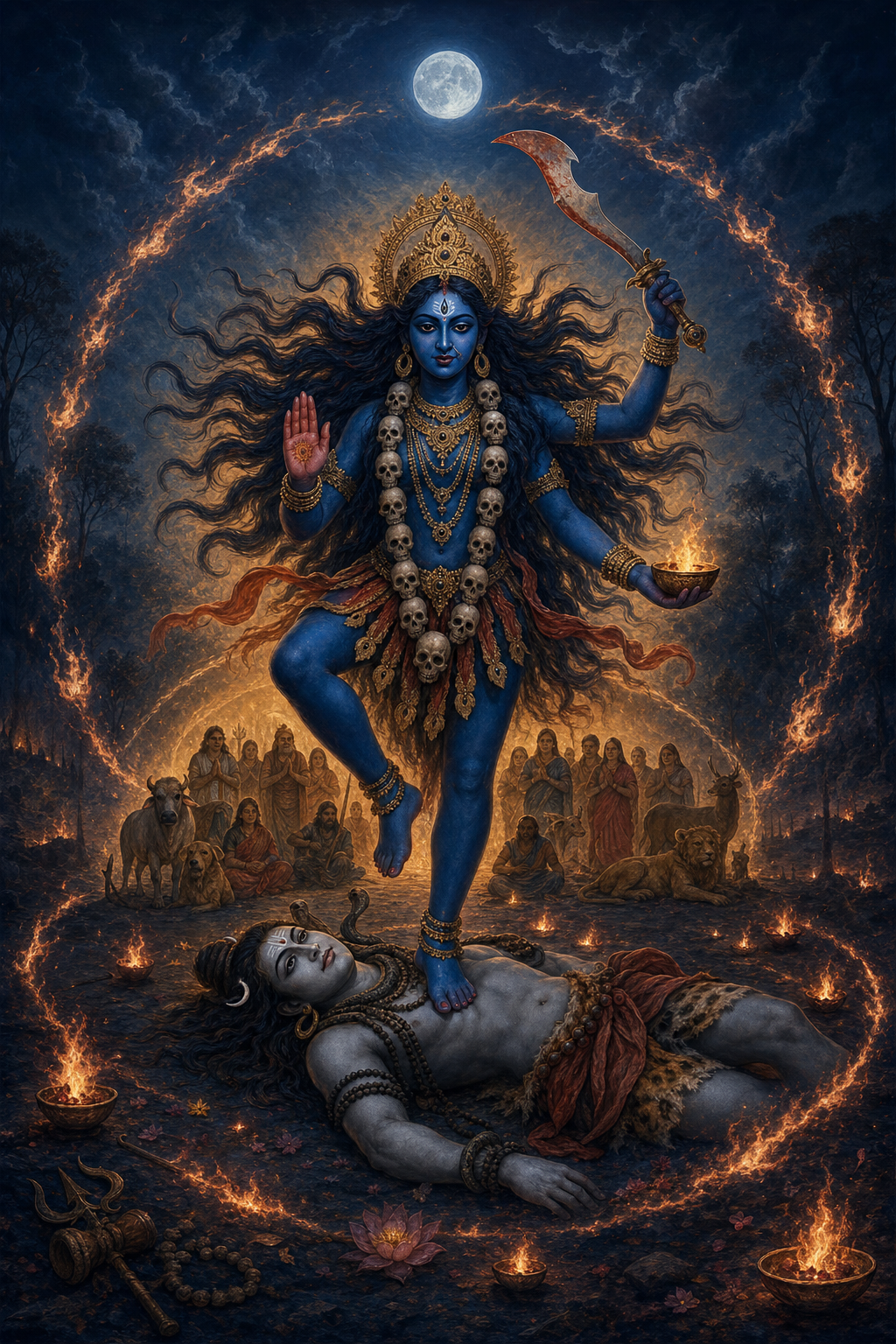
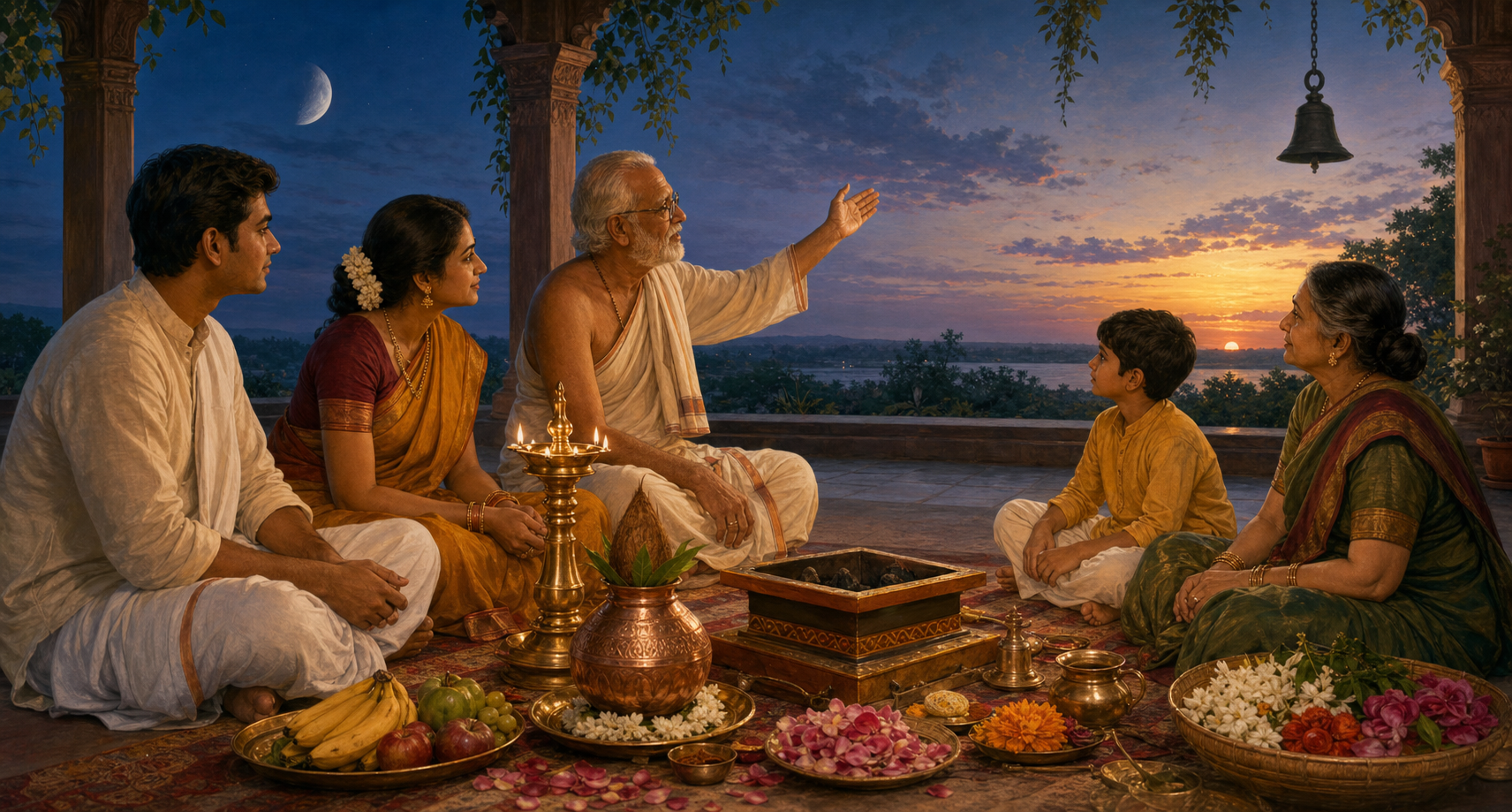
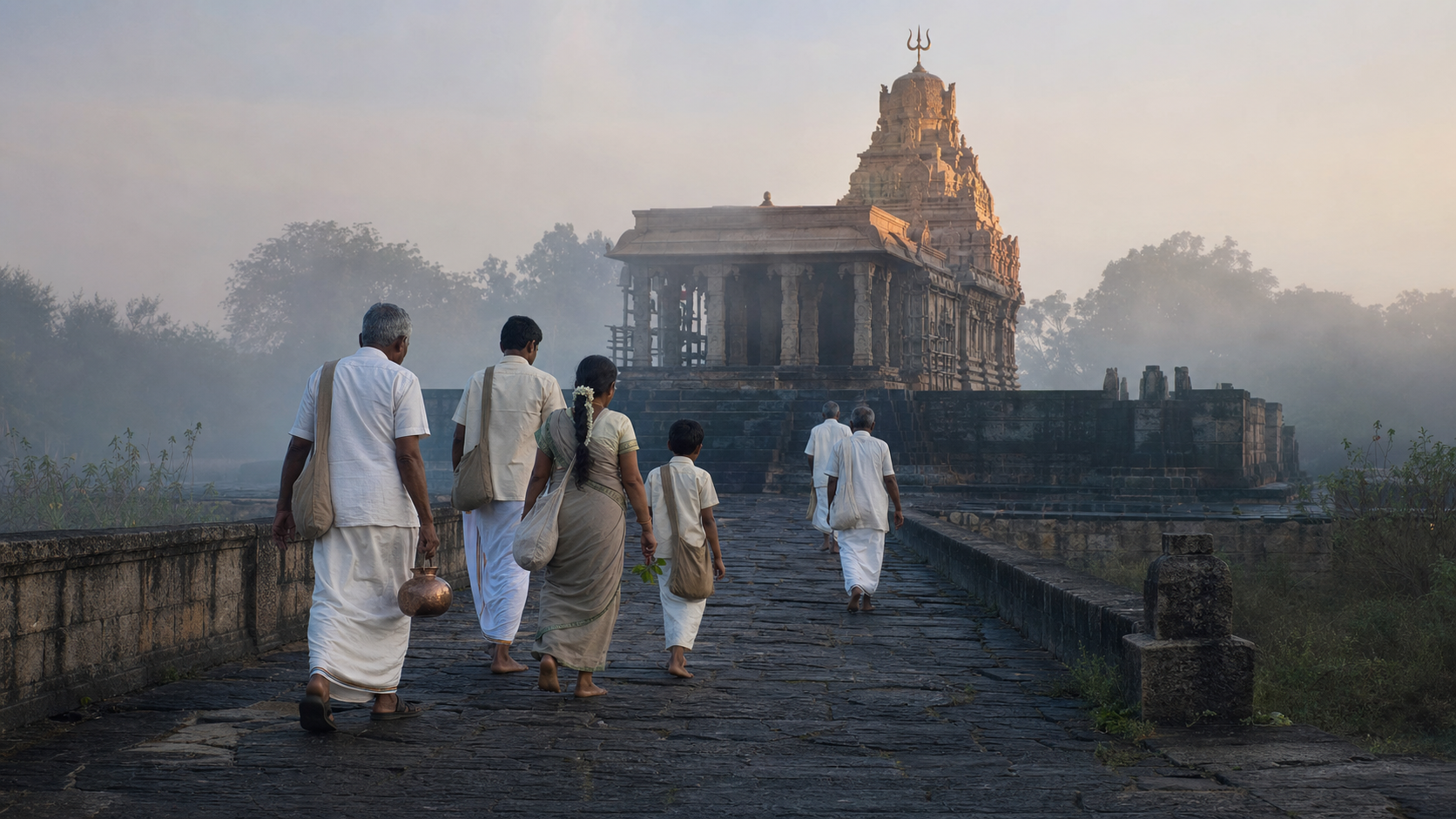
Mahashivaratri 2026 at Srisailam Mallikarjuna Swamy Temple falls on February 15, with the Nishita Kaal (midnight) puja as the festival’s apex. This guide explains the calendar logic (Magha/Phalguna Krishna Chaturdashi), details the temple’s rare dual sanctity as a Jyotirlinga and Shakti Peetha, and outlines core rituals such as Rudrabhishekam, bilvarchana, and the Lingodbhava aradhana. Readers…
-
Maha Shivaratri 2026 Puja Muhurat Guide: Exact Date, Nishita Kala & Lingodbhava Insights

This in-depth guide clarifies that Maha Shivaratri 2026 is observed across India on the night of 15 February, with both South and North Indian calendars aligned. It explains the rule of Ratri Vyapini Chaturdashi and details why Nishita Kala—the midnight-centered muhurta—is prioritized for Shiva puja. Readers learn a precise, location-specific method to compute Madhyaratri and…
-
Maha Shivaratri 2026 Lingodbhava Kalam: Sacred Midnight Timings (15–16 Feb) & Puja Guide

Lingodbhava Kalam during Maha Shivaratri 2026 falls on the night of Sunday, 15 February into Monday, 16 February, centered on local midnight within the Nishita Kaal. This guide explains how to determine the precise window using the Hindu calendar and panchang methods by calculating the midpoint between local sunset and sunrise. It outlines the four-prahara…
-
Pocahontas, Conversion, and Empire: Unmasking Myth, Missionary Zeal, and Colonial Power

{ “title”: “Pocahontas, Conversion, and Empire: Unmasking Myth, Missionary Zeal, and Colonial Power”, “content”: “ Few episodes illuminate the entanglement of Christian conversion, imperial competition, and national mythmaking as sharply as the story commonly told about Pocahontas. Read against charters, company directives, and colonial correspondence, this narrative reveals how evangelization, resource extraction, and propaganda worked…
-
Pratapgarh Sanatan Rashtra Shankhnaad Shobha Yatra: A Powerful Call for Ram Rajya and Dharmic Unity

The Pratapgarh Sanatan Rashtra Shankhnaad Shobha Yatra, held on the anniversary of the Shri Ram Temple inauguration, highlighted a clear call for unity and organised civic action toward Ram Rajya. The event’s cultural significance lies in strengthening social trust and transmitting ethical norms, linking Pratapgarh with the wider heritage experience centered on Ayodhya. Ram Rajya…
-
BNP’s 2026 Landslide in Bangladesh: Democracy on Trial, Dharmic Minorities and Security

Bangladesh’s 2026 general election produced a BNP landslide, prompting urgent debate over electoral integrity, minority rights, and regional security. This analysis explains how first-past-the-post rules can compress representation for Dharmic communities—Hindus, Buddhists, Jains, and Sikhs—and why party nomination patterns matter when national swings are large. It details practical safeguards to prevent communal violence in the…
-
From ‘Leaks’ to the Well of the House: Rahul Gandhi, Gen Naravane, and Democratic Red Lines

This analysis examines how recent parliamentary flashpoints involving Rahul Gandhi and references to General M. M. Naravane intersect with India’s core democratic guardrails. It contextualizes the risks of politicizing the armed forces, the perils of relying on pre-publication materials for allegations, and the security implications of proximity breaches near the Prime Minister’s bench. The discussion…
-
Vibhishana’s Daring Intervention: How Dharma Rescued Rama and Lakshmana from Indrajit’s Sorcery

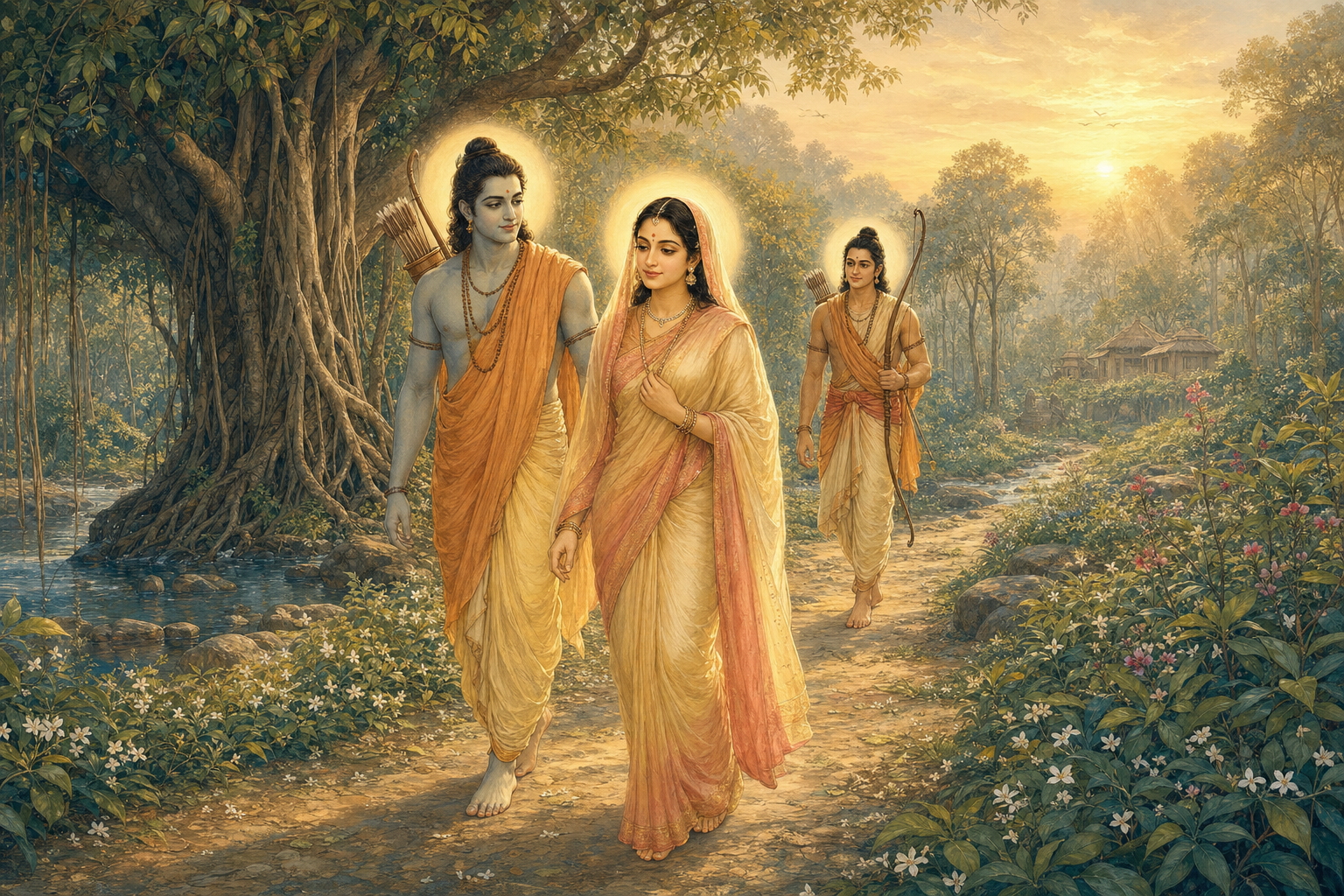
Vibhishana’s interventions during the Lanka campaign reveal how moral clarity and technical insight can rescue an army immobilized by occult warfare. By correctly identifying Indrajit’s Naga-pāśa and steadying the Vanara ranks until Garuḍa’s release, he prevents collapse at a decisive moment. He repeatedly exposes māyā, including the illusion of Sita’s severed head, foiling psychological warfare.…
-
Full ‘Vande Mataram’ Mandatory at Govt Functions: MHA’s 3:10 Unified Version for National Unity

The Union Home Ministry has mandated the full six-stanza Vande Mataram at specified government functions, issuing a unified 3:10 reference version to ensure consistency and dignity. The move situates the national song within a clear ceremonial framework alongside the Flag Code and established anthem protocols. Historically rooted in the freedom struggle and acknowledged by the…
-
San Jose State Assault Exposes Rising Hinduphobia: CYAN Demands Accountability, Safety

CYAN condemns the February 7 assault near MacQuarrie Hall at San Jose State University, in which a Sikh student was attacked and the slur “Hindu” was used, indicating targeted religious bias. The analysis situates the incident within California’s broader trends, including multiple temple vandalizations and state data showing rising anti-Hindu incidents. It outlines institutional obligations…
-
Ganesha’s Small Eyes, Vast Vision: Iconography, Mindfulness, and Dharmic Unity Lessons

Ganesha’s small, intent eyes encode a powerful contemplative teaching: expansive wisdom arises from focused, compassionate attention. Drawing on Hindu iconography and Yoga philosophy, the symbol aligns with pratyahara, dharana, and dhyana, and is reinforced by the Bhagavad Gita’s guidance on nasikagra-drishti. Contemporary attention science complements this reading, linking steady gaze with reduced cognitive load and…
-
ISKCON GBC approves Vaisnavi Diksa Guru framework: historic, unifying step for inclusive bhakti

At the GBC AGM 2026, ISKCON’s Governing Body Commission approved a GBC – ISKCON Bureau (IB) Committee proposal on Vaisnavi Diksa Guru (VDG), marking a significant step in clarifying how qualified Vaisnavis can serve as initiating spiritual masters. The decision emphasizes guru-tattva principles—realized knowledge, strict sadhana, and spotless conduct—over incidental characteristics such as gender. It…
-
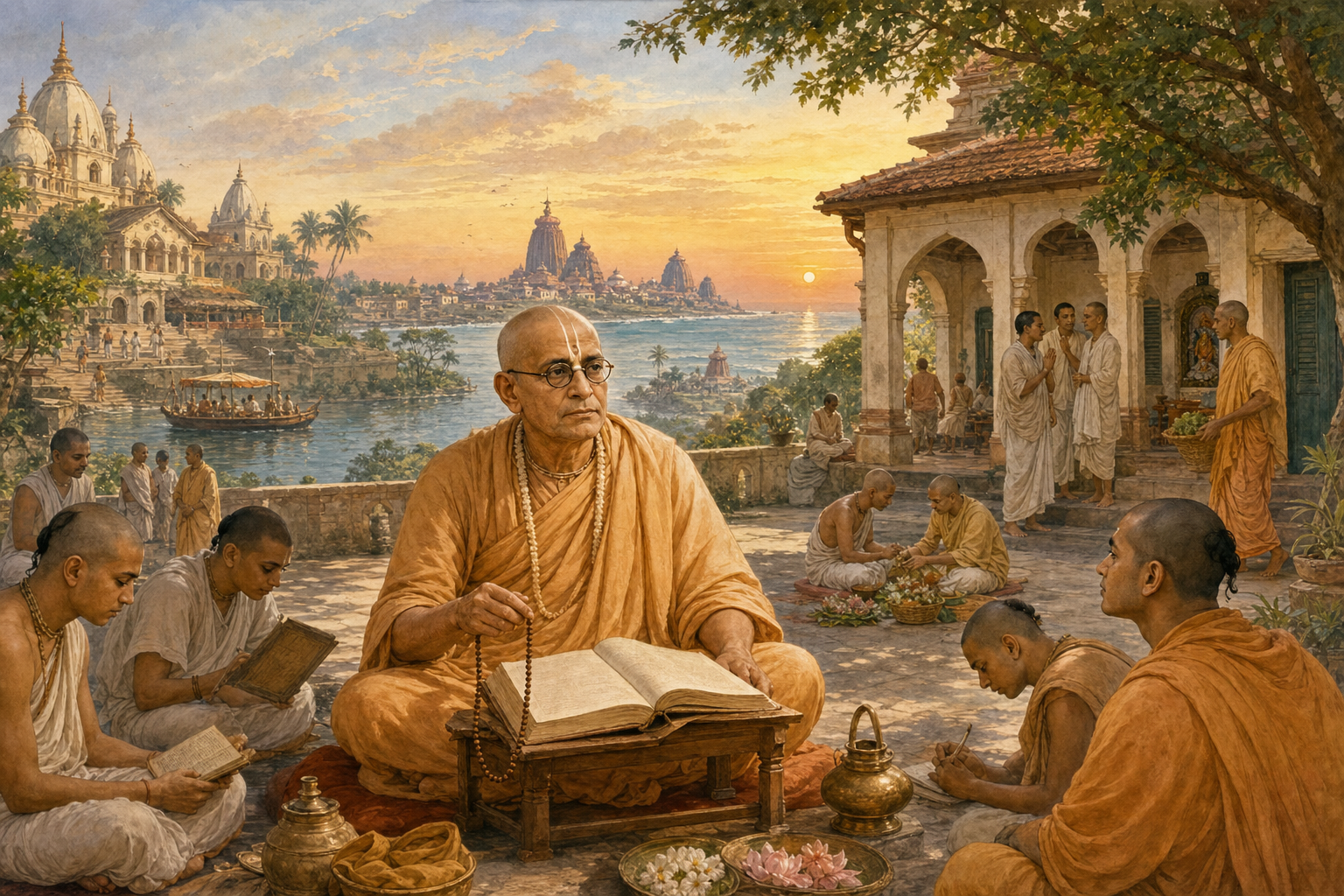
Gambhira’s Sacred Depths: Sri Chaitanya Mahaprabhu in Puri—History, Bhakti, and Unity

This in-depth study presents the Gambhira of Jagannath Puri as a pivotal site in the devotional history of Sri Chaitanya Mahaprabhu, connecting place, practice, and theology. It synthesizes insights from the rare Bengali work Gambhiraya Sri Gauranga with core Gaudiya texts to explain how nocturnal kirtan, scriptural recitation, and aesthetic theology shaped Mahaprabhu’s later years.…
-
Sri Isvara Puri’s Disappearance: Guru-Seva, Gaudiya Lineage, and a Living Bhakti Legacy

Sri Isvara Puri’s disappearance day is a lucid window into Gaudiya Vaishnava history, doctrine, and practice. Drawing on Sri Caitanya Caritamrta, the post explores how the desire tree of devotion moves from Sri Madhavendra Puri to Sri Isvara Puri and culminates in Sri Caitanya Mahaprabhu’s universal sankirtana. It analyzes guru-tattva, mantra-diksha, and guru-seva as the…
-
In Memoriam: HG Ekanatha Prabhu ACBSP—Guardian of the Bhaktivedanta Archives and Vedabase

HG Ekanatha Prabhu ACBSP of The Bhaktivedanta Archives passed away on Vijay Ekadasi in Sandy Ridge, North Carolina, following sudden heart failure. He is remembered for exemplary stewardship of Srila Prabhupada’s books, tapes, photographs, and the Bhaktivedanta Vedabase. His work exemplified archival best practices—high-fidelity audio digitization, careful image capture, rigorous metadata, and OAIS-aligned long-term preservation.…
-
Ravana as Rama’s Priest: Akalbodhan in Krittibas’s Bengali Ramayana and Dharmic Unity

This essay examines the Krittibas Ojha Bengali Ramayana episode in which Ravana, despite being Rama’s adversary, officiates as priest for Rama’s Durga Puja. It contextualizes the scene within Akalbodhan, the autumnal invocation of Durga that anchors Bengal’s Sharadiya Durga Puja. Contrasting Krittibas with Valmiki’s Aditya Hridayam, it shows how regional retellings adapt epic theology without…
-
Chakratirtha, Hampi: Vyasaraja’s Divine Vision of Mukhyaprana and Vijayanagara’s Sacred Legacy

Chakratirtha in Hampi, Karnataka, fuses sacred geography with Vijayanagara history, centering on Sri Vyasarajaru’s revered vision of Mukhyaprana (Hanuman/Vayu Deva). This long-form study explains how the riverine “ford” (tirtha) becomes a lived crossing through disciplined snana, japa, and meditation, reflecting the Dvaita Vedanta ethos Vyasaraja advanced. It situates the site within Vijayanagara’s inclusive sacred landscape…
-
Ram Swarup and Sita Ram Goel: Unflinching Analyses of Communism, Christianity, and Islamism

This long-form analysis situates Ram Swarup and Sita Ram Goel within India’s post-independence intellectual history and explains why their critiques of Communism, missionary Christianity, and Islamism remain salient. It clarifies how they distinguished personal faith from ideological programs and why they argued for constitutional equality before law over selective appeasement. It examines their diagnosis of…
-
Vṛtrāsura, Indra, and Ṛta: Timeless Dharmic Lessons on Leadership, Anarchy, and Renewal

This rigorous reading of the Vṛtrāsura cycle—spanning the Ṛg Veda, the Mahabharata and Ramayana, and the Purāṇas—unpacks how the myth encodes a timeless governance and ethics playbook. It clarifies Indra’s moral complexity (Brahmahatyā-dōṣa and Tapas), the leadership caution of Nahusha’s ascent and fall, and the systemic anatomy of anarchy when Ṛta is disturbed. Readers gain…
-
What D.V. Gundappa’s 1959 Letters Reveal: Protocol, Federalism, and Public Decency

Archival letters written by D.V. Gundappa in January 1959, following the death of Sir Mirza Ismail, open a window into the administrative culture of post-Independence India. The correspondence probes how states should register public sentiment, the extent of central guidance on official holidays, and the federal balance between Delhi and state capitals. By foregrounding courtesy…