-
Unveiling Shakti’s Living Power: Gujarat’s Folk Goddesses and Regional Identity

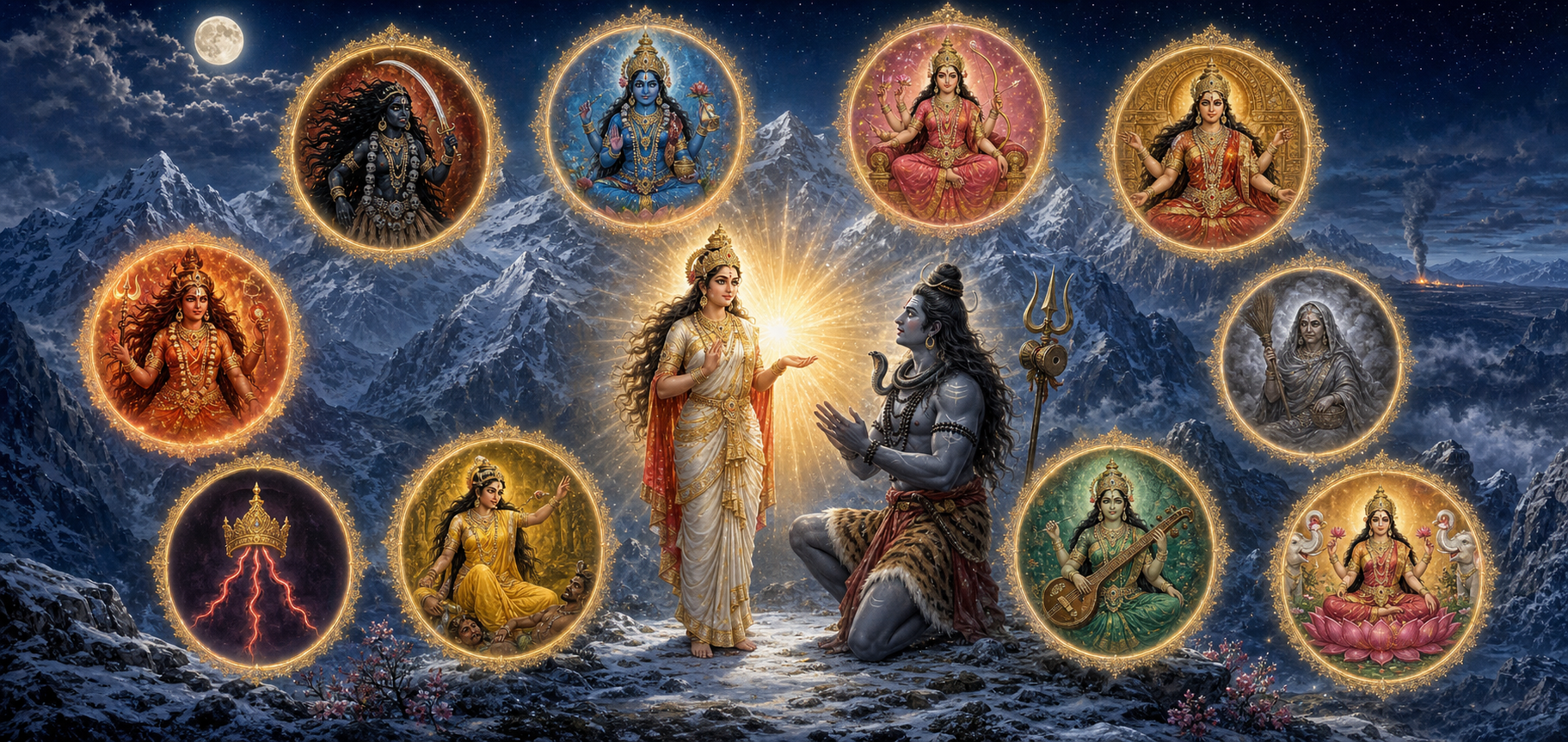
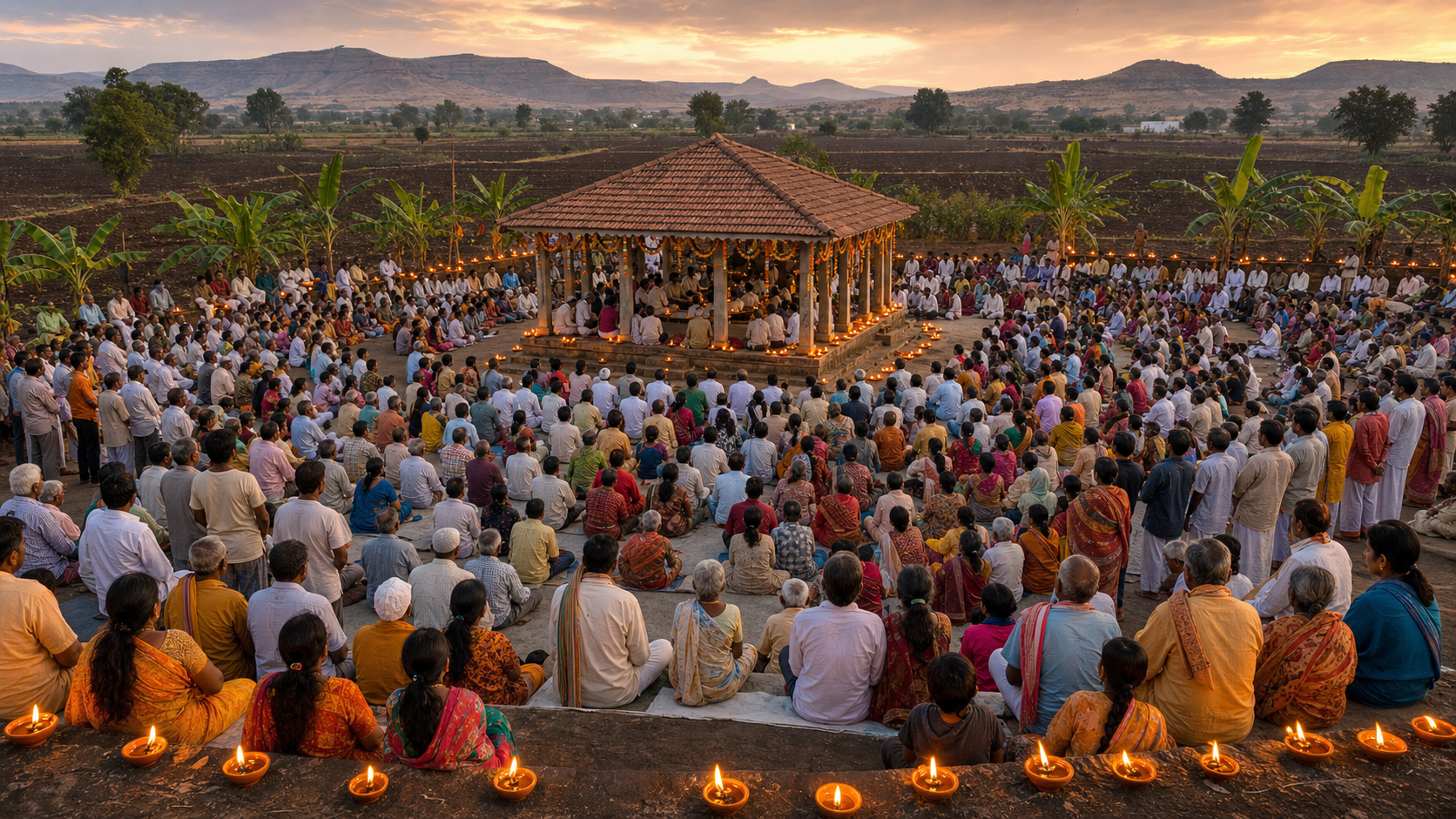
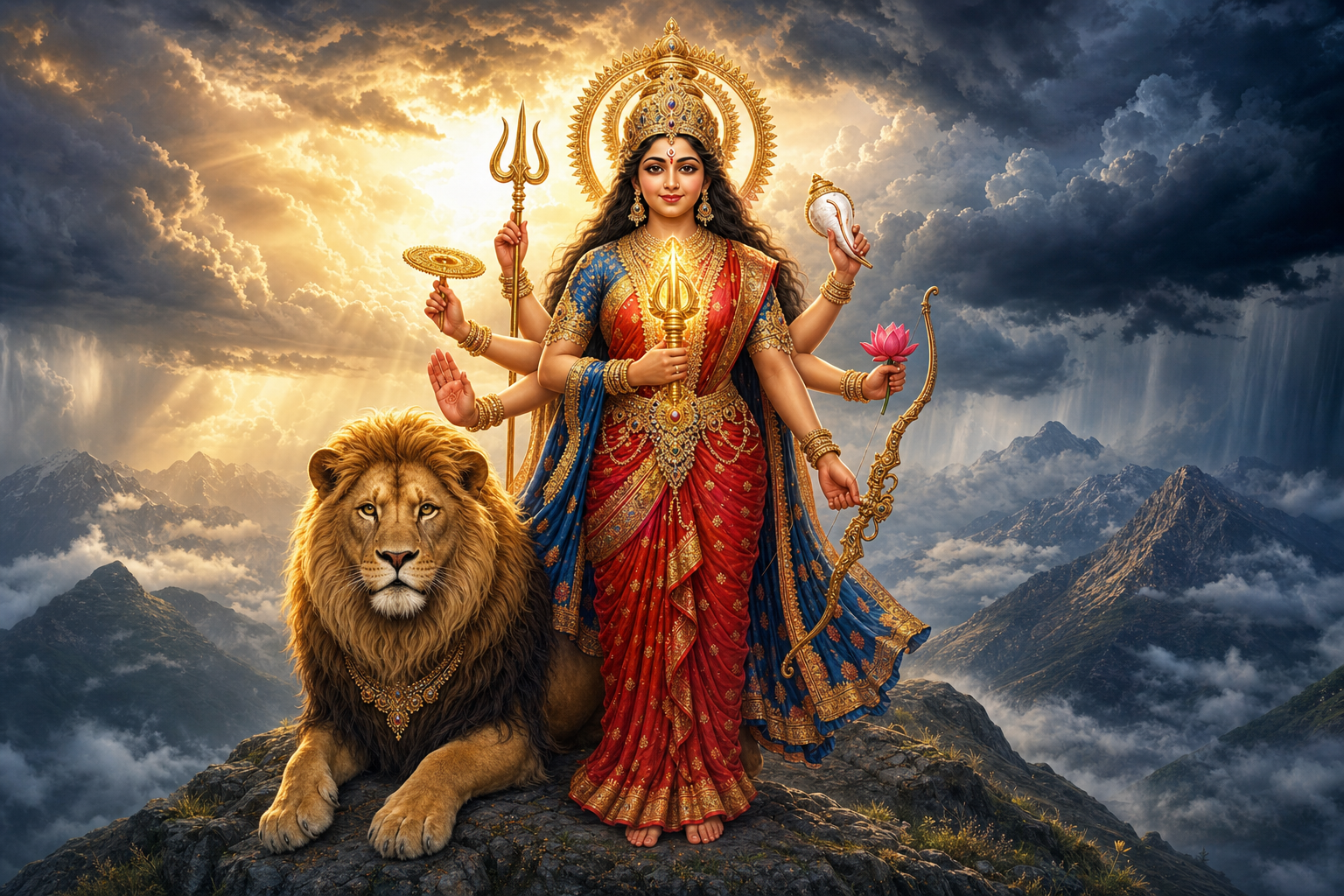
Gujarat’s folk goddesses reveal how Shakti localizes as protective village deities and lineage-honored kuladevis, shaping a resilient regional identity. The essay maps major sites—Ambaji, Pavagadh, Becharaji, coastal Harsiddhi—as anchors of sacred geography linked to trade, kinship, and ecology. It explains how Navratri Garba turns metaphysics into lived pedagogy, uniting communities around Amba’s lamp in Gujarat…
-
Congressional Briefing Flags State-Backed Attacks on Bangladesh Hindus, Urges Targeted U.S. Action

A Washington, DC congressional briefing organized by CoHNA and HinduAction presented detailed testimony alleging state-enabled violence against Hindus and other religious minorities in Bangladesh ahead of the February 12 election. Speakers urged U.S. policymakers to condemn abuses, hold hearings, designate Bangladesh as a Country of Particular Concern, consider a Foreign Terrorist Organization designation for Jamaat-e-Islami,…
-
Timeless Dharmic Debate: From Vada to Anekantavada—A Fearless Path to Truth and Unity

Constructive, unbiased debate sits at the heart of Hindu philosophy as a disciplined path to knowledge and self-realization. Grounded in pramana theory and refined by Nyaya’s robust logic, classical shastrartha privileges clarity over conquest. The Upanishads, the Bhagavad-Gita’s samvada, and traditions across Buddhism, Jainism, and Sikhism model dialogue that is rigorous, ethical, and inclusive. Practices…
-
Deepak Chopra in the Epstein Files? What the Records Show—and How Dharmic Unity Responds

Headlines claim Deepak Chopra appears in the “Epstein files,” a term that refers to unsealed civil-court materials including contact lists, calendars, and emails. Inclusion in such documents does not, on its own, prove wrongdoing, and context is essential. Screenshots circulating online attribute controversial email lines to Chopra, while his public statement condemns abuse, denies criminal…
-
Safeguarding Religious Freedom: Outrage in Chhatrapati Sambhajinagar over Mangalsutra Row

A large protest in Chhatrapati Sambhajinagar, led by Hindu Janajagruti Samiti (HJS), condemned the alleged forced removal of mangalsutras at CTET centres and demanded suspension and criminal charges against officials. The episode underscored the constitutional imperative to balance exam security with religious freedom and women’s dignity. Community voices stressed calm, lawful accountability and called for…
-
Arthavada in Mimamsa: Unlocking the Purposeful Praise That Animates Vedic Ritual

Arthavada, the eulogistic and explanatory stratum of Vedic discourse in Mimamsa, explains why rites matter and how their value should be understood. It complements injunctions and prohibitions by providing praise, censure, and narrative that motivate precise action and steady restraint. Distinguishing Arthavada from mantra and namadheya clarifies the complete architecture of Vedic literature: what to…
-
396th Birth Anniversary Tribute: Shivaji’s Compassion, Ecology, and Moral Courage for Dharmic Unity

Commemorating the 396th birth anniversary of Chhatrapati Shivaji, this essay examines compassion, ecology, and moral courage as a coherent dharmic framework for governance and social harmony. It shows how ethical restraint toward non-combatants, plural endowments to sacred institutions, and climate-resilient fort design together model a humane and sustainable public ethic. Cross-dharmic resonances in ahimsa, karuṇā,…
-
Sri Nityananda Prabhu’s Appearance: Profound Theology, Boundless Compassion, Shared Dharmic Unity

This in-depth exploration of Sri Nityananda Prabhu’s appearance anniversary unpacks Gaudiya Vaishnava theology while highlighting practical, inclusive devotion. Readers gain a clear map of Sankarsana, Sesa Naga, and the three Visnu expansions across the Karana, Garbha, and milk oceans—framed by the concepts of amsa and kala. The essay introduces sandhini-shakti to explain how sacred abodes…
-
February 21, 2026 Panchang: Shukla Chaturthi to Panchami—Auspicious Guidance and Clarity

February 21, 2026 begins with Shukla Paksha Chaturthi and transitions to Shukla Paksha Panchami at 1:30 PM (regional variations apply). The morning favors orderly beginnings and focused effort, while the afternoon supports steady study and routine tasks. Readers can refine good time (shubh muhurat) using a local Panchang tailored to sunrise and city coordinates. Checking…
-
NMIMS Indore Valentine’s Event Halted: Campus Tensions Spark Calls for Dialogue and Calm

A Valentine’s Week ‘Bake & Sell’ event at NMIMS Indore was paused by police after protests from groups identifying with Hindutva activism, highlighting ongoing debates around Valentine’s Day in India. The incident illustrates the tension between campus autonomy and community expectations in shared civic spaces. Proactive permissions, transparent objectives, and clear codes of conduct can…
-
Katha Rudra Upanishad: A Timeless, Transformative Guide to Sannyasa and Brahma-Jnana

The Katha Rudra Upanishad, affiliated with the Krishna Yajurveda, presents 47 mantras that redefine sannyasa as inner renunciation oriented to Brahma-jnana. It privileges ethical foundations like ahiṁsā and aparigraha, uniting conduct and contemplation as prerequisites for non-dual insight. By emphasizing Om, mahāvākya meditation, silence, and self-inquiry, the text converts knowledge from concept to lived clarity.…
-
Sacred Solitude in Kali Yuga: Hindu Wisdom to Turn Loneliness into Inner Strength

Kali Yuga’s turbulence often magnifies loneliness, yet Hindu wisdom reframes solitude as a disciplined practice for clarity and compassion. Drawing on the Bhagavad Gita, Yoga Sūtras, and Upanishadic thought, sacred solitude is shown to renew attention, emotional resilience, and ethical steadiness. Complementary insights from Buddhism, Jainism, and Sikhism highlight shared practices—mindfulness, kāyotsarga, and simran—that deepen…
-
Why Ganesha Wears Red: Auspicious Energy, Shakti, and Victory Over Darkness

The sacred red of Ganesha is not decoration but a precise visual theology that communicates Shakti, auspiciousness, and the courage to begin well. Rooted in Agamic and iconographic traditions, vermilion (sindoor), kumkum, and red flowers activate Ganesha’s obstacle-clearing grace at personal and communal thresholds. The color aligns with the Muladhara chakra, reinforcing stability and decisive…
-
India–Pakistan Cricket Showdown: HJS Decries T20 Clash, ‘Terror and Sports Cannot Coexist’

Hindu Janajagruti Samiti (HJS) has objected to the India–Pakistan T20 World Cup match scheduled for February 15, stating that “terror and sports cannot coexist.” The stance situates the fixture within a broader ethical and national security debate. Readers gain context about why India–Pakistan cricket carries unique geopolitical and emotional significance. The piece balances sports diplomacy…
-
Kathaka Grhya Sutras: Unveiling Vedic Household Rites, Samskaras, and Living Dharma

The Kathaka Grhya Sutras, aligned with the Katha school of the Krishna Yajurveda, present a concise and authoritative guide to Vedic household rites and samskaras. As part of the Kalpa (Kalpasutra) literature within the Vedanga, the text distills domestic ritual wisdom into memorable aphorisms that balance mantra and action. Readers gain a clear view of…
-
Why a Left-Coiled Ganesha Belongs at Home: Auspicious Energy and Easeful Worship

Traditional iconography explains why many households prefer a left-coiled (Vamavarta) Ganesha: it conveys calm, lunar-aligned auspiciousness that suits daily worship. The form is associated with gentle obstacle-removal and easeful upasana, making it practical for families with changing routines. By contrast, right-coiled images often require stricter ritual observance better supported in temple settings or under guidance.…
-
Sri Radha’s Luminous Eyes: Heart-Purifying Insights on Kohl, Japa, and Vrindavan Bhakti

This installment in the ecstatic love series explores the devotional symbolism of Srimati Radharani’s eyes in Vrindavan bhakti. Opening with Vyasadas’s prayers to guru and Gauranga, it emphasizes purification of the heart through chanting (japa) and meditation (dhyana). The application of dark kohl (kajal) is interpreted as both an aesthetic intensifier and a metaphor for…
-
Devotee Care at ISKCON Vrindavan: Compassionate Support for Spiritual and Emotional Well‑Being

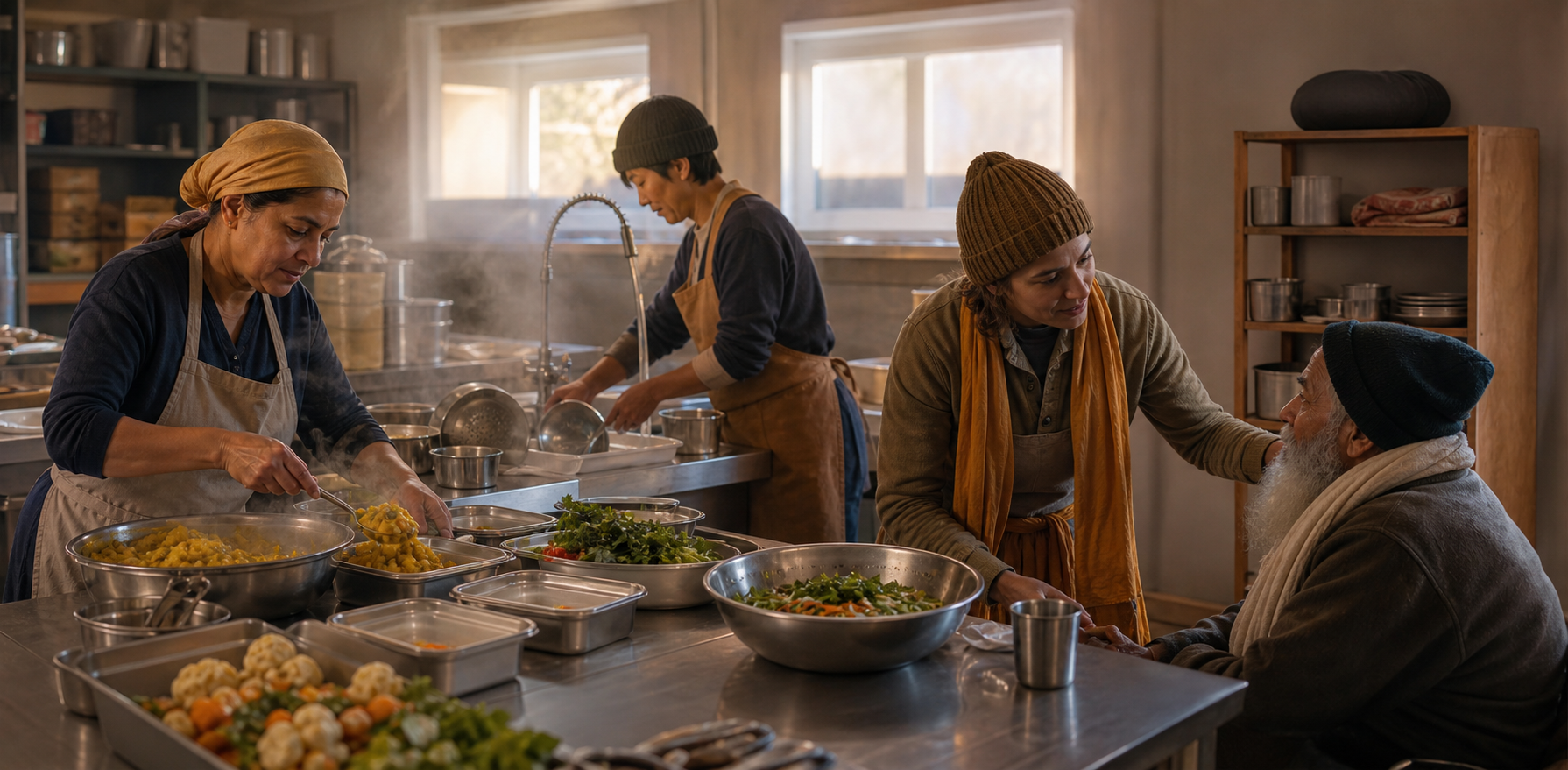
The Devotee Care Project at ISKCON Vrindavan supports devotees’ physical, emotional, and spiritual well-being through guidance, counseling, and community support. Its compassionate, dignity-centered approach nurtures resilience and deepens sadhana and seva. Devotees often report feeling seen and spiritually grounded, with shared practices like kirtan strengthening belonging. The project’s methods align with dharmic values—compassion, ahimsa, mindfulness,…
-
Stop Absorbing Others’ Emotions: Evidence-based steps and dharmic insights for calm

Strong emotions in others can feel overwhelming, but they do not have to dominate the day. This article outlines evidence-based strategies for emotional boundaries, self-compassion, and nervous system regulation so that another person’s mood does not become one’s own. It clarifies why empathy is limited during emotional activation and explains how noticing and naming internal…