-
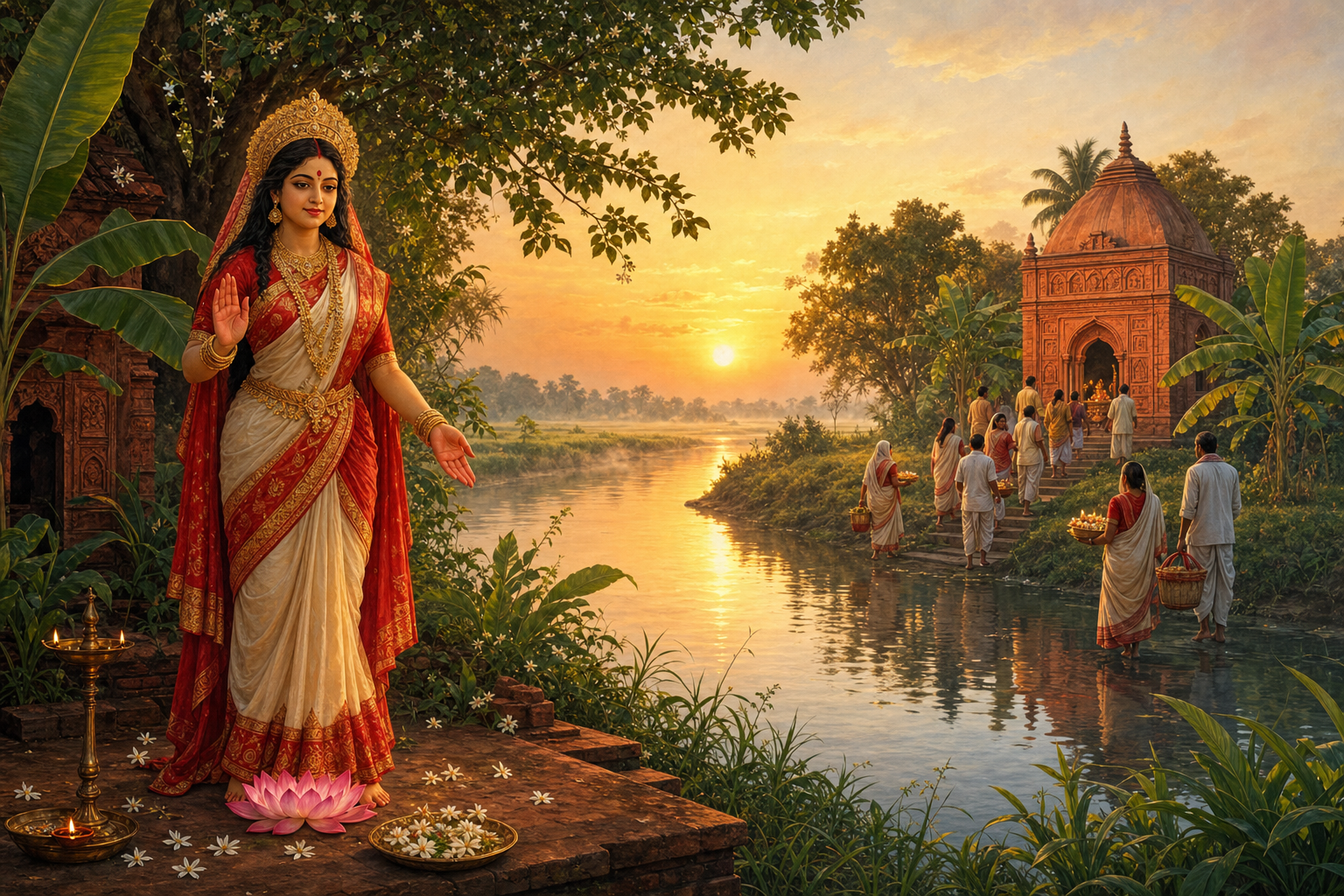
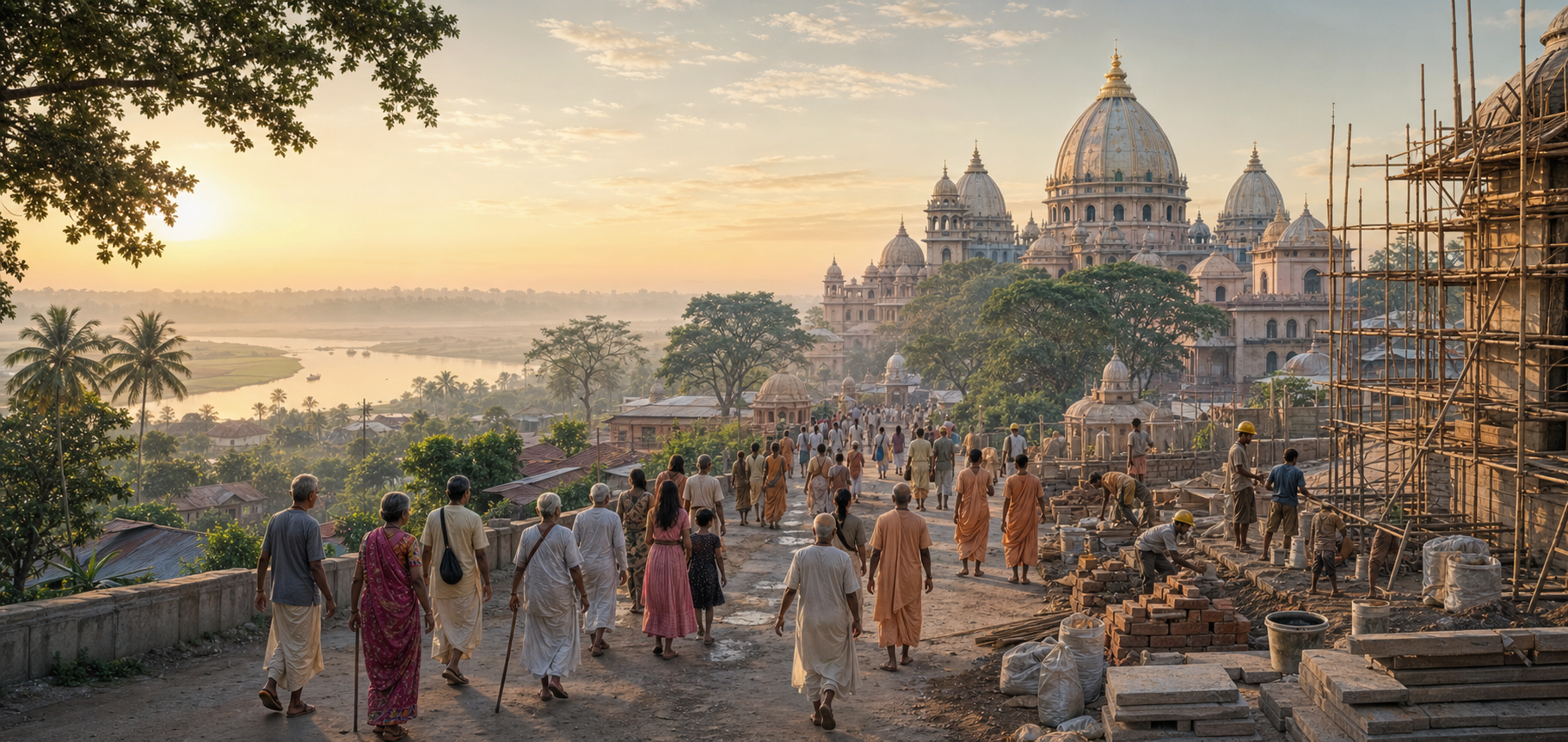
Unveiling Meenakshi’s Fish-Eyed Gaze: Compassion, Protection, and Madurai’s Living Temple

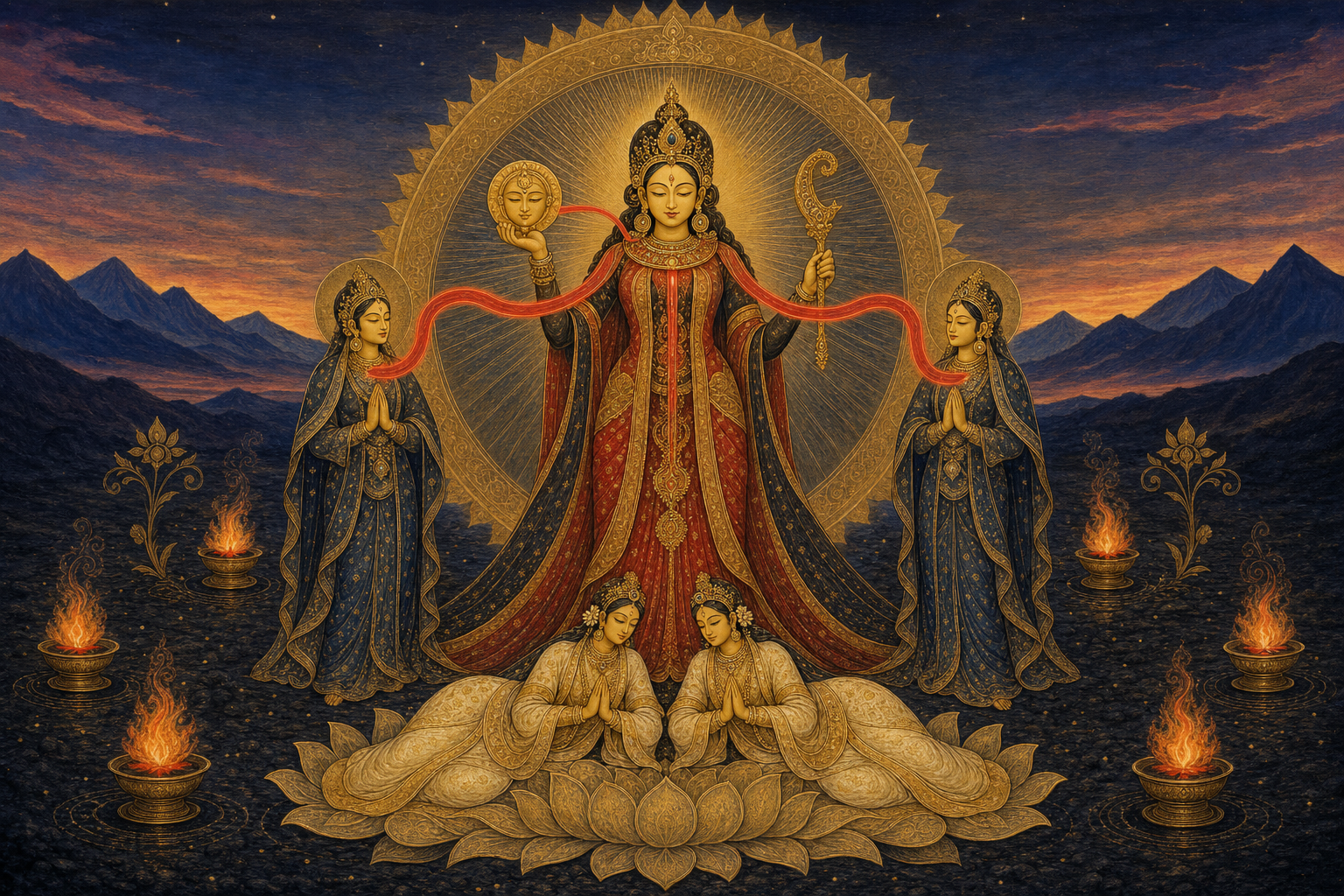
This in-depth exploration decodes why Goddess Meenakshi is praised as the fish-eyed queen of Madurai, revealing how her unblinking gaze symbolizes ever-watchful compassion, civic guardianship, and spiritual assurance. It traces the epithet’s etymology, links it to Pandya dynastic emblems and South India’s riverine culture, and explains how darśana transforms devotees through a felt experience of…
-
Maha Shivaratri 2026: Awe-Inspiring Nightlong Vigil Unites India and Nepal in Devotion

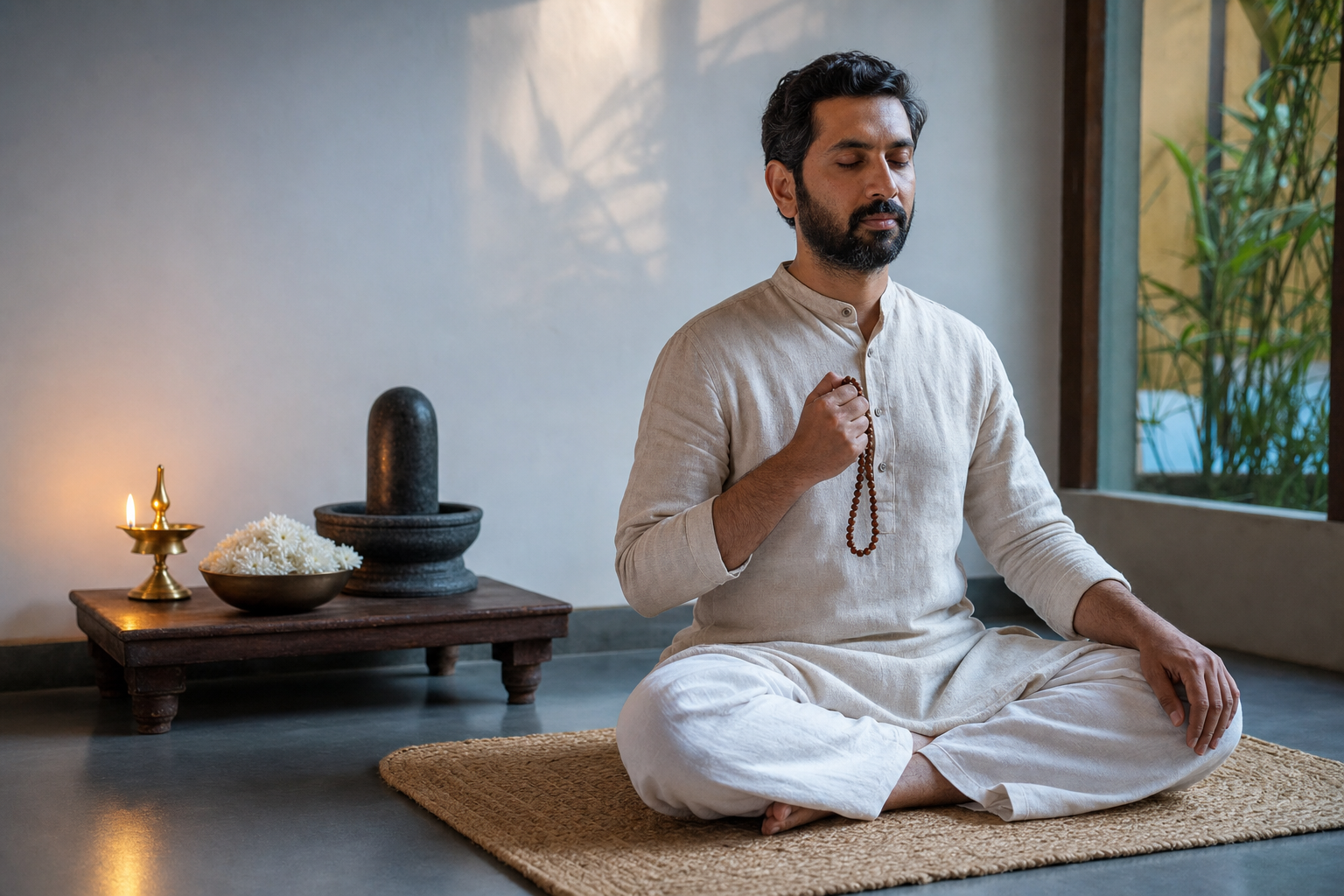
Maha Shivaratri 2026 was observed on 15 February across India and Nepal, drawing lakhs of devotees into an all-night vigil centered on Nishita Kaal worship and Shivalinga Puja. The night’s rituals—Rudrabhisheka, Panchamrita offerings, and the recitation of “Om Namah Sivay,” Sri Rudram, and the Maha Mrityunjaya Mantra—were performed with calendaric precision across major temples such…
-
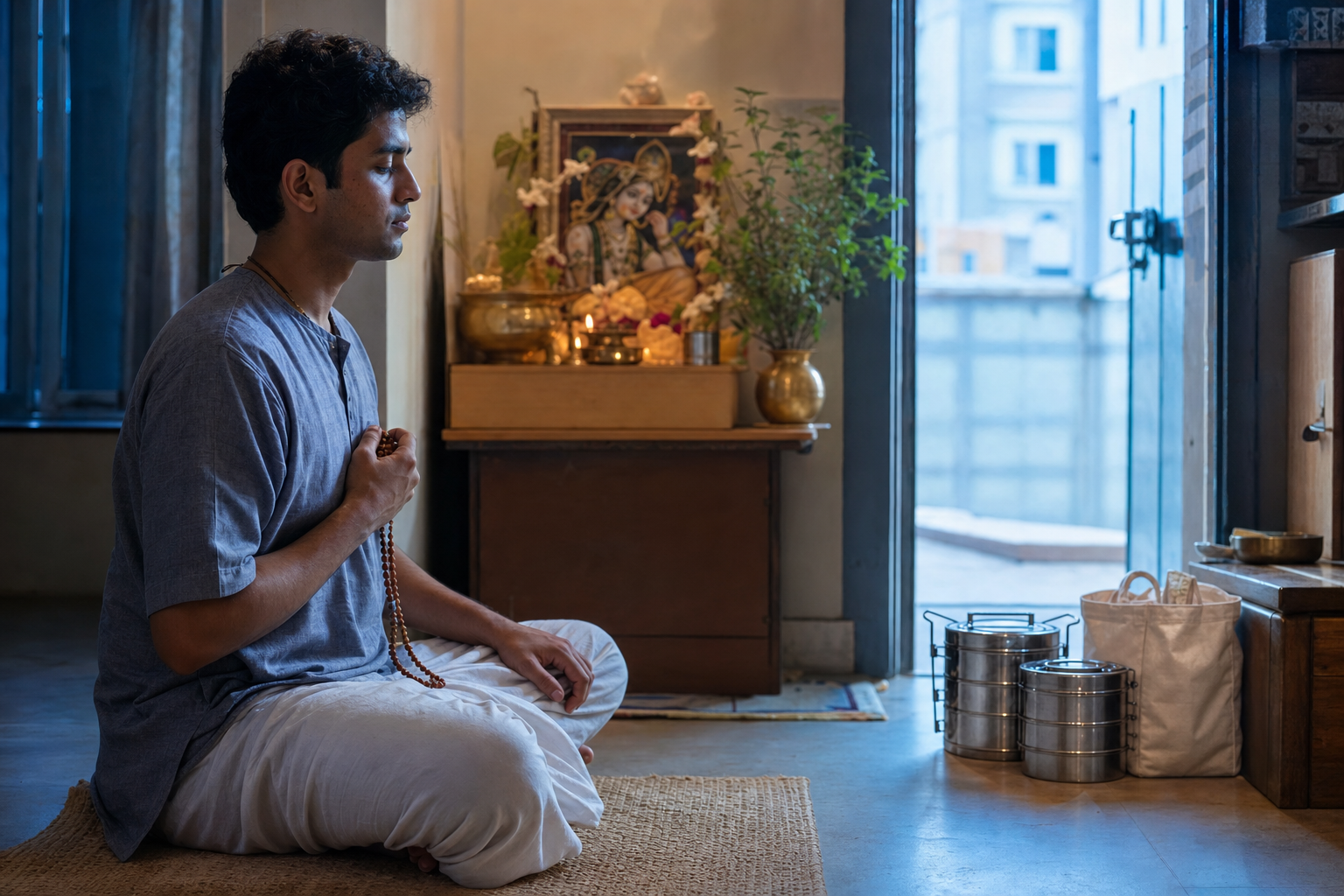
Transforming Community through Vaiṣṇava Etiquette: HG Urmila Mataji, Naperville 2026

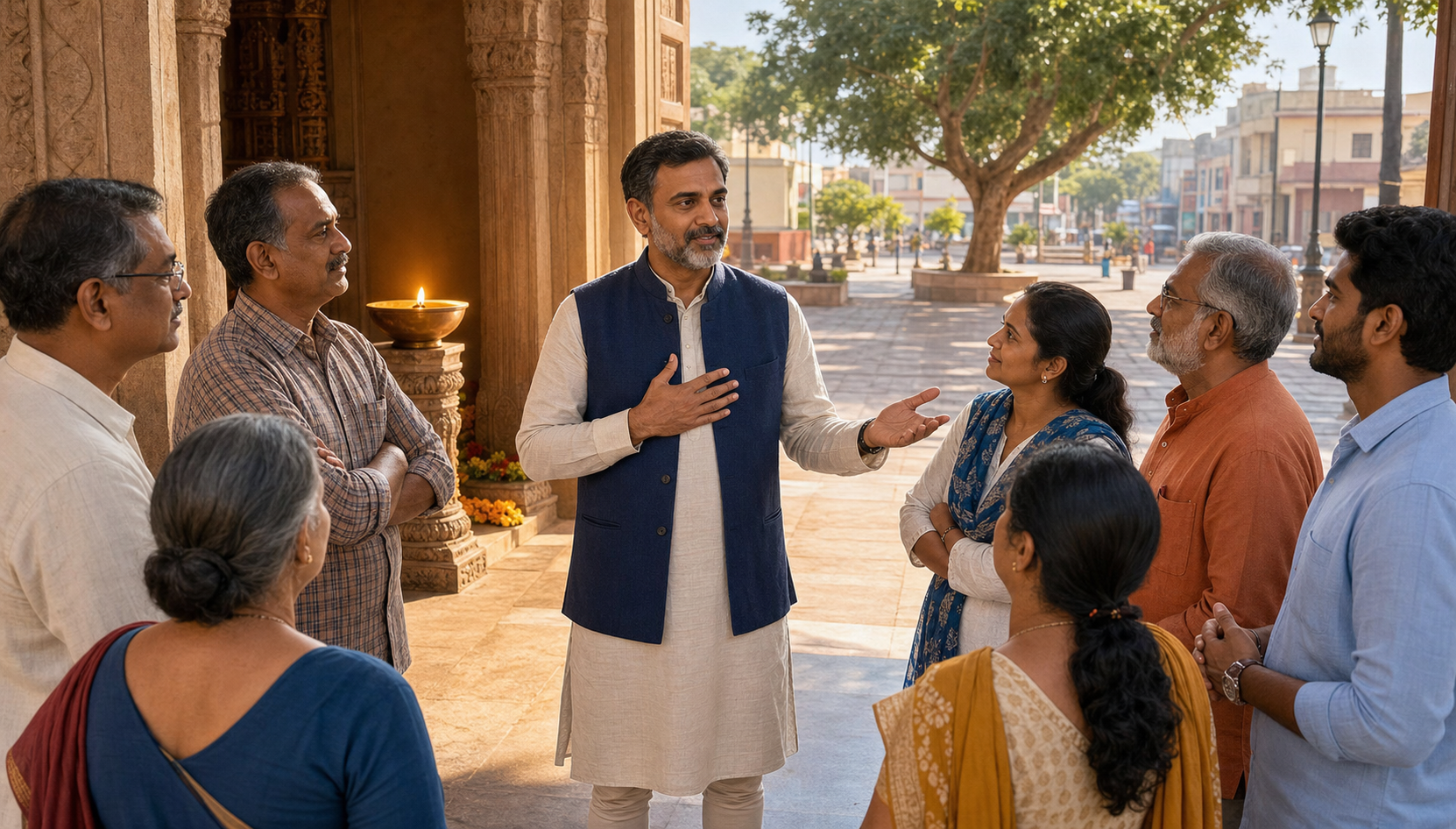
Held on 14 February 2026 in Naperville, HG Urmila Mataji’s seminar unpacked Vaiṣṇava etiquette as a practical, textually grounded path to stronger community life. Centering on respect, forbearance, and patience, the session translated timeless virtues into clear behaviors for meetings, digital spaces, and daily service. Participants learned conflict-resolution steps that honor truth without sacrificing kindness,…
-
In Memoriam: Ekanatha Das’s Profound Humility and the Timeless Guru–Shishya Ethos

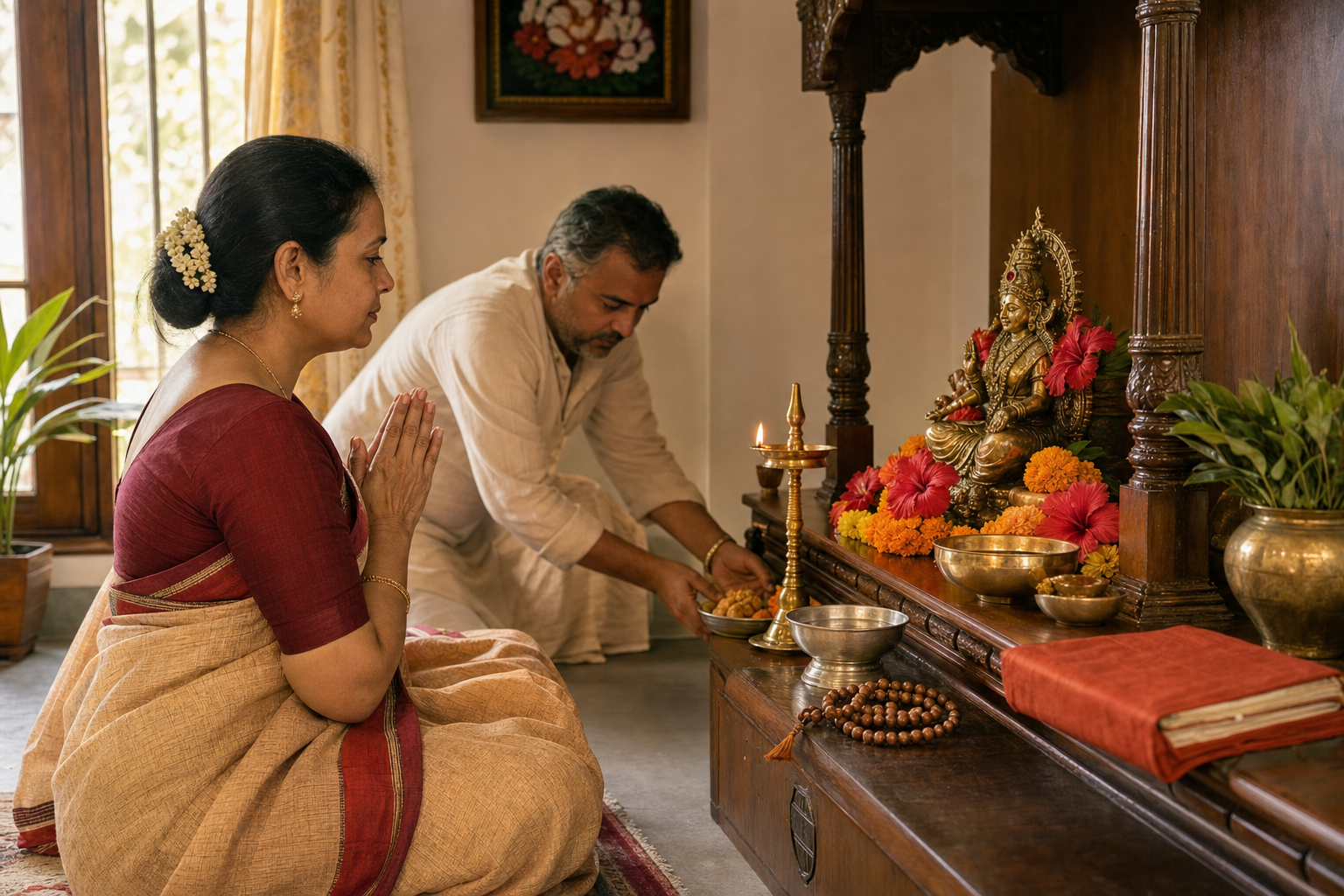
This in memoriam reflection on Ekanatha Das examines a formative devotional episode in Bombay to unpack the difference between authentic humility and performative self-negation. Drawing on the Bhagavad-gita’s “amanitvam adambhitvam” and the Gaudiya Vaishnava instruction “trinad api sunicena…,” it clarifies how humility matures as steady presence, gratitude, and service. The analysis situates the episode within…
-
Brahmā’s Joy, Kapila’s Descent: A Powerful, Unifying Study of Srimad-Bhāgavatam 3.24.11

Srimad-Bhāgavatam 3.24.11 marks the moment Brahmā, purified by worship, speaks to Kardama and Devahūti as the Supreme Lord prepares to descend as Kapila. The verse frames avatāra as purposeful revelation and grounds understanding in devotion, anticipating Kapila’s theistic Sāṅkhya. Connected to Bhagavad-gītā Chapter 4—especially 4.9 (“janma karma ca me divyam”)—it teaches that properly understood divine…
-
Ghaziabad ‘Love Jihad’ Claim Spurs Mob Attack: Police Probe, Legal Framework, and Harmony First

A reported mob assault in Ghaziabad, allegedly led by a Hindutva activist after a ‘Love Jihad’ claim, has triggered a police investigation and a wider conversation about law and order. The analysis clarifies how POCSO, kidnapping provisions, and child marriage laws protect a 17-year-old, while vigilante violence attracts rioting, hurt, and intimidation charges. It outlines…
-
Ugra Narasimha of Maddur: Fierce Divinity, Temple History and Arjuna’s Living Legend

Maddur’s ancient Ugra Narasimha Murty in Karnataka presents Vishnu’s half-man, half-lion avatar at the very instant of protecting Prahlada and ending Hiranyakashipu’s tyranny. This in-depth study situates the shrine within regional temple history, explains the murti’s technical iconography through Puranic and Pancharatra lenses, and evaluates the local oral tradition linking Arjuna of the Mahabharata to…
-
Gajasurasamhara: Shiva’s Elephant‑Demon Dance, Symbolism, Ego, and Inner Liberation

Gajasurasamhara, Shiva’s slaying of the elephant‑demon in Darukavana, encodes a rigorous spiritual map: the destruction of ego and ignorance as the ground of inner freedom. This long‑form analysis situates the myth within Purana and Agama traditions, unpacks its iconography from the damaru to the trishula, and clarifies why the elephant hide signifies the unveiling of…
-
Unlocking the Kalagni (Panchavaktra) Rudraksha: Sacred Meaning, Safe Practice, and Dharmic Unity

The Panchavaktra (Kalagni) Rudraksha is the five-faced sacred bead revered in Hindu Dharma and identified in Shiva Purana (1.25) with Rudra Himself. This comprehensive guide explains its symbolic link to Shiva’s five cosmic faces and to fivefold frameworks such as the elements, vital airs, and sheaths. It outlines safe, lineage-respectful practice with mantras like Om…
-
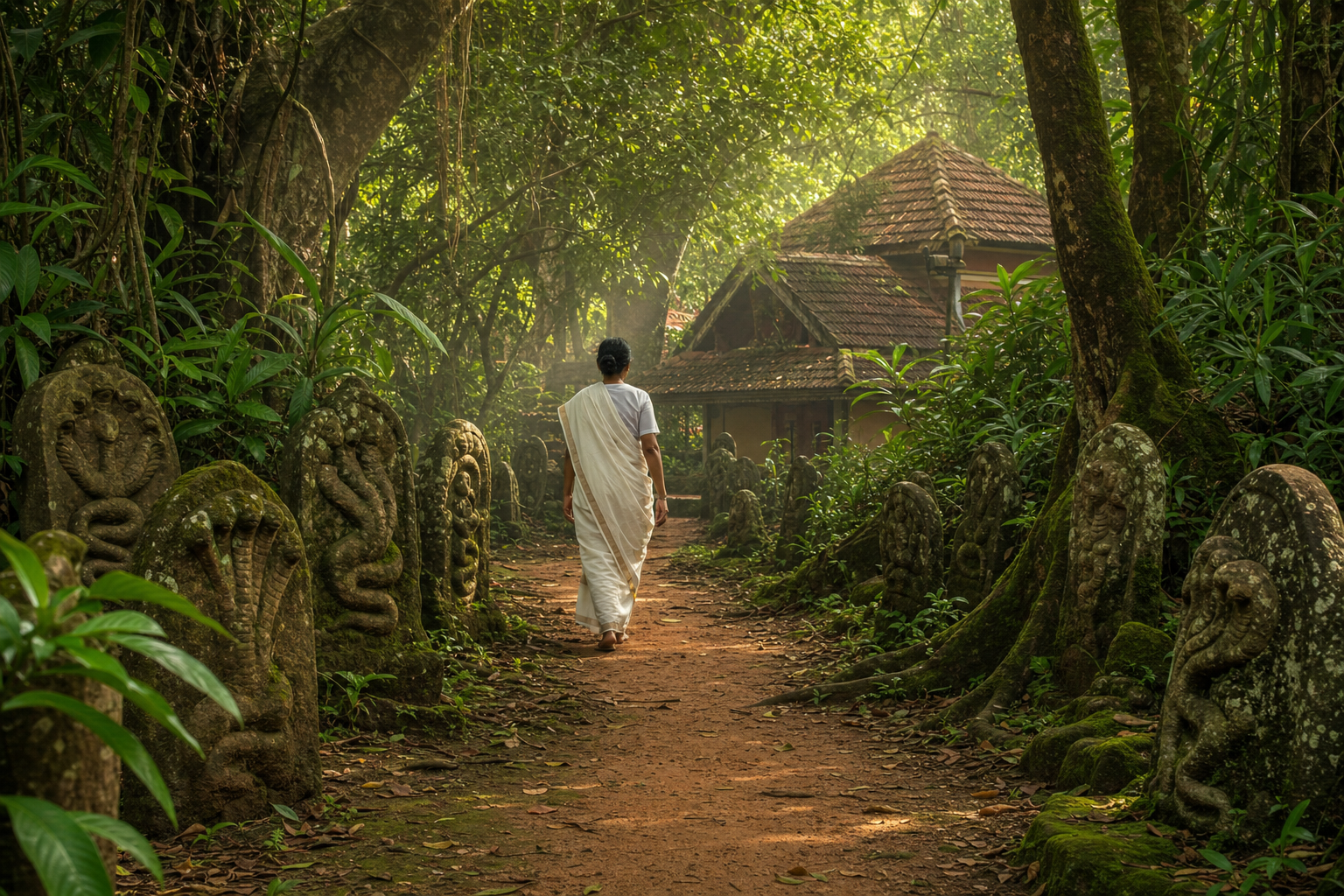
Madurai Meenakshi’s Midnight Miracle: How Raus Peter became ‘Peter Pandian’ in colonial Madurai

This long-form analysis explores the oral tradition of Madurai Meenakshi’s midnight intervention that, according to local lore, saved the compassionate British East India Company officer Raus Peter—remembered as “Peter Pandian”—and redirected his service toward Madurai’s welfare. Set against the historical context of colonial Madurai, it examines how temple-centered narratives and civic ethics intertwine in Tamil…
-
Beyond Ahamkara: How Dharmic Wisdom Unmasks Ego and Illuminates Liberation

The aphorism “As long as there is the ego, everything else exists” concisely names the mechanism of duality in Hindu philosophy and resonates across Buddhism, Jainism, and Sikhism. This long-form analysis maps ahamkara in Sankhya, asmita in the Yoga Sutra, and adhyasa in Advaita Vedanta, linking them with the Bhagavad Gita’s diagnosis of doership. It…
-
Feb 22, 2026 Tithi & Panchang: Shukla Paksha Panchami to Sashti, Auspicious Times Guide

On Sunday, February 22, 2026, Shukla Paksha Panchami prevails until 11:34 AM (IST), after which the day transitions to Shukla Paksha Sashti. The post explains how tithis are computed from the Sun–Moon angular separation and why the udaya tithi matters for observances. It outlines what kinds of activities are traditionally aligned with Panchami (steady beginnings,…
-
Mahashivratri 2026: Puja Mantras, Stotras, and Step-by-Step Vidhi for a Sacred Night

Mahashivratri 2026 falls on February 15 and centers on Shiva Puja, night-long vigil, and disciplined mantra-japa. This guide provides a precise, step-by-step vidhi with academically grounded context for Bilvashtakam, Lingashtakam, Shiva Ashtakam, Om Namah Shivaya, Shiva Chalisa, Shiva Aarti, and the Shiva Sahasranama Stotram. It also situates Sri Rudram (Namakam–Chamakam) and the Mahamrityunjaya mantra within…
-
Vemulawada Rajarajeshwara Swamy Maha Shivaratri 2026: Jatara Dates, Key Rituals, Pilgrim Guide

The Shivaratri Jatara at Sri Raja Rajeshwara Swamy Temple, Vemulawada (Telangana), will be held from 14–16 February 2026, with Maha Shivaratri on 15 February. This long-standing Shaiva pilgrimage—revered as Dakshina Kashi—features Dharma Gundam sacred bathing, Kode Mokku vows, and night-long Nishita Kāla worship aligned to Krishna Paksha Chaturdashi. The three-day program typically includes Ankurārpaṇa and…
-
Herath 2026 Explained: Kashmiri Pandits’ Shivaratri on Trayodashi—Date, Rituals, Significance

Herath is the Kashmiri Pandit observance of Maha Shivaratri, celebrated on Trayodashi rather than Chaturdashi. In 2026, Herath falls on 15 February, following the traditional Kashmiri rule that centers the observance on the tithi active during Nishita Kaal (the sanctified midnight). The festival’s heart is the Vatuk Puja to Vatuk Bhairav, Shiva, and Pārvatī, with…
-
Maha Shivratri Puja Vidhi with Mantras: Precise, Devotional, Step-by-Step Home Guide

Maha Shivratri, observed on Krishna Paksha Chaturdashi, centers on Nishita Kaal Puja, mantra japa, and Shivalinga abhisheka. This detailed, home-friendly guide presents a precise, authentic Shivaratri Puja Vidhi with essential mantras and practical adaptations. It explains fasting options, altar preparation, upacharas, abhisheka sequence, Bilva offerings, and night-long vigil structure across four prahars. Clear notes help…
-
Shivaratri Jagran & Lingodhbhavam: Sacred Night Vigil, Cosmic Origin, and Ritual Science

Shivaratri Jagran (Jagarana) is the central discipline of the Shivaratri Vrata, a structured night vigil that aligns fasting, mantra, and meditation into a single, transformative practice. Grounded in the Shiva Purana and Linga Purana, it culminates at the Lingodhbhava Kalam—midnight rites recalling Shiva’s manifestation as the infinite pillar of light. The article explains the theological…
-
Shiva–Parvati Kalyanam at Maha Shivaratri: Complete Guide to Rituals, Legends, and Meaning

Shiva Parvati Kalyanam, often celebrated the day after Maha Shivaratri, unites Puranic narrative, Vedic samskāra, and Śaiva Āgamic practice in a single, transformative rite. The ceremony venerates Lord Vishnu as Kanya Daanam kartā and Lord Brahma as yajña-ācārya in many traditions, while honoring regional variations across India and Nepal. This comprehensive guide clarifies timing, key…
-
Maha Shivaratri Jagran: Why Devotees Stay Awake All Night and How It Transforms Sadhana

Maha Shivaratri Jagran is not merely a custom; it is a disciplined spiritual practice that aligns ritual, philosophy, and yogic awareness in one sacred night. Scriptural traditions such as the Shiva Purana emphasize wakeful worship during Chaturdashi, when the mind’s fluctuations are symbolically at their lowest. Across four prahars, devotees perform Rudrabhisheka, chant Om Namaḥ…