-
Data-Driven Look at Pew’s Projections: Rapid Muslim Growth and India’s Demographic Turning Point

Pew Research Center’s projections consistently identify Muslims as the fastest-growing major religious group globally, driven primarily by higher fertility and a younger age structure. This technical, data-driven overview explains why that pattern does not imply alarmist interpretations and why phrases like “aggregate growth of Christians, Hindus, and Jews” are not part of Pew’s methodology. For…
-
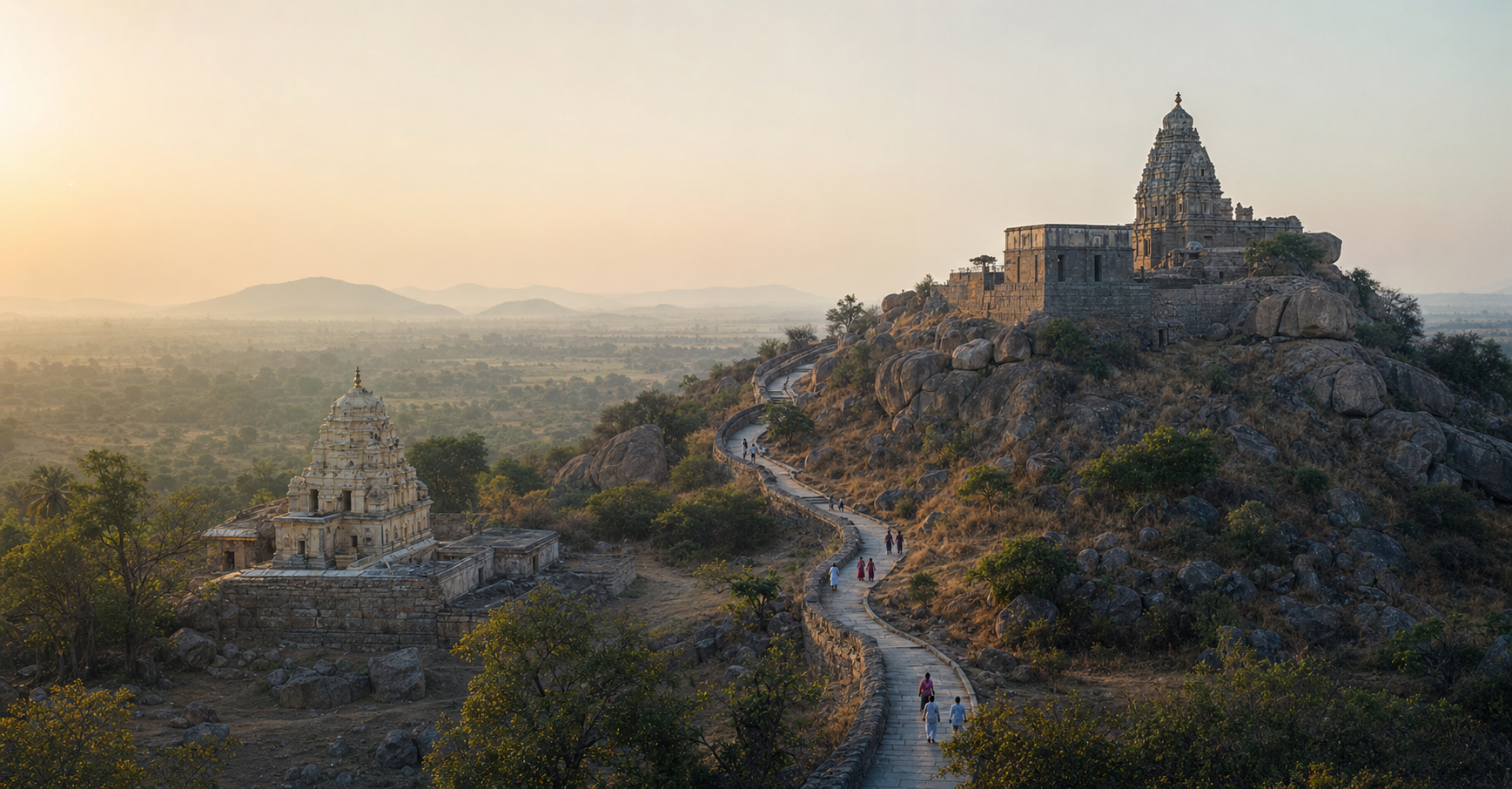
Unraveling Lemuria and Kumari Kandam: An Evidence-Based Look at Tamil Myth and History

This analysis examines the Lemuria/Kumari Kandam narrative with an evidence-based, interdisciplinary lens—combining textual criticism, archaeology, linguistics, and geosciences. It explains how classical Tamil works like Kalittogai and Silappadikkaram encode powerful flood motifs while clarifying why such poetry does not, by itself, prove a vanished Holocene continent. It outlines the scientific history of “Lemuria,” the role…
-
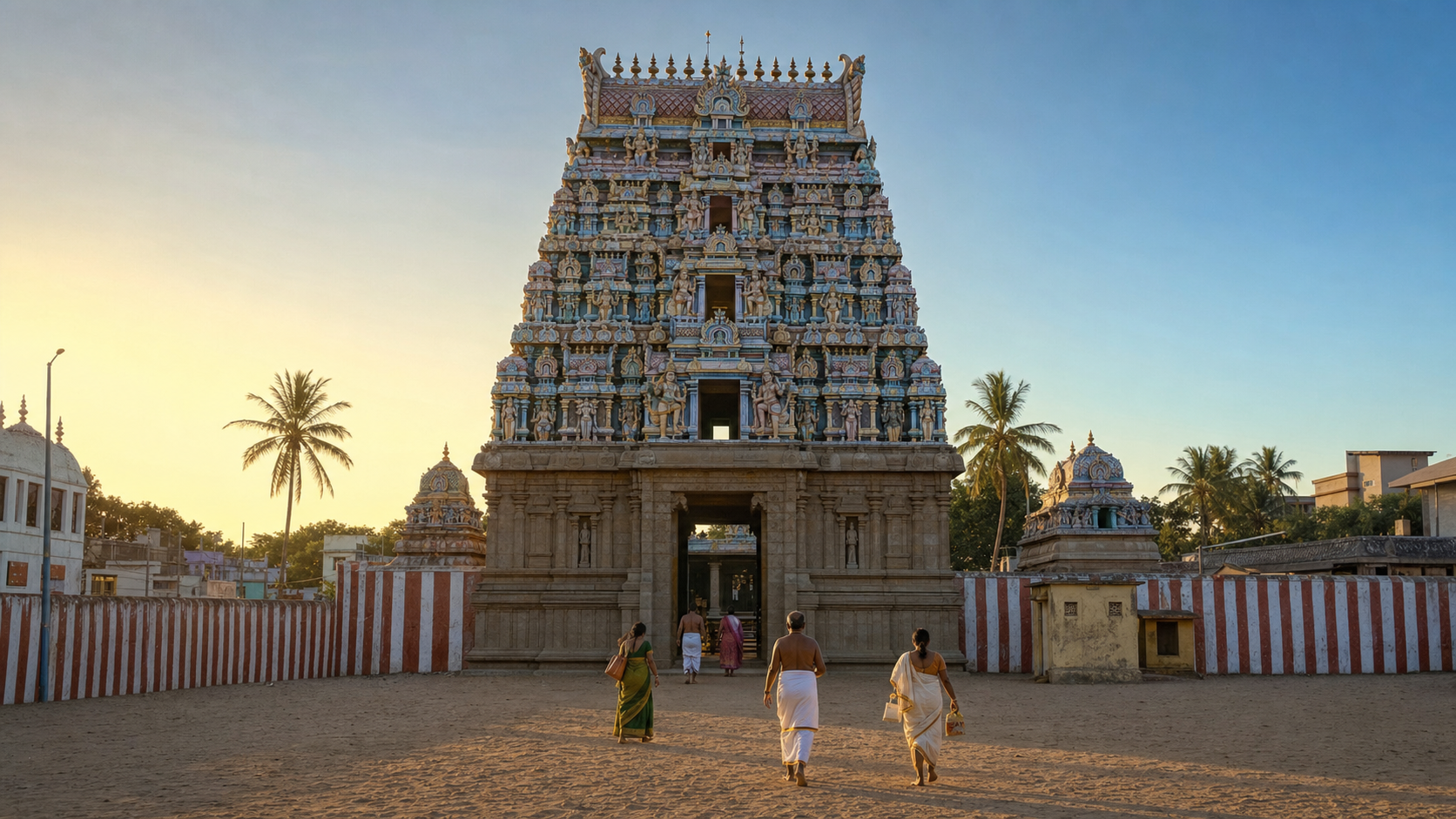
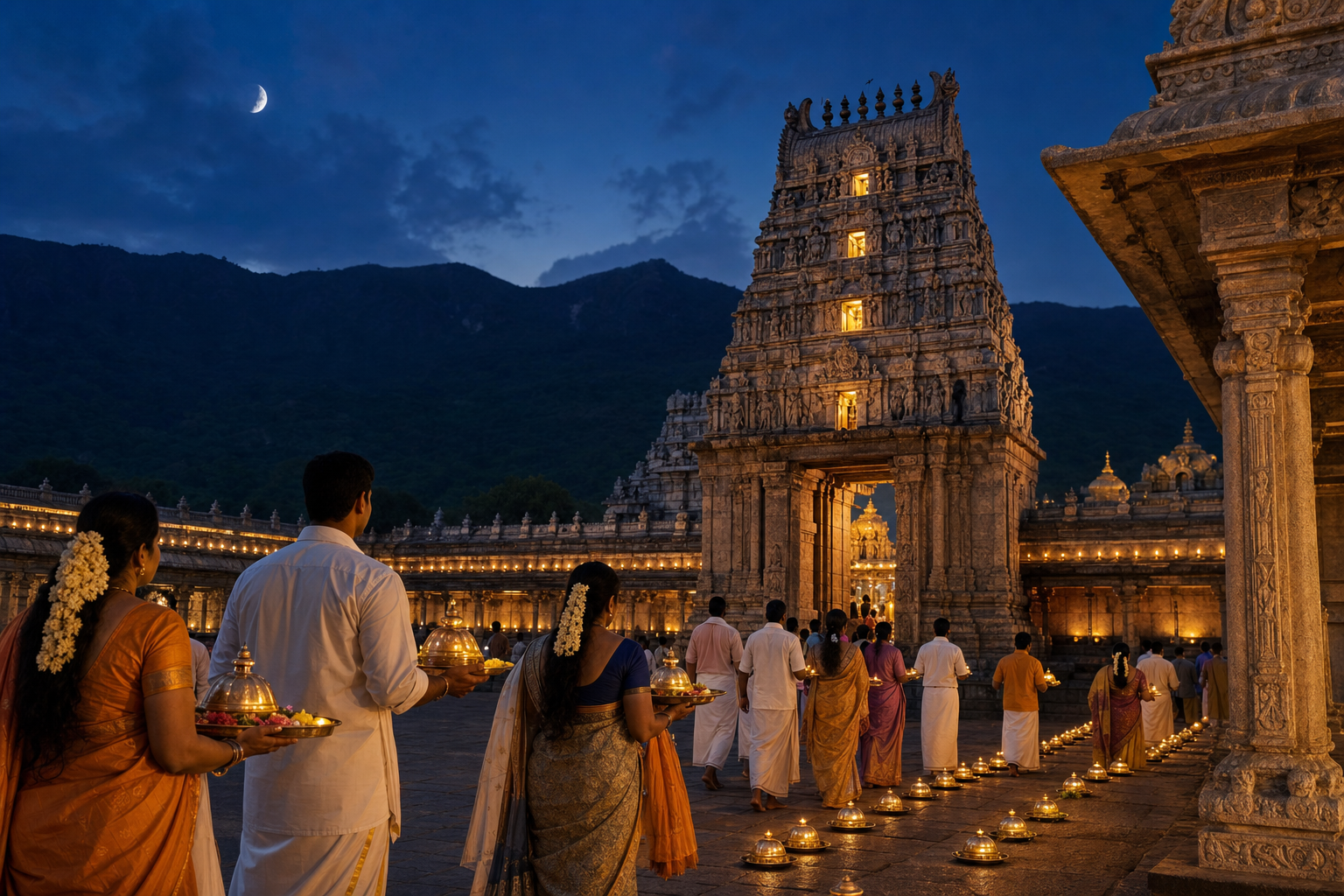
Comprehensive Guide to Hindu Festivals in April 2026: Dates, Vrats, and Rituals (IST)

This IST-aligned guide assembles all key Hindu observances in April 2026—Renuka Chaturdashi, Panguni Uthiram, Purnima Vrat, Hanuman Jayanti, and the onset of Vaishakh—within a single, reliable reference. It explains how tithi, nakshatra, and month conventions (Purnimanta, Amanta, and Tamil solar months) shape dates, so planning is accurate and stress-free. Clear fasting and puja frameworks emphasize…
-
Goddess Ganga vs Amphitrite: A Deep Comparative Study of Sacred Waters and Worldviews

This in-depth, academically grounded comparison explores how the Hindu Goddess Ganga and the Greek Amphitrite personify sacred waters in distinct yet resonant ways. It analyzes primary textual traditions, iconography, and ritual practices to show why Ganga functions as a living tirtha and purifying path to moksha, while Amphitrite embodies regal maritime order within the Olympian…
-
Why Ganesha Rides a Mouse: Mastering the Restless Mind Through Ancient Sacred Symbolism

The celebrated image of Śrī Gaṇeśa seated on a mouse encodes a complete psychology of spiritual practice: wisdom seated above impulse, directing and calming the restless mind. Philological analysis of mūṣika (“the thief”) aligns with traditional models of manas, buddhi, and ahaṃkāra, while Purāṇic sources frame the vāhana as a pedagogical tool. Read alongside Yoga,…
-
Samastipur Hindu Rashtra-Jagruti: Urgent call for dharmic unity amid demographic change

A Hindu Rashtra-Jagruti Vyakhyan in Samastipur, Bihar, examined demographic shifts—population trends, migration, and conversion—through a constitutional and dharmic lens. The discussion, led by Sadguru Nilesh Singbal (HJS), framed “Hindu Rashtra” as a values-centered civilizational ethos aligned with pluralism and the rule of law, not a theocracy. Readers gain a data-anchored overview of India’s religious composition…
-
Maharashtra Allows Burqa in Class 10–12 Exams: Ensuring Fair, Secure, and Inclusive Access

Maharashtra’s decision to allow Muslim girl students to wear the burqa during Class 10 and 12 board exams balances religious freedom with exam security. Situated against reports from a February 8 CTET sitting where some candidates were asked to remove mangalsutras, the policy highlights the need for uniform, clearly communicated rules. The analysis situates the…
-
Safeguarding Sacred Symbols: HJS Spurs Withdrawal of Offensive Shiva–Ganesh Ad, Full Apology

An offensive Mahashivratri advertisement involving Lord Shiva and Shri Ganesh was swiftly withdrawn from leading Chhattisgarh newspapers after Hindu Janajagruti Samiti (HJS) intervened, prompting an unconditional written apology from Shri Ganesha Global Gulal Pvt Ltd. This outcome illustrates how timely civil society engagement and clear corporate accountability can protect sacred symbols and restore public trust.…
-
Unveiling Kena’s Dual Identity: Why It’s the Talavakara Upanishad—and Why It Matters Today

The Kena Upanishad is called the Talavakara Upanishad because it is embedded in the Tālavakāra Brāhmaṇa of the Sāma Veda, reflecting its precise textual lineage. Its name “Kena” comes from the opening question—“by whom?”—that frames a profound inquiry into the source of mind, speech, and life. Structured in four sections—two metrical and two prose—it advances…
-
Feb 16, 2026 Health Update: HH Mahavishnu Swami navigating influenza with pneumonia and sepsis

On Feb 16, 2026, clinicians in Kathmandu confirmed that HH Mahavishnu Swami tested positive for influenza while under treatment for pneumonia and sepsis. This update explains how influenza can intensify lower respiratory tract disease and interact with sepsis, and outlines evidence-based priorities such as timely antiviral therapy, antibiotic stewardship, respiratory support, and sepsis stabilization. It…
-
In Memoriam: HG Ekanātha dāsa—Guardian of the Bhaktivedanta Archives and ISKCON’s Living Memory

HG Ekanātha dāsa’s sudden departure is a profound loss for ISKCON and for all who rely on the Bhaktivedanta Archives to study Śrīla Prabhupāda’s teachings. This tribute situates his long service within the larger context of cultural heritage, explaining why careful archival practice is an expression of bhakti and a cornerstone of Hindu heritage preservation.…
-
Srimad Bhagavatam 7.12.16: Bhakti Discipline and Inner Transformation at ISKCON GEV

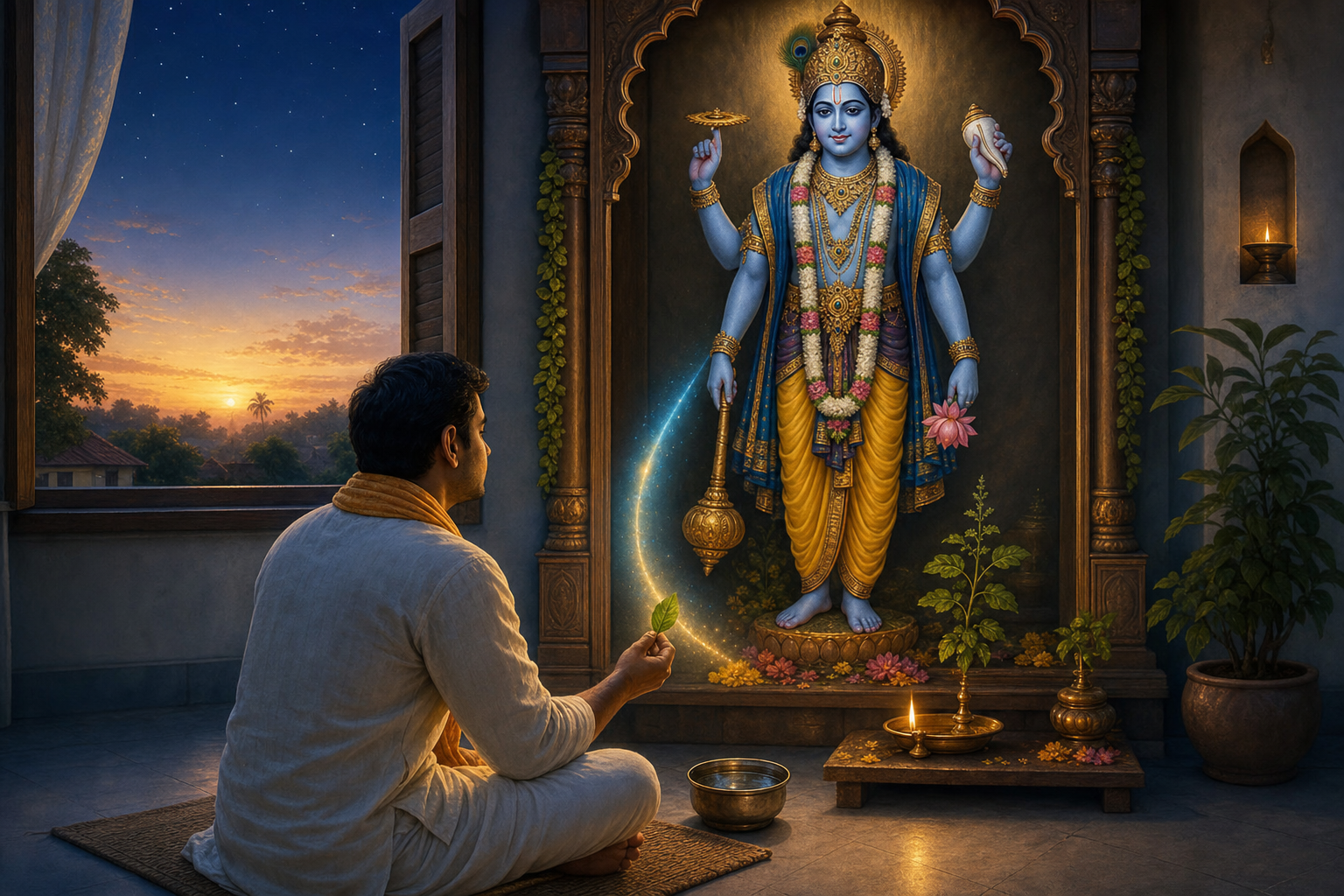
This in-depth summary of the Srimad Bhagavatam 7.12.16 class by H.G. Mahamaya Mataji at ISKCON GEV presents a clear, academically grounded pathway to devotional growth. It situates the verse within Canto Seven’s broader ethical and spiritual framework and explains how guru–shishya parampara safeguards scriptural integrity. Readers gain a practical map of sadhana—from śraddhā to prema—supported…
-
Shani Shingnapur puja app scam: Inside the ₹77.46 lakh fraud, accountability, and trust

An alleged embezzlement of approximately ₹77,46,341 from the authorised Shani Shingnapur online darshan and puja app has led to a charge sheet naming nine individuals, including Devasthan staff. This analysis explains how temple puja apps work, where typical risk points emerge, and why rigorous reconciliation, maker-checker approvals, and immutable audit logs are essential. It outlines…
-
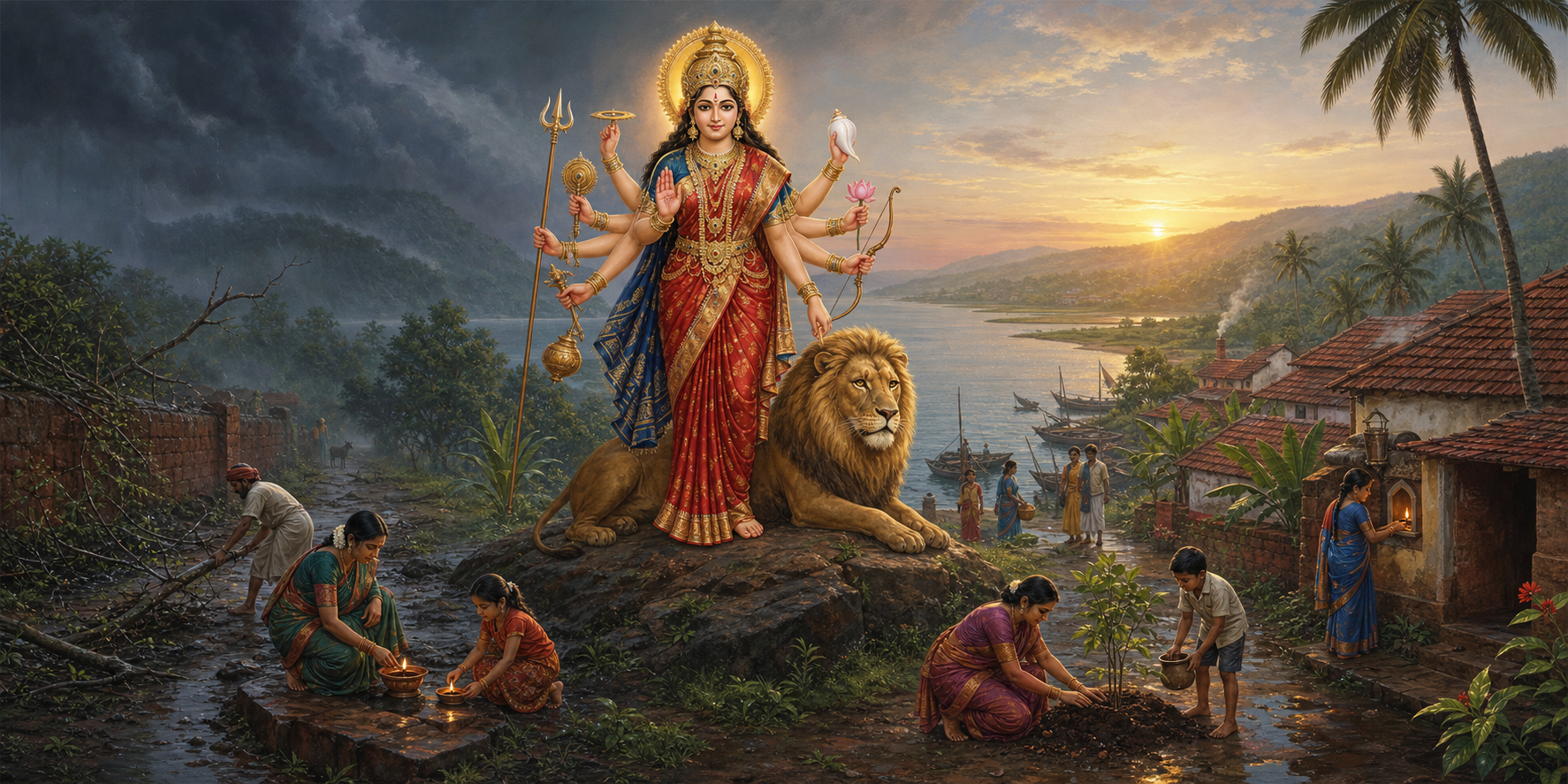
Revealing the Pandavas’ Durga Worship in the Mahabharata: Virata Parva’s Earliest Shakta Trace

This study traces one of the earliest epic references to Goddess Durga in the Mahabharata’s Virata Parva, where the Pandavas invoke Shakti before their perilous year in disguise. It situates the hymn—naming Durga, Katyayani, Bhadrakali, and Mahishasuramardini—within the narrative hinge between exile and restoration. Attention is given to manuscript variation and critical edition debates while…
-
Unlocking Kayavyūhajñāna: Patañjali’s Nabhi Chakra Insight into Yogic Inner Anatomy

Kayavyūhajñāna in the Yoga Sūtras points to a precise, embodied insight: by samyama on the nābhi-cakra, practitioners gain reliable knowledge of the body’s inner organization. This long-form guide situates the sūtra within Patañjali’s Vibhūti Pāda, unpacks the commentarial tradition, and outlines a practical, ethical method grounded in yama–niyama, breath awareness, and non-reactive attention. Drawing bridges…
-
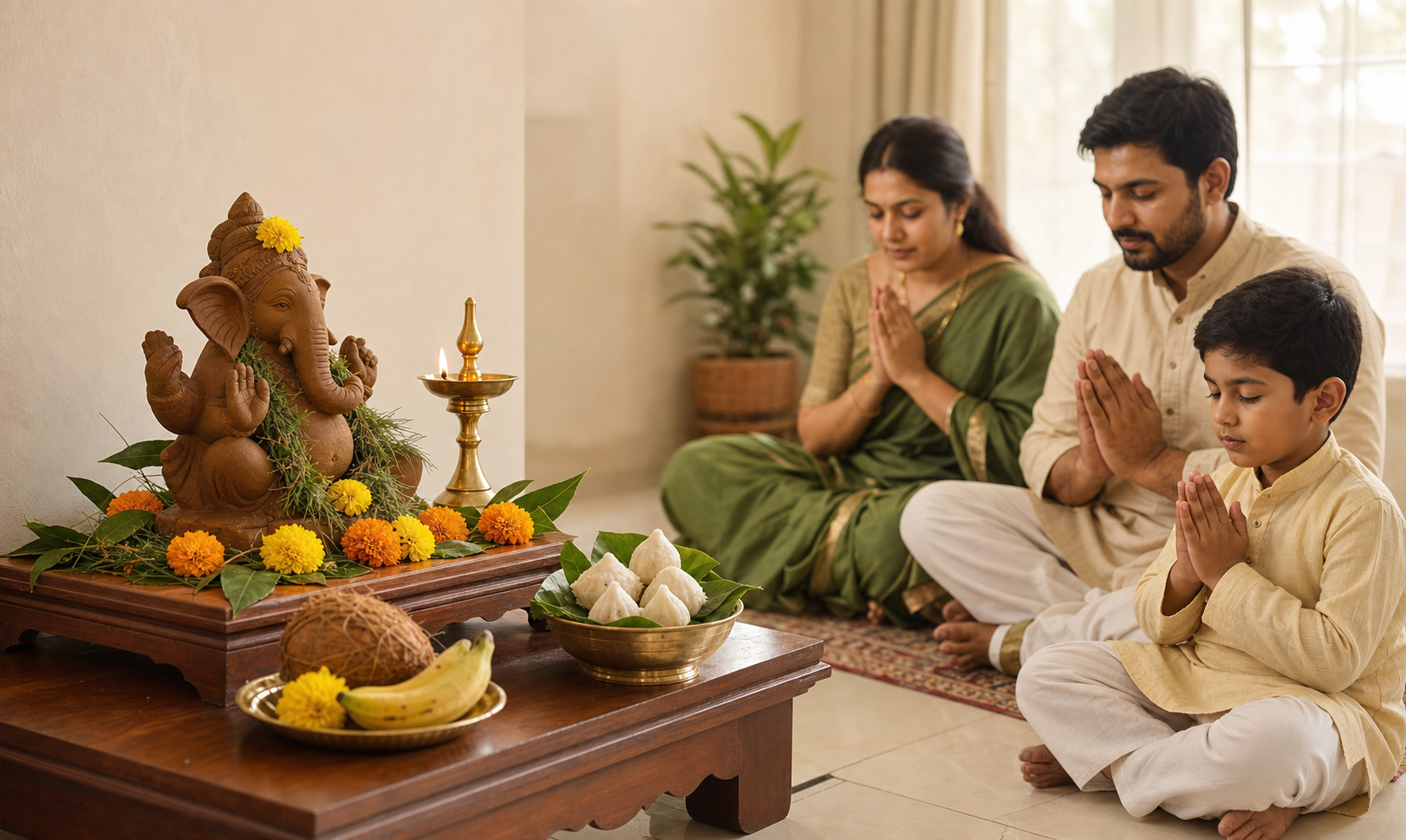
Supari’s Sacred Power in Ganesha Puja: Betel Nut as Living Symbol of Riddhi–Siddhi and Vows

The betel nut (supari), referenced as Poogiphal in Sanskrit, serves as a durable, auspicious symbol in Ganesha Puja. Placed in pairs beside Ganapati, it represents Riddhi and Siddhi—ethical prosperity and perfected capability—giving form to a complete spiritual aspiration. The nut’s wholeness supports sankalpa (vow) and steadiness, while its longevity makes it ideal for ongoing domestic…
-
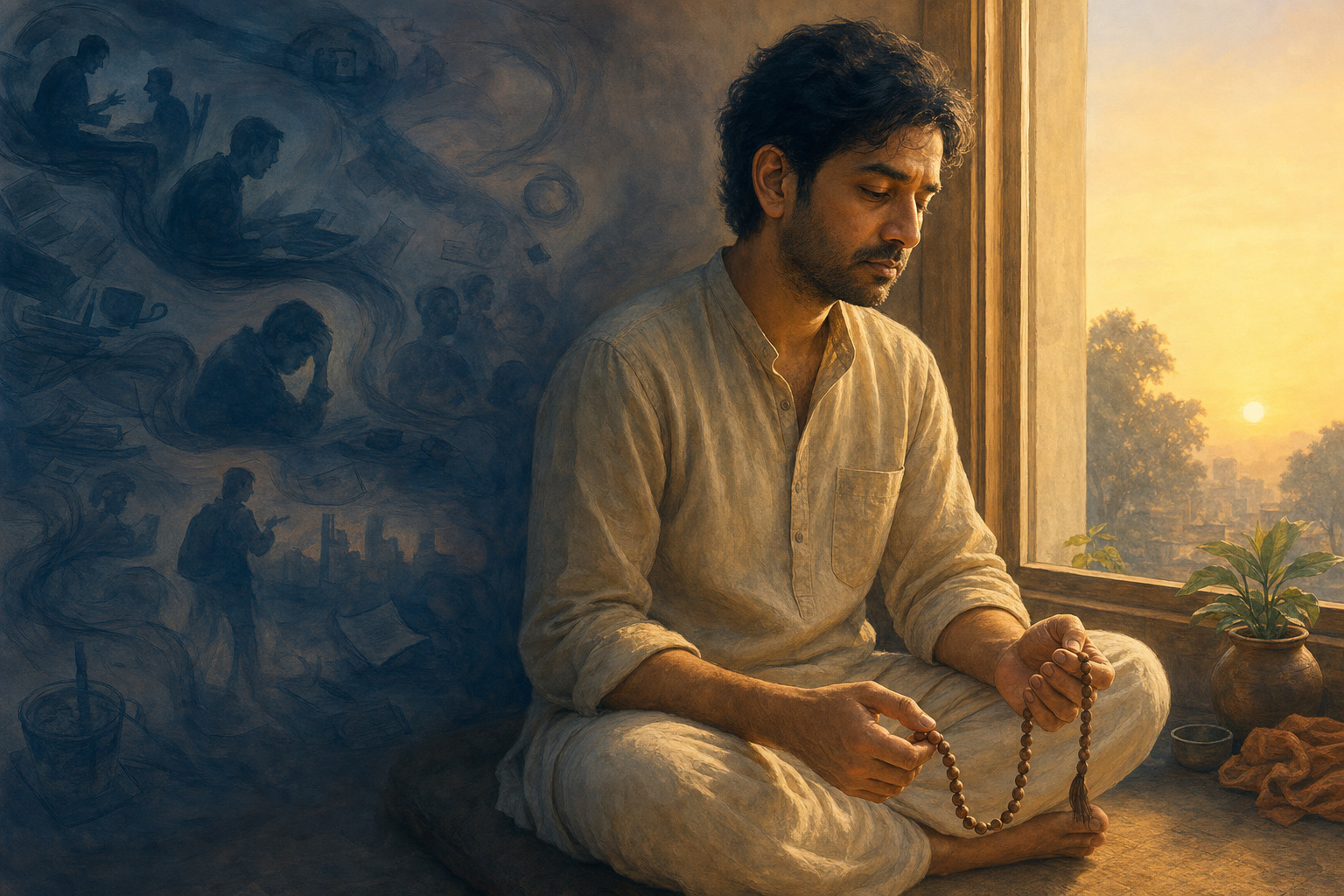
Cultivating Contentment: Dharmic Pathways to Enduring Happiness and Inner Peace

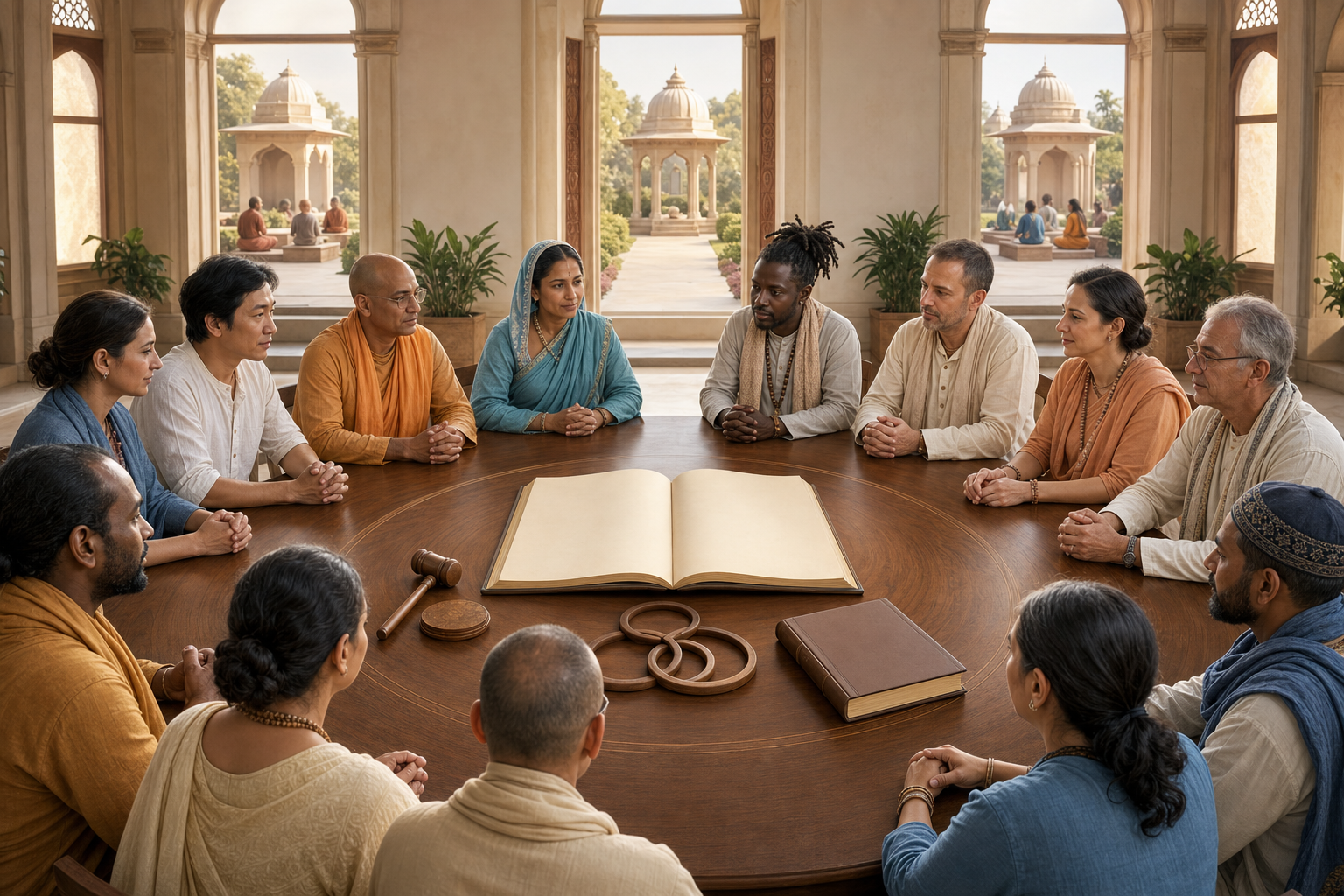
This essay examines why contentment generates enduring happiness through a unified lens from Hinduism, Buddhism, Jainism, and Sikhism. It distinguishes short-lived pleasure (sukha) from abiding wellbeing (ananda) and situates santosha within Yoga philosophy and the Bhagavad Gita’s portrait of steady wisdom. It integrates Vedanta’s Pancha Kosha model, Buddhist mindfulness and equanimity, Jain ahimsa and aparigraha…
-
Beyond Possession: Timeless Dharmic Wisdom on Desire, Consumerism, and Inner Freedom

Consumer culture promises joy through acquisition, yet the thrill fades quickly. Dharmic traditions anticipated this pattern and offer rigorous, practical tools to transform desire into discernment. Drawing from the Bhagavad Gita, the Upanishads, the Yoga Sutra, Buddhist insight on craving, Jain vows of aparigraha, and Sikh practices of remembrance and sharing, this article explains why…
-
February 23, 2026 Panchang – Shukla Paksha Sashti to Saptami, Nakshatra and Rashi Guide

On Monday, February 23, 2026, the Hindu calendar (Panchang) shows Shukla Paksha Sashti tithi until 09:26 AM IST, followed by Shukla Paksha Saptami. The post explains what a tithi is, why it changes mid-morning, and how to schedule rituals around the transition. It outlines Panchanga shuddhi—weekday, tithi, nakshatra, yoga, and karana—and how to choose a…
-
2,300 Miles of Mindfulness: The Transformative 108-Day Walk for Peace Across America

Nineteen Vietnamese Buddhist monks from Fort Worth completed a 108-day, 2,300-mile Walk for Peace to Washington, D.C., modeling compassion, nonviolence, and mindful presence across nine states. The journey’s 108-day design drew on a shared dharmic symbol of completeness, uniting Buddhist metta with Hindu ahimsa, Jain vows of non-harm, and Sikh seva. Public response centered on…