-
Reordering Britain’s Myth: A Powerful Satire of Colonial Classification and the Potterverse

Set in a satirical future where Bharat administers Britain, this piece examines how external classification—framed through a Potterverse House system—can reshape social realities. It traces how myths become templates for hierarchy, how census categories can reward strategic identity claims, and how well-intended policy may still rigidify fluid communities. Readers gain a clear, decolonial lens on…
-
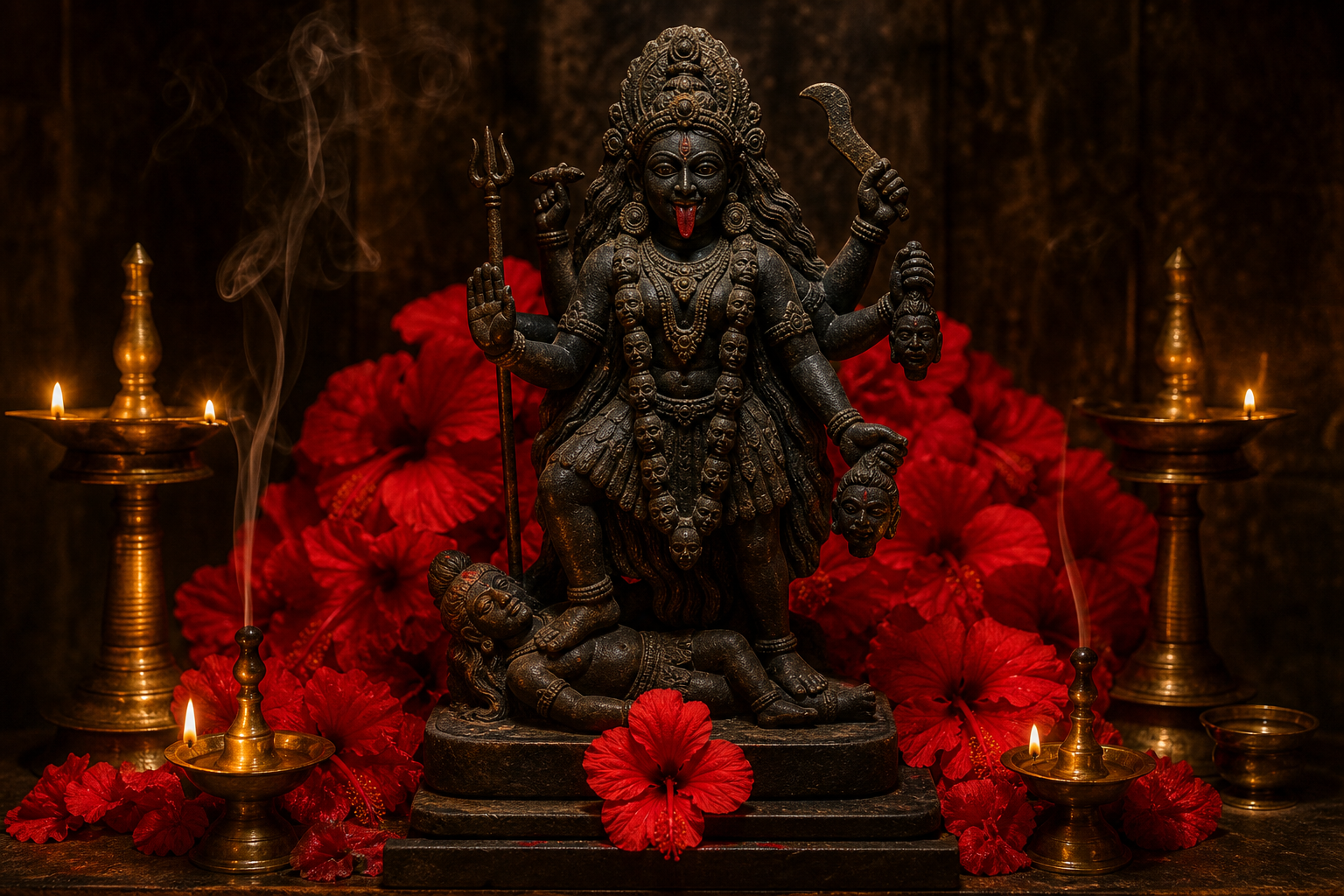
Akali, the Timeless Kali: Exploring Nine Manifestations in the Tantra Purana and Mahakala Samhita

This article surveys nine manifestations of Goddess Kali drawn from the Tantra Purana, Toral Tantra, and the Mahakala Samhita (Anusmriti Prakarana), with special attention to Akali. Akali is explained as “beyond time,” highlighting a core Shakta insight into the timeless ground of reality. The discussion connects theological meaning with lived experience, showing how these forms…
-
February 5, 2026 Panchang: Precise Tithi Timings and Krishna Paksha Chaturthi Insights

February 5, 2026 begins with Krishna Paksha Tritiya until 1:27 AM, then continues as Krishna Paksha Chaturthi for the rest of the day. The Panchang sequence supports planning for puja, study, and travel in harmony with the Hindu calendar. Krishna Paksha Chaturthi emphasizes obstacle-clearing prayers to Ganesha and a reflective, disciplined approach to the day.…
-
Beyond Gender: How the Guru’s Universal Guidance Elevates Every Seeker in Krishna Consciousness

This reflection affirms that the guru’s role in Krishna consciousness transcends gender and other external identities. Anchored in Srila Prabhupada’s guidance, it emphasizes spiritual qualification—realization, character, and capacity to guide—as the true criterion for leadership. Framed within the Guru-Shishya Tradition of the Bhakti Tradition, the discussion invites communities to evaluate teachers by siddhanta, sadhana, humility,…
-
Tirupati Sri Kodandarama Swamy Temple: Sacred, Soul-Stirring Festivals in February 2026

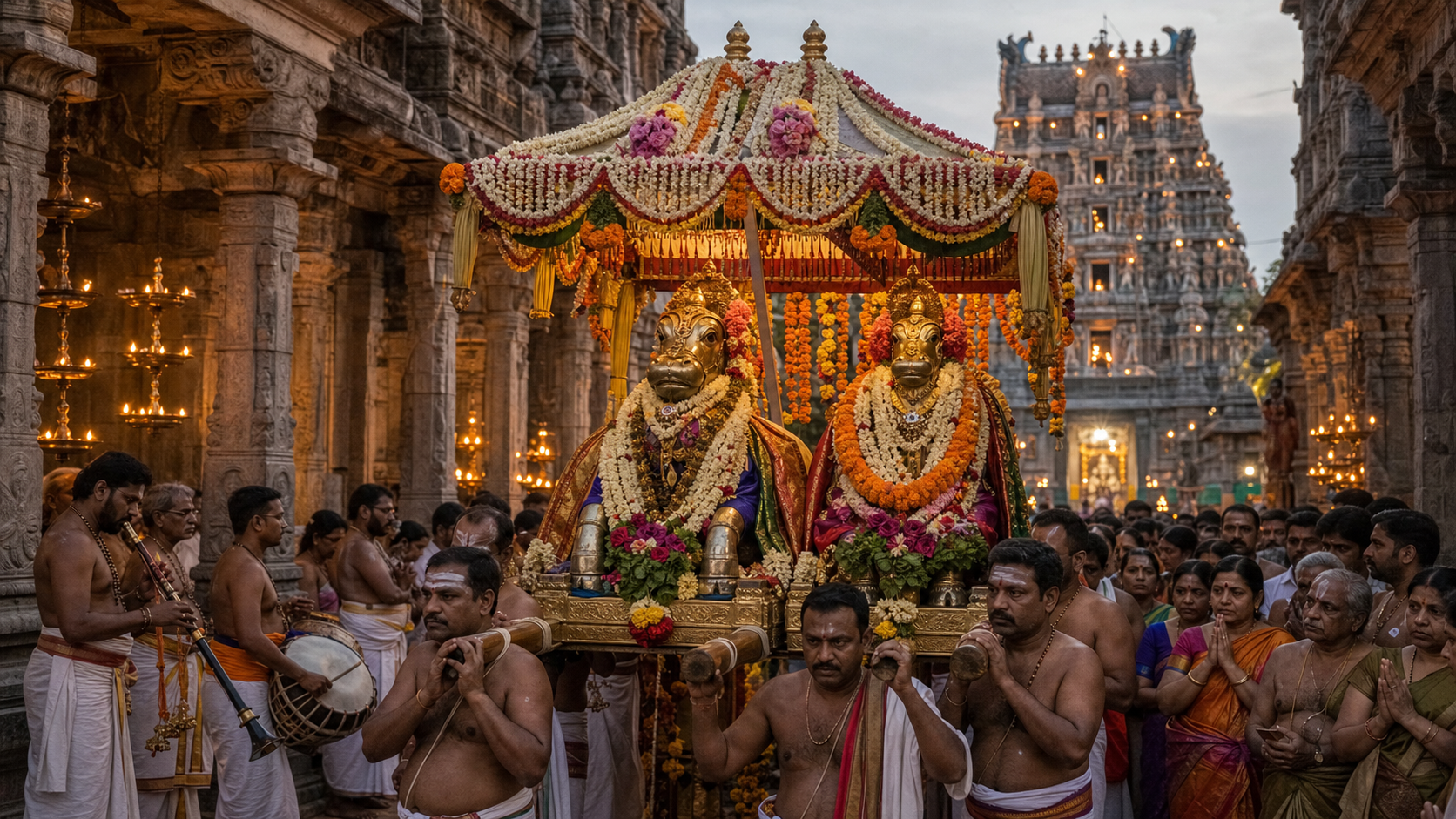
Sri Kodandarama Swamy Temple in Tirupati will observe a meaningful festival calendar in February 2026, combining scriptural significance with lived devotion. The Koopuchandrapeta Utsavam on Magha Pournami (2 February 2026) anchors the month’s observances in the auspicious energy of the full moon. On the Saturdays of February—7, 14, 21, and 28—Abhishekam will be performed for…
-
Srinivasa Mangapuram Brahmotsavam 2026: Key Dates and Sacred Rituals at Kalyana Venkateswara

The Sri Kalyana Venkateswara Swamy Brahmotsavam at Srinivasa Mangapuram will be held from February 8 to 16, 2026, with Ankurarpanam on the evening of February 7 and Koil Alwar Thirumanjanam on February 5 (6:30 AM–11:00 AM). The schedule supports a focused devotional experience in the Tirupati region under TTD’s disciplined arrangements. Rituals such as Koil…
-
Tirupati Kapileshwaraswamy Brahmotsavam 2026: Dates, Ritual Significance, and Devotional Highlights

Sri Kapileswara Swamy Temple in Tirupati will observe its annual Brahmotsavam from 8–17 February 2026, with Ankurarpana on 7 February. The festival showcases Shaiva ritual excellence while inviting broad community participation and devotion. Daily Vahana Sevas will be held, with detailed timings to be released by TTD closer to the event. Visitors can expect immersive…
-
Sacred Sunday in Mumbai: Powerful Temple Itinerary for Peace, Heritage, and Harmony

A Sunday pilgrimage in Mumbai can be both restorative and culturally rich, weaving together sacred stops across Hindu, Buddhist, Jain, and Sikh traditions. Starting at Siddhivinayak Temple sets a contemplative tone, while Mahalakshmi, Babulnath, Walkeshwar-Banganga, and Mumbadevi deepen engagement with the city’s spiritual heritage. The Jain temple near Malabar Hill highlights Ahimsa and architectural beauty,…
-
Vibhishana Gita: Courageous Counsel on Dharma and Ethical Leadership in the Ramayana

The Vibhishana Gita in the Ramayana preserves the courageous counsel Vibhishana offers Ravana, spotlighting how conscience and dharma guide ethical leadership. As the youngest son of Kaikesi and Sage Vishrava, Vibhishana’s asura lineage underscores that noble character is defined by virtue, not birth. His plea to return Sita to Rama blends moral clarity with strategic…
-
Ravana Gita: Timeless Leadership Wisdom from the Ravana–Lakshmana Dialogue in Ramayana

Ravana Gita, the widely known title for Ravana’s final counsel to Lakshmana in the Ramayana, offers clear, actionable lessons on leadership and governance. The dialogue emphasizes timing—acting swiftly on beneficial duties while exercising caution in risky matters—and the ethics of counsel, confidentiality, and honest dissent. It also warns against underestimating adversaries, urging vigilance and strategic…
-
Sundari Kandam Explained: Sita Devi’s Profound Sacrifice and the Timeless Ethics of Dharma

Sundari Kandam is a lesser-known strand associated with the Ramayana that highlights Sita Devi’s great sacrifice and ethical resolve. Absent in the Valmiki Ramayana but referenced in later regional recensions, it reflects the living, plural nature of Hindu epic traditions. The narrative centers on Sita’s tyaga and steadfast adherence to dharma, presenting moral courage as…
-
Sri Shankara Gita: Timeless Advaita Wisdom on Shiva’s Grace to Elevate Daily Practice

Sri Shankara Gita, traditionally associated with Adi Shankaracharya, distills Advaita Vedanta through the devotional lens of Lord Shiva’s grace. The text presents Shiva as the symbol of the Supreme Reality, guiding seekers from multiplicity to oneness. Its balanced integration of jnana, bhakti, and dharma makes the teachings both elevating and practical for daily practice. Readers…
-
Krantigatha in Maharashtra: Powerful Tribute to Revolutionary Heritage at Ayni School
On 20 January 2026, a Krantigatha (Saga of Revolution) exhibition took place at Hutatma Anant Laxman Kanhere School in Ayni village, Khed taluka, Maharashtra. Organised by the Hindu Janajagruti Samiti, the community event highlighted India’s revolutionary history in an accessible, educational format. The venue’s connection to Hutatma Anant Laxman Kanhere deepened historical relevance and encouraged…
-
Uttarakhand Char Dham Debate: Balancing Sanctity, Security, and Inclusive Pilgrimage

Reports from Dehradun (Jan 27, 2026) note that Char-Dham authorities are weighing entry rules at Kedarnath, Badrinath, and other Uttarakhand temples amid a wider debate on sanctity, security, and inclusivity. This analysis explains how a uniform, religion-neutral code of conduct can protect sacred ambience more effectively than identity-based restrictions. It outlines practical measures—visitor education, capacity…
-
From Rigid Rules to Real Freedom: Choosing Over Control to Calm the Nervous System

A single shift—from rigid control to mindful choice—reshapes nervous system regulation and fosters authentic safety. This narrative traces how chronic rules create physiological threat responses, and how agency restores calm. Practical steps emerge: notice “shoulds,” grant full permission, ask what is truly wanted, and trust somatic cues. The distinction between urgency-driven control and clarity-based wisdom…
-
When Faith Meets Fear: Lakshmana’s Unshakable Trust vs Sita’s Anxious Love in the Ramayana

The golden deer episode in the Ramayana illuminates a timeless tension between Lakshmana’s confident faith in Rama’s invincibility and Sita’s urgent, love-driven concern. Set in Aranya Kanda, the incident shows how māyā exploits the gap between trust and perception, turning virtue into vulnerability. Read as moral philosophy, it pairs compassion with the necessity of discernment…
-
Sri Ramanujacharya’s Magnificence: How Bhakti Masters Illuminate Kali‑yuga and Inspire Unity

This reflection situates Sri Ramanujacharya within a Gaudiya Vaishnava narrative that honors multiple bhakti masters sent to uplift Kali-yuga. It presents Sri Krishna Caitanya’s descent to Gauda-bhumi as a devotional-theological perspective, while highlighting Ramanuja’s enduring contributions to compassionate, rigorous practice. Readers gain a clear, accessible context for the Bhakti and Vedic Traditions and their relevance…
-
Before the Particle Accelerator: Soviet Science, atma, and a Profound Dharmic Convergence

A quiet moment before a Soviet-era particle accelerator crystallizes a core insight: the most decisive forces in life are often unseen. This reflection connects modern physics with dharmic inquiry into atma, showing how both rely on disciplined methods to infer what cannot be directly observed. Hindu philosophy and Vedanta, Buddhism’s process-oriented view, Jainism’s jiva and…