
-
Shiva Needs Shakti: Devi Upanishad’s Powerful Lesson on Consciousness and Energy
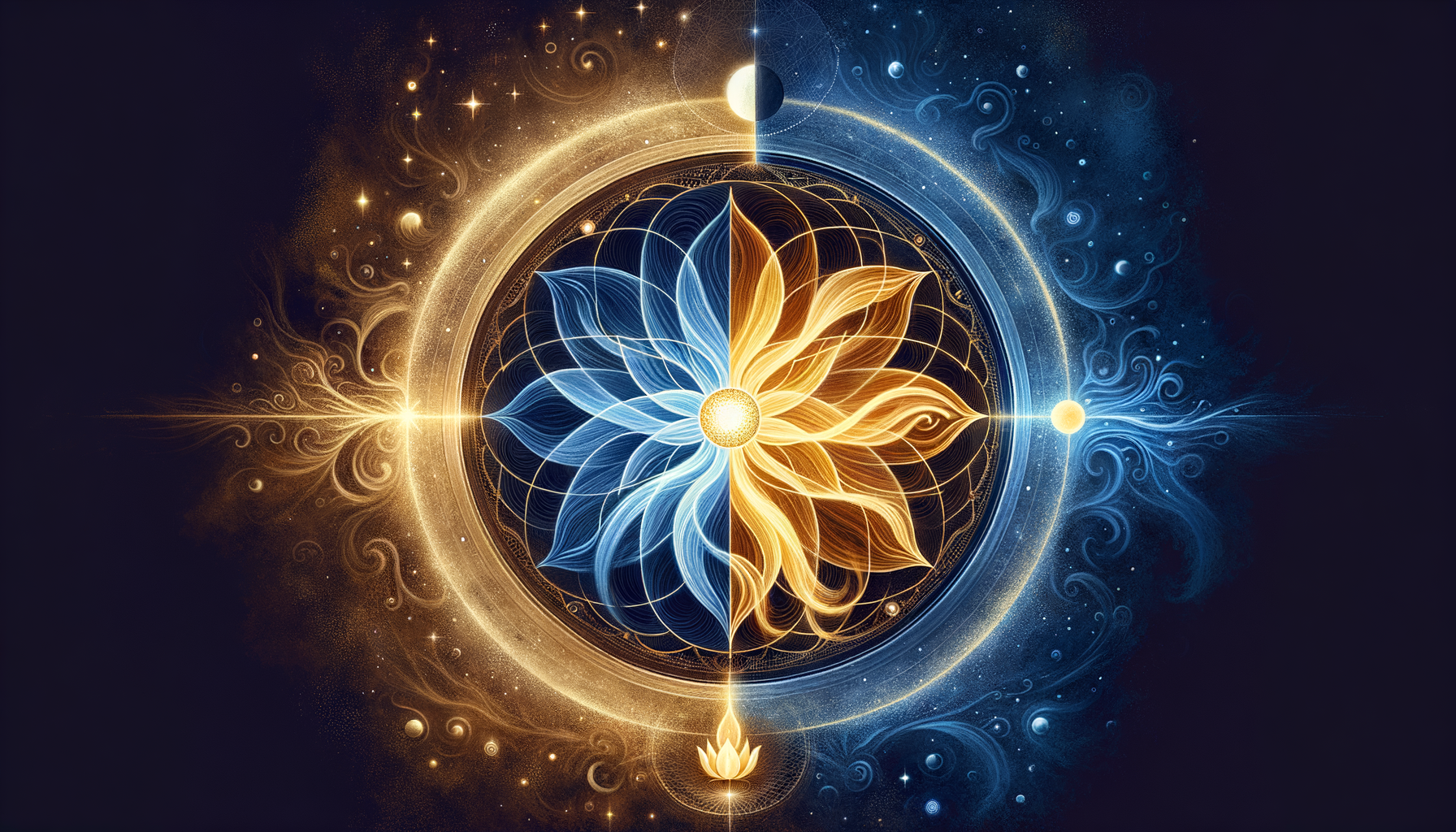
The Devi Upanishad teaches that Shiva (pure consciousness) and Shakti (dynamic energy) are inseparable, revealing that true power arises from their sacred union. This insight reframes metaphysical power as integrative, not hierarchical: awareness without energy remains inert, and energy without awareness lacks direction. Everyday experience reflects this balance, where clarity must meet purposeful action to…
-
Goddess Vinayaki (Ganeshani): Unveiling the Sacred Feminine Power of Ganesha
Goddess Vinayaki (Ganeshani) embodies the sacred feminine of Lord Ganesha, uniting wisdom and compassion as a remover of obstacles in maternal form. Rooted in Puranic–Tantric traditions and Yogini lore, she reflects the inclusive plurality of Sanatana Dharma. Her iconographyelephant head, feminine form, and attributes like pasha, ankusha, modaka, and lotusemphasizes auspicious beginnings and protective grace.…
-
Shakti Peethas Beyond India: Timeless Seats of the Divine Mother That Unite Borders
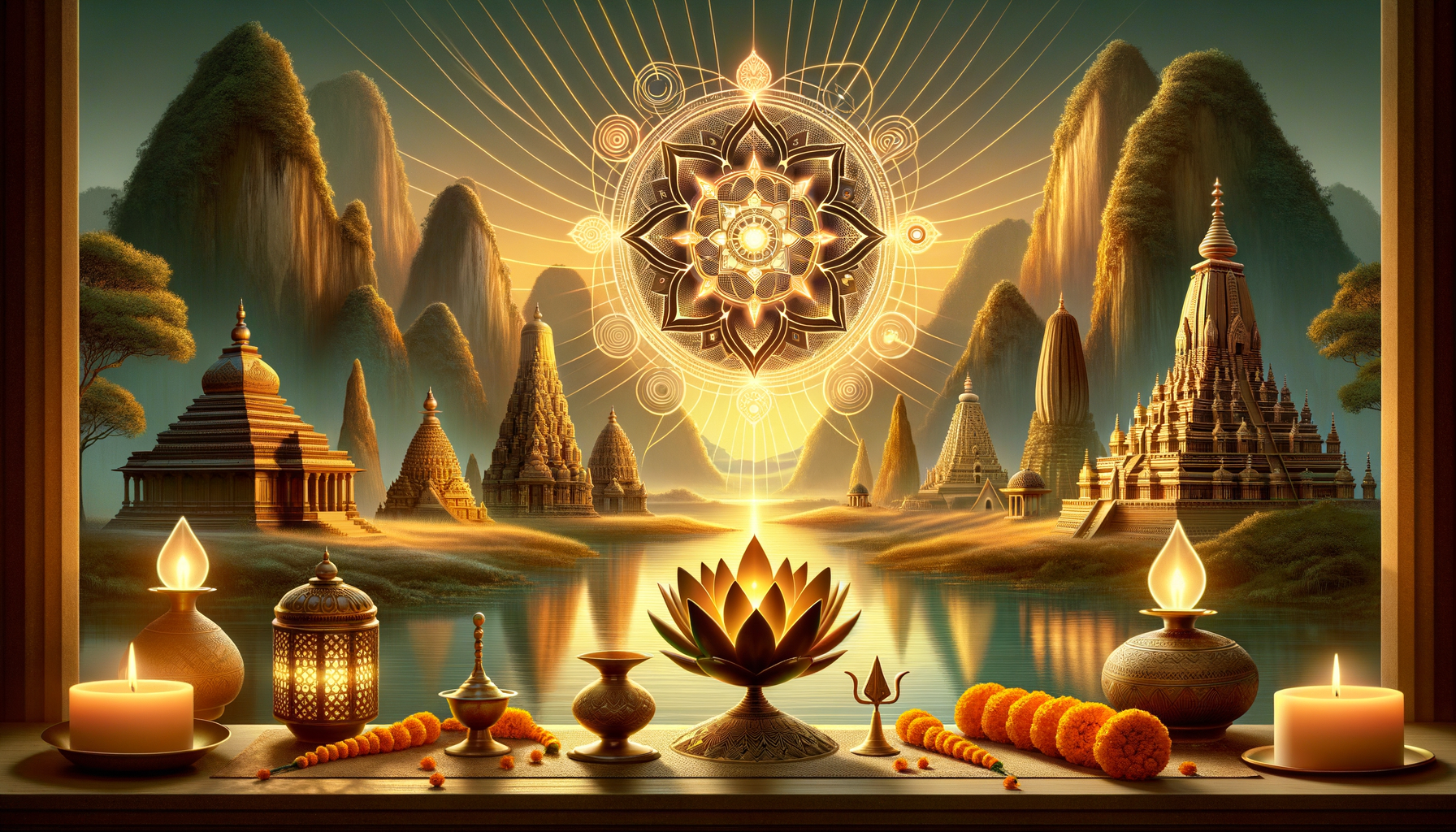
Shakti Peethas outside India illuminate a sacred geography that transcends modern borders, inviting seekers into a shared South Asian heritage. Grounded in the Devi Bhagavata Purana and other Puranas, these sites honor the Divine Mother, Shakti, and sustain living traditions of pilgrimage. Widely venerated examples include Hinglaj Mata in Pakistan, Guhyeshwari in Nepal, Jessoreswari in…
-
Panchapreta Unveiled: Tantric Symbolism of Five Corpses and the Living Power of Shakti

Panchapreta“the Five Corpses”is a Tantric teaching that uses paradox to convey a clear metaphysical insight: without Shakti, even exalted divine functions are inert. Framing the Pancha Brahma of creation, preservation, dissolution, concealment, and grace, the image portrays the Goddess as the living Power that animates all forms. Rather than morbid, the “corpse” metaphor is a…
-
Tara Devi Mahatmyam: Fear-Dispelling Power and Cross-Traditional Significance of Tara Mahavidya
Tara Devi, one of the Dasamahavidyas and a manifestation of Durga Devi, is honored for fear-dispelling power and liberating wisdom. The Adbhuta Ramayana recalls Tara within the Goddess’s cosmic play, celebrated after Kali’s defeat of a powerful asura. Shakta Tantra presents Tara as both fierce and compassionate, associated with insight (jnana), transcendent speech (vak), and…
-
Anagha Devi, Shakti of Lord Dattatreya: Radiant Grace of the Divine Mother
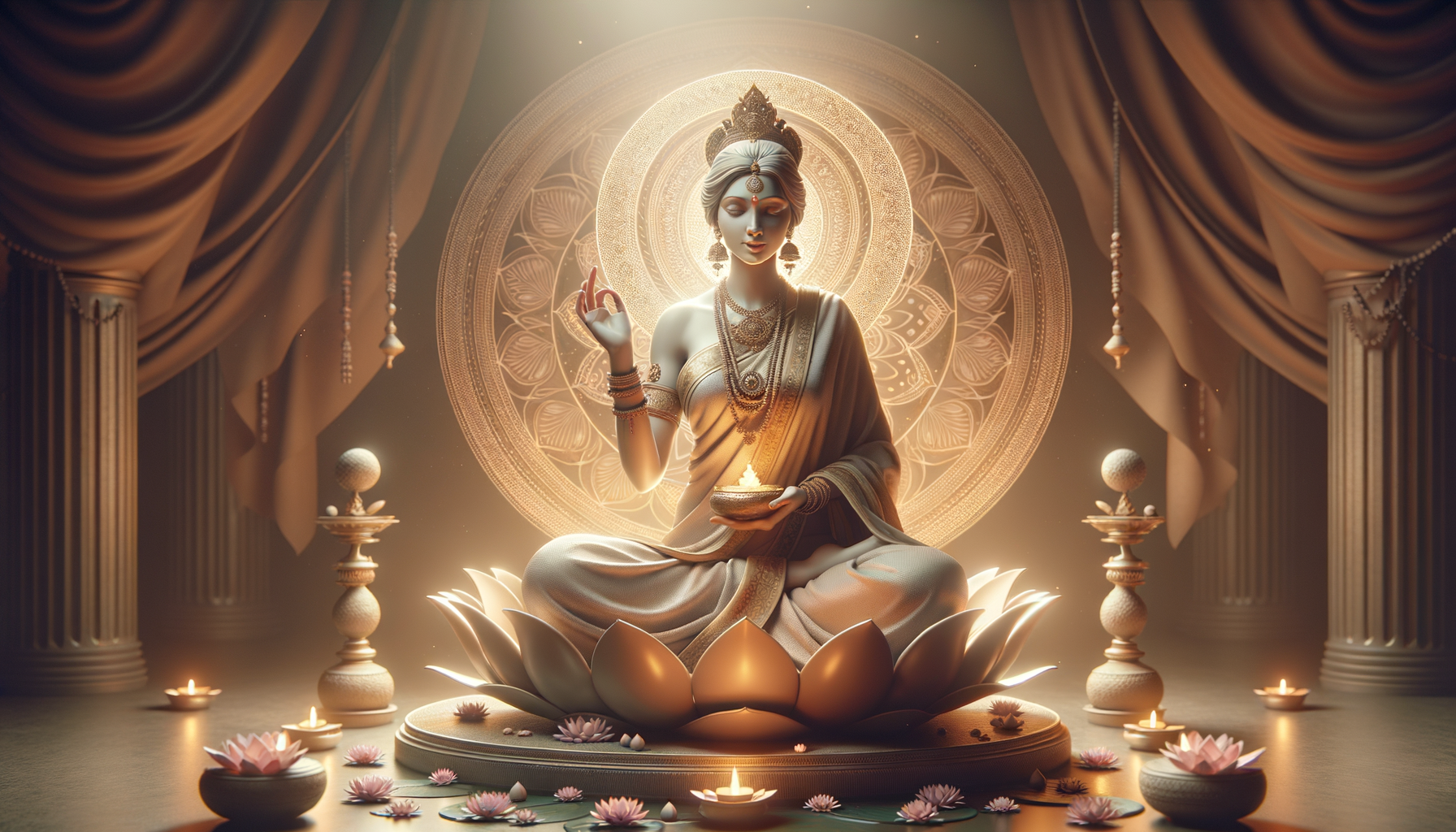
Anagha Devi is honored as the Shakti of Lord Dattatreya, radiating the Divine Mother’s compassionate energy in the Datta tradition. Her iconographyespecially the vessel of divine nectar and luminous countenancesymbolizes healing, insight, and protection. The name “Anagha,” meaning “stainless,” points to an ethical ideal that inspires purity of intention and dharmic conduct. Devotional practice emphasizes…
-
Ardhanareeswara’s Radiant Unity: Manickavasagar’s Vision of Shiva–Shakti Harmony
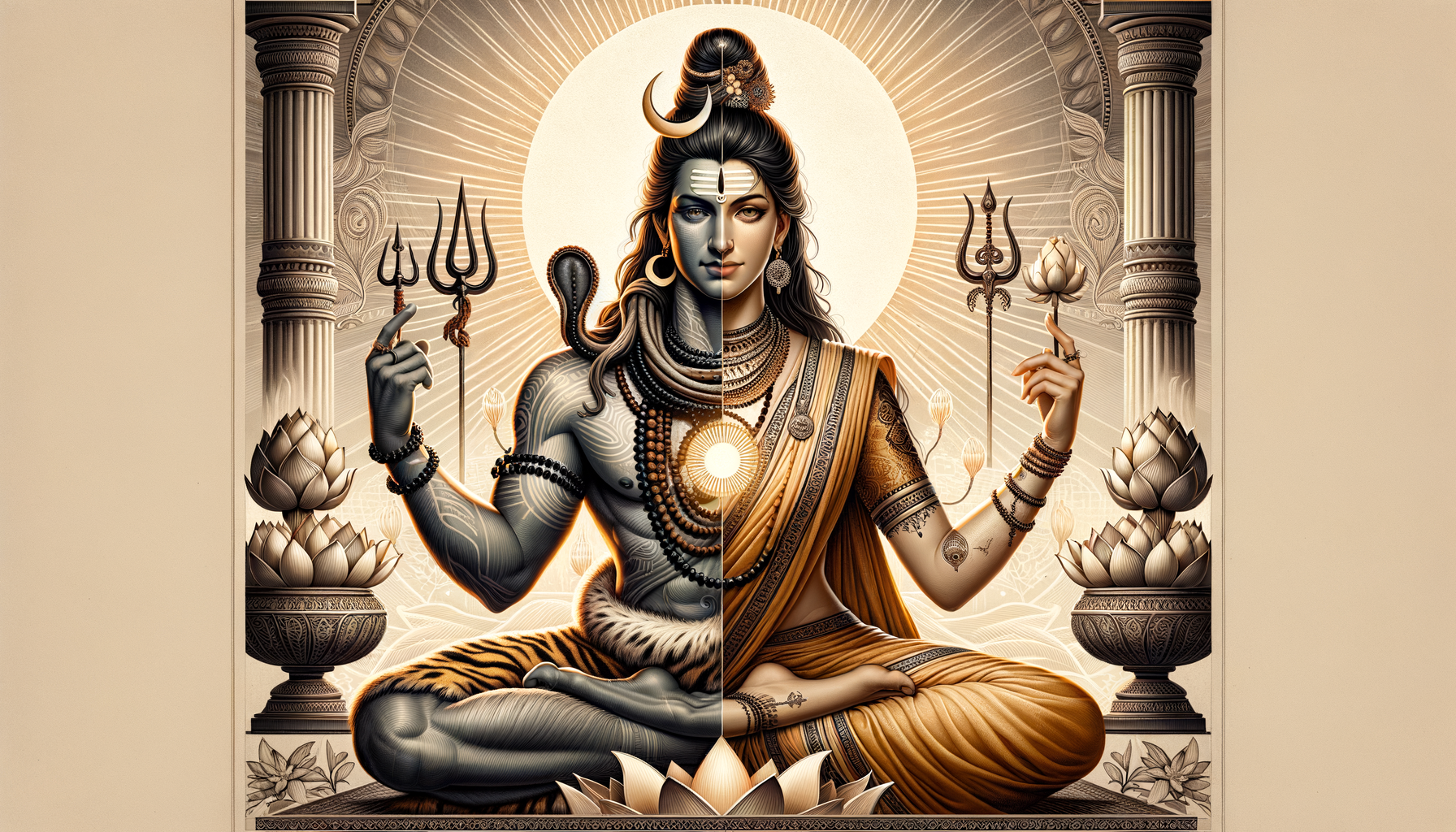
Ardhanareesvara“the Lord Who Is Half Woman”presents the inseparable union of Shiva and Shakti as a living doctrine of balance. Drawing on Manickavasagar’s Tiruvācakam, the vision reveals divinity as both motherly and fatherly, integrating tenderness with strength. Temple iconography reinforces this unity by joining ascetic steadiness and auspicious grace in a single body. Philosophically, the form…
-
Chamunda Devi’s Skull Cup (Kapala): Fierce Symbolism of Protection, Purification, and Grace
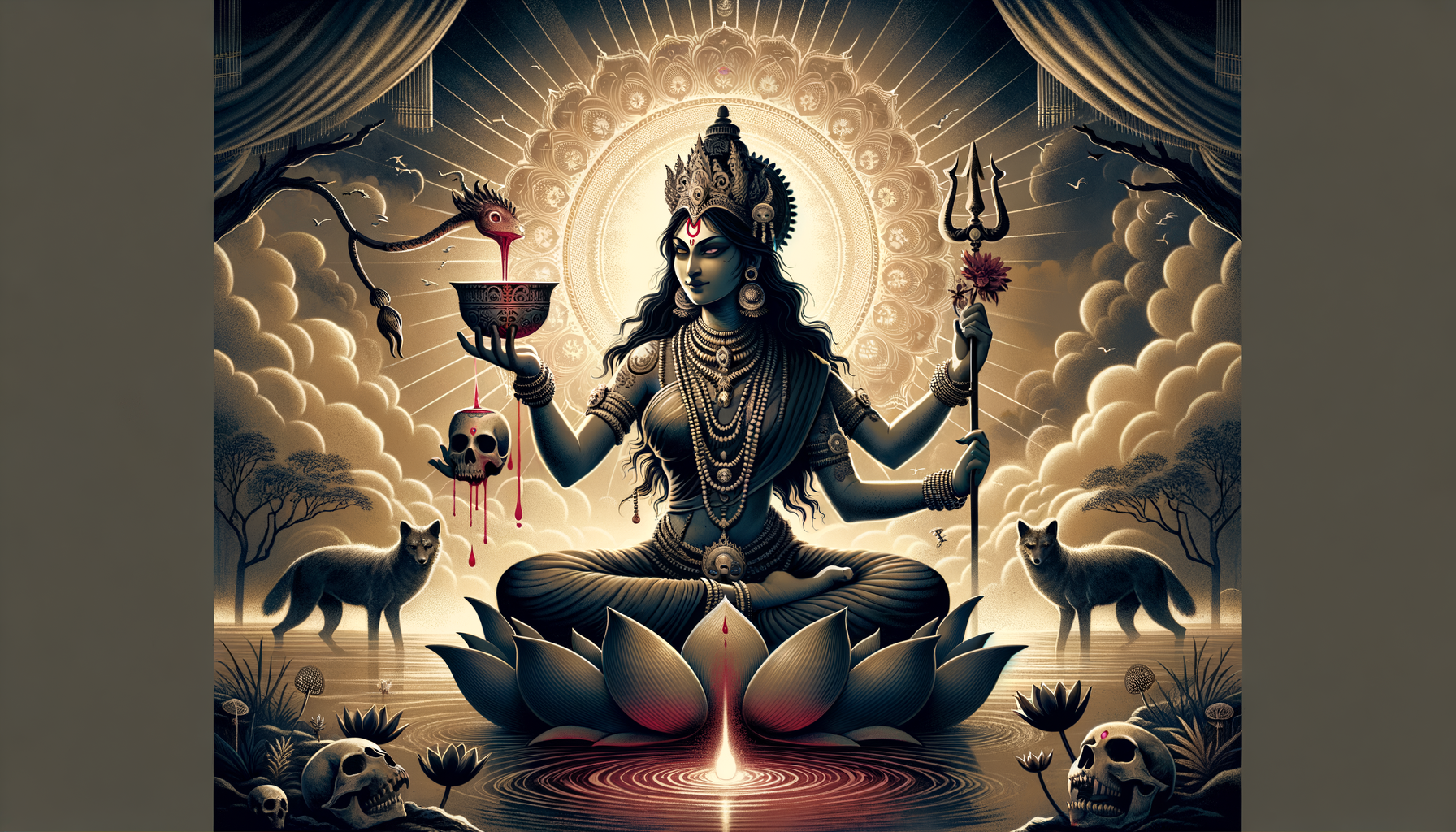
Chamunda Devi’s skull cup (kapala) encapsulates a powerful teaching from the Devi Mahatmya and Tantric scriptures: transform fear and impurity into wisdom and compassionate strength. The blood within the kapala symbolizes prana and ego, consciously purified in the goddess’s grasp to protect and uplift. Read through a dharmic lens, this fierce icon harmonizes with Vajrayana…
-
Shakti and Sacred Balance: What Hindu Scriptures Teach About True Gender Equality

Hindu scriptures present gender equality as a sacred metaphysical truth grounded in the unity of Shiva and Shakti, not as a modern concession. Vedic and Puranic sourcesfrom the Devi Sukta to the image of Ardhanarishvaraaffirm complementarity rather than hierarchy. Everyday practices like Navaratri and Saraswati puja translate these ideals into lived culture that honors women’s…
-
Lalita Tripura Sundari Mahatmyam: Unveiling the Mahavidya’s Transformative Grace and Wisdom

Lalita Tripura Sundari, one of the Mahavidyas, is revered as a unified expression of Devi Shaktinon-different from Pārvatī, Sati, Durga, and Mahakali. Rooted in Sri Vidya, her worship centers on the Śrī Cakra and practices like the Lalita Sahasranama, guiding seekers toward inner clarity and ethical strength. Devotees describe everyday ritualsespecially on Fridays and during…
-
Goddess Parvati’s Transformation into Shakti: From Himalayan Maiden to Universal Mother

This article presents an academic yet accessible account of Goddess Parvati’s transformation from a Himalayan princess into Shakti, the Universal Mother. It traces her origins as Shailaputri, examines her disciplined tapas as Brahmācharini, and explains how her union with Shiva symbolizes cosmic balance. Readers gain a clear understanding of how devotion, self-mastery, and ethical living…
-
Shri Aai Mata Ji Temple, Jodhpur: A Serene Shakti Shrine and Living Heritage of Rajasthan
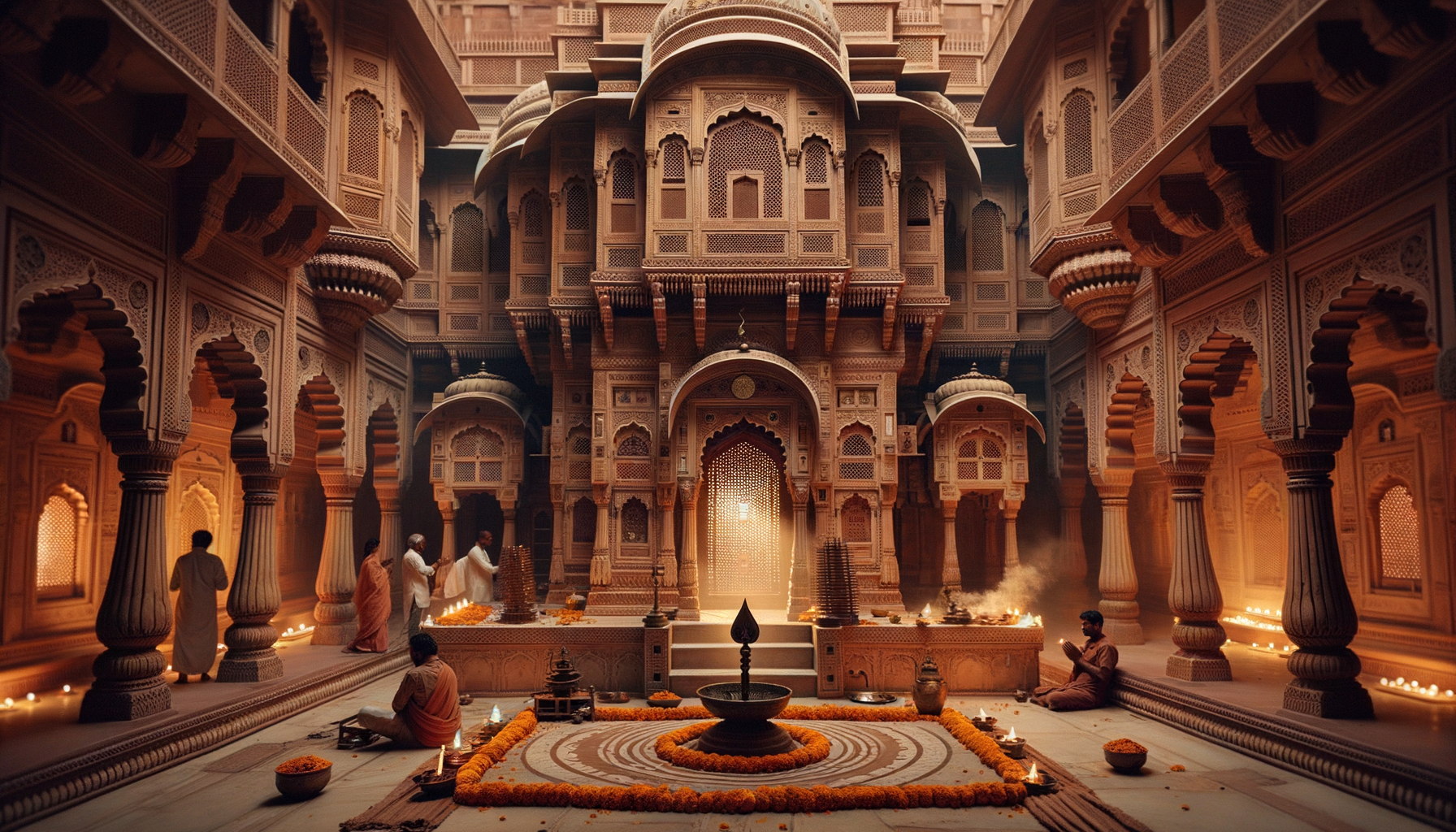
Shri Aai Mata ji (1472–1561), regarded as an incarnation of Ma Jagadamba, is venerated at a serene Shakti shrine in Jodhpur District, Rajasthan. The temple’s community-patronage origins highlight Rajasthan’s living heritage and the social role of sacred spaces. Devotees arrive year-round, with Mahashivaratri drawing particularly vibrant and disciplined observances. The site’s contemplative ambiancebells, incense, and…
-
Kshirgram Jogadya Shaktipeeth: Hanuman’s Triumph, Bhadrakali’s Grace, and Dharmic Unity

Kshirgram Jogadya Shaktipeeth in West Bengal unites Ramayana lore with Shakta devotion, preserving the legend of Hanuman’s rescue of Rama and Lakshmana from Mahiravana through Bhadrakali’s grace. The narrative, remembered locally as Maa Jogadya’s establishment, underscores how courage is guided by compassion in the Shakti tradition. Readers gain an accessible overview of the temple’s sacred…
-
Muruga (Kumara) as Kundalini Shakti Embodied: Awaken Inner Fire, Focus, and Fearlessness

This essay presents Muruga (Kartikeya, Subrahmanya, Kumara) as a contemplative symbol of Kundalini Shaktiinner power awakened through disciplined focus and ethical living. It explains how the Vel, peacock vahana, and Shanmukha iconography map to psychological integration and spiritual ascent through the sushumna nadi from muladhara upward. Drawing on textual memory from the Skanda Purana and…
-
Narayani Mata Temple, Amanbagh: A Serene Shakti Shrine in Alwar, Rajasthan
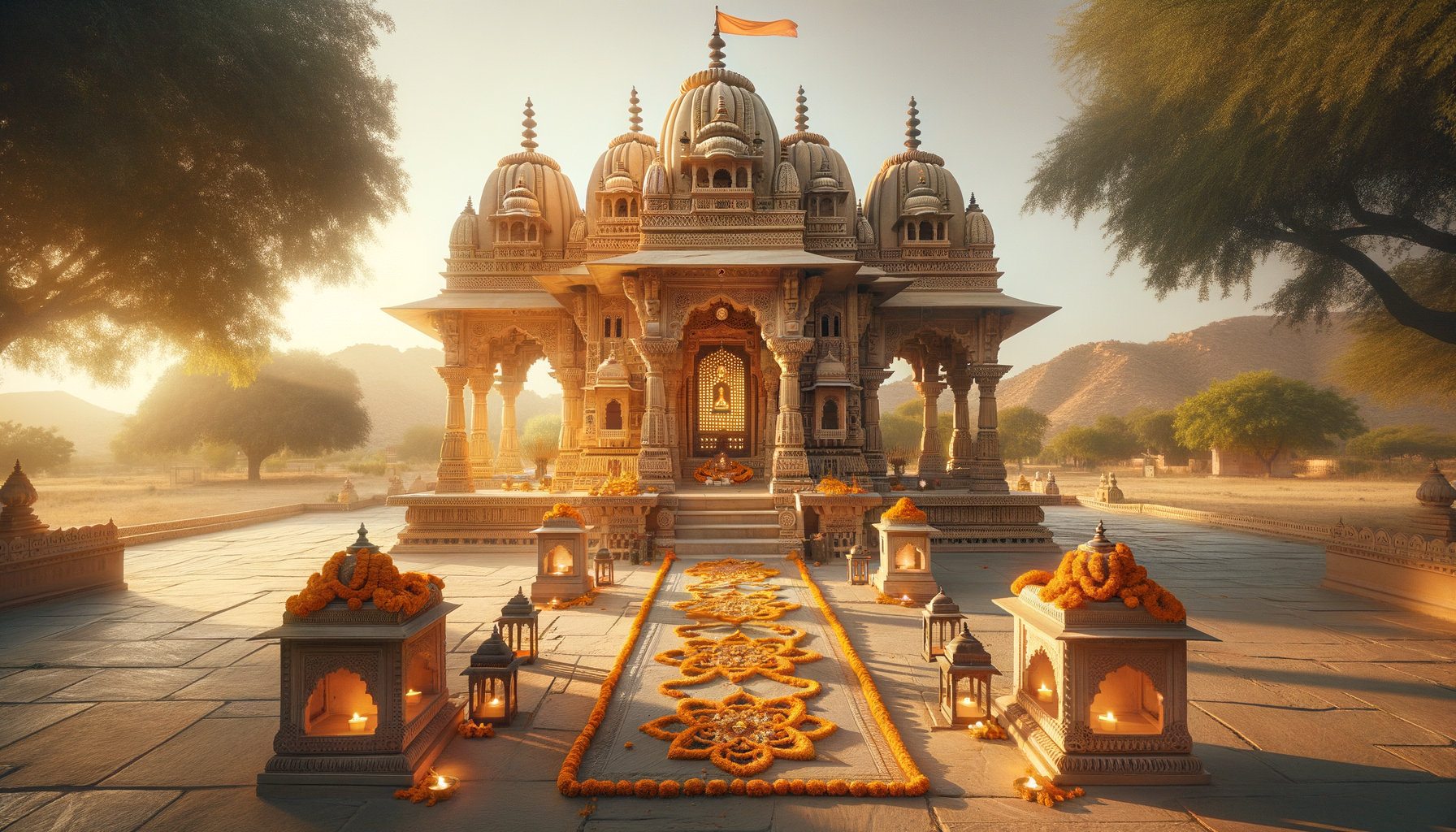
Narayani Mata Temple near Amanbagh in Alwar, Rajasthan, is a serene Shakti shrine known for contemplative worship and a welcoming atmosphere. A corresponding temple in Lonavala, Maharashtra, reflects the wider reach of Narayani Maa’s devotion across regions. Traditions note special reverence among the Sain Samaj while emphasizing openness to all devotees. Visitors often find calm,…
-
Murugan Born from Shiva’s Third Eye: Decoding Iccha Shakti and the Path of Sacred Will
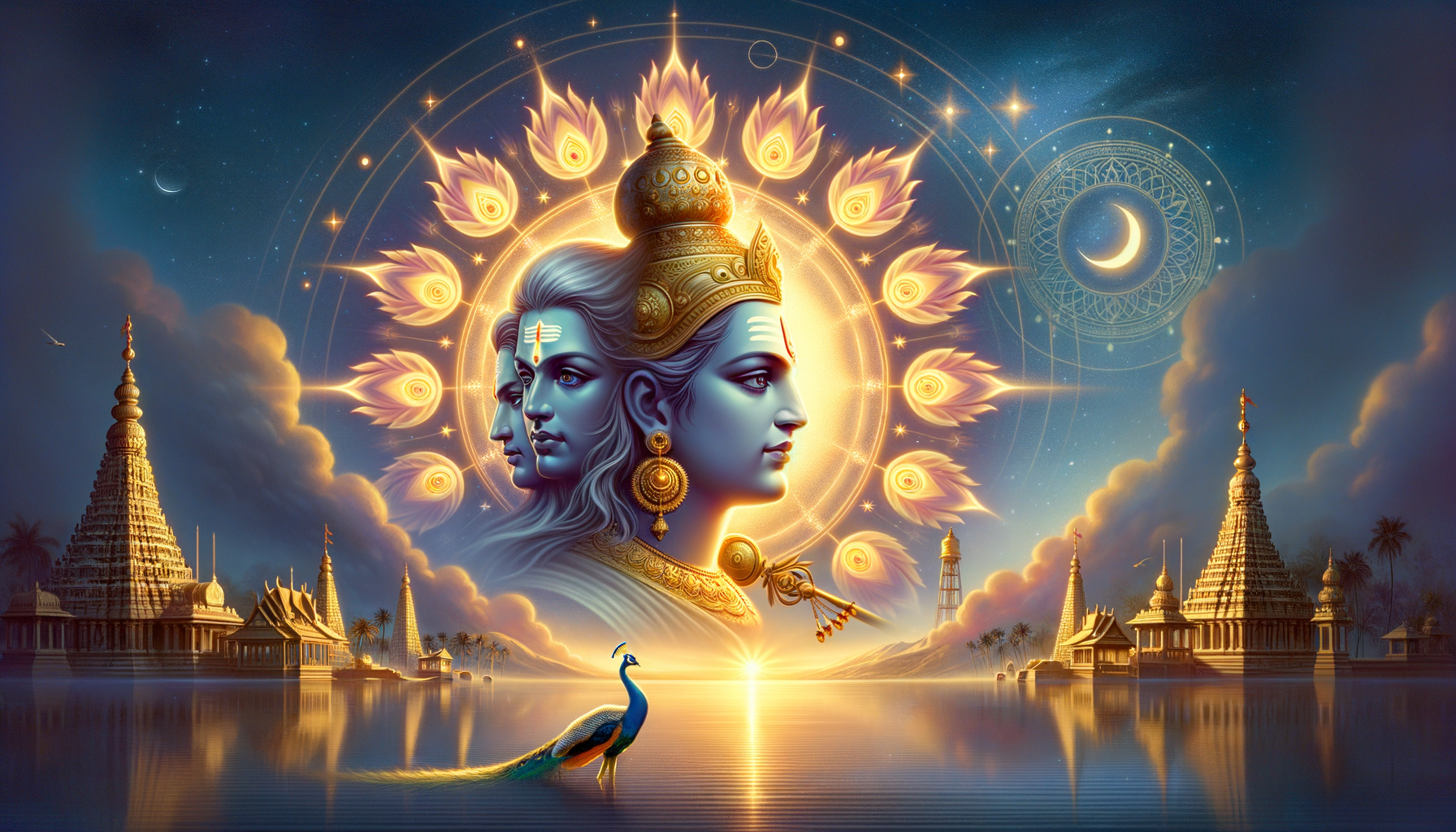
This article explores Murugan’s birth from Shiva’s third eye as a luminous teaching on Iccha Shaktidivine will aligned with wisdom. It explains the Puranic narrative, including the six sparks, the Krittikas, and the unification into Shanmukha, and interprets their symbolic meaning. Readers gain a clear framework for understanding Iccha, Jñāna, and Kriyā Shakti as complementary…
-
Decoding Dakshinakali: The Powerful Tantric Meaning of Jackals in Cremation-Ground Iconography

Tantric depictions of Dakshinakali with jackals in the cremation ground form a precise symbolic language that teaches fearlessness, compassion, and inner integration. The jackals signify liminality, time’s change, and the recycling of what is discardednothing lies outside the Goddess’s compassionate gaze. This iconography affirms ecological and ethical interdependence by revering even life’s overlooked processes. Parallels…
-
When Darkness Shields the Divine: Kali’s Jackal Guardianship of Infant Krishna by the Yamuna

This exploration examines a striking puranic motif in which Kali, manifesting as a jackal, guides and protects the infant Krishna along the Yamuna’s banks. It interprets the scene through the Harivamsa–Vishnu Purana tradition, highlighting how Shakti safeguards the unfolding of Sri Krishna’s destiny. Readers gain a clear, academic understanding of the symbolismdarkness shielding lightwhile appreciating…
-
Kanchi Kamakshi Temple: A Timeless Shaktipeetham and Living Devi Heritage of Kanchipuram
Kanchi Kamakshi Temple (Kanchi Shaktipeetham) in Kanchipuram is a premier center of Shaktism in South India, revered for its living worship of Goddess Kamakshi and its Dravidian architectural grandeur. Tradition associates the sanctum with a Sri Chakra installation by Adi Shankaracharya, underscoring an integration of ritual and philosophy. Recognized in many traditional lists of the…
-
Shankari Devi Shakti Peetham at Trincomalee: Mythic Origins, Sacred Power, and Visitor Insights

Shankari Devi Shakti Peetham in Trincomalee stands among the 51 Shakti Peethas, revered for its Puranic association with Sati and its deep Shakta–Shaiva devotion. Set within the Koneswaram Temple complex on Swami Rock, the shrine blends mythic origins with a dramatic oceanfront landscape to create an atmosphere of contemplative power. Traditional sources variously link the…