
-
Unveiling Yogini Tantra: Why Kali Stands on Shivaand the Sacred Union It Reveals
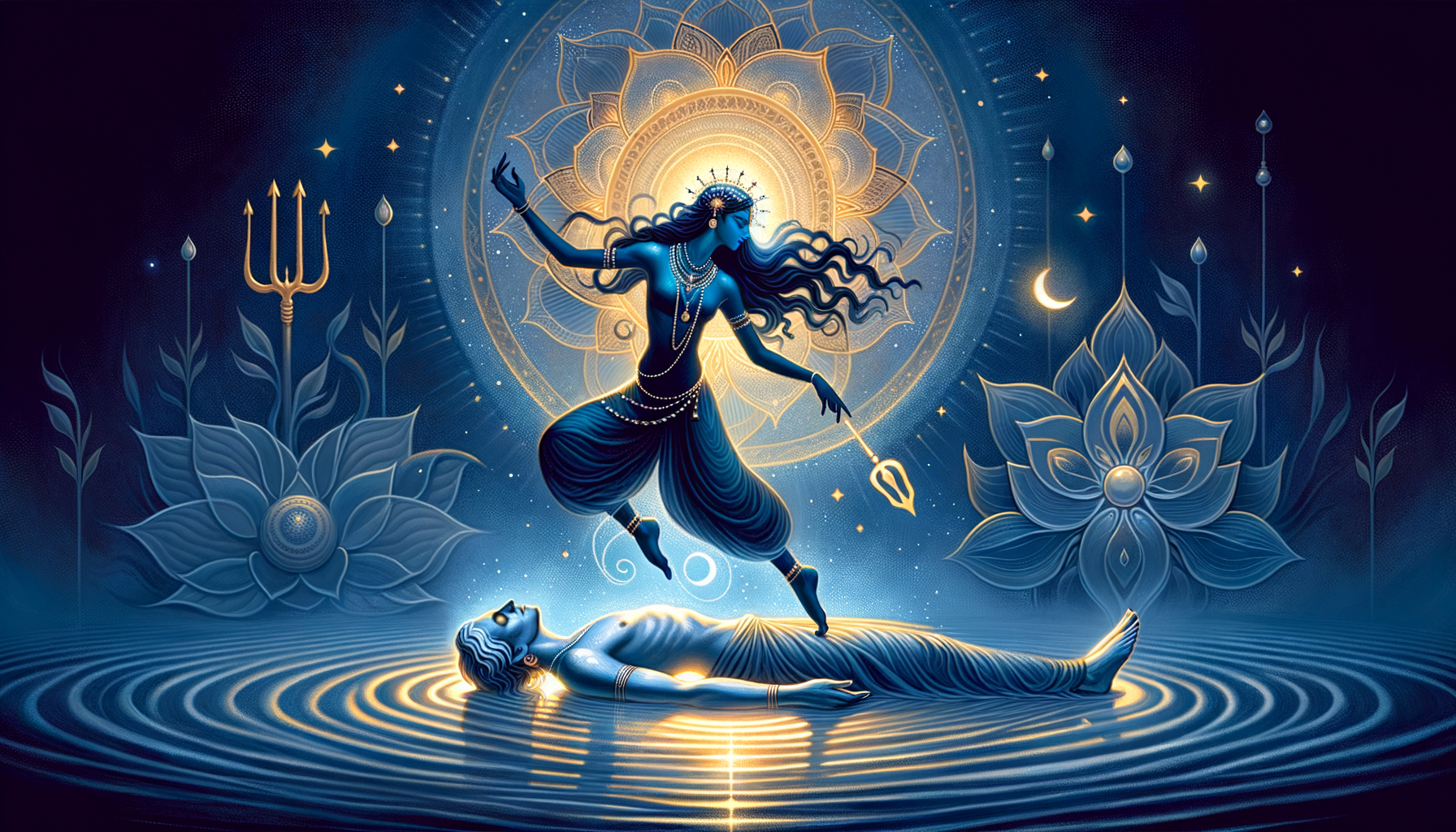
The image of Goddess Kali standing on Lord Shiva is often misunderstood as mere fury subdued. Read through the Yogini Tantra and related Tantric traditions, it teaches the sacred union of Shakti and Shivadynamic energy resting on pure consciousness. This interpretation reframes the posture as reciprocity, not hierarchy, and as transformation, not violence. The symbolism…
-
Navratri 2026 Dates & Schedule: Definitive Guide to Shardiya Navratri, Kalash Puja, Rituals

Navratri 2026also known as Maha Navratri, Durga Navratri, Devi Sharan Navratri, and Sharadiya Navratrifalls in Ashwin Month (Ashwayuja Masam) and begins with Kalash Puja (Ghatasthapana). Exact Navratri 2026 dates and muhurat depend on regional panchangs, so confirming local timings ensures accurate observance. The nine nights honor the Goddess in nine forms, culminating in Vijayadashami (Dussehra),…
-
Shyamala Navaratri 2026: Dates, Pooja Guide, and the 9 Nights of Knowledge & Harmony

Shyamala Navaratri 2026 will be observed from 19 January to 27 January, corresponding to Shukla Paksha Pratipada through Shukla Paksha Navami in Magha. Also known as Magha Navaratri, this Gupta Navaratri honors the Shyamala aspect of the Divine Mother, emphasizing wisdom, eloquence, and the arts. The guide outlines a clear, home-friendly pooja flowsankalpa, dhyana, Panchopachara…
-
Fierce Grace on Kurukshetra: Goddess Kalaratri’s Sacred Role and Soul-Carrying Symbolism

Goddess Kalaratri emerges in the Mahabharata War as a profound symbol of Time, moral consequence, and fierce compassion. Read as a cosmic witness and soul-carrier, she reframes Kurukshetra not as mere carnage, but as a rite of ethical passage aligned with Dharma-Yuddha. This lens clarifies how endings in the epic serve renewal within a larger…
-
Kali’s Fearless Sword: Symbolism that Cuts Ignorance and Awakens Dharmic Wisdom
Goddess Kali’s sword (kripana) symbolizes the discerning power that cuts through avidya while illuminating jnana, transforming a seemingly fearsome image into a compassionate guide to freedom. The severed head (chinnamunda) represents the surrender of constricting ego and the release of fear-driven patterns. Her right-hand mudrasabhaya and varadaassure protection and grace, balancing courage with compassion. Read…
-
Chhinnamasta in the Pranatosini Tantra: Divine Self-Sacrifice and Cosmic Renewal

This article explores the Pranatosini Tantra’s account of Chhinnamasta, a Mahavidya who embodies divine self-sacrifice and cosmic renewal. It explains how the Goddess nourishes her attendants through three life-giving streams, an image read as both prāṇa symbolism and radical generosity. The iconographystanding over Kāma and Ratiillustrates mastery over desire and the transformation of passion into…
-
Velayudha Moorthy: Lord Muruga’s Divine Vel, Thaipusam’s Glory, and the Triumph of Dharma

Sri Velayudha Moorthy, an epithet of Lord Muruga, commemorates the sacred moment when Ma Shakti Devi bestowed the Vel (Divine Spear) to ensure the triumph of dharma over adharma in the battle against Surapadman. Thaipusam, observed in the Tamil month of Thai under the Poosam star, honors this bestowal with vows, kavadi, and community service…
-
Tarapith’s Maha Smasan: Where Goddess Tara Dwells and Tantric Sadhana Transforms Fear
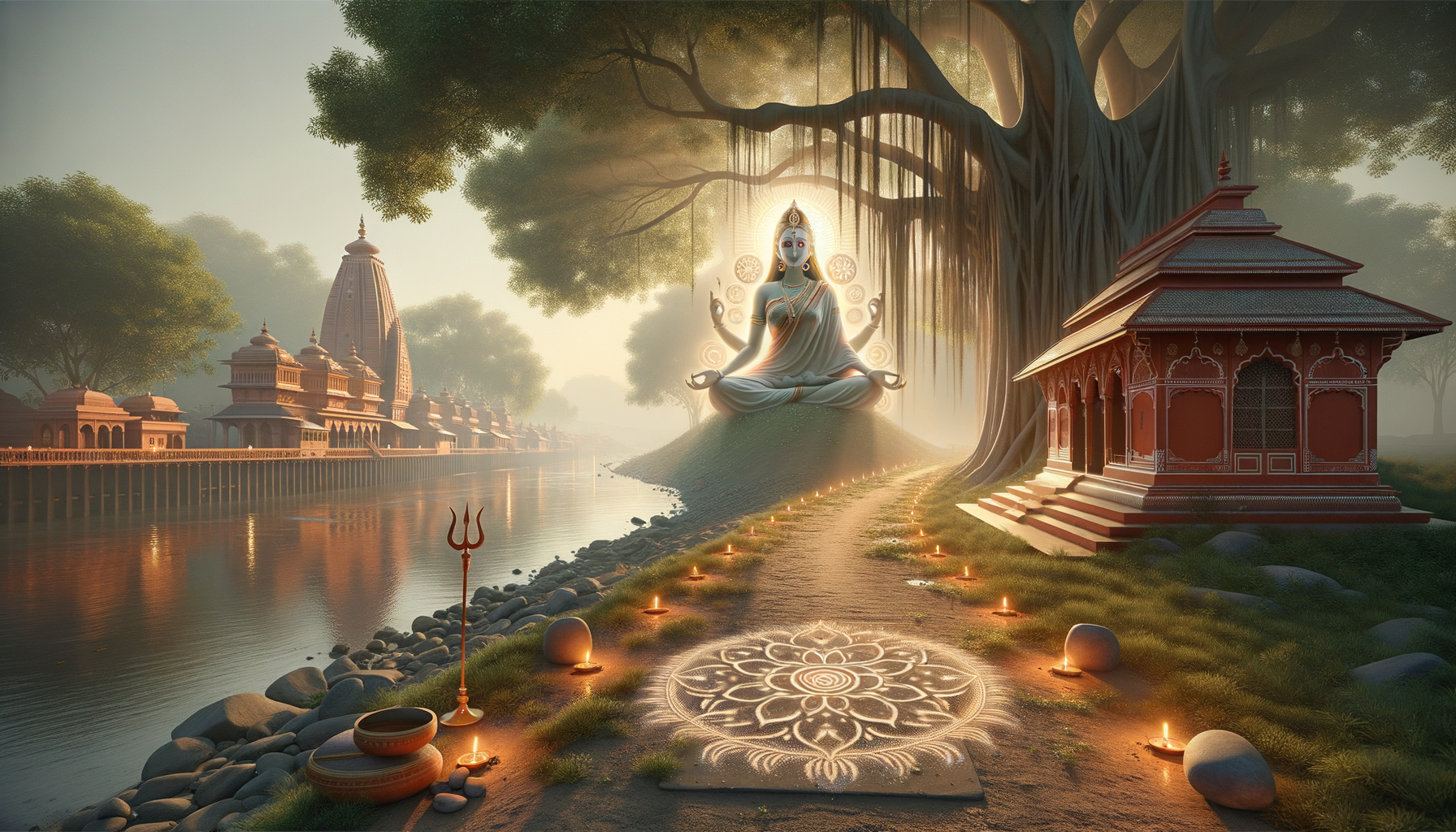
Tarapith’s Maha Smasan in Bengal is revered in Shakta Tantra as a transformative sacred space where impermanence is faced and fear yields to wisdom. The cremation ground complements the temple’s compassionate iconography of Goddess Tara, offering a complete pedagogy of tenderness and fearlessness. Historically associated with Bamakhepa’s sadhana, the site illustrates the synthesis of devotion…
-
Alopi Devi Temple, Prayagraj: Sacred Shakti Peeth Where a Cradle Becomes the Deity
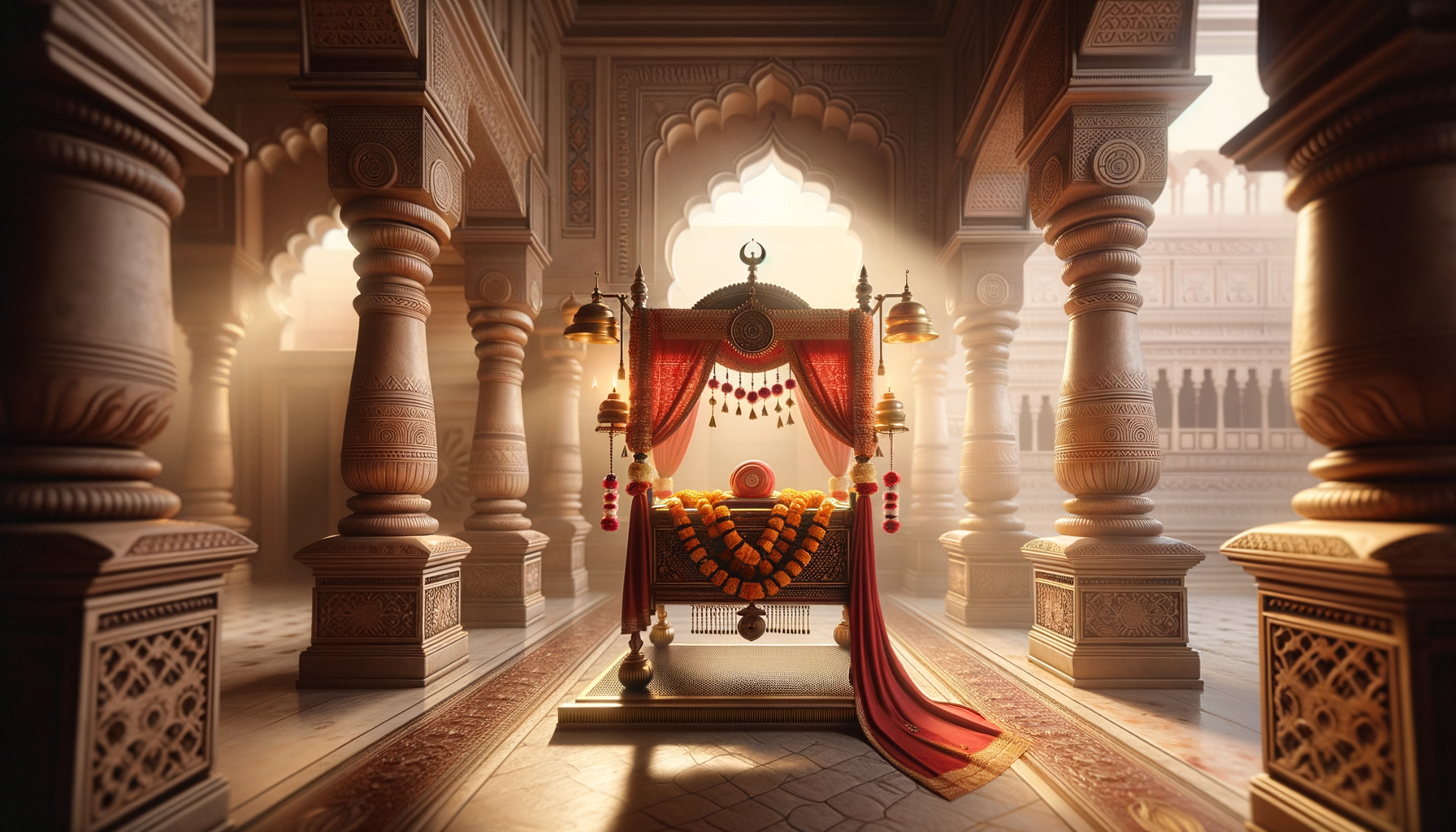
Alopi Devi Temple in Prayagraj, a revered Shakti Peeth, is renowned for an aniconic sanctum where a red-draped cradle is worshipped instead of an idol. The shrine’s symbolism emphasizes the formless presence of the Divine Mother while honoring maternal tenderness, protection, and renewal. Local lore links the name “Alopi” to disappearance, suggesting a sacred presence…
-
Kushmanda: Unveiling the Cosmic Creative Power of Durga and Its Life-Shaping Symbolism
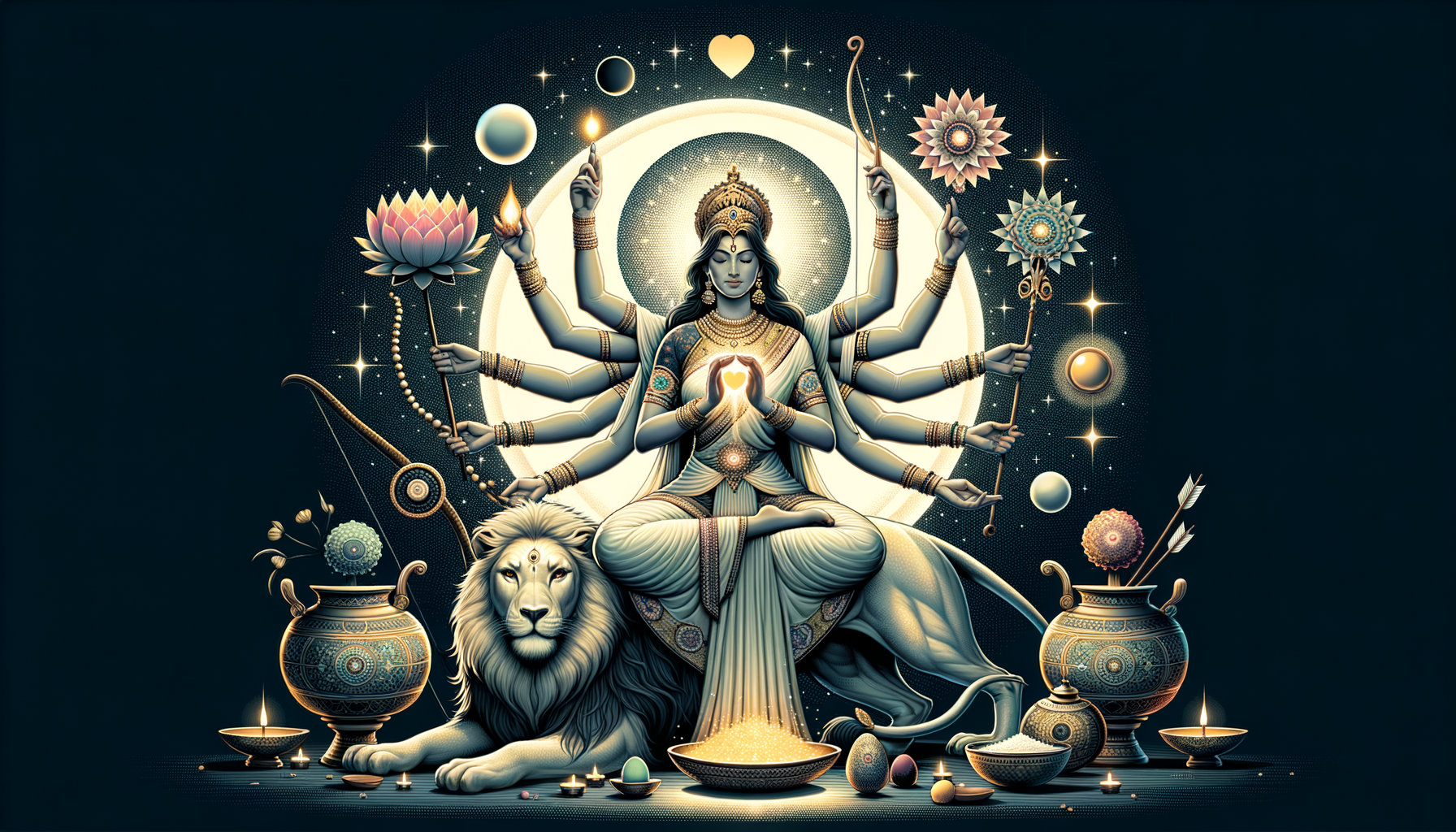
Kushmanda, the fourth manifestation of Goddess Durga, is honored as the creative force that brings the universe into being. Her name evokes the primordial warmth that animates the cosmic egg (Brahmanda), linking metaphysical insight with practical devotion. In Navaratri worship, Kushmanda symbolizes new beginnings, inner vitality, and disciplined compassion. Iconography portrays her as Ashtabhuja, radiating…
-
Gupt Navratri 2026 (Magha): Sacred January Dates, Rituals, and Spiritual Insights

Gupt Navratri 2026 (Magha) will be observed from 19–27 January 2026 during the Shukla Paksha of Magha maas. This nine-night festival of Goddess Shakti emphasizes inward sadhana, disciplined vrat, and daily puja. Families often perform Ghatasthapana on Pratipada and conclude with special prayers on Navami, supported by recitation of Durga Saptashati or Lalita Sahasranama. The…
-
Best of 2025: Unmissable Indian History, Dharmic Heritage, and Spiritual Insights

This best-of-2025 collection curates ten most-read essays spanning Indian history, cultural heritage, and spiritual insight. Readers encounter a Vijayanagara inscription that documents dam-building and temple ecology in the 14th century. A cultural analysis of Dhurandhar maps a shift toward a more assured Indian cinematic voice. Historical studies revisit Parāvartana, a Lampsacos engraving of Bharata Mata,…
-
Narasimha and the Yogini Shaktis: Unveiling the Four Vyuhashaktis and Their Sacred Power
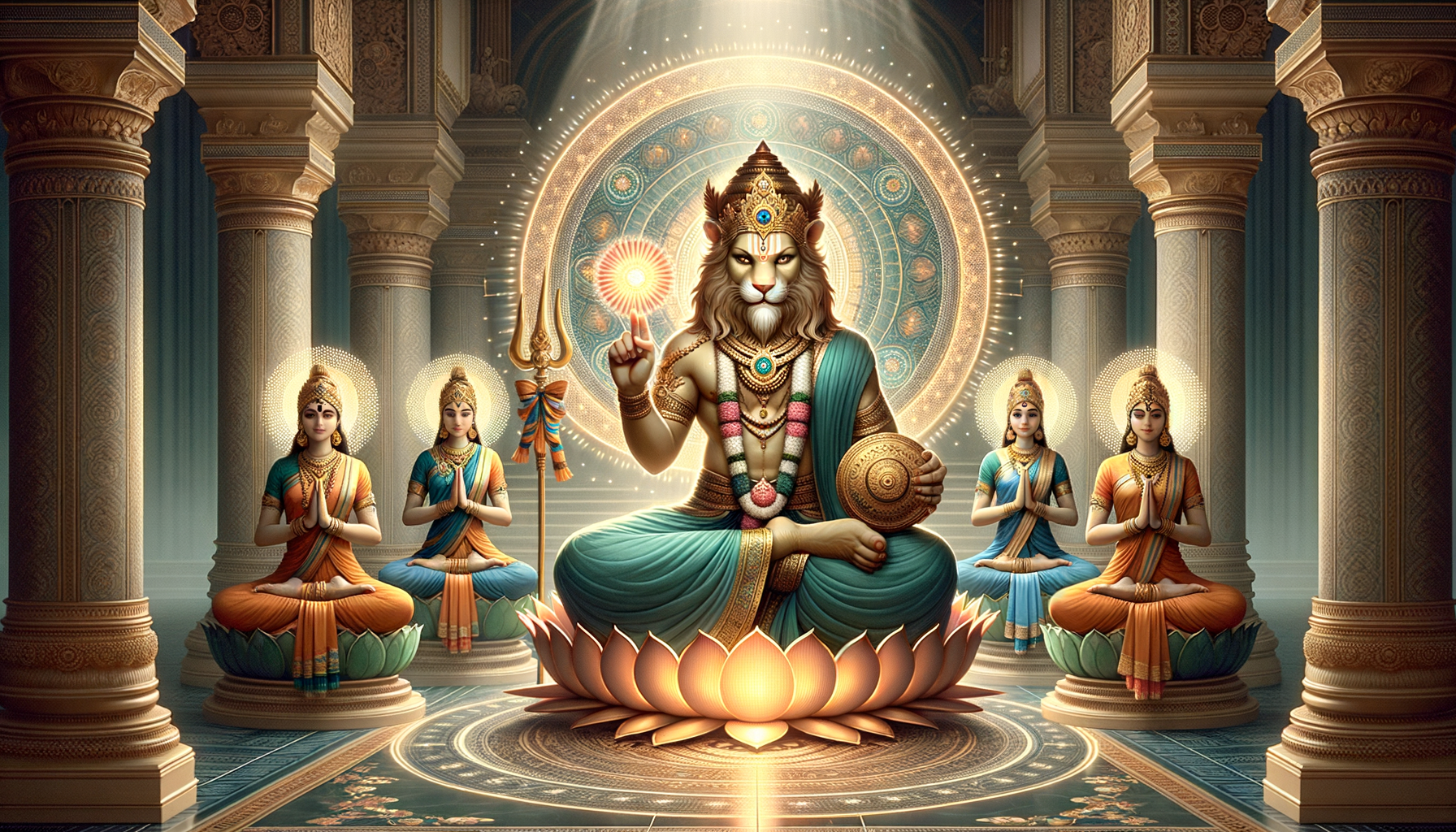
This article examines the narrative of Narasimha creating the Yogini Shaktis as a sophisticated expression of divine reciprocity. It situates the account within tantric traditions, including references to the Kamakoti Mandali, and explains how the four Vyuhas and their Vyuhashaktis become experientially present through Yogini manifestations. Readers gain a clear, academic overview of key concepts…
-
Why Lalita Sahasranama Mentions Blood-Red and Meat: Unpacking Sacred Symbolism with Care

A widely asked question about the Lalita Sahasranama concerns references to blood-red imagery and seemingly non-vegetarian offerings. Verse 103‘Rakta-varna mansanishta gudanna pritamanasa. Samsta bhakta sukhada lakinyamba svarupini’describes Lakinyamba of the Manipura Chakra using symbolic language rather than prescribing universal dietary norms. The blood-red hue signifies life-force and courage; gudanna (sweet rice) highlights gentle, sattvic devotion.…
-
Madanakala’s Sacred Fire: The Transformative Power of Divine Passion in Tantrism & Shaktism

Madanakala in Hindu Tantrism and Shaktism reframes passion as a sacred, creative force rather than mere desire. Anchored in Shakti-tattva and guided by iccha-, jnana-, and kriya-shakti, it channels emotional intensity toward clarity, compassion, and purposeful action. Through Tantric practicesmantra, yantra, mudra, and pranayamathis energy is ethically refined, supporting transformative kundalini processes. The approach aligns…
-
Goddess Chinnamasta and the Jackals: Tantric Symbolism, Fierce Grace, and Inner Transformation

Goddess Chinnamasta’s self-decapitated form and the presence of jackals create a profound Tantric teaching on ego-transcendence, impermanence, and compassionate energy. The three blood streams symbolize iḍā, piṅgalā, and suṣumṇā, suggesting redistribution of prāṇa rather than loss. Jackals, as cremation-ground denizens, represent threshold spaces and the recycling of form, turning fear and instinct into wisdom. Psychological…
-
Hindu Goddess Kali’s Fifty-Skull Garland: Fearless Wisdom on Creation, Death, and Renewal
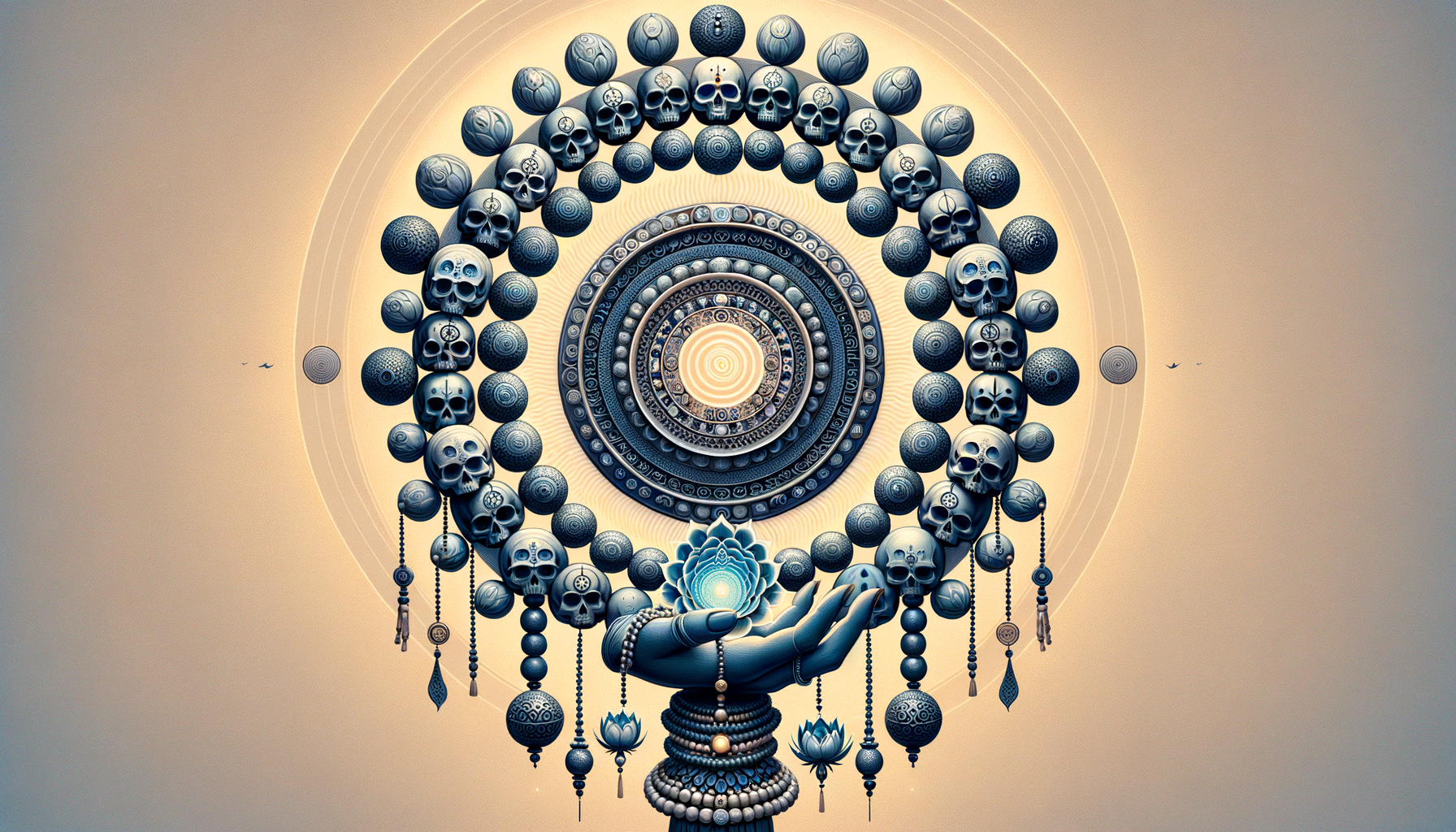
Kali’s mundamala, the garland of fifty skulls, is a precise philosophical symbol rather than a macabre accessory. Each skull corresponds to a Sanskrit phoneme, expressing the creative power of Vāk and the sovereignty of Shakti over time and form. The image teaches fearlessness, non-attachment, and ethical clarity by confronting impermanence and dissolving ego. Variations in…
-
The Sacred Black of Goddess Kali: Profound Symbolism, Unity, and Inner Awakening
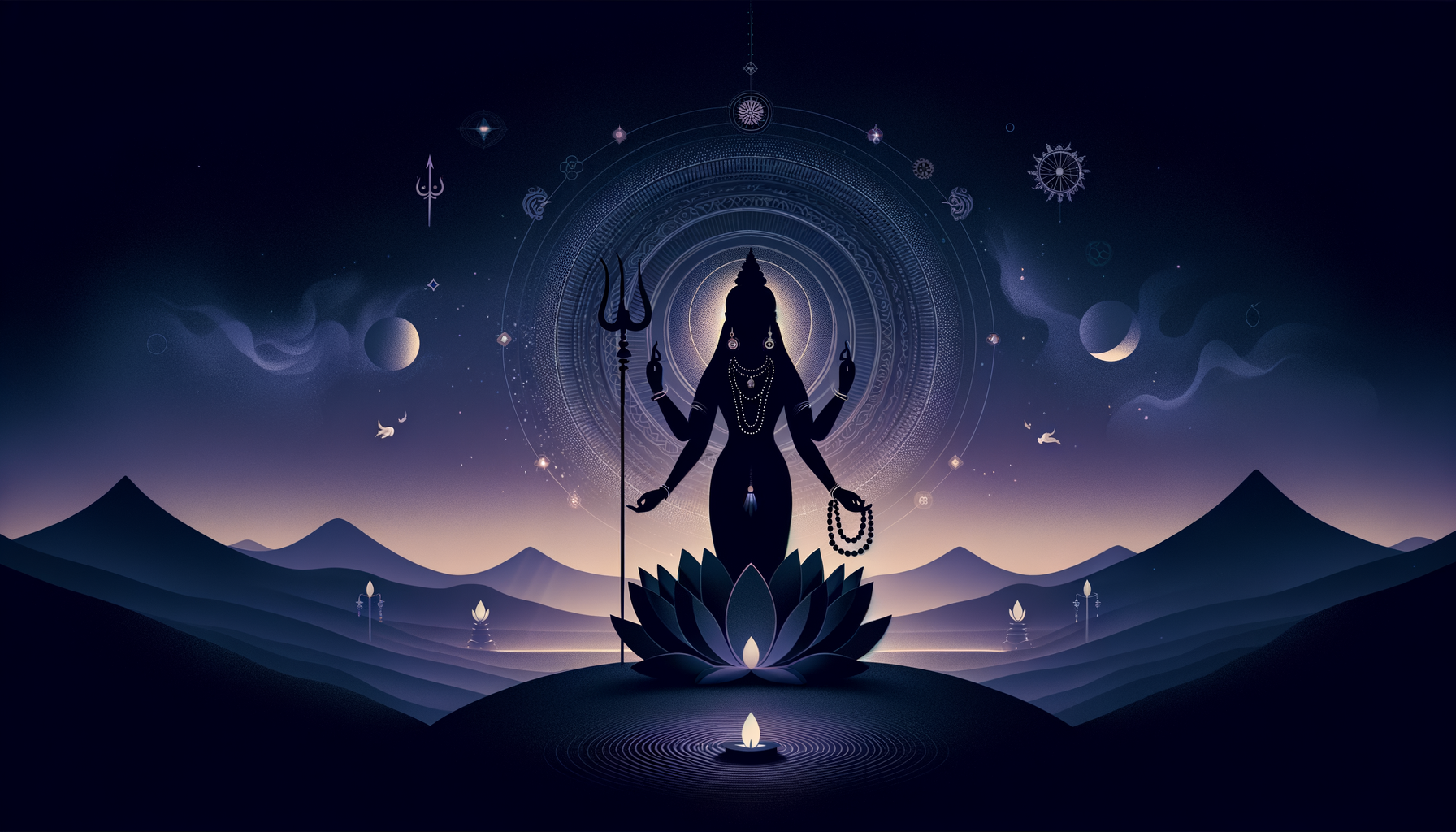
Goddess Kali’s blackness is a precise spiritual symbol, pointing beyond physical color to the infinite and unmanifested. In Hindu philosophy and Tantra, it signifies the absorptive wholeness that dissolves ego and form while nurturing clarity and courage. Practitioners often report calm and resilience when contemplating Kali, suggesting a lived integration of psychological and contemplative insight.…
-
MuktakeshiKali’s Disheveled Hair: A Fearless Symbol of Liberation, Compassion, and Power

Muktakeshi“one with disheveled hair”illuminates the fearless, compassionate power of Goddess Kali. Unbound hair signifies boundaryless śakti, autonomy, and the dissolution of fear and attachment. Shakta and Tantric readings frame this iconography as a metaphysical lesson in freedom, courage, and renewal rather than mere aesthetic. Devotees engage the symbol as a meditative cue to loosen rigid…
-
Rama–Sita and Shiva–Shakti: Sankhya’s Purusha–Prakriti and the Promise of Wholeness

Sankhya’s vision of Purusha (consciousness) and Prakriti (primordial nature) is illuminated by the sacred unions of Rama–Sita and Shiva–Shakti. These symbols present wholeness as a harmonious interplay rather than a clash of opposites. The essay connects Ardhanārīśvara, Maryāda-Puruṣottama, and Shakti’s resilience to psychological integration and ethical balance. Parallels from Buddhism (prajñā–upāya), Jainism (jīva–ajīva and the…