
-
दसमहाविद्या साधना: Protection, Wisdom, ProsperityA Practical, Ethical Guide

This post presents a clear, ethically grounded overview of दसमहाविद्या (Dasamahavidya) as living principles that cultivate protection, wisdom, and resilience. It preserves the original non-English descriptors for selected Mahavidyas and provides concise, practice-oriented context for each. Readers learn how Kali supports fearlessness and protection, Tara fosters learning and resourcefulness, Tripura Sundari harmonizes mental and subtle…
-
Dasha Mahavidyas Explained: Transformative Shakti Archetypes for Everyday Life and Inner Peace
Dasha Mahavidyasten archetypal forms of the Divine Motheroffer practical guidance far beyond ritual worship. This article explains how each Mahavidya maps to a daily-life virtue: courage, compassion, harmony, spacious awareness, disciplined effort, selfless transformation, wisdom in pauses, neutralizing negativity, ethical expression, and auspicious abundance. It outlines simple practices for meditation, mindful speech, and seva that…
-
Jagannath’s Tantric Trinity: Unveiling Adi Shakti at Puri and the Harmony of Dharmic Paths
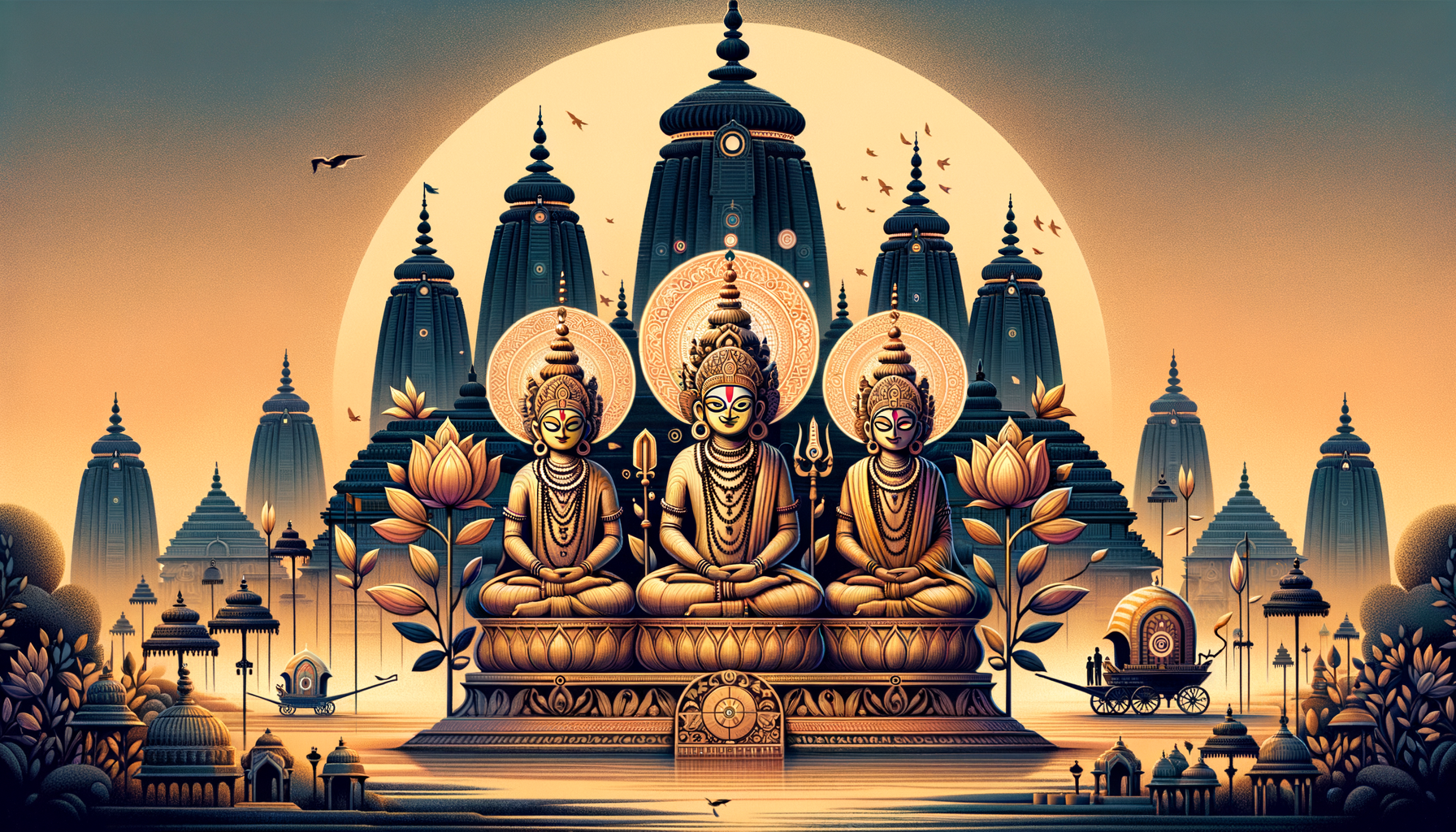
The Jagannath Temple at Puri unites Vaishnav devotion with Tantric philosophy, revealing the hidden Shakti principle within the triad of Jagannath, Balabhadra, and Subhadra. Interpreted through yogic nadis, the three gunas, and Purusha–Prakriti dynamics, the trinity becomes a practical contemplative map for balanced living. The presence of Bimala Devi and the sanctification of Mahaprasad highlight…
-
Goddess Bhairavi Unveiled: Fierce Mahavidya Symbolism for Inner Liberation
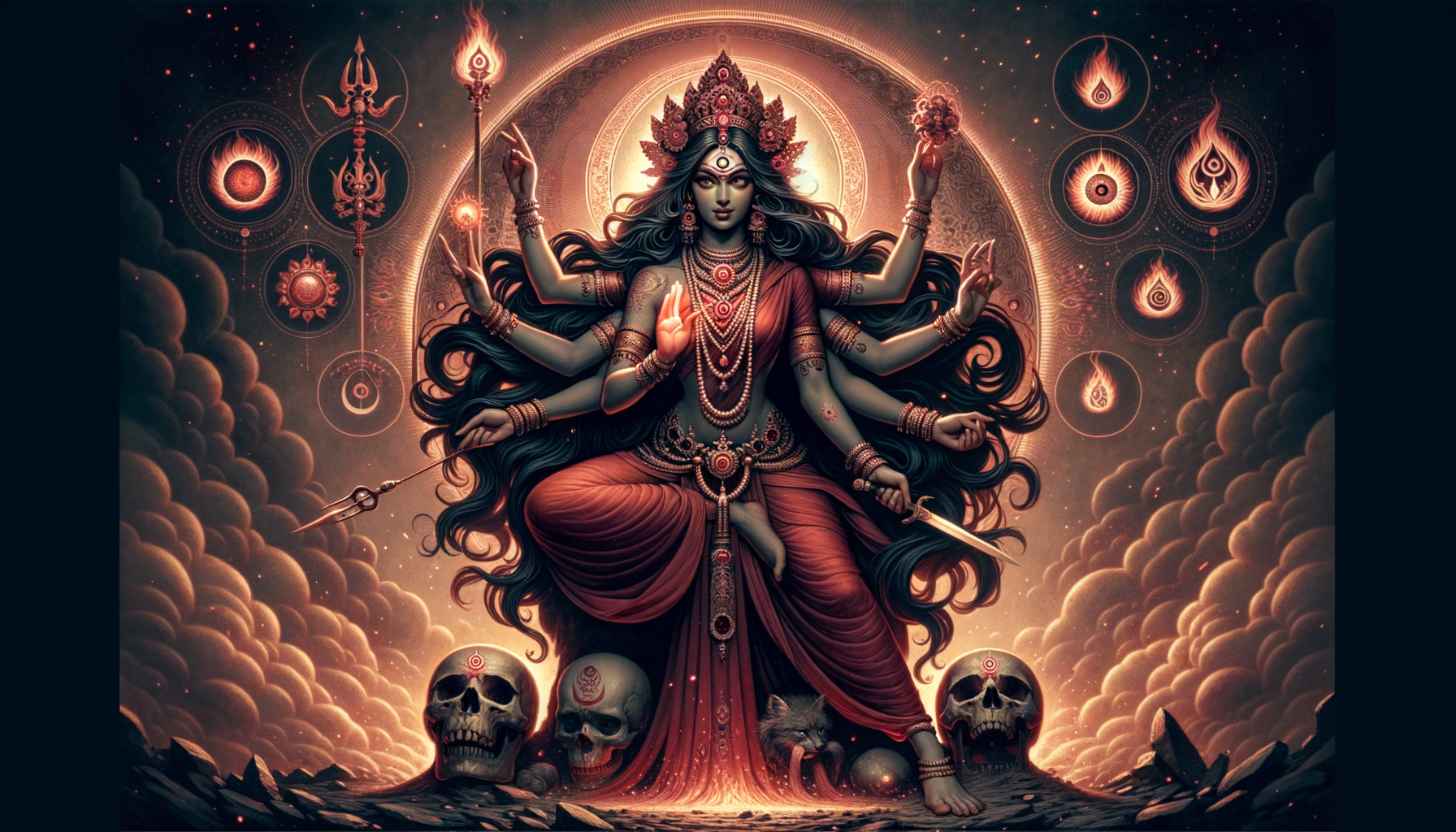
Goddess Bhairavi, one of the Dasa Mahavidyas, embodies fierce compassion that dismantles ignorance and supports inner liberation. Her Tantric iconographysword, trident, skull-cup, rosary, and bookforms a precise grammar of spiritual transformation. The cremation-ground setting and skull-garland highlight impermanence, while her lion and third eye symbolize courage and insight. Interpreted psychologically, Bhairavi’s energy refines fear, anger,…
-
Essential Guide to Goddess Shyama: Discover the Proven Paradox of Love and Terror in Hindu Tradition
Goddess Shyama, widely identified with Kali in Shakta traditions, embodies the Divine Mother as fierce compassionlove powerful enough to dissolve fear and ignorance. Her blue-black radiance symbolizes the infinite, guiding seekers from bondage to freedom. The paradox of terror and tenderness resolves as an ethical call to inner transformation and protective care for all beings.…
-
Essential Varahi Temples of Tamil Nadu: Discover Sacred Sites and Living Shakti Traditions
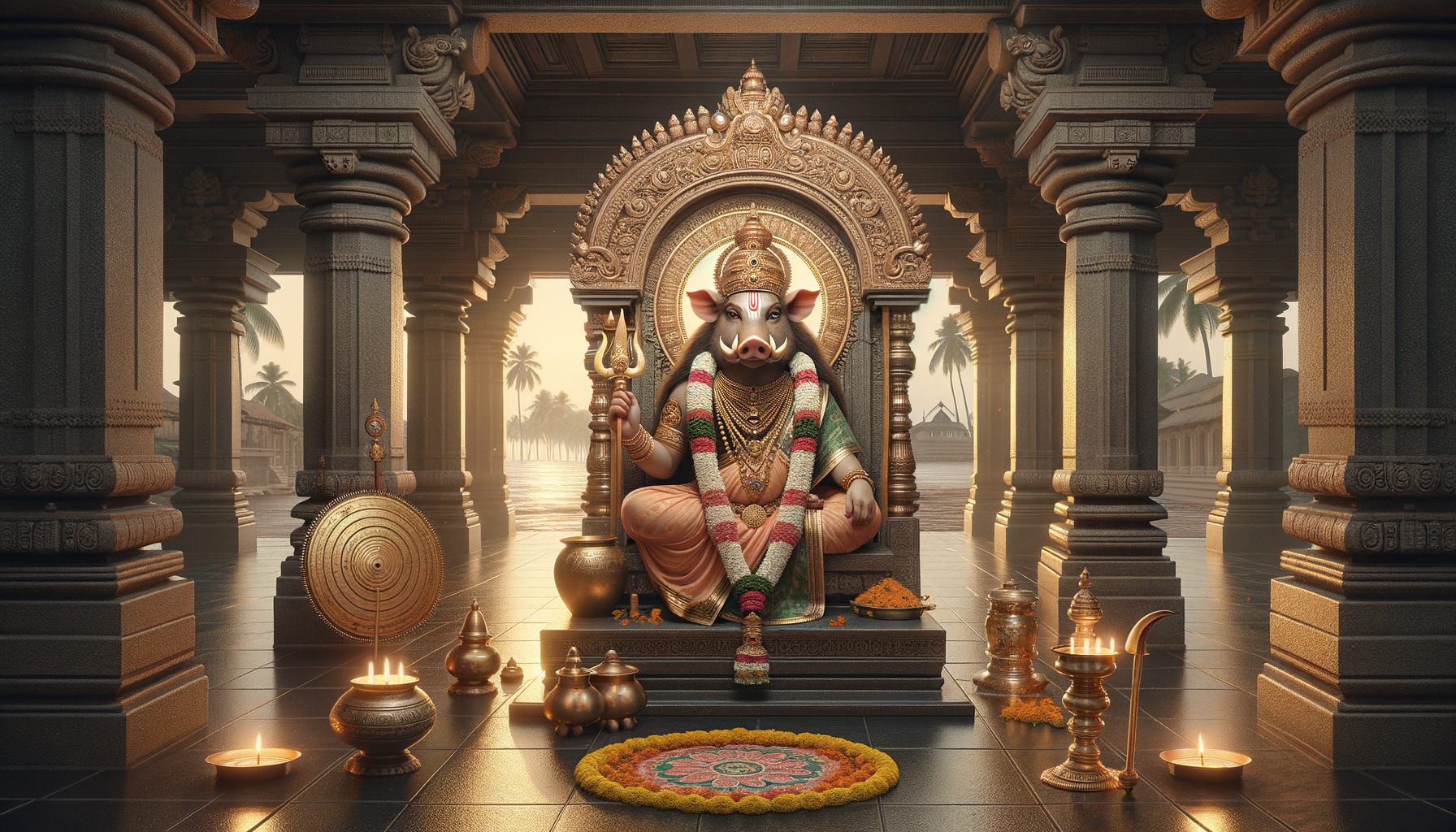
Tamil Nadu maintains a dynamic tradition of Varahi worship, with temples that highlight the living continuum of Shakti devotion. The Suyambu Varahi Amman Temple in Uthirakosamangai, Ramanathapuram District, is especially notable for its self-manifested idol and solemn atmosphere. Visitors often describe a palpable sense of protection and clarity, aligning with Varahi’s role in fortifying resolve…
-
Alopi Devi Temple, Prayagraj: Complete Guide to the Unique ‘Disappearing’ Shakti Peetha

Alopi Devi Mandir in Prayagraj (Alopshankari Devi) is a unique Shakti shrine where an empty wooden palanquin (doli) is venerated instead of an idol. Two enduring legends explain its nameeither the last remnant of Sati “disappeared” here or a divine rescue left only the sanctified palanquin. Daily aarti, Navaratri observances, and Kumbh Mela pilgrimages sustain…
-
Jagadhatri Unveiled: The Complete Guide to Durga’s Ego-Transforming, Protective Form

Jagadhatri (Maa Jagaddhatri) is honored as a serene yet powerful manifestation of Devi Durga, especially in West Bengal and Odisha. A central narrative shows her humbling the devas’ pride and restoring balance, offering a clear lesson on overcoming ego with humility. Her iconographycalm presence, lion mount, and traditional emblemscommunicates courage, ethical action, and inner composure.…
-
Discover Kothlapur Yellamma Temple: A Complete Guide to Telangana’s Renuka Shakti Shrine

Kothlapur Yellamma Temple (Renuka Yellamma Temple) near Tandur is a respected Shakti shrine in Telangana’s Ranga Reddy district, located about 13 km from Tandur. The temple honors Renuka Yellamma as an embodiment of Shakti, with offerings such as coconut, turmeric, and kumkum reflecting enduring devotional customs. Access is straightforward by road from Tandur, with basic…
-
Jagadhatri Puja 2025 Muhurat Guide: Discover Auspicious Timings, Rituals, and Significance

Jagadhatri Puja 2025 falls on 31 October, observed on Kartik Shukla Navami in the Bengali calendar. The core muhurat aligns with Navami Tithi, ideally Udaya Vyapini, with main worship during Madhyahna or Aparahna while avoiding inauspicious periods. Rituals include alankara of the dashabhuja form, shodashopachara, Chandipath, pushpanjali, and deepa arati, with hibiscus flowers and sattvic…
-
Discover Edupayala’s Seven-Stream Sanctuary: A Complete Guide to Vana Durga Bhavani Temple

Sri Edupayala Vana Durga Bhavani Temple near Nagasanpally in Telangana is a renowned Shakti shrine set at the confluence of seven streams of the Manjeera River. Its name, Edupayala“Seven Streams” in Telugureflects the site’s unique riverine geography. The presiding deity, Goddess Vana Durga Bhavani, is venerated for protection, courage, and well-being. Visitors often highlight the…
-
Dakat Kali Explained: The Ultimate Guide to Kali’s Proven Power for Justice and Transformation
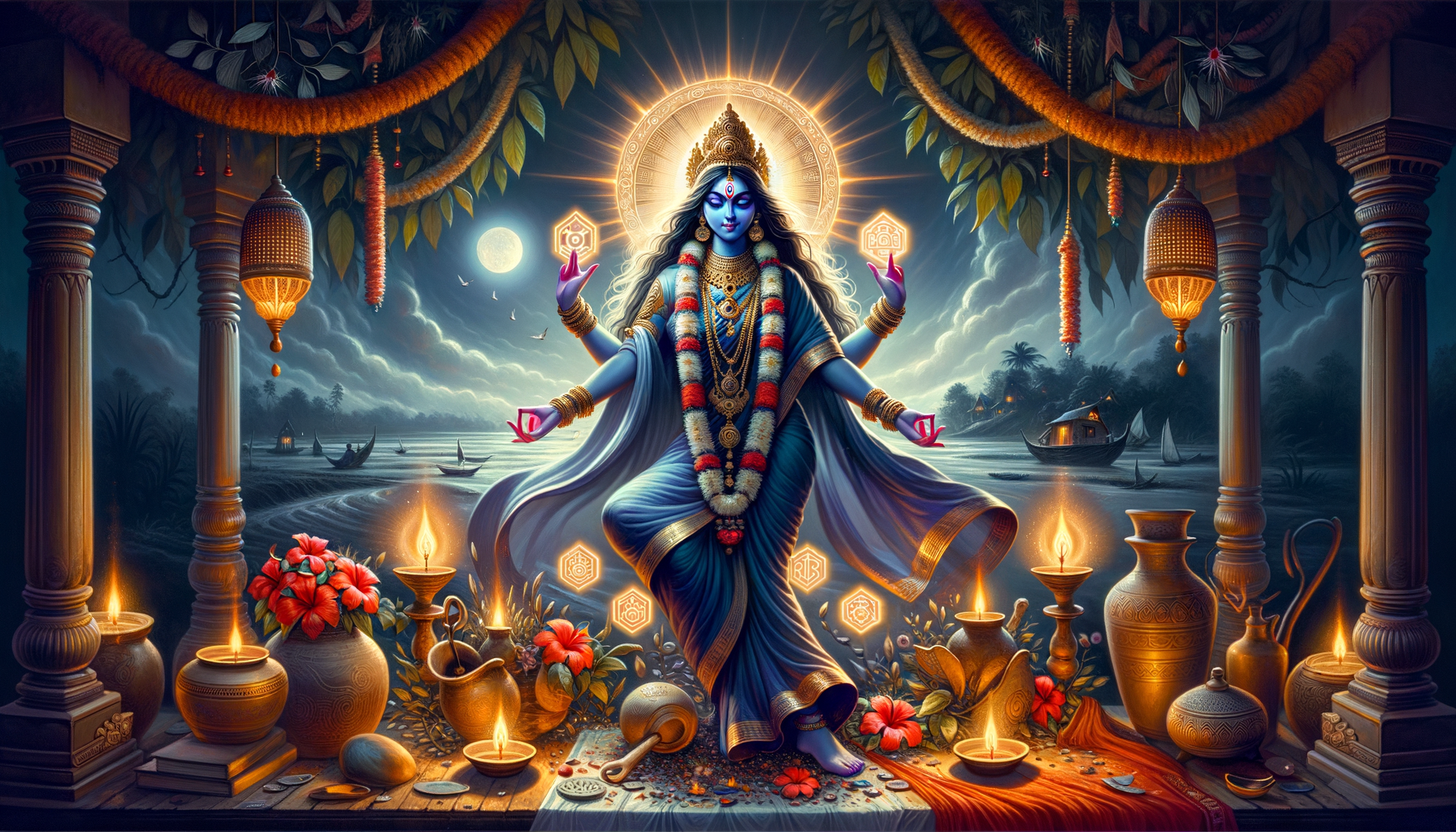
This article explains Dakat Kalithe Bandits’ Kalias a symbol of protective justice and ethical transformation rooted in Shakti. It situates Kali worship within historical contexts in which dacoit groups sought morale and spiritual aid against oppressive structures during the British era. The analysis clarifies key symbolismsuch as the sword and garland of headsas metaphors for…
-
Complete Navaratri–Diwali Guide: Discover Dharma’s Transformative Light, Shakti, and Advocacy

This analysis explores how Navaratri and Diwali function together as a complete seasonal teaching on dharma, Shakti, and ethical action. Readers discover the symbolism of Garba, the centrality of the Divine Feminine, and the humility exemplified by Shri Ram through devi upasana. The narrative connects festival devotion with constructive advocacy, including the significance of Ram…
-
Discover the Secret Eye on Kali’s Sickle Sword: A Complete Guide to Transformative Symbolism

The eye often depicted on Goddess Kali’s sickle-shaped sword (khadga or kripan) is a visual doctrine: wisdom guiding power. Far from signifying mere destruction, it encodes the union of discernment and actionawareness cutting through ignorance (avidya) with ethical clarity (dharma). The eye represents vigilant consciousness (jnana-netra), while the blade symbolizes transformative discernment (viveka). This symbolism…
-
Essential Female Hindu Saints: Discover Hemalekha, Akka Mahadevi, and Anandamayi Ma

This academically grounded profile explores three essential female Hindu saintsHemalekha, Akka Mahadevi, and Anandamayi Mawhose lives illuminate self-inquiry, radical devotion, and compassionate service. Readers discover how Hemalekha’s guidance transformed a prince through disciplined reflection on identity and impermanence. Akka Mahadevi’s fearless renunciation exemplifies Bhakti courage and ethical freedom aligned with dharmic values. Anandamayi Ma’s inclusive…
-
Discover Kola Bou’s Secret: The Complete Guide to Navapatrika and Shakti’s Transformative Power
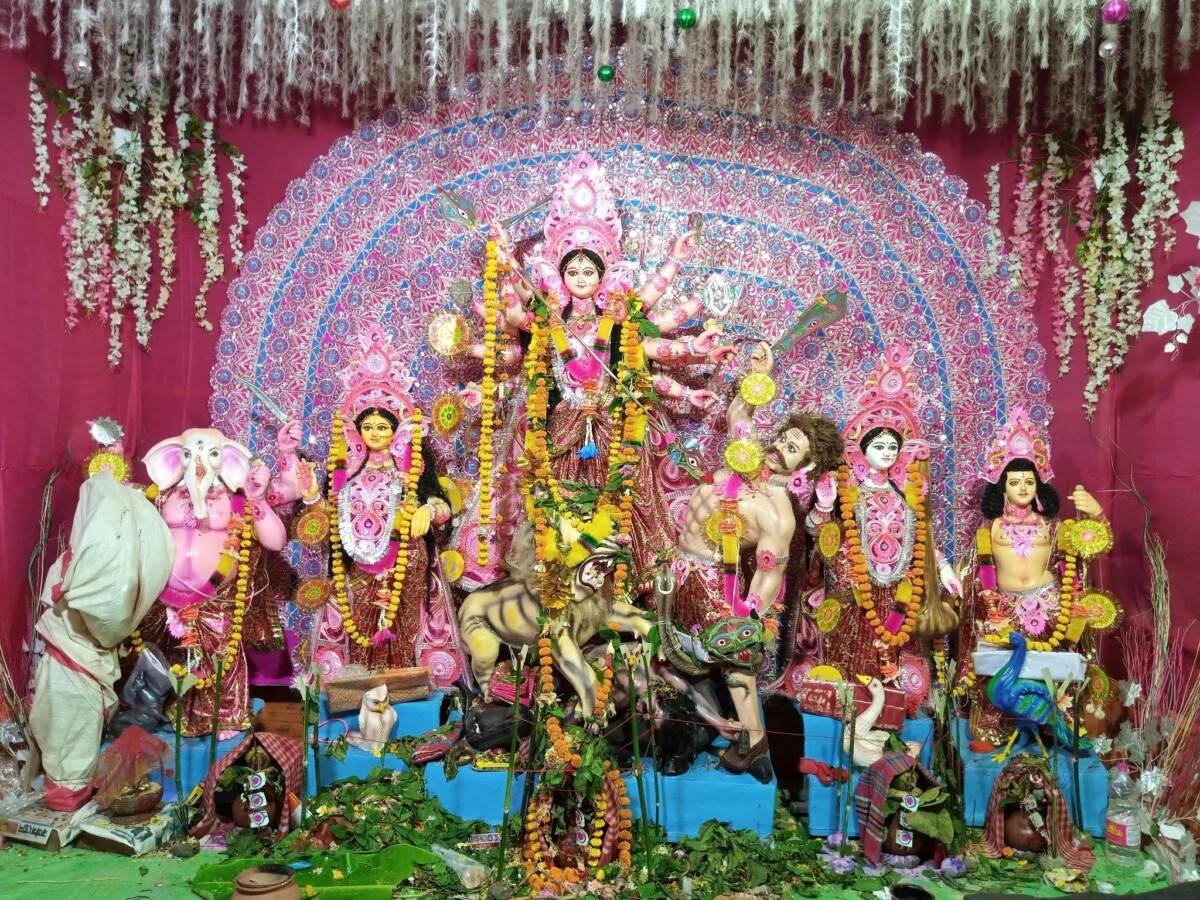
Kola Bou, the saree-clad banana plant seen beside Ganesha during Durga Puja, encodes the Navapatrika ritual where nine sacred plants embody Shakti as nourishing nature. By honoring Kola Bou first, communities ceremonially invite this energy into the icon of Durga and her divine household. The juxtaposition of Durga’s martial power with Kola Bou’s quiet grace…