
-
Durga’s Bow and Arrow: Unveiling the Power of Universal Will and Spiritual Discipline
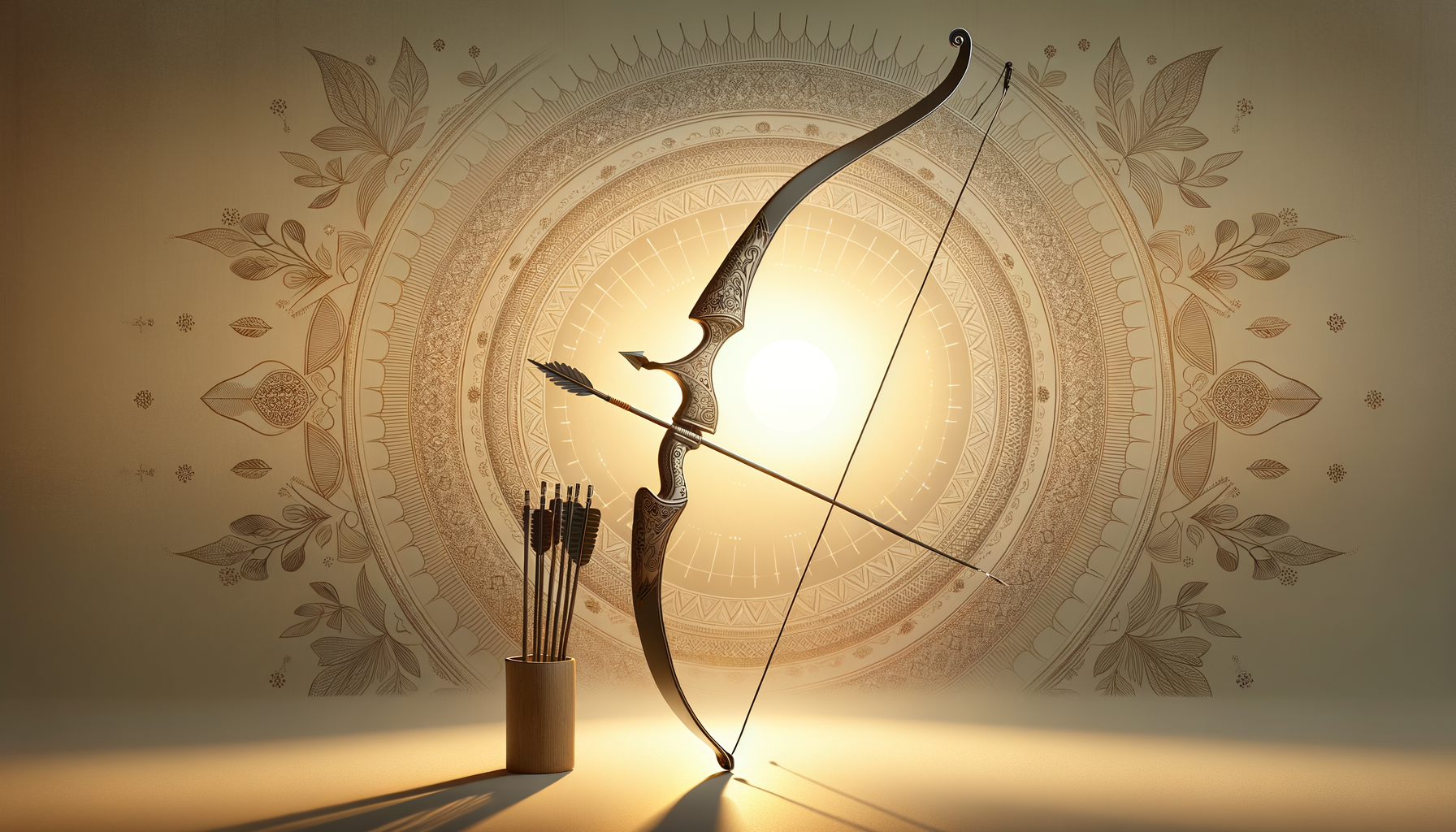
Goddess Durga’s bow and arrow symbolize the union of universal will and disciplined focus. The bow represents restrained power aligned to dharma, while the arrow embodies one-pointed concentration and purposeful action. Read through yoga, they mirror pratyāhāra, dhāraṇā, and dhyāna culminating in right action. During Navaratri and Durga Puja, this iconography becomes a practical guide…
-
Prayaga Madhaveswari (Alopi Mata) Shaktipeetha: History, Legends & Mahakumbh 2025 Guide
Prayaga Madhaveswari (Alopi Mata) in Prayagraj is venerated as the 14th among the Astadasha Shaktipeethas and becomes a focal point during the Mahakumbh Mela 2025. This guide explains the Sati legend that situates the temple within India’s sacred geography and notes the site’s distinctive practice of venerating a sacred ‘doli’ rather than an anthropomorphic idol.…
-
Lotus of Wisdom in Durga’s Hand: Padma, Shakti, and the Defeat of Mahishasura
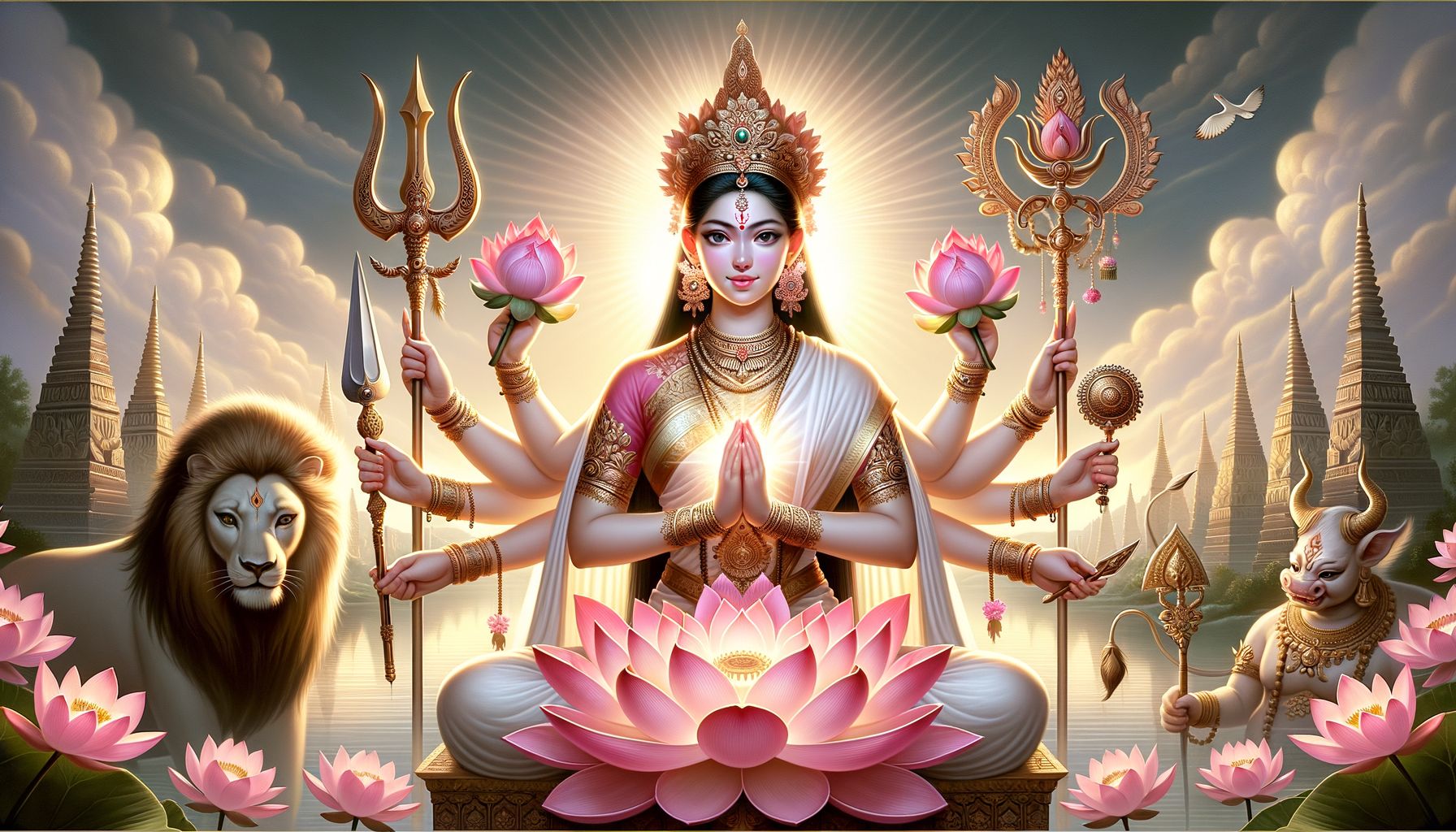
Goddess Durga’s Padma (lotus) in the Devi Mahatmya is more than ornamentit is a compass of consciousness guiding Shakti’s righteous action against Mahishasura. The lotus’s rise from mud to light illustrates clarity amidst chaos and courage tempered by wisdom. Across Hinduism, Buddhism, Jainism, and Sikhism, the shared lotus motif promotes unity, detachment, and compassionate awareness.…
-
Unveiling Molten Gold Radiance: The Symbolic Power of Goddess Durga’s Golden Skin
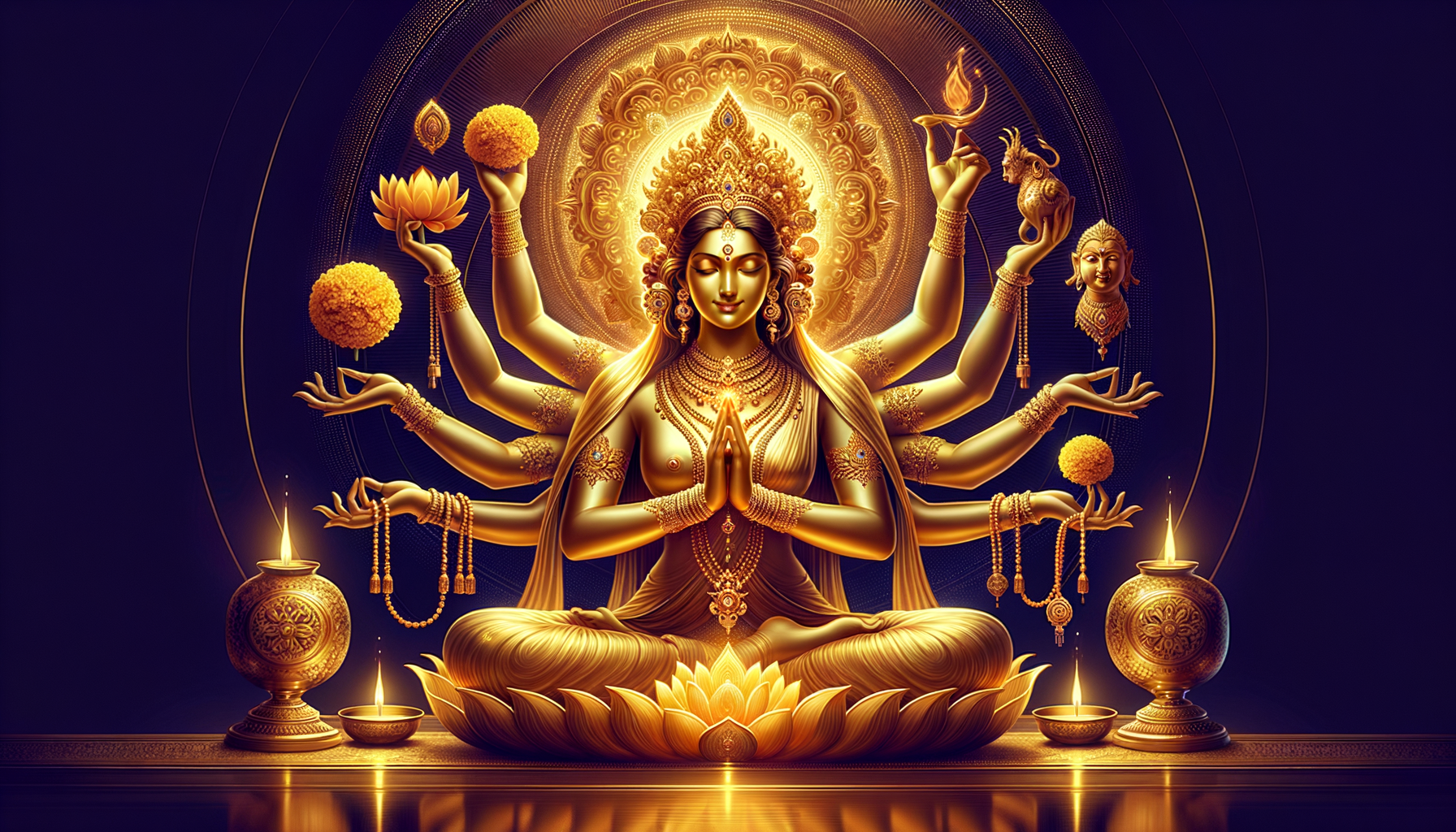
Hindu scriptures portray Goddess Durga with a golden, molten radiance that signifies purity, tejas, and protective power. This essay decodes that symbolism, showing how gold connotes incorruptibility and transformative wisdom aligned with dharma. It connects scriptural insight to living traditionsespecially Navaratri and Durga Pujawhere light, alankara, and community devotion make theology tangible. The discussion integrates…
-
Indian Female Soldiers Reclaim an Ancient Warrior Legacy: Shakti, History, and National Pride

Viral videos of Indian female soldiers at the Republic Day parade have prompted claims that women’s service is a purely modern phenomenon. A careful historical view shows continuity with India’s long tradition of women’s leadership, from Rani Durgavati and Rani Lakshmibai to Mai Bhago. The dharmic concept of Shaktirevered in Hindu goddess traditionshas inspired ethical…
-
Akali, the Timeless Kali: Exploring Nine Manifestations in the Tantra Purana and Mahakala Samhita

This article surveys nine manifestations of Goddess Kali drawn from the Tantra Purana, Toral Tantra, and the Mahakala Samhita (Anusmriti Prakarana), with special attention to Akali. Akali is explained as “beyond time,” highlighting a core Shakta insight into the timeless ground of reality. The discussion connects theological meaning with lived experience, showing how these forms…
-
Kapalini Kali Symbolism Decoded: The Skull-Bearer’s Fierce Compassion and Inner Freedom

Kapalini, the Skull-Bearer form of Goddess Kali, is more than a fearsome image; it is a rigorous teaching on impermanence, ego-transcendence, and compassion. The kapala (skull-cup) symbolizes the power to receive and transform fear, while the mundamala (garland of heads) gestures to the Sanskrit varnamala and the severing of ignorance. Read in context, these symbols…
-
Unclothed Infinity: Kali as Digbasana and the Fearless Symbolism of Sky-Clad Truth

Kali as Digbasana“clothed by the directions”presents a sky-clad iconography of truth, not sensuality. The image signals freedom from illusion and social codification, aligning with Advaita insights on reality beyond attributes. Within Shakti iconography, nakedness becomes an ethic of fearlessness, compassion, and authenticity. Cross-dharmic resonances arise with Jain non-possession, Buddhist Śūnyatā, and Sikh reverence for the…
-
Nistrimsa, the Sacred Curved Blade: Icon of Shakti, Justice, and Protection in Hindu Art

The nistrimsa (nistrimsha) is a sacred curved sword in Hindu iconography, distinct from the straight khadga and the heavier scimitar. Its measured arc symbolizes compassionate justice, aligning with Shakti’s protective and restorative power. Seen in temple sculpture and bronzes across regions, the nistrimsa represents ethical strengthpower exercised to defend the vulnerable and uphold dharma. During…
-
Jagannath as Dakshina Kali: Odisha’s Powerful Vaishnava–Shakta Synthesis and Symbolism

Odisha’s sacred traditions reveal a powerful Vaishnava–Shakta synthesis in which Lord Jagannath’s presence is experienced as resonant with the compassionate fierceness of Dakshina Kali. Ritual practice at Puri Srimandir, especially the offering of Mahaprasad first to Goddess Bimala, demonstrates a living integration of Shakti within a Vaishnava temple ecology. Jagannath’s iconic form and all-seeing gaze…
-
Story of Masan Thakur: Kali’s Fearsome Folk Son and Guardian of North Bengal’s Dead
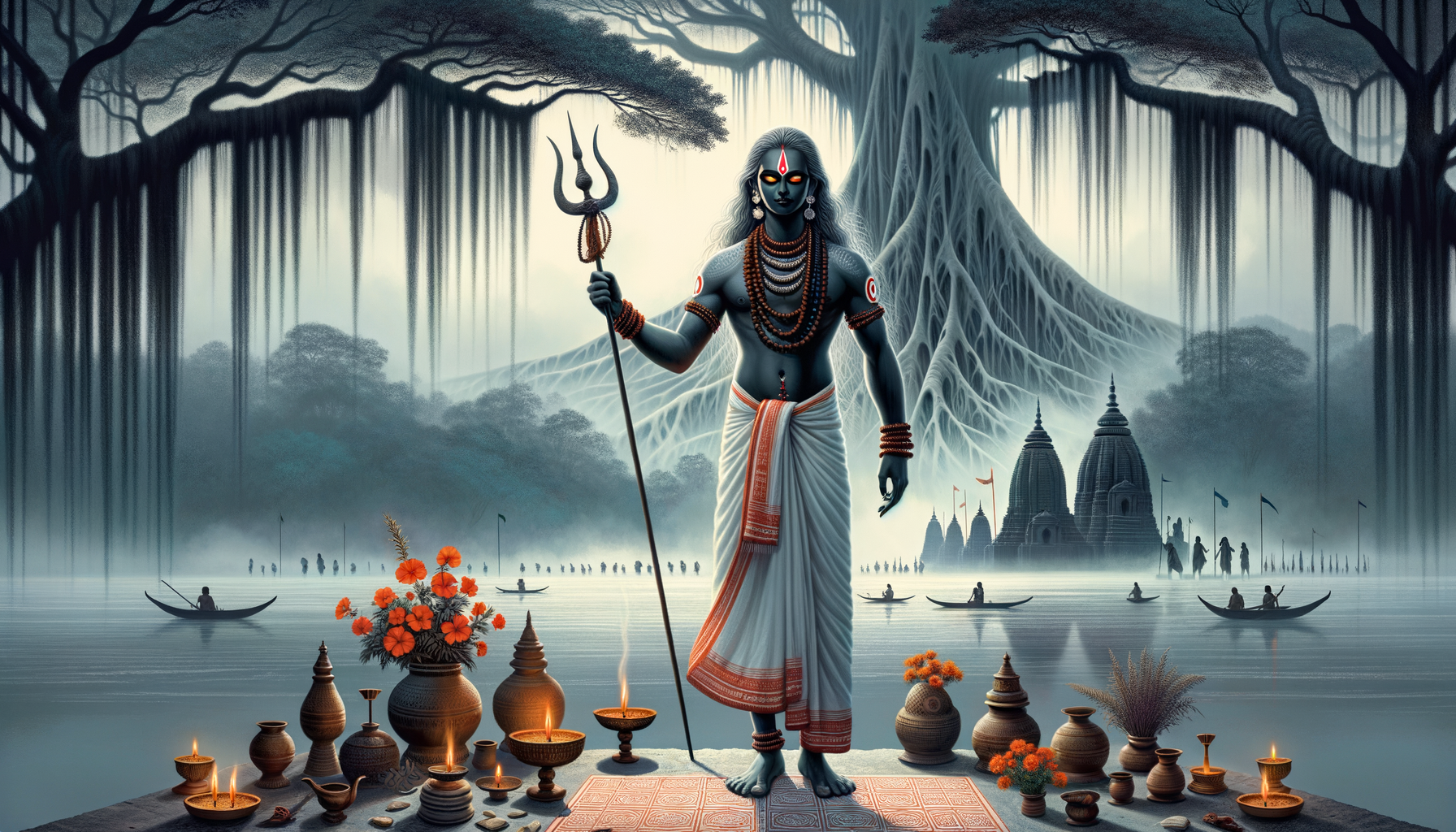
Masan Thakur, the fearsome folk son of Goddess Kali, is revered in North Bengal as a guardian of the cremation ground and mediator between the living and the dead. His worship commonly occurs on Tuesdays, Saturdays, and Amavasya, aligning with traditions of fierce protective deities and ancestral rites. Simple, locally rooted offerings reflect the humility…
-
Ekajata’s Single Braid: Powerful Symbolism of Focus, Protection, and Supreme Consciousness
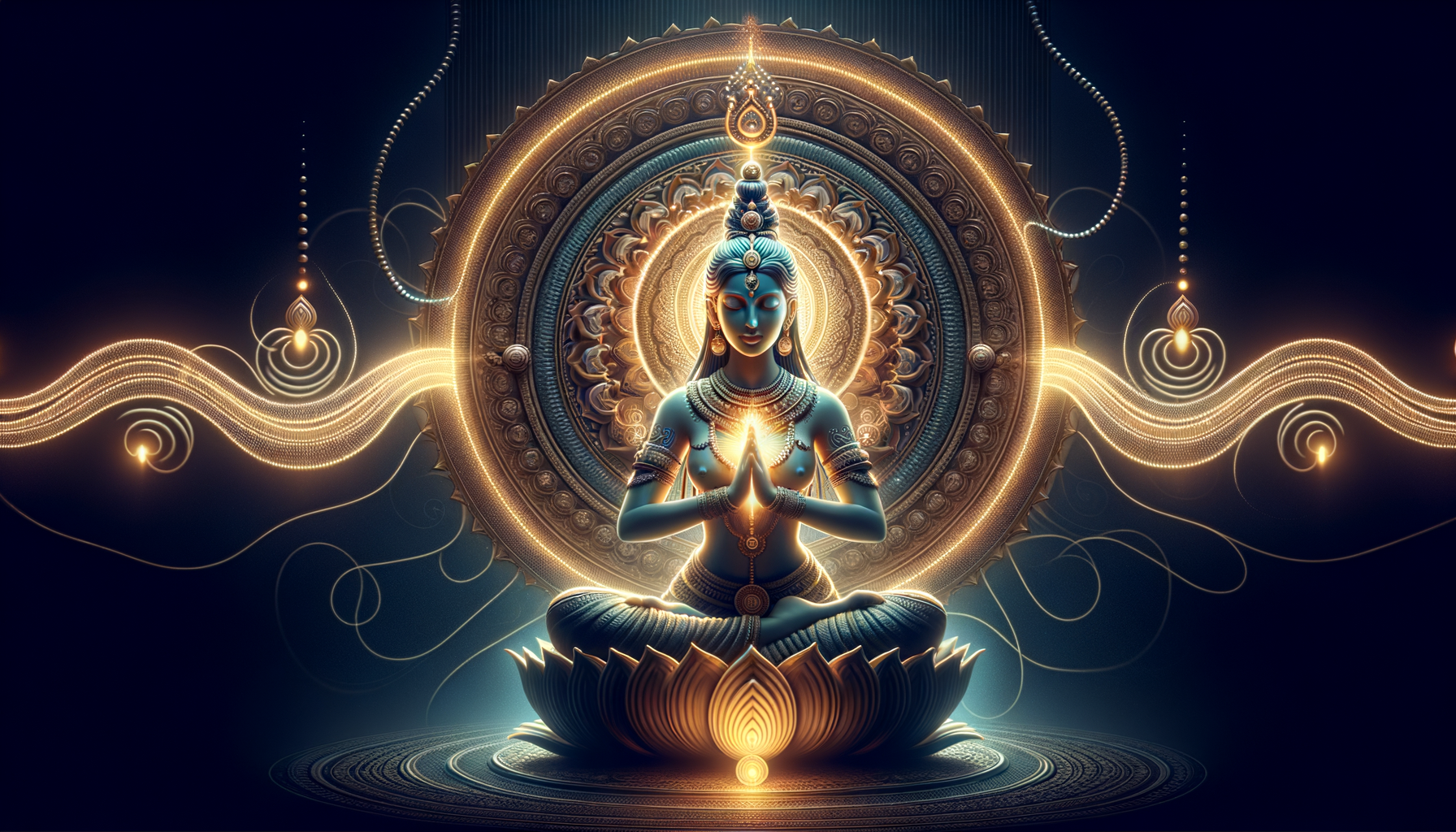
Goddess Ekajata’s single braid is a concentrated teaching in Hindu Tantra: a symbol of supreme consciousness, one-pointed focus (ekagrata), and vigilant spiritual protection. Read as Tantric anatomy, it reflects the unification of ida and pingala within the sushumna nadi, supporting sustained dhyana and the ascent of Kundalini. The braid’s tightly bound form evokes vows, secrecy,…
-
Why Liquor Appears in Kali Worship: Tantric Symbolism, Sacred History, Dharmic Unity
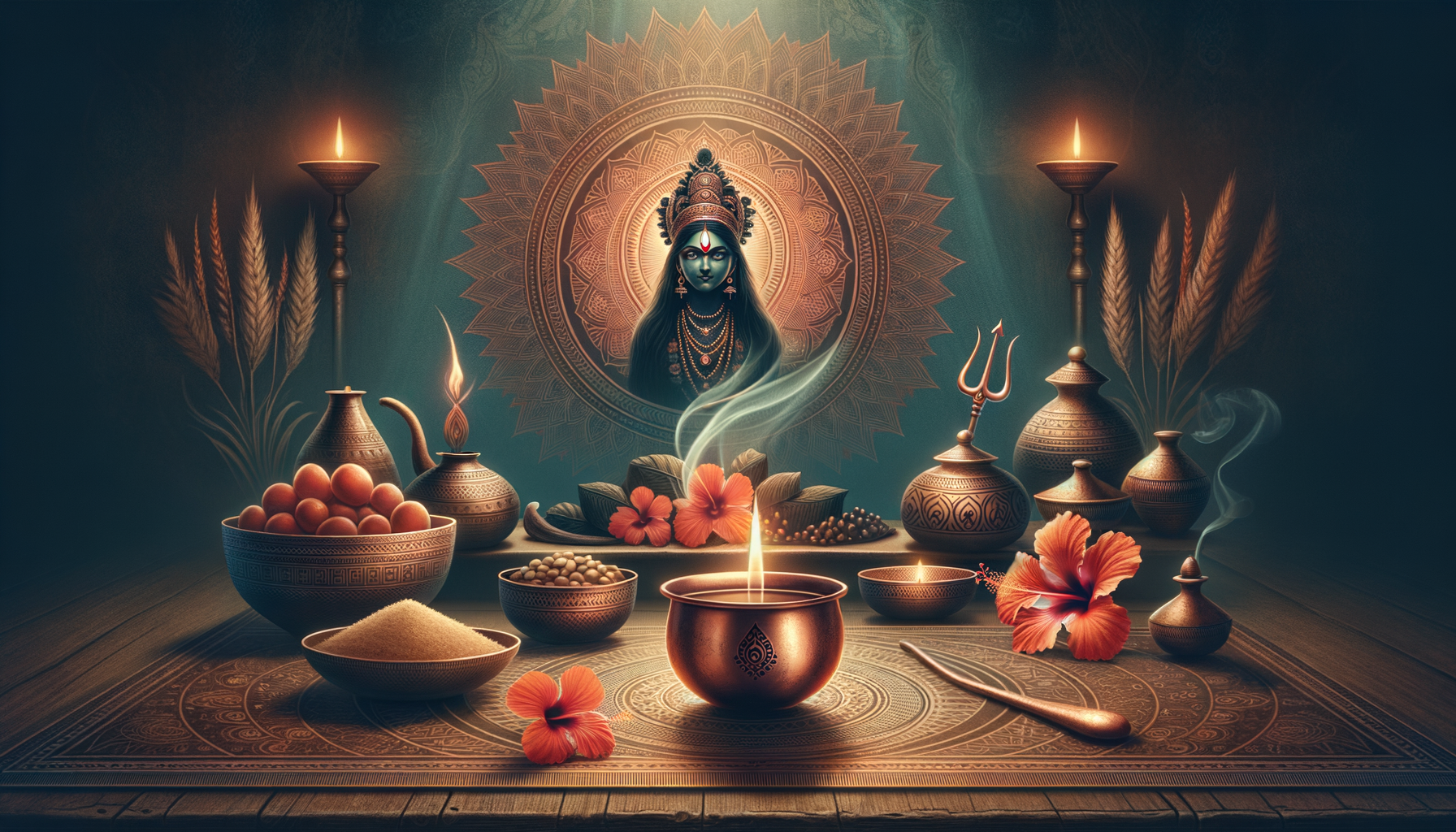
Goddess Kali’s worship historically includes offerings of karanbari (liquor), especially within Tantric frameworks that emphasize transformation through the pañcamakāra: madya, mamsa, matsya, mudra, and maithuna. In this symbolic logic, madya represents ego-surrender and fearlessness rather than indulgence. Communities have adapted the practice across contextsfrom cremation-ground rites to household pujasoften opting for symbolic substitutes like coconut…
-
Thirteen Radiant Forms of Goddess Kali in Tantraloka: Abhinava Gupta’s Kashmiri Vision

This exploration presents the thirteen forms of Goddess Kali in Abhinava Gupta’s Tantraloka as a living contemplative map within Kashmir Shaivism. Rather than a fixed list, these forms serve as dynamic lenses that refine attention, transmute fear, and reveal the liberating vastness of Shakti. The discussion situates Kali within Trika and Kaula streams while acknowledging…
-
Panchagavya vs Panchamakara: Unveiling Sacred Purity and Esoteric Power for Seekers

This comparative guide explores Panchagavya in Vaishnavism and Panchamakara in Shaktism, showing how both systems aim at inner transformation within Sanatana Dharma. Readers gain clear definitions, historical context, and lived meanings of these fivefold practices. The analysis highlights Panchagavya’s emphasis on ritual purity and bhakti, and Panchamakara’s symbolic, ethically guided approach to integrating Shakti. Practical…
-
Decoding Kali’s Fierce Grace: Kali Tantra Symbolism, South-Facing Form, and Liberation

The Kali Tantra presents Goddess Kali as the south-facing embodiment of fierce grace, uniting destruction and liberation in a single, illuminating form. Kali’s orientation toward the south symbolizes a fearless encounter with death and change, transforming dread into wisdom. Her sword signifies discriminating insight, while the cremation-ground setting teaches impermanence without despair. Mudras of fearlessness…
-
Shiva–Parvati as Yin–Yang Archetypes: A Timeless Guide to Balance, Unity, and Grace
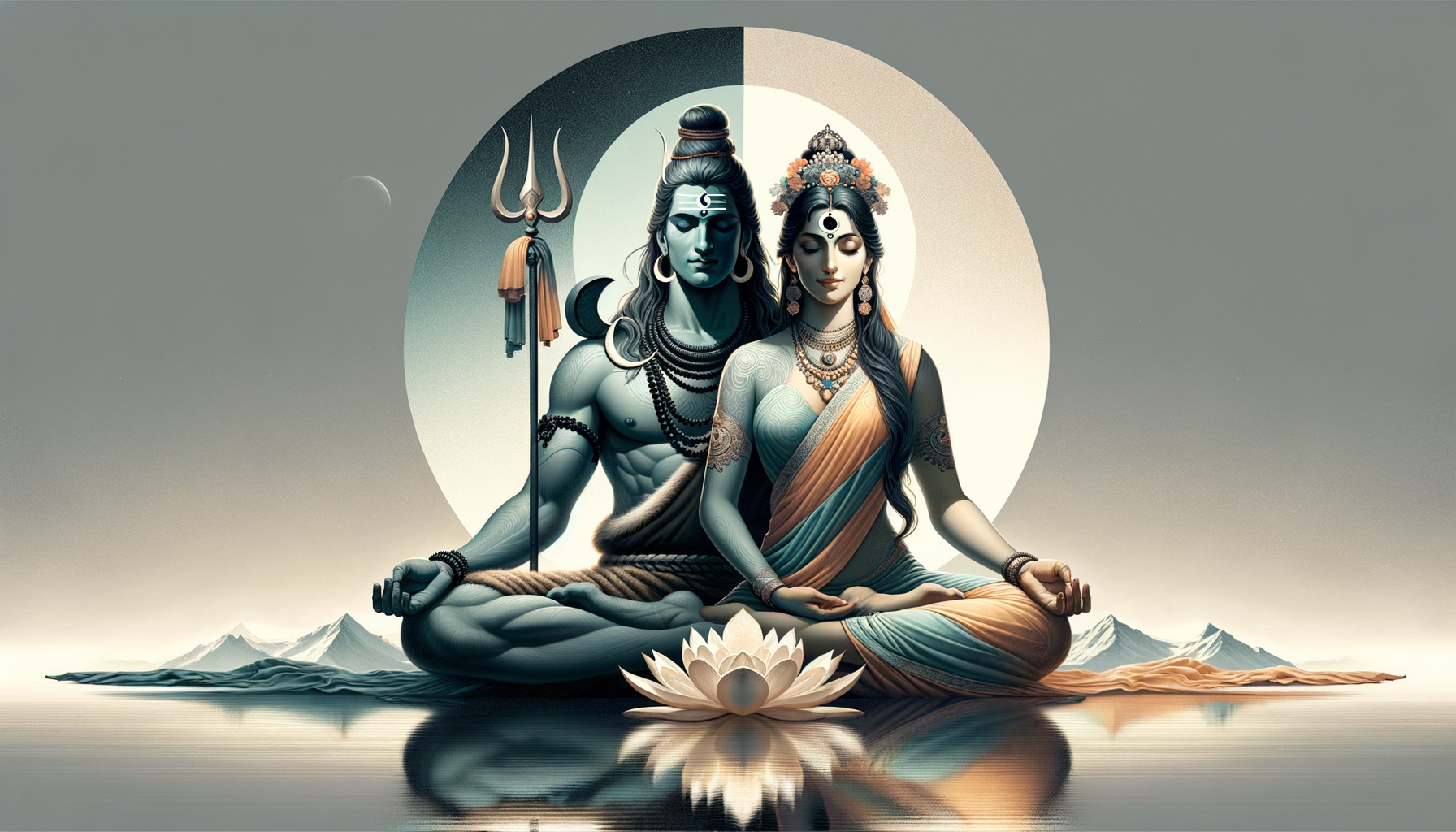
Shiva and Goddess Parvati embody a powerful archetype of complementary balance in Eastern philosophy, comparable to yin and yang. Their union models non-duality: awareness and energy co-arise to sustain harmony. The same insight appears across dharmic traditionsBuddhism’s Middle Way, Jainism’s Anekantavada, and Sikhism’s integration of temporal and spiritual lifeaffirming unity in spiritual diversity. Readers gain…
-
Kali Yantra Unveiled: Sacred Geometry, Bindu Power, and the Living Symbolism of Shakti
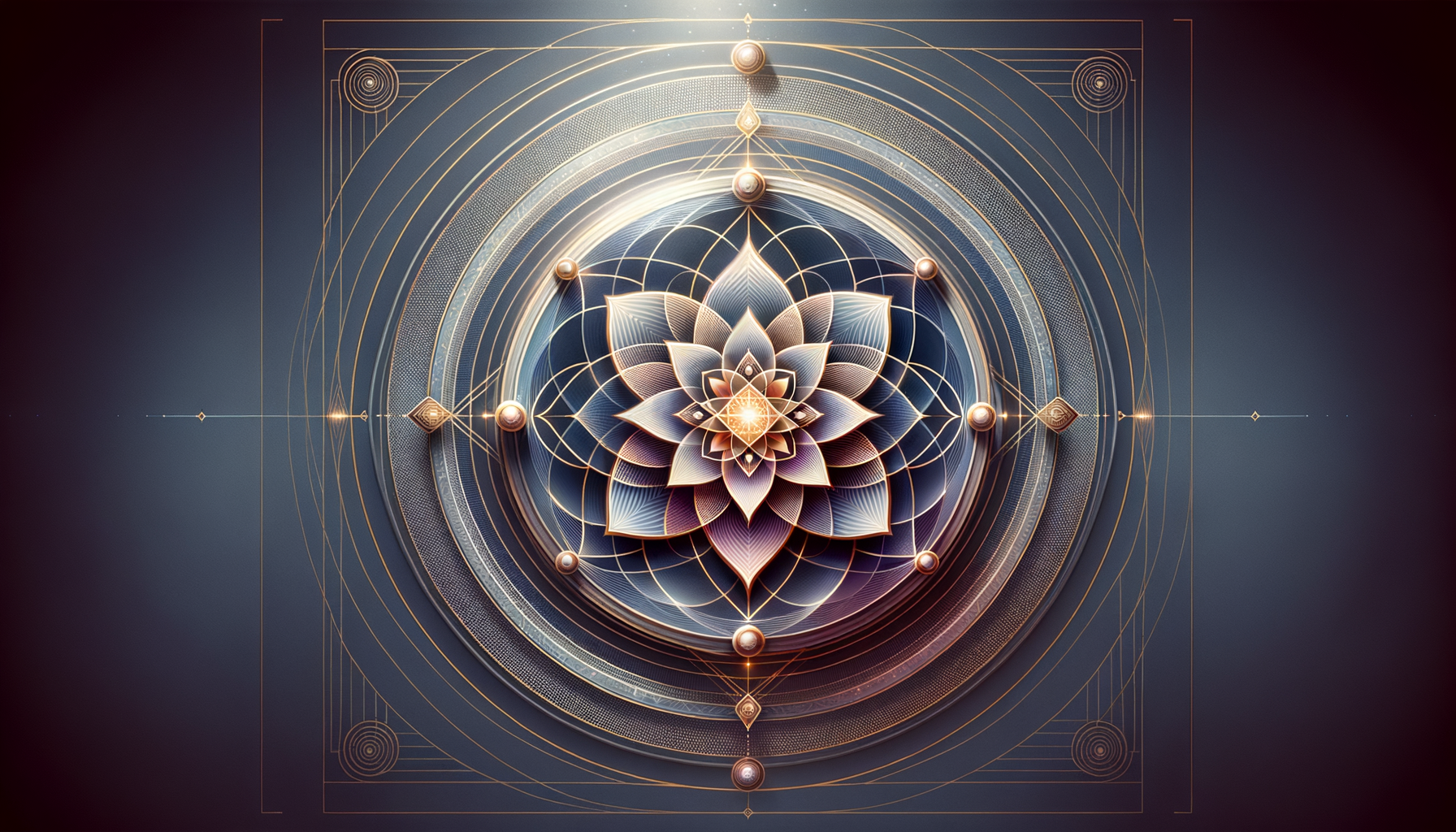
The Kali Yantra presents a precise map of sacred geometrysquare, circles, lotus petals, triangles, and a central binduguiding attention from multiplicity to unity. The bindu functions as a powerful focal point that many practitioners experience as a gateway to calm, clarity, and compassion. Each geometric form carries layered symbolism: the bhupura stabilizes, circles harmonize, lotus…
-
Khodiyar Mata Jayanti 2026: Timeless 8th‑Century Katha, Vrat Significance, and Dharmic Unity

Khodiyar Mata Jayanti (Khodiyar Maa Pragatya Din) falls on January 26, 2026, inviting focused observance through the Khodiyar Mata Vrat Katha. Rooted in 8th‑century Gujarati and Rajasthani scriptures, the Katha sustains living traditions of devotion, ethical reflection, and community solidarity. The festival draws diverse communities across Gujarat and Rajasthan into shared worship, exemplifying unity within…