-
Agastheeswara Swamy Brahmotsavam at Narayanavanam: Dates, Rituals, Significance & Guide

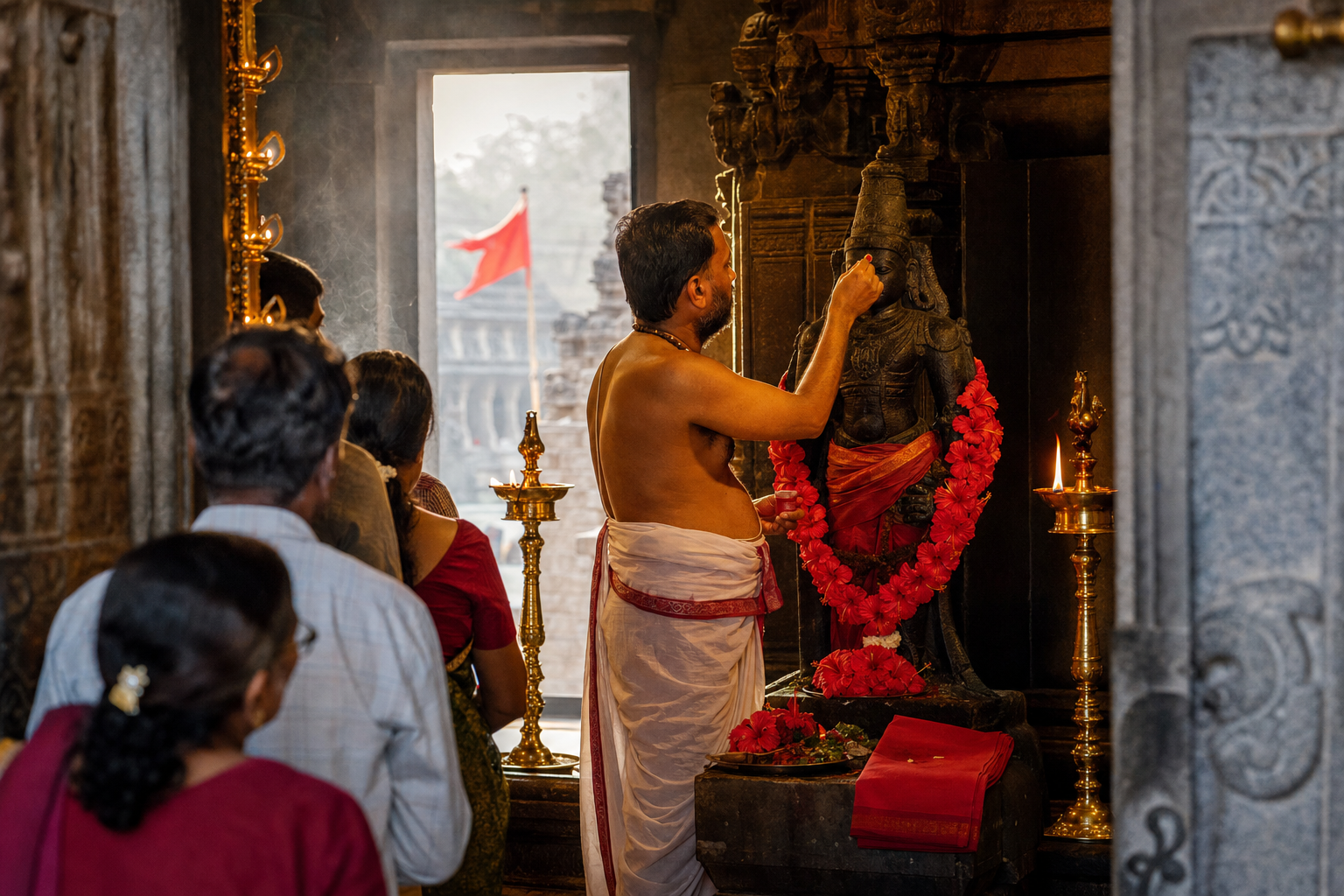
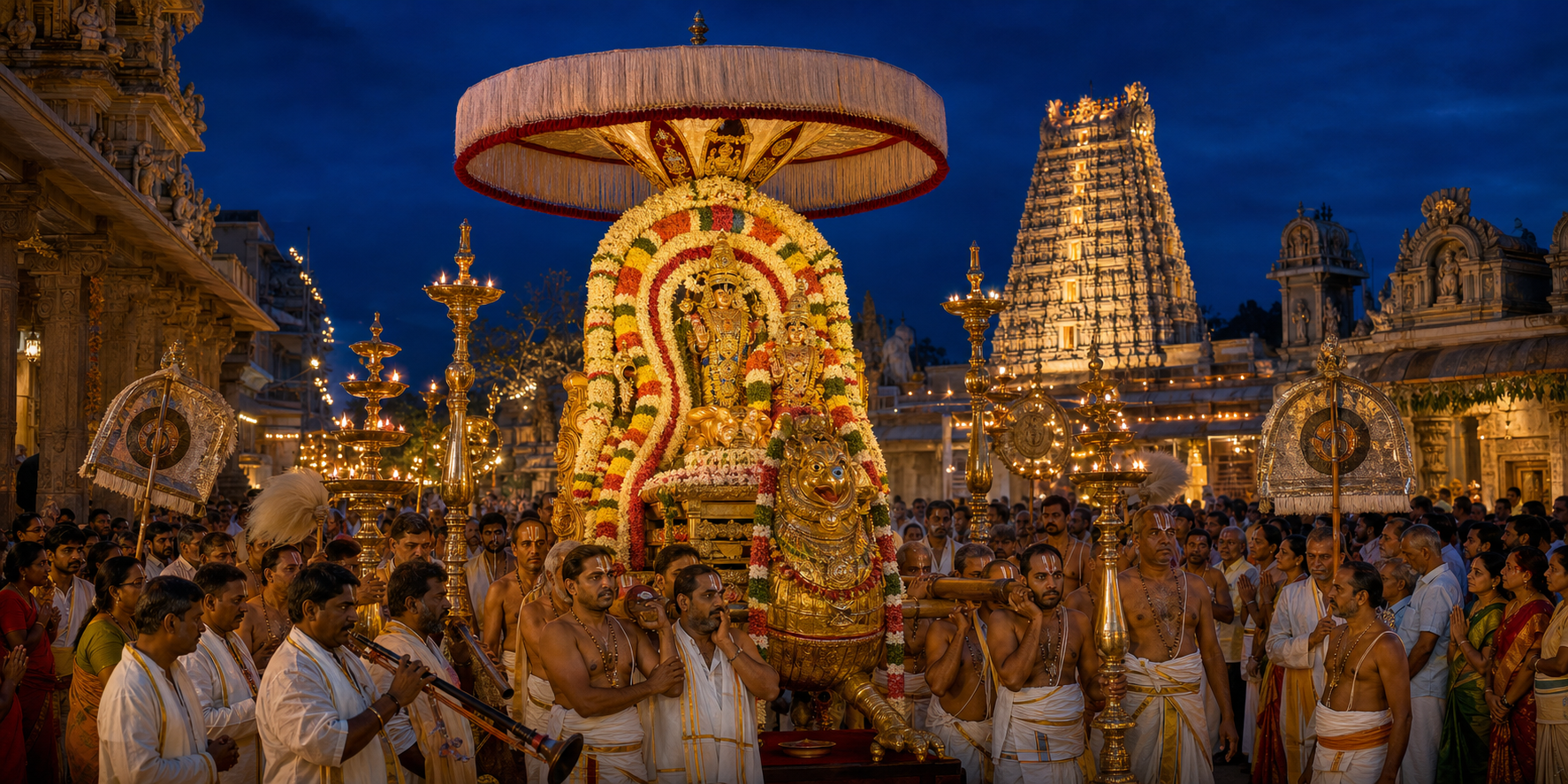
The Agastheeswara Swamy Temple Brahmotsavam at Narayanavanam will be celebrated from April 21 to 30, preceded by Ganapati Puja and Ankurarpanam on April 20 (6:00 PM–8:30 PM). Set in the Tirupati region of Andhra Pradesh, the festival honors Sri Agastheeswara Swamy and Goddess Maragadavalli in association with Sri Kalyana Venkateswara Swamy Temple, exemplifying Shaiva–Vaishnava harmony.…
-
Haridra Dam to Vijayanagara: Field Evidence, Inscriptions, and Karnataka’s Fading Shrines

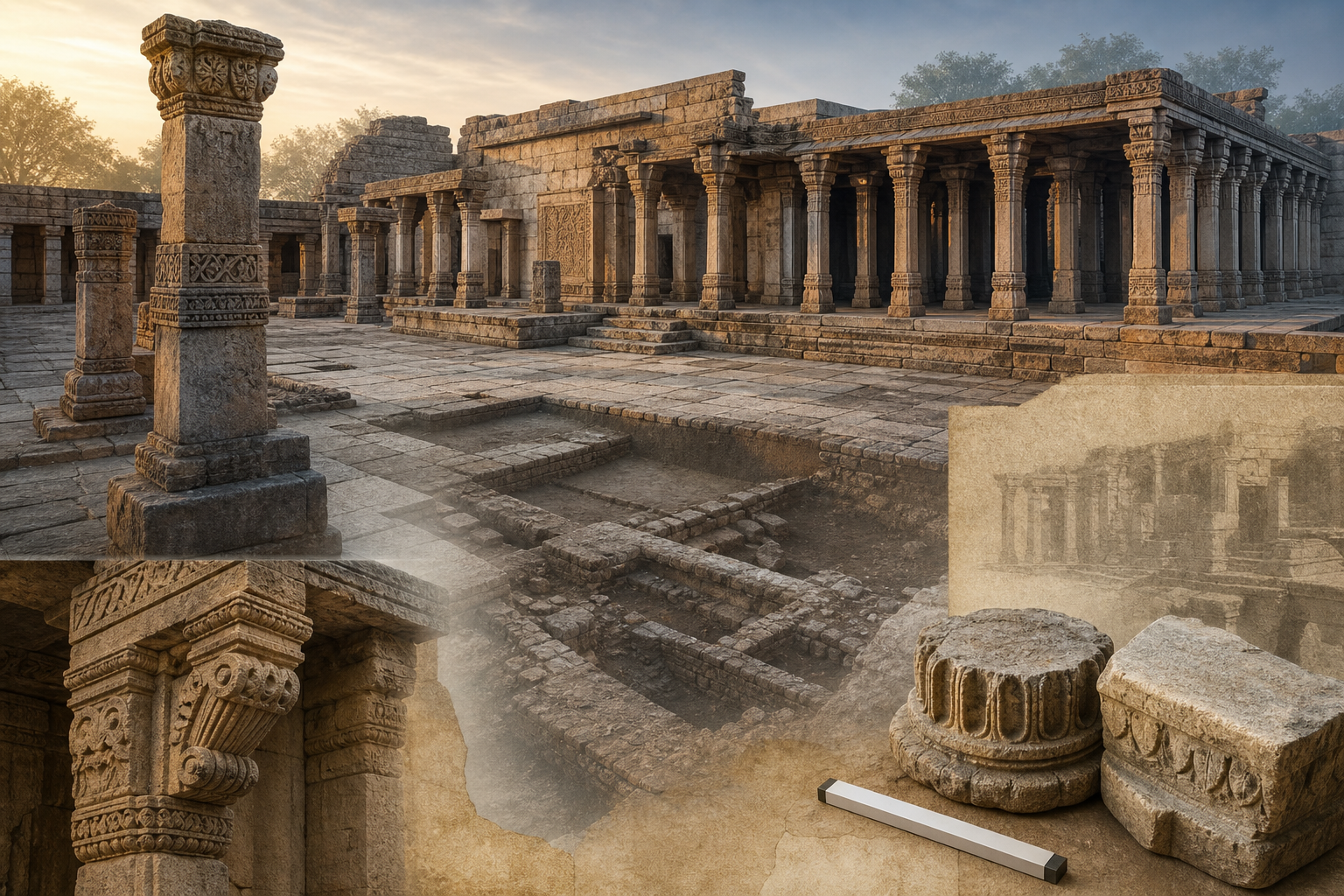
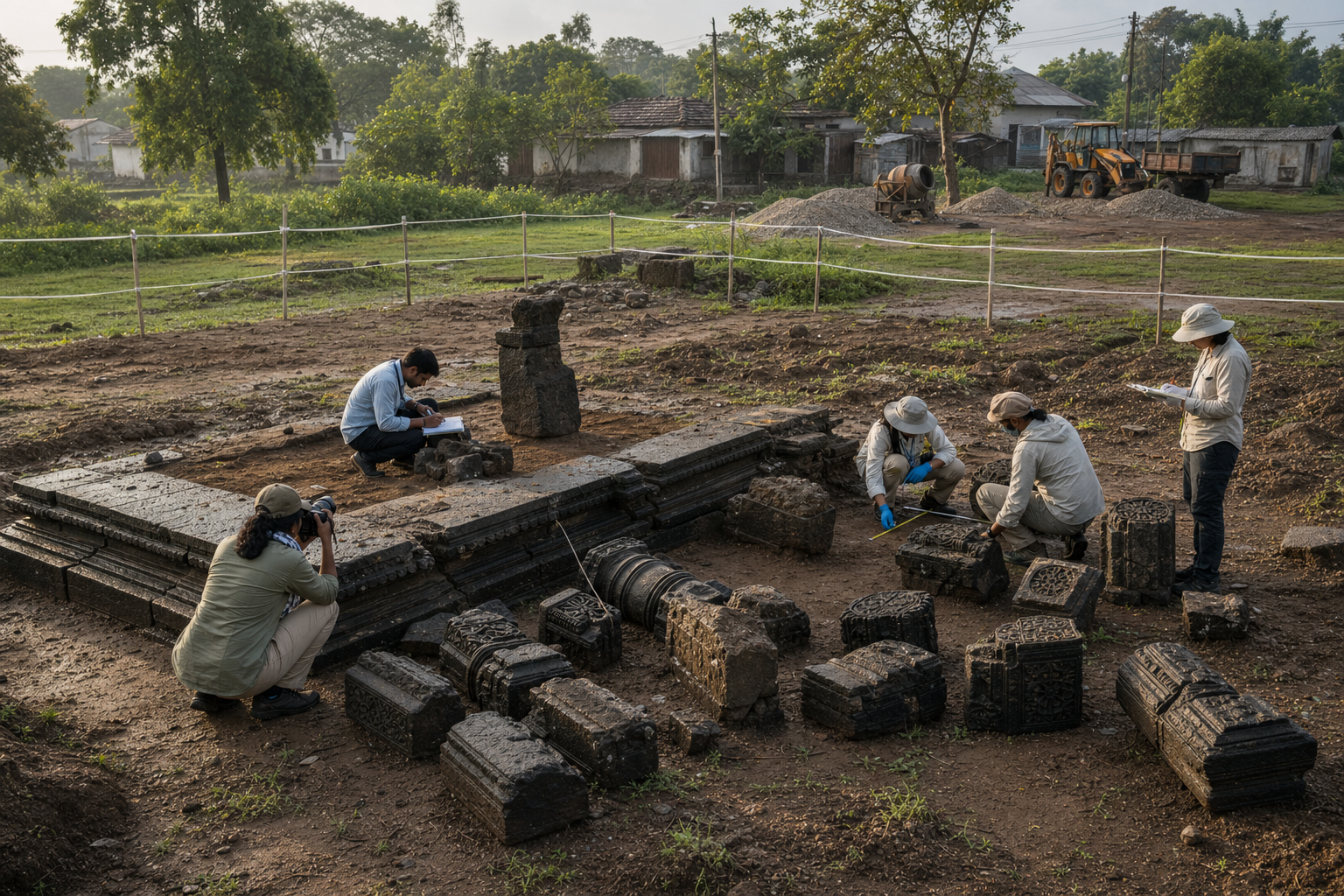
A field-based reading of Devarabelakere, near Davanagere in Karnataka, reveals how a modern check dam overlays the footprint of the medieval Haridra Dam attributed to the early Vijayanagara era under Devaraya I. Inscriptions documented by the ASI at Harihara in 1902, along with a 2003 survey by Dr. Jagadisha, help relocate the lost basin of…
-
Paralakhemundi’s Hidden Durga Temple: Sacred Seclusion and the Navratri-Only Opening

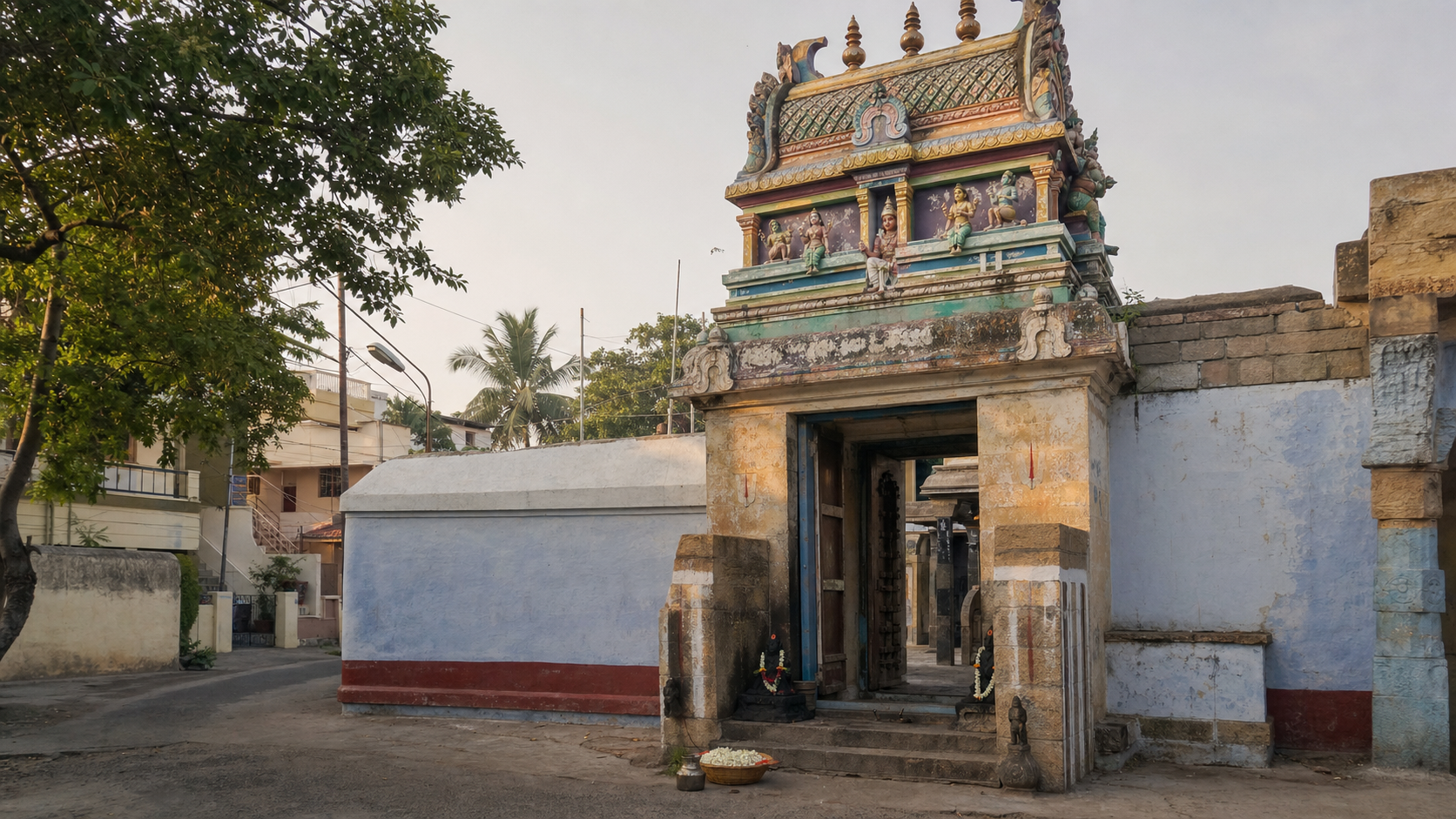
The Paralakhemundi Durga Temple in Odisha’s Gajapati district practices a remarkable discipline: it opens to the public only during Navratri, preserving a Shakta tradition of sacred seclusion while intensifying the experience of darshan. Situated on Dandumala Street near Dola Tank Road, the shrine honors Dandu Maa (also known in Telugu as Goddess Dandu Maramma), reflecting…
-
TTD Festivals April 2026: Complete Guide to Tirumala Utsavams, Dates, Rituals, and Darshan Tips

TTD’s April 2026 calendar at Tirumala brings together the conclusion of Srivari Vasanthotsavams and Tumburu Theertha Mukkoti (April 1), the commencement of Sribhashyakara Utsavams (April 13), and a cluster of Vaishakha observances on April 20, including Akshaya Tritiya, Parashurama Jayanti, and the Varsha Thiru Nakshatrams of Bhrigu Maharshi and Srinivasa Dikshitulu. This guide explains each…
-
Decoding the Golden Temple (Harmandir Sahib): Marble Motifs, Sacred Geometry, and Seva

This in-depth exploration decodes the Golden Temple (Harmandir Sahib) as a readable language of marble, motifs, and gilded form, revealing how architecture teaches Sikh ethics of oneness, seva, and equality. Readers will discover how geometry, calligraphy in Gurmukhi, floral arabesques, and jaali screens cohere into a visual theology aligned with continuous kirtan. The essay traces…
-
Chanda at Vishnu’s Eastern Gate: The Fierce Dvarapala Safeguarding Vaishnava Sanctuaries

Hindu temple architecture encodes a sophisticated theology of thresholds, and in many Vaishnava kshetras, Chanda stands as the fierce guardian of Vishnu’s eastern gate. This analysis situates Chanda within Agamic prescriptions, Puranic memory, and regional priestly traditions, explaining why the eastern entrancealigned with dawn and auspicious beginningsreceives a sentinel of disciplined kshatra-energy. It outlines the…
-
LingodbhavaShiva’s Infinite Pillar of Light: Iconography, Temple Rituals, and Timeless Wisdom

Lingodbhava, the manifestation of Lord Shiva as an infinite pillar of light, gathers narrative, philosophy, and temple architecture into a single, luminous symbol. The article recounts Brahma and Vishnu’s failed search for the limits of the jyoti-stambha and frames the episode as a lesson in epistemic humility rather than sectarian triumph. It traces textual roots…
-
Kukke Subramanya Sthala Purana: Timeless Serpent-Lord Legends, Ritual Science, and Sacred Landscape

Anchored at the foot of Kumara Parvatha and on the banks of the sacred Kumara Dhara, the Kukke Subramanya Swamy Temple preserves a powerful sthala purana that unites myth, ritual, and landscape. The narrative recounts Subrahmanya’s victory over Tarakasura, his marriage to Devasena, and a lasting covenant of protection extended to Vasuki and the Nagas.…
-
Kukke Subramanya’s Sacred Sub-Temples: A Timeless, Comprehensive Guide to Subshrines

Kukke Subramanya Temple in Dakshina Kannada is renowned for serpent veneration and a living ecosystem of sub temples (subshrines) that enrich the pilgrimage experience. This comprehensive guide profiles the documented KukkeLinga TempleVimana Type – NO; Sanctorum Shape – Square Shape; Speciality – Purathana; located indoor of kukke shri subrahmanyaand explains why some enclosed subshrines lack…
-
Madurai Meenakshi Sthala Puranam: Indra’s Atonement, the Divine Wedding, and Temple History

This in-depth, research-driven overview unpacks the Sthala Puranam of the Madurai Meenakshi Sundareshwarar Templefrom the ‘effacing of Indra’s sin’ beneath the kadamba tree and by the Pottamarai Kulam to Meenakshi’s birth, prophecy, and the divine wedding with Sundareshwarar. It elucidates how the legends express the ethical logic of karma and reincarnation, resonating with the wider…
-
Inside Kukke Subramanya: A Sacred, Comprehensive Guide to Sub-Shrines, Rituals, and Architecture

Kukke Subramanya Temple in Dakshina Kannada, Karnataka, is famed for Subrahmanya’s protective grace and for Naga-related rites such as Sarpa Samskara and Ashlesha Bali. This comprehensive guide maps the temple’s sub-shrineshighlighting the Purathana KukkeLinga Temple (Vimana Type – NO; Sanctorum Shape – Square Shape) located indoors of the main complexalongside Adi Subrahmanya and Sri Samputa…
-
Timeless Sthala Purana of Kukke Subramanya: Legends, Rituals, and Sacred Ecology of Western Ghats

Situated at the foothills of Kumara Parvatha and along the Kumara Dhara, Kukke Subramanya Swamy Temple fuses mythic memory with living ritual. The sthala purana recounts Kumara Swamy’s arrival with Lord Ganapathi to defeat Tarakasura and sanctify the valley through the marriage to Devasena. Core symbolism centers on Subramanya’s guardianship of Vasuki and Shesha, with…
-
WSN February 2026 Leaders: Global Sankirtan Trends, Data-Driven Insights, and Winning Practices

The World Sankirtan Newsletter (WSN) for February 2026 showcases a globally distributed leadership: Mayapur, Mumbai-Chowpatty, and Ujjain topped large temples; London-Soho, Bengaluru-South, and Bhopal led medium; Surat, Atlanta Krishna Life, and Chandigarh headed small; while Porto Alegre, Bologna, and Heidelberg led maha-small. Beyond the standings, the report highlights how kirtan and book distribution thrive across…
-
Nava Veeras of Muruga: Origins, Iconography, and Living Traditions of Nine Divine Guardians

This article explores the Nava Veerasthe nine divine guardians of Lord Murugaas living embodiments of Parvati’s Shakti and exemplars of disciplined courage in service of dharma. It situates their origins within the Skanda Purana/Kanda Puranam tradition, explains their roles in the Soorasamharam cycle, and examines how regional temple practices shape their iconography and worship. Readers…
-
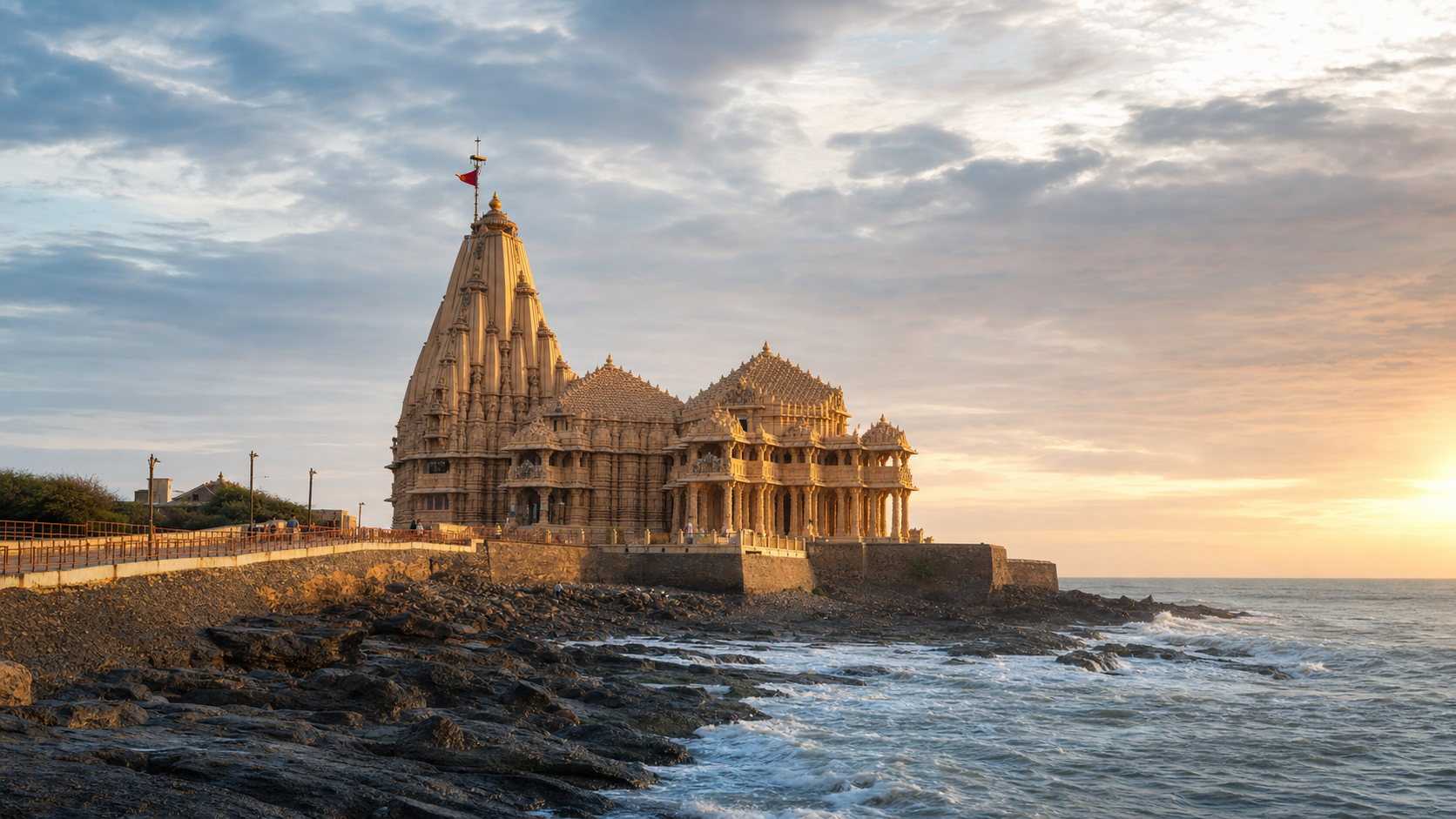
Prabhasa Patan’s Timeless Confluence: Where Krishna Departed and Somnath Inspires Unity

Set on Gujarat’s Saurashtra coast, Prabhasa (Prabhasa Patan/Prabhasa Kshetra) is the Triveni Sangam of the Hiran, Kapila, and subterranean Sarasvati, long revered as a threshold of purification and insight. Scripture situates epochal events here: the Mahabharata’s Mausala Parva narrates the Yadavas’ final conflict, while the Bhagavata Purana memorializes Sri Krishna’s departure at Bhalka and Dehotsarg…
-
Decoding Kerala’s Sacred Geometry: Tantric Blueprints that Shape Hindu Divine Forms

Kerala’s temple sculpture is governed by a rigorous synthesis of Tantra, Āgama, and Śilpa-śāstra that translates metaphysical vision into precise sacred geometry and iconography. The Tantrasamuccaya and allied Sanskrit manuscripts calibrate everything from ground plans to mudras, ensuring that Hindu divine imagery remains theologically faithful and experientially powerful. Visitors can read this grammar in the…
-
Tirumala Temple’s Sri Ramanavami Pattabhisheka Asthanam Unveiled: Sacred Coronation and Dharma

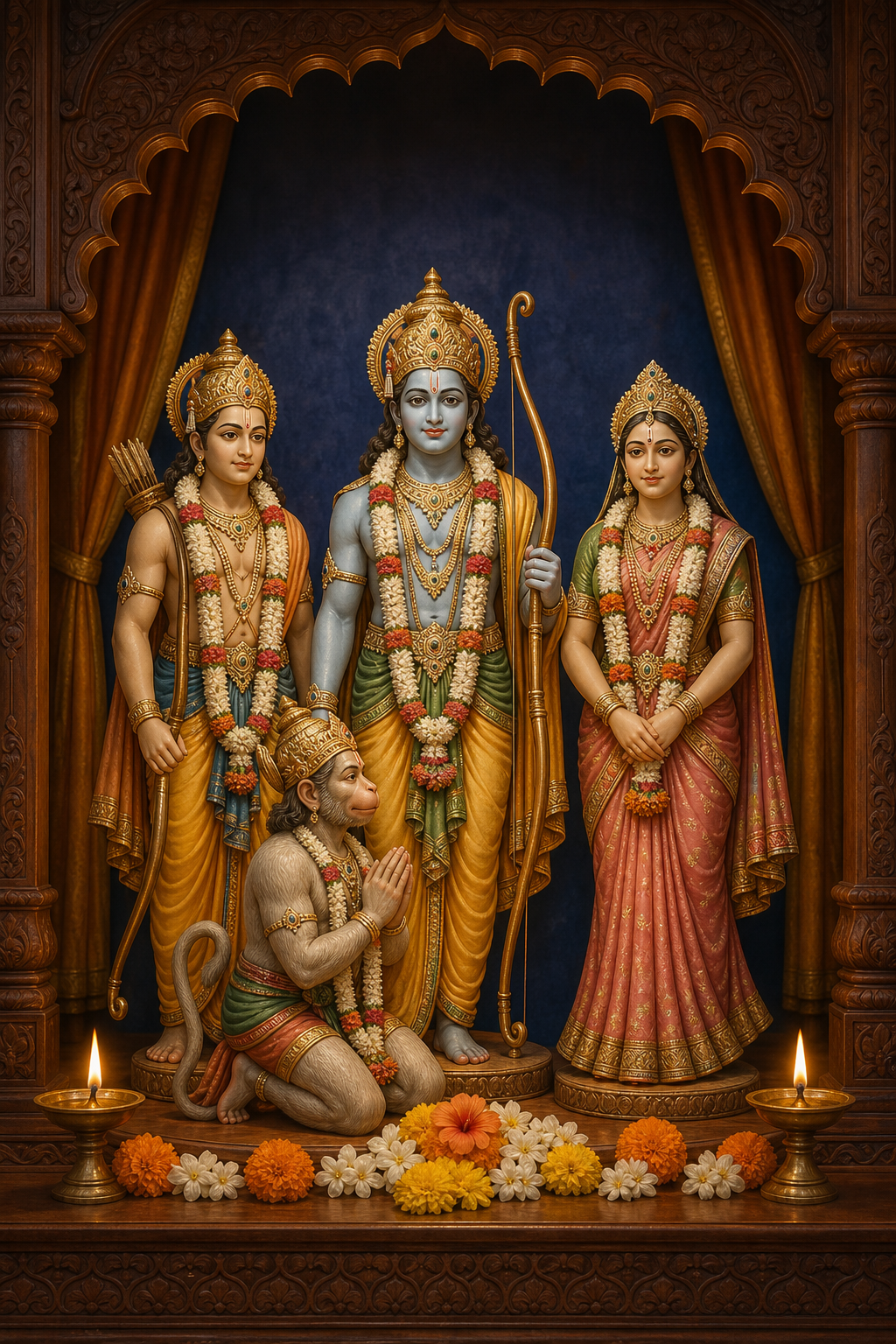
Sri Ramanavami Pattabhisheka Asthanam at Tirumala Temple is a scripturally grounded coronation observance presented before the Utsava deities of Sri Rama, Sri Sita, and Lakshmana Swamy at the Bangaru Vakili. Anchored in Valmiki Ramayana’s Yuddha Kanda, it translates the epic’s ethical vision into a living liturgical form. The rite aligns with the Vaikhanasa Agama and…
-
Char Dham at a Crossroads: ‘Panchgavya’ at Gangotri and the High‑Stakes Debate on Entry Norms

As Char Dham Yatra 2026 nears, this analysis examines reports that the Gangotri Temple Committee may incorporate ‘Panchgavya’ into reopening rites, while debates on entry norms intensify across the Himalayan corridor. It explains the ritual and symbolic logic of Panchgavya within Hindu practice and outlines modern governance measures for ethical sourcing, hygiene, and ecological safeguards.…
-
Eighteen Steps, One Presence: The Fierce Aniconic Power of Karuppasamy at Azhagar Kovil

Situated in the Azhagar Malai hills near Madurai, the Pathinettam Padi Karuppasamy shrine at Azhagar Kovil embodies an aniconic form of worshipno carved idol, only an intense guardian presence encountered at a threshold of eighteen steps. The shrine harmonizes classical Vaishnava temple worship with the fierce protection of a kaval deivam, emphasizing vows, truth, and…
-
Mangalagiri Panakala Lakshmi Narasimha: Elephant-Hill Legend, Rituals, History & Guide

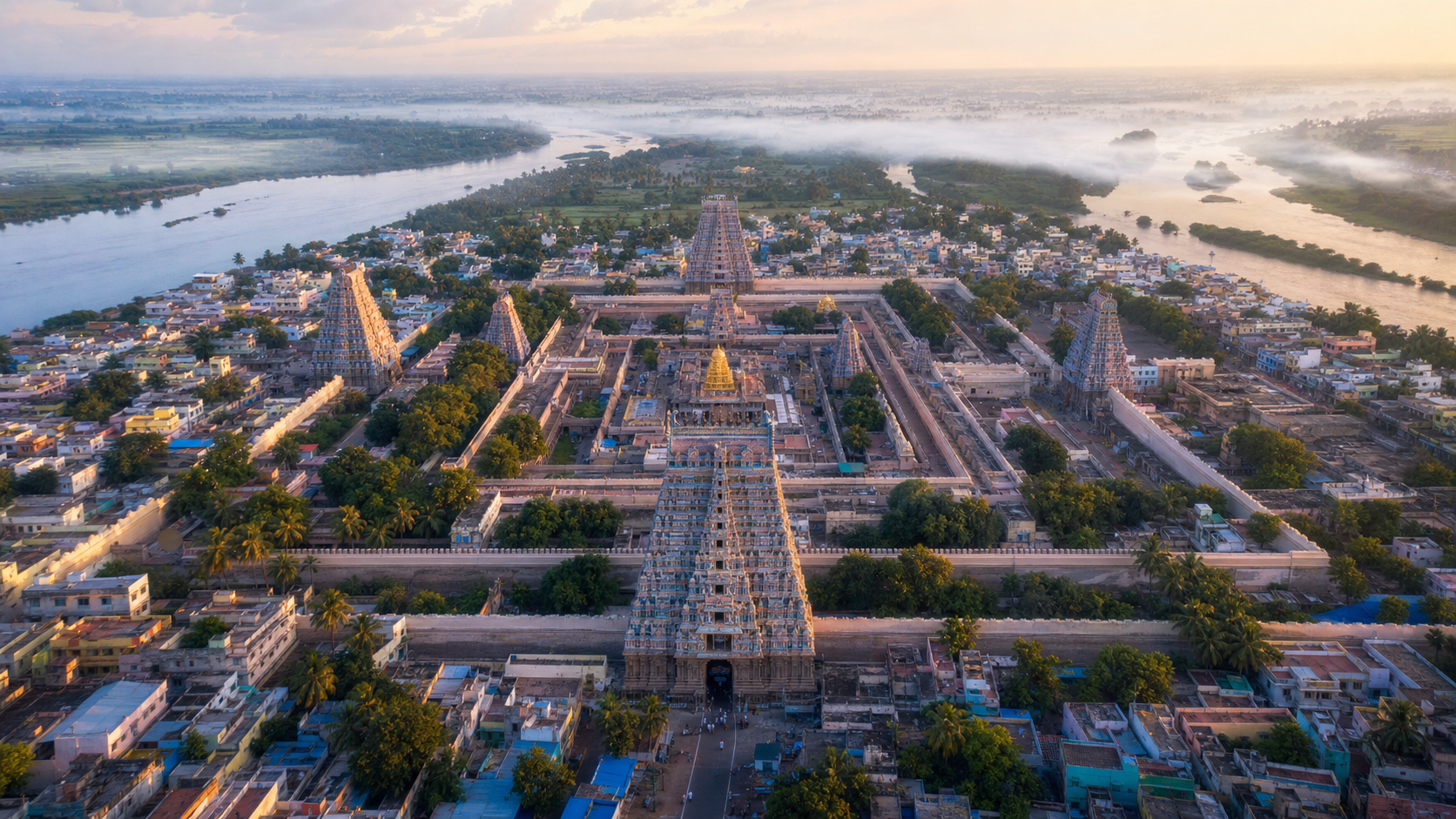
The Mangalagiri Panakala Lakshmi Narasimha Swamy Temple in Andhra Pradesh unites sacred geography, living ritual, and Dravidian architecture in a rare triadic complex. Centered on an elephant-shaped hill, its distinctive panakam offering to Ugra Narasimha symbolizes the cooling of fierceness into compassion. A monumental rajagopuram at the foothill and an intimate hillside sanctum together craft…