-
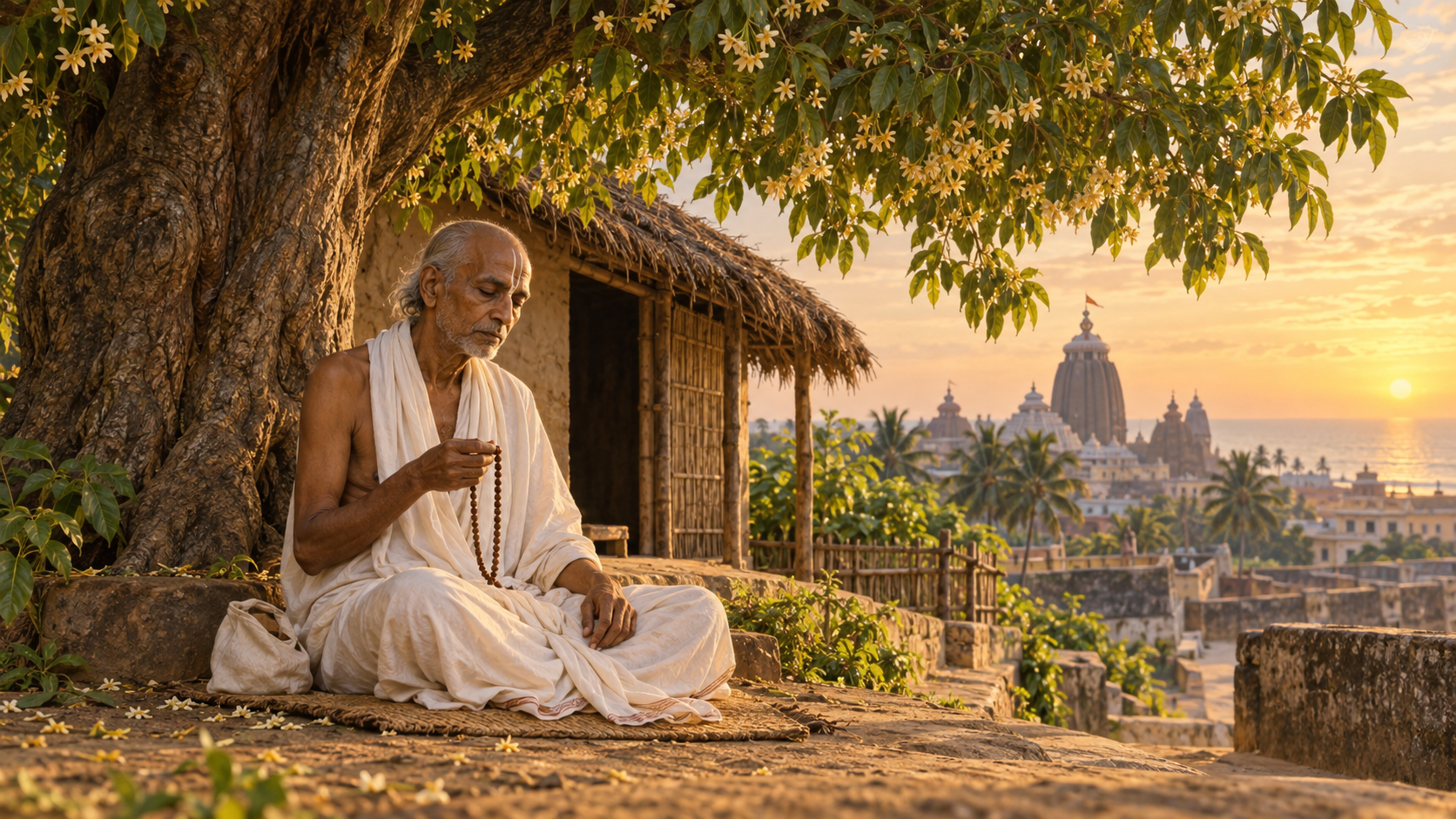
Ecstatic Love in Focus: Sri Radha’s Enchanting Glance and the Science of Sacred Vision

This in-depth exploration examines the devotional, aesthetic, and contemplative significance of Srimati Radharani’s eyes and glances in the Bhakti Tradition. Grounded in a verse attributed to Madhvacharya and supported by Brahma-samhita, Gita Govinda, and Gaudiya commentaries, it shows how Sri Radha’s glance functions as a conduit of divine grace. The article integrates classical Indian aesthetics…
-
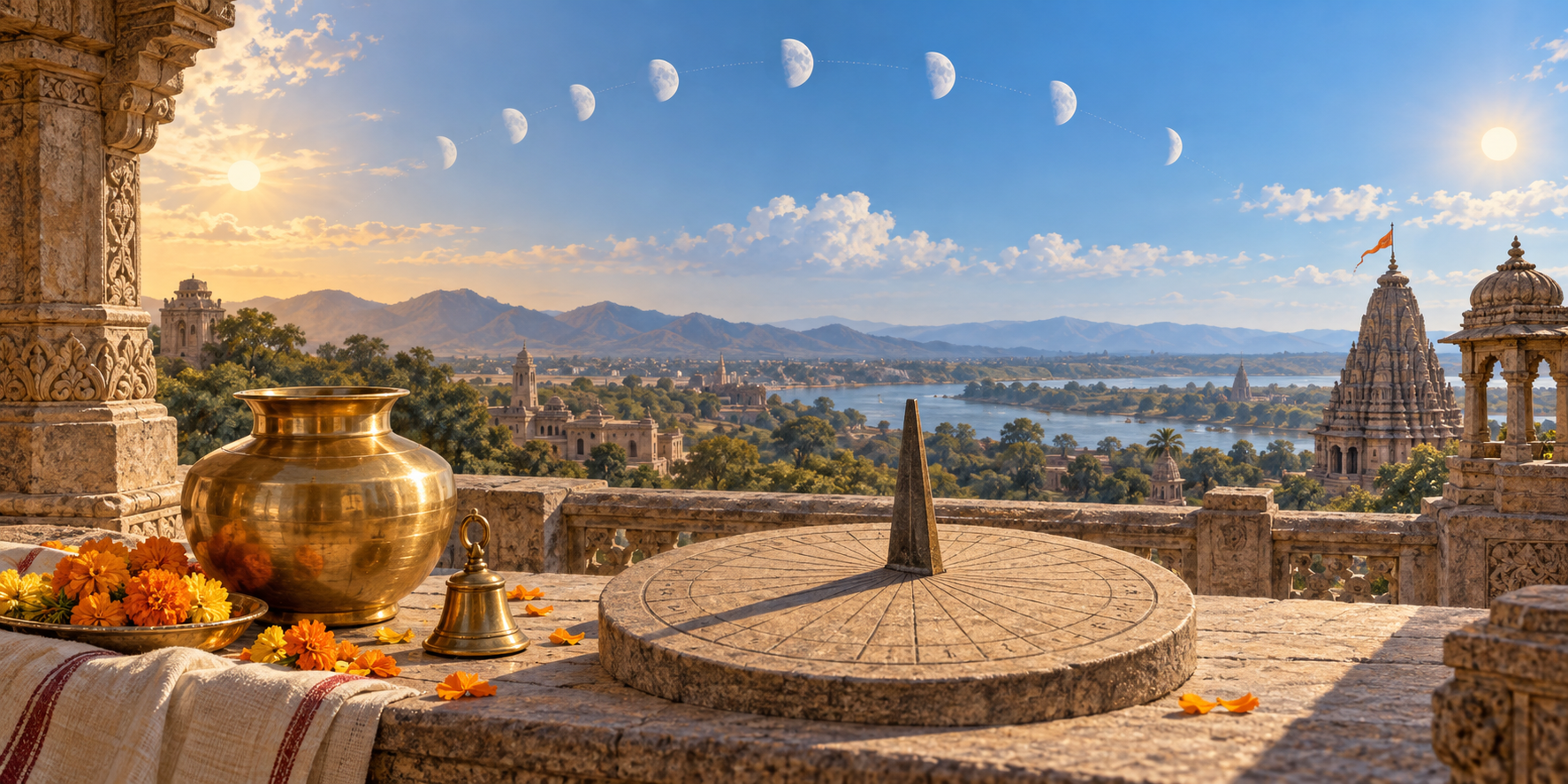
June 2026 Hindu Festivals and Vrat Calendar: Auspicious Dates, Key Rituals, IST Moonrise Time

This IST-aligned June 2026 guide consolidates key Hindu vrat and festival dates—Sankashti (with 9:50 PM moonrise), Kalashtami, Ekadashi, Pradosh, and Masik Shivaratri—based on major Indian Panchang traditions. It explains how tithi timing, Pradosha Kāla, and Chandrodaya determine observance windows. Each section outlines practical fasting options, essential rituals, and mantra-centered practices that households can adapt with…
-
April 25, 2026 Panchang: Shukla Navami to Dashami, Shubh Muhurat, Nakshatra & Rashi

Saturday, April 25, 2026 features Shukla Paksha Navami until 21:44 (IST), transitioning thereafter to Shukla Paksha Dashami. This guide explains what a tithi is, why its start and end are not tied to midnight, and how to plan Shubh Muhurat using Abhijit Muhurta, Choghadiya, and sunrise-based calculations for Rahu Kaal, Yamaganda, and Gulika. It clarifies…
-
Intensity or Casualty? How Humility, Seva, and Trials Forge Prema in Gaudiya Bhakti

This analysis examines the Gaudiya Vaishnava benchmark of prema through the lens of CC Madhya 13.147 and a contemporary London discourse by HH S.B. Keshava Swami. It explains five verifiable signs of mature devotion—humility, seva, emotional softening, persistence, and Krishna-centered decision-making—and shows how trials function like fire purifying gold. Readers gain a clear roadmap from…
-
Rise Retreat 2026, Nottingham: Harinam, Bhakti, and Building a Dharmic Community of Love

The third annual UK National ‘Rise’ Retreat opened in Nottingham with a vibrant harinam, using sacred sound to transform public space into a welcoming, contemplative commons. The piece explains how congregational chanting from the Bhakti Tradition aligns with Sikh kirtan, Buddhist metta chanting, and Jain stavan to model unity in diversity. Readers learn the sociological…
-
Unveiling Maya Bhuvaneswari: The Blue-Hued Cosmic Mother in Odisha’s Shakta Tantra

Maya Bhuvaneswari, a distinctive Odisha-centered manifestation of Bhuvaneshwari among the Mahavidyas, embodies Mahamaya—the compassionate power through which consciousness appears as the universe. Rooted in Shakta Tantra, this blue-hued Hindu Goddess teaches discernment in the midst of life rather than rejection of it, aligning akasha tattva (space) with lived ethics. The article examines her iconography, mantra…
-
April 21, 2026 Panchang: Shukla Chaturthi to Panchami, Auspicious Timings, Nakshatra & Rashi

April 21, 2026 is a Tuesday featuring a tithi transition from Shukla Paksha Chaturthi (until about 08:13 AM IST in most regions) to Shukla Paksha Panchami. The post explains the technical basis of tithi—12° lunar-solar longitude segments—and shows how this early-morning Chaturthi window suits concise Vinayaka puja, while the remainder of the day favors Panchami’s…
-
Ekadasha Parayana of Vishnu Sahasranama: Transformative Benefits, How-To, and Daily Discipline

Ekadasha Parayana is an eleven-day observance in which the Vishnu Sahasranama is recited eleven times daily, uniting devotion, attention training, and ethical living. Rooted in the Mahabharata and the Vaishnava bhakti tradition, the practice is accessible to householders and monastics and adaptable to individual contexts. Practitioners commonly report cognitive clarity, emotional balance, and a deepening…
-
Vamavarti Ganesha Explained: Auspicious Left-Trunk Form, Symbolism, Rituals, Benefits

Vamavarti Ganesha (Vamavarta Ganapati) is the left-trunk form of Shri Ganesha revered as gentle, auspicious, and ideal for household worship. The leftward curve aligns with the lunar Ida nadi, symbolizing cooling, sattvic energies that nurture calm, clarity, and family harmony. Traditional practice links this form with smoother beginnings, steadier learning for children, and the softening…
-
April 19, 2026 Panchang: Shukla Dwitiya→Tritiya, Shubh Muhurat, and Vedic Guidance

Sunday, April 19, 2026 features a mid-day tithi transition: Shukla Paksha Dwitiya lasts until 13:01 local time in most regions, after which Shukla Paksha Tritiya prevails. This detailed Panchang overview explains how tithi is calculated from the Sun–Moon angular separation and why changes can occur at any clock time. It outlines how to select Shubh…
-
Unquenchable Spiritual Thirst: A Dharmic Path of Bhakti, Japa, Seva, and Inner Realization

Spiritual thirst is a disciplined, one-pointed aspiration for ultimate truth, cultivated through listening, singing, remembrance, mantra-japa, and ethical living. Across Hinduism, Buddhism, Jainism, and Sikhism, it matures when aspiration is yoked to steady practice, community support, and responsible conduct. The Varkari tradition exemplifies how sustained kirtan, abhangas, and pilgrimage transform longing into culture. Vedānta names…
-
Divine Touch and Sacred Grace: What Bhakti Teaches About Service, Liberation, and Unity

Divine touch in Hindu spirituality—anugraha or grace—signifies a transformative contact that sanctifies life and aligns it with dharma. Drawing on Upanishadic insight and Purāṇic narratives, this exploration analyzes how devotion, humility, and service dispose seekers to receive grace. Case studies of Sage Bhrigu, Markandeya, Periyalvar, Malayathvaja Pandiyan, and Akaasaraja show how sacred touch operates in…
-
Sacred Amavasya Tharpanam, April 2026: Powerful Sankalpam Mantras, Dates, and Ritual Guidance

Amavasya Tharpanam in April 2026 spans 16–17 April across India, aligning with Chithirai (Tamil Nadu), Mesha Māsa (Kerala), Chaitra (Telugu/Kannada/Marathi/Gujarati), and Vaishakh (North India). Because the amavasya tithi crosses two civil dates, the rite is generally performed on the day it prevails during local midday. This guide situates the observance in Parabhava Nāma Samvatsaram (Śaka…
-
April 18, 2026 Panchang: Shukla Pratipada to Dwitiya, Auspicious Timings and Ritual Guide

April 18, 2026 features a mid-day Tithi transition: Shukla Paksha Pratipada lasts until about 3:13 PM in most Indian regions, after which Shukla Paksha Dwitiya prevails. The day is ideal for initiating study or sadhana in the morning and consolidating plans after the transition. Abhijit Muhurta (around local solar noon) remains a balanced choice for…
-
Radically Honest with Krishna: Vraja Vihari Prabhu on Real Bhakti, Courage, and Healing

This reflection distills Vraja Vihari Prabhu’s central insight: spiritual life flourishes through a truthful relationship with Krishna rather than perfectionism. It explains why divine omniscience makes honesty safe, not risky, and anchors the point in Bhagavad Gita and Bhakti Tradition teachings. It outlines how candid disclosure during japa, kirtan, and evening reflection reduces inner resistance…
-
Definitive Panchang for April 17, 2026: Chaitra Amavasya Timings, Nakshatra, Rashi, Shubh Muhurat

April 17, 2026 features Chaitra Amavasya until 5:13 PM IST, followed by Shukla Paksha Pratipada through 3:13 PM IST on April 18. The overview explains how tithis are computed from Sun–Moon longitudes, why month naming differs (Amanta vs. Purnimanta), and how this Amavasya aligns with Chaitra Navratri preparations. It situates the luminaries in Mesha (Aries)…
-
The Lantern of Dayā: Uniting Dharmic Traditions through Compassion, Ahimsa, and Seva

The Lantern of Dayā advances a clear, comparative framework for compassion that unites Hinduism, Buddhism, Jainism, and Sikhism without erasing their distinct identities. It traces how dayā/karuṇā functions as disciplined practice, social ethic, and policy-relevant principle rooted in Dharma, Ahimsa, Anekantavada, and Seva. Readers gain a rigorous yet accessible mapping across texts and institutions—from Yoga…
-
Sikhi Through Story: Evidence‑Based, Gurmat‑Aligned Narratives for a Dharmic Unity Vision

This message articulates how SikhNet Stories approaches children’s narratives as rigorous, Gurmat-aligned pedagogy. It roots storytelling in the Guru Granth Sahib’s inclusive vision while honoring Sikh maryada and the lived practices of Naam, Seva, and Sangat. Drawing on research in educational psychology, it explains why narrative transportation, dual-coding, and social learning improve attention, retention, and…
-
Timeless Grace Beyond Scholarship: Women’s Devotional Intelligence Unifying Dharmic Traditions

This essay reframes spiritual intelligence through a Dharmic lens, showing how sincerity of purpose—expressed through bhakti, seva, and ethical discipline—elicits transformative results more reliably than scholastic display alone. It grounds this claim in Indian epistemology (pramana), the Bhagavad Gita, and parallel concepts in Buddhism, Jainism, and Sikhism. Historical exemplars—from Gargi and Maitreyi to Andal, Mirabai,…
-
Beyond Judgment: Evidence-Based Ways to Cultivate an Empathetic Heart in Dharmic Life

Empathy in dharmic life is a trainable capacity that converts judgment into compassionate action without diluting high standards. This article presents a relatable case from devotional practice, unpacks why critical mindsets arise, and explains how Mindfulness and Self-awareness interrupt the cycle. Readers learn evidence-based distinctions between empathy, compassion, and pity, along with practical protocols such…