-
From Ultra‑Independence to Interdependence: Evidence-Based Steps to Receive Love and Support

Ultra-independence is not a fixed trait but a protective response shaped by past criticism, rejection, or conditional love. This article explains the psychology and neurobiology behind hyper-independence, differentiates interdependence from codependency, and offers clear, evidence-aligned steps to receive support without losing autonomy. A representative life journey illustrates how early wounds can create vows against receiving—and…
-
Choosing a Mahavidya for Navratri: Scholarly, Horoscope‑Aligned, Ethical, Transformative Guide

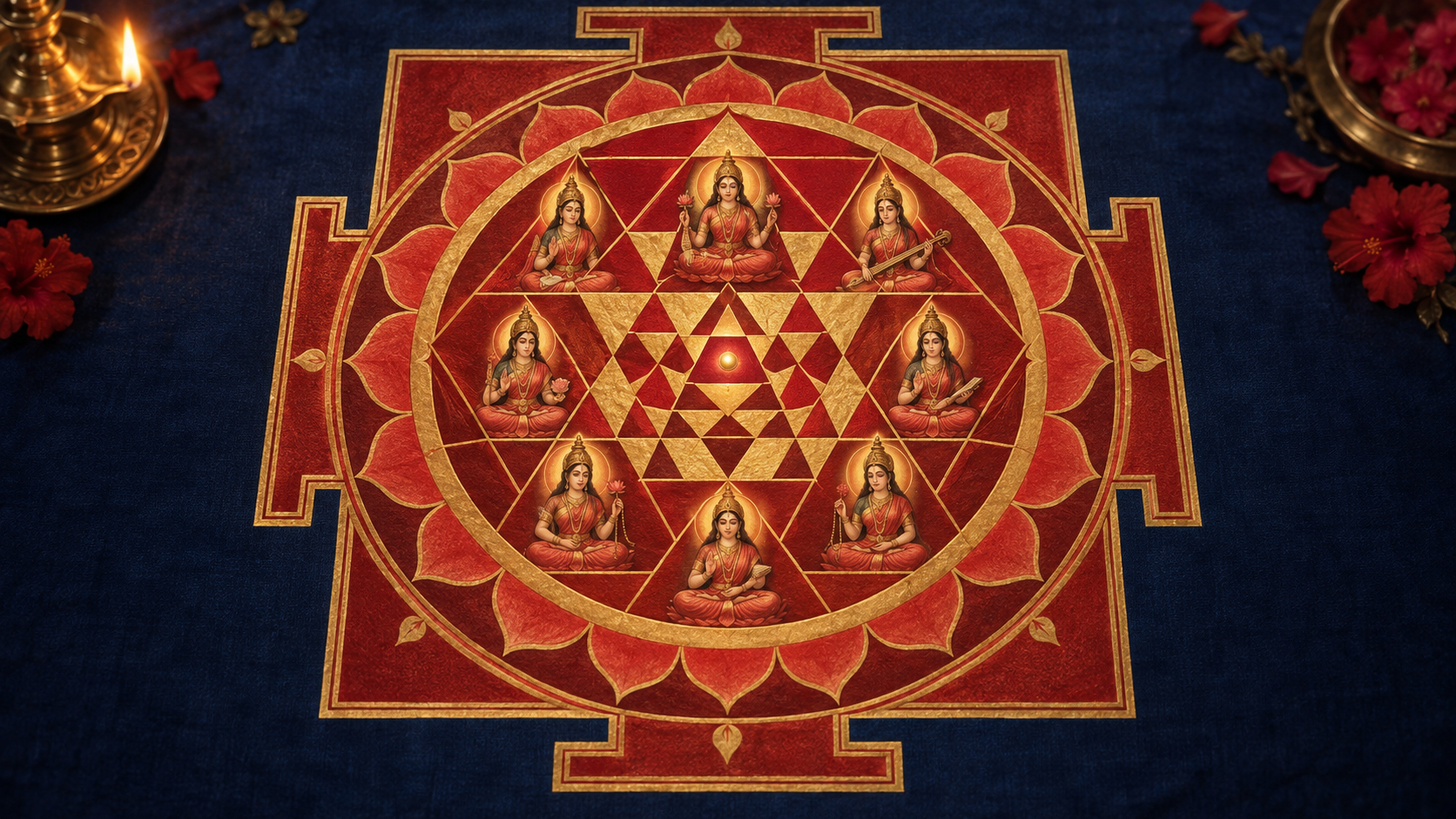
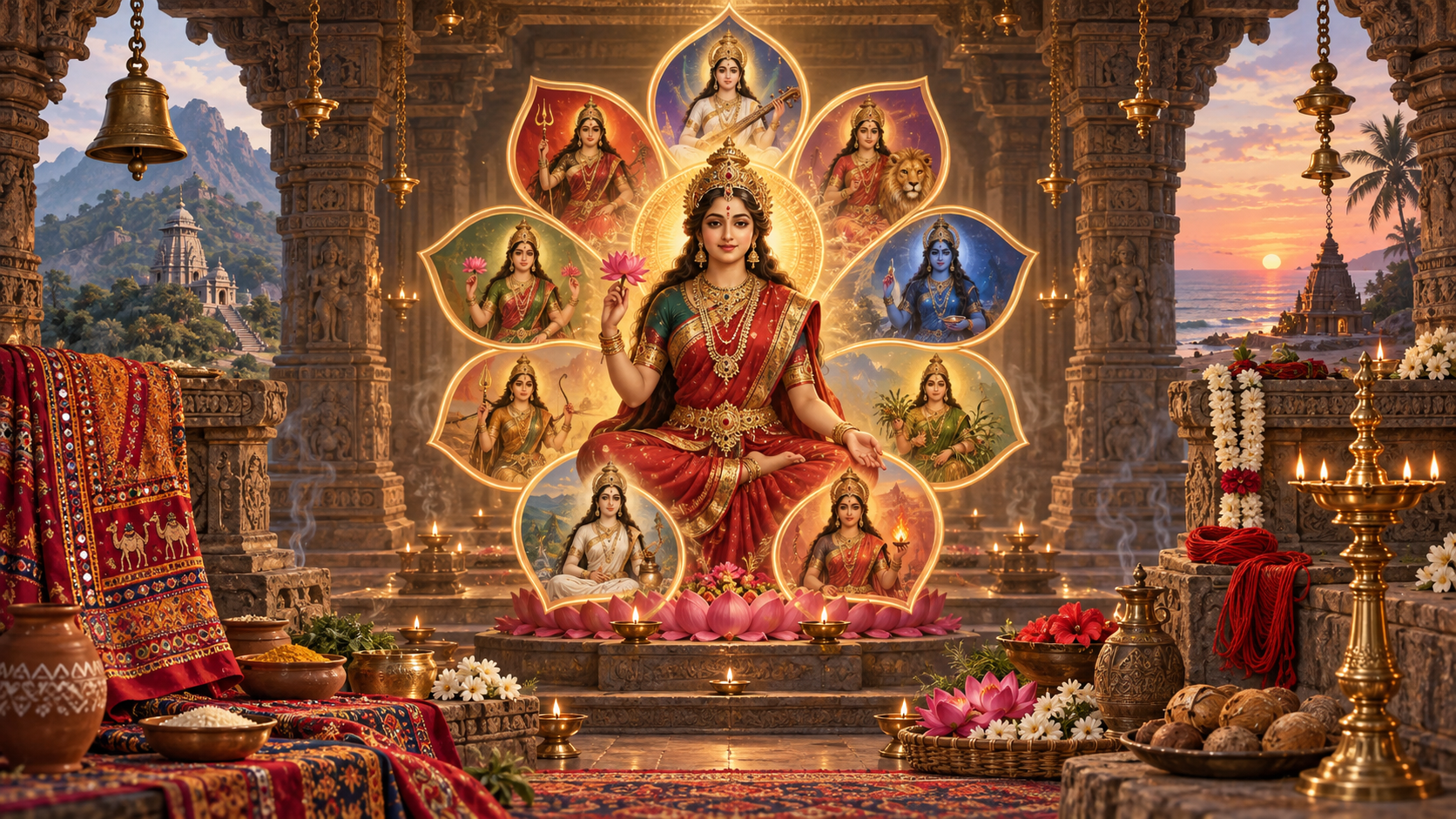
This research‑informed guide shows how to choose a Mahavidya for Navratri using three converging lenses: present life needs, Jyotisha (Vedic astrology) indications, and spiritual readiness. It summarizes the core strengths, indications, and household‑friendly practices for all ten Mahavidyas, with clear ethical safeguards. Readers learn how to align sadhana with dasha cycles and graha conditions, how…
-
Narasimha Chaturdashi (Narasimha Jayanti) 2026: Date, Puja Timings, Rituals, and Deep Significance

Narasimha Chaturdashi (Narasimha Jayanti) in 2026 falls on April 30, aligned with Vaishakha Shukla Chaturdashi in the Hindu calendar. This comprehensive guide clarifies how to choose the correct observance day using the Madhyahna window, why parāṇa is taken after sunrise the next morning, and how regional panchang differences affect timing. It details a practical home…
-
Sacred Shields of Dharma: 7 Hindu Protection Symbols to Conquer Bhaya and Adversity

Anxiety, understood in Hindu thought as bhaya, can be transformed through symbols that encode ethics, cosmology, and contemplative method. This long-form guide examines seven Hindu protection symbols—Abhaya Mudra, Trishula, Sudarshana Chakra, Narasimha, Hanuman’s Gada, the Svastika, and Tilaka/Tripundra/Urdhvapundra—tracing their scriptural grounding, iconographic form, and practical application. Each symbol functions as a performative technology of calm,…
-
The Power of One Book: How a Bhagavad-gita Sparked Lifelong Devotion and Dharmic Unity

A single sacred text can catalyze lifelong practice and broad social uplift. Kadamba Kanana Swami’s testimony — that a Bhagavad-gita passed from a friend reshaped his life and then vanished from view — illustrates how books “find people,” a process he linked to grace: “Krsna is also part of it.” Social-science models of diffusion explain…
-
Shani Sade Sati for Simha Rashi: Master the Final 2.5 Years (Paada Shani) with Wisdom

Shani Sade Sati’s final 2.5 years (Paada Shani) for Simha Rashi unfold when Saturn transits Kanya (Virgo), spotlighting the 2nd, 4th, 8th, and 11th houses from the Moon through transit and aspect. This period refines speech, finances, home routines, and networks, exchanging speed for structure and visibility for stewardship. The analysis clarifies timing (with 2009–2011…
-
Unlocking the Dhama: Gentle, Forgiving Krsna and the Power of Loving Name-Chanting

This exploration clarifies why chanting the Holy Name with loving affection functions as the practical key to the dhama in the Bhakti Tradition. It explains the ontology of the Name, the difference between mechanical and affectionate recitation, and how ethical alignment amplifies practice. Technical guidance on japa, kirtan, posture, breath, rhythm, and daily vows supports…
-
April 29, 2026 Panchang Guide: Shukla Trayodashi, Budh Pradosh, Shubh Muhurat, Nakshatra & Rashi

On Wednesday, April 29, 2026, Shukla Paksha Trayodashi prevails until 7:32 PM (local time in most regions) and then transitions to Shukla Paksha Chaturdashi. Because Trayodashi persists into twilight in many locales, Budh Pradosh can be observed this evening, aligning Shiva upasana with the Pradosh Kaal. The guide explains how tithi is calculated (each spanning…
-
Govardhan Ecovillage Yatra 2026: A Transformative, Sacred Eco-Spiritual Pilgrimage to ISKCON Wada

Govardhan Ecovillage Yatra 2026 invites pilgrims into a 100+ acre eco-spiritual campus administered by ISKCON Wada and envisioned by Radhanatha Swami in service of Srila Prabhupada’s mission. The journey integrates devotional practice with hands-on sustainability, including water conservation, agroecology, earthen architecture, renewables, and circular material flows. Participants experience kirtan, japa, yoga, and scriptural study within…
-
Transformative Devotee Relationships: A Dharmic Blueprint for Clear Guidance and Unity

Across Hinduism, Buddhism, Jainism, and Sikhism, deep relationships with committed practitioners serve as a reliable channel for spiritual wisdom. Such association, known variously as satsanga, Saṅgha, kalyāṇa-mitra, and Saadh Sangat, refines perception, stabilizes practice, and grounds ethical action. By prioritizing quality over quantity, seekers gain epistemic reliability, ethical modeling, and attentional steadiness. Discernment is essential:…
-
Telugu Vaishakha Masam 2026 (Madhava Masam): Dates, Key Festivals, Rituals, and Panchang Guide

Vaishakha Masam 2026 in the Telugu calendar runs from 18 April to 16 May in the Amanta system used across Andhra Pradesh, Maharashtra, Karnataka, and Gujarat. The month, revered as Madhava Masam and dedicated to Lord Vishnu, emphasizes snana, dana, japa, and vrata guided by precise sunrise-based Panchang calculations. Key observances within this window include…
-
Unlock the Paths of Yoga: A Comprehensive Guide to Hatha, Kundalini, Ashtanga, Kriya, Jivamukti

This comprehensive guide clarifies five major paths—Hatha, Kundalini, Ashtanga, Kriya, and Jivamukti—showing how each unites body, breath, and mind while honoring shared dharmic ethics across Hinduism, Buddhism, Jainism, and Sikhism. Readers discover the philosophical foundations, core methods (asana, pranayama, bandhas, mudras, meditation), and practical safety cues that make practice sustainable. The article demystifies yogic anatomy…
-
Spiritual Thirst: Building Unshakable, Heartfelt Devotion across Dharmic Traditions

Spiritual thirst is the disciplined, whole‑hearted longing for the Divine or ultimate truth, expressed across Hinduism, Buddhism, Jainism, and Sikhism through listening, singing, remembrance, contemplation, and seva. Drawing on Yoga Sutra principles such as tivra samvega and nairantarya abhyase, it emphasizes intensity and unbroken practice over half‑hearted effort. The Varkari saints exemplify steadiness through kirtan,…
-
Divine Touch (Anugraha): Timeless Bhakti, Sacred Grace, and Inner Transformation

This in-depth exploration clarifies “Divine Touch” (anugraha/divya sparśa) as a core Dharmic idea that unites Hinduism, Buddhism, Jainism, and Sikhism through a shared emphasis on grace aligned with ethical practice. It defines key terms, explains ritual and initiatory dimensions (abhiṣekam, dīkṣā, Guru–Śiṣya Relationship), and connects classical insights from the Upanishads and the Bhakti Tradition to…
-
April 2026 Amavasya Tharpanam: Precise Sankalpam Mantras and Sacred Guide for Chithirai–Chaitra–Vaishakh

This comprehensive guide clarifies why Amavasya Tharpanam in April 2026 appears on both 16 and 17 April across Indian almanacs and explains how regional calendar systems map the observance to Chithirai Amavasya, Mesha Maasa Amavasya, Chaitra Amavasya, or Vaishakh Amavasya. It outlines best practices for selecting the proper date using the local Panchang and family…
-
Hare Krishna in the City: A Serendipitous Paul McCartney Moment and the Power of Mantra

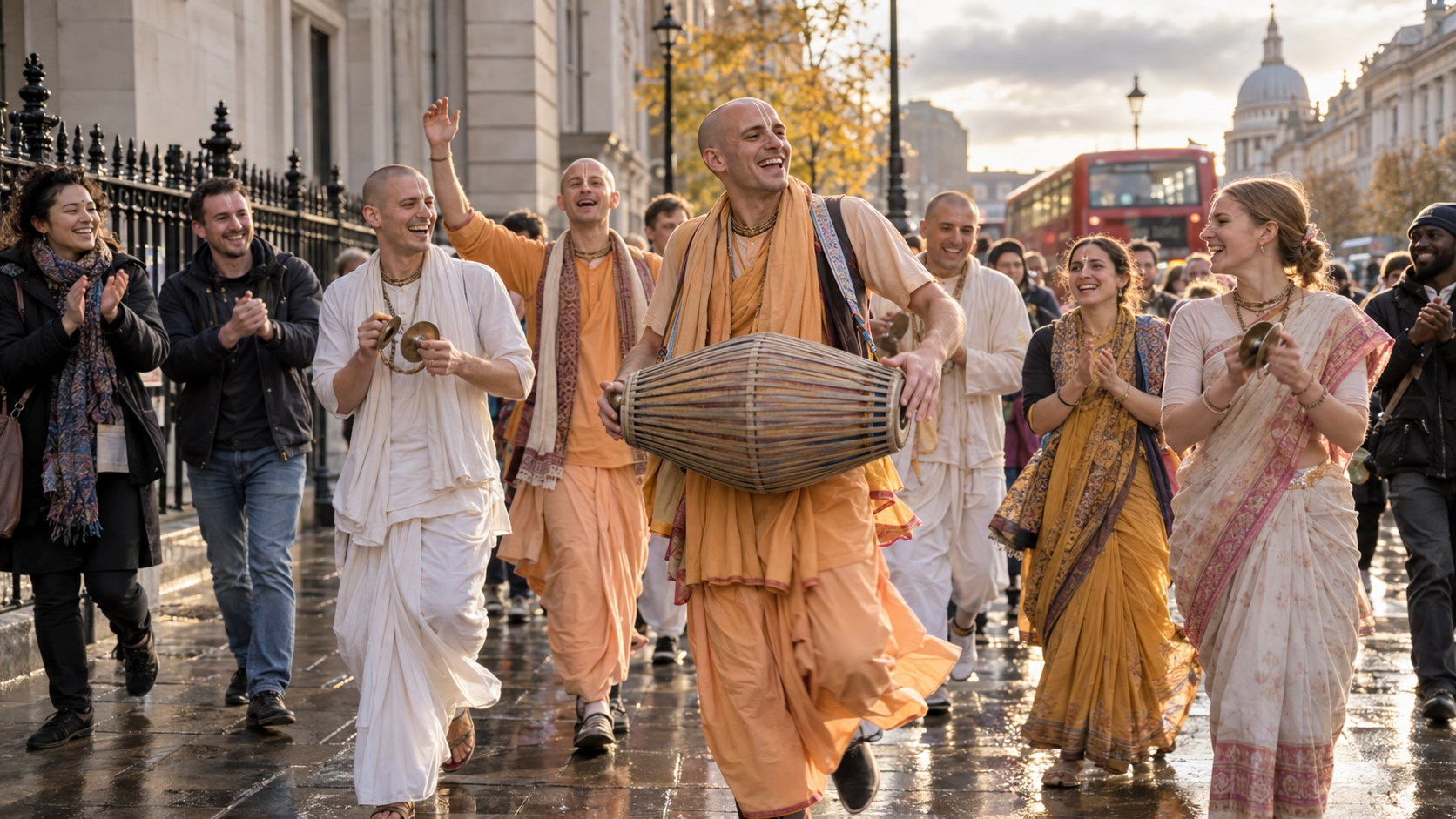
A brief, public exchange outside mpl (McCartney Publications Limited)—a friendly “Hare Krishna Paul, nice to see you,” answered by a thumbs-up—becomes a concise case study in how sacred sound inhabits civic space. The analysis explains why kirtan carries in urban settings (phonetics, breath, and entrainment), and how Sanskrit mantras foster calm attention without coercion. Historical…
-
April 27, 2026 Panchang: Definitive Guide to Shukla Ekadashi, Good Muhurtas, Nakshatra, Rashi

On Monday, April 27, 2026, Shukla Paksha Ekadashi tithi prevails until 7:42 PM in most regions, transitioning to Shukla Paksha Dwadashi thereafter. This comprehensive guide explains how tithi boundaries are calculated, why Ekadashi aligns with devotion and discipline, and how to plan worship using Brahma Muhurta and Abhijit Muhurta. Clear guidance is offered on Dwadashi…
-
Unlocking Dharmic Growth: Proven, Compassionate Solutions to ISKCON Recruiting Obstacles

Śrīla Prabhupāda proved that Krishna consciousness can transform lives across cultures; today’s challenge is aligning timeless bhakti with a changing social landscape. This long-form guide identifies three core obstacles to local recruiting—demographic shifts, message misalignment, and fragile follow-up—and provides practical, ethical solutions for each. Readers learn how to apply audience research, localization, and inclusive programming…
-
Raksha Kali: Fierce Protector of Dharma—Iconography, Mantras, Ritual Practice, Living Devotion

Raksha Kali is revered in Shakta Tantra as the Divine Protector, an aspect closely aligned with Dakshina Kali that amplifies compassionate guardianship. The name “raksha” (protection) captures her role in safeguarding devotees and sustaining dharma, a function expressed through powerful iconography—abhaya and varada mudras, the sword of discernment, and symbols of ego-transcendence. The article explains…
-
April 26, 2026 Panchang: Shukla Dashami to Ekadashi—Timings, Ritual Rules, Auspicious Periods

April 26, 2026 (Sunday) features Shukla Paksha Dashami until 20:30 IST, after which Shukla Paksha Ekadashi begins. In North India (purnimanta) the month is Vaishakha; in many Western and Southern regions (amanta) it is Chaitra, with the same tithi under different month names. Because Ekadashi starts at night, most will observe the Ekadashi fast on…