-
Gyaraspur’s Timeless Legacy: Ekadashi Devotion and the Jain–Hindu Temple Heritage of Vidisha

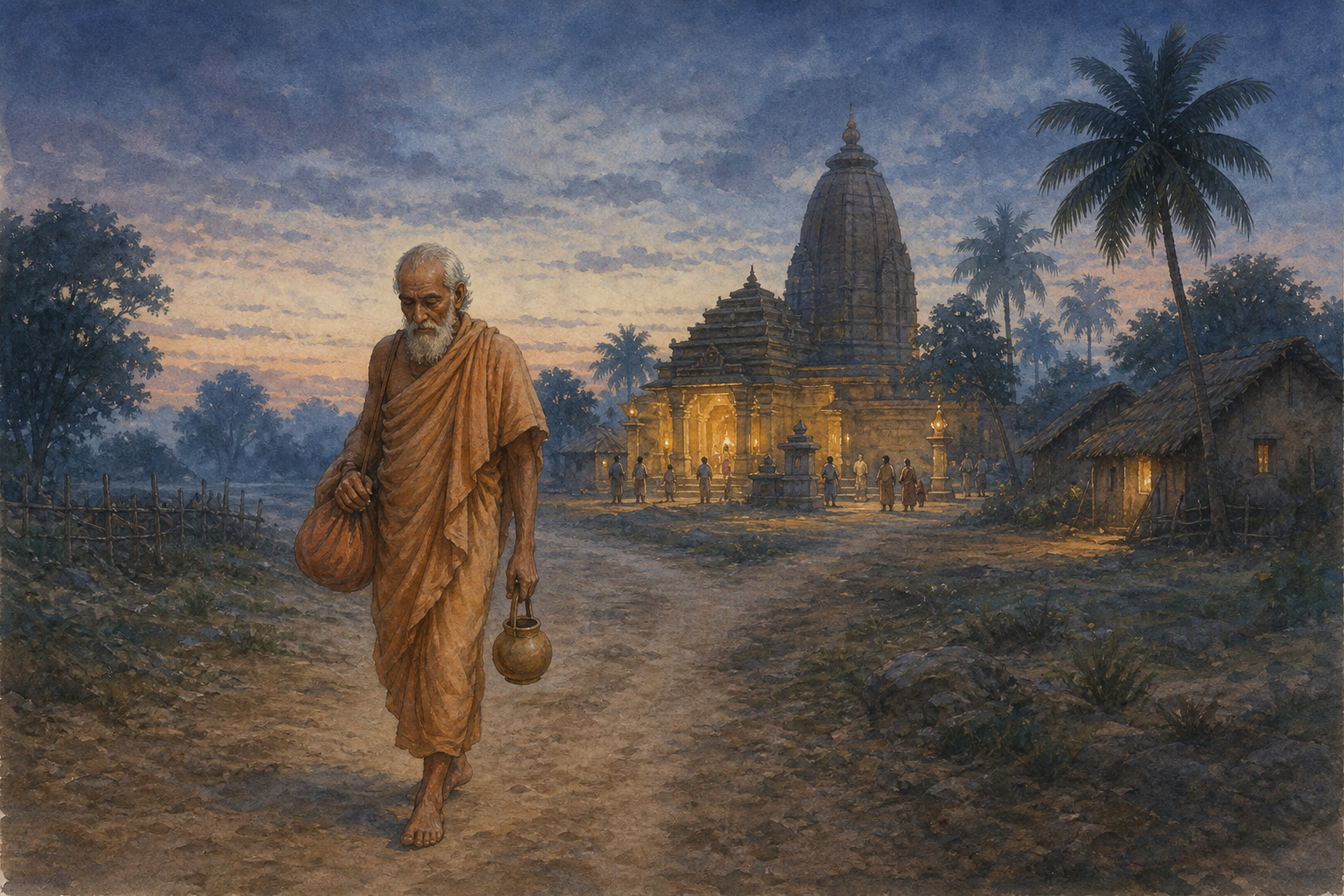
Gyaraspur in Madhya Pradesh unites Ekadashi devotion with a remarkable ensemble of Jain–Hindu temples, offering an exemplary study in sacred geography and cultural continuity. The village’s name is locally linked to gyaras (the eleventh lunar day), reflecting how fasting traditions shape communal identity. Architectural treasures—Maladevi Temple, Bajramath, and the Hindola Torana with Athkhamba—showcase Gurjara–Pratihara and…
-
Unraveling the Vetala: Haunting Myths, Staring Gaze, and Nightmares in Hindu Tradition

Vetala (Betal/Baital) stands in Hindu mythology as a liminal being that embodies the threshold between life and death, turning fear into a vehicle for ethical insight. Classic tales such as the Vetāla Pañcaviṃśati (Vikram and Betaal) reveal the vetala as a relentless examiner of judgment, not a mere frightful apparition. Its cremation-ground setting and unblinking…
-
Affection Without Weakness: Timeless Dharmic Wisdom for Compassionate, Courageous Living

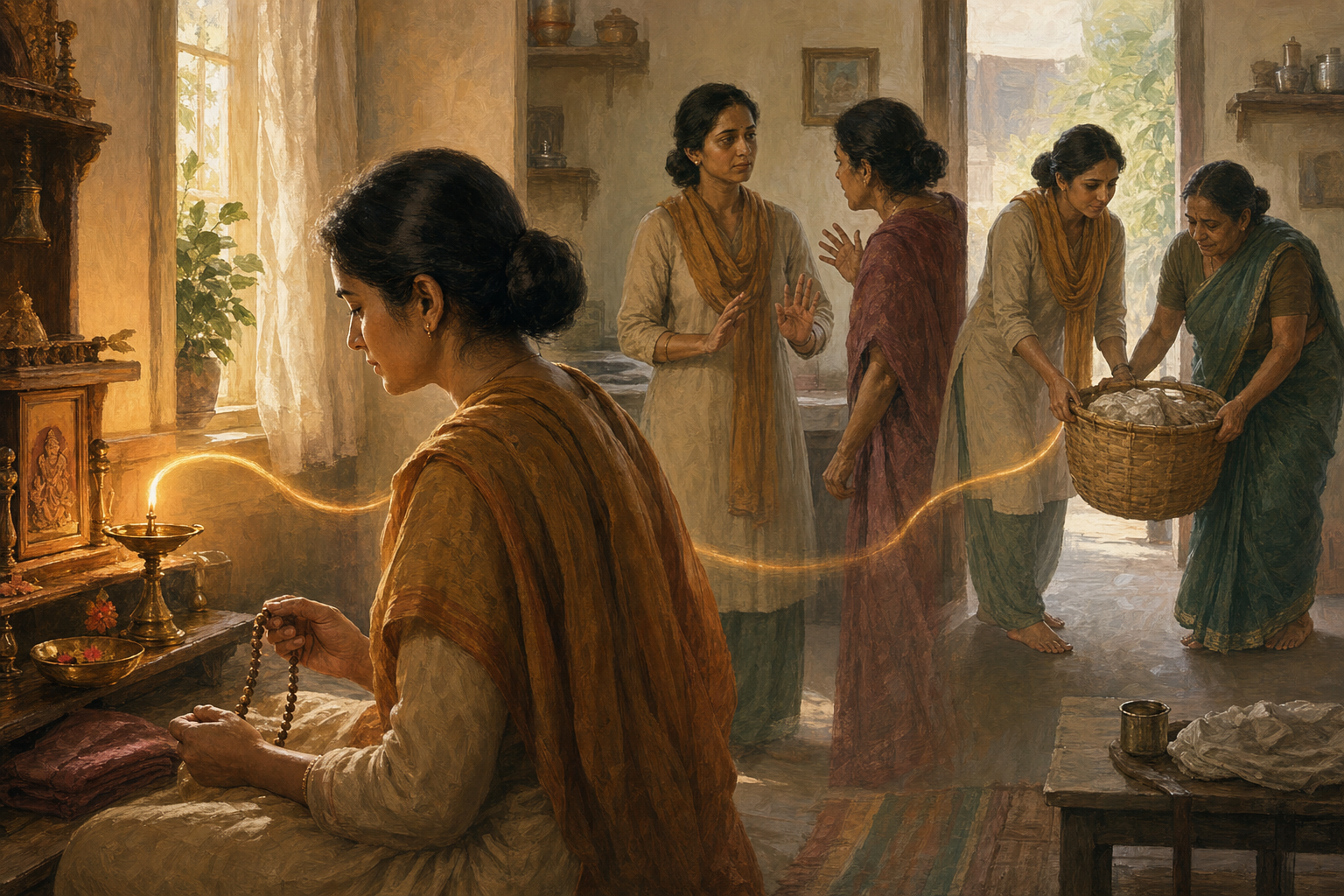
This article reframes affection as a resilient strength when aligned with discernment, boundaries, and ethical purpose across Hinduism, Buddhism, Jainism, and Sikhism. Drawing on the Bhagavad Gita, Vidura-niti, the Brahmavihāras, Anekāntavāda, and the Sikh Sant-Sipahi ideal, it shows how compassion matures with wisdom and becomes courage in action. Readers gain a practical decision process rooted…
-
March 9, 2026 Panchang: Accurate Tithi, Shubh Muhurat, Nakshatra & Rashi Guide

March 9, 2026 (Monday) in the Hindu Panchang begins with Krishna Paksha Sashti and transitions to Krishna Paksha Saptami at 10:03 PM IST. The post explains tithi astronomy, the sunrise-tithi rule for observances, and how Amanta and Purnimanta month naming differ while remaining astronomically consistent. It outlines how to identify Shubh Muhurat anchors such as…
-
Unity in Diversity: Harnessing Dharmic Pluralism for Deeper Spiritual Harmony and Growth

This analysis presents Unity in Diversity as a disciplined dharmic pluralism that elevates both personal practice and community life. Anchored in Srila Prabhupada’s insight that spiritual variety leads to agreement, it distinguishes unity from uniformity and diversity from fragmentation. It clarifies acintya-bheda-abheda and Ishta in Hinduism, integrating Swami Vivekananda’s views to show how devotion can…
-
The Silent Power of Association: Satsanga, Desire-Transfer, and Protecting the Bhakti-Latā

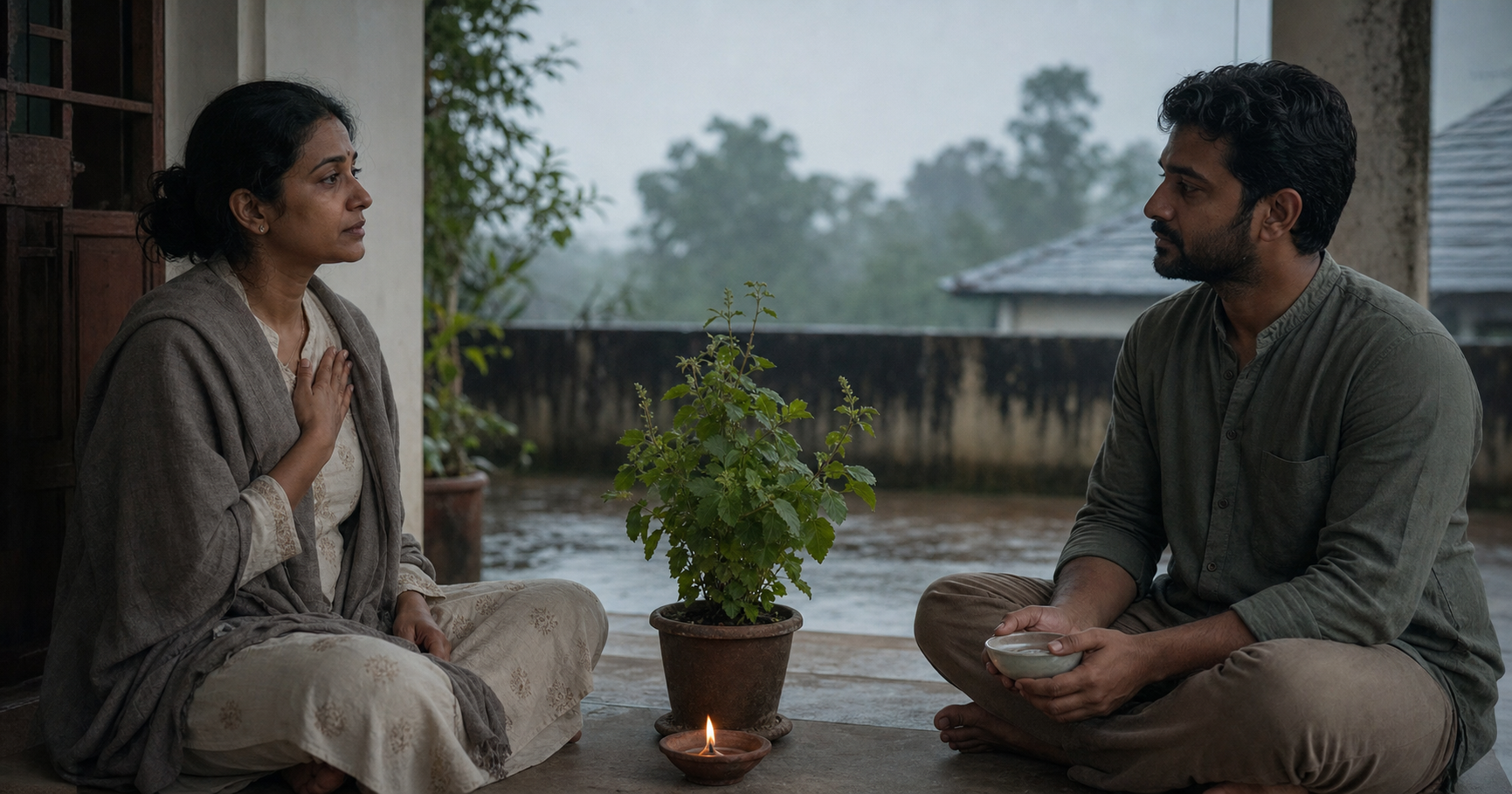
Association transfers desires, shapes attention, and quietly sets the course of spiritual life. Drawing on Bhagavad Gita psychology, cross-dharmic teachings on satsanga, kalyāṇa-mitra, sādhu-saṅga, and sangat, and contemporary findings on social contagion and habit science, this essay explains why company is causal, not incidental. It defines practical signatures of uplifting association and clarifies how to…
-
White and Yellow in Sharada (Saraswati) Iconography: Sattva, Basant, and Sacred Color Science

White and yellow in Sharada (Saraswati) iconography form a precise grammar for knowledge and renewal. White signals sattva—clarity, balance, and ethical steadiness—while yellow celebrates Basant’s warmth, community, and the public sharing of learning. Classical canons, from shilpa traditions to ritual practice, reinforce this dual message through the hamsa, the white lotus, the veena, and seasonally…
-
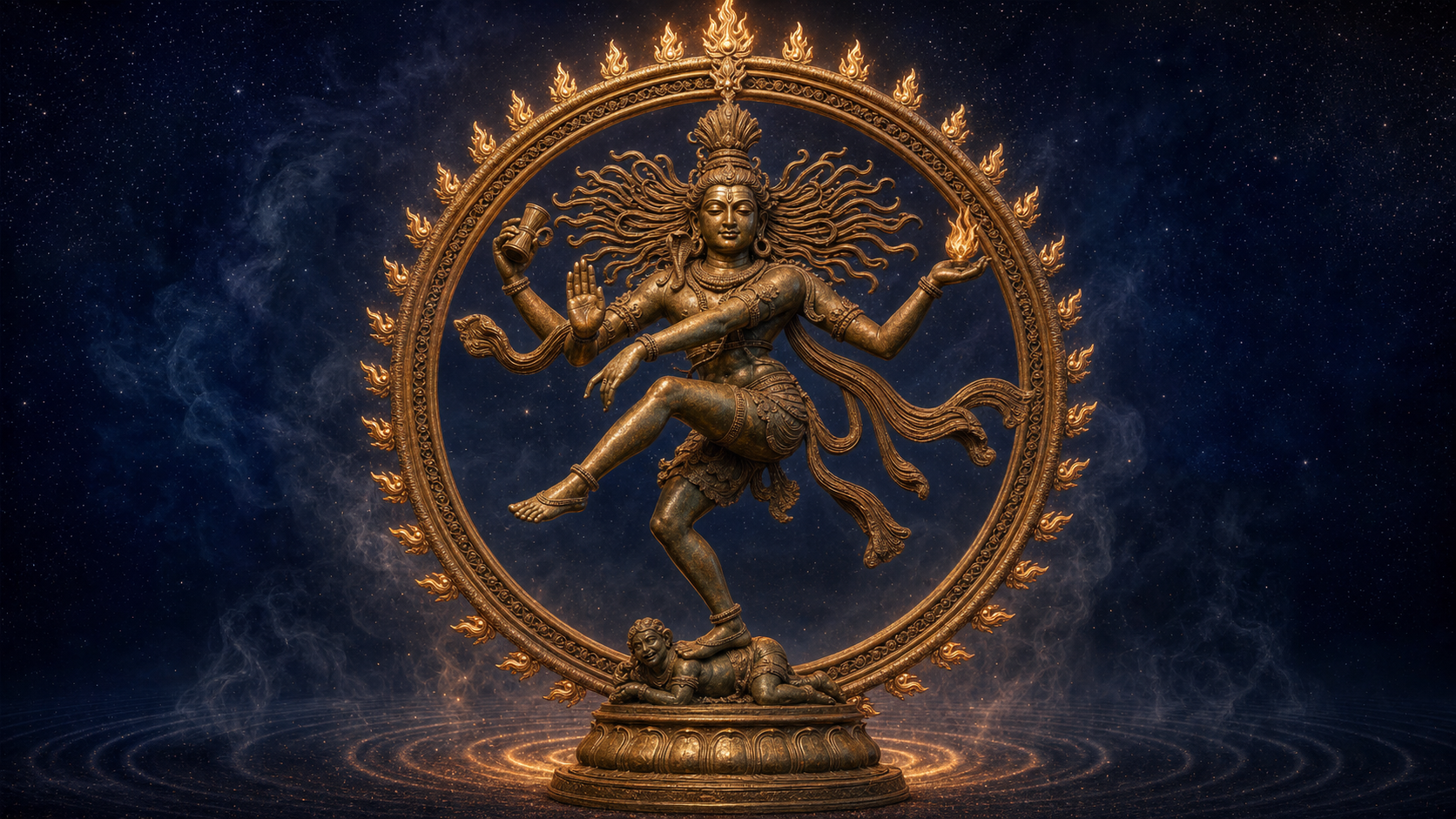
Yoga Dakshinamurti Unveiled: Two Sacred Postures, Agamic Iconography, and Inner Silence

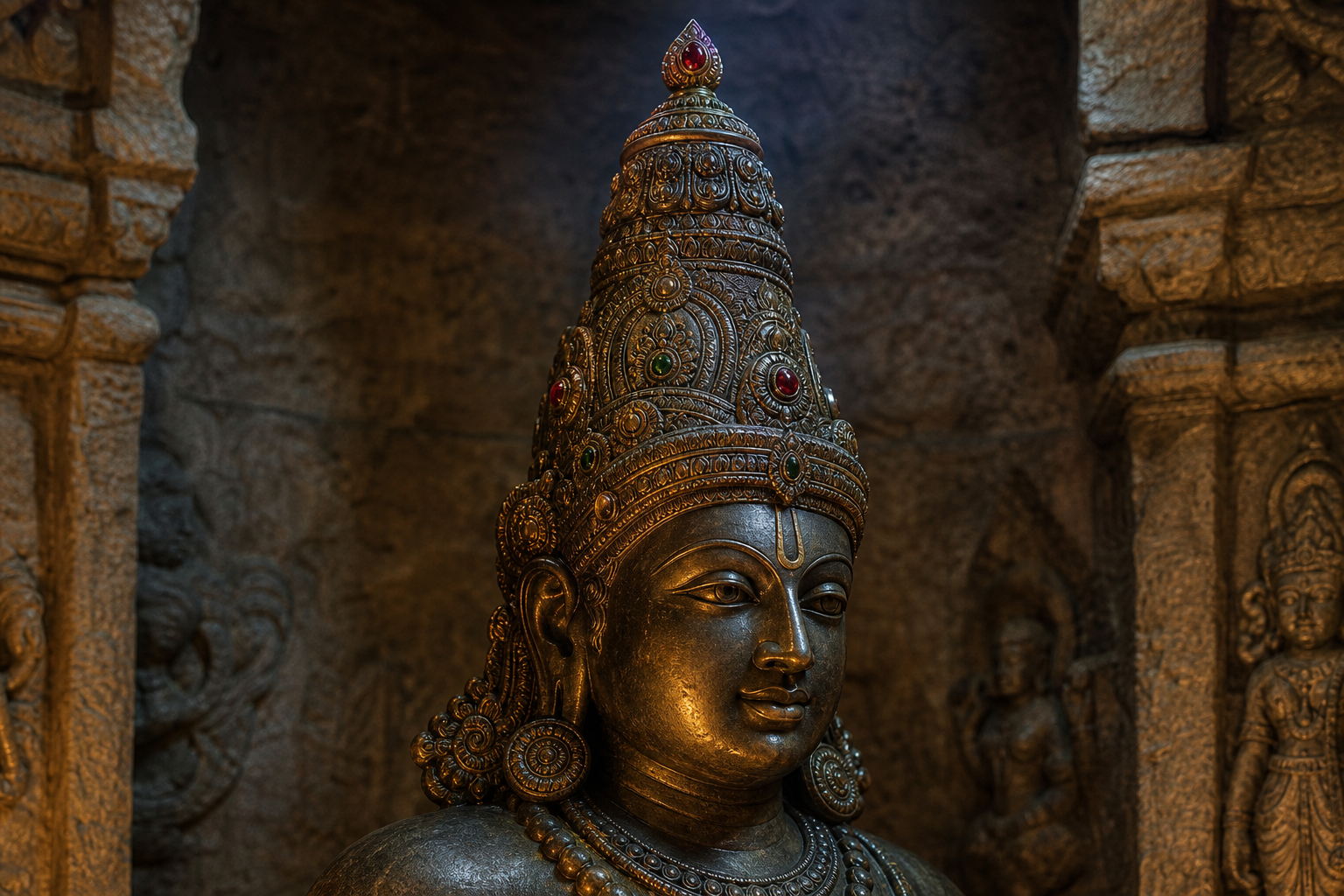
Dakshinamurti, Shiva’s south-facing form, embodies the Adi Guru whose silence instructs more deeply than speech. This long-form guide decodes two canonical idol forms of the Yoga Dakshinamurti—Dhyana-Padmasana and Virasana/Maharajalilasana—using Agamic and Shilpa Shastra principles. Readers learn practical cues to identify each form in temples, from asana and yogapatta to mudras, attributes, and the optional presence…
-
Goddess Shivani as Divine Shakti: Symbolism, Yogic Science, and Awakening Consciousness

Goddess Shivani is presented as a luminous expression of Devi Shakti, the Sacred Feminine that awakens divine consciousness in Hindu philosophy. The discussion clarifies Shivani’s identity as an epithet aligned with Parvati, explores Shiva–Shakti non-duality, and explains the five cosmic functions, the triad of shaktis, and their ethical implications. Yogic science is detailed through Kundalini,…
-
Apsaras and Oleander in Hindu Symbolism: Beauty, Peril, and the Dharma of Self‑Mastery

Apsaras carrying oleander (Karavīra) illuminate a core Hindu symbol where beauty both refines and tests. Drawn from Puranic literature and temple iconography, the motif highlights how allure becomes ethical instruction when guided by discernment, dispassion, and sustained practice. Oleander’s evergreen brilliance and toxicity sharpen the lesson: what delights can also endanger without inner alignment. Episodes…
-
March 2026 Sacred Pujas at Kanchi Kamakoti Peetham: Tithi Highlights, Rituals, Devotee Guide

March 2026 at Kanchi Kamakoti Peetham in Kanchipuram spans Falgun Maas – Chaitra Maas (North), Phalguna Masam – Chaitra Masam (Telugu, Kannada, Marathi, Gujarati), Falgun Mash – Chaitra Mash (Bengali), and Tamil Masi – Panguni. The month’s rhythm is set by tithi—Ekadashi, Pradosham, Purnima, Amavasya, and Sankashti—rather than fixed solar dates, so devotees should consult…
-
Satsang, Sangat, and Kalyāṇa-Mitra: Supercharge Spiritual Growth with True Friendship

Friendship is a structural requirement of spiritual growth across Hinduism, Buddhism, Jainism, and Sikhism. This essay defines spiritual friendship through the lenses of satsanga, kalyāṇa-mitra, satsaṅga, and Sadh Sangat, and explains mechanisms—behavioral, cognitive, affective, and ethical—by which good company reshapes inner life. It offers practical criteria for discerning true friends, highlights red flags that undermine…
-
March 8, 2026 Panchang: Krishna Paksha Panchami→Sashti, Shubh Muhurat, Nakshatra & Rashi

Sunday, March 8, 2026 features Krishna Paksha Panchami until 8:07 PM (in most regions), after which the tithi shifts to Krishna Paksha Sashti. The waning fortnight supports reflection, steady effort, and organized study, making it a practical day for planning, japa, and quiet sādhanā. This guide explains how to apply Shubh Muhurat principles, use daily…
-
WSN January 2026: Global Sankirtan Milestones, Top Temple Rankings, and Dharmic Unity

The January 2026 World Sankirtan Newsletter documents nearly 300,000 literatures distributed worldwide, signaling strong global momentum in bhakti outreach. Large temples led by Mayapur, Los Angeles, and Melbourne, along with top performers across medium, small, and maha-small categories, illustrate how location, training, and planning intersect to produce impact. Readers gain a clear understanding of how…
-
Decoding Dakini and Yogini beside Kali: Mirrors of Death, Desire, and Liberation in Kali Puja

Dakini and Yogini beside the idol of Goddess Kali in Kali Puja are not ornamental figures but precise teachings encoded in form. Drawing on Shakta Tantras and material evidence from 64 Yogini temples, the essay decodes how these attendants map fear, desire, and liberation onto ritual and psychology. The cremation ground, skull-bowls, and choppers symbolize…
-
Celebrate Birthdays by Tithi for Profound Spiritual Well‑Being: A Scholarly, Practical Guide

Observing birthdays by janma tithi, rather than the civil date, aligns personal milestones with the Hindu calendar’s exact Sun–Moon geometry. This lunar approach—affirmed by Sadguru Dr Charudatta Pingale (HJS)—anchors the day in Vedic timekeeping and fosters spiritual well‑being. Practical guidelines clarify how to identify the janma tithi, handle kshaya/vriddhi tithis, and balance janma tithi with…
-
Mukunda Datta Prabhu (ACBSP) and CC Antya-līlā: Transformative Devotion at Jagannātha Purī

This article explores CC Antya-līlā’s opening chapter—summarized by Śrīla Bhaktivinoda Ṭhākura in Amṛta-pravāha-bhāṣya—where Śrī Caitanya Mahāprabhu’s return to Jagannātha Purī inspires waves of devotion across Puruṣottama-kṣetra. It recounts the celebrated “Śivānanda Sena dog story” and explains its theological core in acintya-bhedābheda, where divine compassion reaches every living being. The narrative is situated historically in sixteenth-century…
-
Pancha Tattva Unveiled: Radiant Mercy of Lord Nityananda before Gaura Purnima 2026

This study series introduces Pancha Tattva as a precise, fivefold revelation of the Absolute that powers the Gaudiya Vaishnava sankirtana movement. The opening focus on Lord Nityananda explains His identity with Balaram and His earlier manifestation as Lakshman, situating Him as guru-tattva and the wellspring of compassion. Drawing on Chaitanya Charitamrita and allied scriptures, the…
-
Devotional Leadership as Service: Cultivating Unity, Harmony, and Joy in Community

A recent talk in Stanmore, UK by HH SB Keshava Swami highlighted a rigorous principle of spiritual leadership: authority exists to serve, uplift, and empower. This analysis explains how seva reframes leadership in devotional communities, making success measurable through growth, happiness, and progress toward Krishna. It outlines competencies leaders need—deep listening, clarity of purpose, organizational…