-
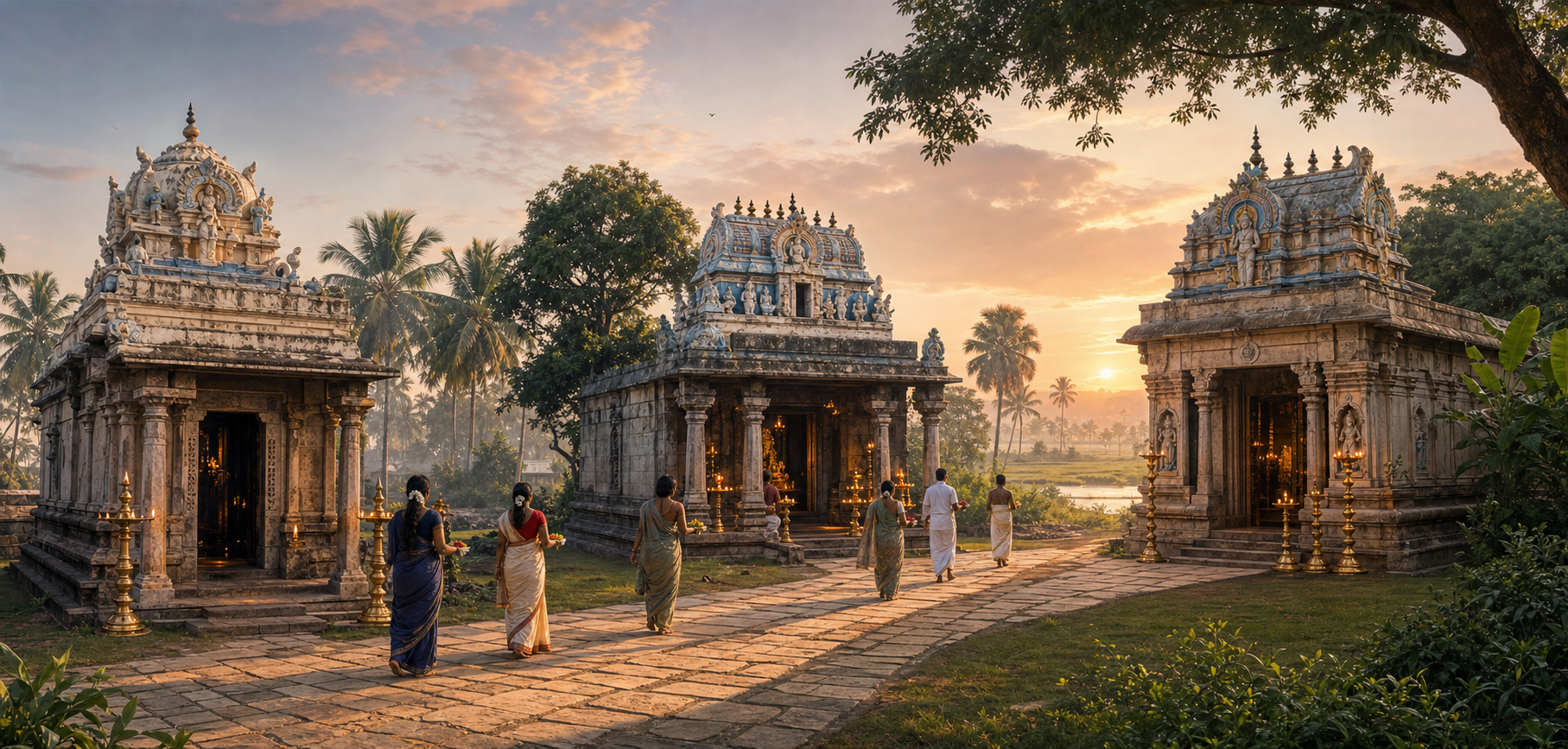
Discover Tripurantakam’s Sri Bala Tripurasundari Temple: Timeless Serenity near Srisailam

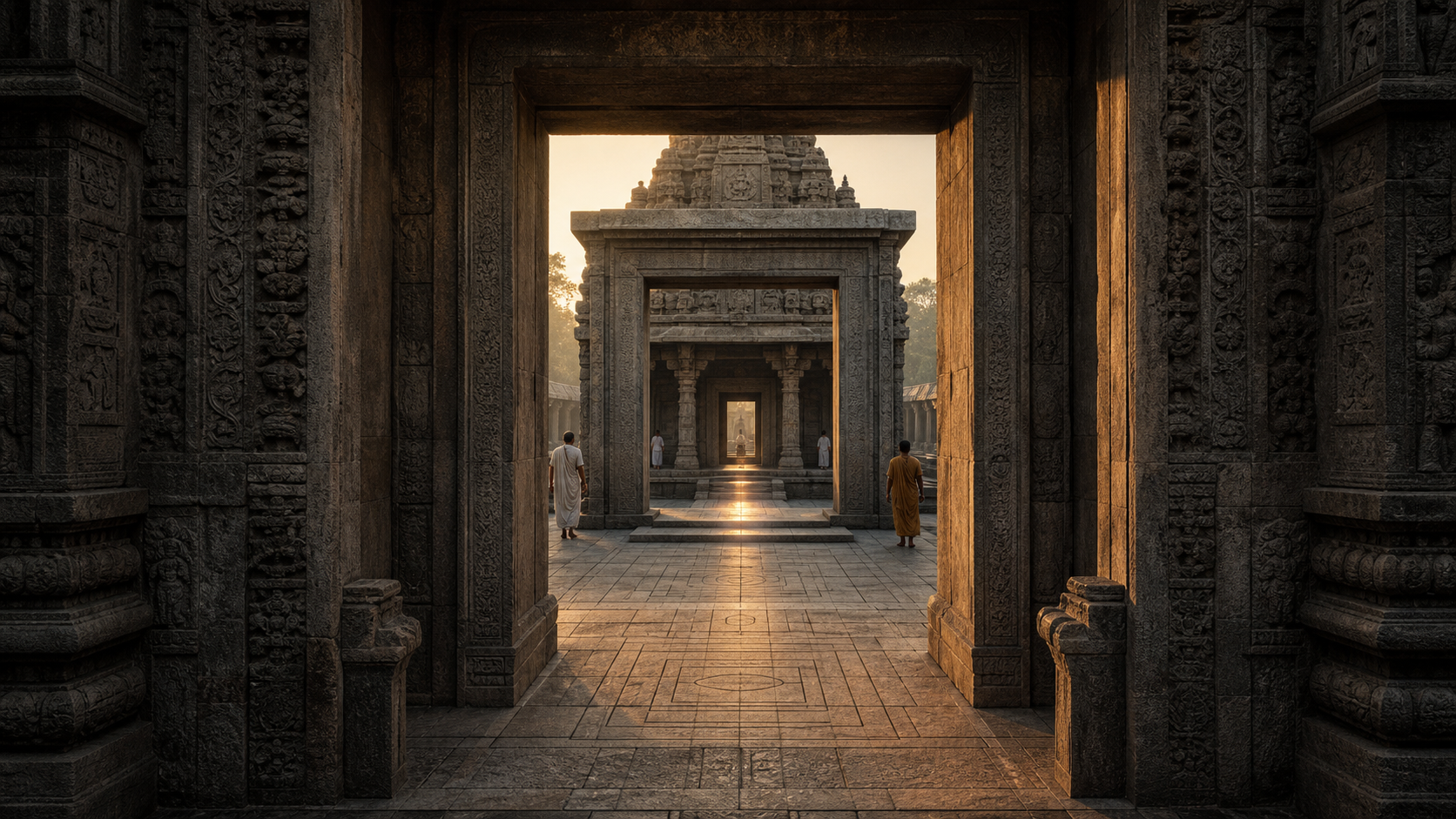
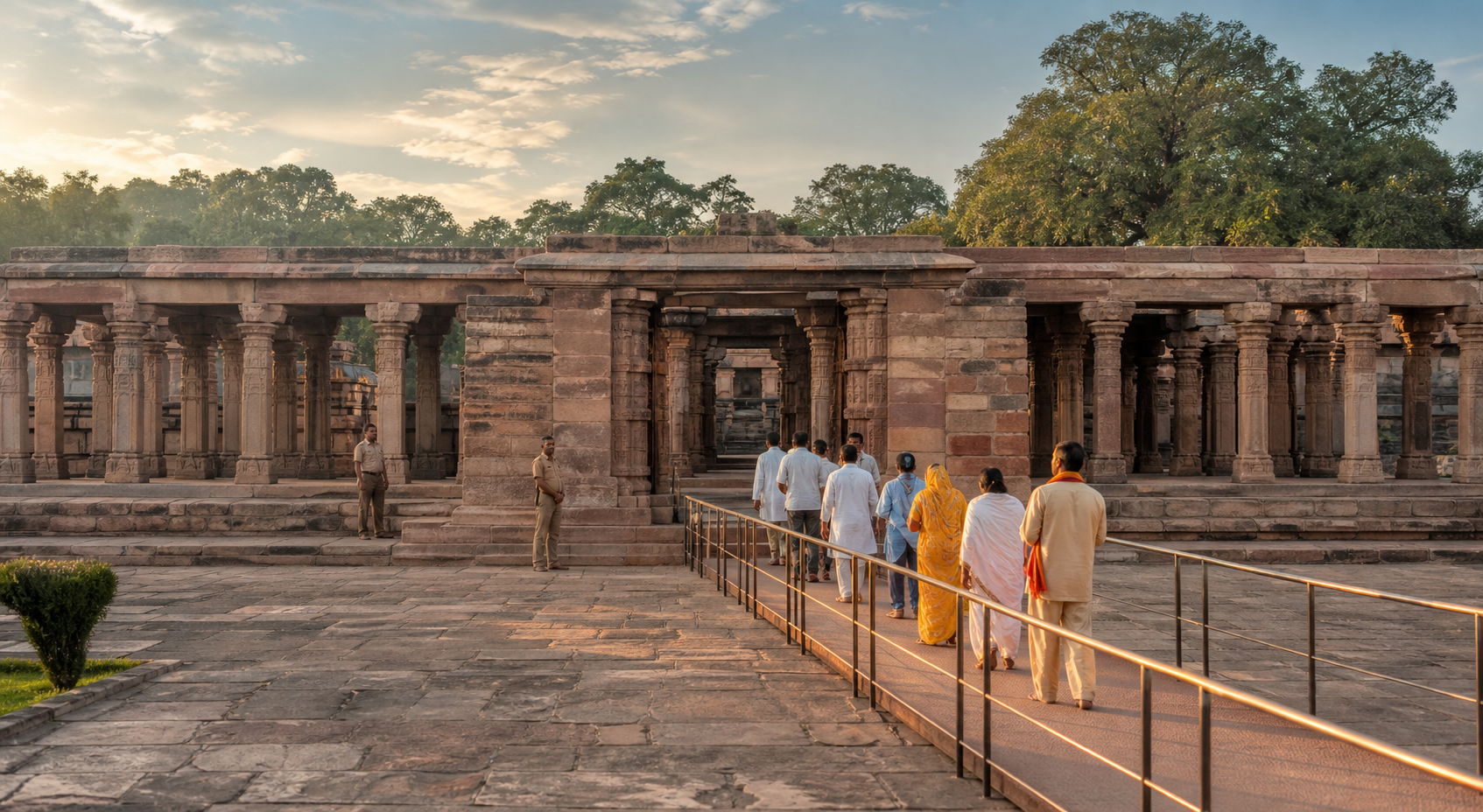
Located in Tripurantakam, Prakasam district, the SRI BALA TRIPURA SUNDARI AMMAVARI SAMEDHA SRI BALA SIVAN TEMPLE lies about 100 kilometres from the sacred Srisailam Temple. The shrine is revered for a devotional atmosphere often compared to Srisailam’s sanctity. Visitors find unhurried reflection through mantra, darshan, and simple yet purposeful temple design. Ritual life centers on…
-
Bhikshatanamurti: Shiva as the Supreme Mendicant—Symbolism, Stories, and Dharmic Unity

Bhikshatanamurti, the Supreme Mendicant form of Lord Shiva, embodies humility, compassion, and aparigraha while elevating giving into a sacred exchange. This academic overview clarifies the meaning of “mendicant” beyond mere begging and explores how Shaivism frames detachment as inner freedom. It surveys key narratives and iconography—such as the kapala bowl and staff—so readers can interpret…
-
Mannarasala Nagaraja: Parashurama’s Penance and the Serpent King Who Made Kerala Bloom

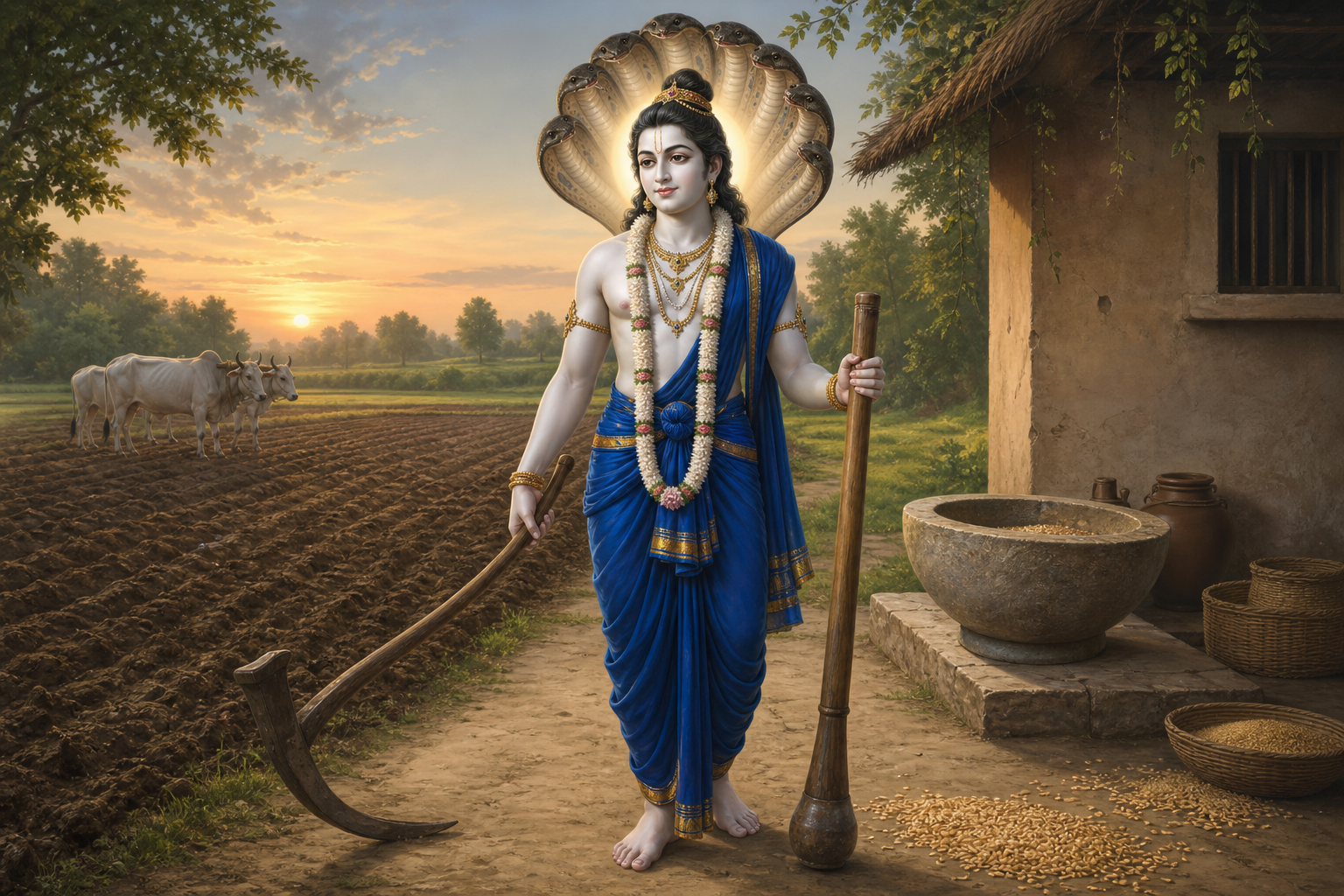
Mannarasala Nagaraja Temple in Kerala is revered as the sacred grove where Parashurama’s penance and the serpent king’s grace transformed reclaimed coast into fertile land. Rooted in Treta Yuga tradition, the shrine venerates Sree Nagaraja and Sarpayakshi amid thousands of serpent stones. The Ayilyam festival in Kanni draws devotees seeking blessings for fertility, health, and…
-
Vishwakarma’s Timeless Creations: How the Celestial Architect Shaped Hindu Cosmos and Culture

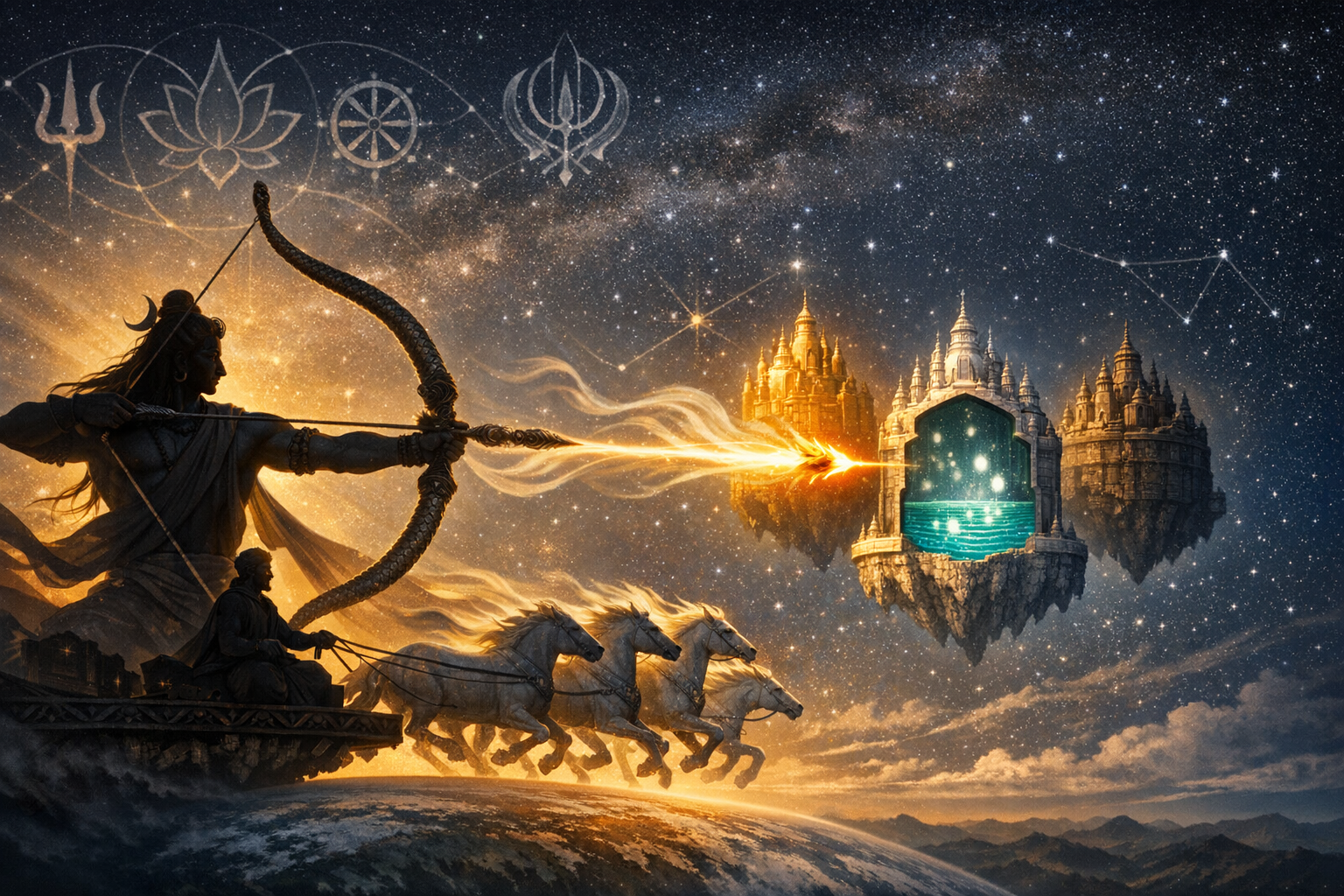
Vishwakarma emerges in Hindu scriptures as the celestial architect (Devashilpi) who shapes sacred cities, divine weapons, and ritual spaces that uphold cosmic order. Drawing on Rigvedic and Puranic traditions, the narrative highlights creations such as Amaravati, the Vajra, Lanka, Dwaraka, and the Pushpaka Vimana. It explains how sacred craftsmanship becomes sadhana—ethical work aligned with dharma—and…
-
GAAVANI Historic India Tour: Navpreet Kaur’s Reflections on Dharmic Unity and Living Heritage

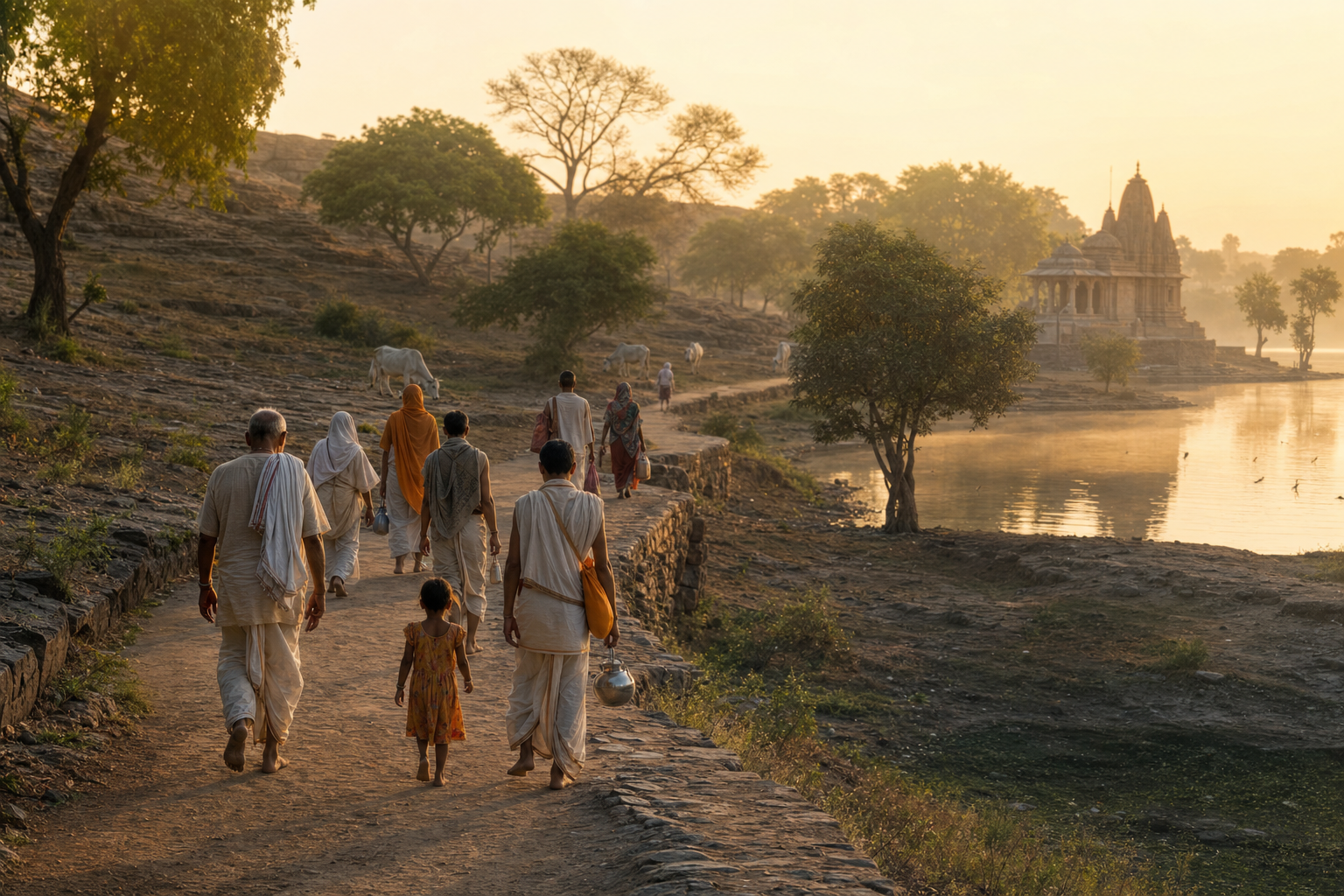
The GAAVANI Historic India Tour, shared by Navpreet Kaur with SikhNet, offers a clear, reflective view of India’s sacred geography and living heritage. It highlights convergences across Hinduism, Buddhism, Jainism, and Sikhism through shared ethics like seva, ahimsa, and karuṇā. Readers gain practical insights into ethical pilgrimage, heritage stewardship, and interfaith dialogue. The narrative shows…
-
Sanctified Origins in Puri: Discover the Birthplace Temple of Srila Bhaktisiddhanta Sarasvati Thakura

This account highlights the birthplace temple of Srila Bhaktisiddhanta Sarasvati Thakura in Puri, now thoughtfully maintained by the Gaudiya Matha. Readers learn how the murti is worshipped at the exact site of his appearance, reinforcing a tangible link to Gaudiya Vaishnava heritage. A documented fragrance of candana during construction is noted as a cherished sign…
-
Tungnath, World’s Highest Shiva Temple: Awe, Panch Kedar Legend, and Himalayan Serenity

Tungnath Temple stands in the Garhwal Himalaya of Uttarakhand as the world’s highest Shiva temple and a key shrine in the Panch Kedar circuit. Rooted in the Mahabharata-era legend of the Pandavas and Shiva, it commemorates the site where Shiva’s arms are venerated. Approached via a contemplative trek from Chopta, the temple offers sweeping Himalayan…
-
Draksharamam Bhimeshwara Temple: Pancharama grandeur, Shakti Peetha grace in Andhra Pradesh

Draksharamam Sri Bhimeshwara Swamy Temple is a foremost Pancharama Shiva Kshetra in East Godavari, Andhra Pradesh, accessible from Kakinada, Rajahmundry, and Amalapuram. Tradition links the site to Daksha Prajapathi, while inscriptions and style point to Eastern Chalukya patronage and later enhancements. A two-tiered sanctum with a towering Shiva Linga and robust Dravidian features showcases exceptional…
-
Thirumana Kandam Explained: The Sita Kalyanam Chapter Shaping Living Ramayana Devotion

Thirumana Kandam is a devotional, standalone presentation of Sita Kalyanam that does not exist as a separate kanda in the Sri Valmiki Ramayana but highlights the wedding narrative found in Bala Kanda. Traditional accounts place its composition with a Sanskrit scholar about a century ago as a gesture of gratitude to Prabhu Sri Rama. The…
-
Bilva Patra, Rudraksha, and Vibhuti: Timeless Shaiva Symbols that Heal, Protect, and Inspire

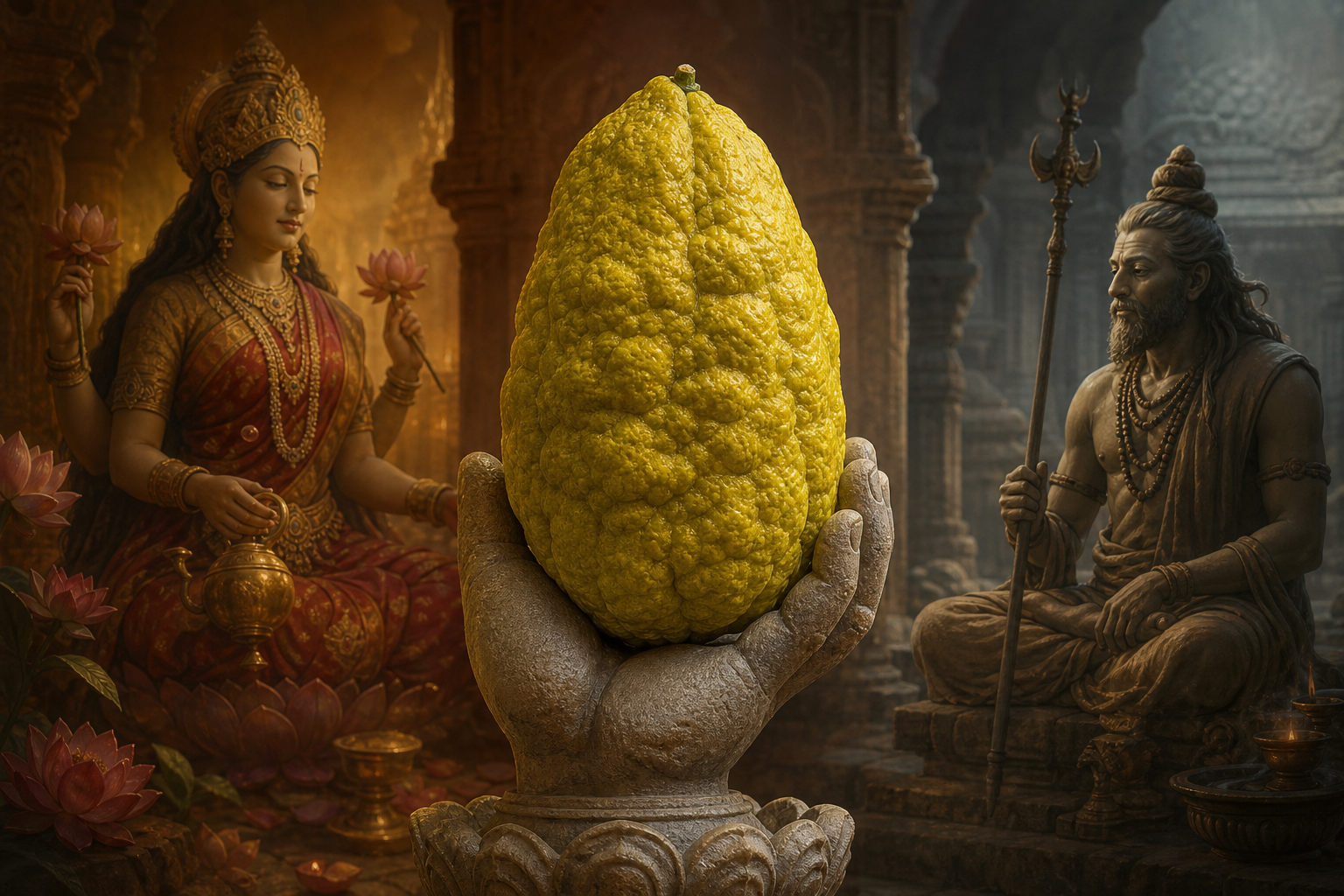
Lord Shiva’s living tradition honors three sacred emblems—Bilva Patra, Rudraksha, and Vibhuti—that guide daily devotion and contemplative practice. Bilva Patra symbolizes purity and ecological reverence, encouraging mindful offerings and sustainable gathering. Rudraksha beads support concentration in japa and meditation, linking ethical steadiness with authentic sourcing and care. Vibhuti’s tripundra reminds practitioners of impermanence and inner…
-
When One Verse Moved a Sage to Tears: Rallapalli A. Sarma and Annamacharya’s Revival

This essay examines the life and legacy of Ganakalasindhu Sri Rallapalli Anantakrishna Sarma, focusing on his seminal role in reviving Tallapaka Annamacharya’s Kritis for TTD and his formation within the Guru-Shishya Relationship at Parkala Matha. It recounts a moving episode in which a single Ramayana verse moved his Guru, Sri Krishnabrahmatantra Yatindra, to tears—an emblem…
-
Mamankam Reborn on Kerala’s Nila: A Dharmic Kumbh Uniting Faith, Peace, and Prosperity

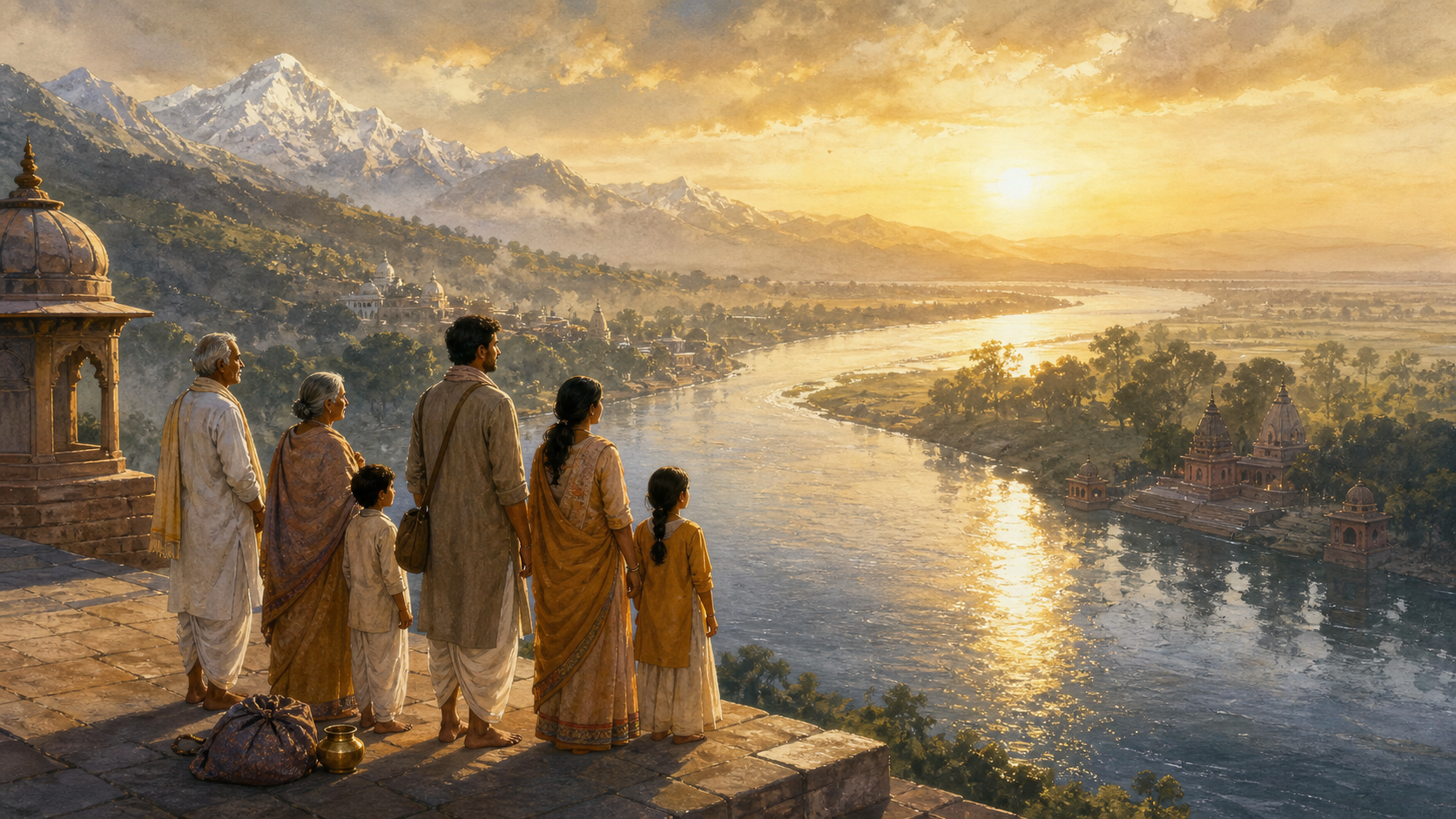
Mamankam’s revival on the Bharathapuzha (Nila) functions as Kerala’s own Kumbh-like gathering, renewing a historic festival through inclusive, dharmic values. The event reframes heritage as a living practice—prioritizing peace, prosperity, and unity across Hinduism, Buddhism, Jainism, and Sikhism. Readers gain clear historical context, a sense of the festival’s rituals and symbolism, and insight into how…
-
Youthful Vishwakarma in Bengal: Inspiring Work, Creation, and Determination Today

Vishwakarma, the eternal architect in Hindu tradition, appears in Bengal with a youthful radiance that symbolizes energy, aspiration, and innovation alongside timeless wisdom. This icon resonates powerfully during Vishwakarma Puja, when workshops and factories become spaces of devotion and precision. The emphasis on vitality complements Bengal’s heritage—terracotta temples, rivercraft, and textiles—while aligning with Shilpa Shastra…
-
U.S. to Repatriate Three Stolen Hindu Deities: A Powerful Win for Tamil Nadu’s Heritage
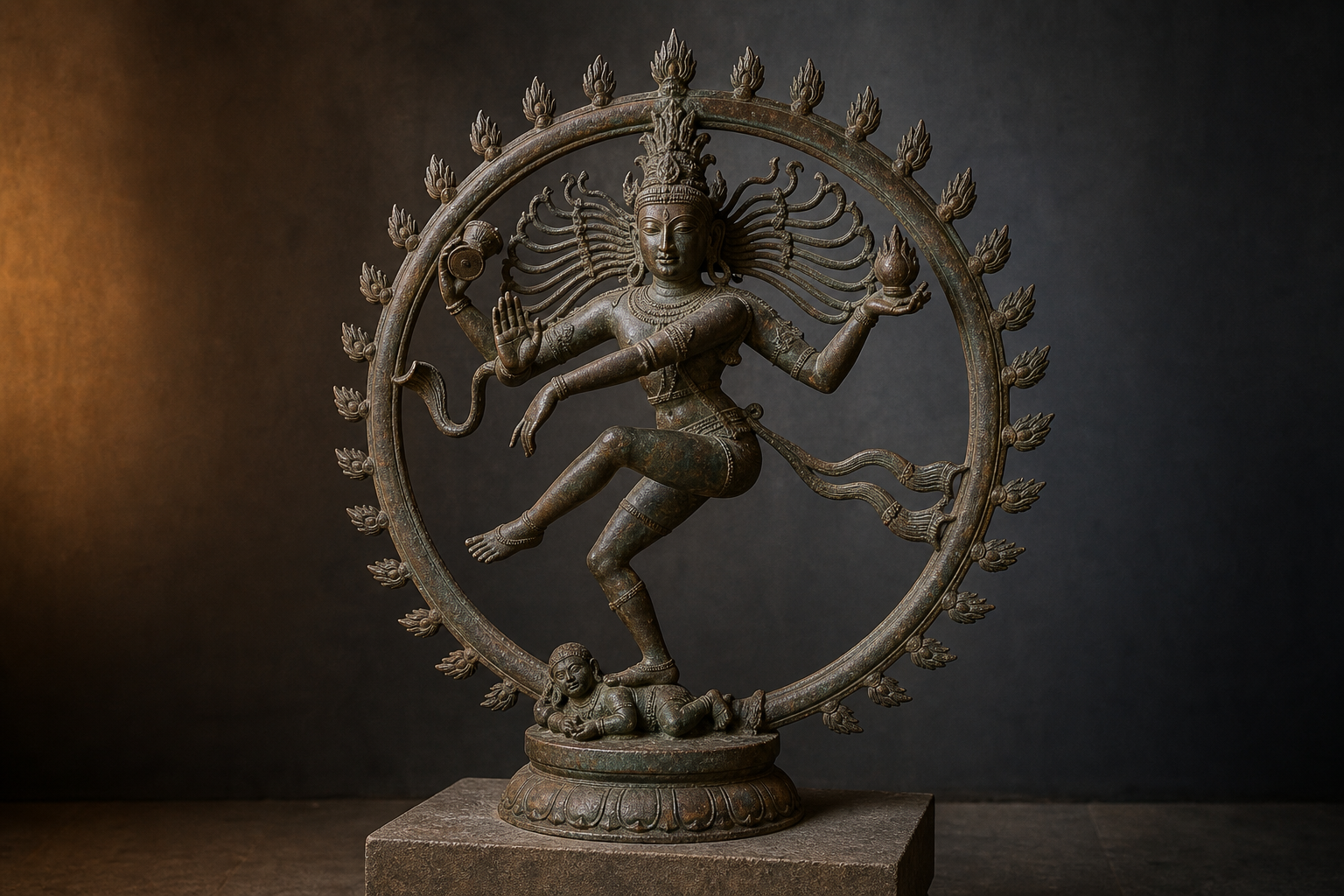
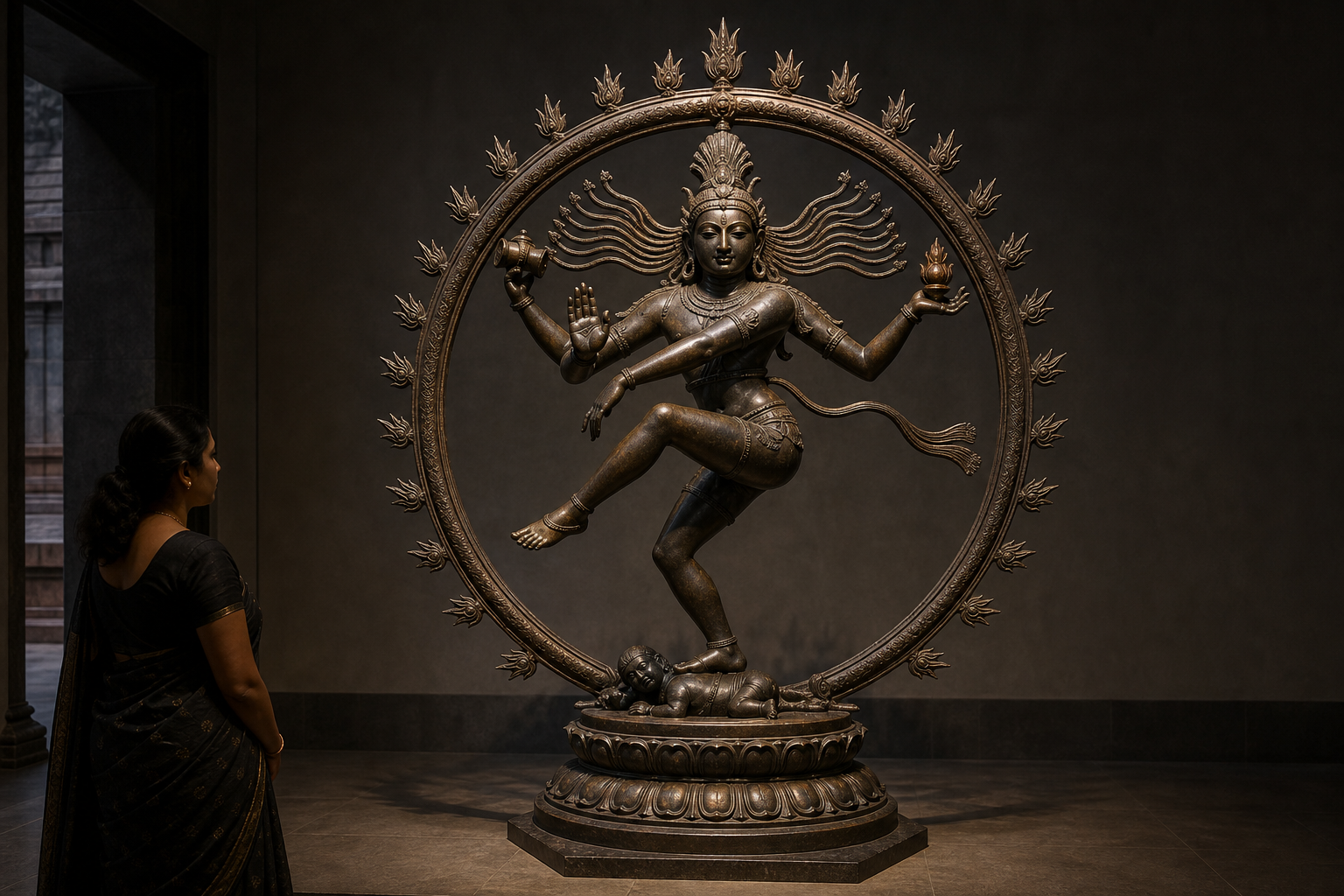
The United States will repatriate three sacred bronze Hindu deities stolen from Tamil Nadu temples in the 1950s, following provenance research by the Smithsonian’s National Museum of Asian Art. The returned works include a 10th-century Chola-period Shiva Nataraja, a 12th-century Somaskanda, and a 16th-century Saint Sundarar with Paravai. The Nataraja will remain in Washington, D.C.,…
-
Kiratpur Sahib: Sacred Seat of Sikh Gurus before Anandpur Sahib and a Living Dharmic Legacy

Kiratpur Sahib served as the principal seat of Sikh Gurus before the rise of Sri Anandpur Sahib, shaping a decisive era in Sikh history. Located along the Sutlej at the Shivalik foothills, it fostered spiritual authority and community resilience under Guru Hargobind and Guru Har Rai. The town’s association with Guru Harkrishan underscores its role…
-
Mahāvīra Earthen Pot in Pravargya: Sacred Fire, Sun Symbolism, and Vedic Precision

The Mahāvīra earthen pot is the central vessel of the Pravargya rite, an ancillary but potent phase of the Soma sacrifice in the Vedic tradition. Heated to an intense glow, it boils fresh milk that becomes the gharmá offering, energizing the entire yajña. Prepared by the adhvaryu according to the Śrauta Sūtras, the vessel’s design,…
-
Illegal Encroachments at Panhala Fort Expose Stark Lapses in Heritage Protection
A formal memorandum has urged the district administration to remove illegal encroachments at the UNESCO-listed Panhala Fort, highlighting serious enforcement lapses at a protected heritage site. The post explains why this matters, connecting legal safeguards to the shared cultural values of Hinduism, Buddhism, Jainism, and Sikhism. It outlines specific, time-bound steps—survey, demarcation, lawful removal, and…
-
Behula and Lakhindar in Manasamangal: Love’s Triumph and the Origin of Manasa Devi Puja

The saga of Behula and Lakhindar in Manasamangal presents a timeless Bengali epic that explains the origin of Manasa Devi Puja while celebrating love, devotion, and reconciliation. Set in medieval Bengali literature, it explores how local goddess worship found recognition through communal dialogue and spiritual accommodation. Behula’s river voyage for her husband’s life elevates female…
-
Chakrapani Temple, Kumbakonam: A Stirring Encounter with Vishnu’s Sudarshana Chakra

Chakrapani Temple in Kumbakonam is a distinguished shrine where Lord Vishnu is worshipped through the Sudarsana Chakra, symbolizing protection and moral clarity. Located near Kumbakonam Railway Station, it is among the town’s most accessible and respected temples. Visitors often note a calm, reflective ambience suited to puja and darshan, especially during quieter morning and evening…