
-
Unity in Diversity: Harmonizing Distinct Personalities in Dharmic Service and Devotion

This article presents an academic yet accessible exploration of unity in diversity across Dharmic traditions. It clarifies Srila Prabhupada’s insight”Variety is the mother of enjoyment”and shows how distinct talents become seva that strengthens cohesion. Drawing on Srila Rupa Goswami’s Bhaktirasamrita- sindhu, it highlights Krishna’s identities as dhirodatta and dhiralalita to validate diverse human temperaments in…
-
Sita’s Agni Pravesha and Exile: Understanding Sri Rama’s Dharma, Duty, and Moral Dilemma
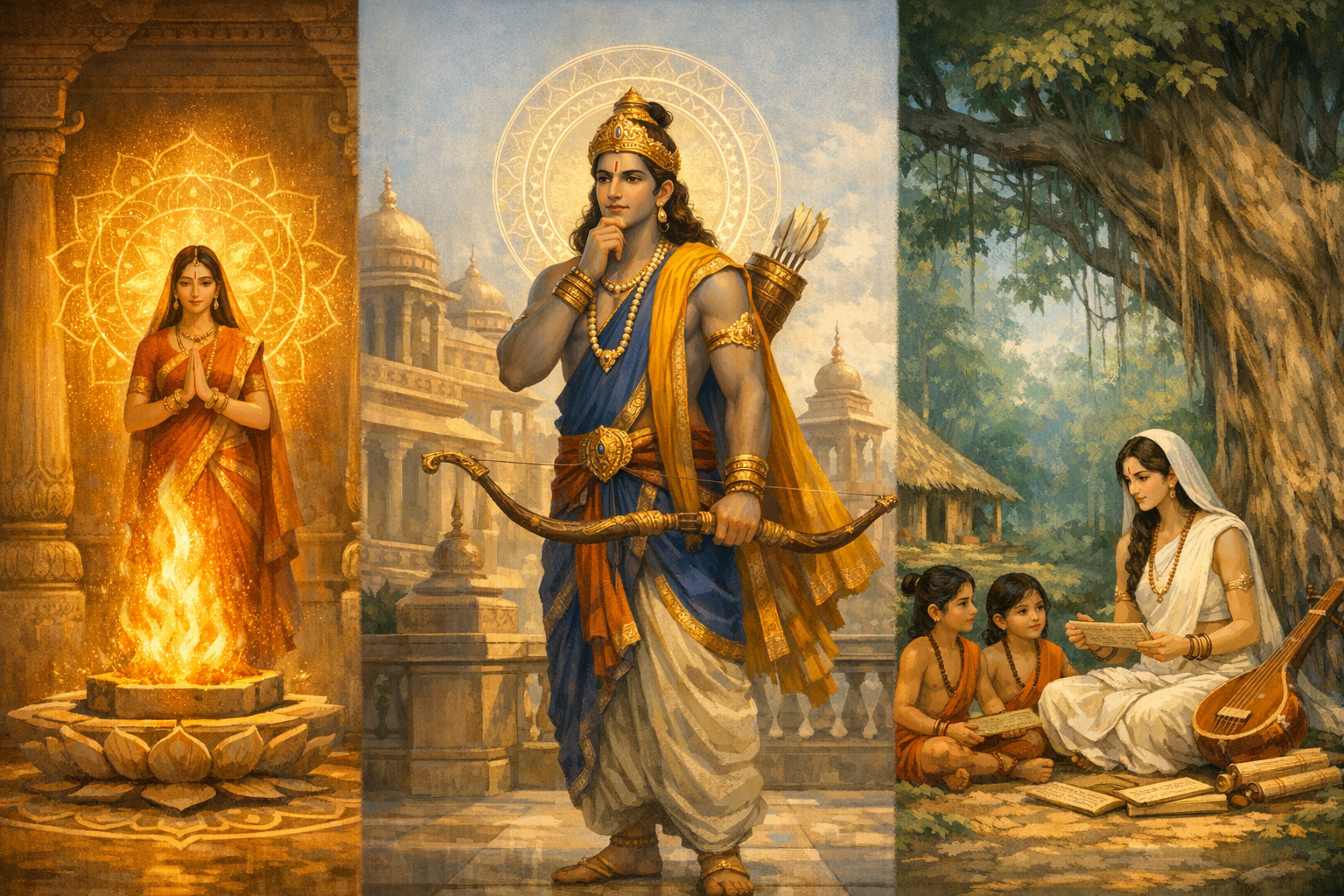
This in-depth analysis clarifies why Sri Rama sent Devi Sita to exile despite knowing her purity by separating two often-confused episodes: Sita’s Agni Pravesha in the Yuddha Kanda and her later exile in the Uttara Kanda. It explains Agni Pravesha as a theological attestation within Vedic ritual logic and highlights puranic teachings (such as the…
-
Matangi Jayanti 2026: Unlock Vak-Siddhi and Prosperity on Akshaya Tritiya (April 19)
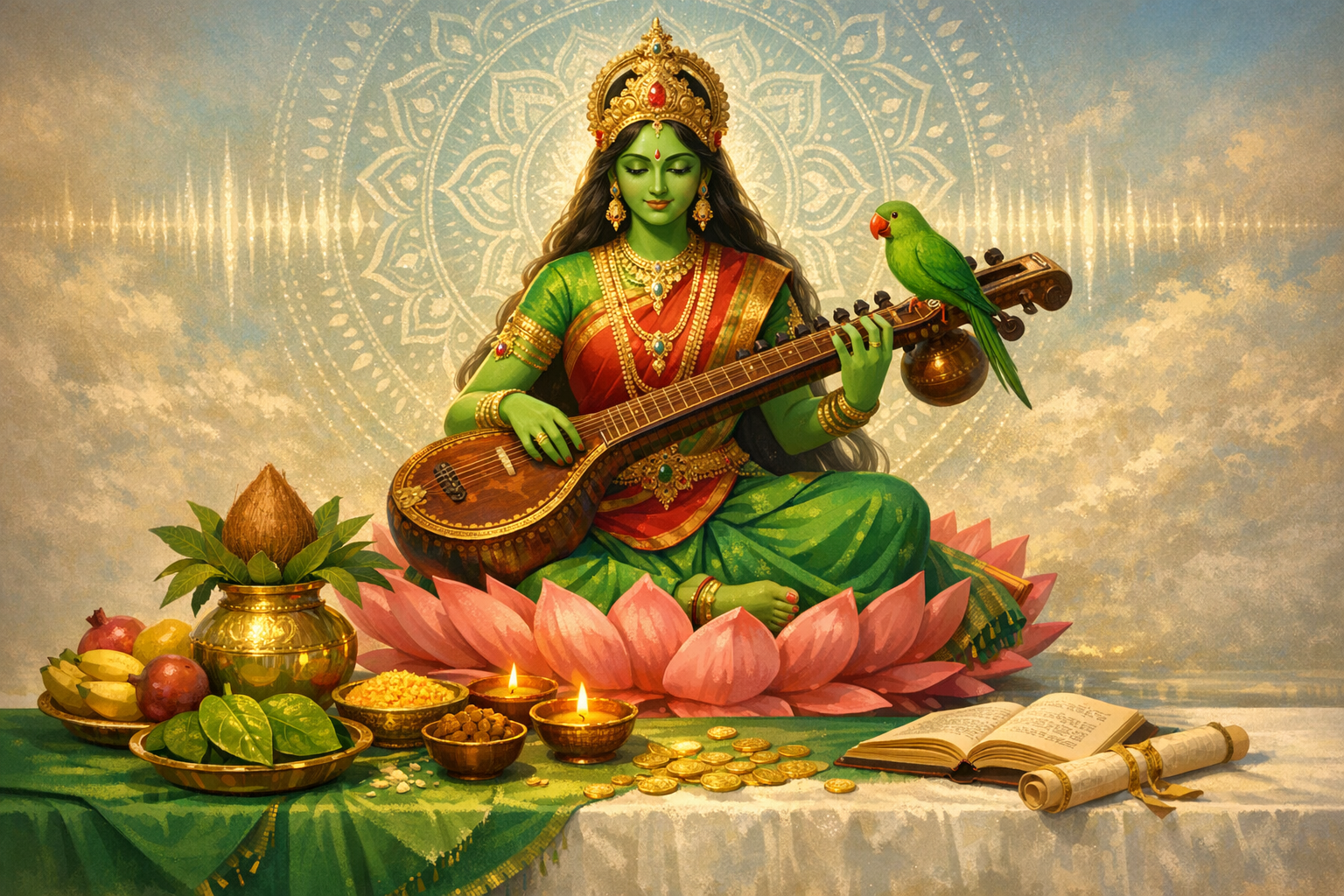
Matangi Jayanti 2026 falls on April 19, coinciding with Vaishakh Shukla Tritiya and Akshaya Tritiya, creating a highly auspicious window for worship. As Tantrik Saraswati, Matangi blesses devotees with vak-siddhi, cultured expression, and prosperity grounded in ethical values. The day is ideal for home puja, sattvic offerings, and mantra-japa aligned with one’s tradition and local…
-
Akshaya Tritiya: Sacred Charity, Timeless Seva, and Dharmic Unity Across Traditions

Akshaya TritiyaVaishakha Shukla Tritiyacelebrates inexhaustible merit through charity, seva, and study across the Dharmic traditions of Hinduism, Buddhism, Jainism, and Sikhism. This guide explains the festival’s astronomical timing, its standing as a Sade-Teen Muhurat, and its plural mythic associations, including Parashurama Jayanti and the Mahabharata’s transcription. Readers gain a practical ritual grammar and a dana-first…
-
Bahubandha Unveiled: How the Sacred Tied Armlet Embodies Power in Hindu Temple Sculpture
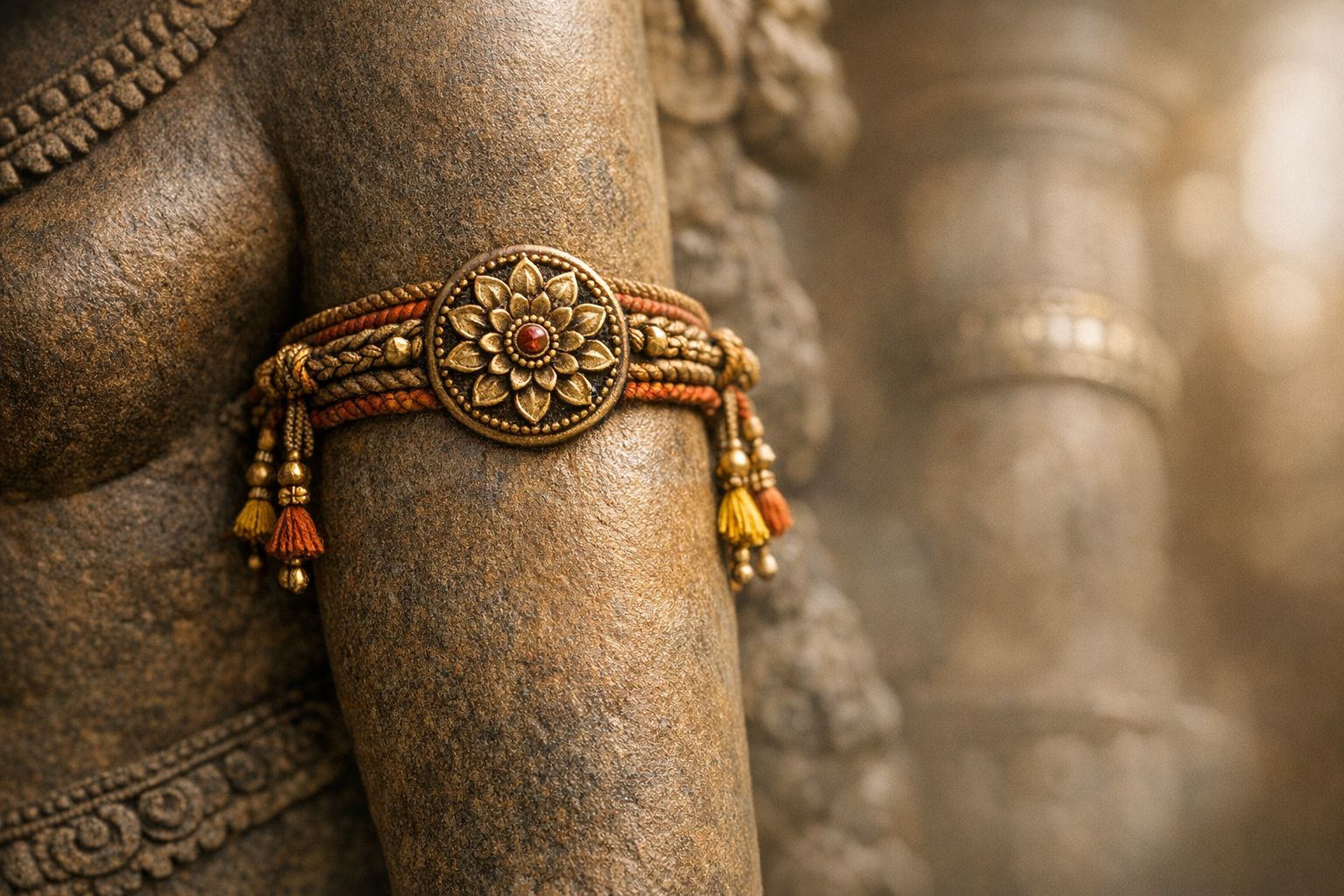
This comprehensive exploration of the bahubandhathe sacred tied armletclarifies how it differs from rigid armlets like the bahuvalaya and keyura in Hindu temple sculpture. Readers gain a clear typology of forms, construction details, and visual cues for identifying tied armlets in stone and bronze across Gupta, Chola, Hoysala, Odisha, and Central Indian traditions. The piece…
-
Vaishakha Masam Mahatmya: Sacred Significance, Vishnu’s Grace, and Dharmic Unity

Vaishakha Masam Mahatmya explains why Vaisakh monthrevered as Vishnu’s favored seasonunites snana, dana, and japa into a powerful path of spiritual growth and social compassion. It clarifies how Vaishakha is the second lunar month in North India, Karnataka, and Andhra traditions, yet the seventh in the Gujarati calendar due to Kartika New Year. Drawing on…
-
Viralimalai Murugan Temple & Arunagirinathar: Hunter-Lord Legend, Art, Rituals, and Peacocks
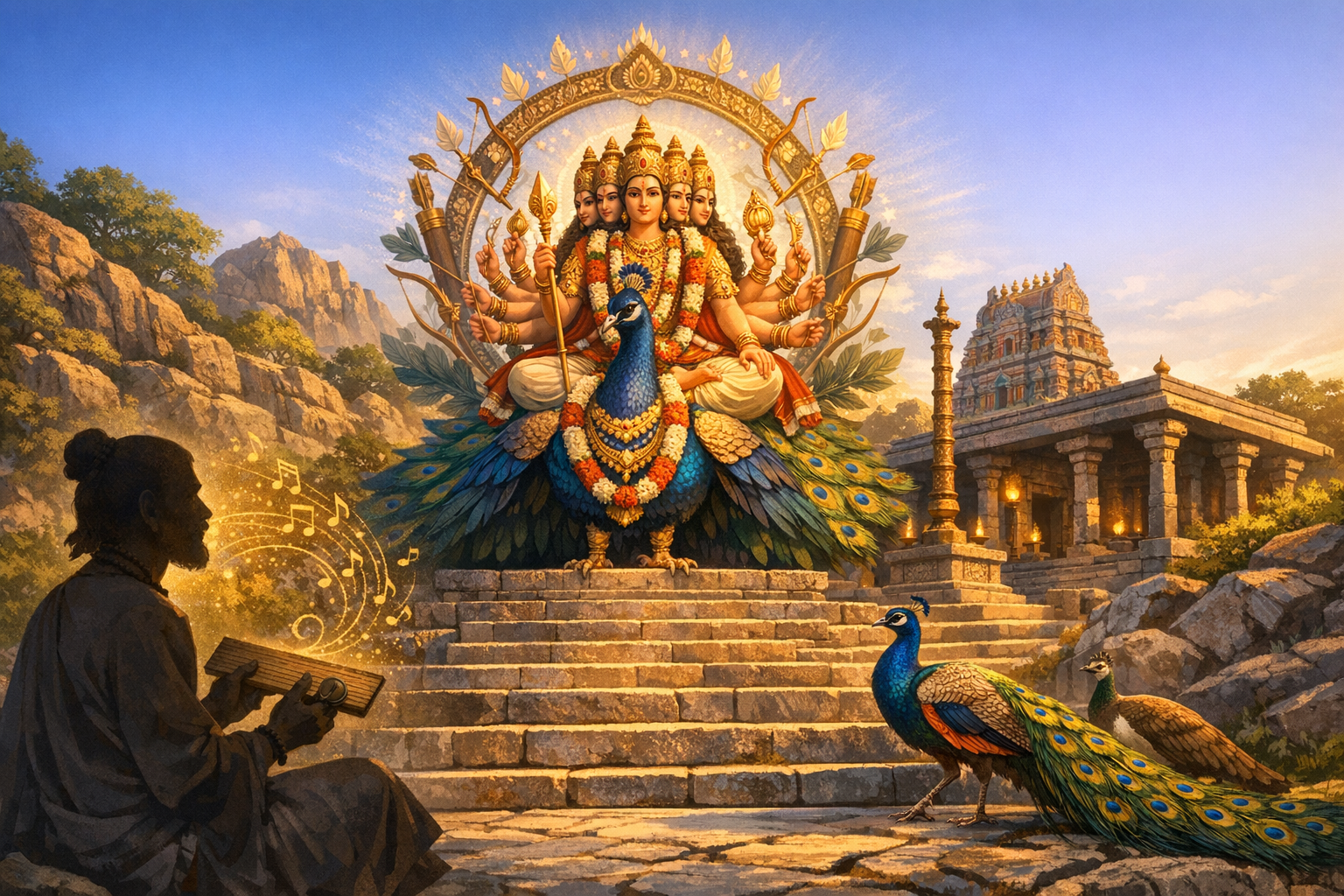
Viralimalai’s Shanmuganathar Temple presents a rare seated-on-peacock icon of Lord Murugan, uniting legend, music, and sacred ecology in a single hilltop experience. The site’s historical layers and South Indian hill-temple architecture encode a living Kaumāra tradition guided by Śaiva āgamas and Śilpa-Śāstra canons. Local memory of “When the Lord became the Hunter” situates Viralimalai within…
-
Margazhi’s Quiet Power: Chennai Music Season, Bharatanatyam, and Vishu Across Continents
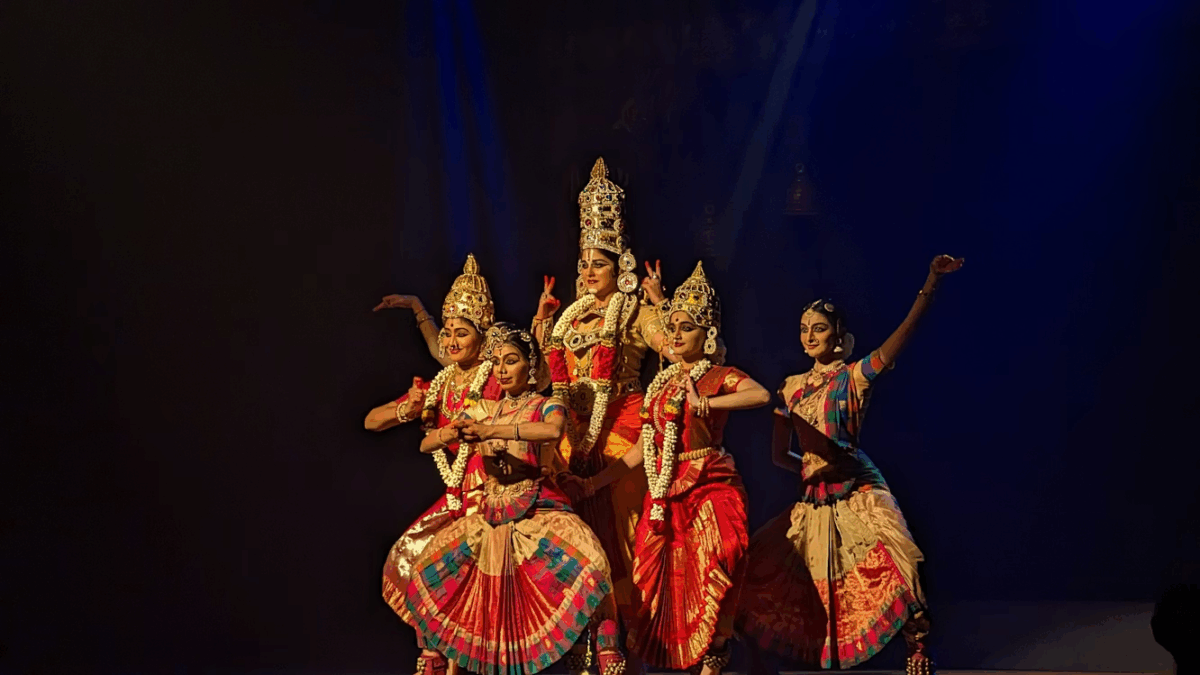
Margazhi (Mārgaśīrṣa) transforms the year’s close into a contemplative and artistic season, celebrated in Chennai’s Music Season and echoed by diaspora communities such as Sacramento’s 2025 Margazhi festival. The month’s Vaishnava and Shaiva observancesTiruppavai, Pavai Nombu, Vaikuntha Ekadasi, and Arudra Darshanambalance rigorous sadhana with living culture, from kolam to Bharatanatyam. A case study of marking…
-
Why Material Success Fails: Bhagavatam 11.3.19–20 on Lasting Joy, Fear, and Liberation
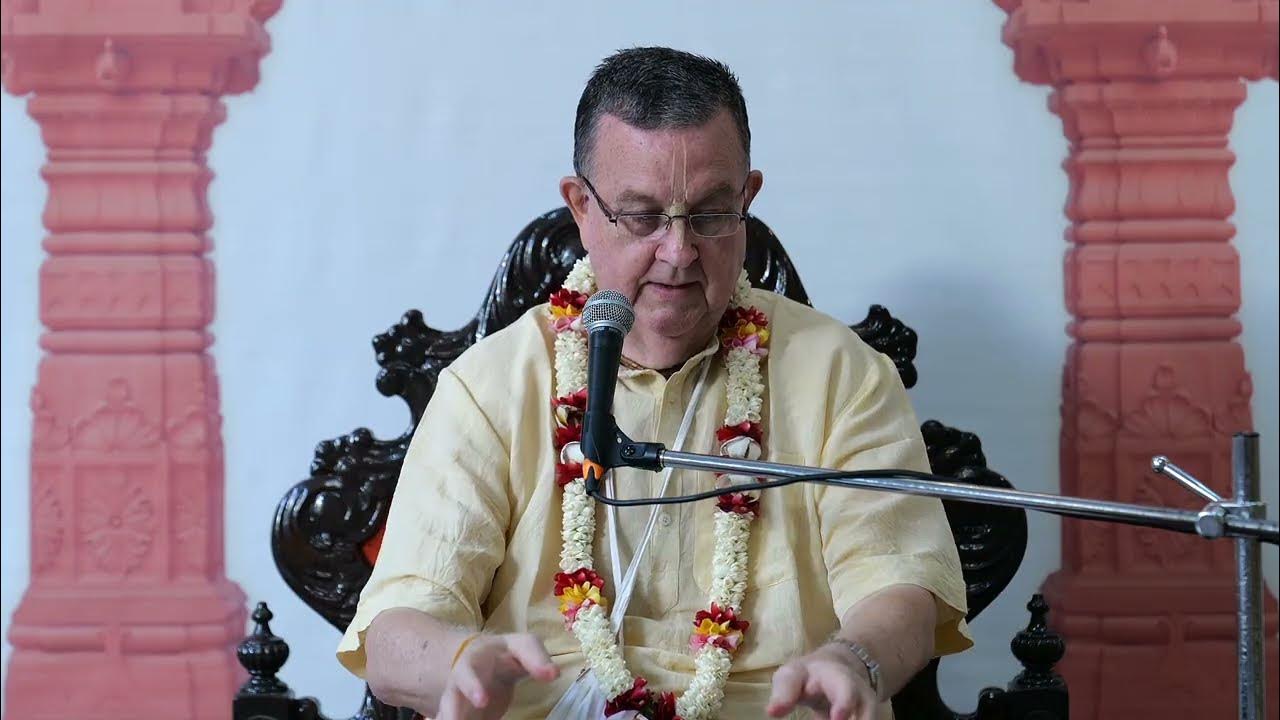
Śrīmad Bhāgavatam 11.3.19–20 teaches that wealth, family prestige, status, and even heavenly pleasures cannot provide lasting happiness because all material results are temporary and fuel anxiety, competition, and fear. Drawing on the Eleventh Canto’s context and consonant Bhagavad-Gita insights, this analysis explains why even pious ascent to higher planets ends in loss. It then outlines…
-
Who Is the Real Father? ISKCON and Gita on the Soul, Death, and the Supreme Source

This essay explores the Hare Krishna (ISKCON) understanding of who the “real father” is by distinguishing bodily from spiritual parenthood through the lens of the Bhagavad Gita. It explains why everyday bereavement language“he has gone”implicitly recognizes the self (ātmā) as distinct from the body. Drawing on key verses (Gita 14.4, 2.13, 2.20, 15.7), it shows…
-
Re-reading Guru Tegh Bahadur: A Fearless Beacon of Religious Freedom and Dharmic Unity

This interdisciplinary re-reading of Guru Tegh Bahadur situates his life and bani within history, music, philosophy, and public ethics. It explains how his teachings on detachment, compassion, and fearlessness formed a coherent ethic of conscience, culminating in a martyrdom for the protection of others’ faith. The narrative highlights how Sikhism’s sarbat da bhala converges with…
-
Srimad Bhagavatam 11.3.13: Detachment, Sacred Stewardship, and Seva for Lasting Peace
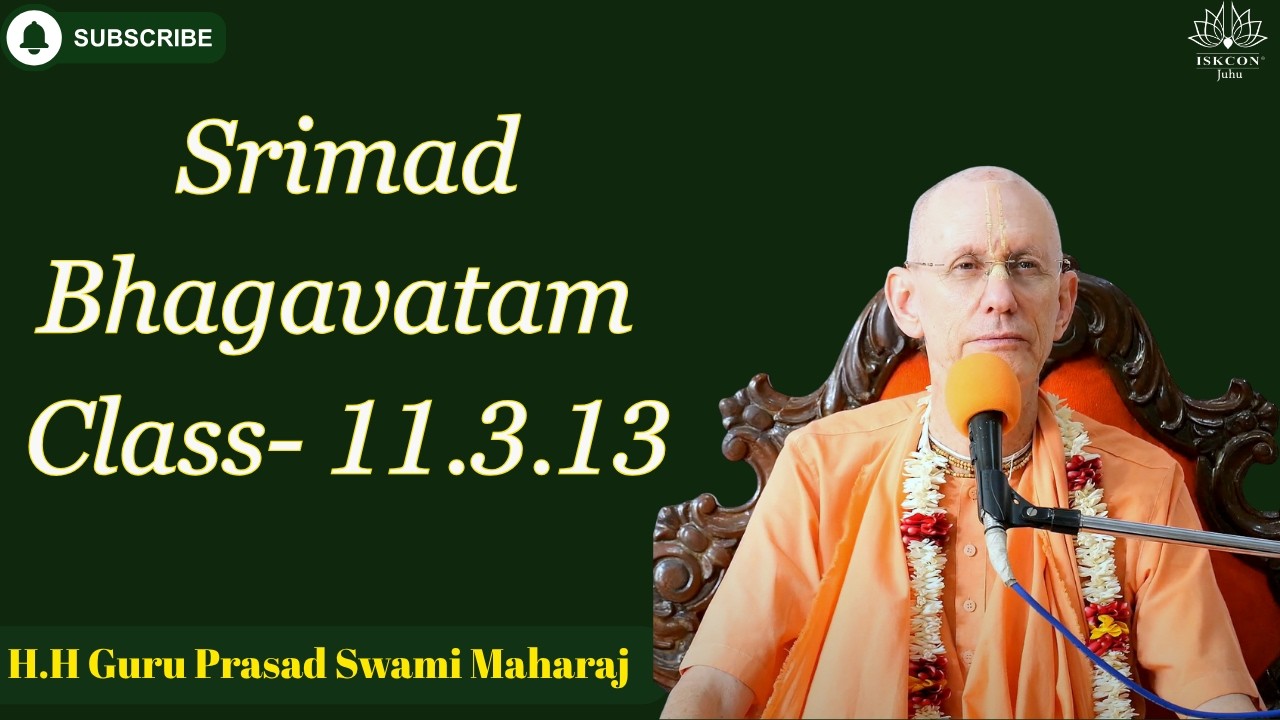
Delivered at ISKCON Juhu, Mumbai on 7 April 2026, H.H Guru Prasad Swami’s exposition on Srimad Bhagavatam 11.3.13 frames detachment as sacred stewardship rather than denial. The lecture explains how body, speech, and mind can be harmonized in seva to Krishna, turning temporary possessions into vehicles of lasting purpose. A technical scaffoldsambandha, abhidheya, prayojanashows why…
-
Bahadur Shah Zafar and 1857: Evidence-Driven Reassessment Beyond Heroics and Betrayal
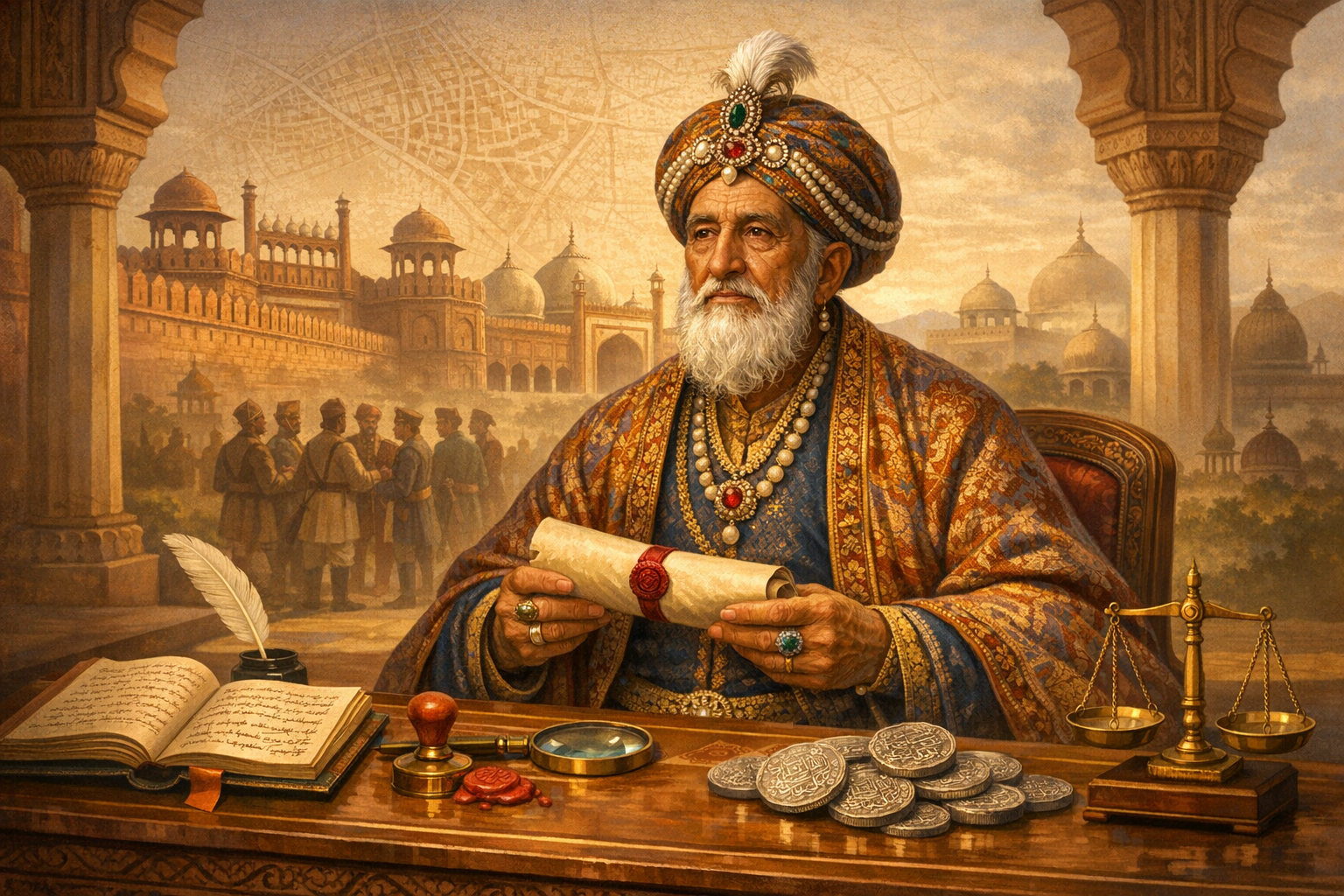
Bahadur Shah Zafar’s role in the Revolt of 1857 defies simple labels. Rather than casting him as either a heroic liberator or a betrayer, this analysis situates the last Mughal emperor within the material constraints of siege warfare, fractured command, and colonial-era power asymmetries. It traces the uprising’s structural causesfrom annexations and revenue extraction to…
-
Muni Shukadeva Jayanti 2026: Date, Amavasya Tithi, Puja Vidhi, and Bhagavata Wisdom
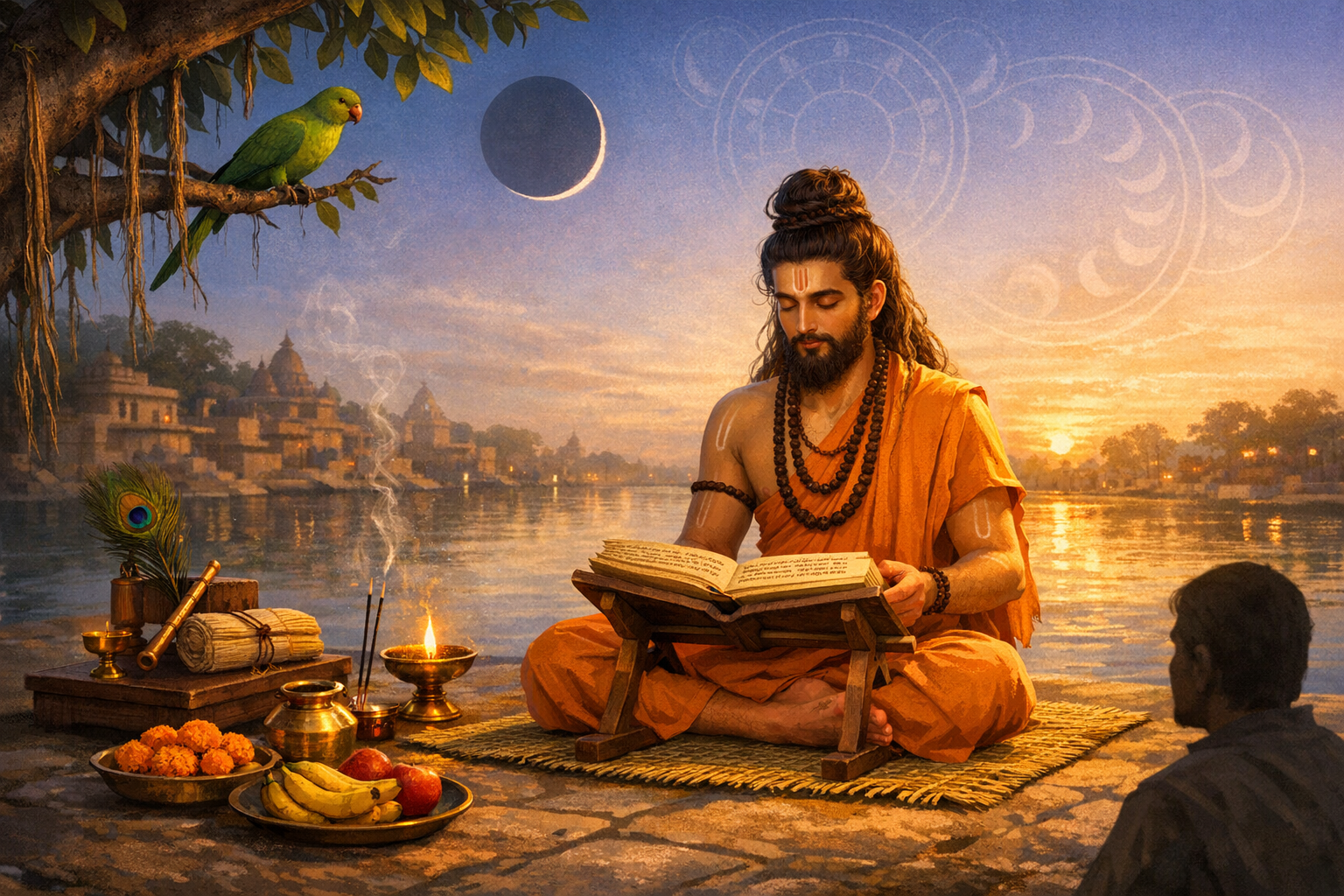
Muni Shukadeva Jayanti in 2026 is on Friday, 17 April, observed on Amavasya tithiVaishakh Amavasya in the North Indian Purnimant calendar and Chaitra Amavasya in Amavasyant regions. The day venerates Śukadeva Muni, son of Bhagavan Veda Vyasa, whose seven-day exposition of the Srimad Bhagavatham to King Parikshit shaped the Hindu katha tradition. Observances typically include…
-
The Day Lanka Lost Its Clothes: Folk Humor, Hasya Rasa, and Hanuman’s Burning Tail
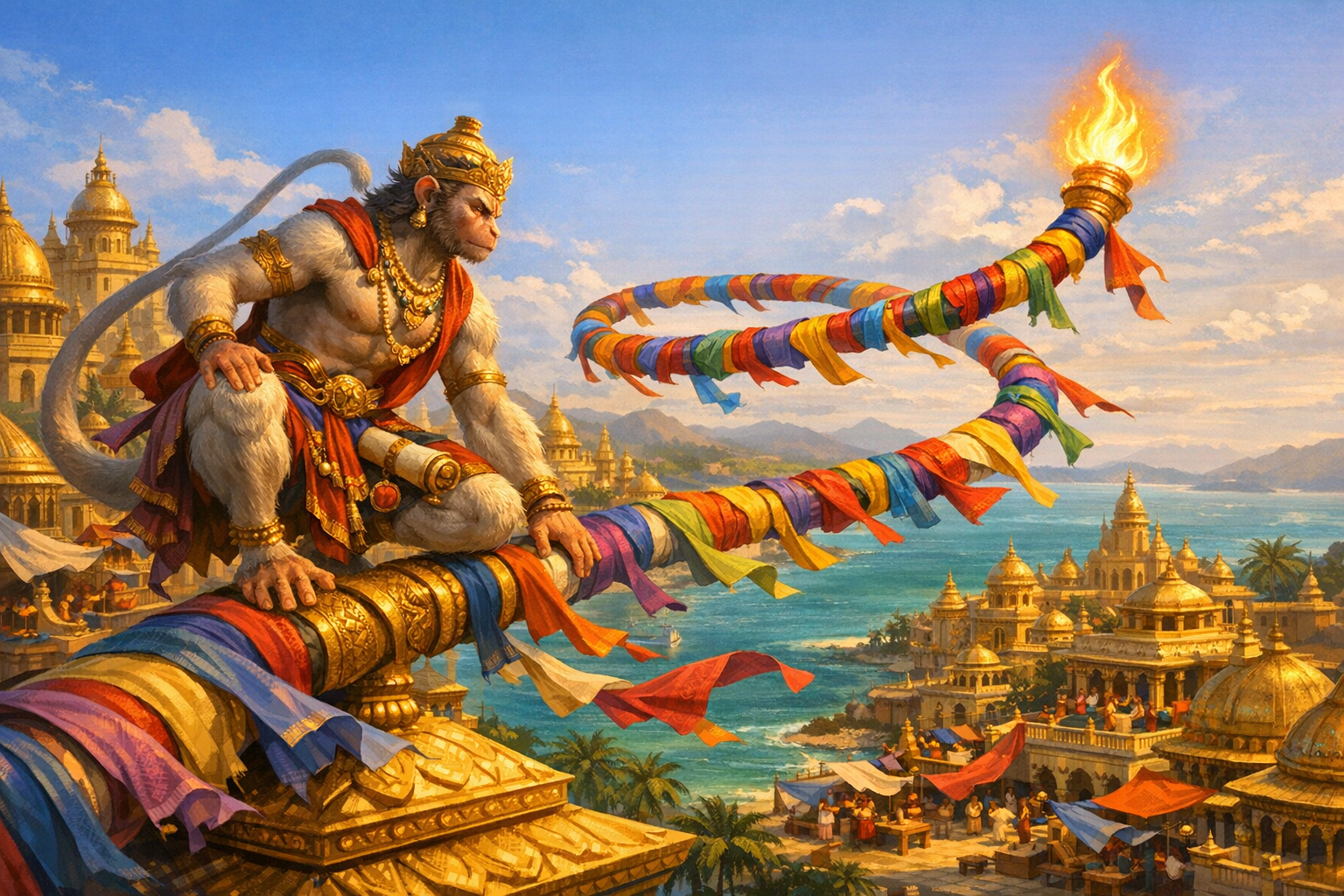
This long-form exploration shows how the humorous folk motif of ‘the day Lanka lost its clothes for Hanuman’ expands the canonical Lanka Dahan into a brilliant ethical satire. It explains why hasya rasa, as framed by the Nāṭyaśāstra, precedes the heroic blaze to make Ravana’s adharma legible through laughter. Readers see how oral and performance…
-
Vishu Kanji & Vishu Katta: Authentic Kerala Vishu Breakfast, Ritual Meaning, and Recipe Guide

This long-form guide clarifies the cultural and culinary essence of Vishu Kanji and Vishu Katta, the traditional Kerala breakfast served after Vishukkani Darshan on Vishu. It explains how both dishes share core ingredientsunakkalari or pacha ari, fresh grated coconut, cumin, and saltwhile diverging in texture through different liquid ratios and techniques. A detailed, time-efficient workflow…
-
Transform Overwhelm into Steady Calm: Seven Strengths for Dharmic Resilience and Clarity

Overwhelm is widespread, yet inner steadiness can be trained. A seven-strengths frameworkcultivating calm, clarity, compassion, courage, equanimity, connection, and integrationoffers a concise, research-aligned path to resilience. Short daily practices regulate the nervous system, reduce reactivity, and improve attention. Breath awareness builds vagal tone, compassion training softens harsh self-criticism, and values-based action converts avoidance into momentum.…
-
Sital Sasthi 2026, Sambalpur: Shiva–Parvati’s Sacred Wedding and Odisha’s Grand Carnival
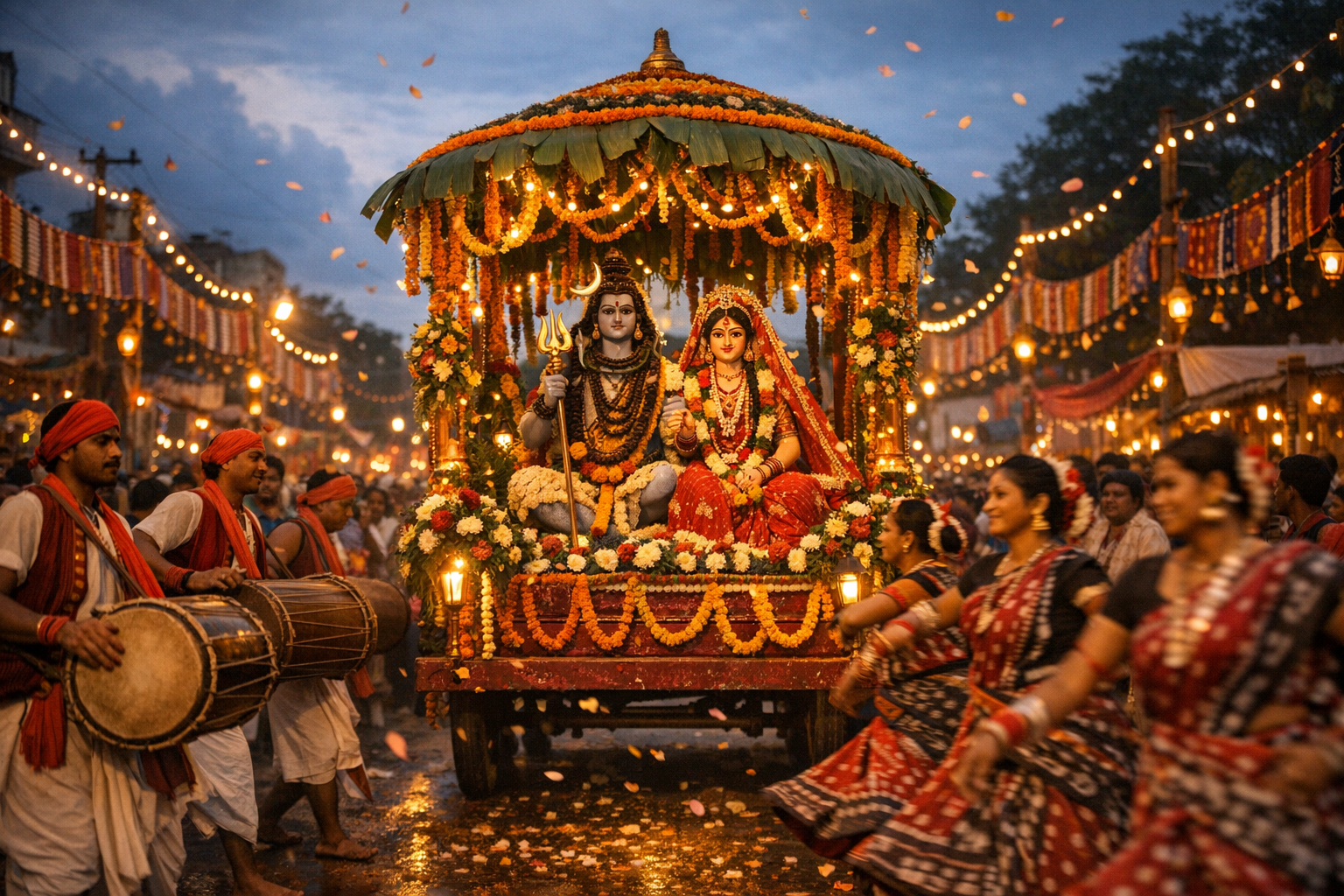
Sital Sasthi 2026 in Sambalpur, Odisha, falls on 20 June (Jyeshtha Shukla Sasthi) and reenacts the sacred wedding of Lord Shiva and Goddess Parvati through a citywide carnival. The festival combines precise Vedic marriage riteskanyadaan, panigrahan, and saptapadiwith public processions, folk performances, and neighborhood stewardship. Visitors encounter Sambalpuri music and textiles, Dalkhai dance, and all-night…
-
When Self-Awareness Becomes Overthinking: Evidence-Backed Strategies to Calm and Heal

Self-awareness helps growth, but when driven by fear it can become overthinkinganxious loops that feel like diligence yet erode clarity. This article explains, in clear academic terms, how constructive reflection differs from rumination and worry, why the nervous system often sustains analysis loops, and how regulation restores kind, accurate thinking. Drawing on mindfulness research, self-compassion…
-
Facing Mortality, Finding Dharma: Why Mastering Dying Is the Ultimate Art of Living
A pivotal episode from the Mahabharata frames a universal insight: death is certain, denial is common, and wisdom begins when that denial ends. This long-form analysis shows how Hinduism, Buddhism, Jainism, and Sikhism converge on a shared disciplinefacing mortality to live more ethically, courageously, and compassionately. Drawing on the Bhagavad Gita, the Upanishads, maranasati, samayik–pratikraman,…