
-
March 11, 2026 Panchang: Krishna Paksha Ashtami Deep-DiveSacred Tithi, Nakshatra, Rashi Guide

March 11, 2026 is observed as Krishna Paksha Ashtami in most regions, with Saptami ending at 12:11 AM and Ashtami prevailing for the day. The post explains Tithi scientifically (12° solar–lunar separation) and clarifies why tithi durations vary, emphasizing the sunrise convention used for observances. It outlines how Nakshatra and Rashi are determined and why…
-
Essential March 2026 Festival Guide: Tiruchanur Padmavathi Ammavari Temple Rituals & Sevas
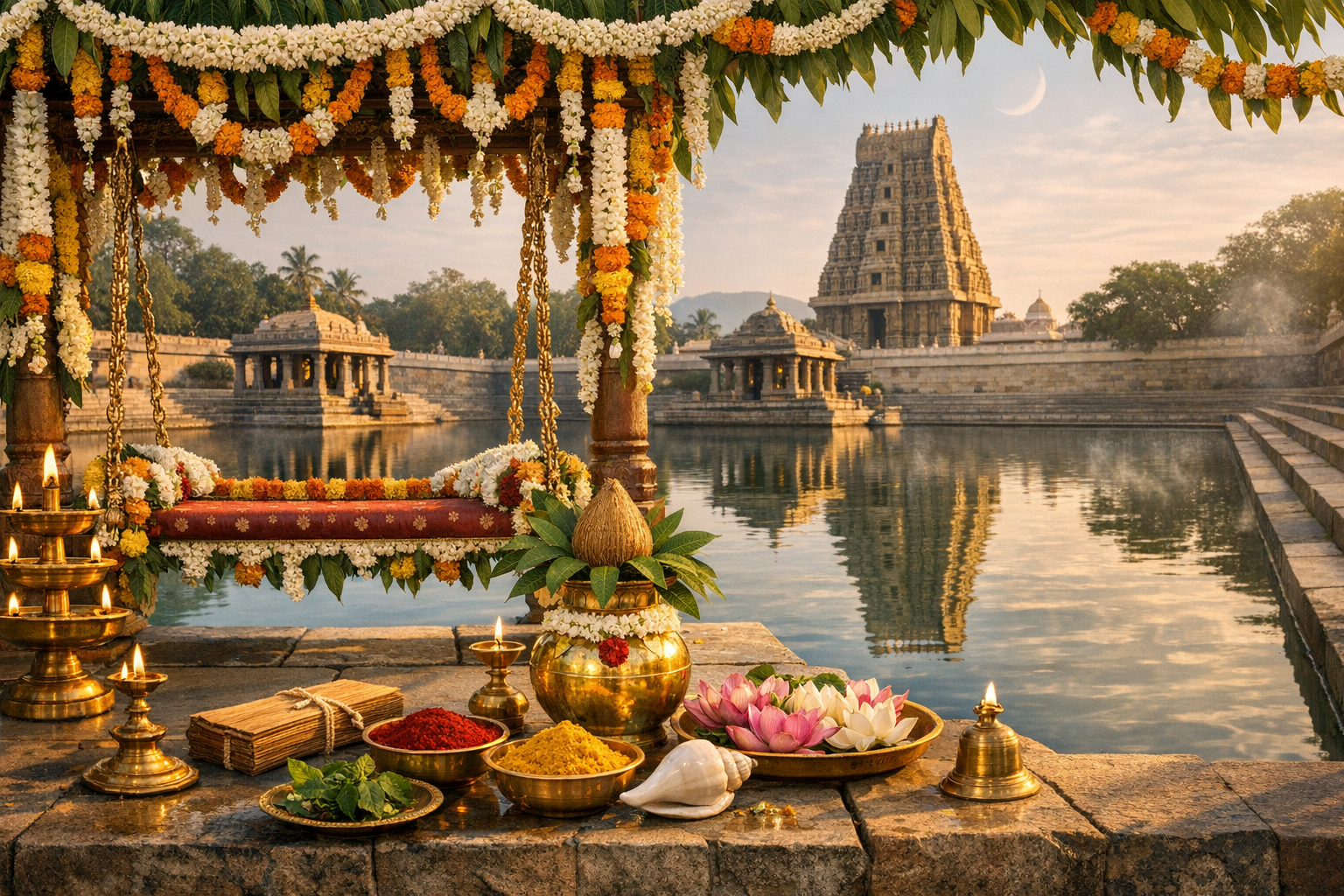
Sri Padmavathi Ammavari Temple in Tiruchanur will host a spiritually rich programme in March 2026, in addition to Ugadi and Sri Rama Navami. This academically grounded guide explains how the tithi-based Hindu calendar shapes the month’s observances and what devotees can expectAbhishekam, Kalyanotsavam, Unjal Seva, Sahasranamarchana, and special alankarams. It clarifies the theological meaning of…
-
Anantavaram Temple Brahmotsavams 2026: Sacred Spectacle, Dates, Rituals & Pilgrim Guide
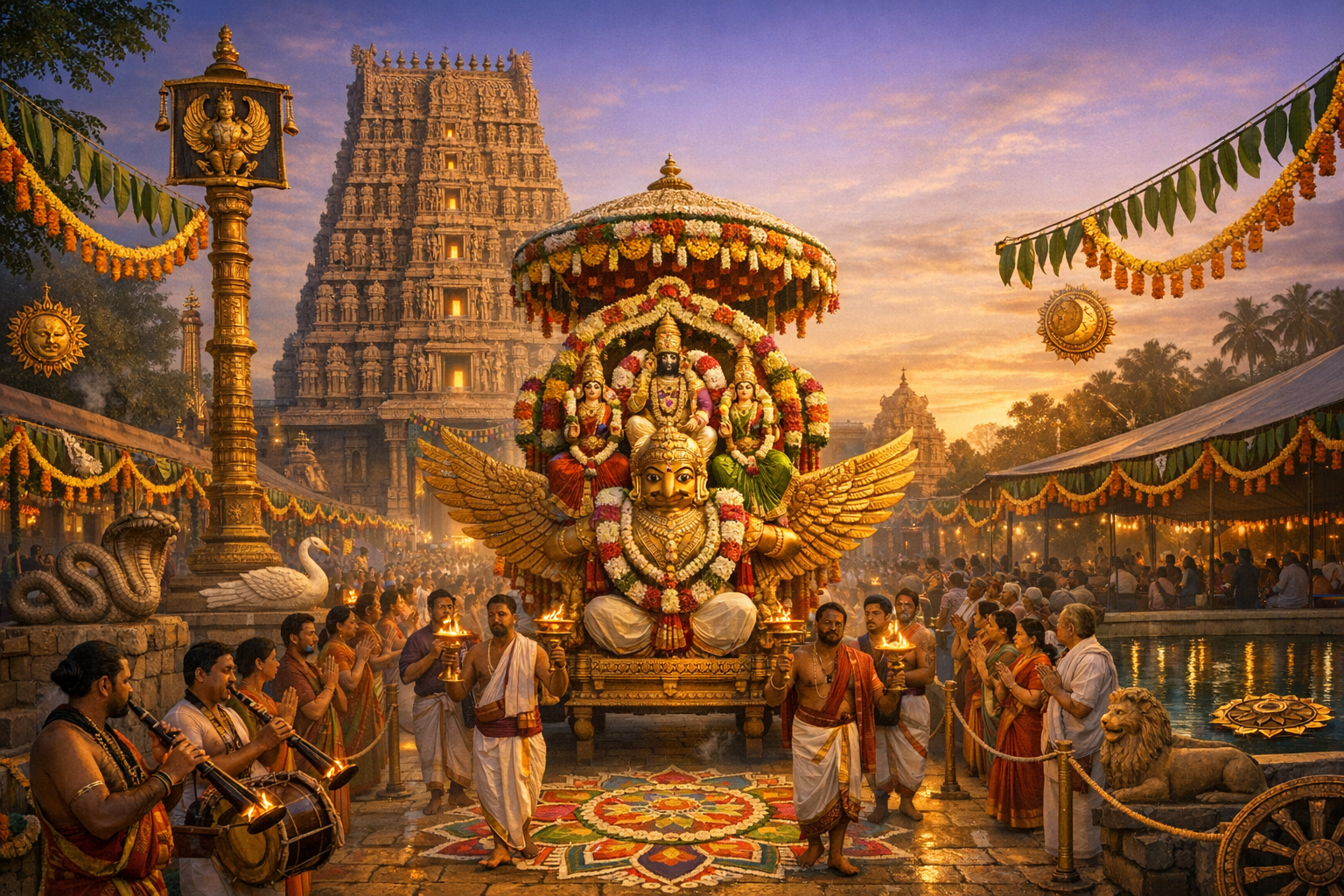
Anantavaram Temple Brahmotsavams 2026 will be celebrated from February 28 to March 4 at the Sri Venkateswara Swamy Temple in Ananthavaram, Thullur Mandal, Guntur district. The festival honors Sri Venkateswara Swamy with Sridevi and Bhudevi and follows the Vaikhanasa Agama under the logistical stewardship of Tirumala Tirupati Devasthanam (TTD). Devotees can anticipate Koil Alwar Thirumanjanam…
-
Honoring H.H. Badrinarayan Swami (ACBSP): A Life of Bhakti, Service, and Vrndavana Grace

H.H. Badrinarayan Swami (ACBSP) departed on 26 February 2026 in Sri Vrndavana Dhama, leaving a legacy of Bhakti-yoga, principled leadership, and compassionate community building within ISKCON. This tribute explains the meaning of ACBSP and situates his life within the Guru–Shishya Tradition rooted in Srila Prabhupada’s teachings. It outlines the significance, in Vaishnava understanding, of departing…
-
Maharashtra ATS Exposes Football-Based Radicalisation: Safeguarding Youth, Sport, and Unity

Maharashtra’s Anti-Terrorism Squad has highlighted the risk of violent extremist recruitment exploiting football clubs, demanding a precise and rights-respecting response. This analysis explains why sports ecosystems can be vulnerable, how offline grooming fuses with online radicalisation, and which behavioral indicators merit attention without profiling. It outlines practical safeguards that clubs, coaches, and families can adopt,…
-
HJS seeks ban on ‘Engaged 2’: safeguarding women’s dignity and media ethics on OTT platforms

Hindu Janajagruti Samiti (HJS) has urged a ban on the reality show ‘Engaged 2’ (Roka Ya Dhoka), alleging vulgarity and the degradation of women on the ‘Jio Hotstar’ OTT platform. The development spotlights India’s IT Rules, 2021, which emphasize age ratings, content descriptors, and a three-tier grievance system for online curated content. A proportionate, evidence-based…
-
Profound Prophecy and Transformative Vision: SB 3.14.50 at Bhaktivedanta Manor (20.02.26)
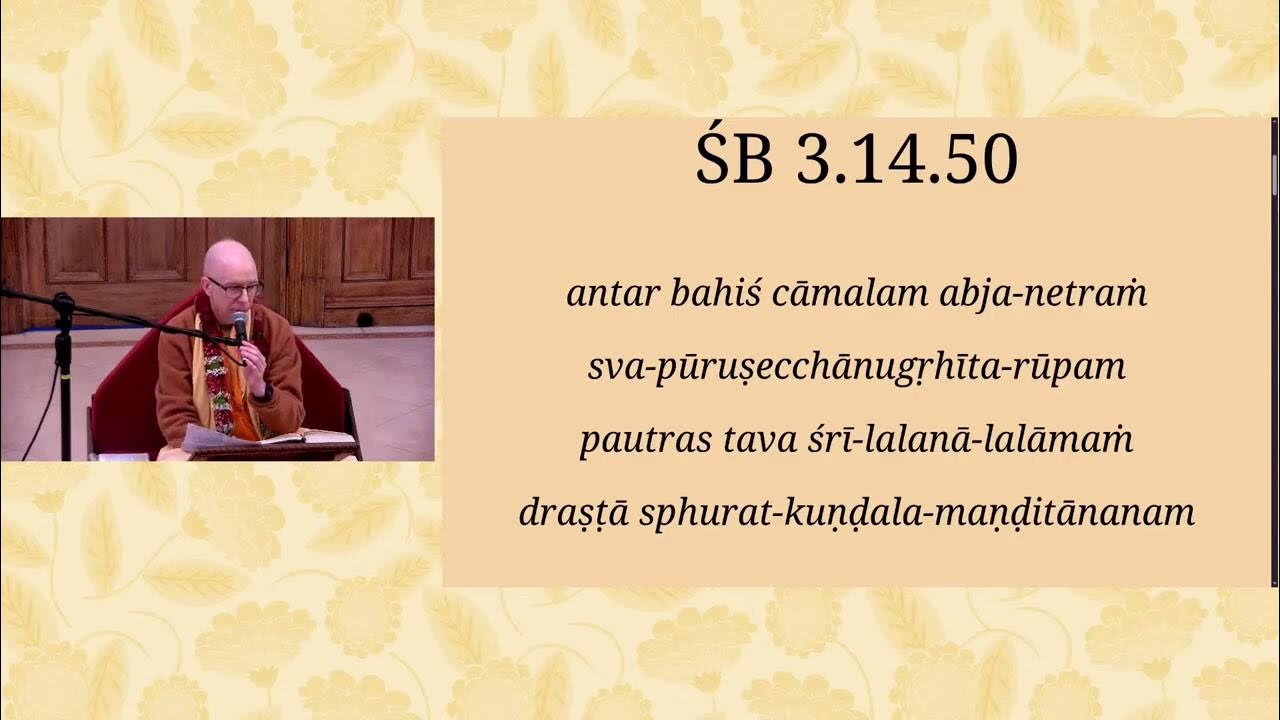
A scripture class at Bhaktivedanta Manor (20.02.26) explored Srimad-Bhagavatam 3.14.50a prophecy that Prahlāda Mahārāja would perceive the Supreme within and without. The verse integrates ontology and practice, depicting the Lord as simultaneously indwelling (Paramatma) and personally relational (Bhagavan), inseparable from the goddess of fortune. It affirms that the Lord reveals Himself in forms desired by…
-
Unshakable Equanimity in Srimad Bhagavatam 11.2.49: Suffering, Divine Memory, and Practice
Śrīmad-Bhāgavatam 11.2.49 offers a precise map of suffering across body, prāṇa, mind, intelligence, and senses, and pairs it with a single remedy: steady remembrance of the Divine. This analysis explains how that remembrance stabilizes attention, recalibrates desire, and transforms reactivity into equanimity. Practical guidance shows how to translate the verse into daily anchorsjapa, prāṇāyāma, curated…
-
Sri Hanuman Das: A 1st-century Devotee-Poet of Rama and HanumanHistory, Poetics, Legacy

Sri Hanuman Das is remembered as a Hindu saint and Sanskrit poet from present-day Uttar Pradesh, traditionally dated to the 1st century CE and celebrated for deep devotion to Lord Rama and Lord Hanuman. The devotional name “Hanuman Das” reflects dāsya-bhāvaservice as a spiritual pathlinking Hanuman’s exemplary loyalty to Rama-bhakti. While the precise chronology remains…
-
Holashtak 2026: Sacred 8‑Day Pause Before HoliExact Dates, Ritual Guidance, and Regional Traditions

Holashtak 2026 spans February 24 to March 3, marking an eight-day North Indian observance from Falgun Shukla Ashtami to Purnima during which auspicious functions are deferred. This academically grounded guide explains dates, tithi logic, and regional variations, and clarifies how Holika Dahan follows Purnima (after Bhadra) with color play anticipated the next day. It outlines…
-
February 25, 2026 Panchang Guide: Shukla Paksha Navami, Auspicious Timings, Nakshatra & Rashi

On Wednesday, February 25, 2026, the Daily Hindu Calendar (Panchang) records Shukla Paksha Ashtami until 4:47 AM IST, followed by Shukla Paksha Navami for the rest of the civil day in most regions. The transition reflects the tithi’s astronomical definition based on the Moon–Sun elongation in 12-degree steps. Auspicious timing can be centered on Abhijit…
-
Maha Shivaratri Jagaran and Lingodbhava: Ritual Science, Sacred Myth, and Inner Awakening

Shivaratri Jāgaraṇa is the disciplined practice of wakefulness at the heart of Maha Shivaratri Vrat, guiding awareness from tamas to sattva through mantra, dhyāna, and Shivalinga Puja. Scriptural sources in the Shiva Puranam and Linga Puranam describe Lingodhbhavam, the emergence of Śiva as an endless column of light, establishing the linga as the aniconic sign…
-
Transforming Community through Vaiṣṇava Etiquette: HG Urmila Mataji, Naperville 2026
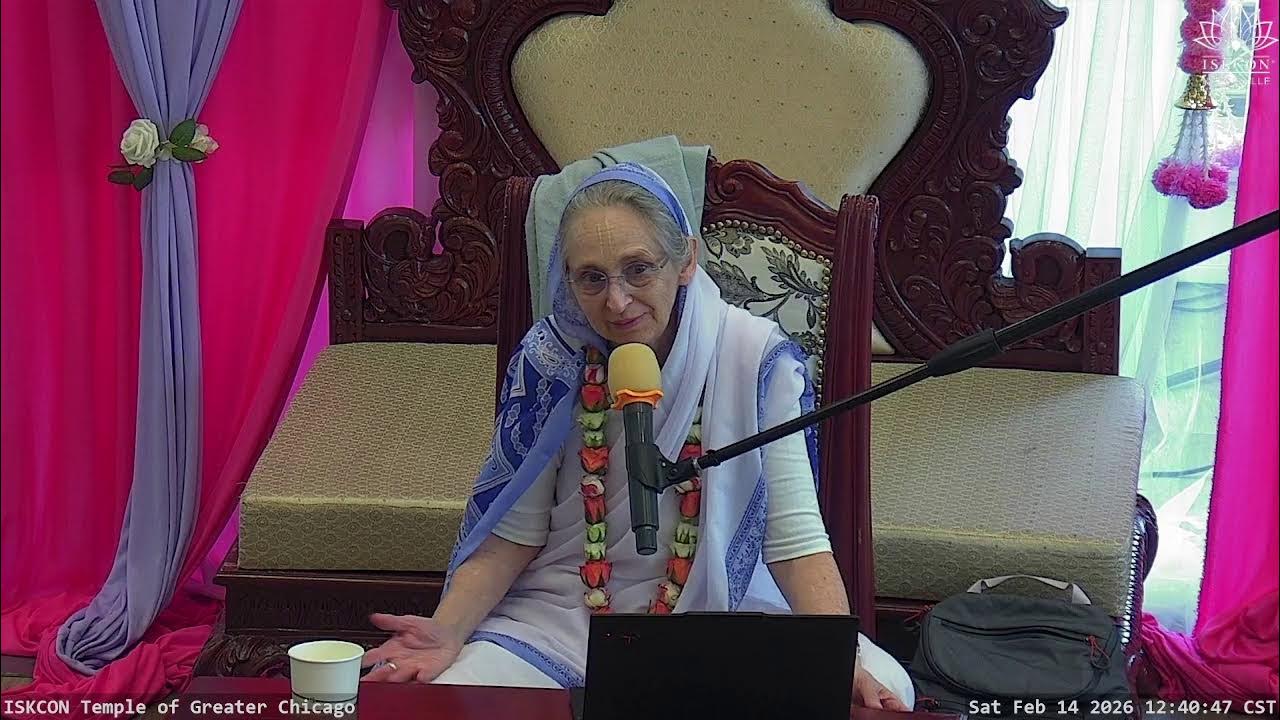
Held on 14 February 2026 in Naperville, HG Urmila Mataji’s seminar unpacked Vaiṣṇava etiquette as a practical, textually grounded path to stronger community life. Centering on respect, forbearance, and patience, the session translated timeless virtues into clear behaviors for meetings, digital spaces, and daily service. Participants learned conflict-resolution steps that honor truth without sacrificing kindness,…
-
Sri Isvara Puri’s Disappearance: Guru-Seva, Gaudiya Lineage, and a Living Bhakti Legacy
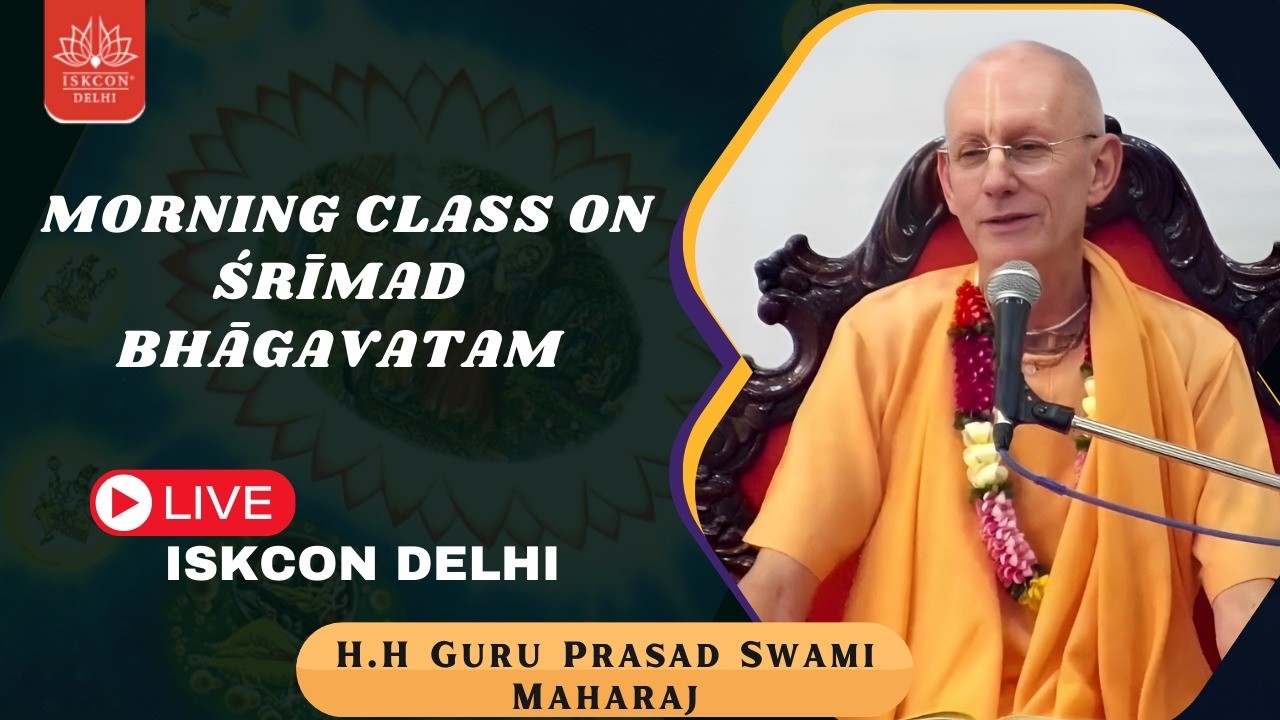
Sri Isvara Puri’s disappearance day is a lucid window into Gaudiya Vaishnava history, doctrine, and practice. Drawing on Sri Caitanya Caritamrta, the post explores how the desire tree of devotion moves from Sri Madhavendra Puri to Sri Isvara Puri and culminates in Sri Caitanya Mahaprabhu’s universal sankirtana. It analyzes guru-tattva, mantra-diksha, and guru-seva as the…
-
Rang Teras 2026 (Rang Trayodashi): Date, Significance, and Vibrant Krishna Celebrations

Rang Teras (Rang Trayodashi) in 2026 falls on 16 March, aligning with the Trayodashi tithi of the bright fortnight of Chaitra. Celebrated widely across Rajasthan, Gujarat, Uttar Pradesh, Madhya Pradesh, Bihar, and Himachal Pradesh, the festival centers on devotion to Sri Krishna and community harmony. Sri Krishna temples and ISKCON centers host special darshan, kirtan,…
-
Knowing Truth, Living Dharma: Why Insight Fails Without Practice in Hindu Philosophy

Hindu philosophy names a timeless challenge: many recognize truth yet struggle to live it. Drawing on the Bhagavad Gita and Yoga philosophy, this piece explains how abhyāsa and vairāgya bridge the gap between knowledge and action. It highlights practical stepsdaily routine, Karma Yoga, svādhyāya, and ethical commitments (yama–niyama)that turn insight into steady conduct. Parallels from…
-
Indrajit Samhara Moorthy: Lakshmana’s Slaying of Meghanada and the Dharma of the Ramayana

Lakshmana’s epithet “INDRAJIT SAMHARA MOORTHY” commemorates his defeat of Indrajit (Meghanada) during the Lanka war in the Ramayana. The episode centers on the Nikumbila yajna (yagna), where Lakshmana, supported by Hanuman and guided by Vibhishana, intervened to prevent an invincibility boon and then prevailed in open combat. Ethically, the act aligns with Dharma-Yuddha principles: stopping…
-
When Young Sikhs Drift Away: Rebuilding Trust Through Gurmat and Dharmic Unity

Many communities observe young Sikhs drifting from institutional life, often due to a trust gap shaped by rapid social change and perceived value-practice mismatches. This piece outlines how Gurmat offers a rigorous, practical frameworkrooted in sat, seva, nimrata, and sarbat da bhalato restore confidence and participation. Readers gain actionable steps: youth-led arth vichaar, participatory budgeting,…
-
When ‘Failure’ Becomes Success: Transforming Painful Chanting Doubts into Growth

Acknowledging chanting as central to spiritual practice can feel painful because it exposes gaps between ideals and daily effort. This reflection reframes that discomfort as diagnostic feedback, turning apparent failure into a catalyst for growth. Instead of avoiding conversations about quality chanting, compassionate accountability and mindful attention help align intention, technique, and devotion. The same…
-
Unveiling Tripura Sundari: Profound Symbolism of Shodashi on Shiva’s Navel Lotus
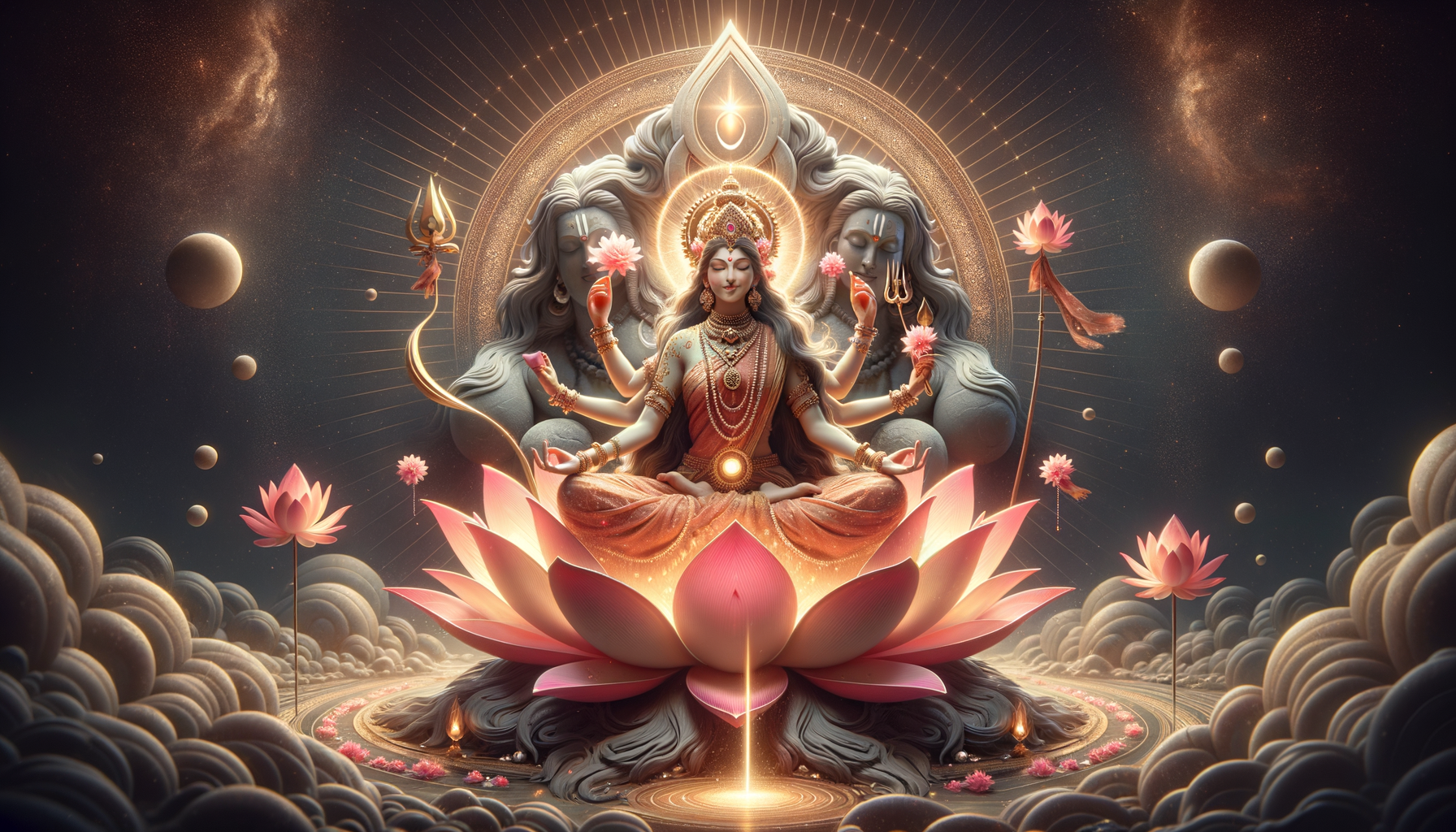
This exploration unpacks the symbolism of Goddess Shodashi (Tripura Sundari) seated on a lotus above Shiva’s navel, showing how Shakti’s luminous wisdom flowers from the stillness of consciousness. It clarifies the lotus as a shared dharmic emblem of purity and awakening across Hinduism, Buddhism, Jainism, and Sikhism. Readers gain a coherent understanding of Shiva’s nabhi…