
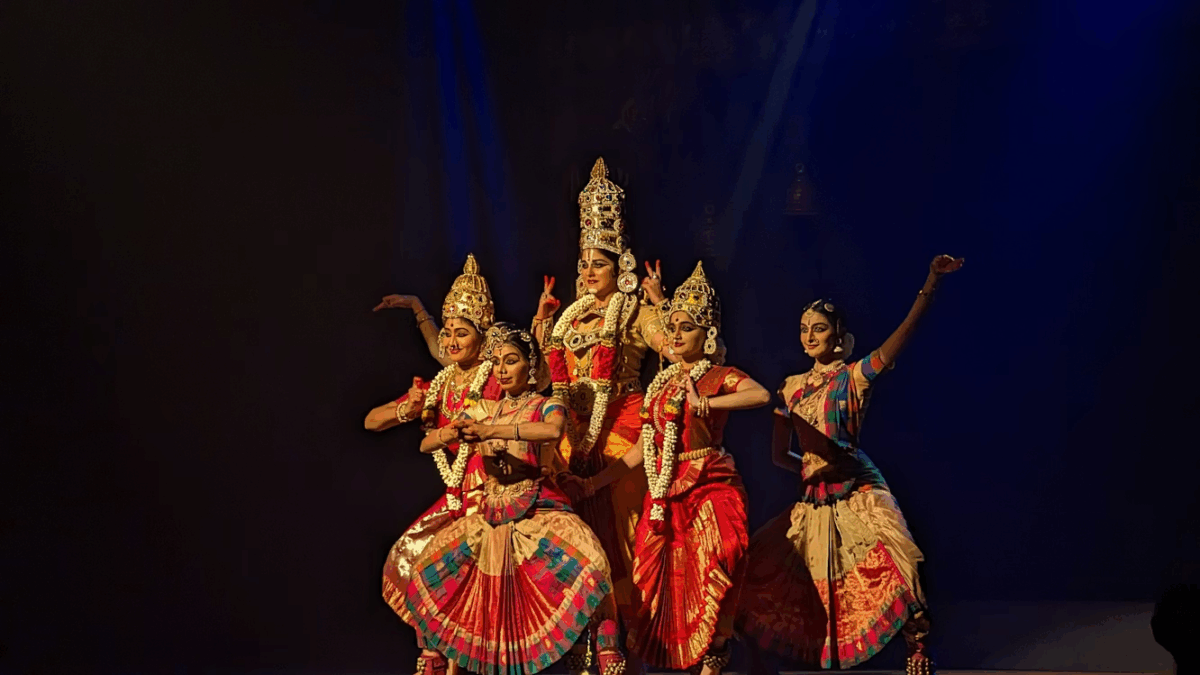
December and January are globally associated with festive cheer, yet in South India this period aligns with Margazhi (Mārgaśīrṣa/Mrughasheerisha), a month that Hindu sacred literature elevates for contemplative practice. The Bhagavad Gita encapsulates this esteem: “māsānāṁ mārgaśīrṣo ‘ham ṛtūnāṁ kusumākaraḥ” – Chapter 10, Verse 35, Bhagwad Geeta. Across sampradayas, Margazhi has become synonymous with inwardness, disciplined sadhana, and a subtle shift from public ritualism to personal reflection.
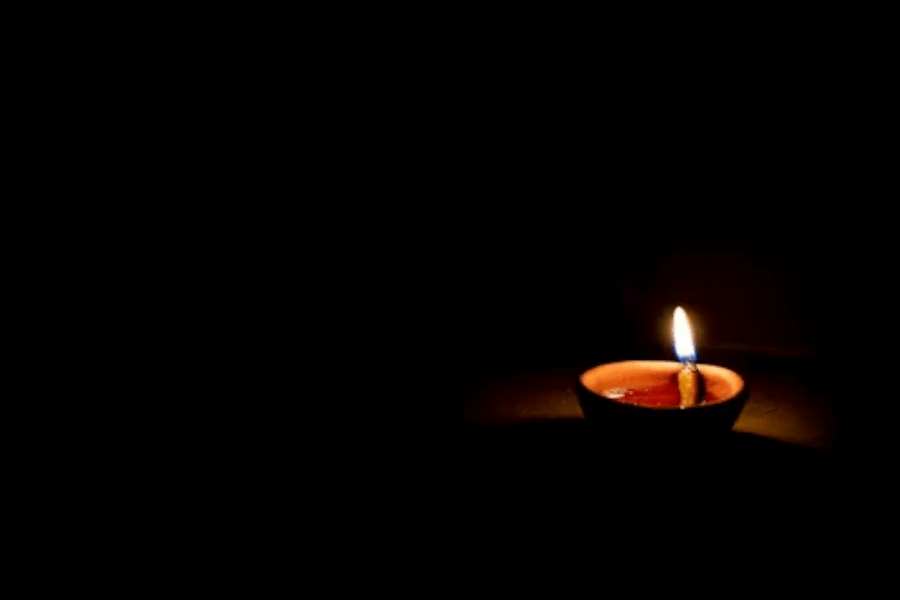
Margazhi roughly spans mid-December to mid-January and overlaps with Dhanurmasa in many Vaishnava traditions. Long nights and short days naturally promote quietude after months of outwardly expressive festivals from Ganesh Chaturthi to Deepavali. Practitioners adopt a spectrum of sadhanafrom the simple lighting of an oil lamp (diya) at dusk to brahma-muhurta chanting and meditation around 3–5 a.m. Shaiva and Vaishnava communities both emphasize tapas and bhakti in this season, with Tamil Vaishnavas often describing Margazhi as especially pure for devotional austerity.
Vaishnava observances during Margazhi prominently feature the daily rendering of Tiruppavai by Andal, often integrated with the Pavai Nombu vow. Temples mark Vaikuntha Ekadasi with special gateways symbolizing access to the divine realm, while Shaiva temples celebrate Arudra Darshanam to honor Shiva as Nataraja. The agrarian turn toward Pongal at the cusp of mid-January further situates the season within a wider rhythm of gratitude, renewal, and ecological reverence.
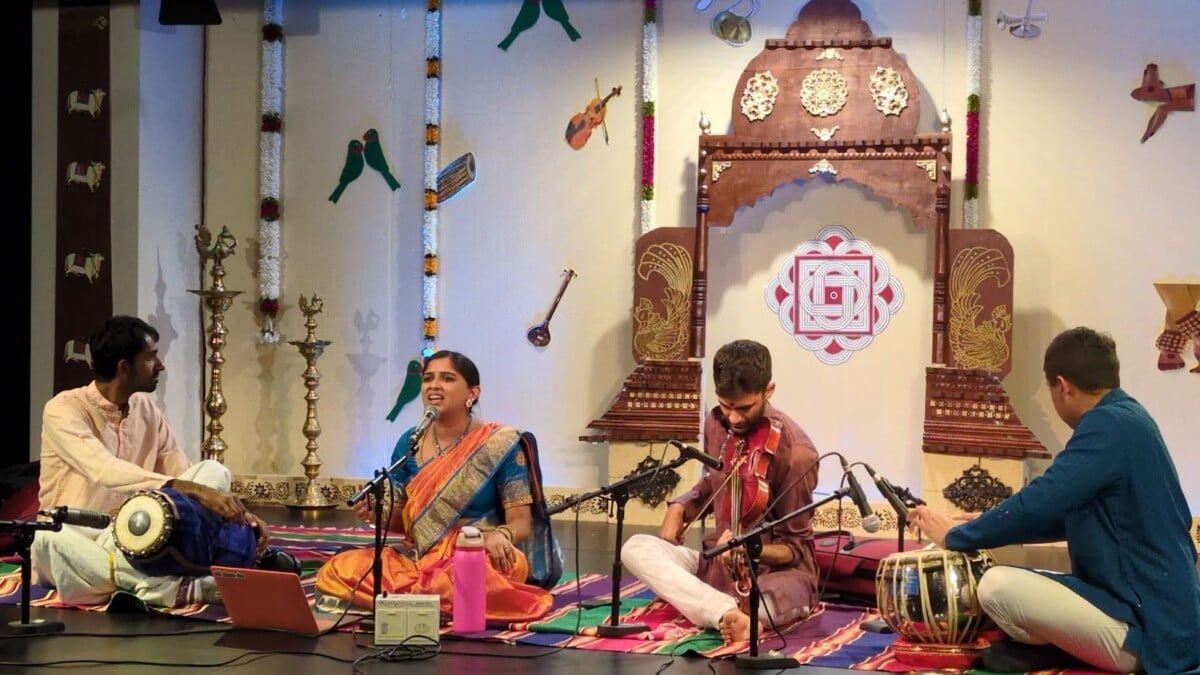
Margazhi also serves as a remarkable cultural catalyst. The Chennai Music Season, anchored in venerable sabhas, brings Carnatic music and Bharatanatyam to the fore, offering both seasoned and emerging artists an unparalleled performance ecosystem. Artistic practices radiate outward through kolam designs at daybreak, thematic concerts steeped in bhakti, and curated dance repertoires that bridge classical grammar with living devotion.
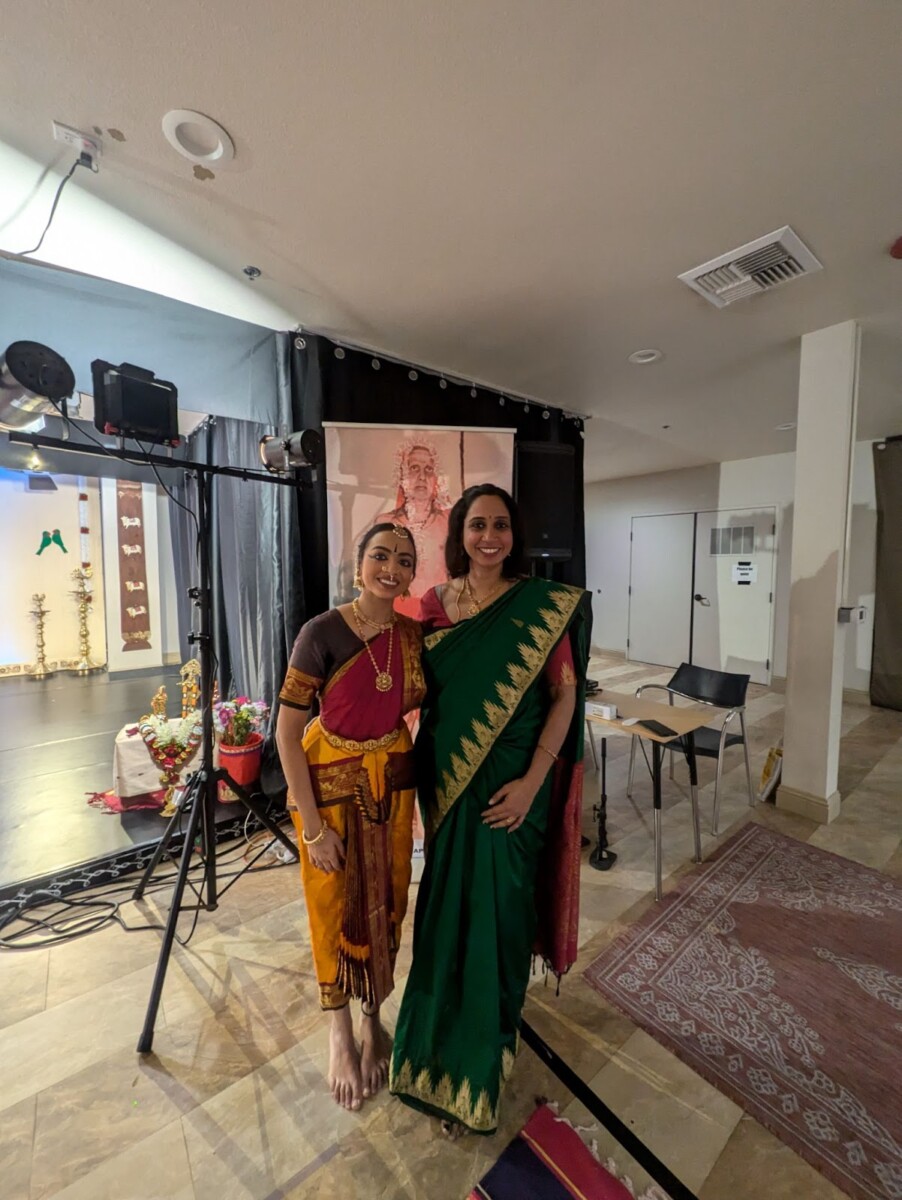
These artistic currents increasingly animate the Hindu diaspora in American cities. In January 2025, Sacramento hosted a successful Margazhi festival that drew diverse audiences and second-generation Indian American performers, demonstrating how the Music Season’s ethos now travels globally. Such events nurture continuity between memory and modernityechoing childhood sabha-hopping for some and opening new portals of identity, pedagogy, and performance for others.
As an inflection point in the year, Margazhi also invites structured introspection: What shifted? What deepened? For many who engage their communities intensely around festival calendars, periods of quiet retreat in nature have emerged as a reliable means to replenish bhakti. This embodied insight underscores a resilient truth of dharma: one can sustain sadhana anywhere, anytime, and in any formbecause intention, not infrastructure, is the heart of practice.
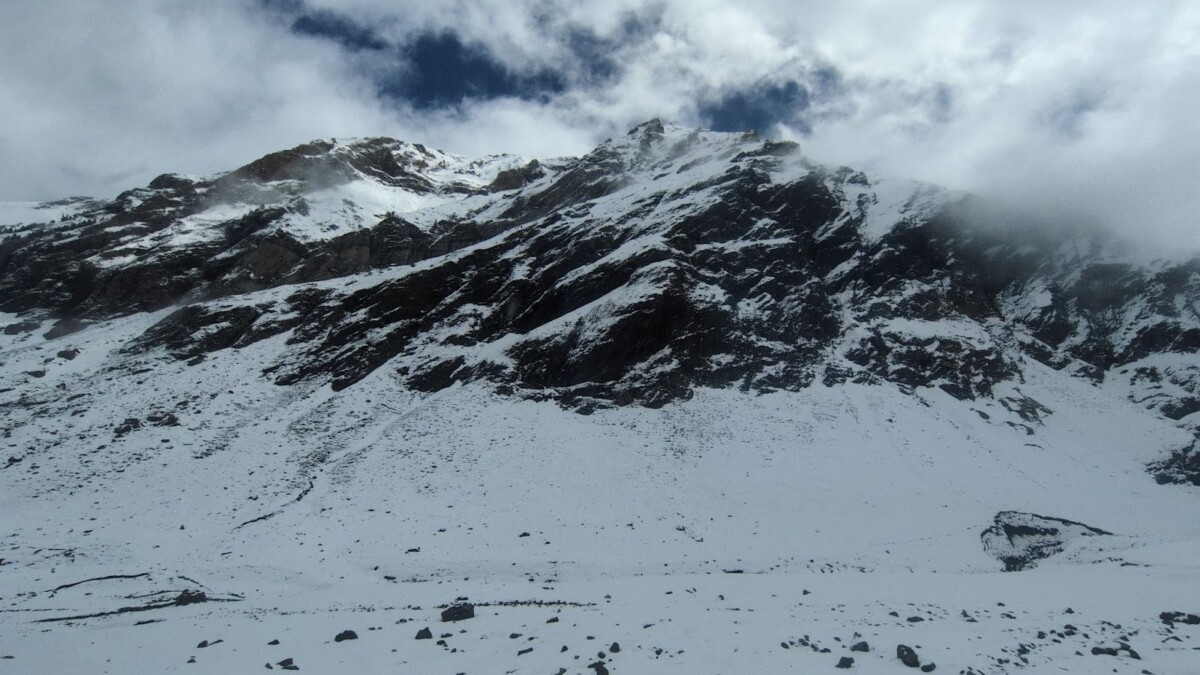
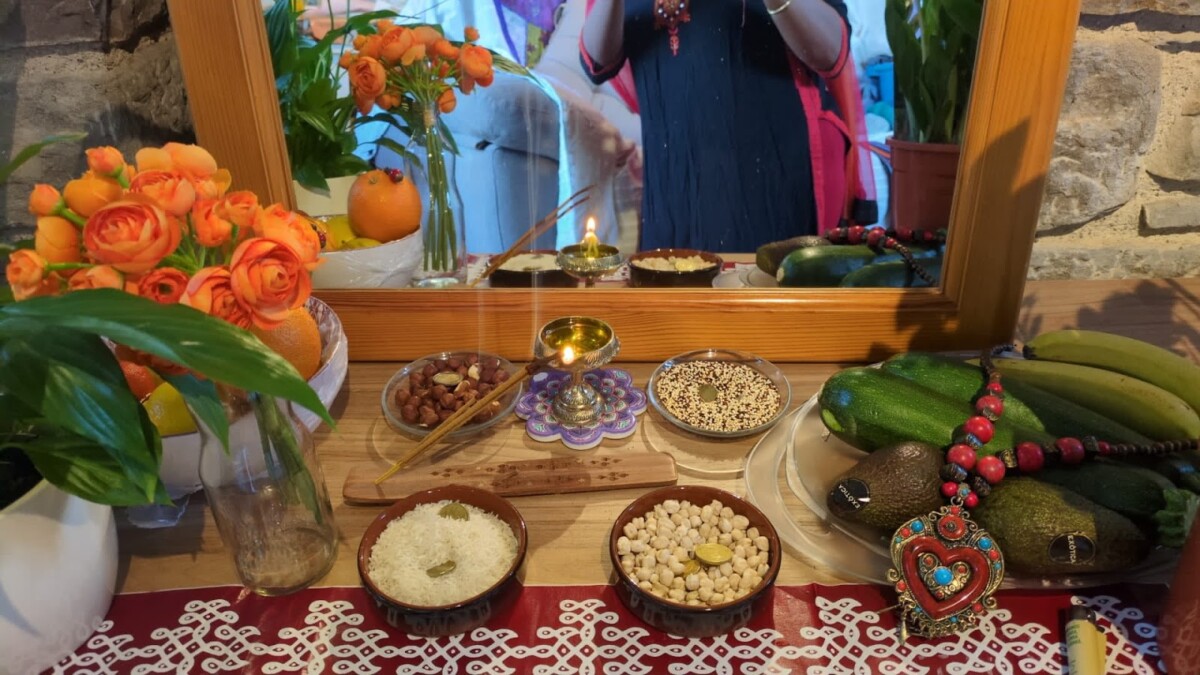
A compelling illustration comes from celebrating Vishu (the Malayalam New Year) across the Spain–France border in the Pyrenees. With a small brass lamp, incense, a Kerala mundu sari, and limited produce, a minimalist Vishu kani still conveyed abundance and auspicious beginnings. The sariworn against a backdrop of snow-lined peaksbecame a living archive of memory and meaning, reaffirming how simple cultural markers carry disproportionate significance in unfamiliar settings.
Vishu customs naturally culminate in a sadhya, or festive feast. In a small Spanish village, an all-vegetarian spreadaloo parathas, chole, sautéed vegetables, vegetable fried rice, rasam, and raitaintroduced guests to “Hindu comida” and opened a generous exchange on faith, culture, yoga, and meditation. The evening affirmed a central dharmic insight: veneration of the Divine in everyone and everywhere dissolves artificial barriers. These values resonate across the wider family of dharmic traditionsHinduism, Buddhism, Jainism, and Sikhismthrough shared emphases on inner discipline, ahimsa, meditation, seva, and reverence for nature.
Nature itself becomes both altar and scripture. In the Pyrenees, snow-capped ridgelines recalled Shiva’s Himalayan abode, while the mountain rivers invoked Ma Ganga’s descent. Vishu’s ecological messagetreating nature as the true locus of wealthacquires tangible urgency in such terrains, where interdependence and restraint are not only ethical ideals but practical necessities for flourishing.
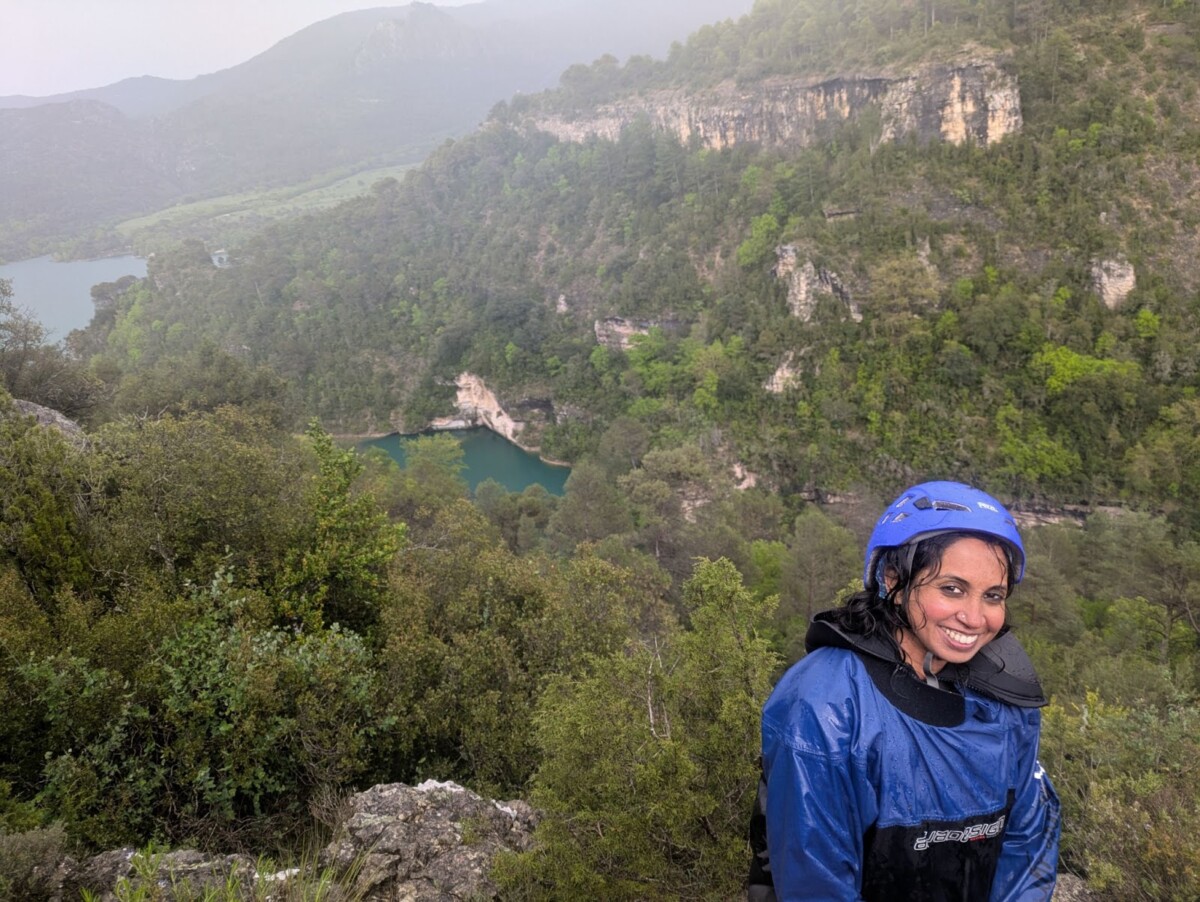
Outdoor adventures in the regionhiking, canyoning, and rappellingbecome moving workshops in impermanence and courage. Recitation of the Maha Mrityunjaya Mantra in moments of apprehension concreteizes the Hindu meditation tradition’s pragmatic promise: cultivating steadiness of mind amidst uncertainty. Shaiva imagery of the cremation ground, where Shiva remains the final companion when all others depart, reframes mortality as a teacher of viveka (discernment) and vairagya (non-attachment). Similar contemplative orientations are found across dharmic streams, deepening solidarity in practice and insight.
The portability of sadhana clarifies why dharmic lifeways endure through historical disruptions and diasporic dispersal. Even when temples, scriptures, or formal rituals are distant, bhakti and jnana thrive because nature is a perennial sanctuary and the inner altar never closes. Rishis and acharyas modeled this by seeking solitude in forests, mountains, and deserts, attaining realization through sustained abhyasa (practice) and an unwavering search for the Real.
Pragmatically, those traveling on a holy day need not forgo connection: a lamp at dusk, a brief mantra japa, a simple offering of fruit or flowers, and a few minutes of silent meditation can transform a hotel room, a trail overlook, or a kitchen table into a mandir. In time, Ishta Devata reveals presence in the silhouettes of trees, the cadence of rivers, the geometry of peaks, and the warmth of shared mealseach a quiet, convincing theophany.
Viewed through this lens, it becomes clearer why the holiest month in much of South India coincides with the long nights of winter. Margazhi asks for slowness, for inwardness, and for attentive engagement with nature’s subtle messages. Its spiritual and artistic current revitalizes communities, deepens cross-cultural friendship, and anchors unity across dharmic traditions. In that sense, Margazhi remains an original and enduring source of seasonal magicone that gently turns celebration into contemplation, and contemplation back into celebration.
Inspired by this post on Hindu America.
