
-
Srimad Bhagavatam Distribution Guide: Ethical, Scalable, Data-Driven Outreach to 100,008 Homes

This guide presents an ethical, inclusive, and data-driven framework for distributing Srimad Bhagavatam at scale, aligning cultural heritage stewardship with modern outreach practices. It situates the Bhagavata Purana within the wider corpus of Hindu scriptures and emphasizes unity among Hinduism, Buddhism, Jainism, and Sikhism through non-coercive, consent-based engagement. The roadmap covers volunteer training, legal compliance,…
-
From $150 to 20,000: Srila Prabhupada’s daring print strategy that built Back to Godhead
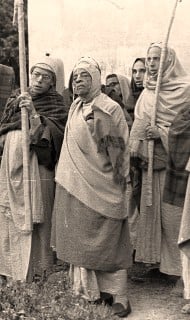
This article reconstructs Srila Prabhupada’s account of how a $150 equipment purchase on Long Island seeded the U.S. growth of Back to Godhead magazine. It traces the leap from five hundred early copies to multi-thousand runs and the decisive instruction to order twenty thousand. The narrative explains why offset printers require minimums, how fixed setup…
-
MP High Court Recognizes Dhar’s Bhojshala as a Hindu Temple: Evidence, Law, and Legacy
The Madhya Pradesh High Court has recognized Dhar’s Bhojshala complex as a Hindu temple, grounding its decision in corroborated archaeological, epigraphic, and archival evidence. The ruling operates within India’s constitutional guarantees under Articles 25 and 26 and aligns with heritage conservation duties under the AMASR framework. Readers will gain a clear view of how courts…
-
May 22, 2026 Panchang: Exact Sashti–Saptami Shift, Good Muhurtas, Nakshatra and Rashi Insights

May 22, 2026 is a two-tithi day in the Hindu Calendar: Shukla Paksha Sashti lasts until 11:46 AM (IST), followed by Shukla Paksha Saptami. This guide explains how to plan devotion and life tasks across the Sashti-to-Saptami transition, when to prefer Abhijit and Brahma Muhurtas, and how to avoid Rahu Kalam using a simple, location-based…
-
Reclaiming Voice from Shame: Trauma‑Informed Assertiveness Guided by Dharmic Principles

Many adults taught that their feelings did not matter struggle to speak up, not because they lack maturity, but because their nervous systems learned that silence equals safety. This article reframes learned silence as an adaptive response and outlines a trauma-informed path to assertiveness grounded in nervous system regulation, emotional literacy, and boundary setting. It…
-
Srimad Bhagavatam 3.25.43: Kapila’s Transformative Bhakti‑Sankhya, Sādhu‑Saṅga, and Dharmic Unity
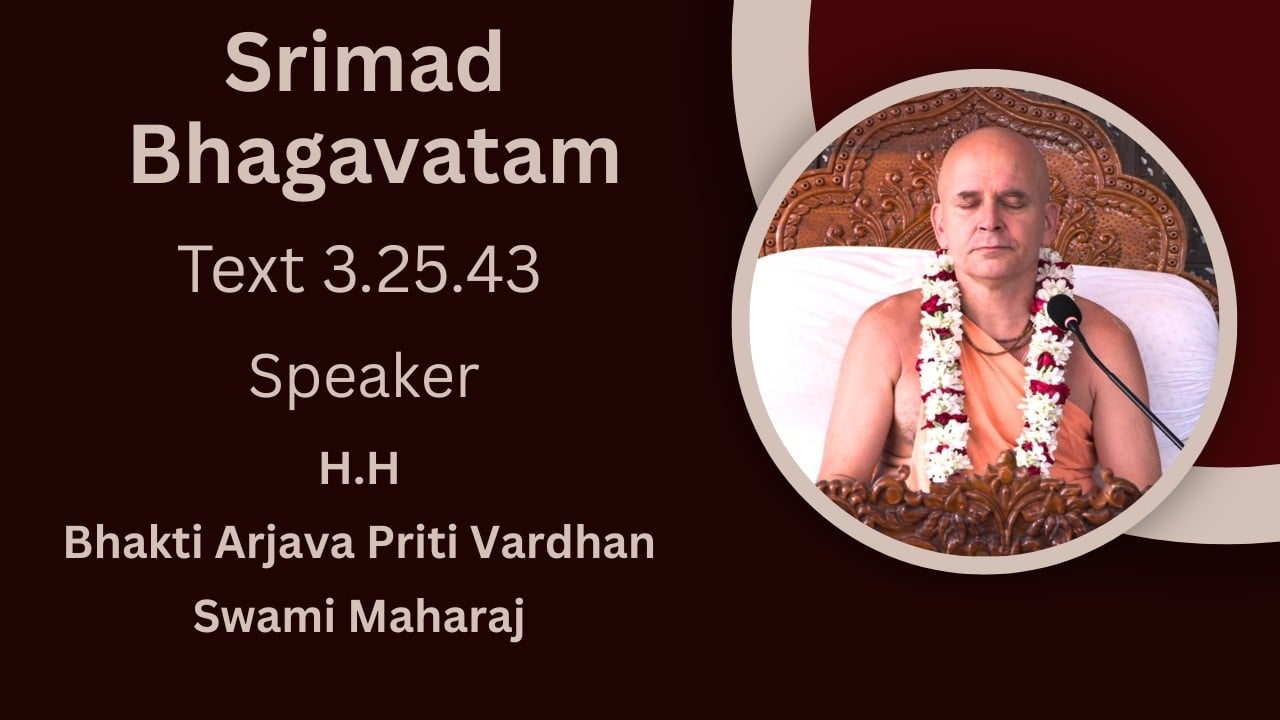
Śrīmad-Bhāgavatam 3.25.43 crowns Kapila’s theistic bhakti‑sāṅkhya, showing how analysis attains completion only when joined to devotion. This academic yet accessible exploration, based on a Mayapur TV – English discourse by H.H. Bhakti Arjava Priti Vardhan Swami Maharaj, explains why sādhu‑saṅga, śravaṇa, and sevā reliably reconfigure consciousness. It clarifies how Bhāgavatam treats bhakti as a rigorous…
-
Bangladesh High Court Rejects Bail for Monk Chinmoy Krishna Das amid Minority Safety Fears

Bangladesh’s High Court Division has denied bail to Hindu monk Chinmoy Krishna Das, intensifying debate over due process and the safety of religious minorities. The analysis explains how Bangladesh’s CrPC framework guides bail decisions and situates the ruling within constitutional guarantees and ICCPR obligations. It highlights the difference between bail adjudication and determinations of guilt,…
-
May 16, 2026 Amavasya Panchang: Timings, Shubh Muhurat, Rituals, and Nakshatra–Rashi Guide

Saturday, May 16, 2026 features Krishna Paksha Chaturdashi until 03:51 AM IST, followed by Amavasya until 01:37 AM IST on May 17. The Panchang framing makes this a contemplative, service-oriented day ideal for pitru-kārya, quiet puja, and satvika charity. Because much of Amavasya spans the daylight hours, families can schedule Darsha Shraddha and tarpan with…
-
Hare Krishna Kirtan on King’s Day 2026: Nitai Prabhu Leads a Vibrant Sankirtan in Amsterdam

On April 27, 2026, a mobile Hare Krishna kirtan led by Nitai Prabhu wove through King’s Day in Amsterdam, blending devotional rhythm with civic celebration. The procession introduced harinama-sankirtanacongregational chanting of the Hare Krishna maha-mantraas an accessible form of urban spirituality and cultural exchange. Structured by mridanga, kartals, and harmonium, the call-and-response format enabled spontaneous…
-
Ace Your Hardest School Year with Dharmic Detachment: A Bhagavad Gita–Aligned Study Blueprint

Students often face a painful dilemma: work hard yet see mixed results, then oscillate between self-criticism and fatalism. A dharmic frameworkrooted in the Bhagavad Gita and harmonized with Buddhism, Jainism, and Sikhismreplaces that false choice with a synthesis: disciplined, evidence-based effort joined to inner surrender of outcomes. This approach anchors study in karma yoga and…
-
Decoding Panchamukhi Ganapati: Five Faces that Harmonize Elements, Senses, and Self
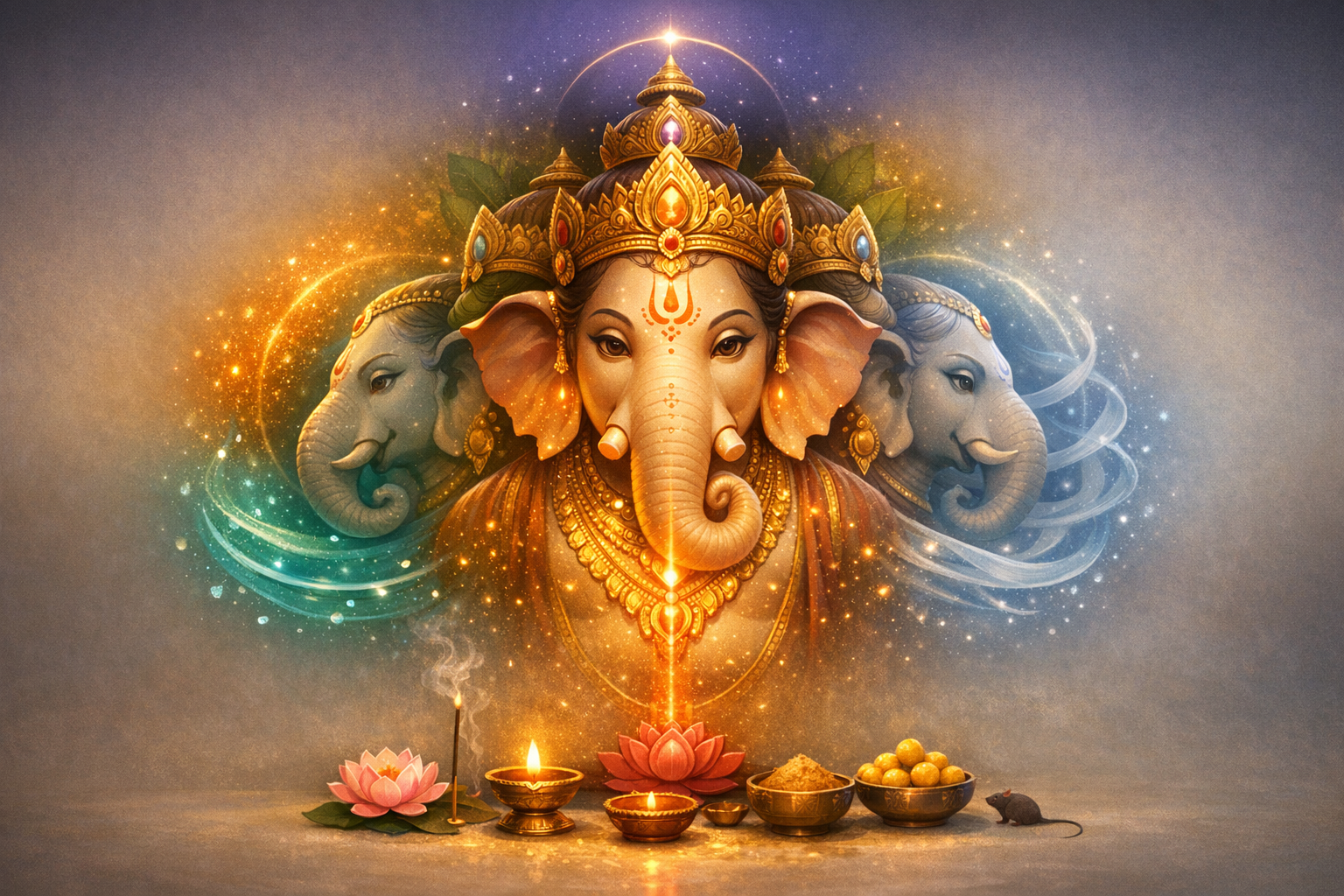
This in-depth exploration decodes Panchamukhi Ganapati as a five-faced synthesis of the five senses and the five great elements. It clarifies the classical mapping of indriyas to pancha mahabhuta and shows how the image guides pratyahara and allied yogic practices. Readers encounter multiple scholarly interpretations, from pancha prana and Pancha Kosha Viveka to the fivefold…
-
From Sensory Illusion to Self‑Realization: A Dharmic Guide to Serving the Supreme

This essay unpacks the Dharmic insight “I am not these senses” and shows how a life changes when the stance shifts from unconsciously receiving to consciously serving the Ultimate Reality. Drawing on the Upanishads, Bhagavad Gita, Yoga Sutra, Buddhist mindfulness, Jain ethics, and Sikh seva, it explains how sense-identification loosens through ethical restraint, pratyahara, meditation,…
-
Manidweepa Unveiled: Inside the Jeweled Island of the Mother Goddess and Cosmic Consciousness

Manidweepa (Mañidvīpa) is portrayed in the Devi Bhagavatam Purana as the jeweled island of the Mother Goddess, a sacred geography beyond the fourteen worlds and the Ocean of Nectar. This analysis explains how Śrī Nagara, the Chintāmaṇi gṛha, and the Pañcabrāhmāsana encode Hindu cosmology and Śrīvidyā practice. It maps Manidweepa to the nine āvaraṇas of…
-
Illuminating Sikh Lives: Eleanor Nesbitt’s Transformative Legacy in Sikh Studies and Dialogue

Eleanor Nesbitt’s scholarship reshaped Sikh Studies by centering lived religion, diaspora ethnography, and dialogue with communities. Her workrooted in careful fieldwork and clarity of methodhelps educators and students understand Sikhism through both scripture and everyday practice. By examining home, school, and gurdwara as interconnected learning spaces, she demonstrates how seva, langar, kirtan, and the 5…
-
Narasimha Iconography Decoded: Forms, Symbols, and Sacred Meanings in Hindu Temple Art

This long-form guide decodes the iconography of NarasimhaHinduism’s half-lion, half-man avatar of Vishnuacross textual sources, temple sculpture, and living ritual. It details the major forms (Ugra/Kevala, Lakshmi-Narasimha, Yoga-Narasimha, Jvala/Krodha), their attributes and mudras, and how Shilpa Shastras and Agamas govern measurements and aesthetics. Readers learn to recognize narrative panels (pillar-theophany, twilight justice) and to interpret…
-
Indian Railways and Religious Dietary Choice: Halal vs JhatkaA Practical, Respectful Fix

A passenger’s request for a jhatka meat option on Indian Railways spotlighted a narrow but important gap in IRCTC’s otherwise safety-first catering policy: the absence of transparent, method-of-slaughter choice. This analysis explains why food safety compliance, while essential, does not resolve concerns rooted in conscience and religious practice. It defines halal and jhatka in neutral,…
-
Beyond the Senses’ Trap: Dharmic Science of Lasting Joy across Hindu, Buddhist, Jain, Sikh

Modern restlessness around pleasure and possession is precisely mapped in the shared wisdom of Hinduism, Buddhism, Jainism, and Sikhism. Each tradition explains how untrained senses agitate the mind and how disciplined attentionthrough pratyahara, mindfulness, aparigraha, Seva, and devotiontransforms agitation into equanimity. The piece integrates Hindu models of the indriyas, Gita psychology of desire, Buddhist dependent…
-
Unlocking Moksha with Mantra: The Transformative Science of Sound Across Dharmic Paths

This essay examines mantra within Hindu wisdom as a disciplined contemplative technology aimed at moksha, clarifying the classical sense of mananat trayate mantrah“that which liberates through contemplation.” It situates mantra in the metaphysics of sound (vak, shabda-brahman), explains Vedic precision in phonetics and meter, and contrasts Vedic, Tantric, and devotional forms, including bija, nama-japa, and…
-
Matak Hulāre Unveiled: The Swaying Rhythms of Punjabi Grace and Sacred Dharmic Unity

Matak Hulāre distills the Punjabi ideal of graceful sway and jubilant lift into a recognizable movement-music dialect spoken across Giddha, Bhangra, and festival gatherings. The piece unpacks its biomechanics, showing how pelvic sway, spinal curves, and shoulder release create the matak, while rhythmic accents and chest lift generate the hulāre. It maps the form’s rhythmic…
-
The Power of One Book: How a Bhagavad-gita Sparked Lifelong Devotion and Dharmic Unity

A single sacred text can catalyze lifelong practice and broad social uplift. Kadamba Kanana Swami’s testimony that a Bhagavad-gita passed from a friend reshaped his life and then vanished from view illustrates how books “find people,” a process he linked to grace: “Krsna is also part of it.” Social-science models of diffusion explain how one…