
-
Evil Eye (Nazar) Demystified: Dharmic Perspectives, Science of Envy, and Safe Remedies
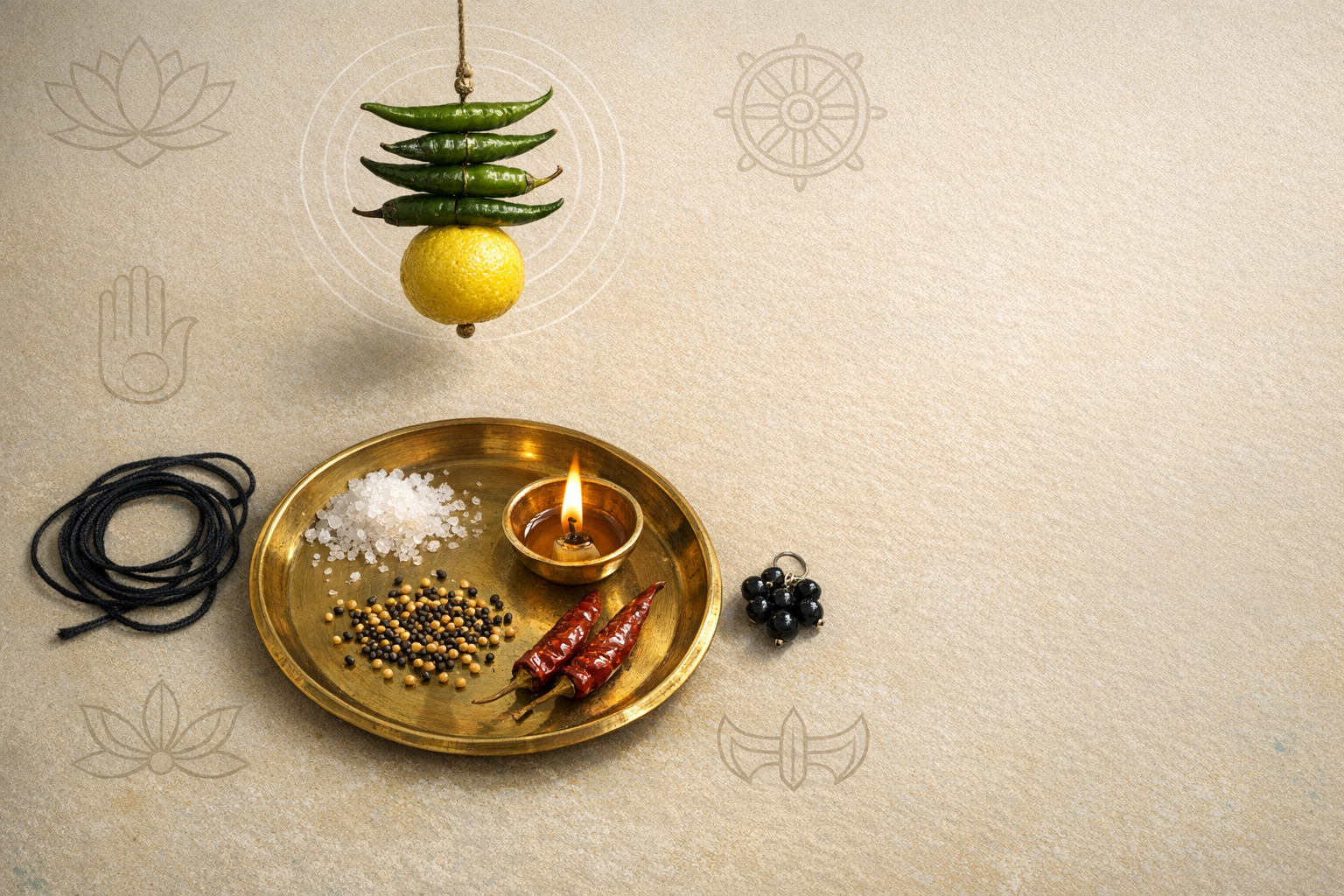
This analysis clarifies what people mean by the evil eye, or nazar and drishti dosha, and explains why belief can sometimes shape experience through expectancy and stress. It situates the topic within Hindu, Buddhist, Jain, and Sikh perspectives that emphasize intention, compassion, and ethical living over fear. Readers discover how protective customs function psychologically and…
-
Eternal Paradox of Being: Nothing Is Lost, Yet Everything Changes in Hindu-Dharmic Thought
This essay decodes the paradox “Nothing can be wiped out; but nothing remains same” through the lens of Hindu philosophy and the wider dharmic traditions. It shows how the Upanishads, the Bhagavad Gita, Advaita, Samkhya, Nyaya-Vaisheshika, Buddhism, Jainism, and Sikhism converge on a coherent view: being persists while forms transform. Readers gain clear definitions (sat,…
-
Washerman’s Whisper and Sita’s Ordeal: Unraveling Ramayana’s Most Debated Mystery
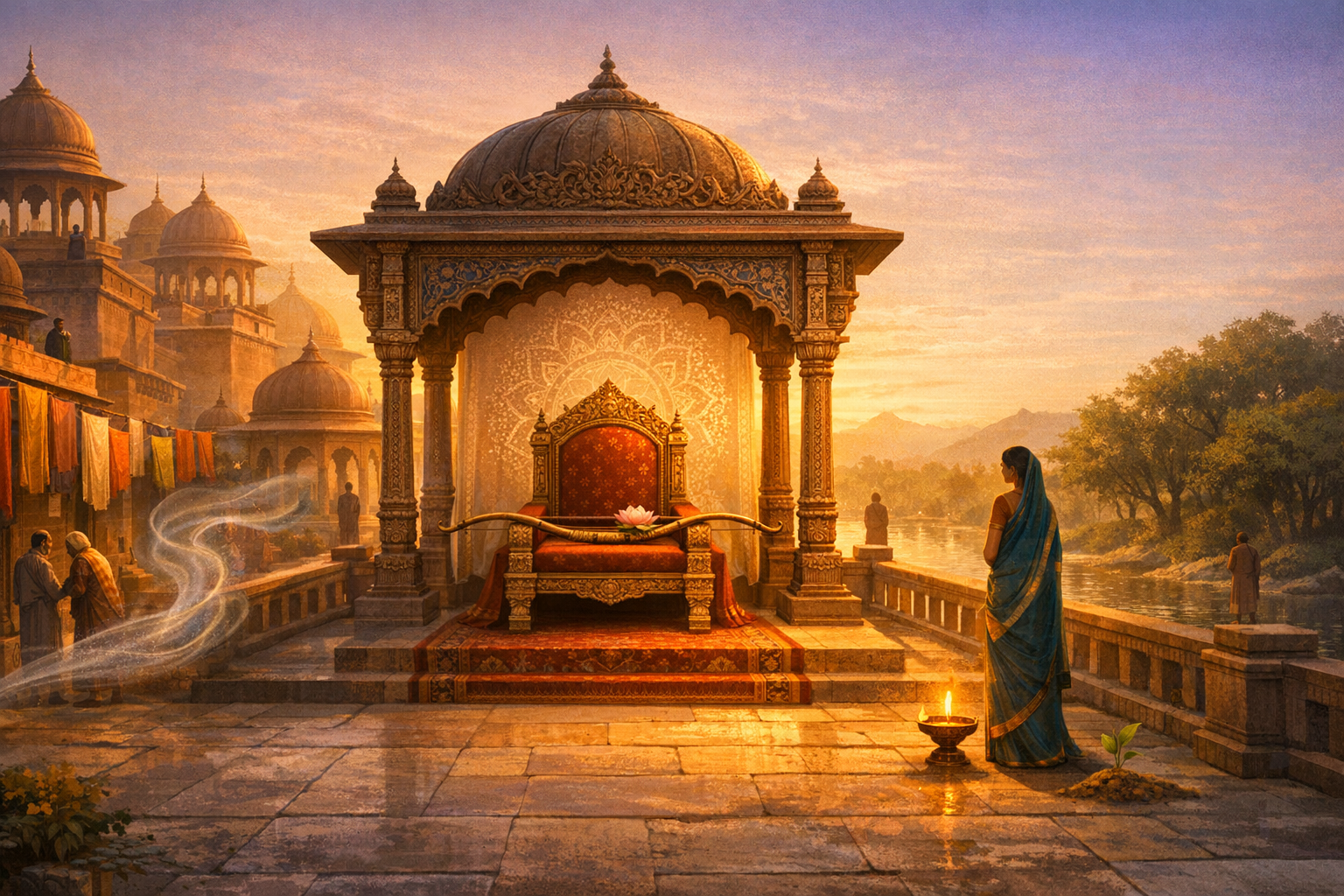
The ‘washerman episode’ in the Ramayana is more than a narrative twist; it is a rigorous exploration of ethics, governance, and compassion. This article situates the scenefive spies praising Sri Rama and a sixth overhearing a washerman’s harsh rebukein its textual and historical contexts, noting variations across Valmiki’s Uttara Kāṇḍa and later vernacular traditions. It…
-
Wealth as Sacred Trust: Dharmic Principles for Money, Integrity, and Inner Freedom

A dharmic view treats money as a sacred trust rather than a possession. Drawing on Hinduism, Buddhism, Jainism, and Sikhism, this analysis explains how wealth aligns with integrity through right livelihood, aparigraha, dāna, seva, and transparent stewardship. A practical framework translates principle into five arenasearning, spending, saving, investing, and givingeach tested by intent, impact, interdependence,…
-
Manavala Mamuni (1370–1443): Architect of Sri Vaishnava Revival and Vishishtadvaita Grace

Manavala Mamuni (1370–1443 CE) transformed Sri Vaishnavism by uniting rigorous Vishishtadvaita scholarship, heartfelt bhakti, and practical temple reform. Grounded in Ubhaya Vedanta, he elevated the Tamil Divya Prabandham alongside Sanskrit śruti, making Hindu philosophy accessible to everyday practitioners. His worksUpadesa Rathina Malai, Arthi Prabandham, Tiruvaradana Kramamand his teaching on prapatti shaped living devotional practice across…
-
Gudhi Padwa Unites Maharashtra: HJS Leads Collective Gudhi Pujan Welcoming the Hindu New Year
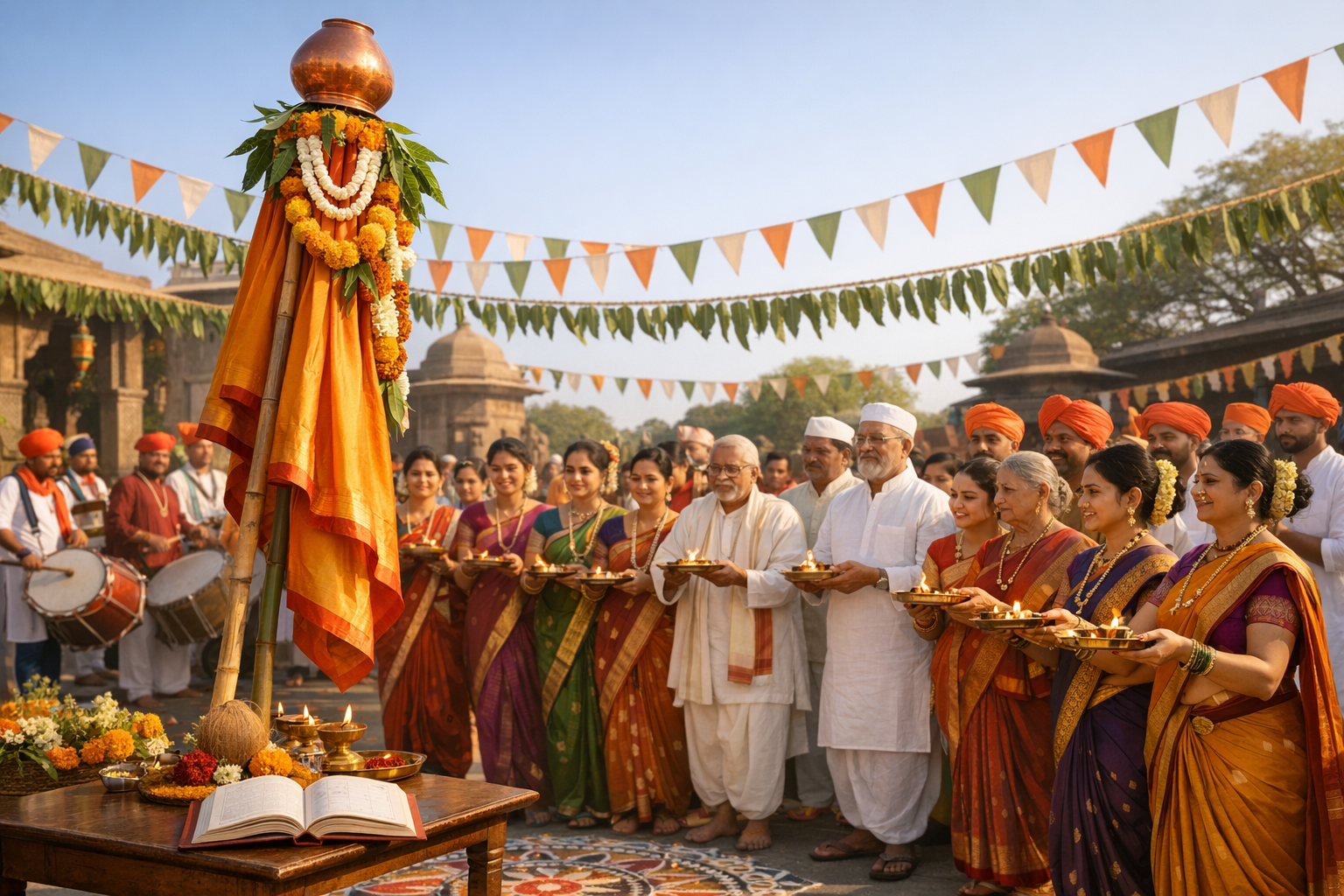
Gudhi Padwa was marked across Maharashtra with coordinated collective gudhi pujan ceremonies led by HJS and community partners, transforming household worship into a shared civic celebration of the Hindu New Year. The observances highlighted the calendrical precision of Chaitra Shukla Pratipada and the Shalivahana Shaka, with panchang readings that deepened public understanding of the Hindu…
-
When Shiva Halted Time for King Shvetaand Why the Wise King Chose Order Over Immortality

Skanda Purana’s Kedara Khanda narrates how Shiva conquered Time to protect King Shveta, only for the king to ask that Time be restored for the sake of cosmic order. The episode explores the interplay of divine grace with rta, showing why lawful process remains sacred even when miracles are possible. It models rajadharma by placing…
-
Sikh New Year Unveiled: Time, Grace, and the Soul’s Journey across Dharmic Pathways
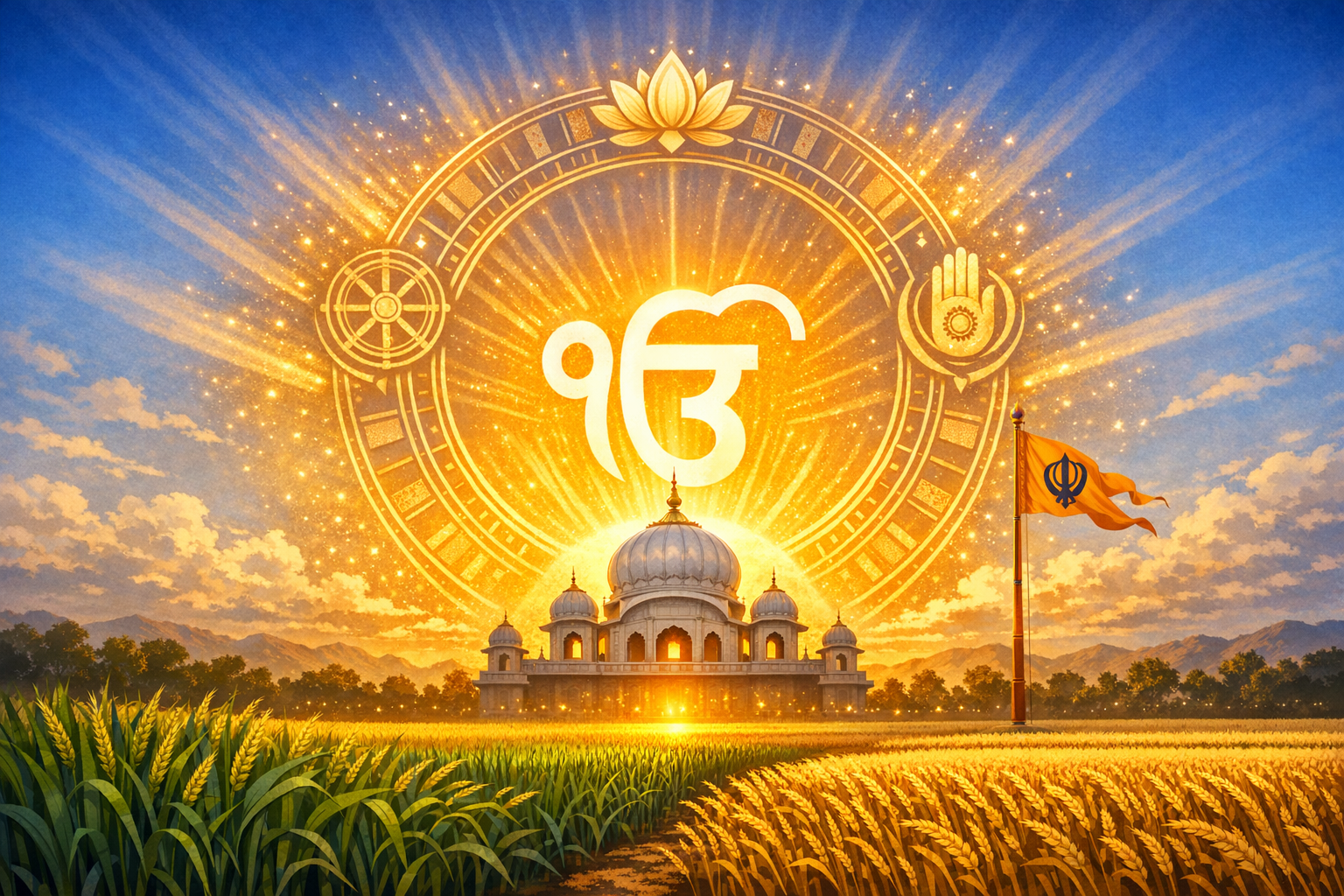
The Sikh New Year is observed through two complementary frames: 1 Chet in the Nanakshahi calendar in mid-March and Vaisakhi (Baisakhi) in mid-April, when the Khalsa was inaugurated at Anandpur Sahib in 1699. Grounded in Gurmat, the New Year weaves time (hukam), grace (nadar, kirpa), and the soul’s aspiration into a coherent path centered on…
-
Guru Nanak on Woman and Grace: A Scholarly Journey through Equality, Nadar, and Naam
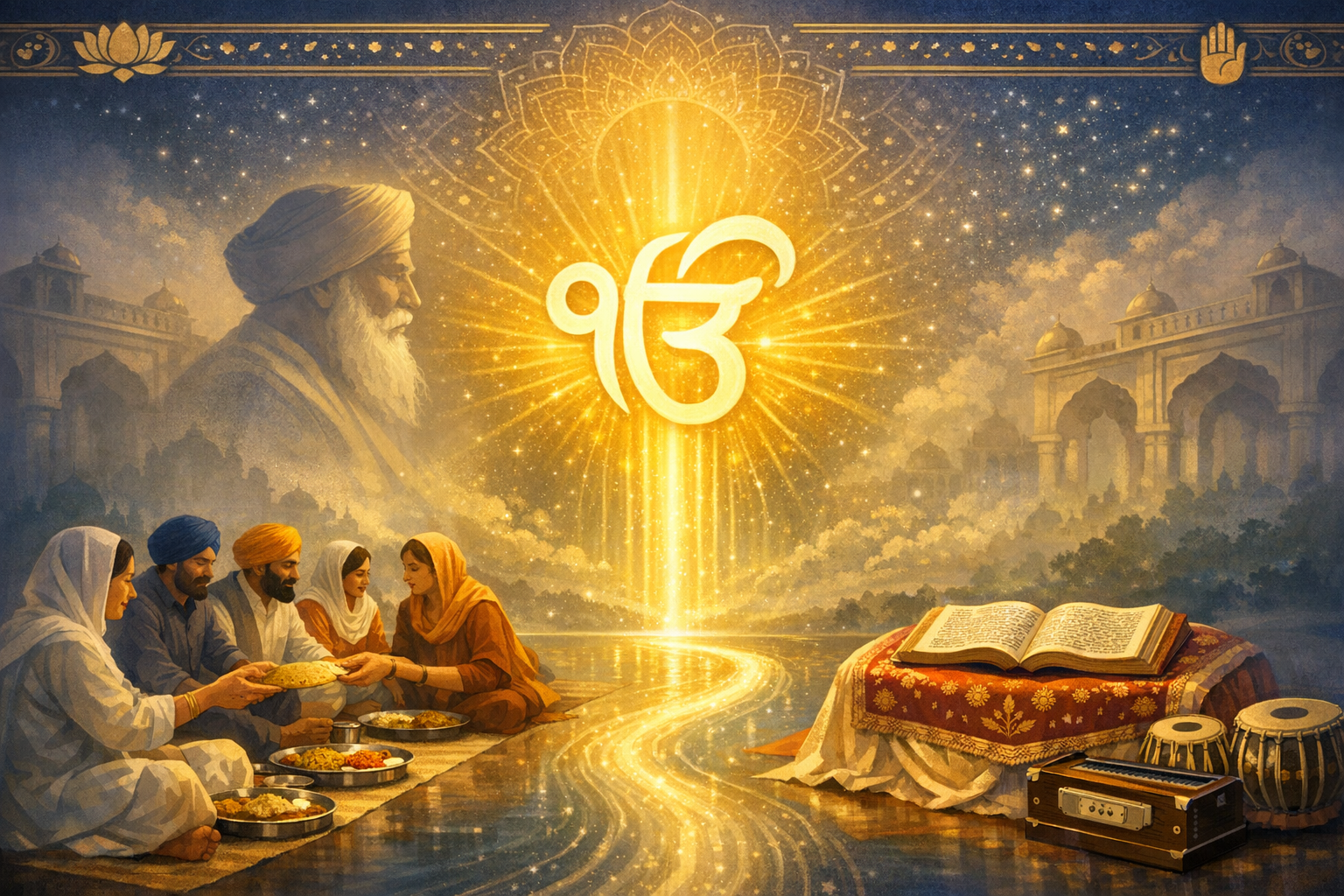
This long-form, research-driven essay offers a rigorous reading of two core motifs in Sikh scriptureequality of woman and divine graceand shows how they together shape a coherent path of practice. It clarifies key Sikh concepts such as hukam, nadar, Gurprasad, Naam Simran, seva, Kirat Karo, and Vand Chhako, situating them in historical and philological context.…
-
In-Depth Tula Rashi 2026–2027: Libra Moon Sign Vedic Astrology for Career, Wealth, Health, Dharma

Tula Rashi 2026–2027 unfolds in two clear phases for the Libra Moon Sign. Early in the period, Jupiter’s 9th-house placement emphasizes dharma, higher learning, mentor support, and long-distance opportunities. Mid-2026 onward, exalted Jupiter in the 10th house catalyzes promotions, public recognition, and institutional roles as Saturn in the 6th rewards systems, discipline, and service excellence.…
-
Vrishabha Rashi 2026–2027: Comprehensive Taurus Moon Predictions, Gochar, Remedies, Timing
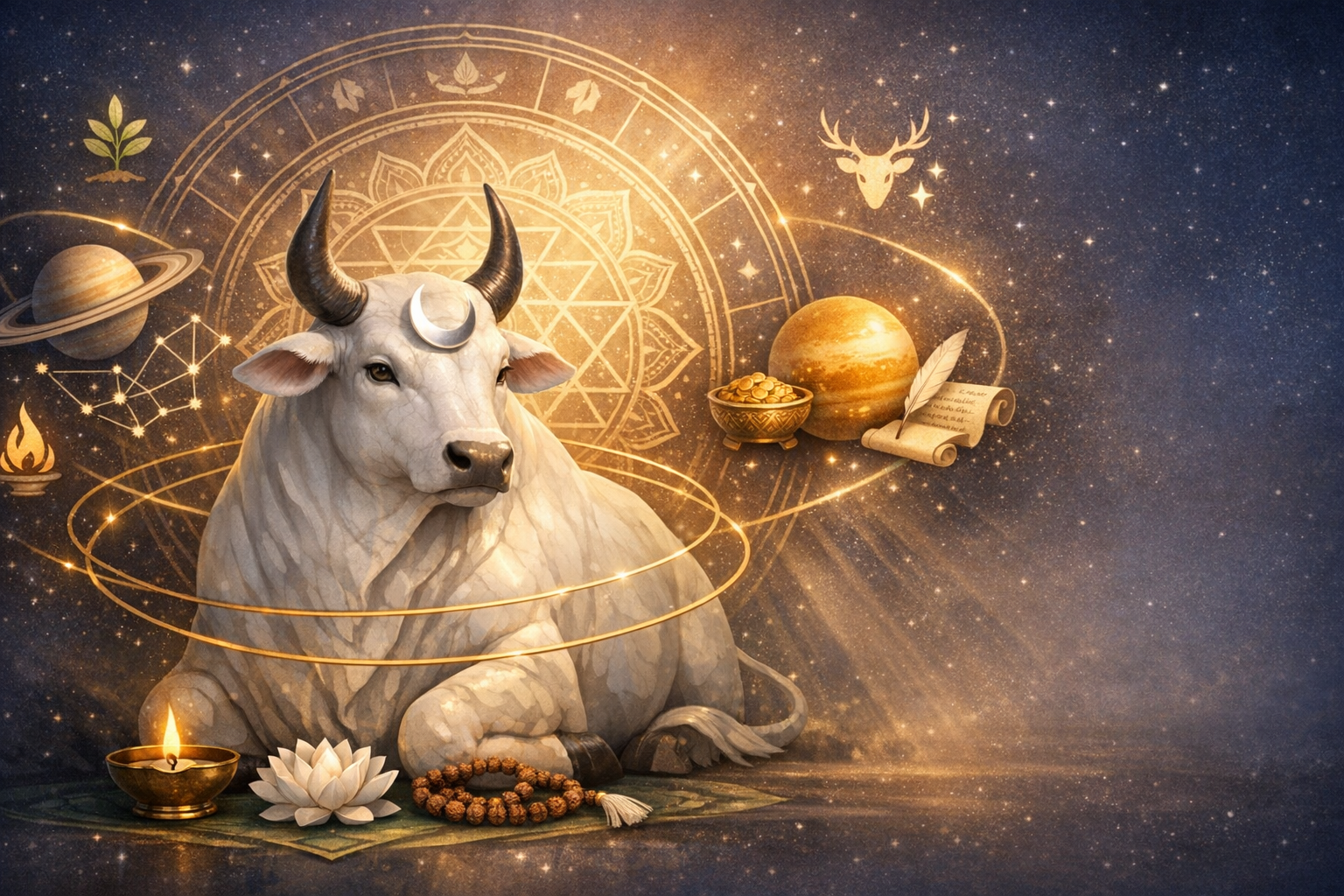
Vrishabha Rashi 2026–2027 brings a steady, gains-oriented year for Taurus Moon natives, with Shani emphasizing networks and long-term goals while Guru shifts focus from savings and family to communication and skills. Careers benefit from metrics-led execution, brand voice discipline, and ethical alliances; entrepreneurs gain from systemization and small-format thought leadership. Finances favor quality assets and…
-
May 2026 Hindu Festivals Guide: Vaishakh Purnima & Sankashti VratRituals, Timings, Significance

This IST-aligned guide to May 2026 Hindu festivals synthesizes trusted Panchang sources to clarify dates, meanings, and observances. It highlights May 1 as Vaishakh Purnimafeaturing Snan–Daan–Vrat Purnima, the end of Vaishakh Snan, Gandheswari Puja in Bengal, and Annamacharya Jayantiand May 5 as Sankashti Chaturthi Vrat (moonrise-based). The article explains how tithis work, why regional Panchang…
-
Own Your Dharma with Clarity and Courage: A Dharmic Antidote to Social Comparison

This comprehensive essay examines a core Dharmic counseldo not get lost in others’ idealsand explains why it is vital in an age of social comparison. Drawing from the Bhagavad Gita, Upanishads, Yoga Sutra, Buddhist teachings, Jain Anekantavada, and Sikh principles, it presents a practical, ethical, and context-sensitive framework for staying aligned with one’s svadharma. Readers…
-
Ghaziabad Bust Shatters ‘Ghazwa‑e‑Hind’ Plot: Six Arrested, Jaish‑e‑Mohammed Angle Probed

Ghaziabad Police detained six individuals on 13 March 2026 in a pre‑emptive operation against an alleged terror module accused of propagating Jaish‑e‑Mohammed ideology and invoking the “Ghazwa‑e‑Hind” narrative. The case illustrates how encrypted platforms, grievance‑based messaging, and micro‑cell tactics can converge to threaten public safety in the National Capital Region. It outlines India’s legal toolkitUAPA,…
-
Shani Sade Sati for Meena Rashi: Effects, Timelines, and Remedies for Viraya Shani

Shani Sade Sati for Meena Rashi begins when Saturn enters Aquarius, initiating the first 2½-year phase called Viraya Shani. Aquarius is Saturn’s moolatrikona, so the transit emphasizes discipline, accountability, and karmic closure more strongly than usual. This analysis outlines the 2023–2025 timeline (sidereal), the 12th-bhava themes of expenses, retreat, foreign travel, and spiritual inquiry, and…
-
Aaya Vyaya 2026–2027 Unpacked: Clear Income–Expense Signals for All Moon Signs (Rashis)

Aaya Vyaya (Aadayam & Vyayam) for 2026–2027, aligned with Sri Parabhava Nama Samvatsaram, distills yearly income and expense momentum for each Moon sign (rashi) into two numbers on a 1–14 scale. This guide explains how to read the table, why Moon sign is used, and how to convert the Income–Expense signal into clear budgeting and…
-
Decoding Gandharva Astra and Ratha Māyā: Strategic Illusion in the Mahabharata’s Dharma-Yuddha
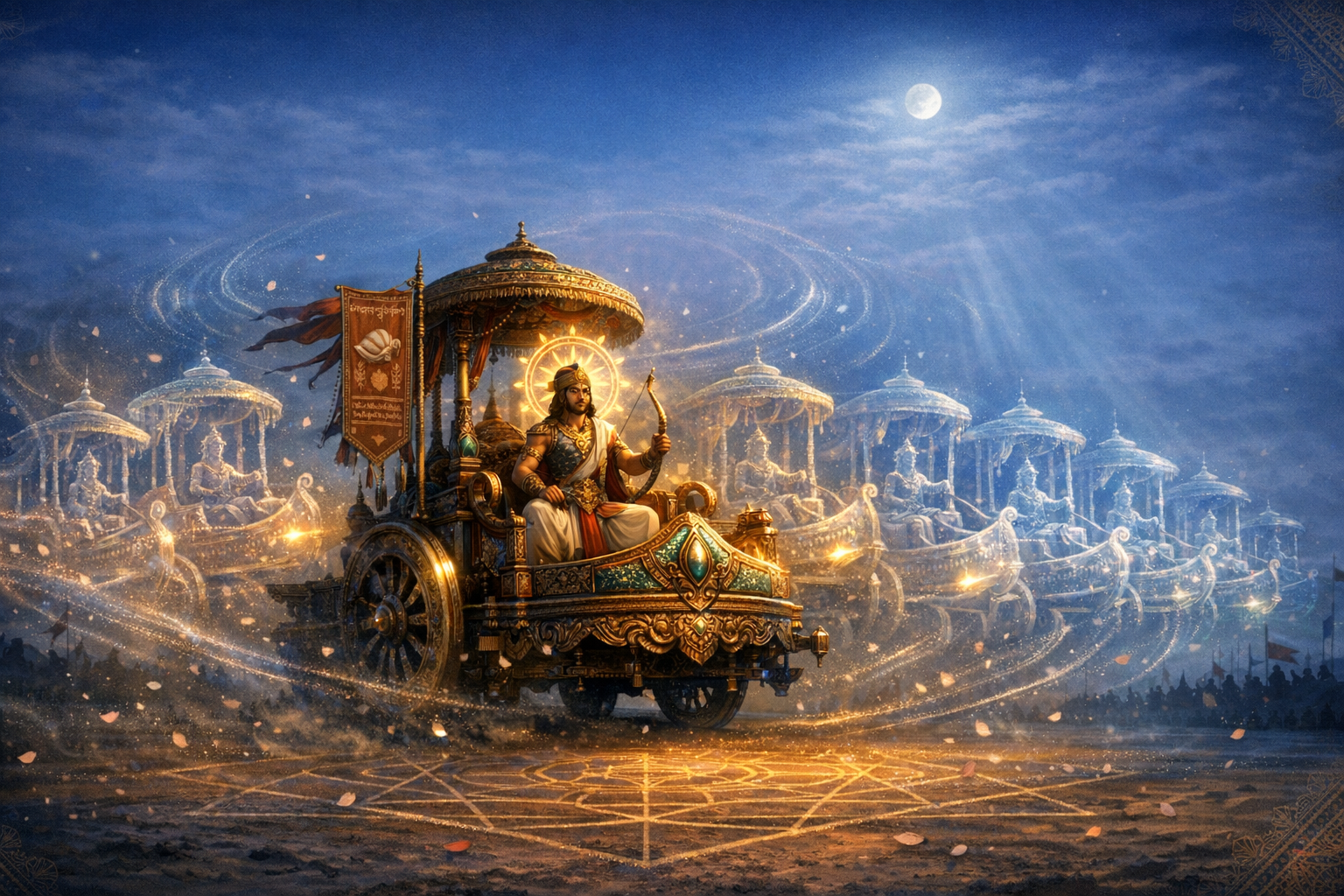
Gandharva Astra and Ratha Māyā reveal how the Mahabharata’s warfare valued perception, psychology, and ethics over brute force. Rather than destroy, these arts confoundmultiplying phantom chariots, bending acoustics, and reshaping what enemies can trust. Grounded in dharma, they belong to a just-war ethos that prizes restraint and the principle of minimum violence. Case motifs from…
-
Panguni Uthiram’s Sacred Full Moon: Divine Marriages, Murugan Kalyanam, and Temple Traditions
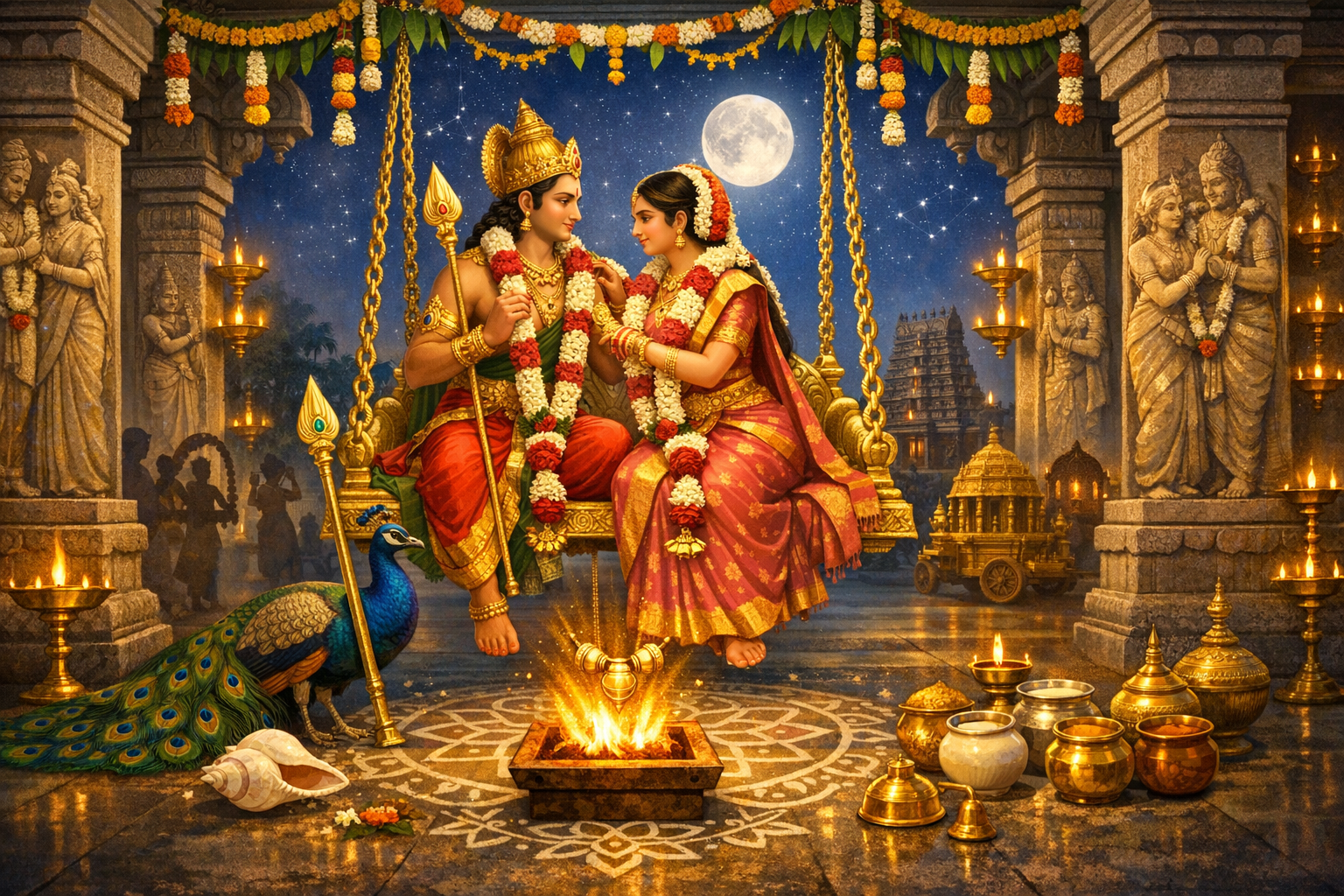
Panguni Uthiram, observed when Uthiram (Uttara Phalguni) Nakshatra coincides with the Pournami Full Moon in the Tamil month of Panguni, is a major festival celebrating divine marriages and the sanctity of household life. Rooted in Agamic and Puranic traditions, it highlights the kalyanam of Shiva–Parvati, Murugan–Deivayanai at Tirupparankundram, and the serthi of Sri Ranganathar with…
-
Affirmation, Repetition, and Social Contagion: A Dharmic Roadmap from Greed to Renewal
This essay reframes today’s overlapping crisesconflict, displacement, disasters, and economic strainthrough the lens of affirmation, repetition, and social contagion. It explains how these mechanisms have normalized material excess and how, redirected by dharmic wisdom, they can catalyze renewal. Readers gain a clear framework linking behavioral science with the shared ethics of Hinduism, Buddhism, Jainism, and…
-
Chandika Navami 2026: Powerful Chandi Puja on Krishna Paksha NavamiMeaning, Vidhi, Benefits
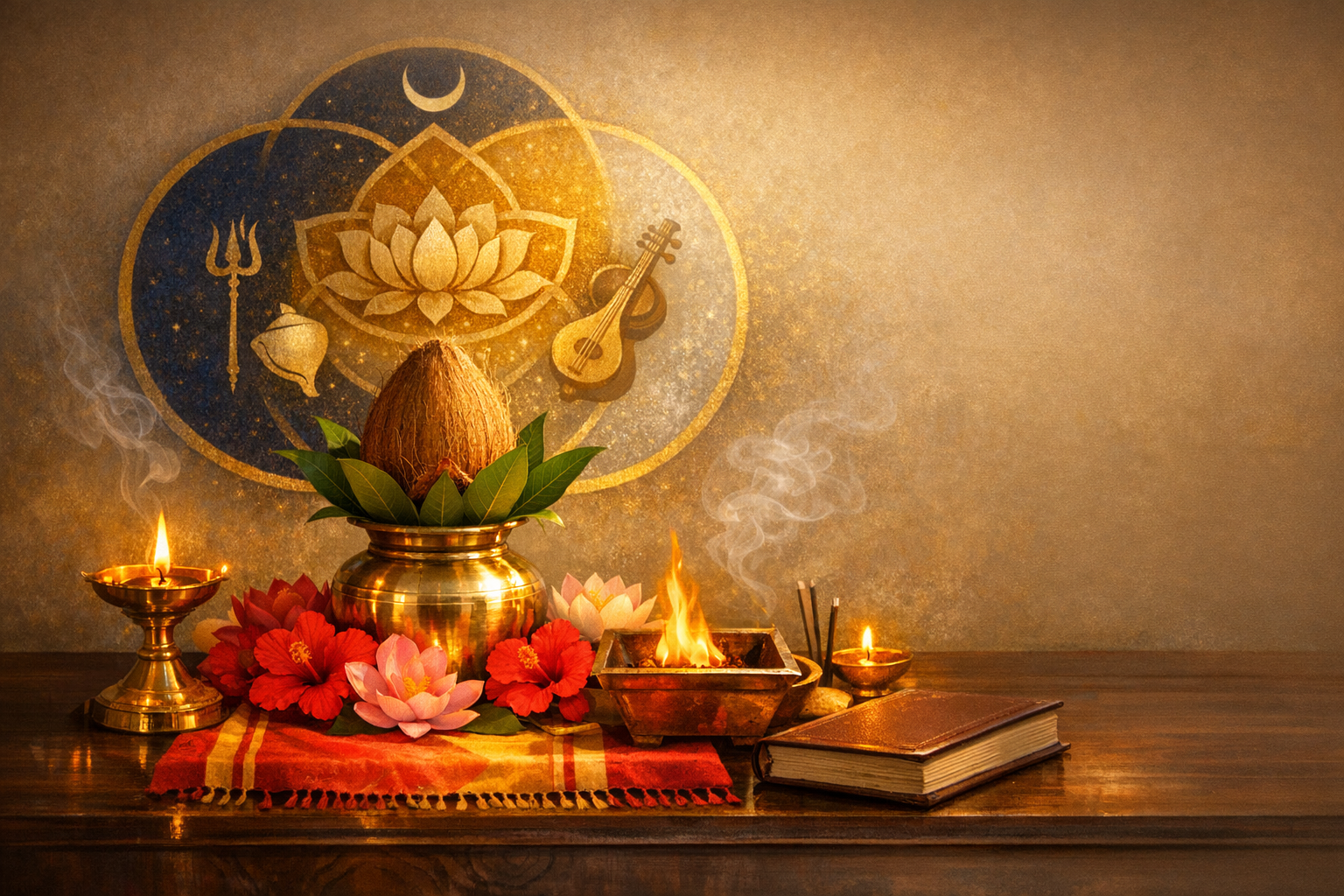
Chandika Navami in 2026 falls on 11 April, observed on Krishna Paksha Navami in Chaitra by Amanta calendars and in Bhadrapada by certain Purnimanta traditions. This comprehensive guide explains the festival’s Vedic-Puranic basis, the meaning of Chandika as the integrated Shakti of Mahakali, Mahalakshmi, and Mahasaraswati, and why tithi timing on Navami is central. Readers…