-
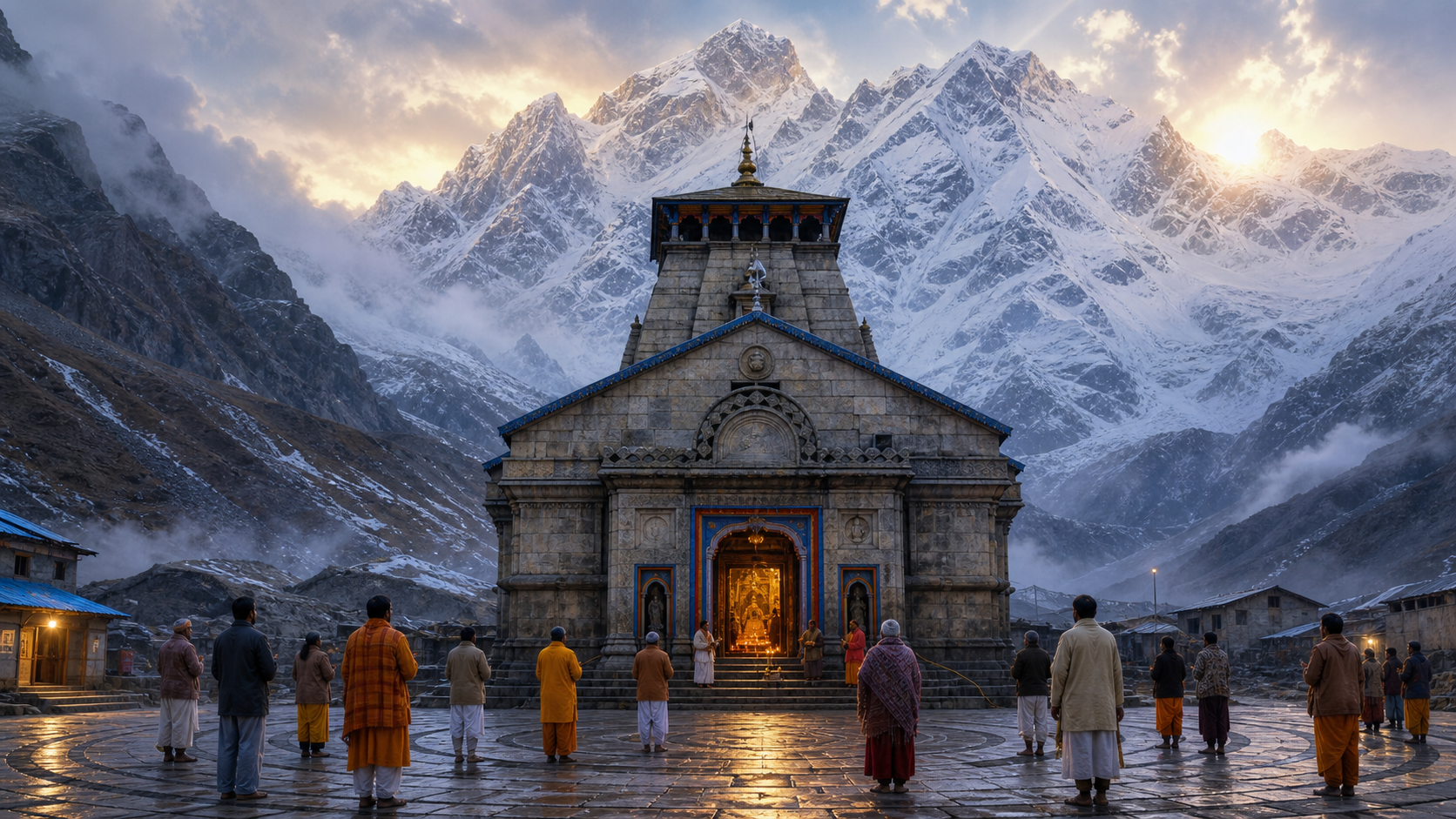
Gujarat’s Uniform Civil Code Push: A Rights-First, Gender-Just Blueprint After Uttarakhand

Gujarat is moving toward a state-level Uniform Civil Code (UCC) after Uttarakhand, with a reported draft that mandates registration of marriages and live-in relationships, uniformly prohibits polygamy, and restricts practices described as halala. Anchored in Article 44 of the Directive Principles, the reform leverages state competence over family law while preserving freedom of religion by…
-
Dry January, APOE Risk, and Midlife Brain Health: Surprising, Evidence-Based Gains in Sleep and Focus

A month without alcohol became a practical case study in midlife brain health, shaped by family history and an APOE-linked elevation in Alzheimer’s risk. Choosing a clear, all-or-nothing boundary reduced decision fatigue and revealed how quickly the reward system shifts to alternative stimuli, notably sugar. Despite brief weight gain and a transient flare of hormonal…
-
Beyond Hashtags: Interfaith Festival Etiquette, Reciprocity, and Real Secularism in India

A viral trend of Hindus adopting Muslim surnames at Iftar offers a timely chance to deepen interfaith reciprocity rather than reduce it to spectacle. This analysis reframes Indian secularism as participatory coexistence, linking symbolic gestures to consistent, respectful engagement across Diwali, Eid, Gurpurab, Vesak, Paryushan, and Navratri. Drawing on ideas from ritual studies and signaling…
-
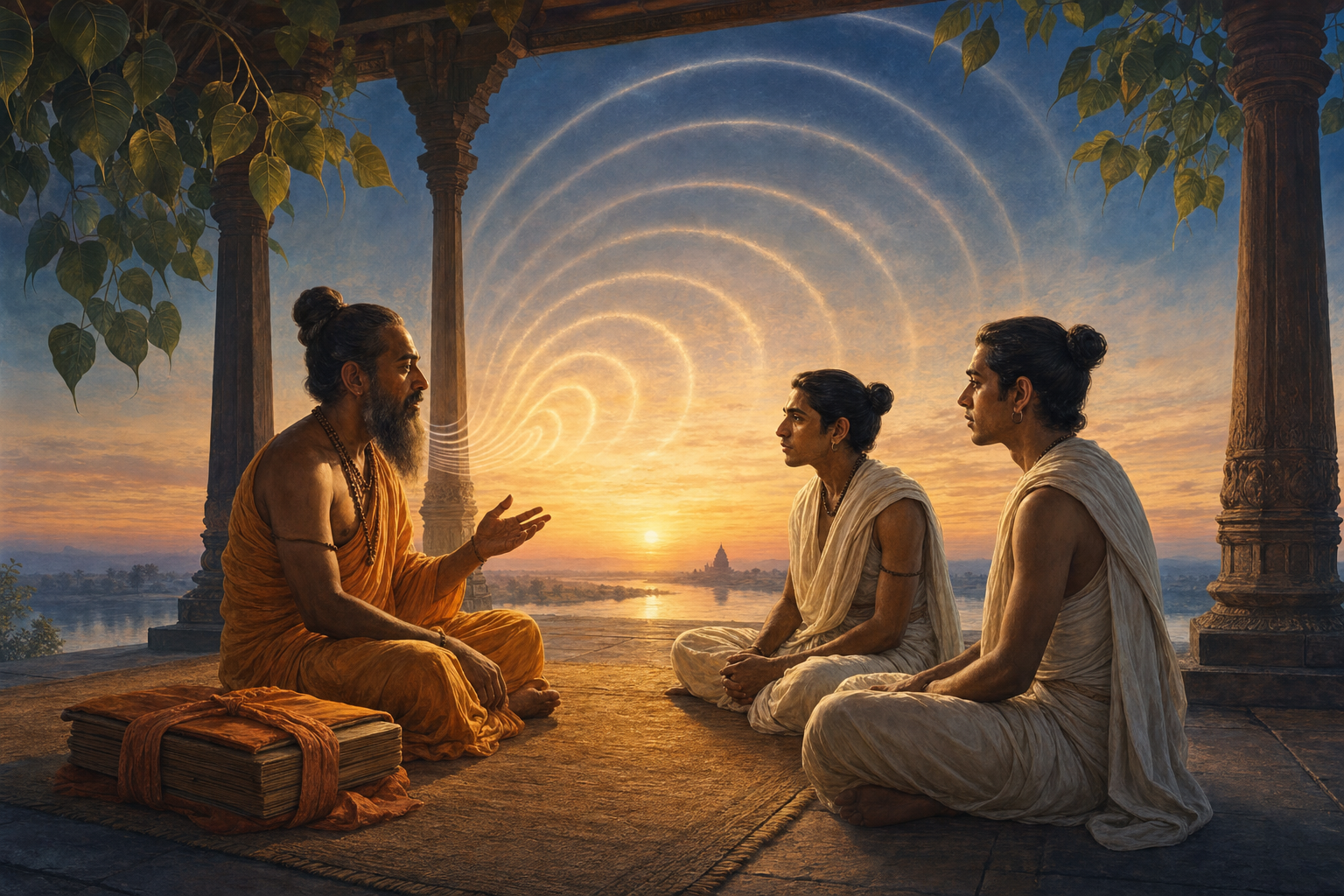
Decoding the Trimurti and Time: Brahma, Vishnu, Shiva as One Timeless Consciousness

Hinduism affirms a formless, timeless Brahman while compassionately offering the TrimurtiBrahmā, Viṣṇu, and Śivaas a contemplative lens on one consciousness performing creation, preservation, and dissolution. Grounded in Upanishadic and Vedic insights, this approach unites nirguṇa metaphysics with saguṇa devotion without contradiction. By situating the Trimurti within cyclical time (yugas, manvantaras, kalpas), the tradition frames change…
-
Maharashtra’s Freedom of Religion Bill 2026: Safeguards, Constitutional Tests, and Harmony

On 18 March 2026, the Maharashtra Legislative Assembly passed the Freedom of Religion Bill 2026, presented as “Not Against Any Religion.” Congress has called it unconstitutional, while Shiv Sena (UBT) extended support, prompting a rare cross-aisle debate. The Bill sits within a constitutional framework that protects freedom of conscience (Article 25) yet permits states to…
-
Mahatparinama Unveiled: The Transformative Journey from Subtle to Manifest Reality in Hindu Philosophy

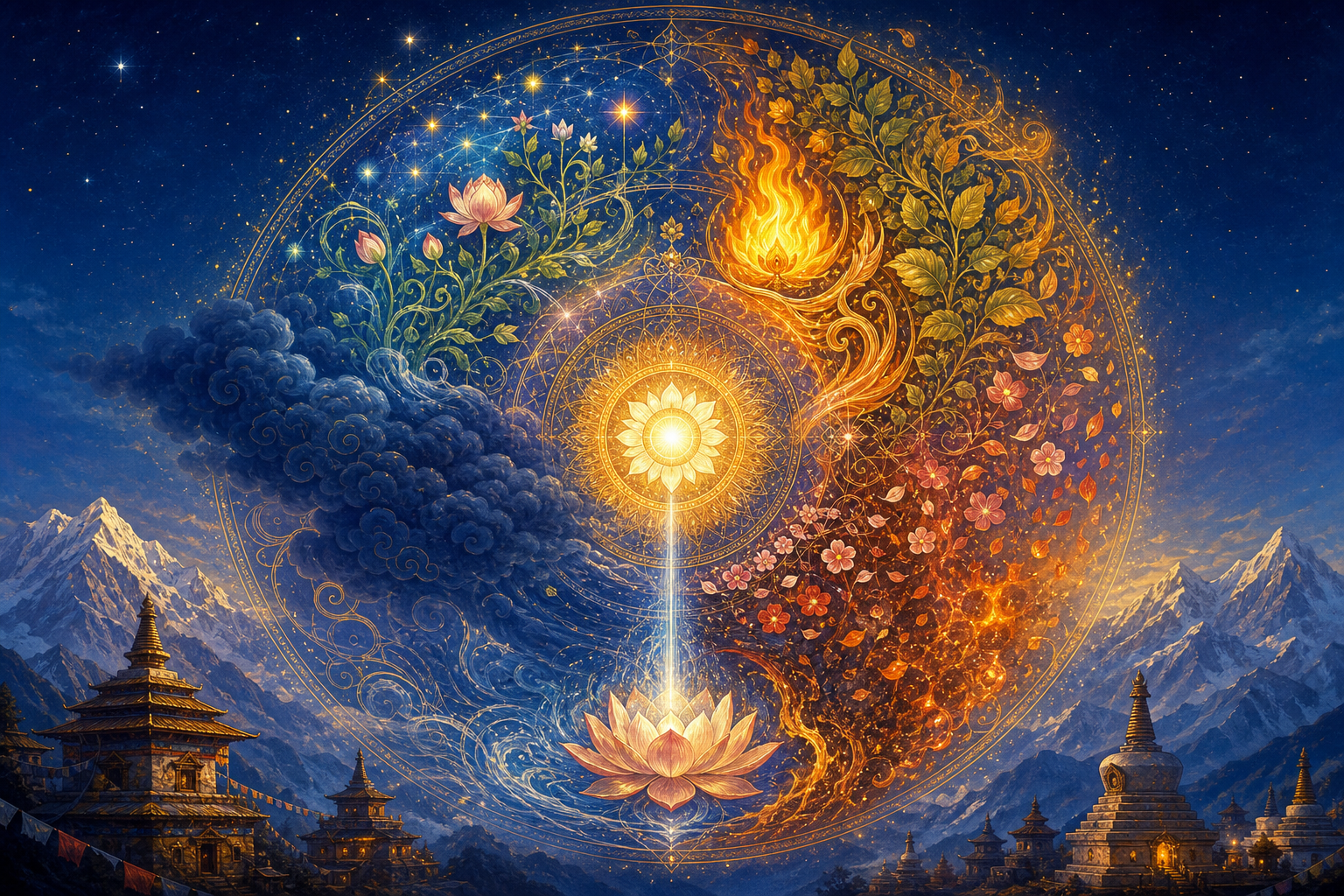
Mahatparinamathe transformation from subtle to manifestprovides a unifying grammar for Hindu philosophy, linking Samkhya’s cosmology, Vaisheshika’s atomism, Vedanta’s metaphysics, and Yoga’s inner practice. This comprehensive explainer maps the emergence from mahat (cosmic intelligence) through ahamkara, tanmatras, and the mahabhutas, clarifying how sukshma processes shape sthula outcomes. It contrasts satkaryavada and asatkaryavada, situates parinama and vivarta…
-
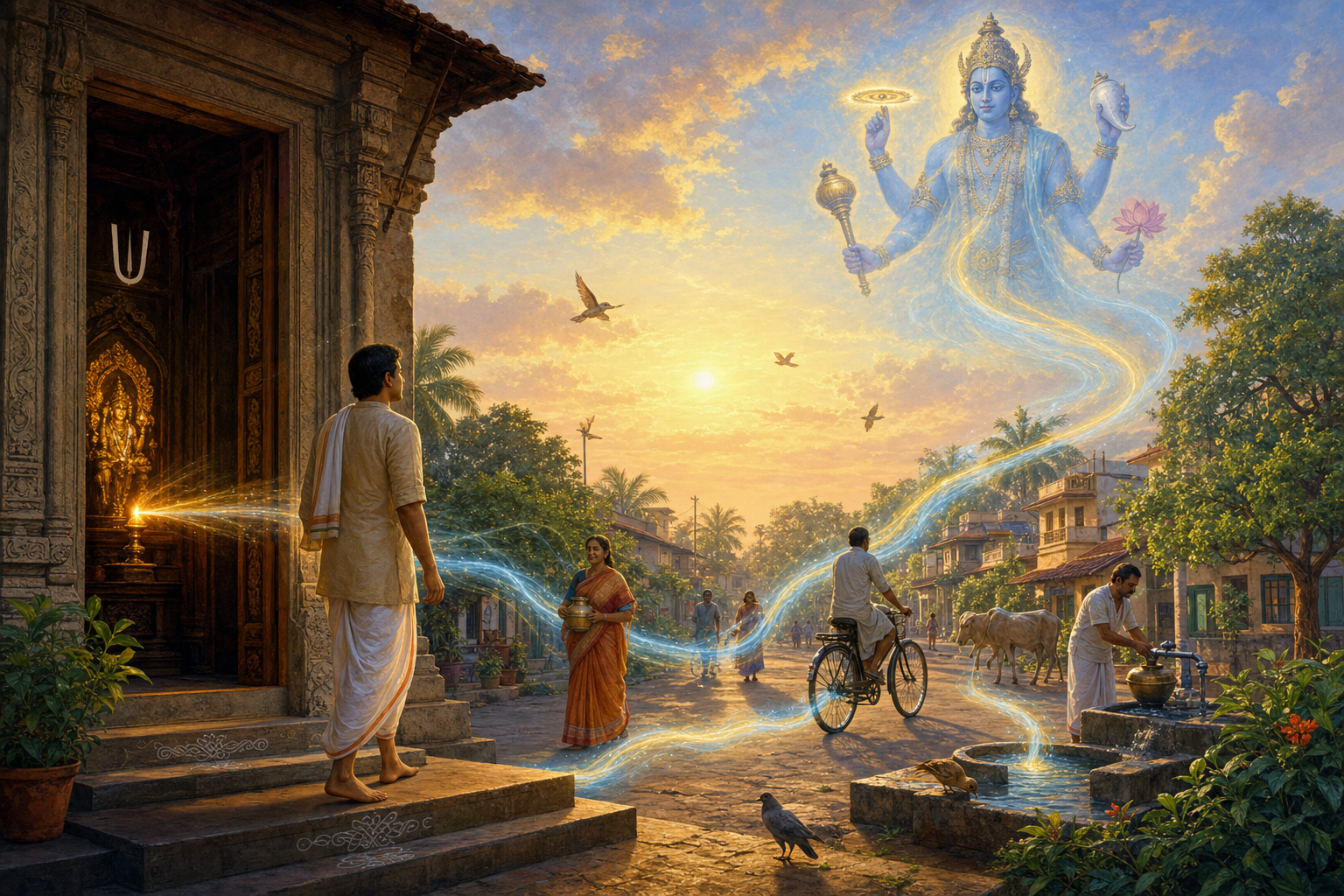
Seeing Govinda Everywhere: The mahabhagavata’s Transformative Path of Exclusive Bhakti (SB 7.7.55)

This analysis of SB 7.7.55, as explored in a morning Srimad Bhagavatam class by HH Guru Prasad Swami Maharaj at ISKCON Delhi, explains why the ultimate goal of life is exclusive devotion to Govinda and how mature realization expresses itself as seeing the Divine everywhere. It clarifies the mahabhagavata’s vision within Gaudiya Vaishnava theology (acintya-bheda-abheda)…
-
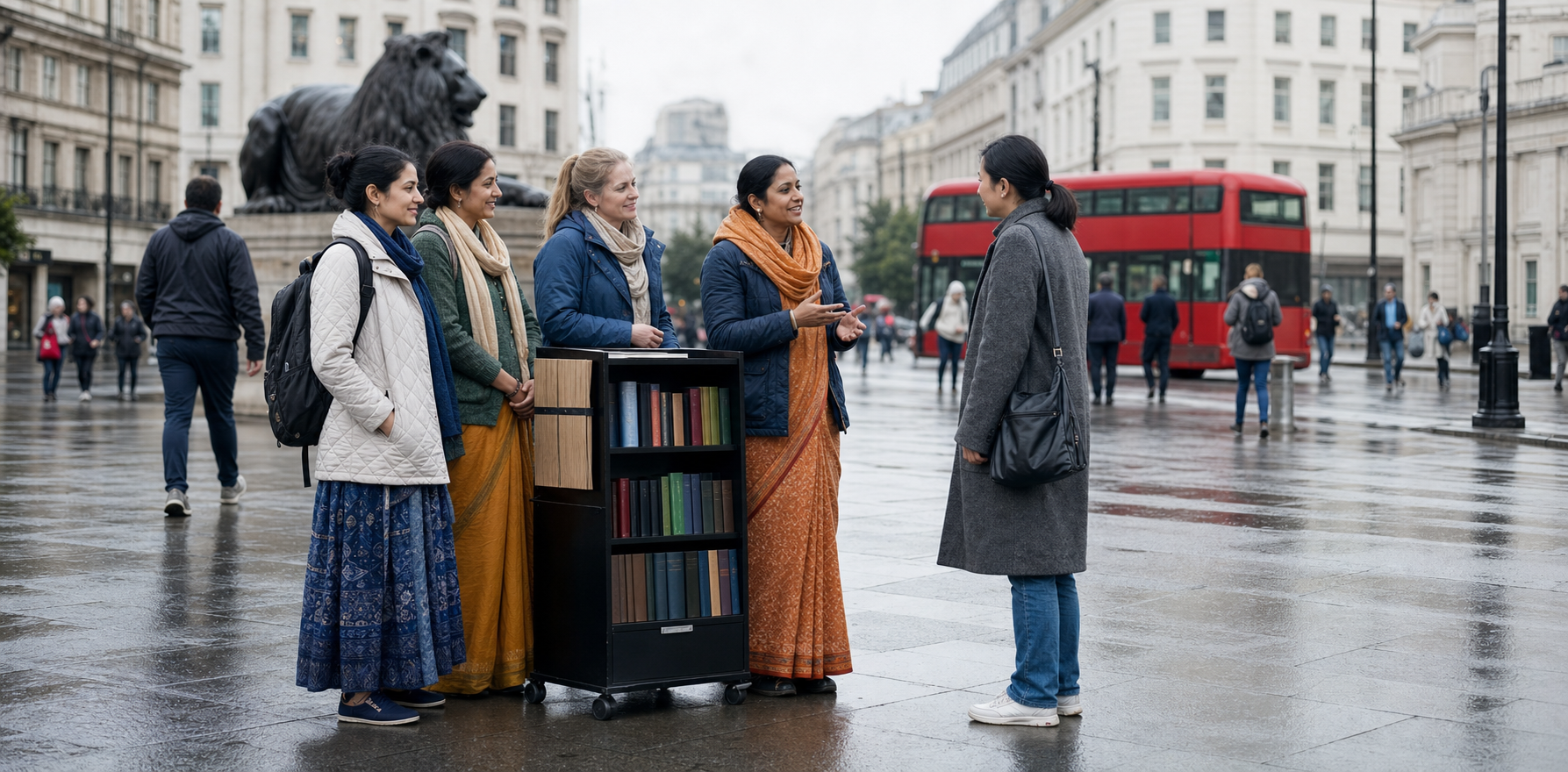
Women’s Wellbeing at Bhaktivedanta Manor: Empowering, Protecting, and Inspiring Through Dharma

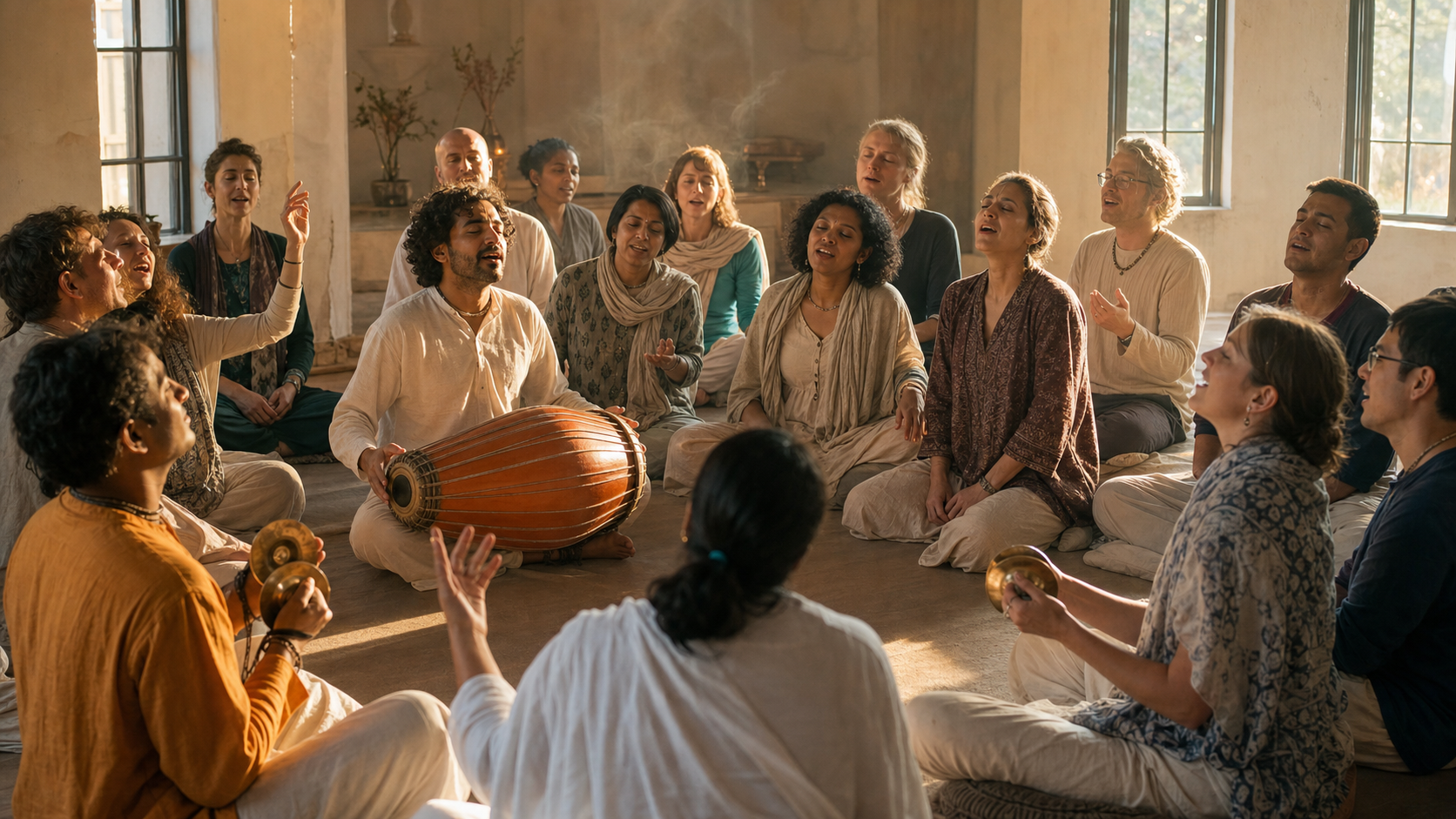
A Women’s Wellbeing event at Bhaktivedanta Manor, convened by DEVI with Devotee Care, showcased a rigorous, dharmic approach to empowerment, connection, protection, and inspiration. Timed between International Woman’s Day and Mother’s Day, it linked civic appreciation with everyday care, emphasizing Yoga, Mindfulness, bhakti-kirtan, and accessible Ayurveda for practical self-care. The presence of Cllr Parveen Rani…
-
Guru Nanak on Woman and Grace: A Scholarly Journey through Equality, Nadar, and Naam

This long-form, research-driven essay offers a rigorous reading of two core motifs in Sikh scriptureequality of woman and divine graceand shows how they together shape a coherent path of practice. It clarifies key Sikh concepts such as hukam, nadar, Gurprasad, Naam Simran, seva, Kirat Karo, and Vand Chhako, situating them in historical and philological context.…
-
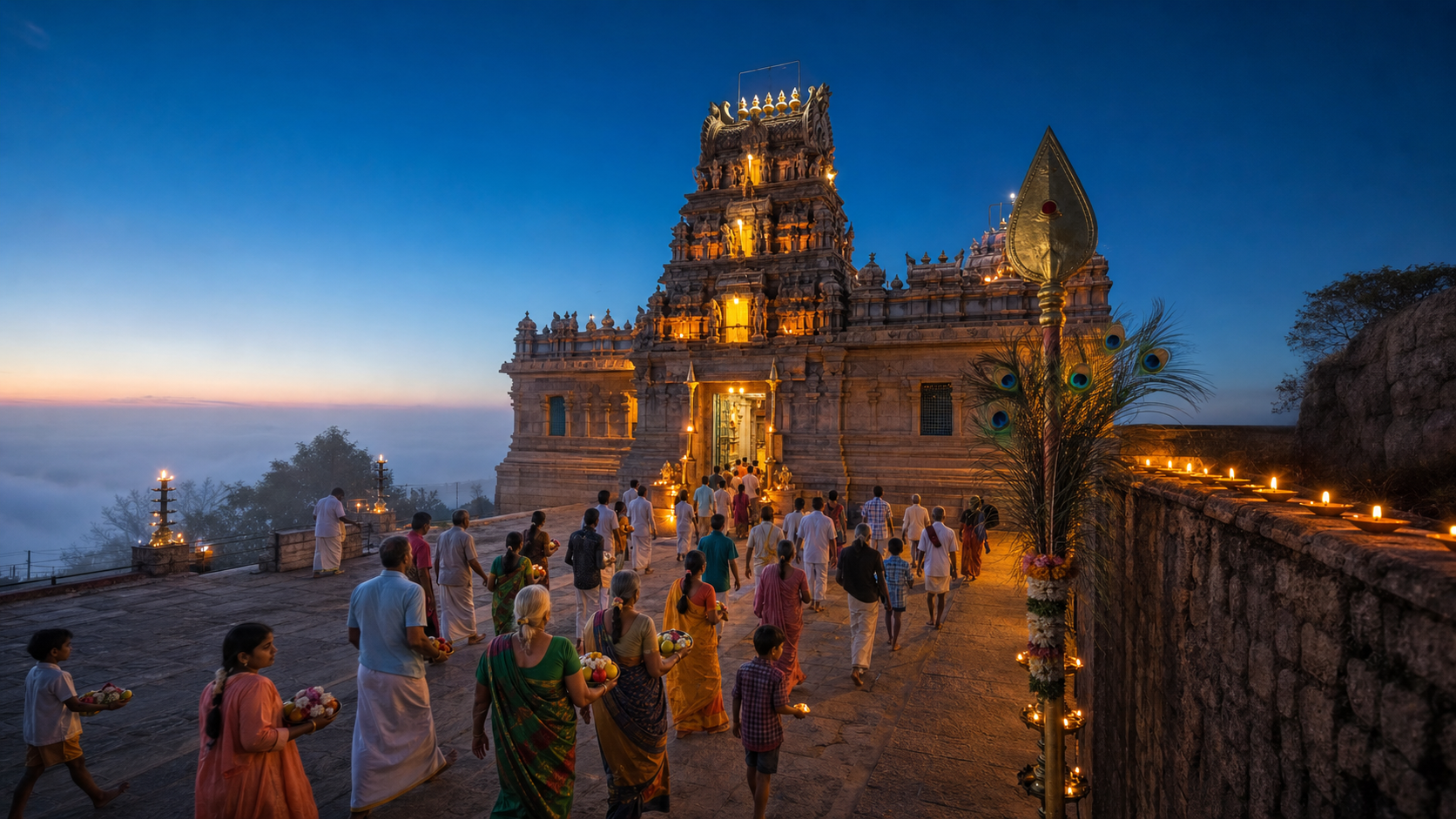
Veda Shasta of Ayyappa: The Awe‑Inspiring Guardian of Vedic Wisdom in Ashta Sastha

Veda Shasta (Veda Sastha) presents Ayyappa as the guardian of Vedic wisdom, uniting scriptural authority with compassionate protection. This in‑depth exploration surveys scriptural roots in the Puranas, iconography that fuses Vedic, Tantric, and Āgamic elements, and temple ritual grounded in Kerala liturgical manuals. It explains how the pustaka, akṣamālā, and protective mudrās become a living…
-
Pallava Mantras in Tantra: Power of Naming, Will, and Karma (Pallav Prayogas Explained)

This in-depth exploration clarifies what a Pallava Mantra is and how Pallav Prayogas personalize a mūla-mantra by ethically inserting a name or intention. It explains the linguistic and phonetic rules that guide such insertions, along with the ritual frameśuddhi, nyāsa, dhyāna, protective sealing, and universal dedication. The discussion foregrounds dharma, ahimsa, and consent, showing why…
-
Bhagavad Gita’s Arjuna vs Yoga Vasishta’s Rama: Two Renunciations, One Dharma-Centered Path

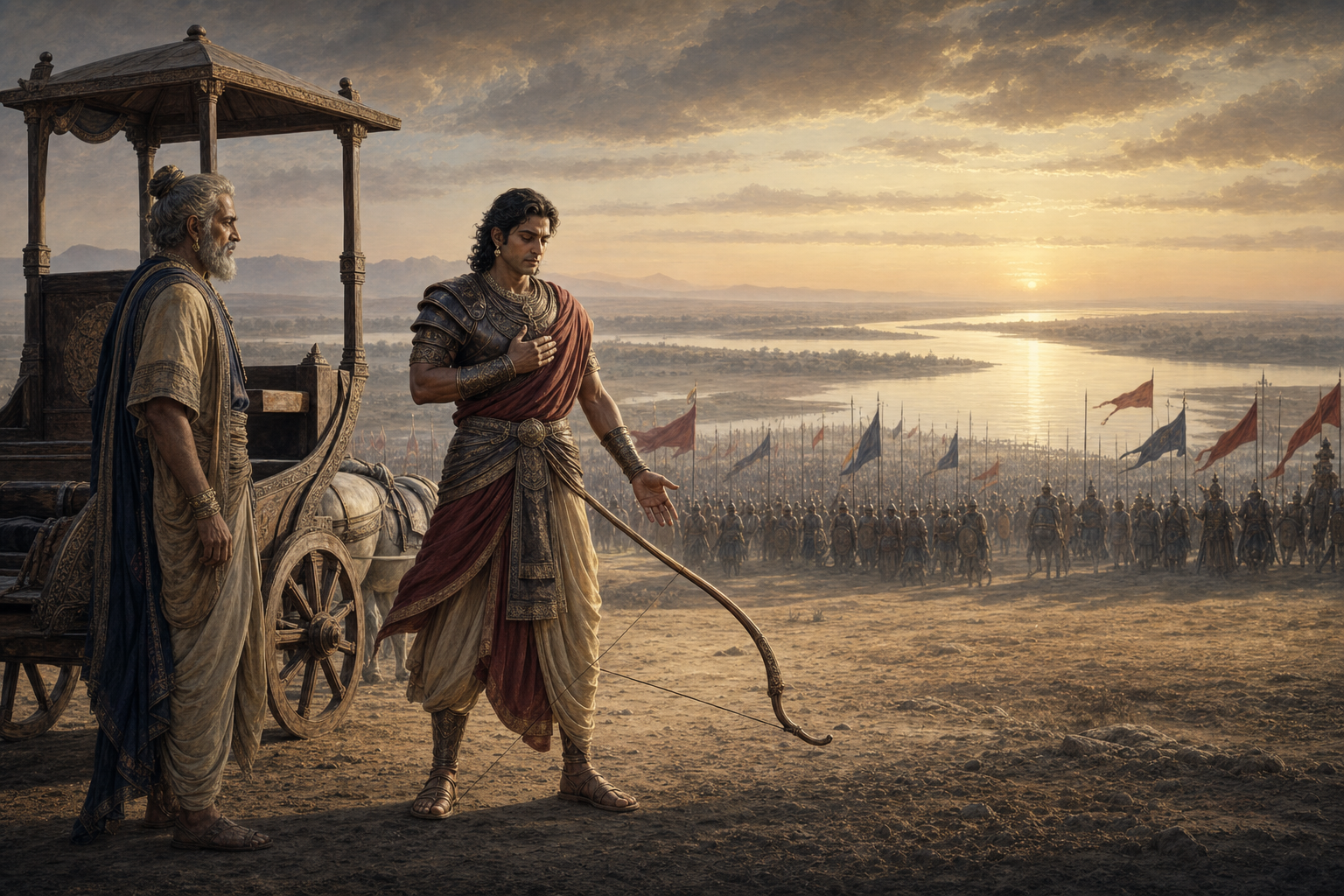
This long-form analysis contrasts Arjuna’s crisis in the Bhagavad Gita with Rama’s dispassion in the Yoga Vasishta to clarify why two similar withdrawals demand different remedies. It explains how moha (confusion) calls for karma-yogaduty purified by relinquishment of fruitswhile vairagya (dispassion) calls for vichara and jnana-yoga. Readers gain a practical diagnostic to discern whether they…
-
Jara’s Arrow and Krishna’s Departure: Time, Dharma, and the Eternal Law of Transformation

The narrative of Jara’s arrow and Krishna’s departure, preserved in the Mahabharata and Bhagavata Purana, encodes a rigorous meditation on time, dharma, and karmic causality. By exploring the Sanskrit semantics of jarā (old age) and the story’s careful framing within prophetic and ethical horizons, the episode becomes a study of impermanence and intentional closure. It…
-
Beyond Marks and Robes: Recognizing True Sanatana Dharma by Conduct and Consciousness

The dharmic traditions of the Indian subcontinent teach that true spiritual identity is recognized through conduct and consciousness, not through marks, robes, or ritual display. Sanatana Dharma and its sister pathsBuddhism, Jainism, and Sikhismconverge on ethical and contemplative maturity as the most reliable signatures of practice. Scriptural anchors such as the Upanishads, the Bhagavad Gita,…
-
Chaitra Navratri 2026 Dates, Rituals, and Ghatasthapana Guide: Embrace Nine Sacred Nights

Chaitra Navratri 2026 (Chait Navratras) spans March 19–27, beginning on Chaitra Shukla Pratipada and culminating on Sri Rama Navami. This guide explains the lunar-tithi basis of the festival, practical rules for Ghatasthapana muhurta, and the complete Navadurga progression across nine days. It outlines fasting options, Sandhi Puja, Kanya Pujan, and Sri Rama Navami observances, along…
-
Chaitra Navratri Colours 2026: 9‑Day Auspicious Palette, Meanings, and Dress Guide

Chaitra Navratri Colours 2026 offers a clear, day-by-day palette widely followed in Maharashtra and Gujaratbeginning with Yellow on a Thursday Ghatasthapanaalong with the symbolism and attire ideas behind each hue. The guide explains why colours matter, how the rotation works, and how to adapt respectfully across regional traditions and dress codes. It highlights practical tips…
-
Comprehensive March 26, 2026 Panchang: Shukla Ashtami to Navami, Auspicious Timings, Nakshatra & Rashi

March 26, 2026 begins with Shukla Paksha Ashtami and transitions to Shukla Paksha Navami at approximately 2:11 PM in most Indian Panchangs. The guide explains how to use Abhijit Muhurta, Brahma Muhurta, Vijaya Muhurta, and Godhuli for auspicious starts while avoiding Thursday’s Rahu Kalam, Yamaganda, and Gulikai segments. It clarifies how tithis are computed astronomically…
-
Maharashtra’s 2026 Freedom of Religion Bill: Curbing Coercion, Protecting Choice, Uniting Faiths

Maharashtra has enacted the “Freedom of Religion Bill 2026” to curb coercive and fraudulent religious conversions while safeguarding freedom of conscience. Situated within Article 25’s guarantees and Supreme Court jurisprudence, the law’s legitimacy rests on precise definitions and strong due-process safeguards. Comparative experience from other States and courts indicates that privacy by design, narrow tailoring,…
-
Decoding Ravana’s Pushpaka Vimana: Pishacha‑Faced Mules, War Chariots, and Dharma’s Warning

This in-depth analysis clarifies a frequent confusion in Ramayana studies by distinguishing Ravana’s mule-drawn war-chariotoften depicted with piśāca-like facesfrom the Pushpaka Vimana, the celestial, self-propelled vehicle reclaimed by Rama. Drawing on Valmiki’s Ramayana and southern vernacular traditions such as Kambaramayanam, it explains how these images function in classical aesthetics (rasa) and dharma ethics. The mule…
-
Chaitra Navratri 2026 in Kashmir: Sacred Navreh Traditions, Dates, and Time‑Honored Rituals

Chaitra Navratri 2026 in Kashmir runs from March 19 to March 27 and opens with Navreh, the Kashmiri Pandit New Year on Chaitra Shukla Pratipada. The festival blends precise Hindu calendar observances with living cultural traditions such as the Navreh thaal and darshan at Sharika Bhagwati on Hari Parbat. Daily worship honors the Navadurga in…