-
Boundaries Begin Within: Evidence-Based Practices to Protect Inner Peace, Energy, and Self-Trust

This article reframes boundaries as an inner discipline grounded in mindfulness, somatic awareness, and values alignment. It explains how internal boundaries reduce burnout, people-pleasing, and decision fatigue by leveraging breath, interoception, and nervous system regulation. Practical scripts and evidence-based frameworks (NVC, DEAR MAN) demonstrate how to communicate limits clearly without blame. The discussion connects these…
-
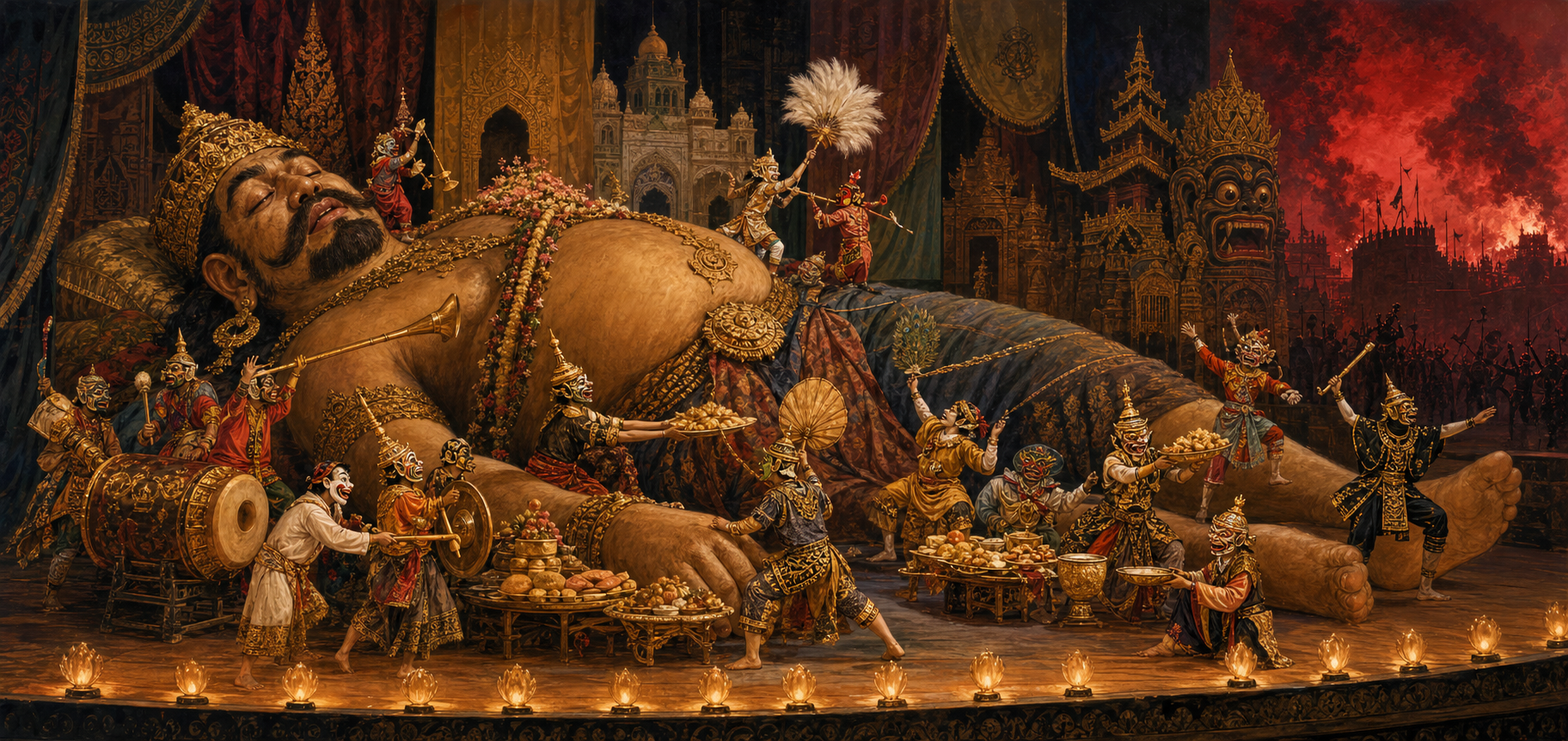
Queen Leela and King Padma in Yoga Vasistha: The Eternal Dance of Desire, Time, and Liberation

This long-form exploration of Queen Leela and King Padma in the Yoga Vasistha unpacks how consciousness, desire, and time interweave to produce the felt world. Readers learn why the text situates death and rebirth within the triad of gross, subtle, and causal bodies, clarifying continuity without clinging. The analysis translates core methodsshravana, manana, nididhyāsana, and…
-
Mahānārāyaṇa Upaniṣad Explained: Ritual, Meditation, and Vedic Wisdom for a Unified Dharma

The Mahānārāyaṇa Upaniṣad, preserved as the tenth prapāṭhaka of the Taittirīya Āraṇyaka in the Krishna Yajurveda, unites ritual precision, meditative upāsanā, and nondual wisdom into a coherent path. It anthologizes revered Vedic mantrassuch as the Nārāyaṇa, Durga, and Medhā Sūktaswhile interiorizing yajña through prāṇāgnihotra and contemplations on Oṃ and the vyāhṛtis. Its theology is inclusivist,…
-
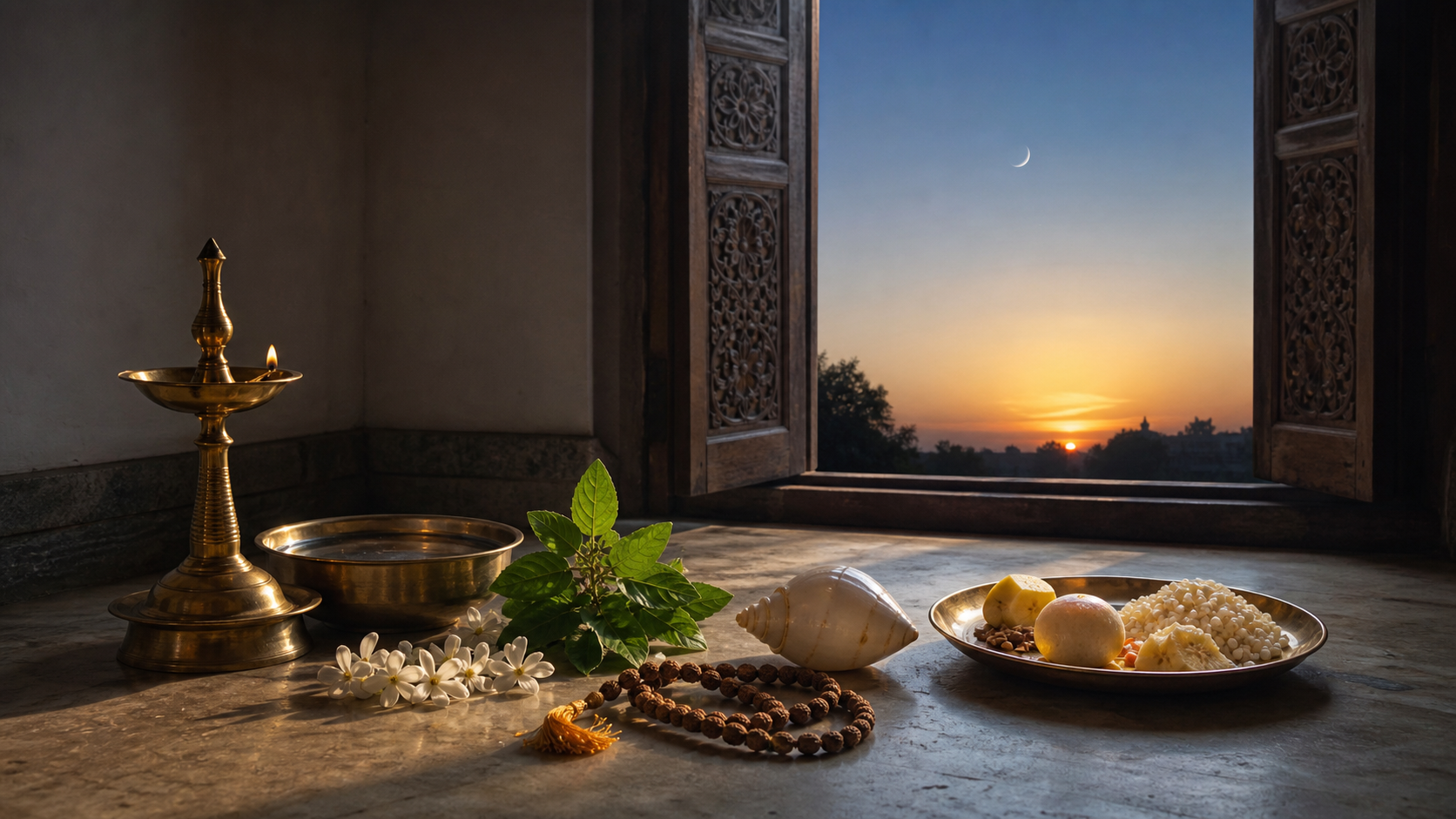
When and How to Read, Recite, Chant, and Hear Śrīmad-Bhāgavatam: A Practical Guide for Daily Sādhana

Śrīmad-Bhāgavatam offers a complete pathway of practice through reading, recitation, chanting, and attentive hearing that is practical for modern life. This guide explains when to engageBrahma-muhūrta, sandhyā times, Ekādaśī, and Kārtikaand how to prepare a sattvic environment for steady sādhana. It clarifies differences between svādhyāya, pārāyaṇa, kīrtana/japa, and śravaṇa, and shows how to combine them…
-
Oceanic Equanimity: Dharmic Science of Inner Stability, Seva, and Self‑Realization

Srimad Bhagavatam 3.24.44 teaches an enduring method for emotional resilience and Self-Realization using the ocean as a model for equanimity. This article unpacks the verse in a clear, academic style and maps its insights to Yoga philosophy (abhyasa, vairagya, pratyahara, dhyana) for technical precision. It then builds bridges across Hinduism, Buddhism, Jainism, and Sikhism, showing…
-
Definitive Gaudiya Vaisnava Siddhanta for ISKCON: Unanimous 2025 GBC Consensus and Dharmic Unity

ISKCON’s GBC has unanimously approved a definitive policy statementGaudiya Vaisnava Siddhanta for ISKCONanchored in the teachings of His Divine Grace A. C. Bhaktivedanta Swami Prabhupada. Developed over several years with input from senior devotees and authored by His Holiness Bhakti-Vijnana Maharaja, it consolidates doctrine to support consistent education, practice, and governance worldwide. The statement strengthens…
-
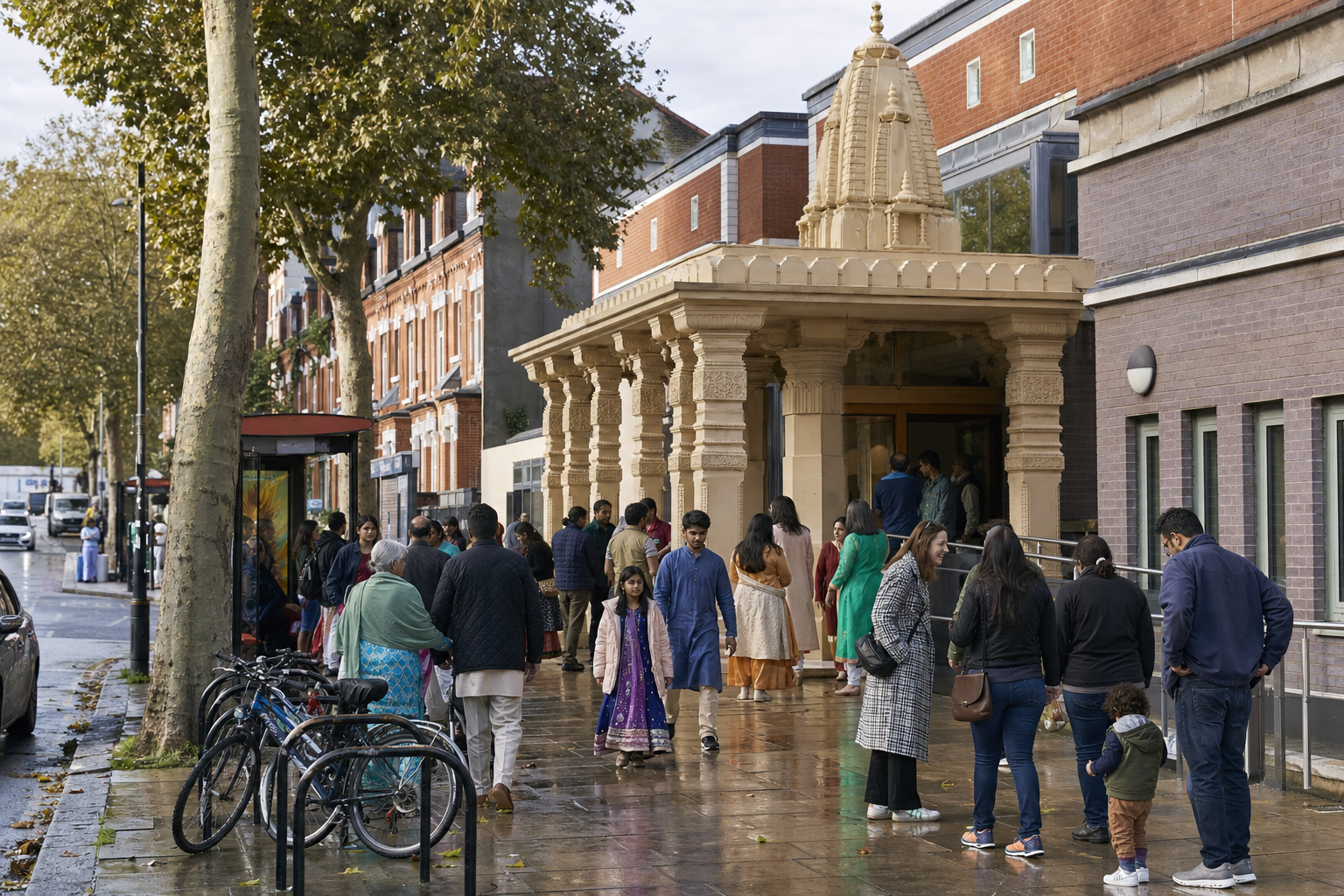
Dallas–Fort Worth Ganesha Temple Backlash: Evidence, Law, and a Path to Unity

A proposed Sri Ganesha temple in the Dallas–Fort Worth area has sparked an online backlash framed by “Culture Erased,” intensifying debate about Hinduphobia, zoning, and religious freedom in the U.S. This analysis separates legitimate planning concerns from discriminatory narratives and explains how the First Amendment and RLUIPA protect houses of worship. It outlines neutral, evidence-based…
-
India rebuts USCIRF’s ‘selective’ claims, urges decisive action on Hindu temple attacks in U.S.

India’s Ministry of External Affairs has rejected the latest USCIRF report as “distorted and selective,” while urging U.S. authorities to prioritize decisive action against vandalism and intimidation targeting Hindu temples. The analysis clarifies what USCIRF is, how it differs from the State Department’s IRF report, and why methodological transparency matters. It outlines the legal tools…
-
Decoding Pratigara: The Sacred Response that Powers Dialogue in Vedic Yajña Rites

This article unpacks pratigarathe sacred response or assentin Vedic yajña as a precise, timed, and theologically charged reply that authorizes ritual action. It situates pratigara within the fourfold priestly system (hotṛ, adhvaryu, udgātṛ, brāhmaṇ) and explains how call-and-response exchanges keep the rite synchronized with ṛta. Readers gain a clear sense of how oṃ or astu…
-
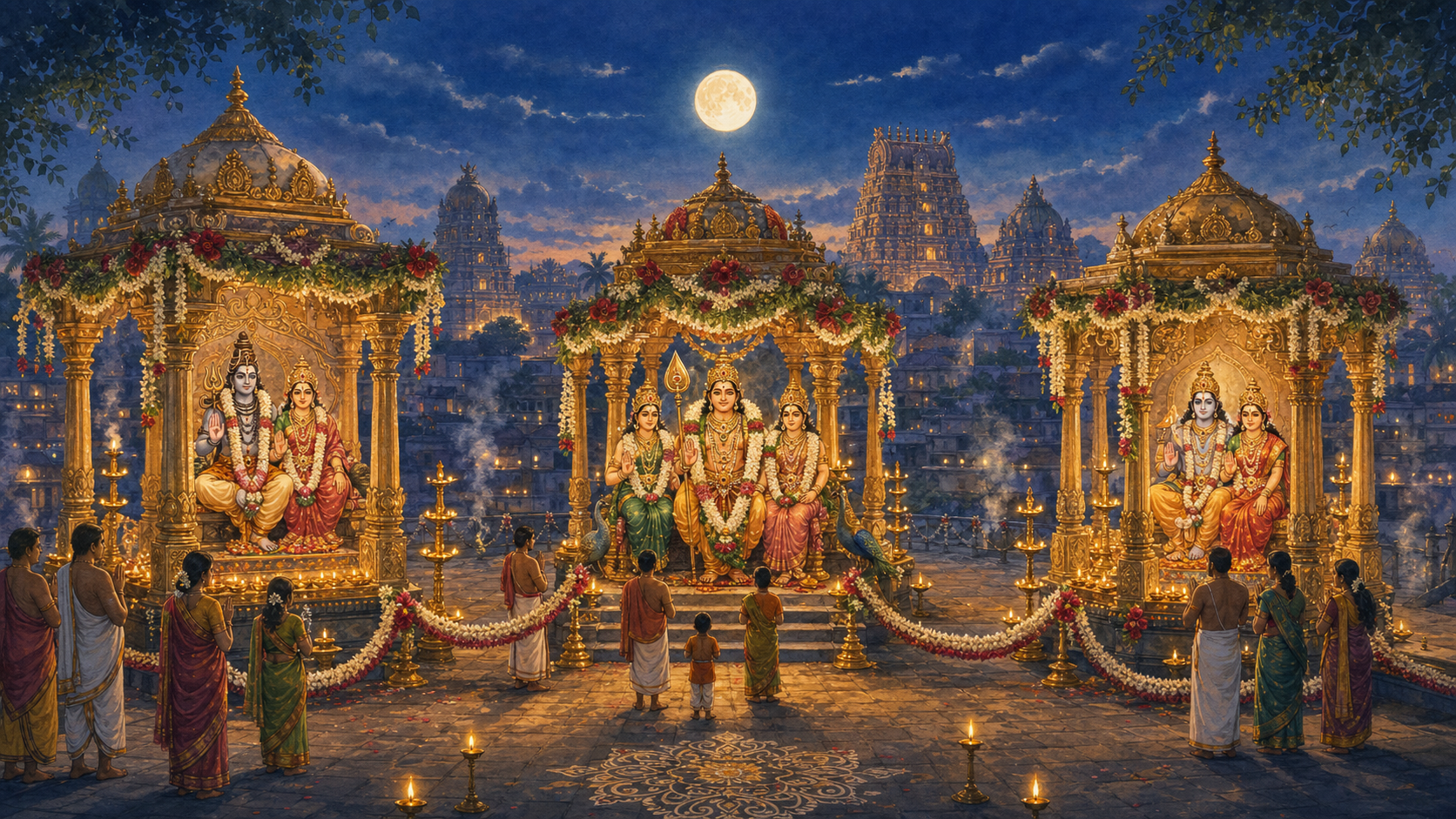
From Hunter to Bridegroom: Decoding Shiva’s Kirata and Kalyanasundara Murtis in Tamil Temple Culture

Shiva’s Kirata and Kalyanasundara murtis together reveal a powerful arc “from hunter to bridegroom,” uniting ordeal and grace, tapas and ananda. Drawing on the Mahabharata’s Kirata episode, Bharavi’s Kiratarjuniya, Puranic sources, and Kalidasa’s Kumarasambhava, this study situates both forms within Tamil temple culture and Chola–Pallava art. Readers gain clear iconographic cues (the Kirata’s hunting regalia;…
-
Beyond Indra’s Heaven: King Arishtanemi’s Bold Renunciation and Yoga Vasishta’s Vairagya

The opening narrative of the Yoga Vasishta, where King Arishtanemi declines Indra’s heaven, distills the text’s core teaching: lasting freedom arises from vairagya (renunciation) grounded in clear discrimination (viveka). Rather than reject joy, the king outgrows the promise of celestial pleasure by recognizing its impermanence and karmic limits. This analysis situates the story within Yoga…
-
March 25, 2026 Panchang: Shukla Paksha Saptami to Ashtami, Auspicious Times, Nakshatra, Rashi

March 25, 2026 features Shukla Paksha Saptami until 4:29 PM and Shukla Paksha Ashtami thereafter, aligning Wednesday’s Mercury-infused clarity with both solar vitality and shakti-centered introspection. The guide clarifies how tithi is computed from Moon–Sun angular separation and explains why boundaries fall at clock times like 4:29 PM. It highlights universally beneficial windowsBrahma Muhurta and…
-
Bliss in Cosmic Harmony: Align Individual Life with the Universal Rhythm in Hindu Thought

Hindu philosophy teaches that genuine bliss arises when individual life resonates with the universal rhythm, a harmony expressed in the Upanishadic vision of atman and Brahman. This essay grounds the idea in scriptural sources, including tat tvam asi, sarvam khalvidam brahma, and the Gita’s view of the yogin who perceives unity in diversity. It clarifies…
-
Over 400 Minnesotans Rally Behind SF 4115 to Condemn Hinduphobia and Safeguard Religious Freedom

Minnesota’s SF 4115 would formally condemn Hinduphobia, responding to documented incidents of anti-Hindu bias and mobilizing over 400 Minnesotans in support within days. Testimony before the Senate Judiciary and Public Safety Committee highlighted local cases involving a temple in Edina, thefts at priests’ homes in Maple Grove, and prior vandalism at Hindu institutions. Interfaith supportexemplified…
-
Navreh 2026 (Laukika 5102): Sacred Kashmiri New Year Date, Rituals, Meaning, and Unity

Navreh, the Kashmiri Hindu New Year, falls on 19 March 2026 (IST), aligned with Chaitra Shukla Paksha Pratipada and the first day of Chaitra Navratri. The festival inaugurates Laukika (Saptarishi) year 5102 (2026–2027), rooting contemporary practice in an ancient Kashmiri time-reckoning tradition. Observance centers on the Navreh thaalrice, mirror, flowers, coins, curd, salt, walnuts, a…
-
Karka Rashi 2026–2027: Powerful Vedic Forecast for Cancer Moon Sign with Gochar & Remedies

This comprehensive Vedic astrology forecast for Karka Rashi (Cancer Moon sign) maps the 2026–2027 gochara landscape with clarity and precision. It explains how Saturn in Pisces (9th), Jupiter’s transition from Gemini (12th) to exalted Cancer (1st) and then to Leo (2nd), and the Rahu–Ketu shift from Aquarius–Leo (8th–2nd) to Capricorn–Cancer (7th–1st) shape career, finance, relationships,…
-
Simha Rashi 2026–2027: Comprehensive Leo Moon Sign Vedic Astrology Forecast & Remedies

Simha Rashi 2026–2027 presents a two-speed year for Leo Moon sign natives: early 2026 supports gains through networks and formal recognition, while mid-2026 to mid-2027 emphasizes introspection, cost optimization, and spiritualization. Ashtama Shani promotes disciplined governance and patience; Guru’s shift from the 11th to the 12th house redirects energy from expansion to prudent consolidation. Relationship…
-
Kanya Rashi 2026–2027: Definitive Virgo Moon Sign Forecasts for Career, Finance, Health

These Kanya Rashi 2026–2027 Vedic Astrology Predictions for the Virgo Moon Sign provide a rigorous, rashi-based roadmap for career, finance, and health. Jupiter’s move from the 10th to an exalted 11th house supports role elevation in early 2026 and gains through networks after midyear. Saturn in Pisces, occupying the 7th house, refines partnerships and contracts,…
-
In-Depth Tula Rashi 2026–2027: Libra Moon Sign Vedic Astrology for Career, Wealth, Health, Dharma

Tula Rashi 2026–2027 unfolds in two clear phases for the Libra Moon Sign. Early in the period, Jupiter’s 9th-house placement emphasizes dharma, higher learning, mentor support, and long-distance opportunities. Mid-2026 onward, exalted Jupiter in the 10th house catalyzes promotions, public recognition, and institutional roles as Saturn in the 6th rewards systems, discipline, and service excellence.…
-
Dhanu Rashi 2026–2027: Powerful Vedic Forecast for Sagittarius MoonMoola, Purvashada, Uttarashada

Dhanu Rasi (Sagittarius Moon) natives in Moola, Purvashada, and Uttarashada 1st charan meet 2026–2027 with Kantaka Shani (4th) stabilising home and process, while Guru shifts from a collaborative 7th‑house phase into an introspective Ashtama Guru. Rahu–Ketu emphasise hands‑on skill growth and experiential learning through most of 2026, then pivot late in the year toward financial…