-
When the Formless Takes Form: Skanda Purana on Parvati’s Awe‑Inspiring Union with Shiva

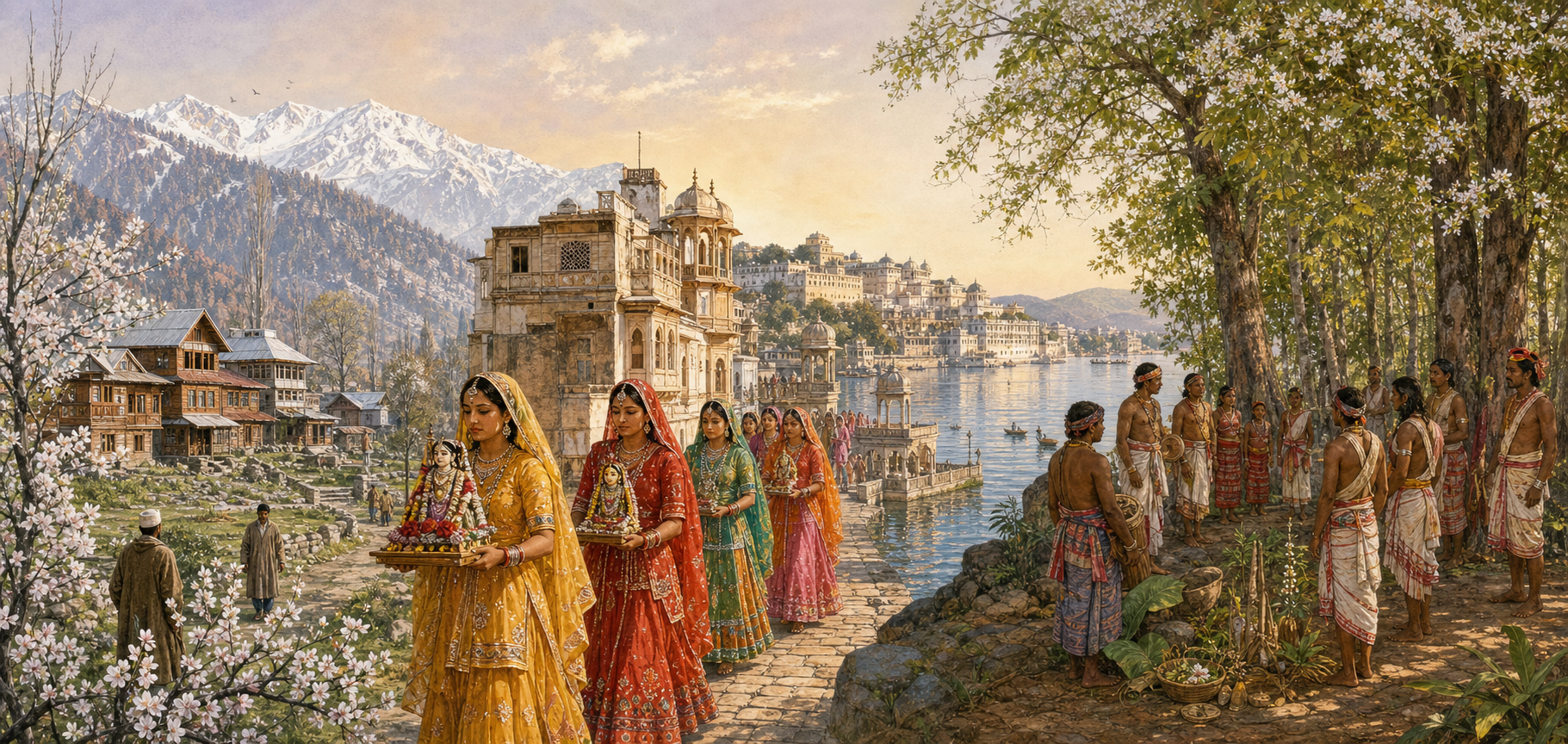
This in-depth exploration of the Skanda Purana’s teaching on Goddess Parvati and Lord Shiva presents their union as a precise account of how formless consciousness and living form are inseparably one. Readers will learn how the nirguna–saguna dialectic, familiar from the Upanishads, is rendered experiential through Shaiva iconography such as Ardhanarishvara, the Shivalinga, and Shiva…
-
Akola calls for humane, law-led action on illegal cattle transport during Ramzan to uphold harmony

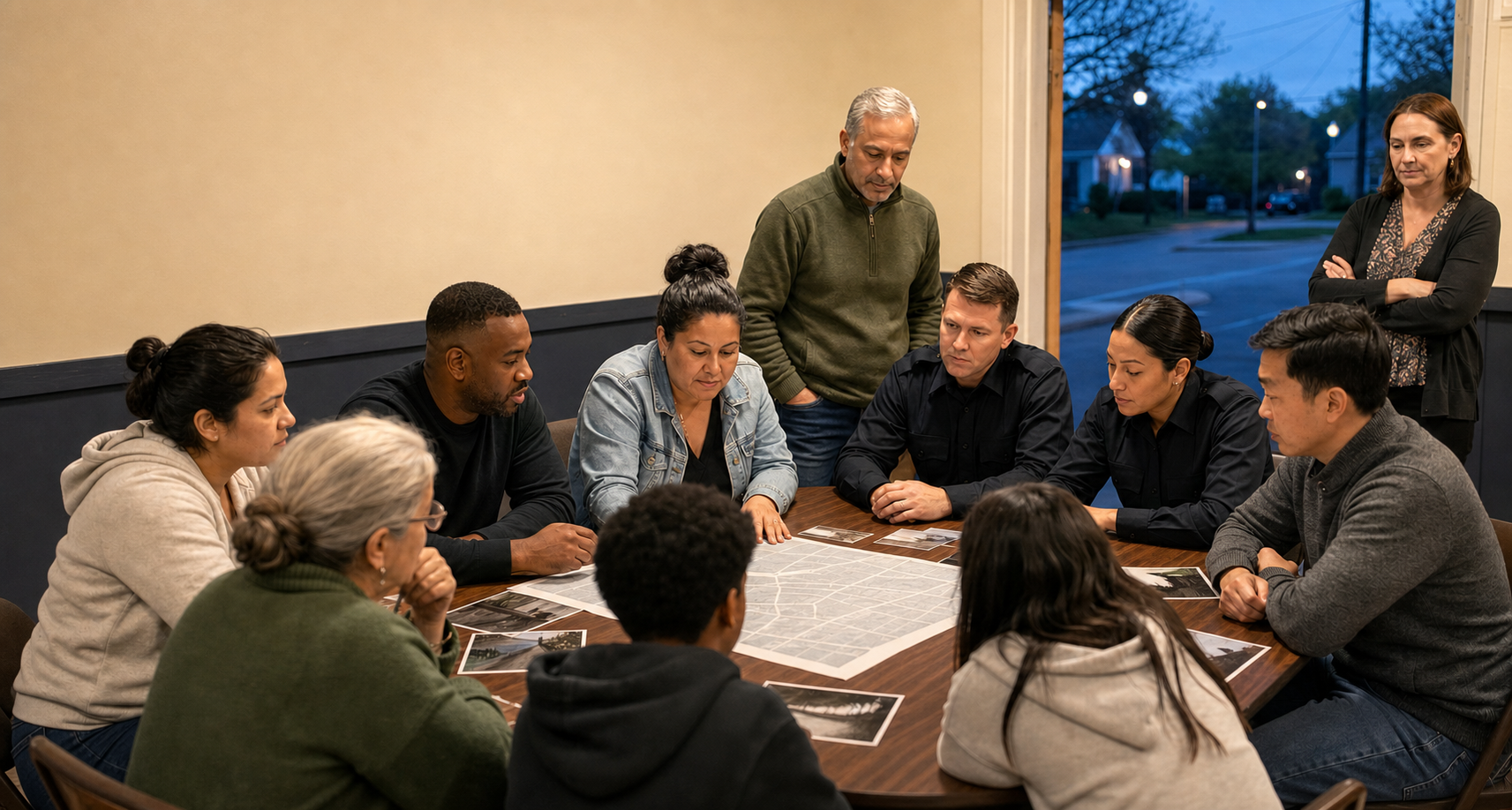
Community organisations in Akola have urged the administration to intensify lawful, humane action against illegal cattle transport and cow slaughter during Ramzan, submitting a memorandum to the Deputy Collector (Revenue). The analysis clarifies the governing legal framework, including the Maharashtra Animal Preservation (Amendment) Act, 2015, the Prevention of Cruelty to Animals Act, 1960, and the…
-
Dakshina Kannada Yatra Mela: Minor Allegedly Abducted; Police Probe, Call for Harmony

A 17-year-old Muslim boy was allegedly abducted and assaulted while visiting a yatra mela with Hindu friends in Dakshina Kannada, prompting an FIR and a police probe. This analysis outlines what is known so far, explains the relevant provisions of the Indian Penal Code and CrPC, and details child-protection and trauma-informed protocols. It situates the…
-
Decoding Nityānuvāda in Pūrva Mīmāṃsā: How Reiteration Shapes Vedic Meaning and Practice

Nityānuvāda, a core device in Pūrva Mīmāṃsā, explains why the Veda sometimes reiterates what is already known. Rather than creating new duties, it safeguards constant associations and stabilizes practice, complementing vidhi (injunction) without competing with it. Recognizing nityānuvāda helps readers avoid inflating obligations and dissolves apparent scriptural contradictions. The distinction from restrictive vidhis is precise:…
-
Srila Prabhupada’s Timeless Appeal: How Selfless Seva Forged Universal Respect Across Traditions

Srila Prabhupada’s universal appeal rested on a verifiable synthesis of renunciation and service. This analysis explains how disciplined sadhana, transparent resource use, and humility built trust across cultures, even among those who did not share his theology. Grounded in Gaudiya Vaishnava principles such as achintya-bheda-abheda and shaped by the Guru–Shishya Tradition, his approach aligns with…
-
Vaisnava Compassion in Global Crises: Dharmic Unity, Practical Seva, and Unshakable Calm

In times of pandemic, conflict, or environmental disaster, a Vaisnava response can be calm, compassionate, and operationally effective. Grounded in the Bhagavad-Gita and Srimad-Bhagavatham, this approach integrates equanimity, dharma, and seva to protect life and restore dignity. A clear blueprintprioritizing safety, truthful communication, and interfaith collaborationturns devotion into action. Daily sadhana stabilizes decision-making, while sattvic,…
-
Surrender Made Practical: Sharanagati, Inner Resilience, and Divine Help in Daily Life

Surrender (sharanagati) is presented here as a rigorous, actionable discipline within Sanatana Dharma, grounded in a widely cited Back to Godhead teaching attributed to Srila Prabhupada and centered on a simple, sincere prayer to Krsna. The article clarifies that surrender is not passivity but intelligent consent to higher wisdom, consistent with the Bhagavad Gita’s call…
-
Angada Abharana Unveiled: The Divine Armlet’s Symbolism, Craft, and Cross‑Dharmic Legacy
Angada Abharana, the divine armlet worn on the upper arm at the bahu desha, is far more than ornament in Hindu iconographyit binds strength to service and sovereignty to compassion. This long-form exploration distinguishes the angada from the wrist-worn keyura, traces typologies like the vanki and sarpa-angada, and decodes motifs such as makara and kirtimukha.…
-
Maitrayaniya (Maitri) Upanishad: Origins, Structure, Sixfold Yoga, and Transformative Wisdom

The Maitrayaniya (Maitri) Upanishad of the Krishna Yajurveda blends Vedanta and early Yoga with unusual precision, making it a key late-Upanishadic text. It analyzes time and the timeless, the mind’s role in bondage and freedom, and the threefold nature of suffering, while culminating in a concise sixfold Yoga. Readers gain a clear map from inquiry…
-
Mudgara Ayudha Unveiled: The Divine Hammer’s Power of Sacred Protection and Renewal

Mudgara Ayudha, the divine hammer or mallet in Hindu iconography, condenses a profound union of sacred destruction and protective guardianship. This long-form study explains how its blunt geometry, short reach, and workmanlike profile distinguish it from the gada, musala, vajra, and ankusa. Readers learn where and why the hammer appears in Hindu sculpturesespecially with Vishvakarma,…
-
Unmasking the Self: Dharmic Wisdom on Maya, Ahamkara, and Authentic Living Today

In a culture of performative identities, dharmic traditions provide a precise, compassionate roadmap for authentic living. Drawing on Hindu concepts such as māyā, avidyā, ahaṁkāra, and Pancha Kosha Viveka, alongside Buddhist analysis of the skandhas and anatta, Jain practices of samayika and pratikramana, and Sikh disciplines of nām simran, kīrtan, and sevā, the piece shows…
-
10 Sacred Actions for Day 1 of Chaitra Navratri 2026 (19 March): Ghatasthapana, Puja, Vrat Rules

Chaitra Navratri 2026 begins on 19 March with Day 1 dedicated to Devi Shailaputri and the foundational rite of Ghatasthapana. This comprehensive guide outlines 10 essential actions for the first day, including precise Kalasha Sthapana, a clear sankalpa, and lighting the Akhand Jyot. It explains mindful vrata options, a practical Durga Saptashati reading plan, and…
-
Navratri 2026 Day 2: Brahmacharini Puja, Preethi Dwitiya, and Dashain Rituals (20 Mar & 12 Oct)

This guide clarifies that the 2nd day of Navratri 2026 occurs twiceon 20 March (Chaitra Shukla Dwitiya) and 12 October (Ashwin Shukla Dwitiya). It explains why the day is dedicated to Brahmacharini, including color symbolism, appropriate offerings, and the disciplines associated with tapas. Regional observances such as Preethi Dwitiya, Sthana Vriddhi Gauri Vrata, and Sindhara…
-
Kanya Puja 2026: Exact Dates, Ritual Steps, and Deep Significance for Navratri & Durga Puja

Kanya Puja, also called Kumari Pooja or Kanjak Pooja, is a central rite of Navratri Durga Puja in which prepubescent girls are honored as embodiments of Devi. In 2026, the principal date is October 18 (Durgashtami), with many traditions also observing it on October 19 (Mahanavami); during Chaitra Navaratri, it falls on Thursday, March 26.…
-
Sindhara Dooj 2026 (Gauri Dwitiya): Auspicious Dates, Powerful Rituals, and Navratri Day 2 Meaning

Sindhara Dooj (Gauri Dwitiya) marks Navratri’s second day, uniting the ascetic focus of Maa Brahmācharini with the cultural celebration of sowbhāgya. In 2026, it falls on March 20 (Chaitra/Vasant Navratri) and October 12 (Ashwin/Sharad Navratri); the Dwitiya tithi at sunrise guides observance, with local panchang checks recommended for devotees abroad. The guide explains theological meaning,…
-
Navaratri Day 2, 20 March 2026: 10 Powerful Brahmacharini Puja Steps, Mantras, and Fasting Tips

The second day of Chaitra Navaratri on 20 March 2026 honors Brahmacharini, the Navadurga form of tapas and steadfast devotion. This guide details a complete Brahmacharini Puja Vidhi with Panchopachara steps, core mantras, and a simple home sequence that balances accuracy and accessibility. It outlines mindful fasting rules, sattvic bhog options like mishri and milk-based…
-
Guru Amar Das Ji: Seva, Radical Equality, and the Institutions that Shaped Sikhism

Guru Amar Das Ji, the third Sikh Guru, transformed spiritual principles into living institutions that still guide Sikhism worldwide. This article traces his late-life spiritual turn, the creation of the Manji–Piri leadership network, and the expansion of langar as a disciplined practice of equality. It examines Goindwal Sahib’s Baoli as sacred-public infrastructure and analyzes his…
-
Ultimate Reality Cannot Be Taught: Profound, Experiential Wisdom in Hinduism and Dharmic Paths

This long-form exploration clarifies why Ultimate Reality in Hindu philosophy cannot be taught as a mere concept and must be realized through direct experience. It maps the classical triad of śravaṇa–manana–nididhyāsana and the role of Guru–Shishya Tradition, highlighting how scripture and guidance remove ignorance rather than transfer realization. Readers gain a technically sound overview of…
-
March 27, 2026 Panchang: Complete Guide to Tithi, Nakshatra, Rashi and Sacred Auspicious Times

Friday, March 27, 2026 follows Shukla Paksha Navami until 12:02 PM and Shukla Paksha Dashami thereafter, guiding how devotees plan puja, vrata, and muhurta. The technical basis of tithi is explained along with why timing varies by location and sunrise. Practical insights show how to complete Navami observances in the forenoon and use Dashami hours…
-
Michel Danino: quiet giant of Indian history, NCERT reformer, facing Supreme Court censure

Michel Danino emerges here as a quiet giant of Indian historiographyunassuming yet formidable in method and integrity. His research spans the Sarasvati–Ghaggar–Hakra palaeochannels, Harappan urbanism, critiques of the Aryan Invasion Theory, and readings of the Puranas and epics, all undergirded by cross-disciplinary evidence. Professional roles at IIT Gandhinagar and leadership within NCERT’s textbook development reflect…