-
Bhagavad Gita Leadership Lessons: Timeless Strategies for Ethical, Resilient Decision-Making
The Bhagavad Gita articulates a clear, practical framework for ethical leadership and resilient decision-making. Grounded in Dharma and Karma Yoga, it strengthens self-leadership, reduces anxiety through non-attachment, and aligns choices with long-term social good. The dialogue between Sri Krishna and Arjuna models calm, courageous action under uncertainty. Compassion, dialogue, and Lokasangraha reposition leadership as stewardship…
-
Arudra Darshan 2026 (Arudra Darisanam) on January 3: Meaning, Rituals, and Nataraja’s Cosmic Grace

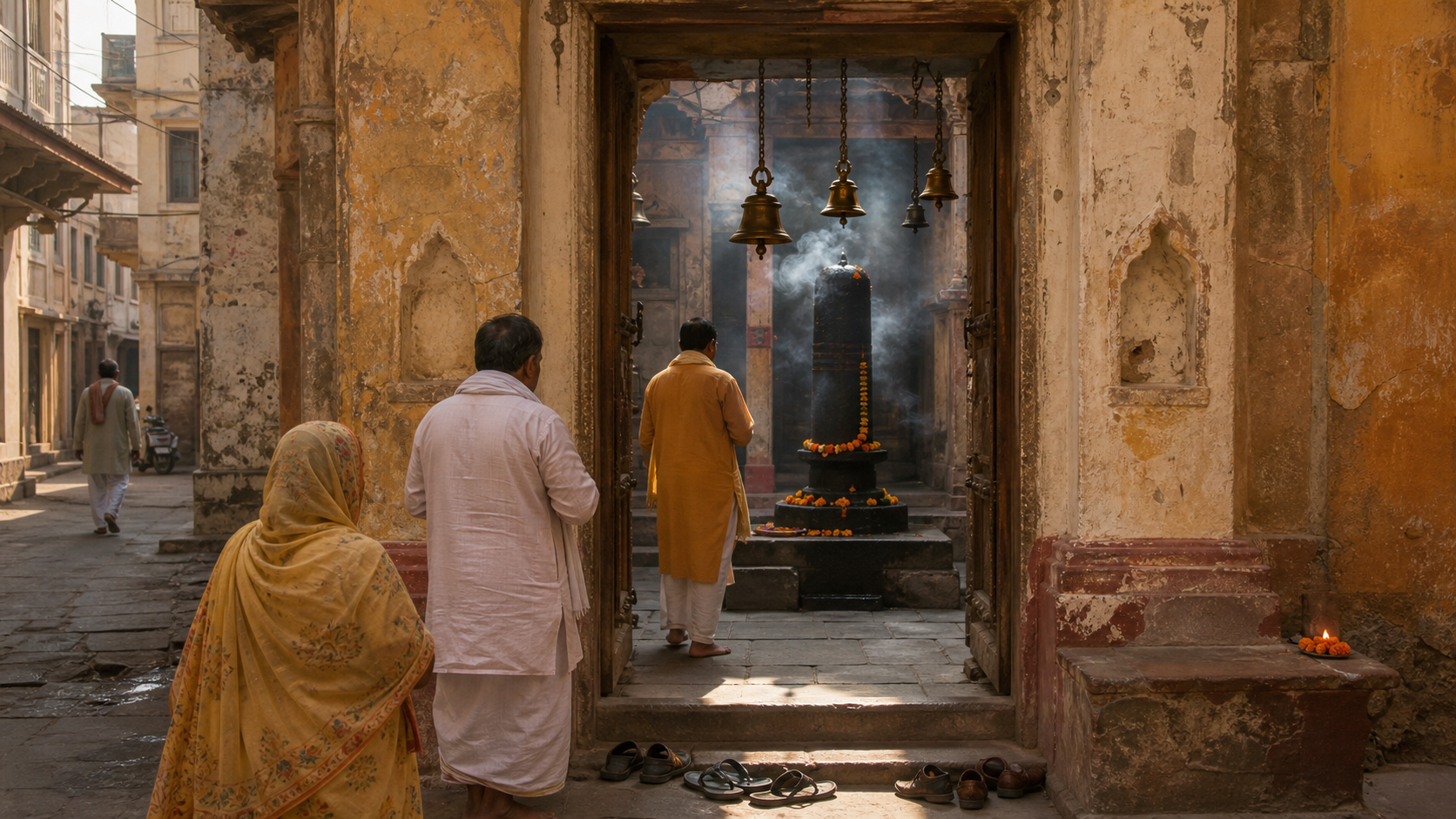
Arudra Darshan (Arudra Darisanam, Aruthra Darshanam) in 2026 falls on January 3, coinciding with Thiruvathira nakshatram (Arudra) in Margali Masam (Margazhi). The festival venerates Shiva’s cosmic dance as Nataraja, symbolizing creation, preservation, and dissolution within a still center. Devotees observe pre-dawn abhishekam, deepa aradhana, and the recitation of Tiruvempavai, alongside simple home practices like lighting…
-
December 23, 2025 Panchang: Shukla Tritiya to Chaturthi Timing, Ritual Focus, Dharmic Unity
December 23, 2025 transitions from Shukla Paksha Tritiya to Shukla Paksha Chaturthi at 10:33 AM, offering a clear structure for observance and planning. The morning supports Tritiya-related beginnings, learning, and household harmony. After the transition, Chaturthi favors Ganesha worship for clarity and obstacle removal. Families can align routines with these phases to deepen focus and…
-
Electrifying Bhakti on a Pop Stage: Jayadev John Richardson’s ‘Hare Krishna’ Call in Antwerp

In 2014 at the Lotto Arena in Antwerp, Jayadev John Richardson invited a pop audience to join a contemplative refrain: “From your heart, repeat after me…..…Hare Krishna.” The moment blended popular performance with devotional practice, turning spectators into participants through accessible, mantra-based rhythm. Interpreted across dharmic traditions, the chant aligns with Sikh kirtan, Buddhist mantra…
-
Baba Atal Rai, Son of Guru Hargobind: A Radiant Legacy of Wisdom, Devotion, Compassion

Baba Atal Rai, the young son of Guru Hargobind, is celebrated for embodying wisdom, devotion, humility, and compassion in Sikh history. His legacy—memorialized by Gurdwara Baba Atal Sahib in Amritsar—offers a lasting ethical framework where compassion is guided by humility and aligned with Divine Will (hukam). Readers gain a clear, fact-based understanding of his narrative…
-
Gagan Mai Thaal: Guru Nanak’s Cosmic Aarti and the Living Unity of Dharmic Traditions

“Gagan Mai Thaal” portrays the cosmos as a living Aarti, aligning Sikh devotion with a universal reverence for creation. The hymn’s imagery—sky as platter, sun and moon as lamps—translates complex metaphysics into an accessible contemplative experience. It resonates with Vedic order, the Gita’s cosmic vision, Buddhist interdependence, and Jain ahiṃsā, affirming Religious Pluralism and Unity…
-
The Sikh Spectrum Unveiled at Khalsa College, Amritsar: A Landmark for Dharmic Unity

“The Sikh Spectrum” was released at Khalsa College, Amritsar, in a setting renowned for scholarship and community leadership. The book presents Sikh history and philosophy through rigorous, accessible analysis and situates Sikhism in dialogue with Hindu, Buddhist, and Jain traditions. Attendees noted both intellectual depth and an atmosphere of calm reflection, emphasizing relevance to ethical…
-
A Beginner’s Path to Inner Peace: Understanding Sikhi’s Wisdom for Everyday Harmony

This reflective guide introduces beginners to Sikhi as a practical path to inner peace and everyday harmony. It explains Ik Onkar and the pillars of Naam Simran, Kirat Karni, and Vand Chhakna, showing how they cultivate mindfulness, ethical living, and compassionate sharing. Readers learn how Sangat, Langar, and Seva build belonging and resilience, while Miri-Piri…
-
From Constant Overwhelm to Calm: Recognizing Survival Mode and Reclaiming Emotional Balance

Emotional reactivity often reflects survival mode rather than oversensitivity. This piece explains how fight, flight, or freeze responses, hypervigilance, and chronic anxiety develop—and why they can feel normal over time. It then outlines four practical, evidence-informed steps to reduce reactivity: embrace uncertainty and capability, practice metacognitive awareness, use body scans with breath-based regulation, and apply…
-
Dhurandhar’s Shockwave: A Political Thriller Exposes Terror Networks and Unites Dharmic Resolve

Dhurandhar has moved beyond box-office success to ignite a national conversation on terrorism, statecraft, and media responsibility. Reports of bans in several Gulf countries and legal action abroad highlight how cultural narratives can unsettle geopolitical sensitivities. At home, polarized responses from reviewers reveal shifting media ecosystems and the need for principled criticism rooted in sahṛdaya-samīkṣa—rigorous,…
-
Why Desires Persist in Kali Yuga: A Dharmic Roadmap to Master Craving, Age, and Satiety
Desire often outlives satiety and age in Kali Yuga, a pattern recognized across Hinduism, Buddhism, Jainism, and Sikhism. Dharmic teachings trace this persistence to avidya, samskaras, and ego, rather than mere lack of fulfillment. The Bhagavad Gita, Upanishads, Buddhist suttas, Jain ethics, and Sikh Gurbani converge on a practical cure: ethics, contemplation, and service. This…
-
Poetic Karmic Justice: Vali Reborn as Jara and the Arrow That Ends Krishna’s Leela

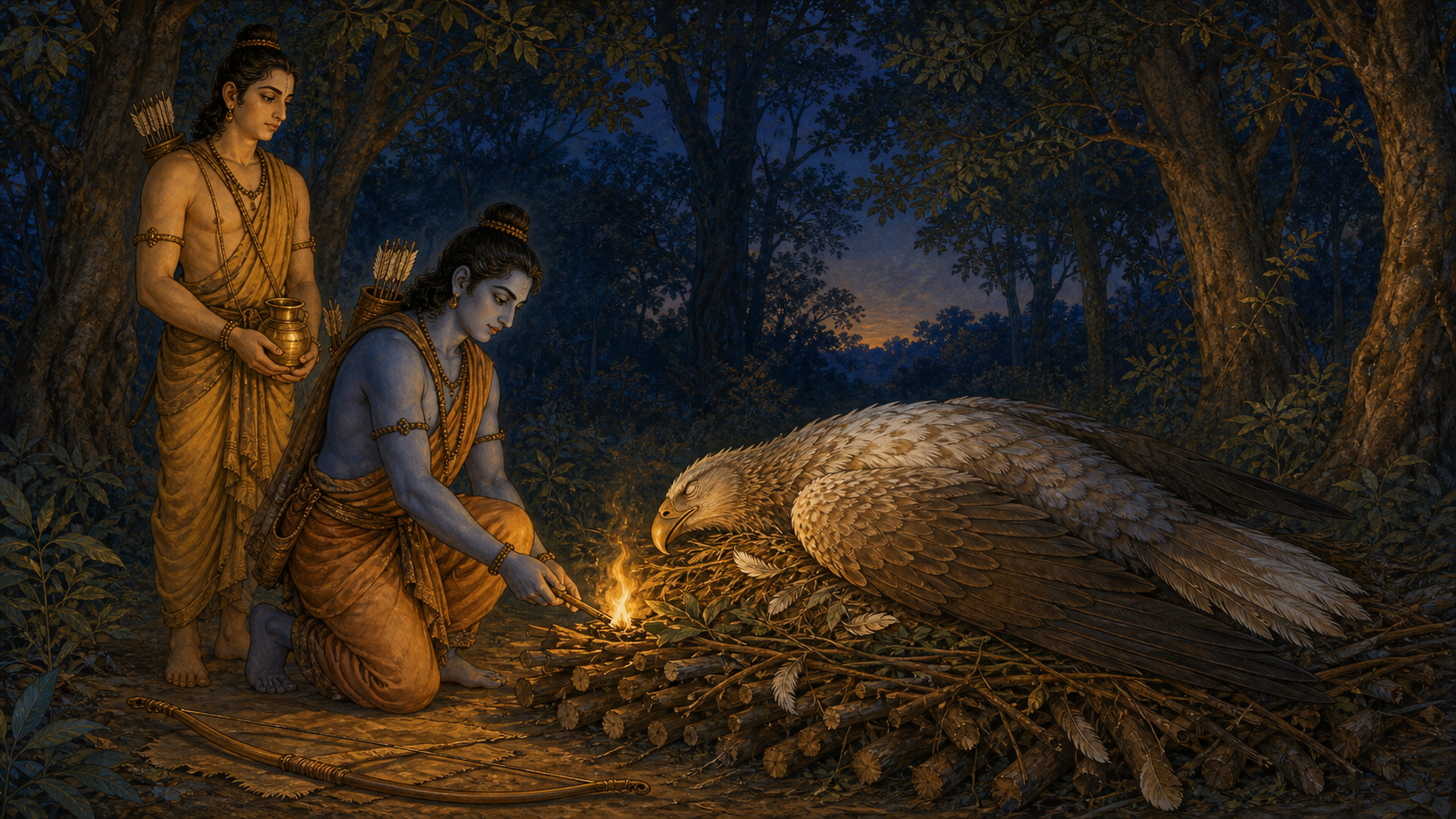
This article explores a powerful link between the Ramayana and the Mahabharata through the motif of karmic justice connecting Vali, Jara, Rama, and Krishna. It clarifies how later devotional and regional traditions interpret Jara as Vali reborn while noting that the critical Mahabharata text simply names Jara as a hunter. Readers gain a nuanced understanding…
-
Thiruvathira 2026 in Kerala (Dhanu Month): Sacred Arudra Darisanam Date, Rituals, Meaning
Thiruvathira 2026 in Kerala falls on January 3 (Saturday), coinciding with Thiruvathira Nakshatram in the Dhanu month of the Malayalam calendar. On the same day, Tamil Nadu celebrates Arudra Darisanam in Margazhi, a convergence that centers on Shiva Puja and the sacred vision of Nataraja’s cosmic dance. Kerala traditions include Thiruvathira vratham, Thiruvathirakali, and preparing…
-
Amavasya on 19 December 2025: Regional Calendar Names, Ritual Guidance, and Dharmic Harmony

Amavasya in December 2025 falls on 19 December and is observed as Poush Amavasya in North Indian purnimanta calendars, while amanta traditions in Telugu, Kannada, Marathi, and Gujarati regions place it in Margashirsha Month; in Tamil reckoning, it aligns with Margazhi Masam. Because tithi timings vary by location, confirming start and end through a local…
-
11 Compassionate Ways to Handle Criticism: Dharmic Wisdom for Calm, Clarity, and Growth

Criticism can be transformed from discomfort into growth with a calm, dharmic approach. Drawing inspiration from Satsang guidance associated with Sri Sri Ravishankar Guruji and consonant with shared values across Hinduism, Buddhism, Jainism, and Sikhism, these 11 principles emphasize mindfulness, compassion, and equanimity. Readers learn to pause before reacting, listen deeply, and separate message from…
-
Rangpur Murders: Bangladeshi Hindu Muktijoddha and Wife Found Slain, Calls for Justice

An elderly Bangladeshi Hindu freedom fighter (Muktijoddha) of the 1971 Liberation War, Jogesh Chandra Roy, and his wife, Suborna Roy, were found with their throats slit in their Rangpur home. Neighbours discovered the bodies after repeated knocks went unanswered. Initial reports note that no case had been filed and no arrests announced. The Awami League…
-
Chidambaram Nataraja’s Six Maha Abhishekams: Sacred Calendar, Profound Symbolism, Shared Dharma

Chidambaram Nataraja Temple conducts six Maha Abhishekams annually, synchronizing sacred ritual with the Tamil Hindu calendar. This overview explains their symbolism—cleansing, energizing, and ceremonially enthroning the Cosmic Lord—and situates them within the temple’s enduring liturgical tradition. It highlights key anchor points such as Arudra Darisanam (January 3, 2026), Aani Thirumanjanam, and Maha Shivaratri in Maasi,…
-
From Mind-Born Beings to Divine Touch: Linga Purana Insights on Hindu Creation

Hindu cosmology, especially as reflected in the Linga Purana, presents a spectrum of creation that begins with mental conception, extends through vision and touch, and culminates in physical procreation. This framework centers consciousness as a generative force—illustrated by Brahma’s manasa putra and by metaphors of darshana (vision) and sparsha (touch). Parallel classifications in Buddhism (opapātika)…
-
Sanyasa Yoga: A Powerful Path of Inner Renunciation toward Self‑Realization in Hinduism
Samnyasayoga in Hinduism emphasizes inner renunciation over external withdrawal, directing attention to self-realization and Brahman. Grounded in the Kaivalya Upanishad and Vedanta, it unites śraddhā, bhakti, and dhyāna to reveal Ātman as Brahman and guide seekers toward moksha. In contemporary life, Sanyasa Yoga appears as simplicity, mindful limits, and aparigraha rather than asceticism for its…
-
Timeless Dharmic Principles for an Ideal Husband: Lessons from Prahlada and Narada
This article distills dharmic principles that guide an ideal husband, drawing on Narada Muni’s counsel and the example of Prahlada Maharaja. It translates varnasrama-based insights into practical habits—ethical speech, dependable livelihood, and self-mastery—that strengthen family harmony. Readers gain actionable steps such as shared sadhana, weekly dialogues, and community seva to cultivate trust and resilience. The…