
-
Khajuraho’s Matangeshwar Temple: Awe-Inspiring ‘Living’ Shivling and 1,000 Years of Worship
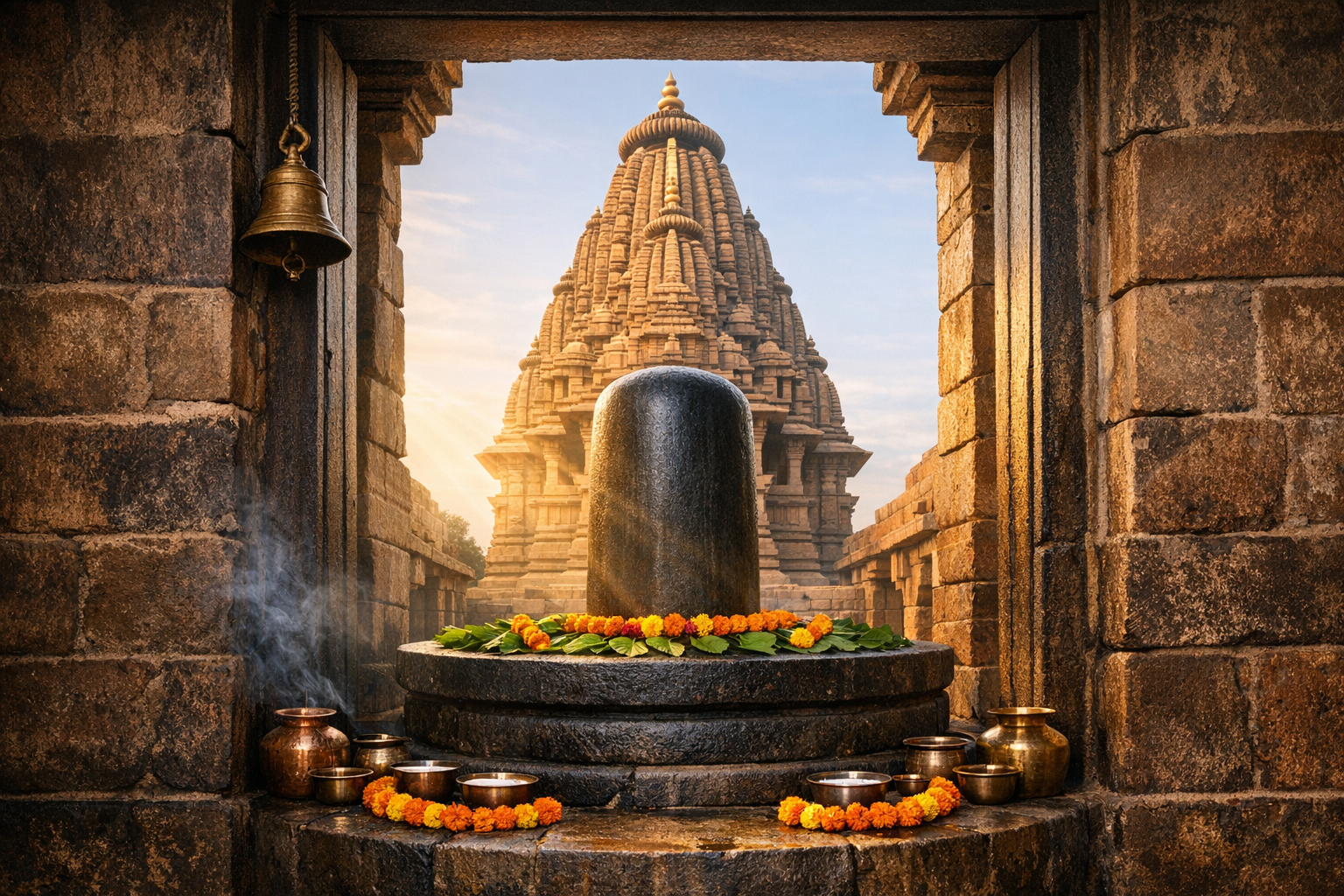
Matangeshwar Temple in Khajuraho, Madhya Pradesh, is a living Shiva shrine renowned for its colossal Shivling and an enduring belief that the icon grows over time. Set within the UNESCO-listed Khajuraho Group of Monuments, it balances Chandela-era Nagara architecture with uninterrupted ritual practice. The temple’s restrained superstructure intensifies focus on the sanctum and active worship,…
-
Chudamani: Radiant Crest Jewel of Hindu Deities and the Apex of Sacred Iconography
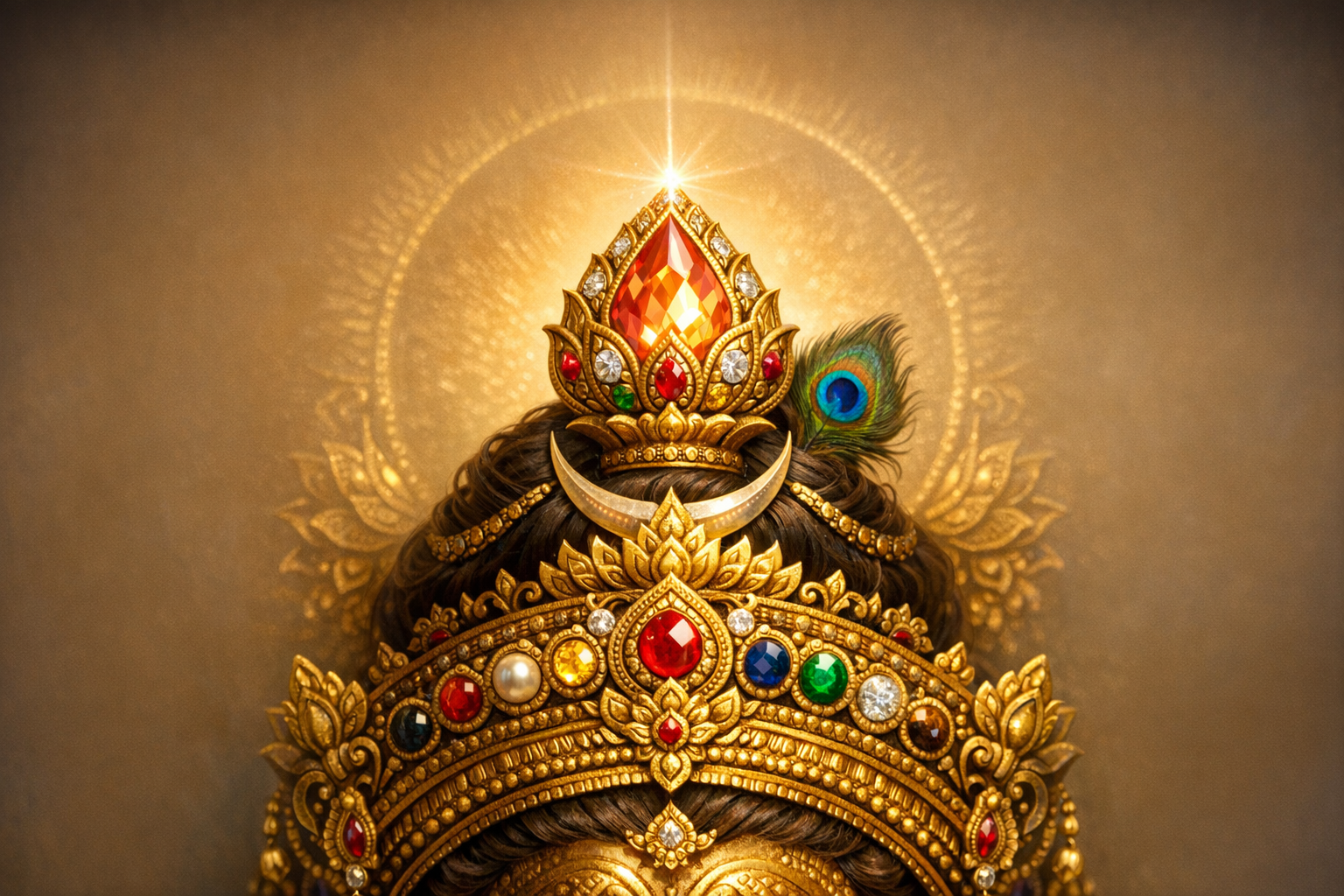
This article explores the chudamani the crest jewel at the summit of a deity’s crown as the apex of Hindu iconography and meaning. Readers learn the term’s etymology and literary memory in the Ramayana, its precise placement on mukuta types, and its codification in Shilpa Shastra and Agamic texts. The discussion unpacks symbolism tied to…
-
ISKCON Salem in Tamil Nadu: Transformative Bhakti, Kirtan, and Unforgettable Temple Hospitality
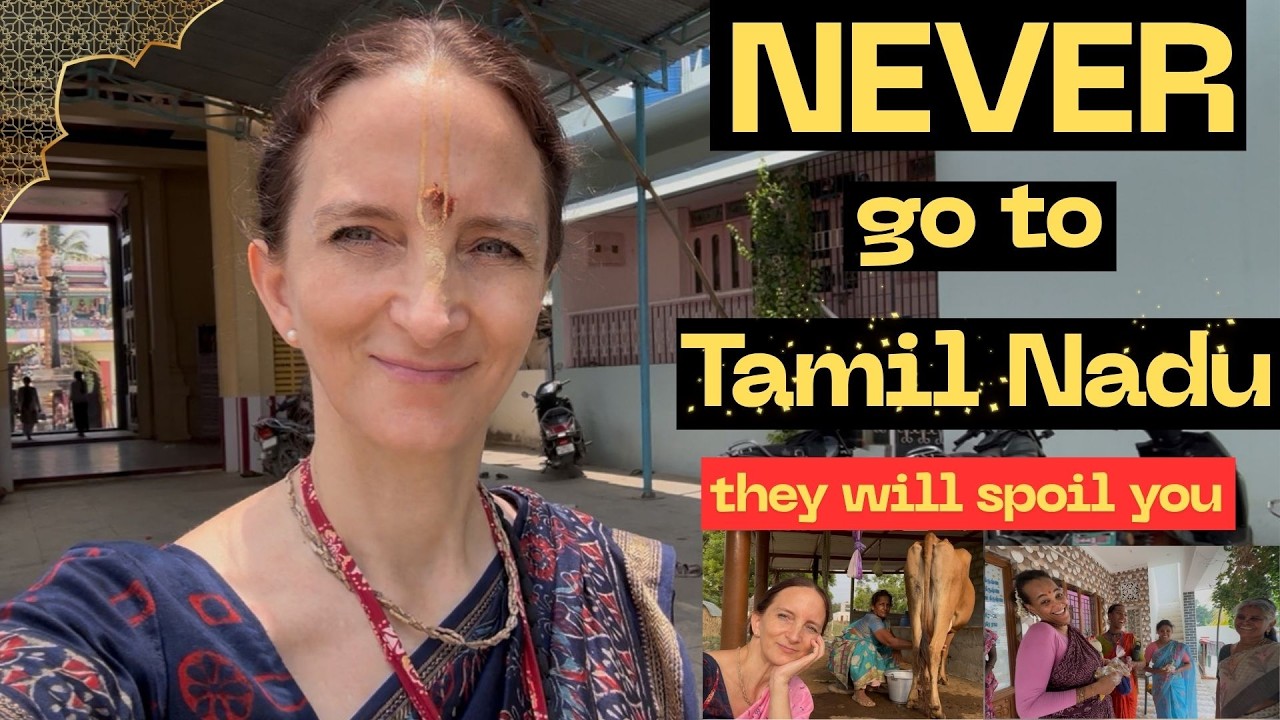
ISKCON Salem in Tamil Nadu is widely appreciated for a rare blend of devotional rigor and disarming hospitality. A clear daily schedulearati, kirtan, japa, scriptural study, and prasadamhelps first-time visitors engage without uncertainty. The community’s service ethos, rooted in bhakti-yoga and atithi devo bhava, makes participation easy and meaningful for all ages. Kirtan’s call-and-response format…
-
Surajkund Hanuman Temple, Mandla: Experience Hanuman’s Three Timeless Forms Revealed Daily

Surajkund Hanuman Temple in Mandla, Madhya Pradesh, is famed for a living tradition in which devotees perceive Hanuman’s murti in three forms across a single dayBala (child), Yuva (youth), and Vriddha (elder). Set near a ritual water body and open sky, the temple’s environment lets sunlight, reflection, and lamp glow shape a uniquely dynamic darshan.…
-
Sri Varahaswami Temple, Tirumala: Timeless Legends, Sacred Routes, and Ritual Significance
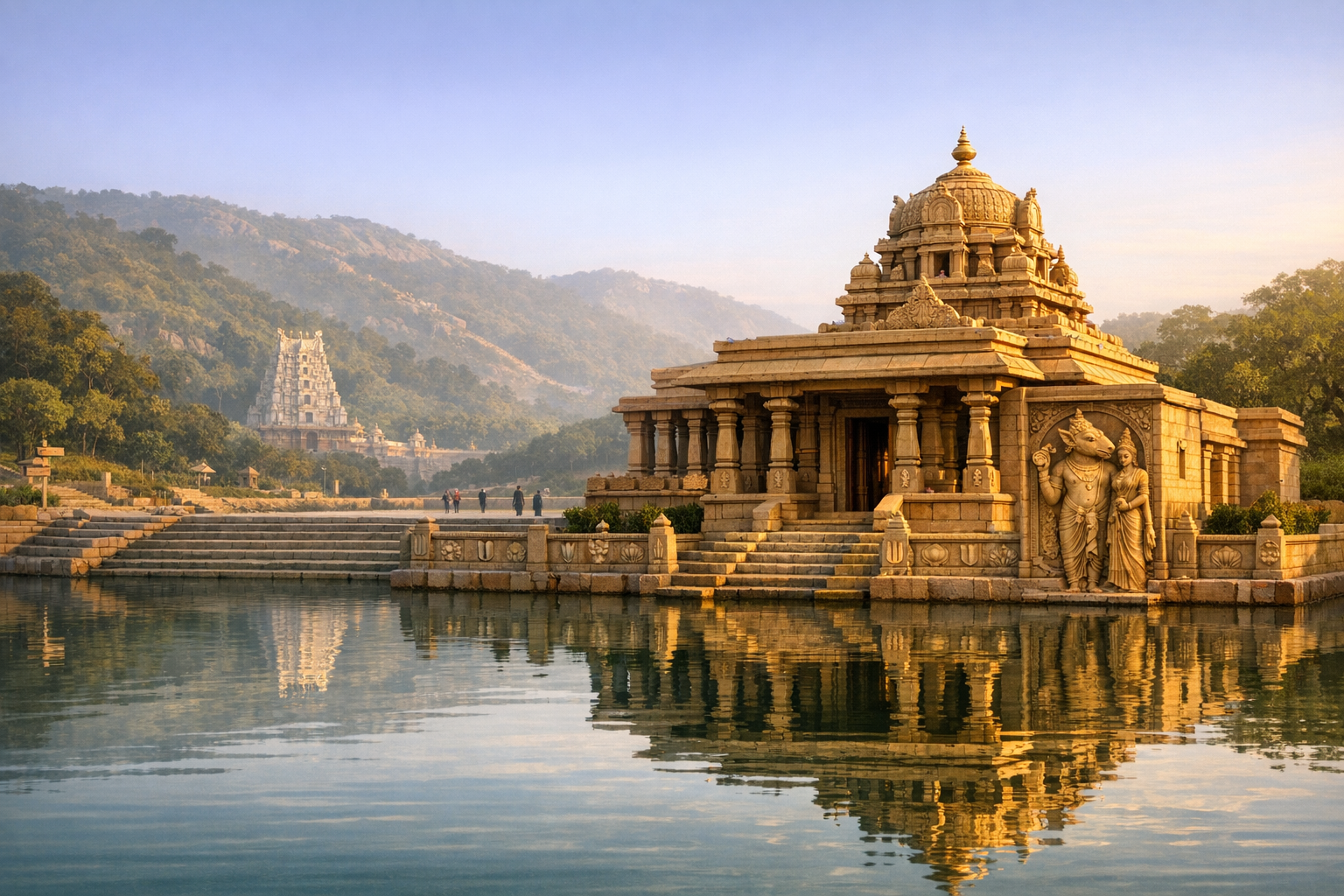
Sri Varahaswami Temple in Tirumala stands on the northern bank of Swami Pushkarini and preserves the hill’s identity as Adi Varaha Kshetra. Drawing on the Venkatachala Mahatmya traditions of the Varaha Purana and Padma Purana, it explains why many pilgrims first worship Varaha before proceeding to Sri Venkateswara Temple. The guide clarifies iconography, ritual order,…
-
Awe-Inspiring Padalathri Narasimhar Temple: Pallava Rock-Cut Sanctum at Singaperumal Koil

Padalathri Narasimhar Temple (Singaperumal Koil) near Chennai is a rare Pallava-era rock-cut Vaishnava sanctuary carved into a red hill, with Lord Narasimha and Ahobilavalli Thayar presiding. The 8th‑century CE cave sanctum, later Dravidian additions, and continuous worship offer a compact study in South Indian temple architecture and living heritage. Devotees consistently describe the ascent as…
-
Thiruporur Kandaswamy Temple: Legends, Ritual Science, Darshan Timings, and Festival Guide
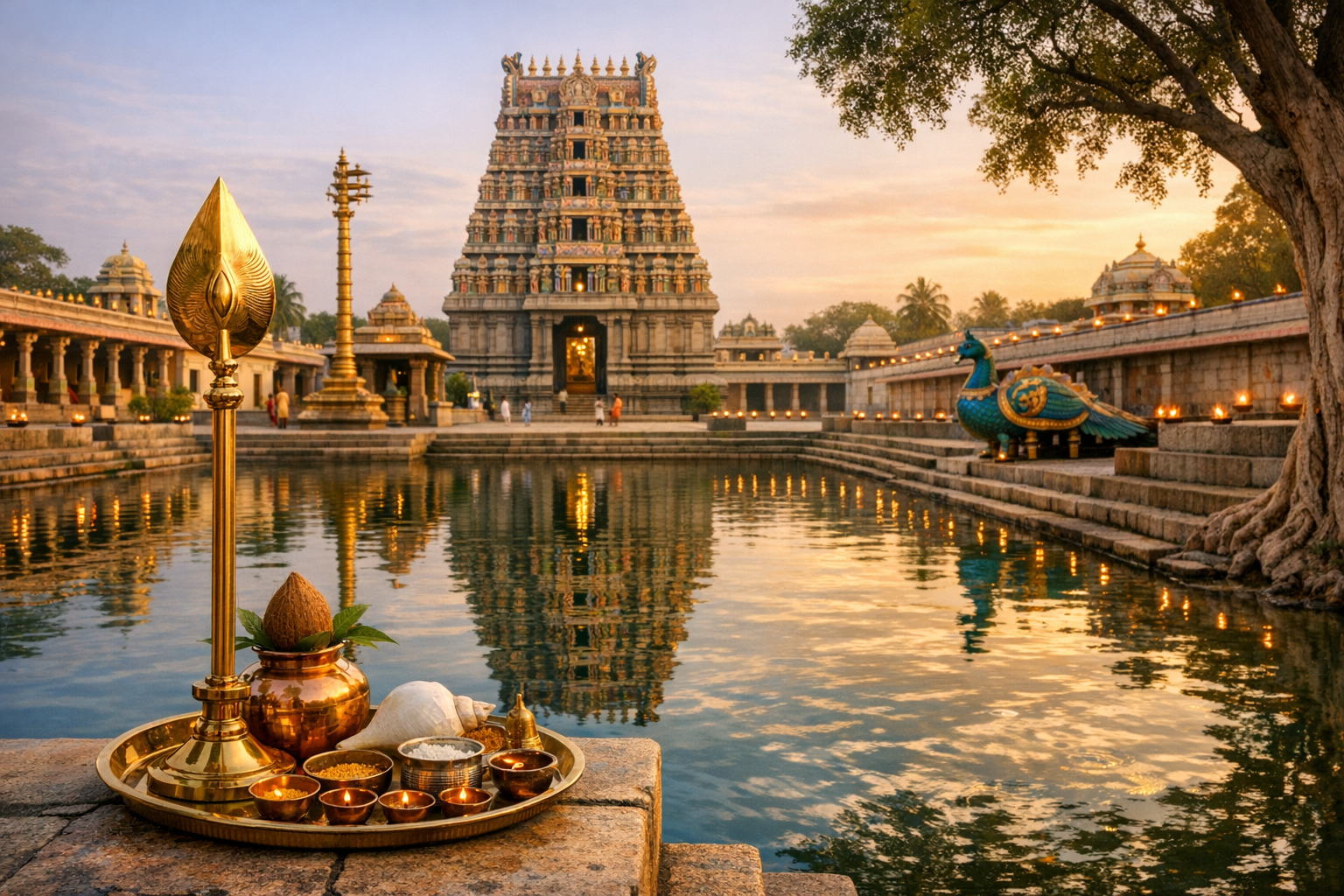
Thiruporur Kandaswamy temple (Thiruporur Murugan Temple) in Chengalpattu, Tamil Nadu, is a living center of Murugan worship renowned for Dravidian architecture, precise Agamic ritual, and a vibrant festival calendar. Visitors can plan around clear darshan timings (6:30 am–12:30 pm; 3:30 pm–8:00 pm) and four daily pujas that culminate in abhishekam and deepa aradhana. The temple’s…
-
Channa Vira Unveiled: The Cross‑Body Ornament of Valor, Protection, and Dharma in Hindu Art
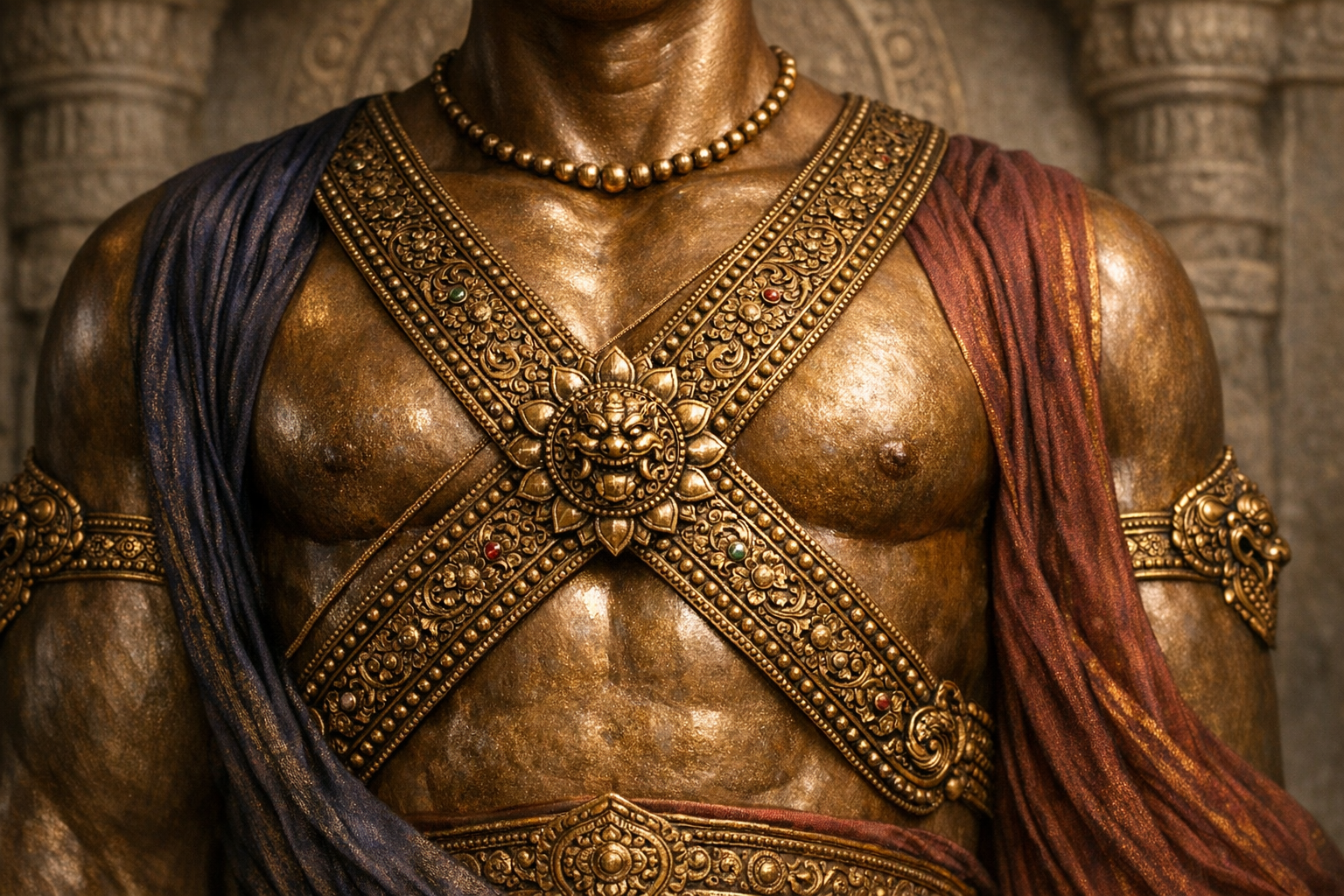
Channa Vira is a defining vaksha-ābharaṇaa cross-body chest ornamentin Hindu iconography that signals protection, valor, and sacred duty. Unlike the yajnopavita, it forms an X-shaped harness across the torso, often centered by a jewel or rosette. Appearing on Śaiva, Vaiṣṇava, and Śākta imagesand on guardians such as dvārapālasit evolved across Pallava, Chola, Hoysala, and Vijayanagara…
-
Modhera’s Maa Modheshwari: Origins, Kuldevi Traditions, and the Living Shakti Heritage of Gujarat
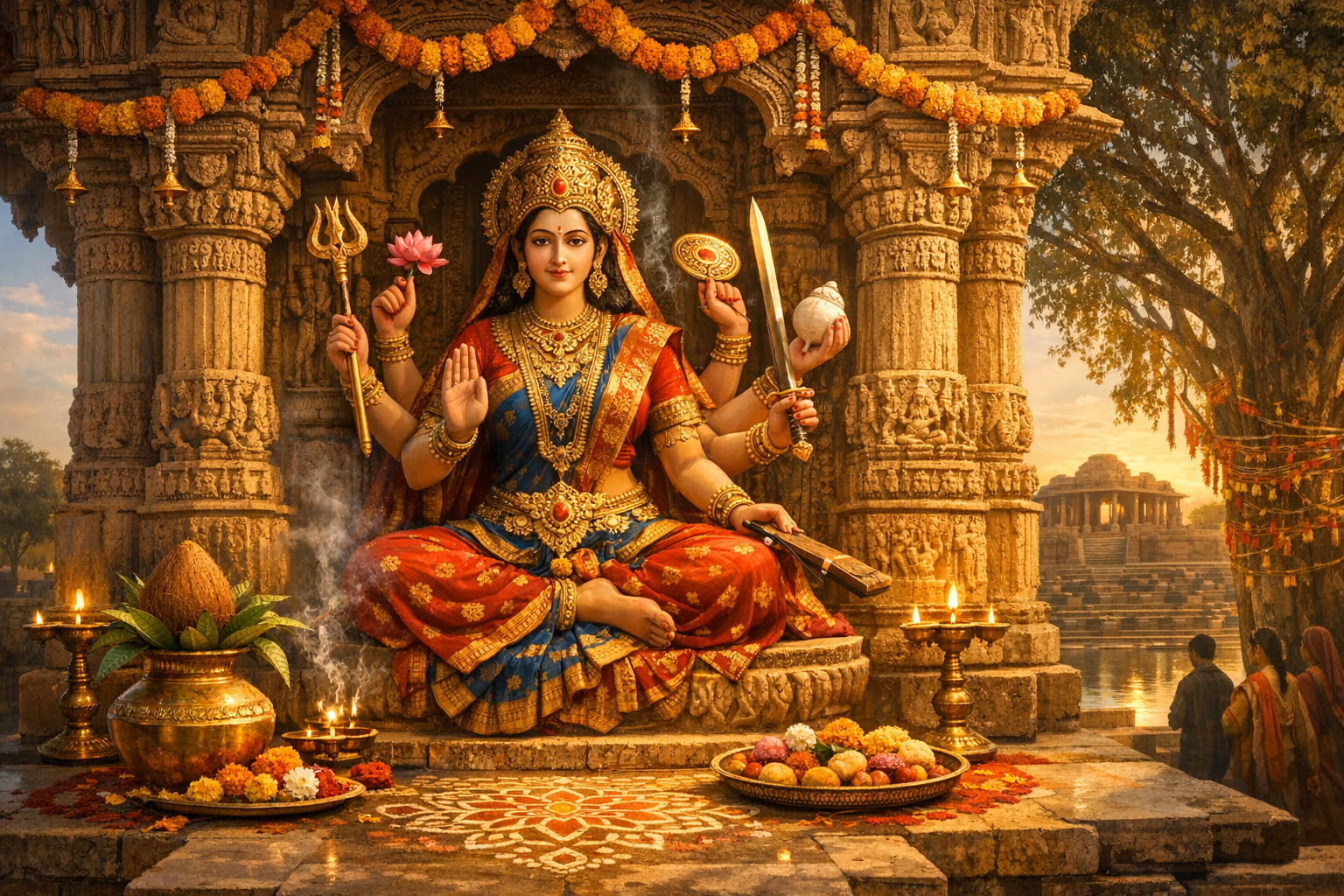
Maa Modheshwari’s shrine at Modhera, Gujarat, is widely regarded as the most ancient seat of Her pragatya and as the kuldevi for Modh Brahmin, Vaishya, and Kshatriya lineages. Set within the celebrated cultural landscape of the Modhera Sun Temple, the tradition balances Surya and Shakti symbolism in a single heritage corridor. The article clarifies how…
-
Veda Murtis Demystified: Living Forms that Illuminate Vedic Wisdom, Ritual, and Iconography

Hindu tradition presents the Vedas as living, relational knowledge by personifying them as Veda Murtisanthropomorphic embodiments that translate sacred sound into contemplative sight. Grounded in Mīmāṃsā, Agamas, and Śilpa-śāstra canons, these forms do not replace scripture; they deepen Vedic study by aligning hearing, seeing, and practice. Typical depictions personify the four Vedas with manuscripts and…
-
TTD Tirupati Architecture & Sculpture Admissions 2026–27: Train to Preserve Sacred Heritage
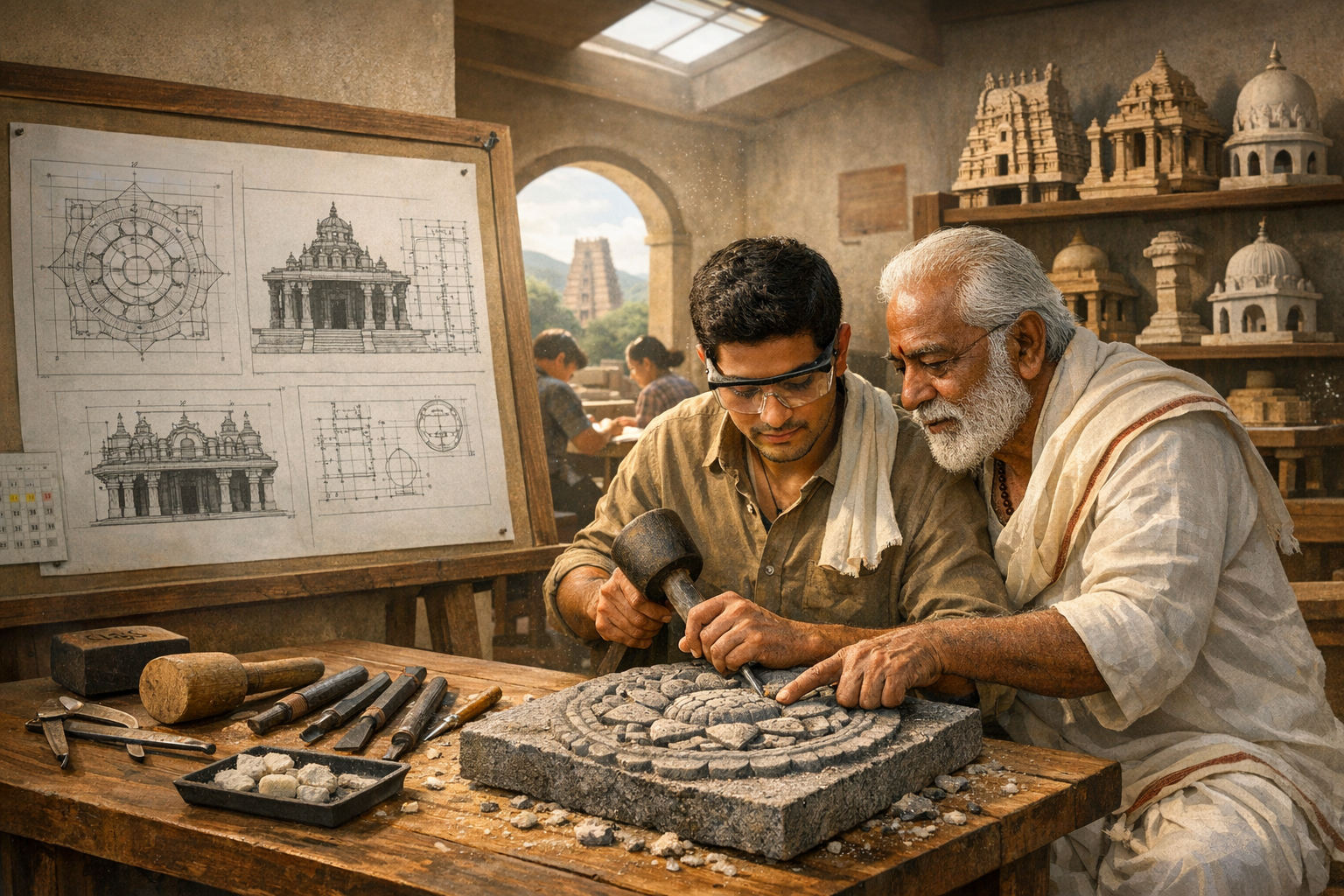
TTD-run Sri Venkateswara Traditional Temple Architecture & Sculpture College, Tirupati, is accepting applications from May 04 to June 20 for its 2026–2027 intake. Eligible Class 10 (SSC) pass candidates can apply for a four-year Diploma or a two-year Certificate. The college provides free accommodation to selected students, reflecting TTD’s heritage-service mandate. Training integrates Sthapatya Veda…
-
Build Sacred Spaces: ApplyTTD SV Temple Architecture & Sculpture College 2026–27
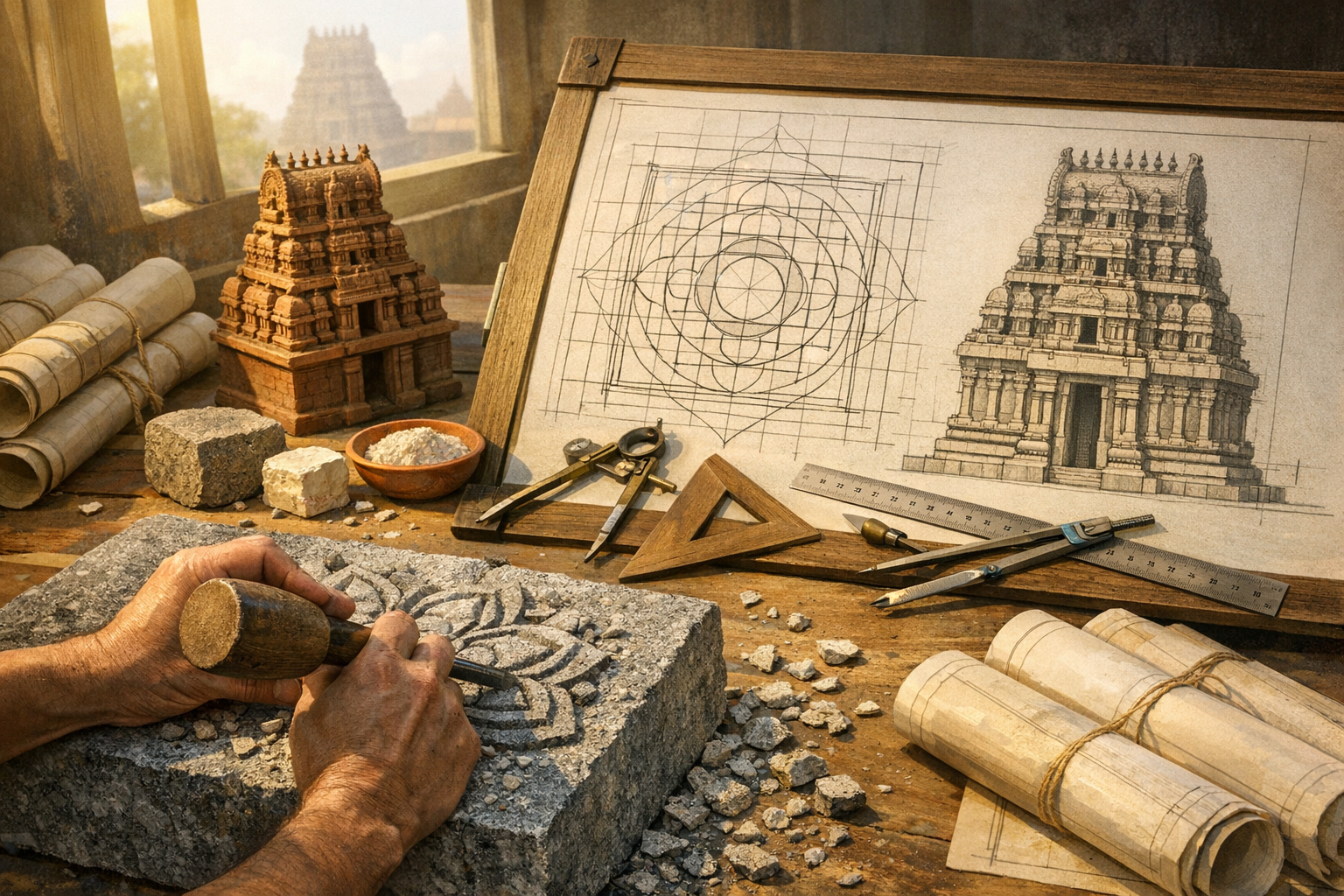
Applications are open from May 04 to June 20, 2026 for the 2026–2027 session at the TTD-run Sri Venkateswara Traditional Temple Architecture & Sculpture College, Tirupati. The College offers a four-year Diploma and a two-year Certificate, with eligibility for 10th-pass candidates and free accommodation for admitted students. Training in this field blends Vedic and Śilpa-śāstra…
-
Unlocking Chandesha Anugrahamurti: Divine Grace, Iconography, and Chola Temple Legacy
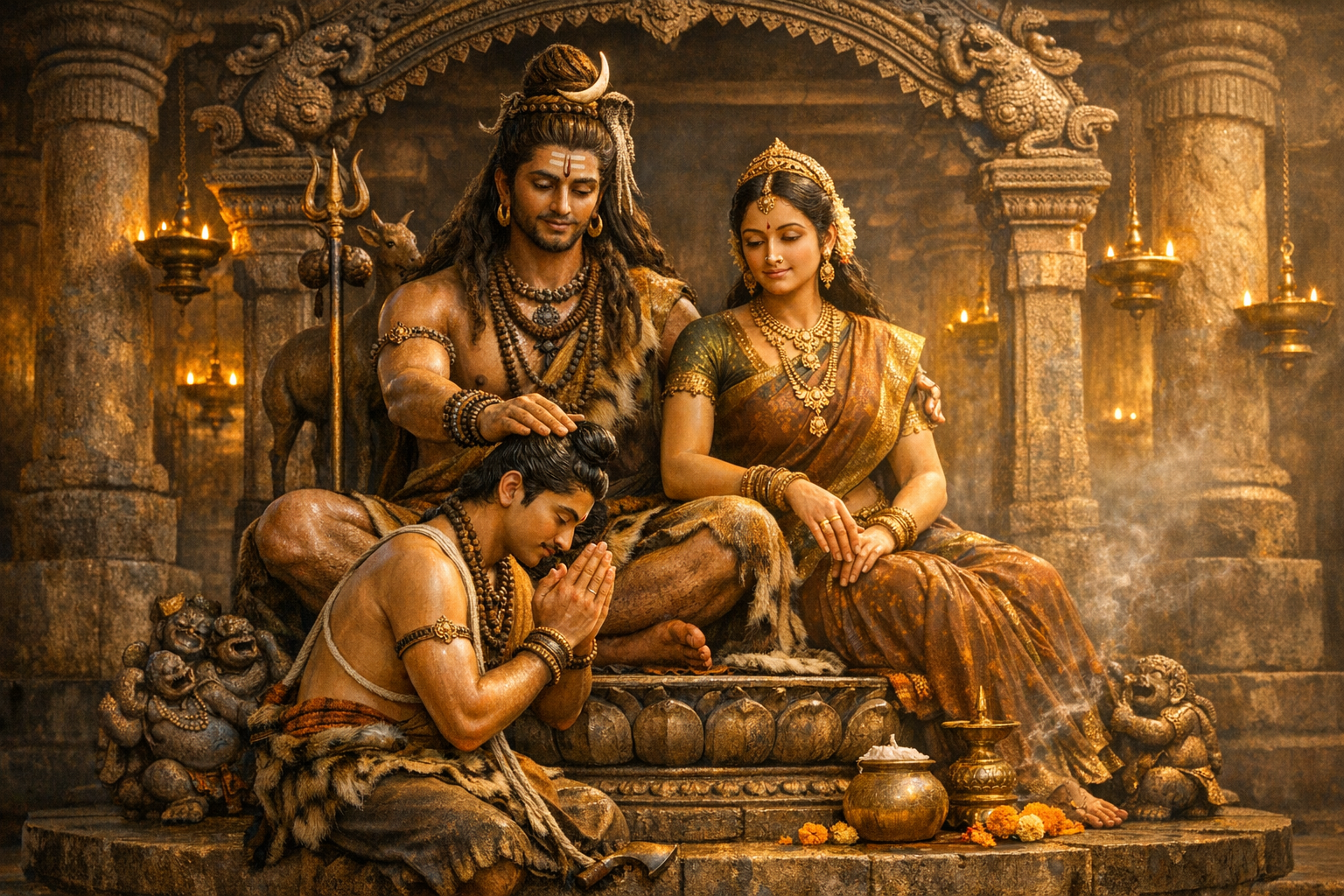
Chandesha Anugrahamurti encapsulates Shiva’s tender bestowal of grace upon the devotee Chandesha, weaving together personal bhakti and institutional dharma. Readers will learn the origin story from the Periya Puranam, the ethical meaning behind Shiva’s restorative intervention, and why Chandesha becomes the temple’s vigilant steward. The article decodes the iconographyShiva’s head-blessing, Uma’s composed presence, and the…
-
Kasha (Pratoda) in Hindu Iconography: Unveiling the Sacred Whip of Discipline and Divine Order
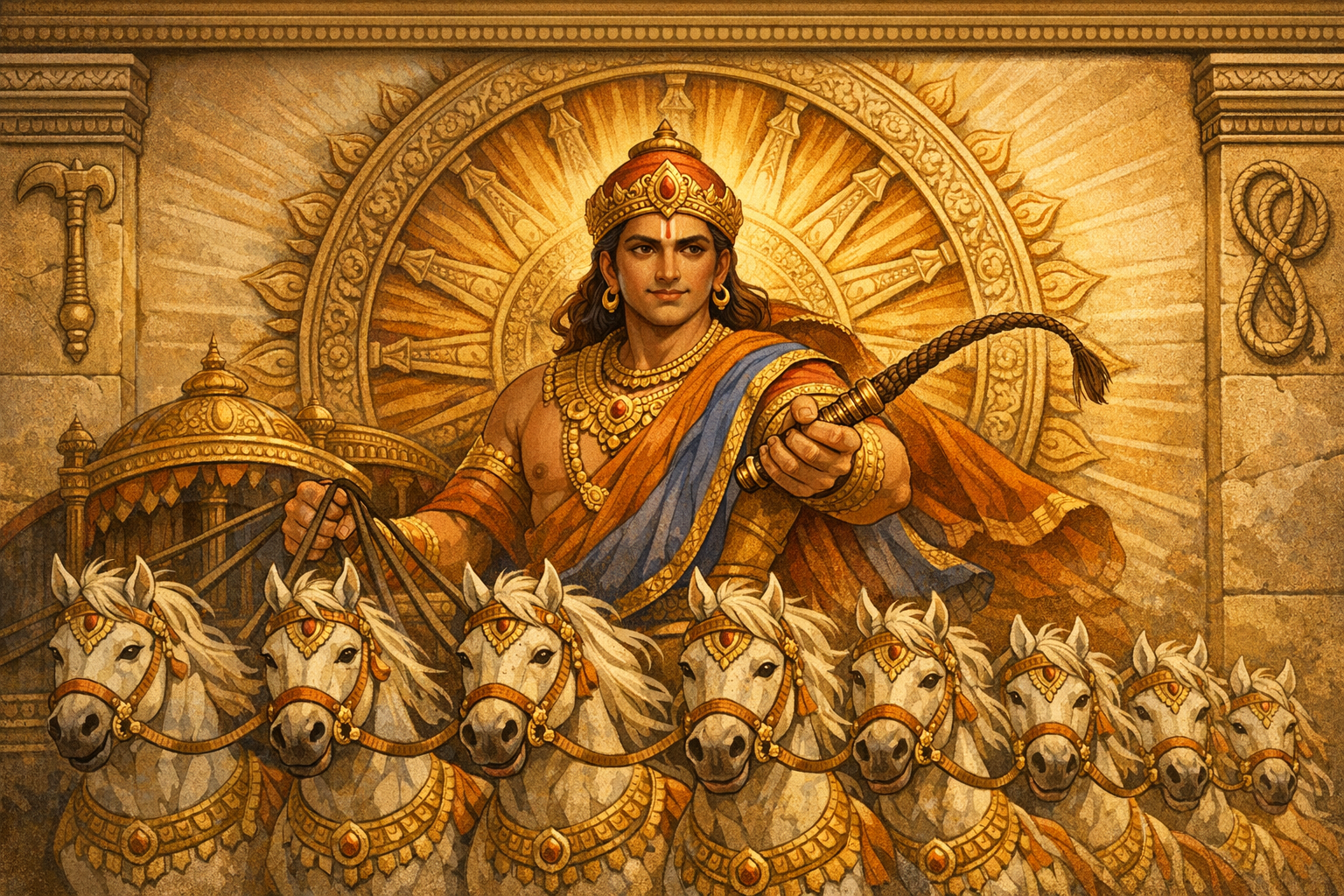
This study explores Kasha/Pratodathe sacred whipin Hindu iconography as a secondary ayudha that signifies authority, discipline, and dharmic order. It clarifies how Pratoda differs from aṅkuśa, pāśa, and daṇḍa while sharing their ethical vocabulary of guidance and restraint. Drawing on shilpa-śāstra principles, it explains why the whip appears with charioteers (notably at Konark), guardians, and…
-
29 Scholar-Verified Facts on Venkateshwara Swamy at Tirumala to Deepen Darshan
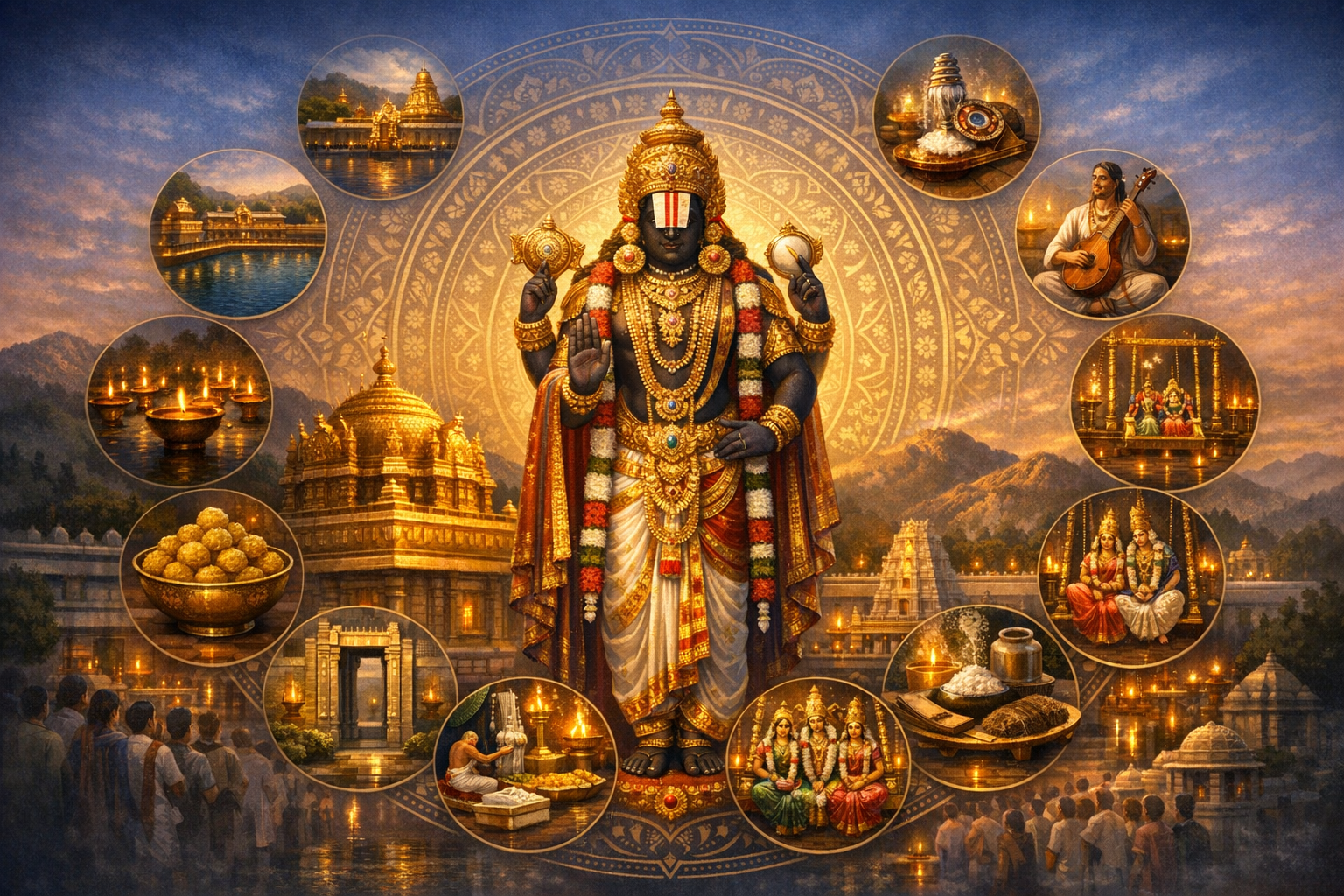
Sri Venkateshwara Swamy of Tirumalaalso known as Srinivasa, Balaji, Venkatachalapati, and Govindais presented here through 29 scholar-verified facts that unite theology, ritual practice, architecture, and living tradition. Readers discover how Vaikhanasa Agama worship structures daily sevas, why the Laddu prasadam holds a GI tag, how Brahmotsavam and Vaikuntha Ekadashi shape the festival calendar, and what…
-
Grace in Stone: Decoding Shiva’s Anugrahamurtis to Deepen Temple Darshan
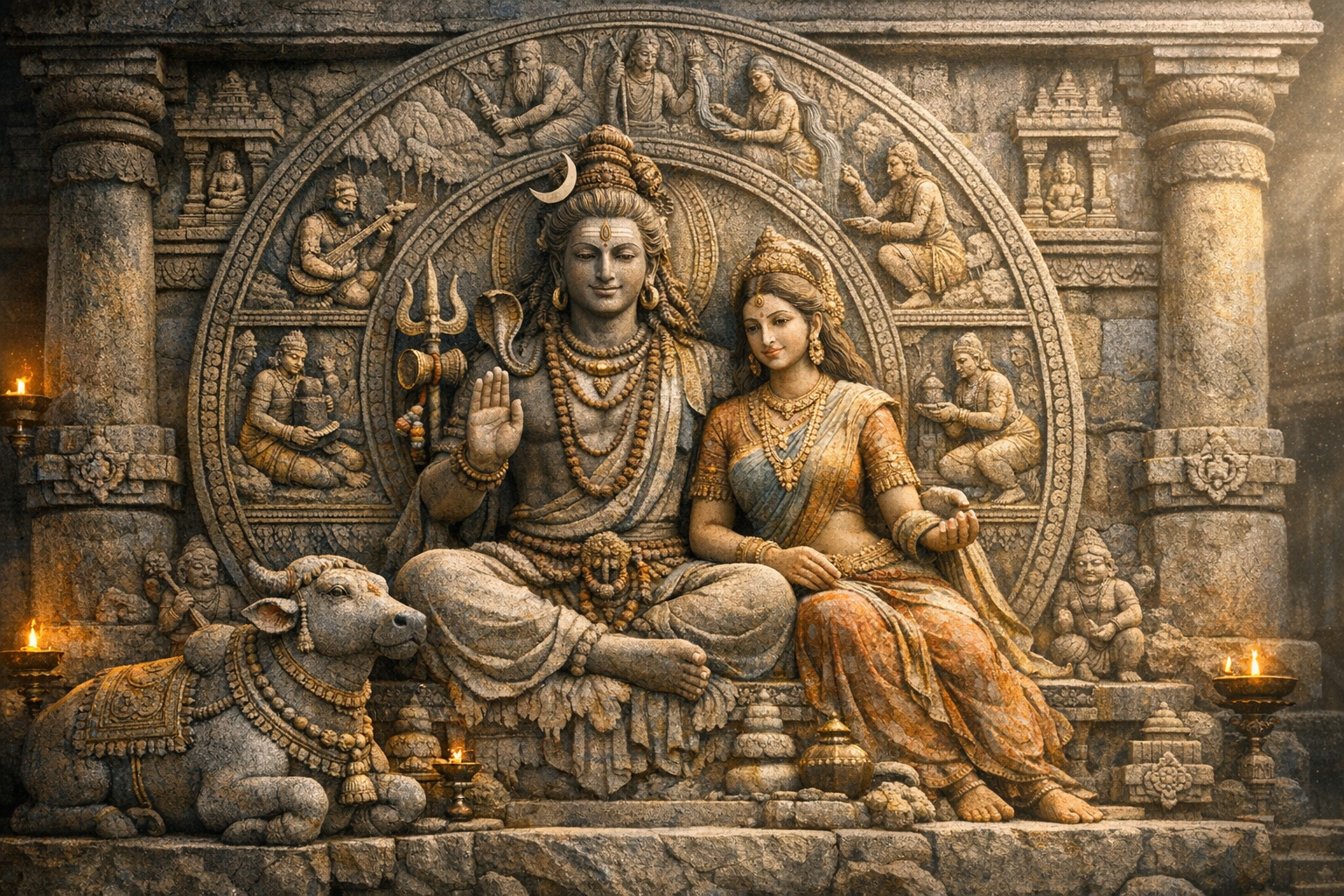
Anugrahamurtisthe grace-bestowing forms of Shivatranslate the Shaiva doctrine of anugraha into a precise, readable visual language. Grounded in Agamas and Śilpaśāstra canons, they employ gestures such as abhaya and varada, gentle asanas, and familial ensembles to stage compassion, assurance, and liberation. Representative types include Ravananugraha, Kalāntaka/Mṛtyuñjaya, Kirātārjuna, Gaṅgādhara, Candeśānugraha, Somāskanda, and Kalyāṇasundara, each encoding a…
-
Shivling Beyond Form: Debunking Phallic Myths with Scriptural and Iconographic Evidence

The Shivling is widely mischaracterized as a purely phallic symbol, yet Sanskrit philology, Purāṇic and Āgamic theology, Shilpa Shastra geometry, and the archaeological record point to a more expansive meaning: liṅga as a sign, axis, and cosmogram of the formless. This analysis explains how Lingodbhava and Jyotirliṅga narratives foreground an infinite column of light rather…
-
Narasimha Iconography Decoded: Forms, Symbols, and Sacred Meanings in Hindu Temple Art

This long-form guide decodes the iconography of NarasimhaHinduism’s half-lion, half-man avatar of Vishnuacross textual sources, temple sculpture, and living ritual. It details the major forms (Ugra/Kevala, Lakshmi-Narasimha, Yoga-Narasimha, Jvala/Krodha), their attributes and mudras, and how Shilpa Shastras and Agamas govern measurements and aesthetics. Readers learn to recognize narrative panels (pillar-theophany, twilight justice) and to interpret…
-
Purva Linga and Achala Shivlings: Uncreated Symbols of Shiva’s Eternal Presence
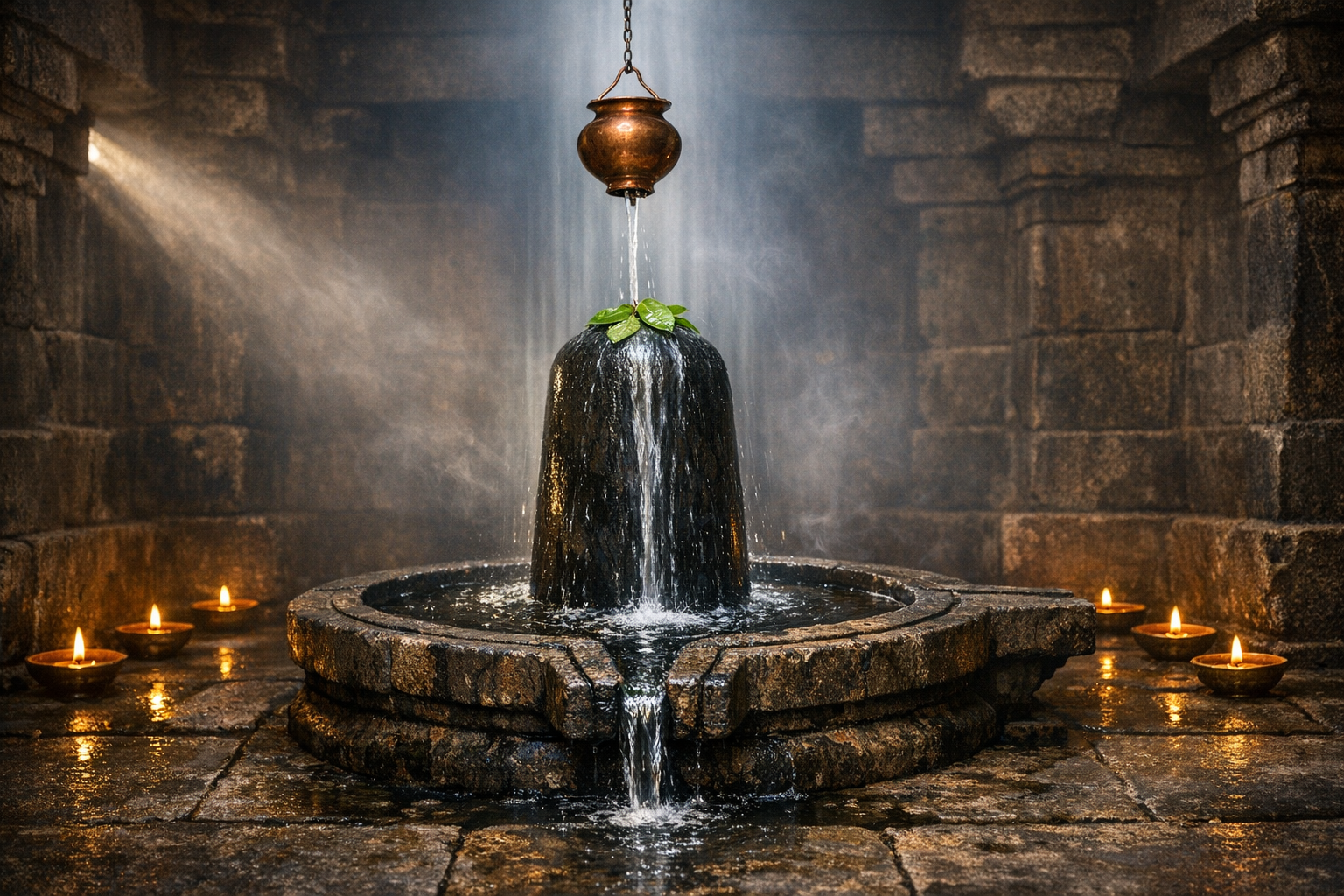
This article explains why the Purva Linga is counted among the Achala Shivlings in Shaivism and how it epitomizes an uncreated, immovable presence of Shiva. It clarifies the philology of “pūrva” and the aniconic meaning of the Shivalinga, linking these ideas to Lingodbhava and Maha Shivaratri. Readers learn how temple architecture, Abhishekam, and daily puja…
-
Lakuti Dakshinamurti Unveiled: Tantric Iconography, Sacred Symbols, and Living Wisdom
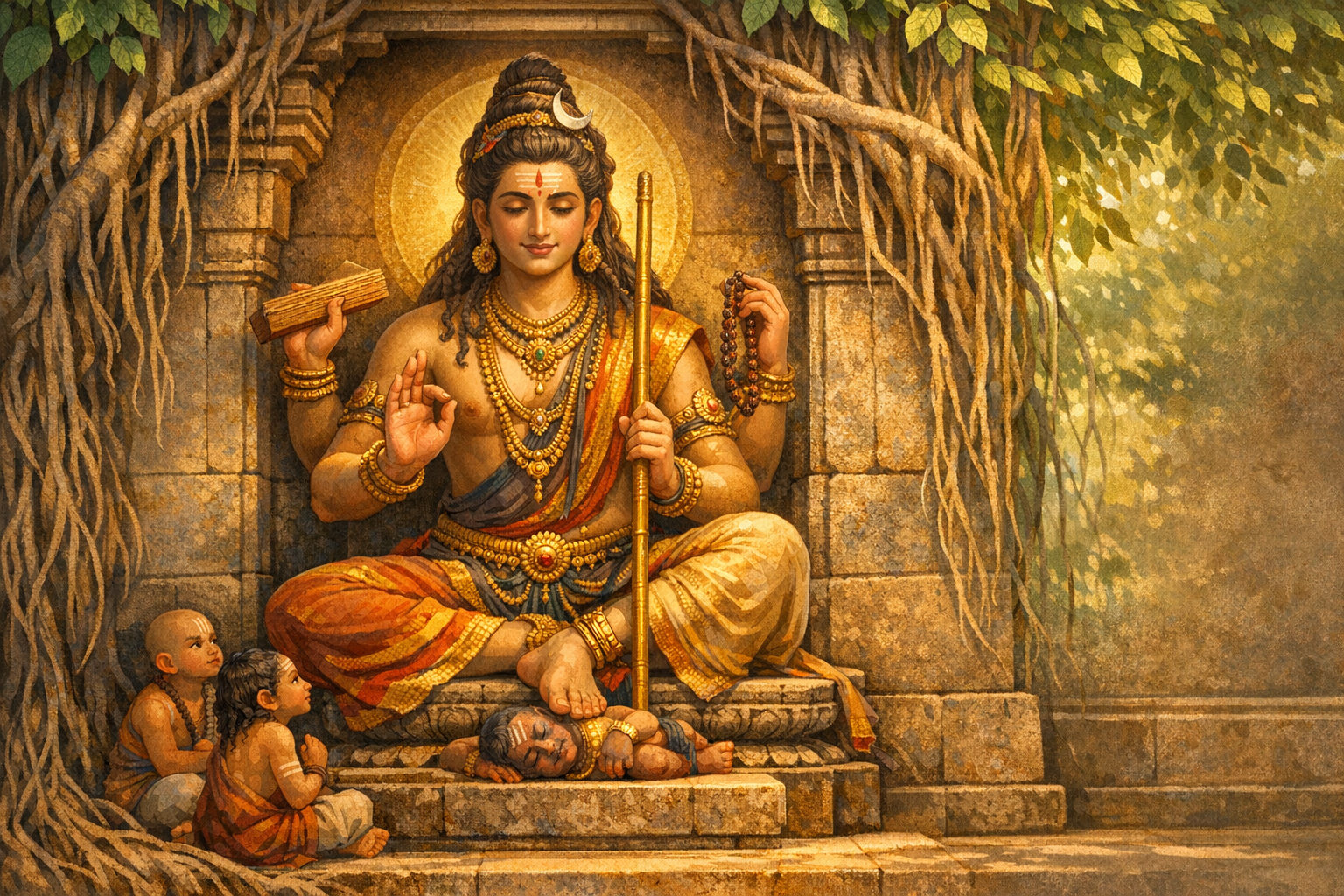
This in-depth exploration unveils Lakuti (Lagudi) Dakshinamurti as the south-facing Adi Guru whose staff encodes sovereignty, discipline, and the subtle spinal axis of awareness. Readers gain a clear, textually grounded understanding of how this staff-bearing variant fits within the broader Dakshinamurti quartet set out in Agamas and Shilpa Shastra. The article decodes each attributechinmudra, akshamala,…