
-
Gajasurasamhara: Shiva’s awe-inspiring conquest of ego – history, symbolism, style
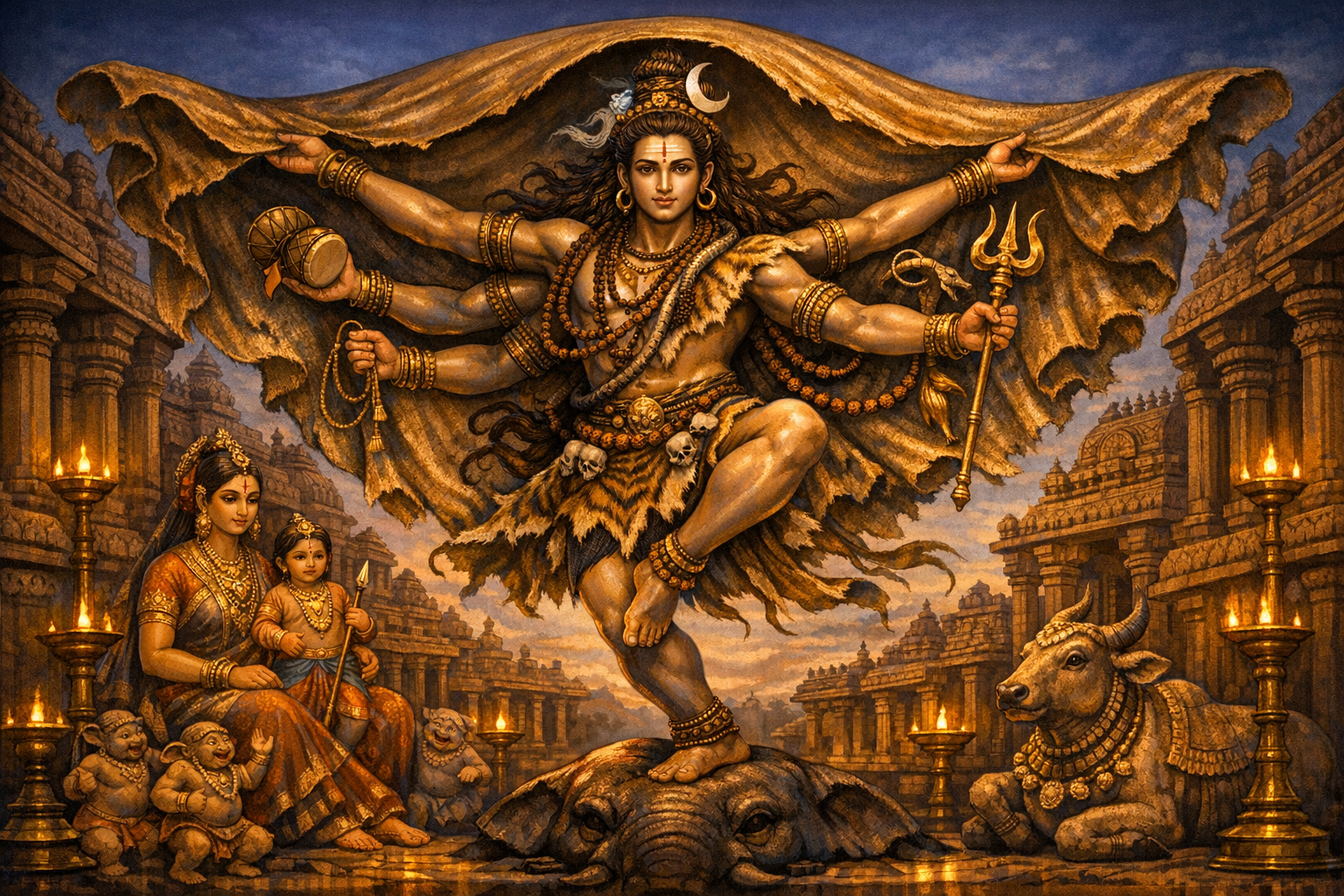
Gajasurasamhara presents Shiva in a fierce, transformative dance that subdues the elephant demonan enduring visual lesson on conquering ego. This long-form, research-driven overview traces the form’s Purāṇic and Āgamic foundations and explains its technical iconography, from multi-armed attributes and the distinctive elephant-hide canopy to posture, ornaments, and attendant figures. It maps stylistic evolutions across Pallava,…
-
Konark Sun Temple: A Radiant Masterpiece of Kalinga Architecture, Astronomy, and Dharma
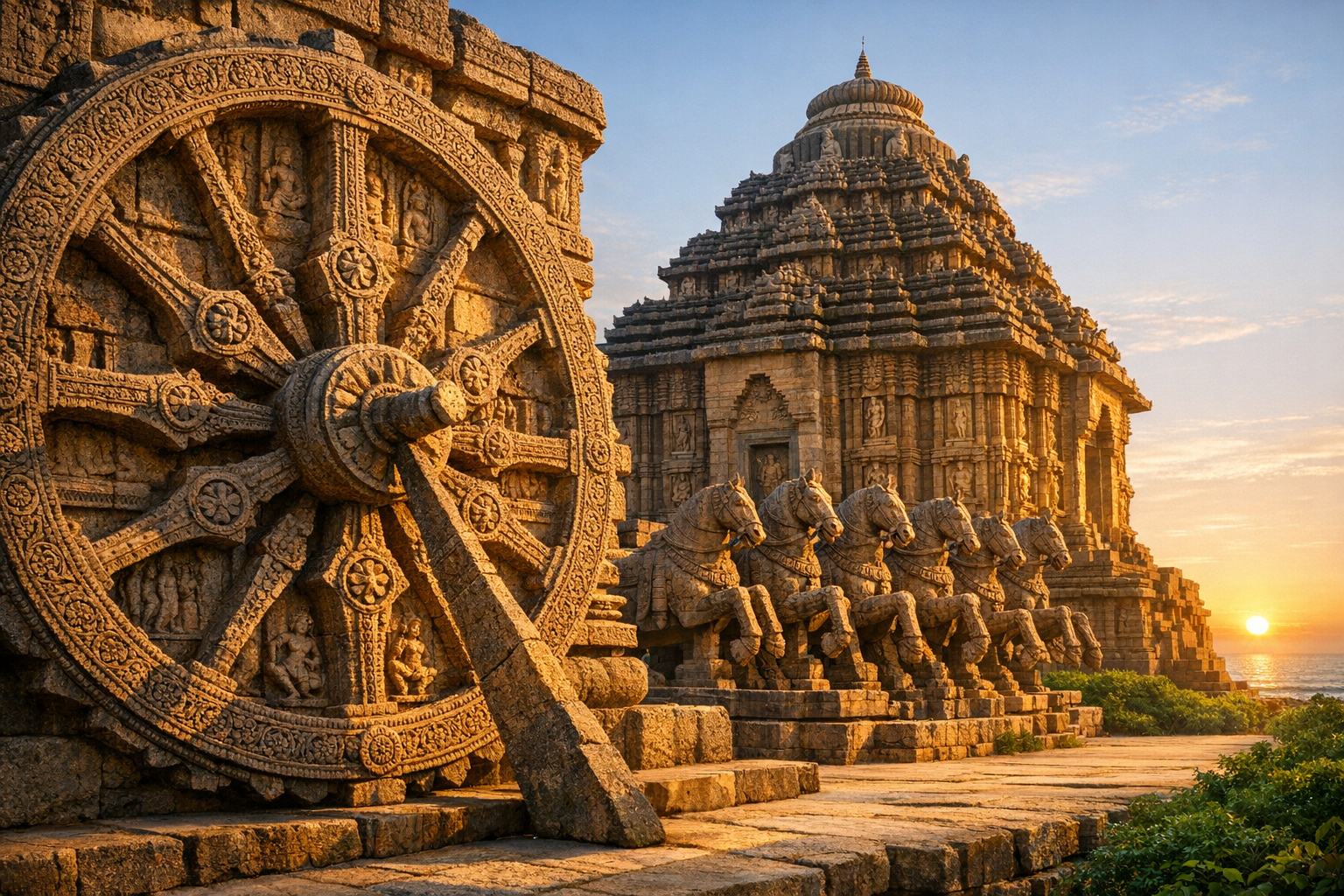
Konark Sun Temple in Odisha, a 13th-century UNESCO World Heritage Site, unites Kalinga architecture, astronomy, and living ritual in a single monumental vision. Commissioned by Narasimhadeva I of the Eastern Ganga Dynasty, the complex was conceived as Surya’s celestial chariot, complete with functional stone sundials. The surviving jagamohana, masterful masonry, and encyclopedic iconography make the…
-
Shirovaratna of the Shivalinga: The Crowning Jewel of Shaiva RitualForms, Geometry, Agamas

This in-depth guide clarifies why the Shirovaratnathe crown of the Shivalingais the most sanctified architectural and ritual member of the linga–nala system. It explains Agamic sources, precise proportions, and crown geometries that ensure both theological fidelity and optimal abhishekam flow. Readers learn how materials from granite to sphaṭika shape a radiant apex, and how variants…
-
Divine Geometry of the Shivling: Six Sacred Components, Agamic Ratios, and Alignment

The manmade Shivling follows a six-part sacred architecture codified in Shaiva Agamas and Shilpa Shastra: a foundation slab, a yoni-pitha with drainage channel, and a triune bana comprising Brahma-, Vishnu-, and Rudra-bhaga. This article explains the function, symbolism, and geometry of each component, with practical notes on proportions, materials, and orientation in the garbhagriha. Readers…
-
Konark Sun Temple: Awe-Inspiring Kalinga Masterpiece, Cosmic Timekeeper, and Living Heritage
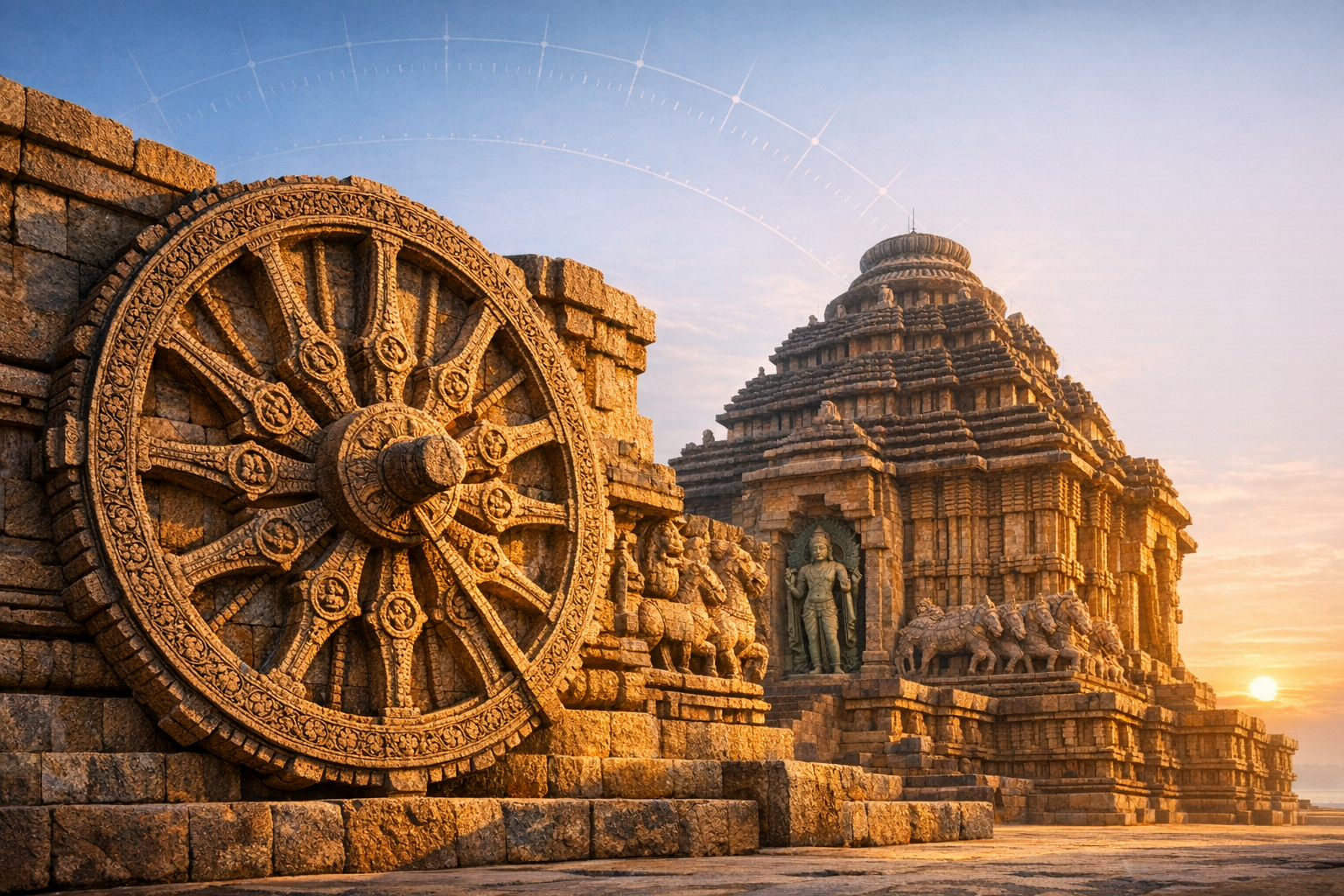
Konark Sun Temple in Odishacommissioned by Eastern Ganga ruler Narasimhadeva I around 1250 CEunites Kalinga architecture, sculpture, and ancient Indian astronomy in a breathtaking chariot-of-the-sun design. The twenty-four carved stone wheels and seven horses encode a lived experience of time and celestial geometry, while Surya’s triadic images track the diurnal path of light. As a…
-
Varsana Parikrama: Ascending Srimati Radharani’s Hill via Jaipur Mandir and Dan garh
This guided overview of the Varsana (Barsana) parikrama presents a clear, research-based orientation to ascending the hilltop temple of Srimati Radharani and visiting Jaipur Mandir and Dan garh. It situates these landmarks within Braj’s sacred geography and explains how architecture, ritual movement, and sound cohere into a contemplative experience. Readers gain architectural insights into North…
-
Unlocking the Sacred Geometry of Navagrahas: How Temple Placement Shapes Cosmic Harmony
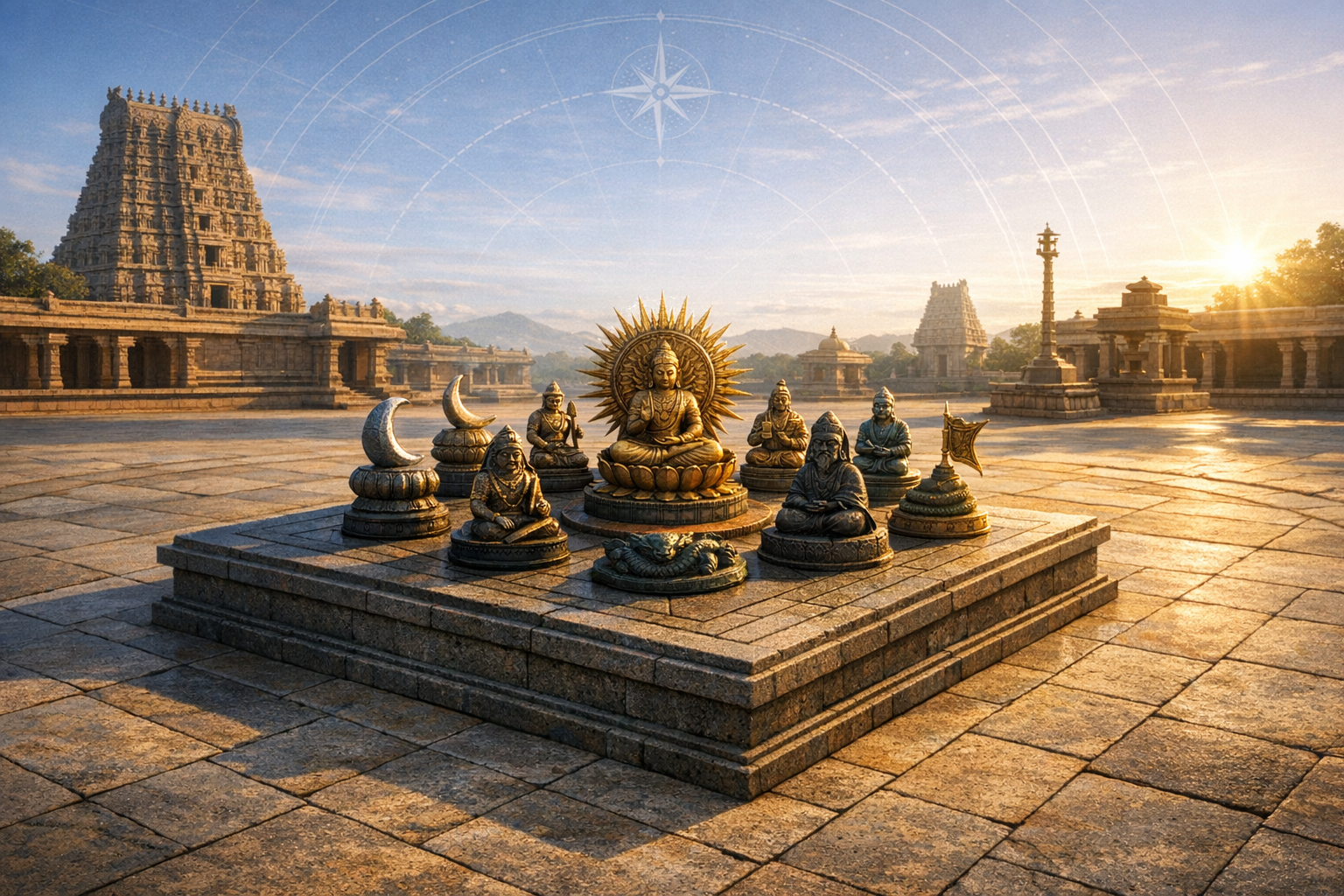
This in-depth exploration explains how the NavagrahasSurya, Chandra, Mangala, Budha, Guru, Shukra, Shani, Rahu, and Ketuare positioned within Hindu temple architecture to embody sacred geometry and ritual function. It synthesizes guidance from Sthāpatya-śāstra, Āgama-śāstra, and the Vāstu Puruṣa Maṇḍala, while highlighting regional variations that preserve core principles. Readers learn why the Navagraha mandala typically resides…
-
Kamantaka Murti of Shiva: Awe-Inspiring Iconography, Third-Eye Fire, and Mastering Desire

This in-depth study decodes Kamantaka (Madana Dahana), the powerful murti of Shiva who burns Kama with the third eye’s jñāna-agni, as a visual pedagogy on mastering desire. It explains field-ready markersKama’s sugarcane bow, bee-string, five flower-arrows, and Ratiso readers can confidently identify the scene in temples and sculpture. It situates the form in Purāṇic, Āgamic,…
-
Unlocking Tripurantaka: Shiva’s Cosmic ArcherIconography, Temple Art, and Inner Alchemy
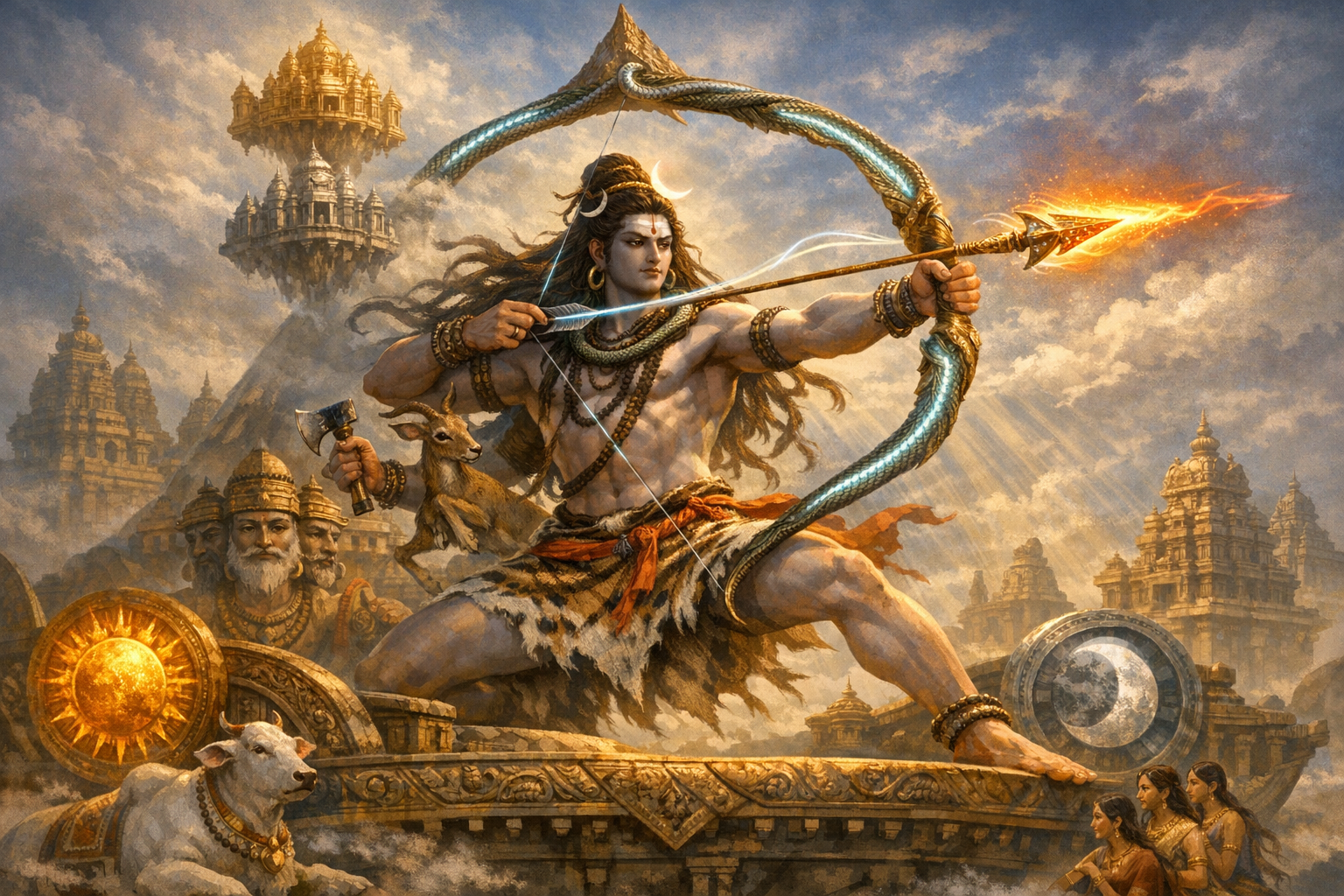
Tripurantaka, Shiva’s cosmic archer, unites myth, philosophy, and temple art into a single visual theology. This long-form exploration traces the Puranic narrative of Tripura Samhara, decodes canonical iconography from bow to chariot, and surveys major temple depictions from Ellora to the Chola heartland. Readers learn how to identify Tripurantaka murtis, understand Agamic design rules, and…
-
Revealing the Sacred Beauty of Imperfection: Why Authentic Hindu Bronzes Aren’t Flawless
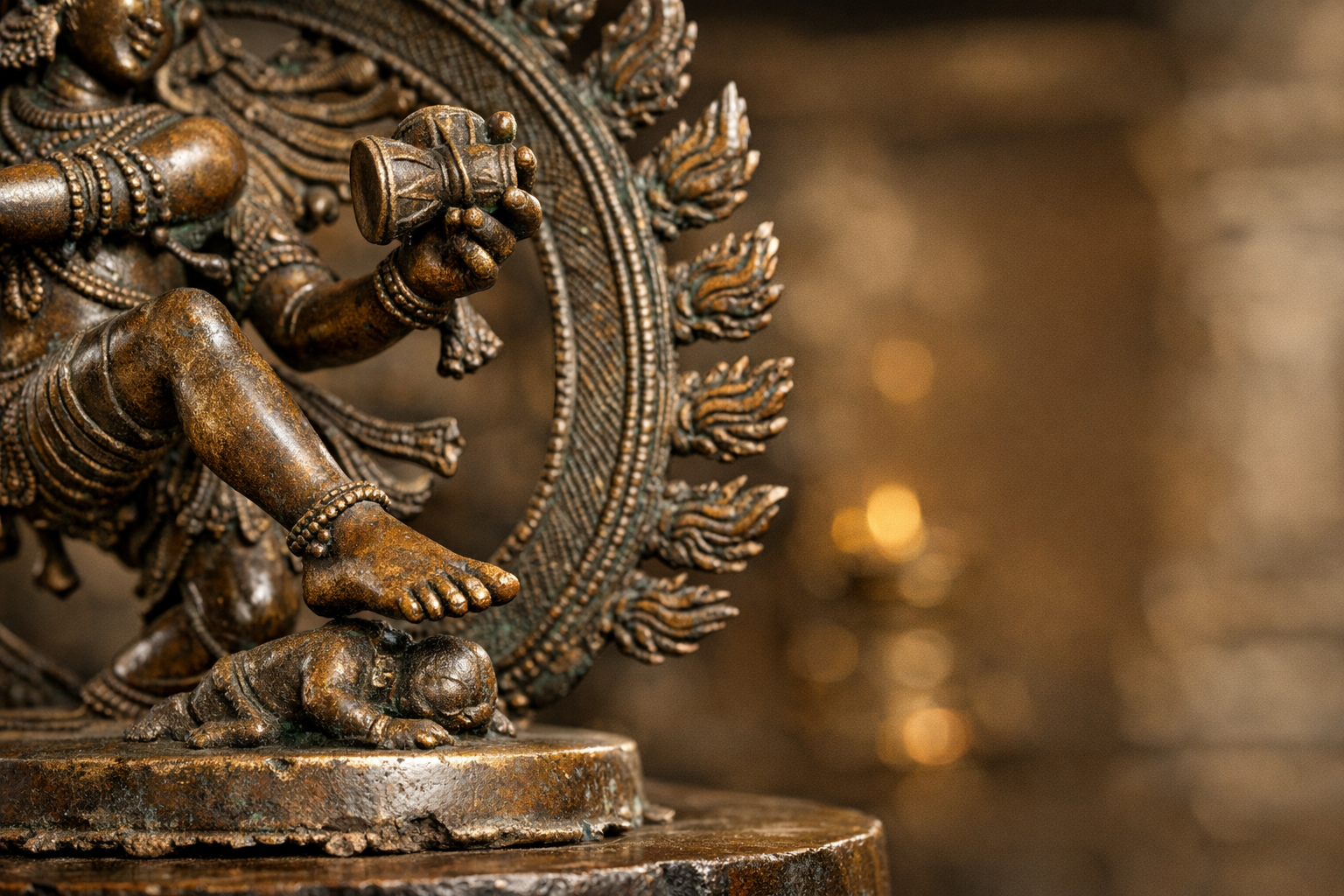
Authentic Hindu bronze sculptures are often misjudged by a modern expectation of machine-like perfection. This essay explains, in academic yet accessible terms, how lost-wax casting and panchaloha metallurgy naturally produce subtle surface variations that signal authenticity. It decodes sprue scars, chasing marks, porosity pinholes, and asymmetry as the normal fingerprints of traditional workmanship rather than…
-
Dama in Hindu Iconography: Unveiling the Sacred Neck Chain of Restraint, Grace, and Power
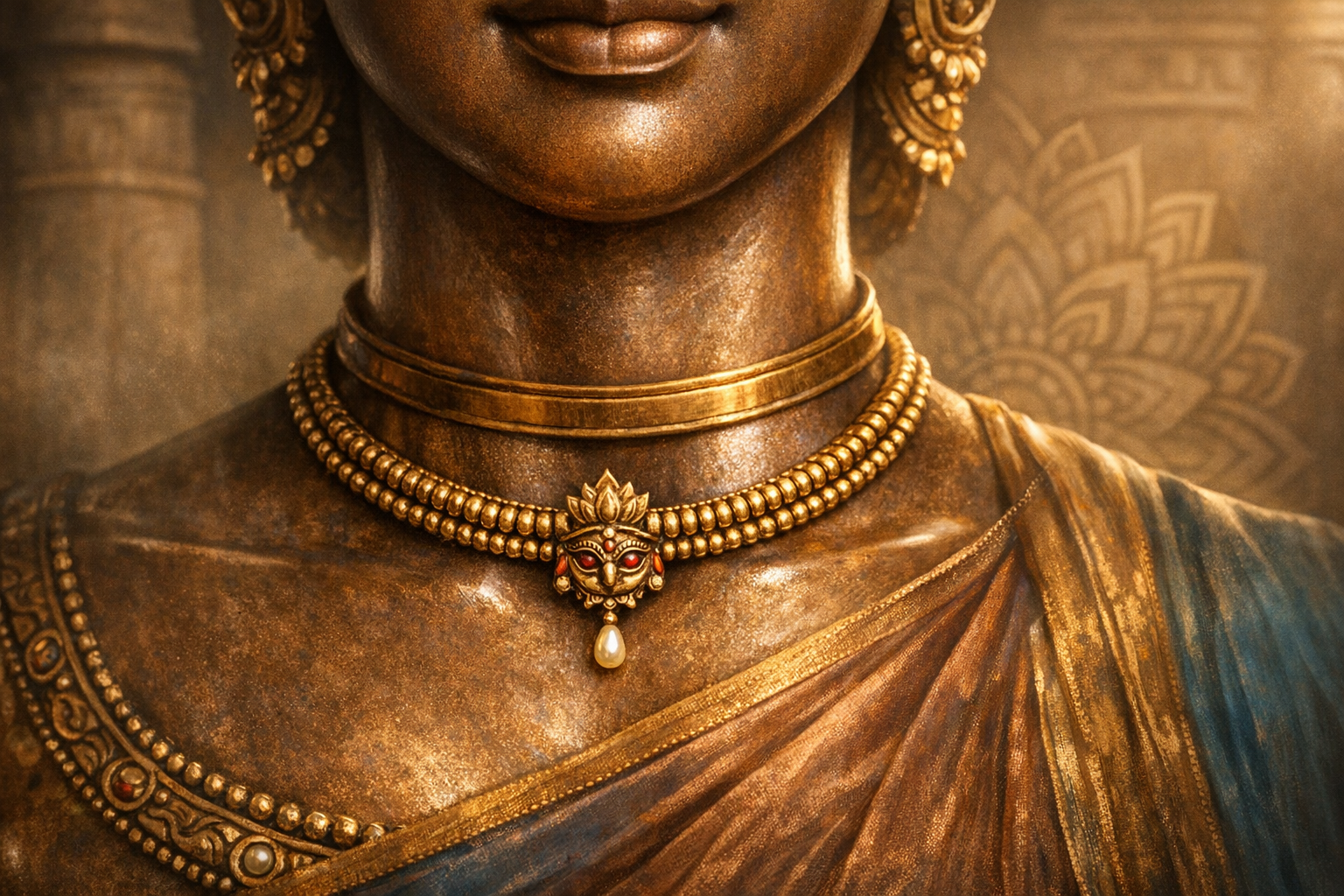
This article decodes the damathe sacred neck chainin Hindu iconography as a short, structured collar that balances longer necklaces while signaling restraint, protection, and grace. It clearly distinguishes dama/graiveyaka from kanthika (choker), muktavali (pearl strings), and hara (long necklace) using the taxonomy preserved in Shilpa Shastras. Readers learn how major treatises (Vishnudharmottara Purana, Shilparatna, Manasara,…
-
The War They Could Not Win: How Dharmic Resilience Defied Empire and Erasure

This long-form analysis explains why attempts to subdue India’s civilizational core repeatedly failed. It argues that dharmic polycentricityrooted in Hindu, Buddhist, Jain, and Sikh traditionsproduced resilient networks of ethics, learning, and care beyond the reach of central control. Drawing on the Revolt of 1857, British Colonial Rule, and the intellectual countercurrents of Vivekananda and Aurobindo,…
-
Oppiliappan Temple’s Sacred Vow: Vishnu’s Marriage to Bhumi Devi and the Saltless Offering
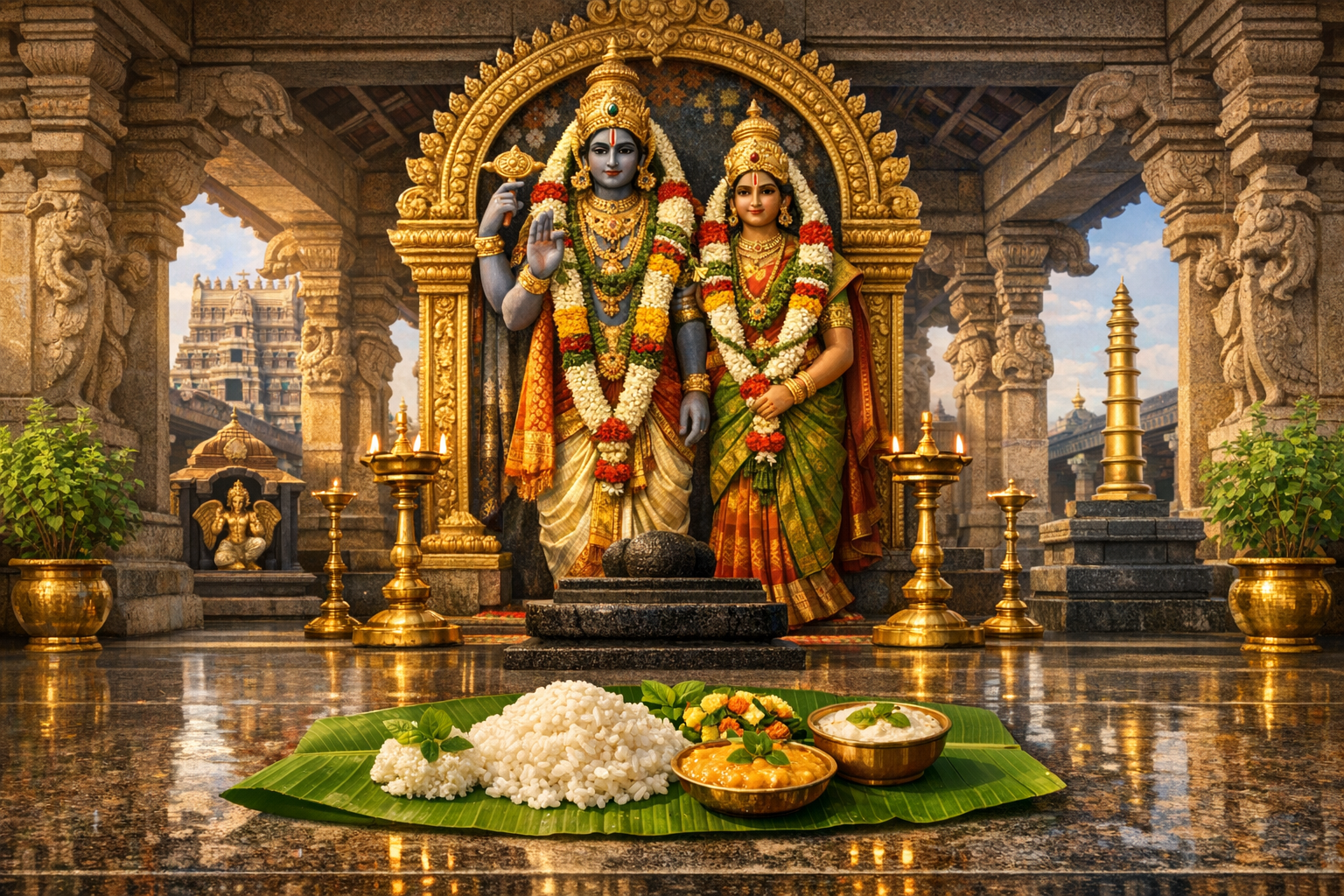
Oppiliappan Temple at Thiruvinnagar near Kumbakonam enshrines Vishnu’s sacred marriage to Bhumi Devi and preserves a distinctive liturgical vow: all offerings are prepared without salt. This long-form study situates the temple among the 108 Divya Desams, explains the Markandeya-based sthala-purāṇa, and interprets the saltless naivedyam as a pedagogy of grace, humility, and ecological restraint. It…
-
Antariya Unveiled: The Sacred Lower Garment Shaping Hindu Sculpture and Symbolism
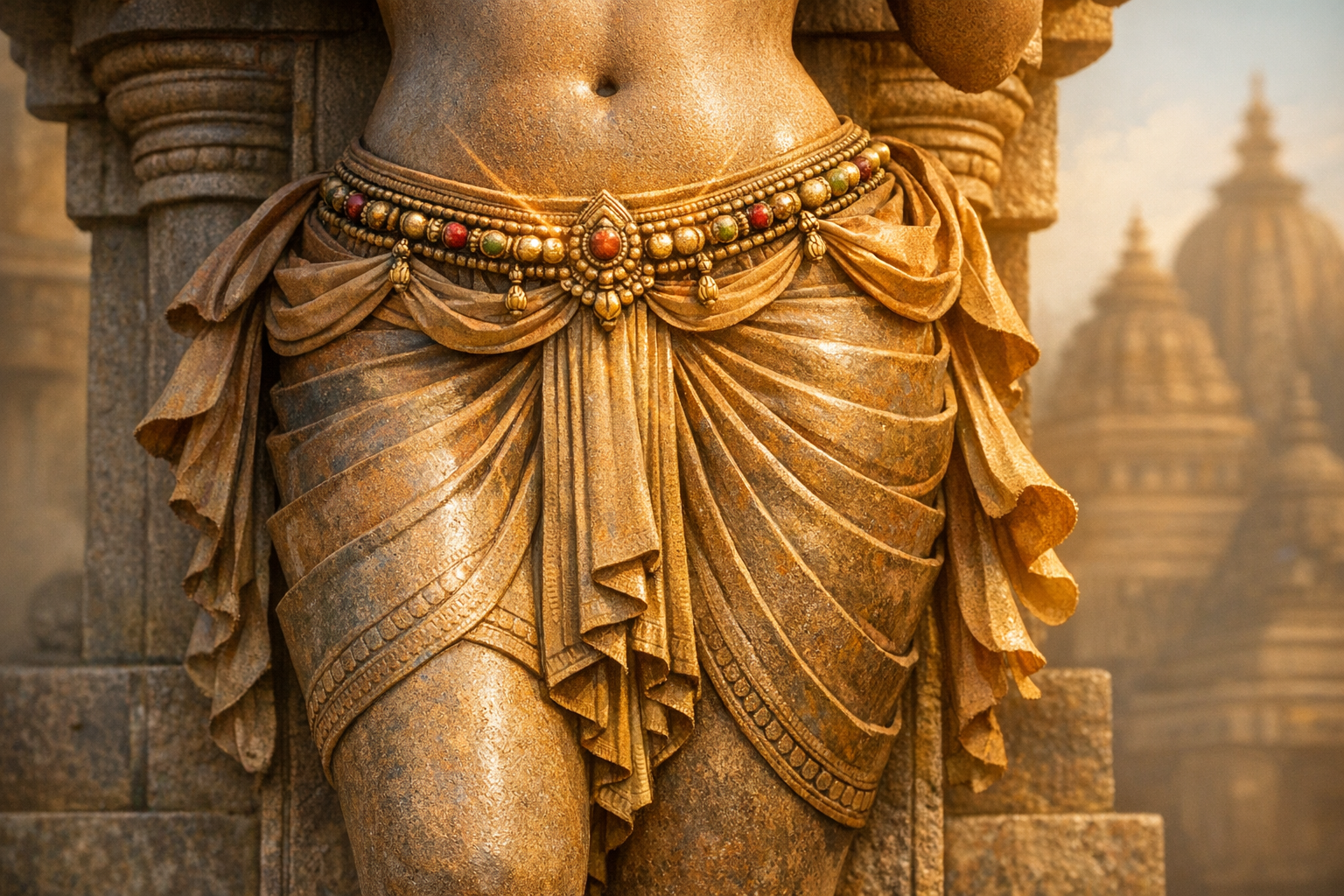
Antariyathe unstitched lower garment secured by a mekhalais the foundational drape of Hindu sculpture and iconography, predating later dhoti forms. This long-form guide explains how to identify antariya in stone and bronze through pleat geometry, knots, and belt types, and how these features assist in dating and attributing works from Bharhut and Sanchi to Gupta…
-
Seated Andal at Thiru Anbil: Chola Bronze Mastery, Iconography, and Living Devotion

The seated Andal at Thiru Anbil’s Sundararaja Perumal Temple is a rare Chola-era bronze that redefines Andal’s familiar standing iconography through a contemplative enthroned posture. This long-form study situates the image within Sri Vaishnava theology, Shilpa Shastra canons, and lost-wax panchaloha craftsmanship. Readers gain a framework to decode attributes such as the Andal Kondai, gesture,…
-
Pana Patra in Hindu Sculptures: A Powerful Symbol of Abundance, Compassion, and Divine Grace

The pana patrathe ritual bowl seen across Hindu sculpturesserves as a compact key to decode abundance, renunciation, immortality, and grace in temple art. Grounded in Shilpa Shastra logic and Agamic practice, this guide clarifies how Annapūrṇā’s food bowl, Bhairava’s skull-cup, Kubera’s jewel vessel, and cups in Samudra Manthana scenes each signal distinct theological roles. It…
-
Sura Linga Revealed: Celestial Shivalingas of the Devas, Cosmic Order, Ritual Science, Protection

Sura LingasShivalingas believed to be installed by Devasembody a sophisticated synthesis of metaphysics, temple architecture, and ritual science in Hinduism. This long-form guide explains how Sura Lingas anchor cosmic order (ṛta) and provide a protective axis for communities, drawing on Puranic, Agamic, and śilpa-śāstra perspectives. Readers gain clarity on consecration (prāṇa-pratiṣṭhā), canonical Linga morphology, vastu-aligned…
-
Why Red Rules Hindu Temples: Shakti, Auspiciousness, Ritual Power, and Color Science

Red in Hindu temples is far more than ornament; it is the visual pulse of Shakti, auspiciousness, and energized devotion. This article explains how scriptures, Agamic traditions, and Shakta Tantras align red with rajas and protective grace, while temple practices translate meaning into materials such as kumkum, sindoor, and red flowers. It examines the role…
-
Jwarahareshwara Shiva: Rare Three-Headed Healer Guarding Humanity from Disease and Fear

Jwarahareshwara Shiva is a rare and powerful healing manifestation of Lord Shiva, envisioned with three heads, three legs, and six arms to symbolize balance, fearlessness, and compassionate protection. The form integrates Vedic portrayals of Rudra as the supreme healer with Puranic narratives that dramatize the pacification of disease and dread. Its triadic symbolism aligns closely…
-
Thirukozhi Nachiyar Koil, Uraiyur: Azhagiya Manavala Perumal’s Sacred Wedding to Kamalavalli
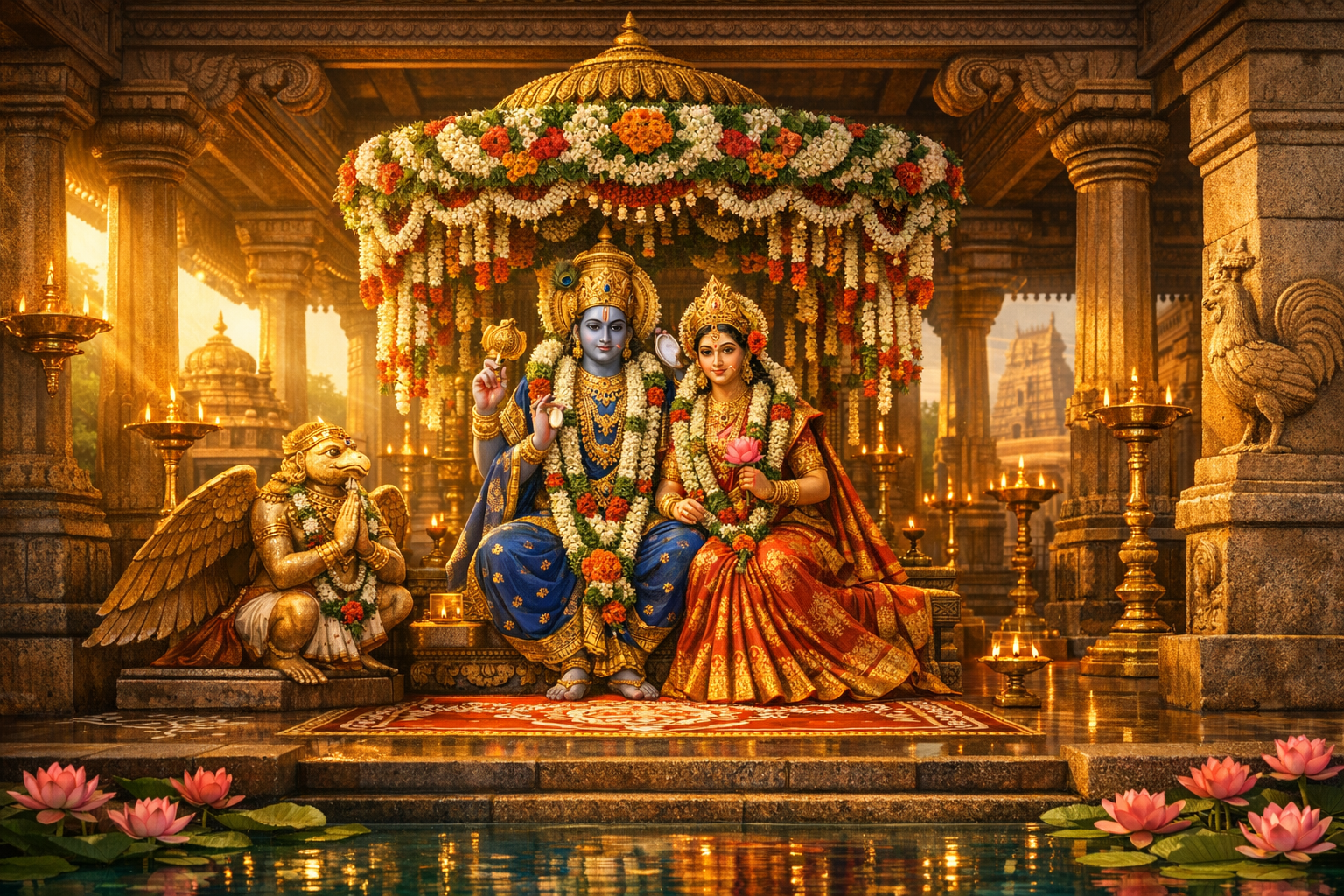
Thirukozhi (Uraiyur) Nachiyar Koil in Tiruchirappalli honors the divine marriage of Azhagiya Manavala Perumal (Vishnu) and Kamalavalli Nachiyar (Lakshmi), making it a preeminent kalyana-sthalam among Tamil Nadu’s Divya Desams. The temple’s Dravida architecture, ritual precedence for Nachiyar, and festival calendarespecially Panguni Uthiramexpress a living theology of compassion and auspicious union. Alvar hymns from the Nalayira…