
-
Ravana’s Abduction of Sita Revisited: Dharma, Curses, and a Deliberate Path to Moksha
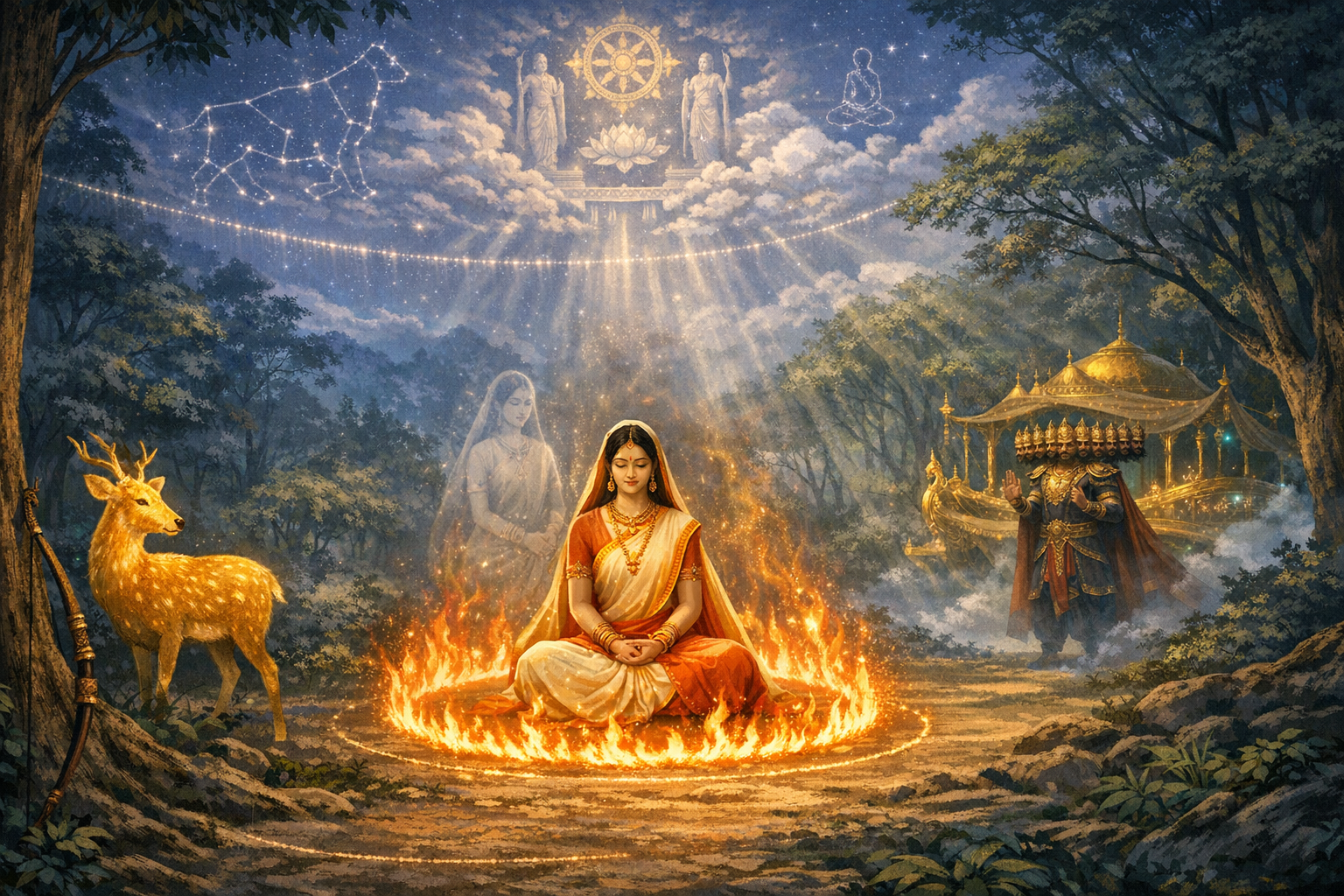
Did Ravana kidnap Sita to be slain by Sri Rama and attain moksha? A careful, text-sensitive study shows that while Valmiki’s Ramayana emphasizes Ravana’s pride and desire, later Puranic and bhakti traditions interpret his fall within a cosmic design of grace. The Jaya–Vijaya doctrine, vaira-bhakti (absorption through enmity), karmic curses, and the Maya Sita motif…
-
Goddess Ganga vs Amphitrite: A Deep Comparative Study of Sacred Waters and Worldviews

This in-depth, academically grounded comparison explores how the Hindu Goddess Ganga and the Greek Amphitrite personify sacred waters in distinct yet resonant ways. It analyzes primary textual traditions, iconography, and ritual practices to show why Ganga functions as a living tirtha and purifying path to moksha, while Amphitrite embodies regal maritime order within the Olympian…
-
Ugra Narasimha of Maddur: Fierce Divinity, Temple History and Arjuna’s Living Legend
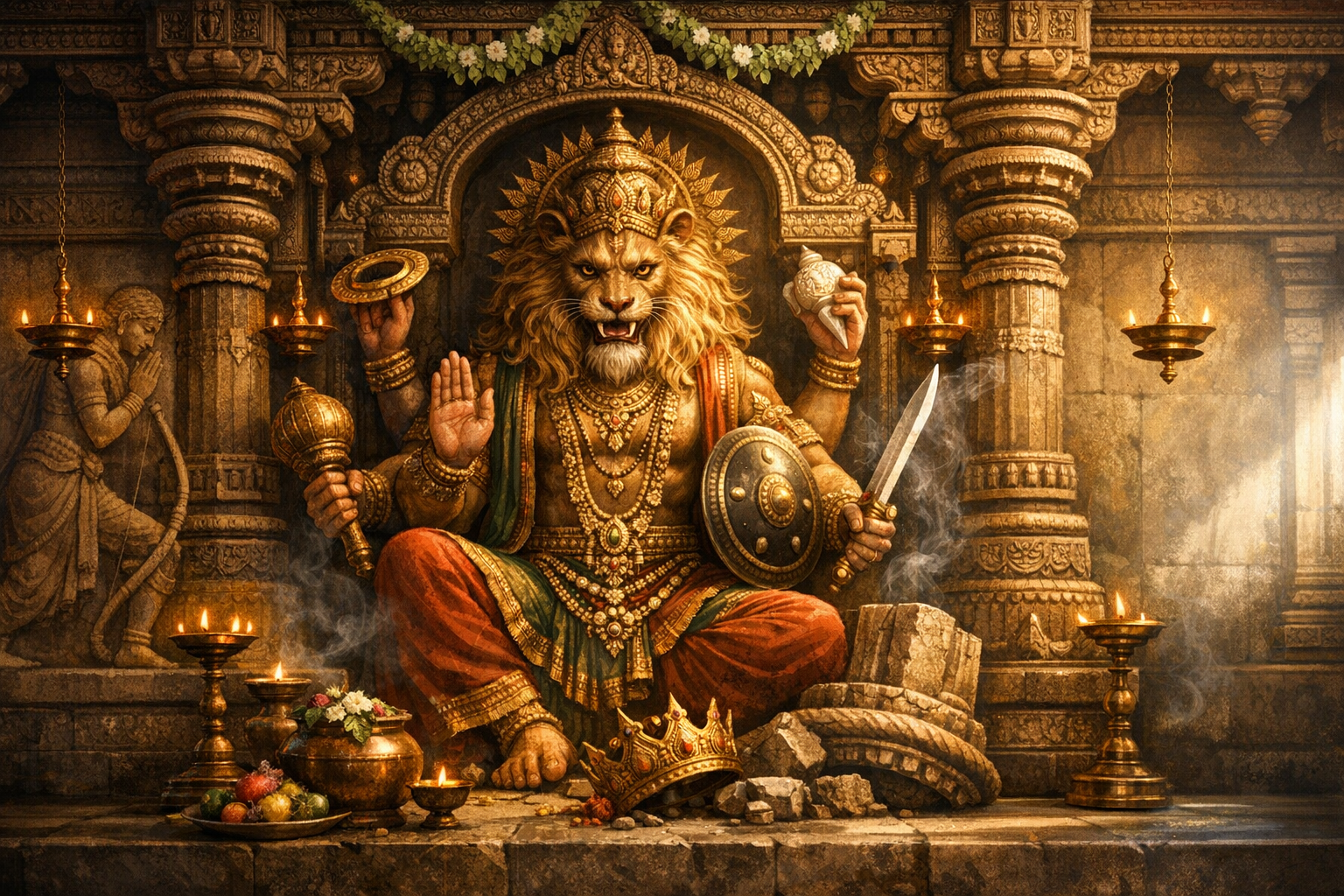
Maddur’s ancient Ugra Narasimha Murty in Karnataka presents Vishnu’s half-man, half-lion avatar at the very instant of protecting Prahlada and ending Hiranyakashipu’s tyranny. This in-depth study situates the shrine within regional temple history, explains the murti’s technical iconography through Puranic and Pancharatra lenses, and evaluates the local oral tradition linking Arjuna of the Mahabharata to…
-
Unlocking the Kalagni (Panchavaktra) Rudraksha: Sacred Meaning, Safe Practice, and Dharmic Unity
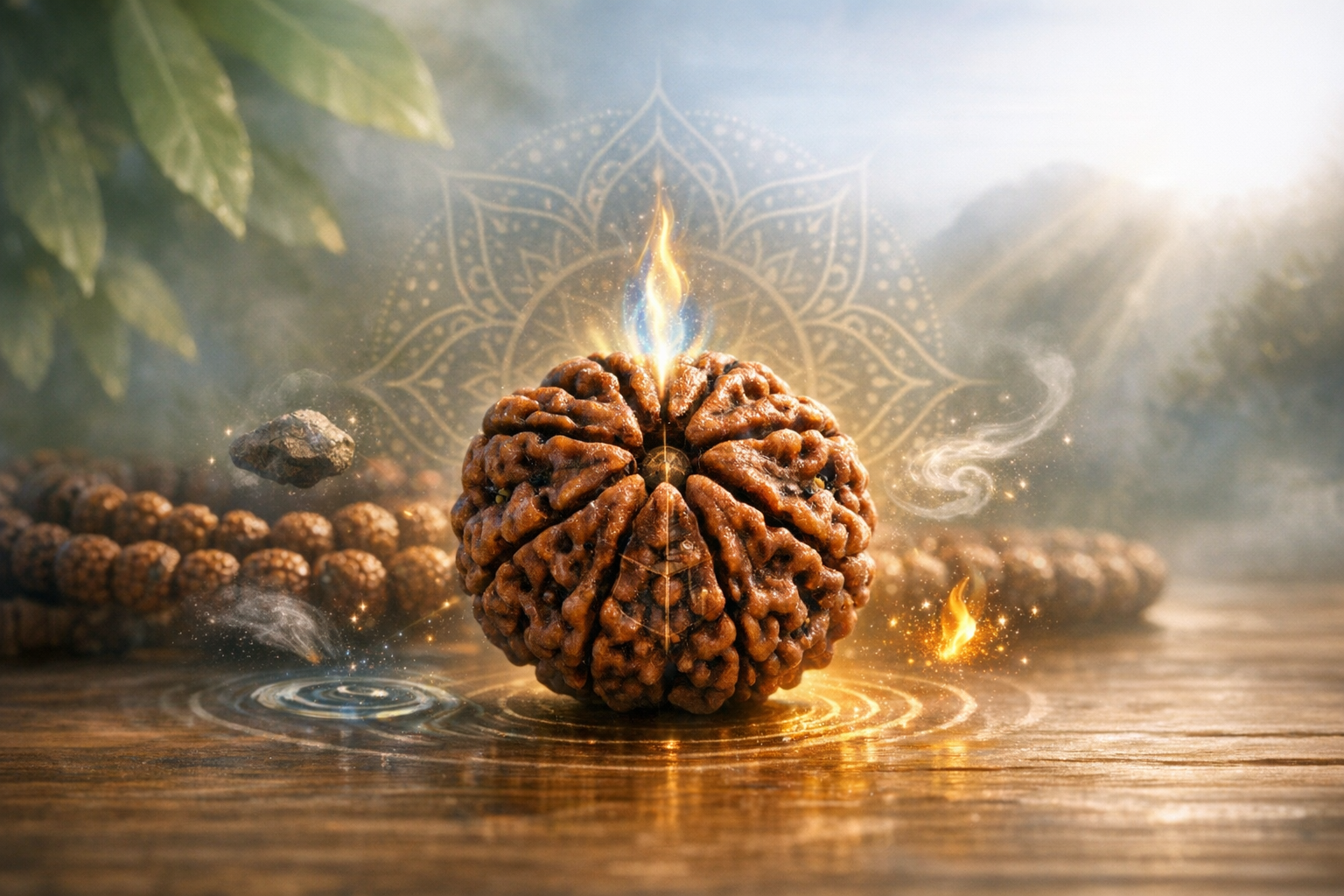
The Panchavaktra (Kalagni) Rudraksha is the five-faced sacred bead revered in Hindu Dharma and identified in Shiva Purana (1.25) with Rudra Himself. This comprehensive guide explains its symbolic link to Shiva’s five cosmic faces and to fivefold frameworks such as the elements, vital airs, and sheaths. It outlines safe, lineage-respectful practice with mantras like Om…
-
Shivaratri Jagran & Lingodhbhavam: Sacred Night Vigil, Cosmic Origin, and Ritual Science

Shivaratri Jagran (Jagarana) is the central discipline of the Shivaratri Vrata, a structured night vigil that aligns fasting, mantra, and meditation into a single, transformative practice. Grounded in the Shiva Purana and Linga Purana, it culminates at the Lingodhbhava Kalammidnight rites recalling Shiva’s manifestation as the infinite pillar of light. The article explains the theological…
-
Vṛtrāsura, Indra, and Ṛta: Timeless Dharmic Lessons on Leadership, Anarchy, and Renewal

This rigorous reading of the Vṛtrāsura cyclespanning the Ṛg Veda, the Mahabharata and Ramayana, and the Purāṇasunpacks how the myth encodes a timeless governance and ethics playbook. It clarifies Indra’s moral complexity (Brahmahatyā-dōṣa and Tapas), the leadership caution of Nahusha’s ascent and fall, and the systemic anatomy of anarchy when Ṛta is disturbed. Readers gain…
-
Unbroken Sacred Bonds of Bharatavarsha: Living Sanatana Dharma and India’s Cultural Unity
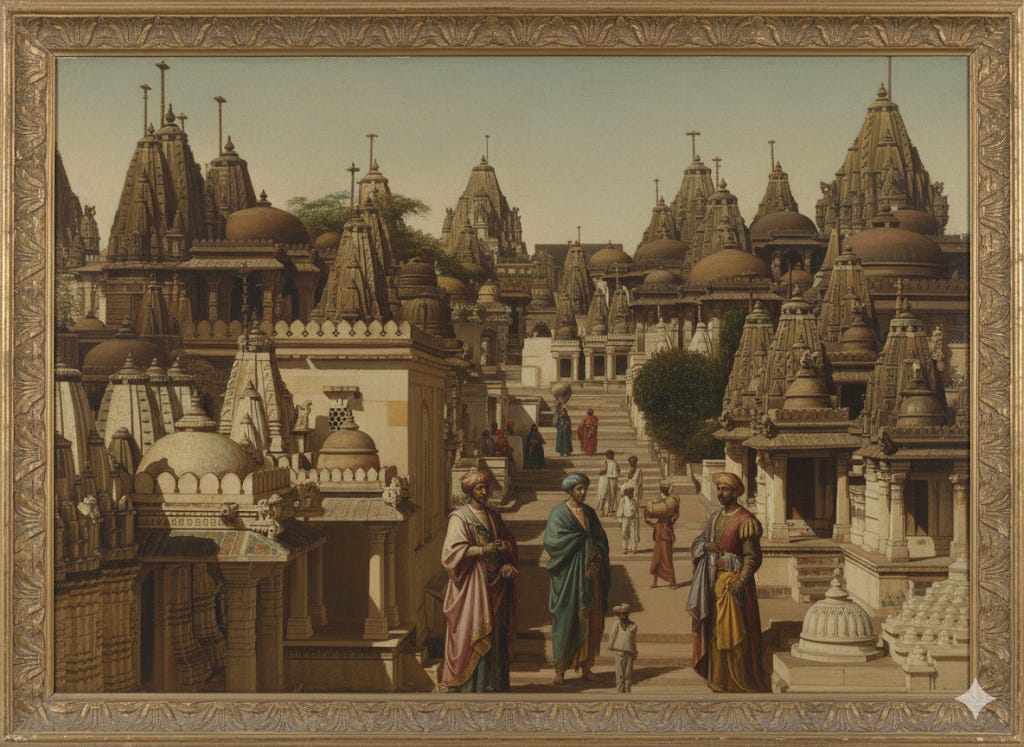
This essay examines how the cultural unity of Bharatavarsha endures through lived Sanatana Dharmawhere sacred geography, pilgrimage, arts, and scholarship weave Hindus, Buddhists, Jains, and Sikhs into a shared civilizational fabric. It highlights the continuing vitality of Adi Sankara’s mathas, Sanskrit-centered scholarly debate, and inclusive canons such as the Guru Granth Sahib. It traces interregional…
-
12 Incarnations of Ganesha: Sacred Avatars of Ganapati in the Mudgala and Ganesha Puranas
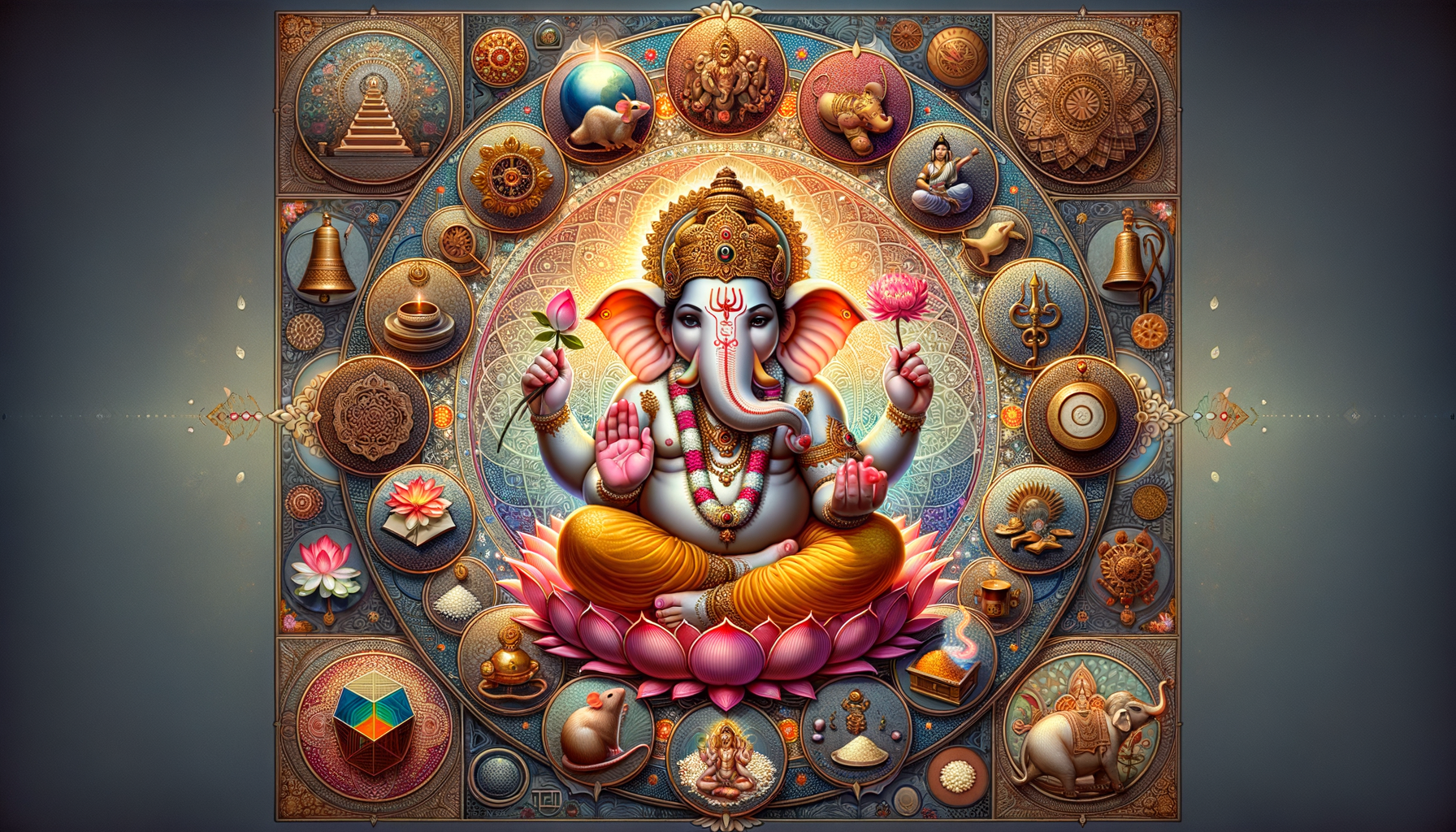
This overview situates the twelve incarnations of Ganesha within the Mudgala Purana and Ganesha Purana, emphasizing accurate, text-grounded understanding. It presents the Mahotkata Vinayaka narrative in the Satya Yuga, where Ganesha vanquishes Devantaka and Narantaka by scattering grains, and explains its ethical symbolism. It notes the fragmentary listing of Mayureshwara in the excerpt without speculating…
-
Devaki Mata: Krishna’s Brave Mother, Kamsa’s Terror, and the Enduring Power of Faith
Devaki Mata’s story, rooted in the Bhagavata Purana, presents a powerful portrait of maternal courage and unwavering faith. As the sister of Kamsa and wife of Vasudeva, she endures imprisonment in Mathura and the loss of her first six infants. Protected by divine grace, the seventh (Balarama) is transferred to Rohini, and the eighth, Krishna,…
-
Surabhi (Kamadhenu): Emblem of Abundance, Health, and Compassion Across Dharmic Traditions

Surabhi, also known as Kamadhenu and revered as Gomatha, is celebrated in Hinduism as the celestial cow symbolizing abundance, health, and dharma. While rarely worshipped as a standalone deity, her presence thrives in household reverence, ethical living, and community service. Puranic literature portrays her as a benevolent, wish-fulfilling source of auspiciousness linked to sages and…
-
Shantadurga of Kelshi: Sacred Konkan Legacy from Parashurama to Gaur Saraswat Devotion
Shantadurga of Kelshi illuminates the sacred geography of Parashurama’s Konkan, where the Sahyadri meets the sea and Devi’s peaceful power endures. This account situates Kelshi within Purāṇic tradition, highlighting Shantadurga’s role as a reconciler and guardian. It explores how Gaur Saraswat Brahmin families sustain devotion across generations, transforming the temple into a living archive of…
-
Payo Vrata 2026 Dates & Meaning: Twelve Sacred Days of Vishnu Devotion in Phalguna
Payo Vrata 2026 is a twelve-day Vaishnava observance in Phalguna Masam, beginning on 18 February (Shukla Padyami) and concluding on 1 March (Shukla Dwadashi), with local Panchang nuances guiding precise timings. Grounded in Srimad Bhagavatamwhere Aditi performs the payo-vrata before the appearance of Vāmanathe vow emphasizes sattvic restraint, daily worship, and mindful charity to Lord…
-
Bhagavatha Anugraha Moorthy: Vishnu’s Boundless Grace, Hope, and Protection for Devotees

Bhagavatha Anugraha Moorthy presents Lord Vishnu as the embodiment of unconditional grace responsive to sincere devotion. Classical Puranic narratives of Dhruva, Prahalada, and Narada illustrate how steadfast bhakti invites protection, guidance, and spiritual elevation. The concept emphasizes that divine compassion is inclusive and accessible, not transactional or exclusive. In daily life, practices such as japa,…
-
Vishwakarma’s Timeless Creations: How the Celestial Architect Shaped Hindu Cosmos and Culture

Vishwakarma emerges in Hindu scriptures as the celestial architect (Devashilpi) who shapes sacred cities, divine weapons, and ritual spaces that uphold cosmic order. Drawing on Rigvedic and Puranic traditions, the narrative highlights creations such as Amaravati, the Vajra, Lanka, Dwaraka, and the Pushpaka Vimana. It explains how sacred craftsmanship becomes sadhanaethical work aligned with dharmaand…
-
Vinayaka Purana Mahatmyam: Timeless Ganesha Stories that Inspire Devotion and Unity
Vinayaka Purana Mahatmyam presents Lord Ganesha’s inspiring glory through accessible, ethically rich stories attributed in tradition to Veda Vyasa. These narratives illuminate Ganesha’s qualities as the remover of obstacles and patron of wisdom, linking miracle accounts to practical virtues such as patience, clarity, and compassion. Related texts like the Ganesha Purana and Mudgala Purana complement…
-
Elephant, Swan, or Horse? Decoding Vishwakarma’s Vahana and Its Sacred Symbolism
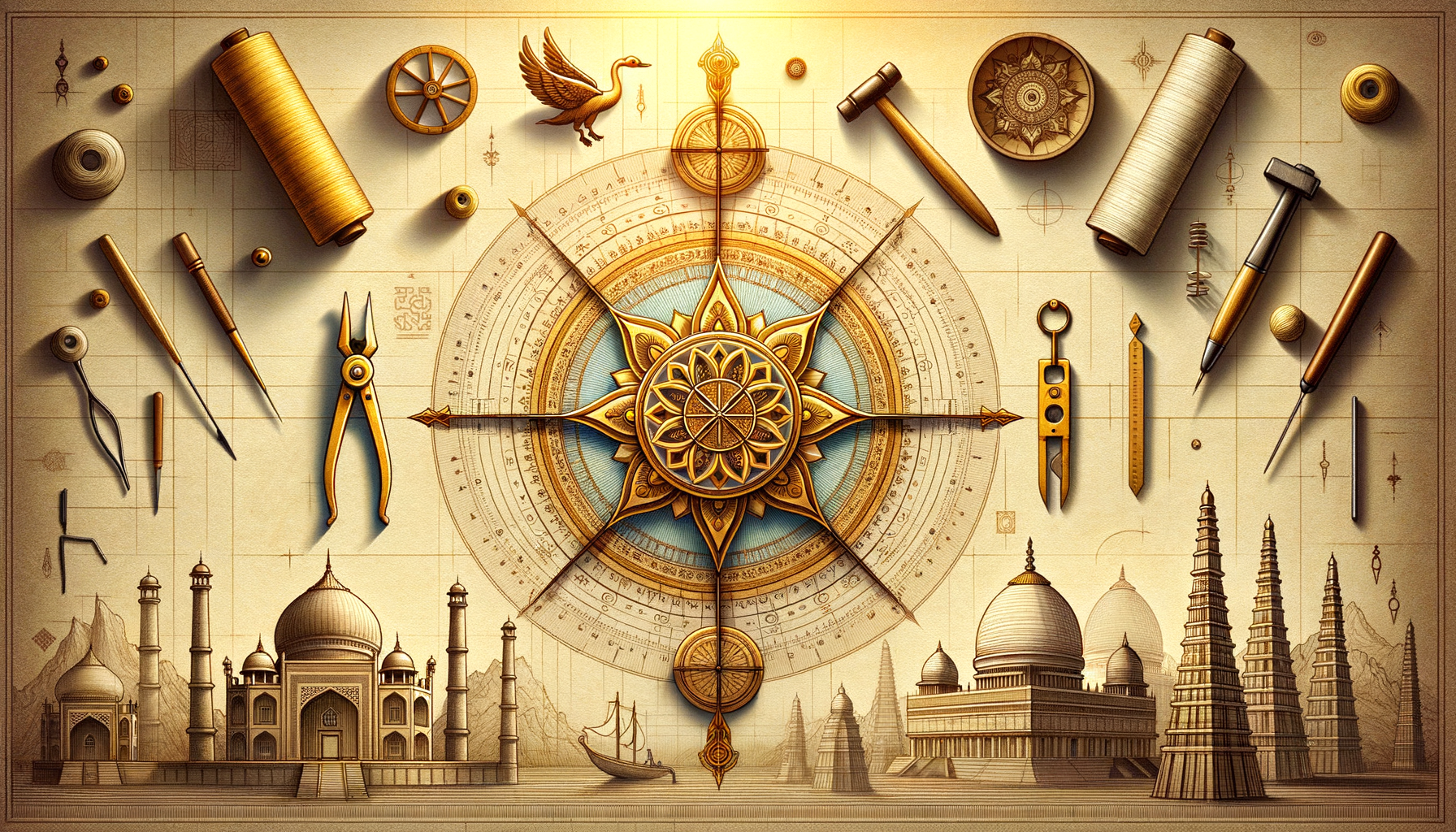
Vishwakarma’s vahana is not fixed to a single form; Hindu iconography across regions presents the divine architect with an elephant, a swan, or a horse. Each vehicle encodes a distinct facet of sacred craftsmanship: the elephant symbolizes stability and strength, the swan represents discernment and knowledge, and the horse conveys mobility and industrious energy. Puranic…
-
Four Yugas, Four Marvelous Cities: Vishwakarma’s Vision and the Elusive Quest for Peace

Hinduism’s narratives of Vishwakarma’s four cities across the Four Yugas reveal a striking truth: celestial architecture cannot guarantee inner peace. Set within the cyclical moral texture of Satya, Treta, Dvapara, and Kali, these cities reflect the era’s ethics more than their own splendor. The Puranas and related ancient texts show that sacred geometry and urban…
-
Vajra in Durga’s Hands: Indestructible Power, Sacred Courage, and Dharmic Unity
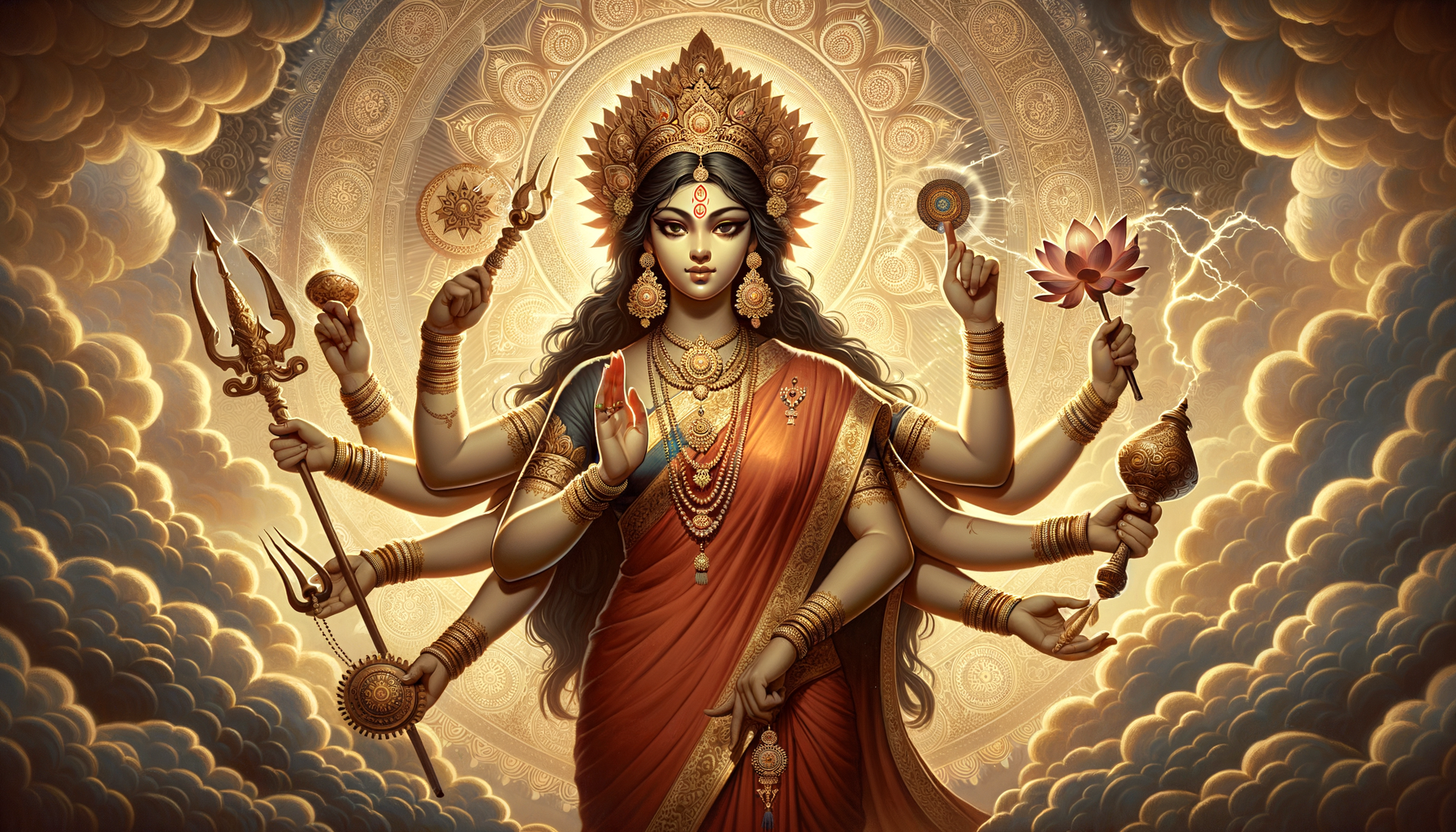
The Vajra in Goddess Durga’s hands symbolizes indestructible power guided by wisdom, as narrated in the Devi Mahatmyam of the Markandeya Purana. Indra’s gift of the thunderbolt links Durga’s protective mission with earlier Vedic and puranic themes of sacrifice, courage, and cosmic balance. Readers gain a clear understanding of how the Vajra denotes sudden illumination,…
-
Vinata and Aruna: A Powerful Hindu Tale on Patience, Parenting, and Letting Go

The Vinata and Aruna narrative from Hindu scriptures presents a clear, timeless teaching on patience, parenting, and trusting natural timing. Readers gain a concise understanding of how premature intervention can deform outcomes, despite loving intent. The story’s emotional resonance lies in everyday dilemmaswhen to help, when to wait, and how to align care with a…
-
Unveiling Molten Gold Radiance: The Symbolic Power of Goddess Durga’s Golden Skin
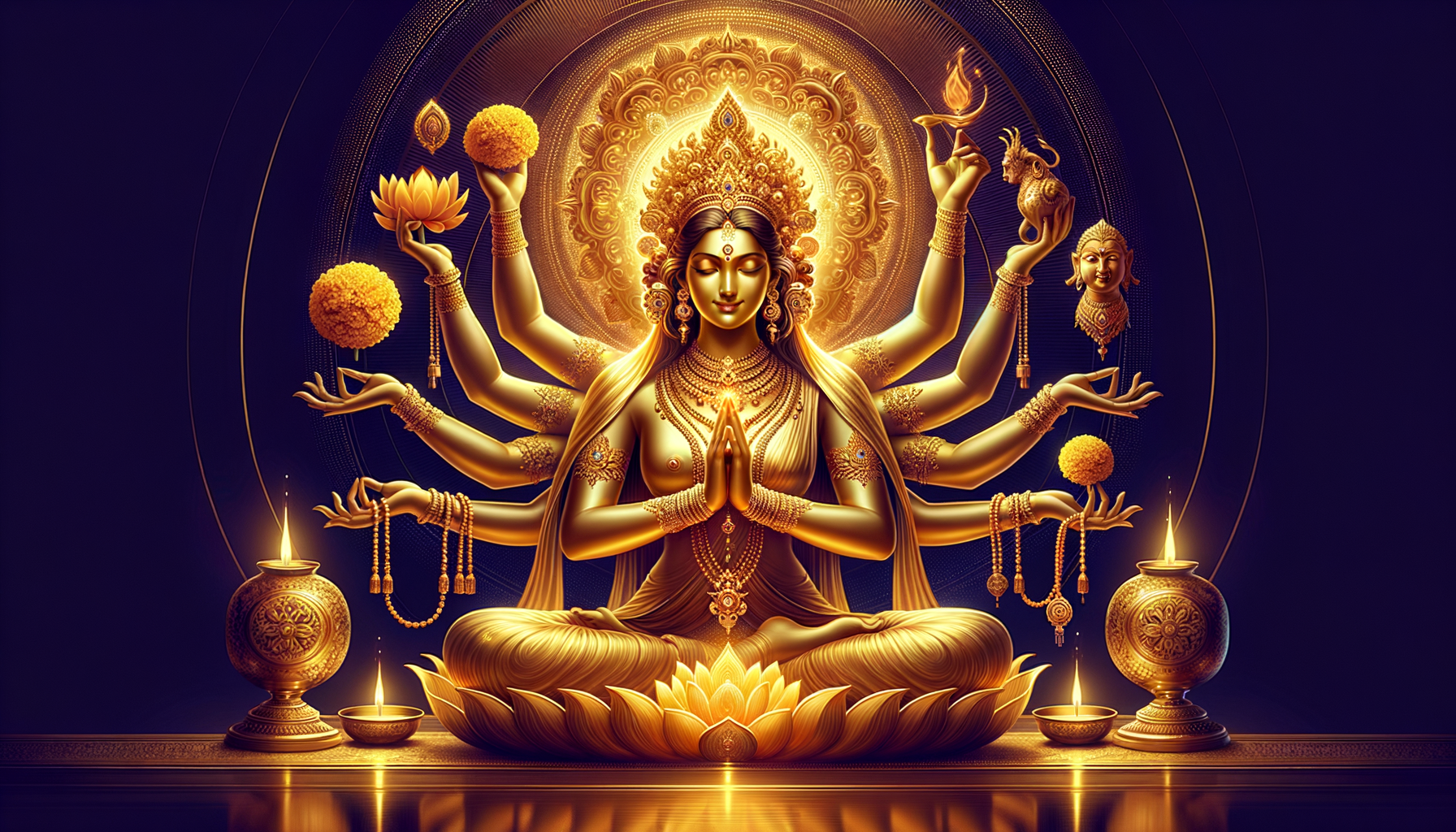
Hindu scriptures portray Goddess Durga with a golden, molten radiance that signifies purity, tejas, and protective power. This essay decodes that symbolism, showing how gold connotes incorruptibility and transformative wisdom aligned with dharma. It connects scriptural insight to living traditionsespecially Navaratri and Durga Pujawhere light, alankara, and community devotion make theology tangible. The discussion integrates…