
-
Ganesha and Kartikeya Manifested: Brahma Purana’s profound tale of love, duty, and wisdom
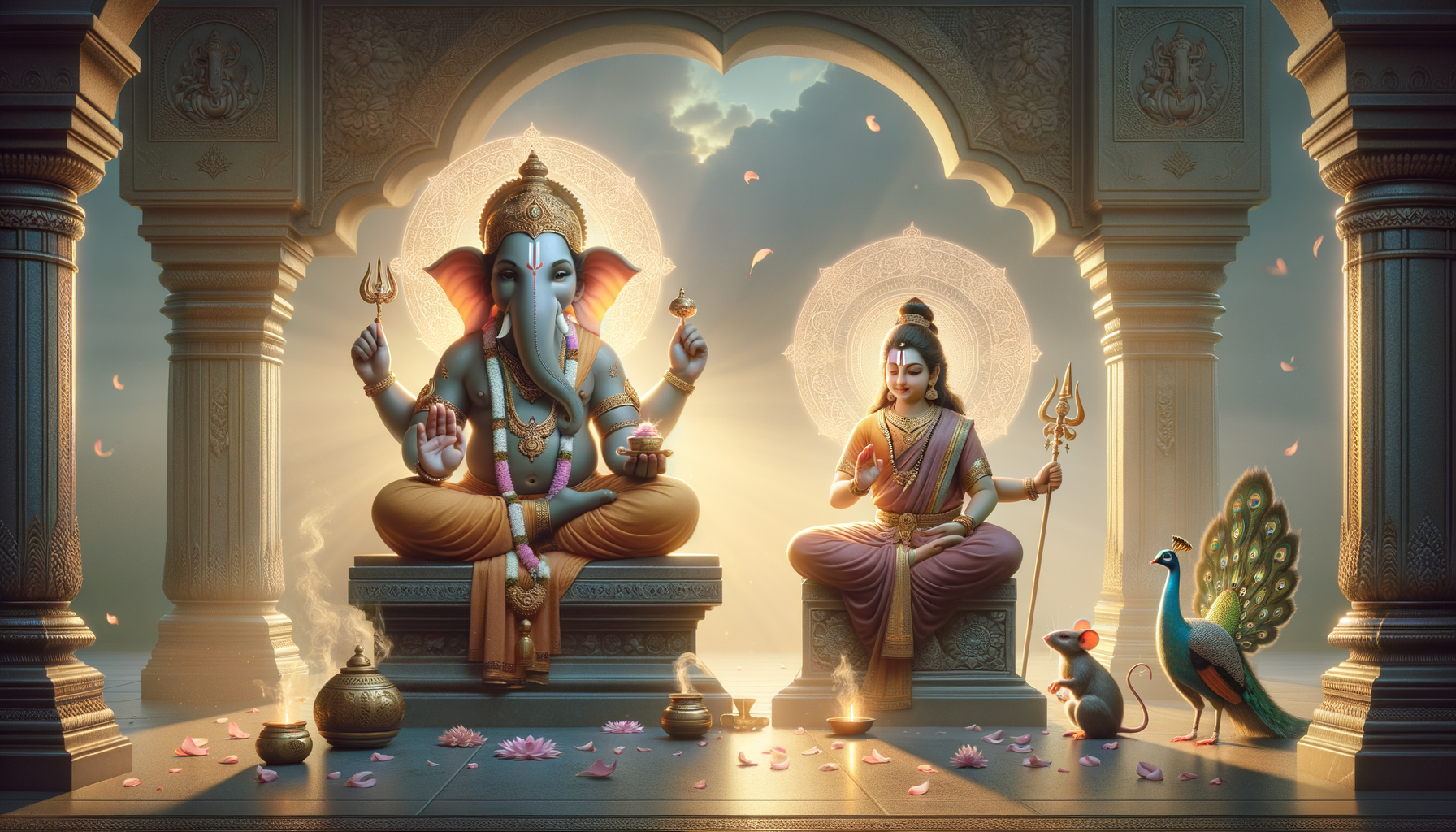
This Brahma Purana narrative explores the divine manifestations of Ganesha and Kartikeya as complementary embodiments of wisdom and valor. It explains Ganesha’s elephantine symbolismintellect, auspicious beginnings, and ethical guardianshipand Kartikeya’s martial ideal of disciplined courage. The story highlights how insight should precede action, offering a practical framework for facing obstacles and serving the community. It…
-
Krishna, Fountainhead of All Avatars: Profound, Unifying Wisdom for Dharmic Paths

Sanatana Dharma describes Krishna as the primeval Lord from whom all avatars emerge, preserving divine transcendence while engaging the world through plenary expansions. This framework, grounded in the Puranas and Bhagavad-Gita, explains how the Supreme remains untouched by material activity and continues eternal lila with devotees. Recognizing Balarama as the first expansion illustrates the cooperative…
-
Srimad Bhagavatam 3.23.42: The Life-Changing Refuge at the Lotus Feet of the Divine
Srimad Bhagavatam 3.23.42 teaches that determined refuge at the Divine lotus feet turns difficult goals into attainable realities. The verse’s image of sacred rivers like the Ganga flowing from those feet signals purification and release from worldly danger. The phrase yair āśritas tīrtha-padaś caraṇaḥ highlights a shared dharmic metaphor: the holy ford that carries seekers…
-
Gayasura Katha: Devotion, Immortality, and the Sacred Origins of Gaya’s Moksha Rites
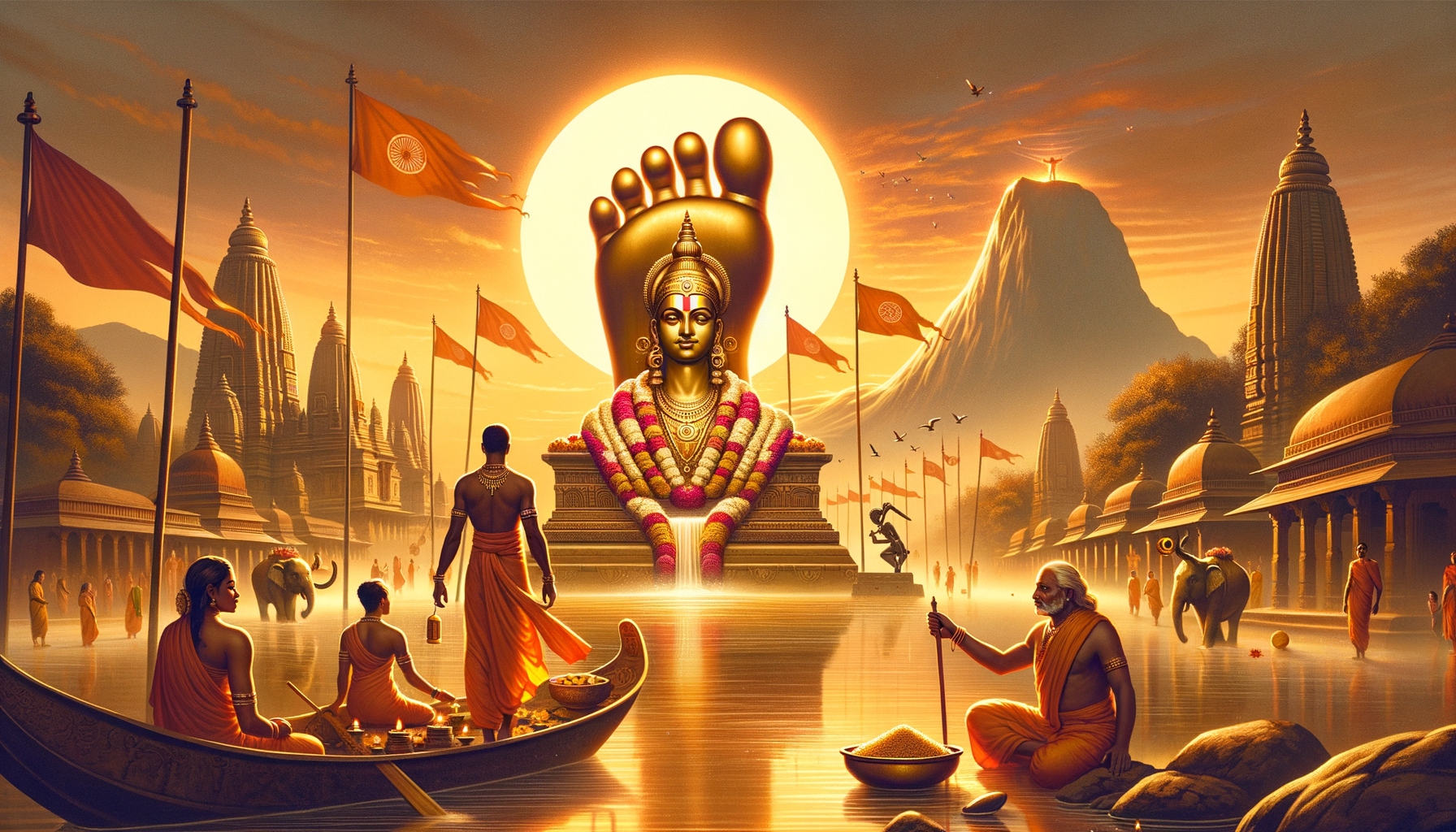
The Gayasura Katha narrates how Gayasura, son of Tripurasura, attains immortality through intense devotion to Lord Vishnu. In many tellings, Vishnu anchors Gayasura’s sanctity to the sacred geography of Gaya, where Vishnupad is venerated. This explains why śrāddha and pind-dān at Gaya are believed to aid ancestors on the path to moksha. The story’s core…
-
Kubera’s Ascent to Yaksha Sovereignty: Dharma, Devotion, and Lanka’s Silent Call

Kubera is portrayed in Hindu scriptures as a ruler who rose through discipline, devotion, and righteousness rather than conquest. Traditions connect him with Lanka, a city crafted by Vishwakarma that awaited stable rule, underscoring the need for moral governance alongside architectural splendor. His kingship over the Yakshas illustrates ethical wealth and stewardship aligned with dharma.…
-
Bhagavata Saptaham: A Seven-Day Bhakti Journey through Kerala’s Timeless Living Heritage

Bhagavata Saptaham in Kerala offers a seven-day immersion in the Srimad Bhagavatam, blending sacred storytelling, devotional music, and community service into a living tradition of Hindu spirituality. Rooted in the sages’ inquiry at Naimisaranya and the dialogue of Śuka and Parīkṣit, the practice deepens both intellectual understanding and emotional devotion. Kerala’s temple courtyards and homes…
-
Markandeya Charitra Unveiled: Timeless Devotion, Shiva’s Grace, and Ever‑Youthful Wisdom

Markandeya Charitra presents a timeless portrait of devotion, courage, and divine grace centered on the enduring relationship between a devotee and Lord Shiva. Born in the Bhrigu lineage to Mrikandu and Marudvati, Markandeya meets a fated lifespan with fearless worship, prompting Shiva’s intervention as Kalantaka. The Bhagavata Purana and Markandeya Purana deepen this account, linking…
-
Kuhuyoga Unveiled: The Rare, Ominous Celestial Sign in Hindu Astrology

Kuhuyoga, known as Kuhu Yoga, is described in Hindu astrology as a rare and intensely inauspicious alignment. Classical sources such as the Smritis and Puranas treat it as a cautionary signal, especially for leadership and public decision-making. Rather than encouraging fatalism, the tradition frames Kuhuyoga as an ethical prompt for prudence, transparency, and social responsibility.…
-
Varudhini and Pravarakhya: Timeless Dharmic Love That Shaped King Swarochi and Manu Swarochisha

This academic retelling presents the Story of Varudhini and Pravarakhya as a timeless dharmic love narrative linked to the births of King Swarochi and Manu Swarochisha. Centered on the River Varuna, it highlights ritual discipline, hospitality, and karmic fruition. Readers gain a clear, accessible overview that preserves accuracy while enhancing readability. The piece emphasizes unity…
-
Shiva’s Invisible Justice: Subtle Cycles of Cosmic Destruction in the Skanda Purana

This analysis reframes Shiva’s role in “divine destruction” as subtle dissolution guided by time and karma, echoing insights hinted in the Skanda Purana. Instead of catastrophic spectacle, the process appears as an ethical and metaphysical recalibrationan unseen justice restoring balance. Readers gain a practical lens to interpret endings in personal and social life as compassionate…
-
From Trishul to Pinaka: Unveiling Shiva’s Supreme Weapon and Its Sacred Evolution
This essay explores the sacred relationship between Shiva’s Trishul and Pinaka as complementary symbols of transformation and protection. It shows how the Trishul dissolves ignorance and disorder, while Pinaka channels disciplined force to safeguard dharma. Drawing on Puranic and epic references, including the famed episode of the Śiva Dhanush in the Rāmāyaṇa, it highlights how…
-
At Death the Mind Shapes Destiny: Insights from Srimad Bhagavatam 10.1.36–45
Srimad Bhagavatam 10.1.36–45 teaches that the mind’s thinking, feeling, and willing at death direct the next embodiment. The principle links karma with a moral psychology in which habits and intentions shape destiny. Readers gain a practical framework: daily remembrance, scriptural study, meditation, and service stabilize attention and prepare consciousness for a peaceful transition. The message…
-
Shiva as Kamadahana Murthy: The Fiery Triumph Over Desire and Lessons for Inner Freedom

Kamadahana MurthyShiva who burns Kamadeva to ashesoffers a timeless lesson on transforming desire into inner freedom. Grounded in Puranic narratives, the episode reveals how Shiva’s third eye purifies compulsion while preserving compassionate renewal through Rati’s plea. The symbolism aligns with dharmic insights across Hinduism, Buddhism, Jainism, and Sikhism, emphasizing self-mastery and ethical living. Readers gain…
-
Chilling Symbolism of Asipatra: The Sword-Leaf Forest and Dharma’s Call to Compassion

The Asipatra or sword-leaf forest is a powerful Purāṇic symbol that dramatizes the consequences of harmful actions and the neglect of dharma. Rather than a literal geography of the afterlife, it functions as a moral pedagogy illustrating ethical cause and effect. Readers gain a clear understanding of how the image aligns with ahimsa, satya, and…
-
Narayana Saras: Timeless Sacred Lake of Soul-Purifying Waters in the Shiva Purana and Dharmic Lore
Narayana Saras (Narayanasaras) is celebrated in the Shiva Purana as a sacred lake whose waters symbolize inner purification and renewal. Associated with the confluence of the Sindhu and the ocean, it embodies the puranic ideal of a threshold where the finite meets the infinite. The lake’s symbolism invites calm reflection, ethical clarity, and devotion through…
-
Origin of the Pitrs in the Markandeya Purana: Timeless Ancestral Wisdom for Dharmic Unity

The Markandeya Purana describes the Pitrs as revered ancestral beings who sustain cosmic order and link generations through remembrance and ethics. This retelling highlights how offerings (shraddha) express gratitude, refine character, and strengthen family and society. It connects the Pitrs’ role to shared dharmic values across Hinduism, Buddhism, Jainism, and Sikhism, emphasizing unity through service…
-
Atala in the Puranas: Awe-Inspiring Splendor of the Hidden Realm Beneath Bhuloka

Atala, the first of the seven Patala-lokas beneath Bhuloka, is portrayed in the Puranas as a realm of radiant beauty rather than infernal gloom. Drawing on the Bhagavata Purana and Vishnu Purana, this article clarifies Atala’s place in Hindu cosmology and explains how its opulence complements broader philosophical themes of maya and discernment. It offers…
-
Pitrgatha in the Matsya Purana: Sacred Hymn of Ancestral Blessings, Duty, and Legacy

The Pitrgatha (Song of the Manes) in the Matsya Purana (204.3–17) presents the ancestors’ own voice, offering blessings while affirming ethical duty. It frames Shradh not merely as ritual, but as a living ethic of compassion, truth, and generosity. The hymn’s dialogic form draws readers into a personal encounter with ancestral legacy. Its themes resonate…
-
Mohini and the Mirage of Desire: Samudra Manthan’s Timeless Lesson on Maya and Dharma

The Mohini episode from the Samudra Manthan offers a precise exploration of desire, distraction, and discernment within the Bhagavata Purana (8.8–9). It reframes the so-called divine deception as a protective strategy aimed at preserving dharmic balance rather than advancing partiality. Read through a dharmic lens, the narrative converges with Buddhist, Jain, and Sikh teachings on…
-
Agni Purana’s Sacred Guidance for Disposing Broken Murtis: Reverent Steps for Homes and Temples

The Agni Purana offers dignified, text-rooted guidance for disposing of old or damaged murtis through deconsecration followed by immersion or burial. It emphasizes Prana Pratishtha and prana-uddhara as essential steps that honor the murti’s living presence. Methods such as jalavisarjana and bhumisamarpana are presented with ecological sensitivity and respect for local regulations. Metal murtis may…