
-
Kapalini: Shakti’s Terrifying Grace and the Awe-Filled Storm that Seeds Creation Cycles

Kapalini, the skull-bearing form of Goddess Shakti, stands at the threshold where dissolution gives birth to creation. Set against the awe-filled storm of pralaya, Kapalini carries the Brahma-substancethe causal seed from which new worlds emergeoffering a precise map of Hindu cosmology. The narrative clarifies the five cosmic acts, types of pralaya, and the role of…
-
Kalantaka Shiva Unveiled: Tantric Iconography and the Fearless Conquest of Death and Time
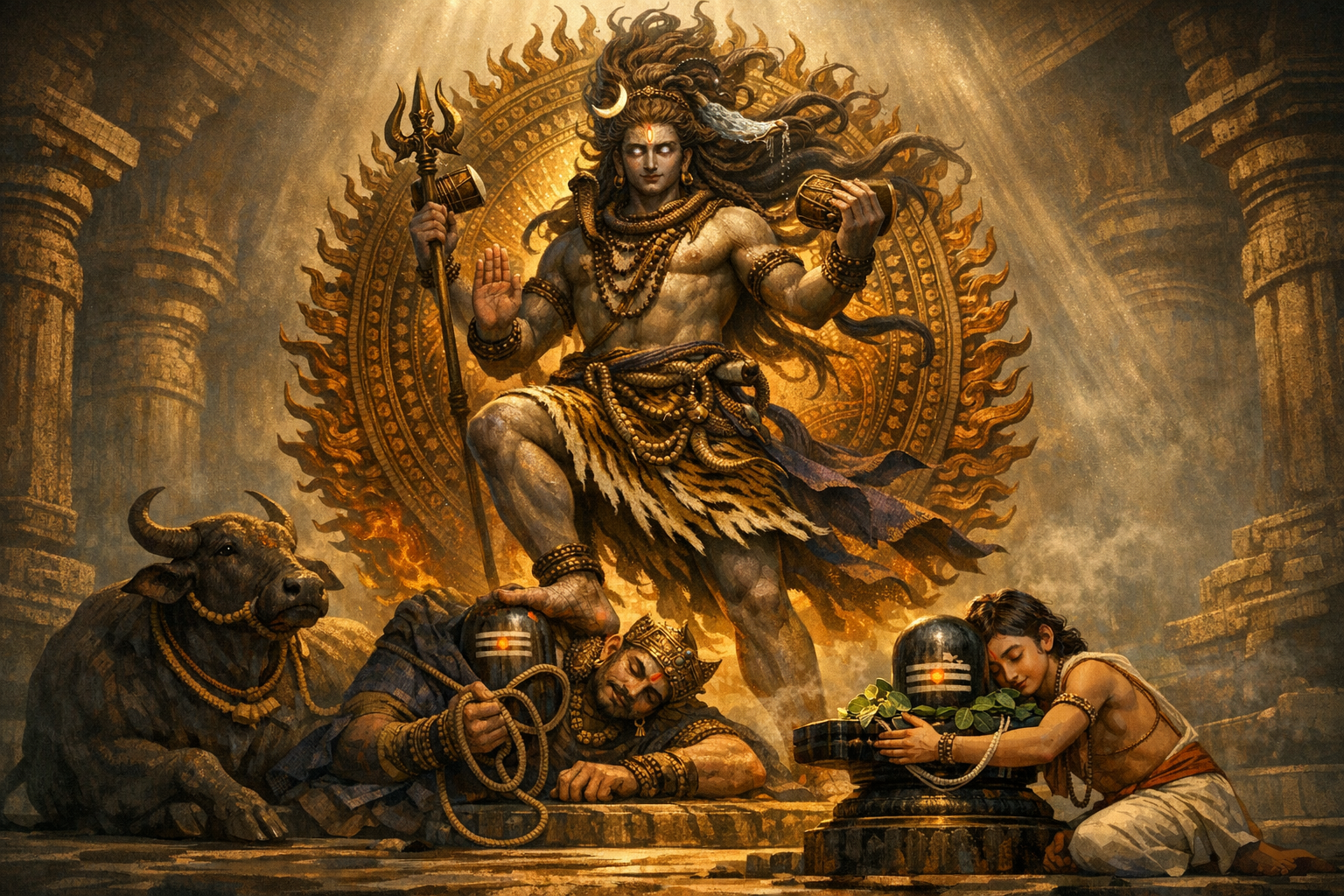
Kalantaka Shiva embodies Lord Shiva’s sovereignty over death and time, uniting narrative, ritual, and art into a coherent path of fearlessness. Drawing on Puranic sourcesespecially the Markandeya episodethis study unpacks the icon’s ugra yet compassionate character and explains how the trishula, damaru, and noose operate as precise Tantric symbols. Readers gain a field guide to…
-
Suchimukham Unveiled: The Chilling Karmic Price of Hoarded Wealth in Hindu Dharma
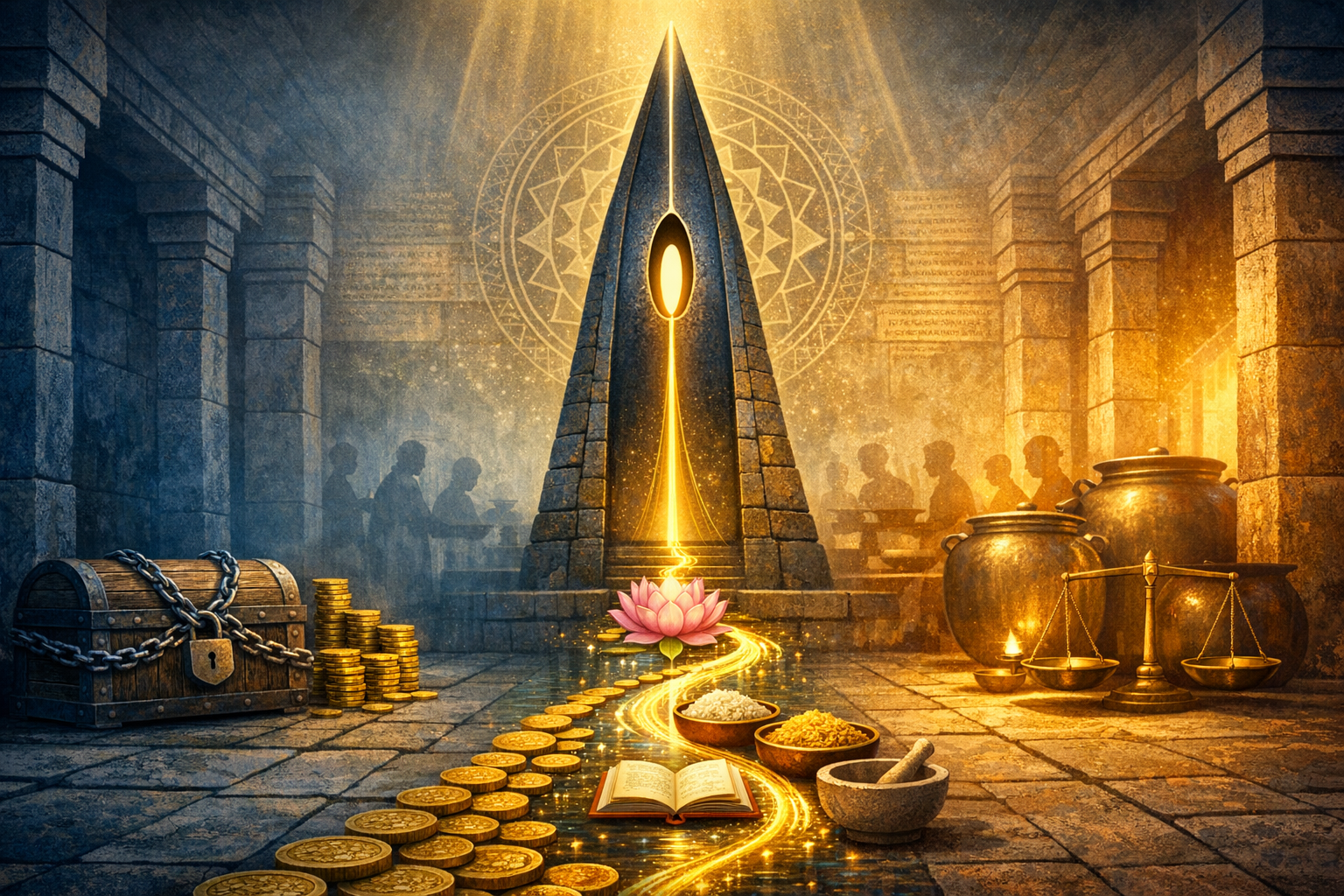
Suchimukham, the needle-mouthed hell in Hinduism, powerfully encodes the karmic consequences of hoarding wealth and neglecting compassion. Drawing on the Vishnu Purana, Devi Bhagavata Purana, and Garuda Purana, this analysis situates Suchimukham within a reformative, not eternal, Puranic model of Naraka. It clarifies the difference between prudent stewardship and miserliness, showing how dharma guides artha…
-
Phullara Devi at Attahasa Shakti Peetha: Bengal’s Blooming Goddess of Renewal and Vāk
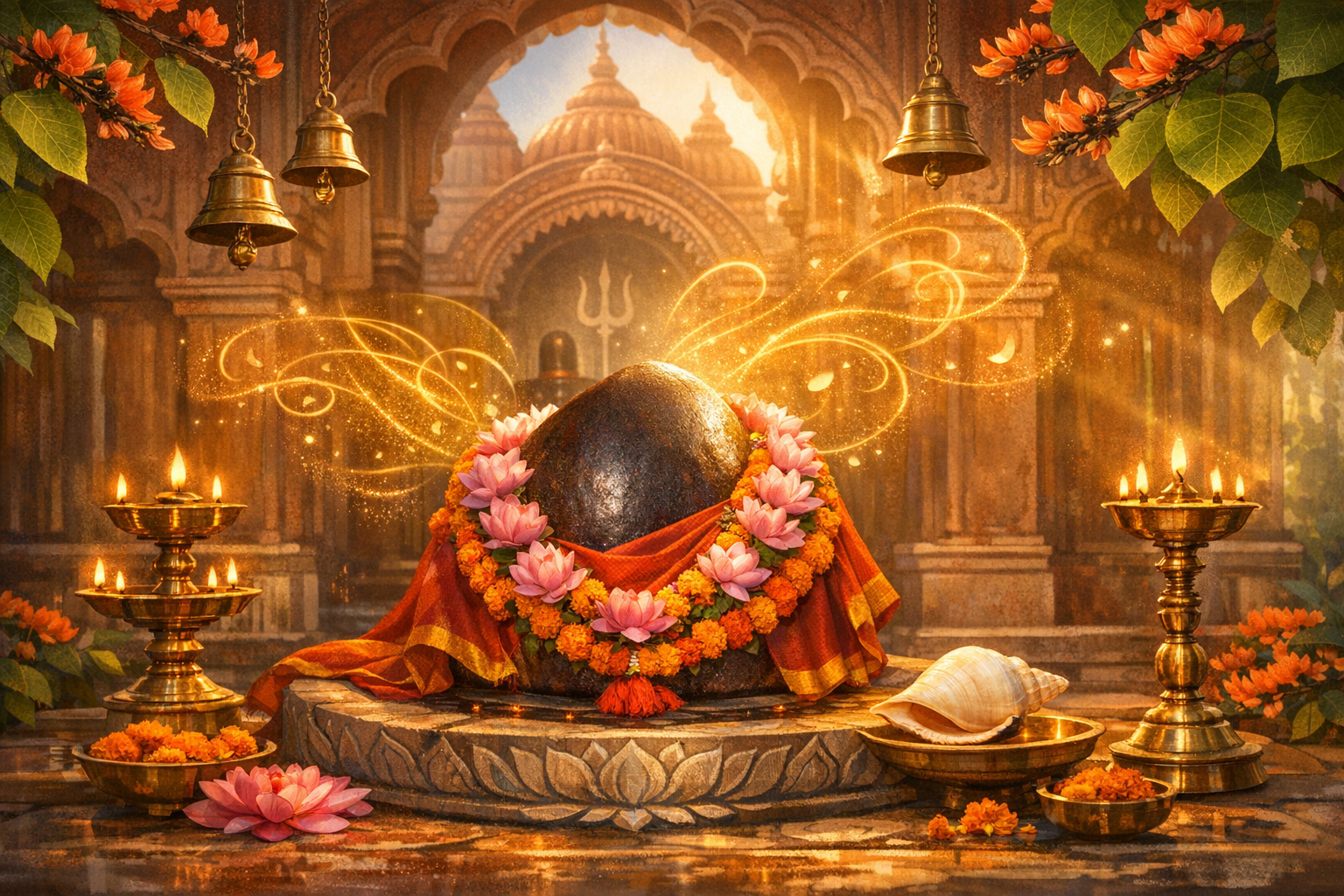
Phullara Devi at Attahasa Shakti Peetha in Birbhum, Bengal, is venerated as the Blooming Goddess of renewal and sacred speech. Rooted in the Shakti Peetha tradition that links the land to Sati’s dispersed body, Attahasa is associated with the fallen lipsymbolizing vāk and ethical communication. The shrine’s aniconic murti, paired with Bhairava as Vishvesh, preserves…
-
Indra and Varuna’s Celestial Rivalry: Vedic Kingship, Cosmic Law, and the Battle for Order

Indra and Varuna frame a profound Vedic conversation about power, law, and legitimacy. Indra’s thunderous decisiveness (kṣatra) complements Varuna’s guardianship of ṛta, revealing why force must be answerable to truth and why law must be capable of protection. Rigvedic hymns, especially RV 1.32 and RV 7.86–7.89, ground this dialectic, while Brāhmaṇa and Upaniṣadic texts transform…
-
Kokamukha Unveiled: The Jackal-Faced Mahakali in Texts, Temple Inscriptions, and Tantra
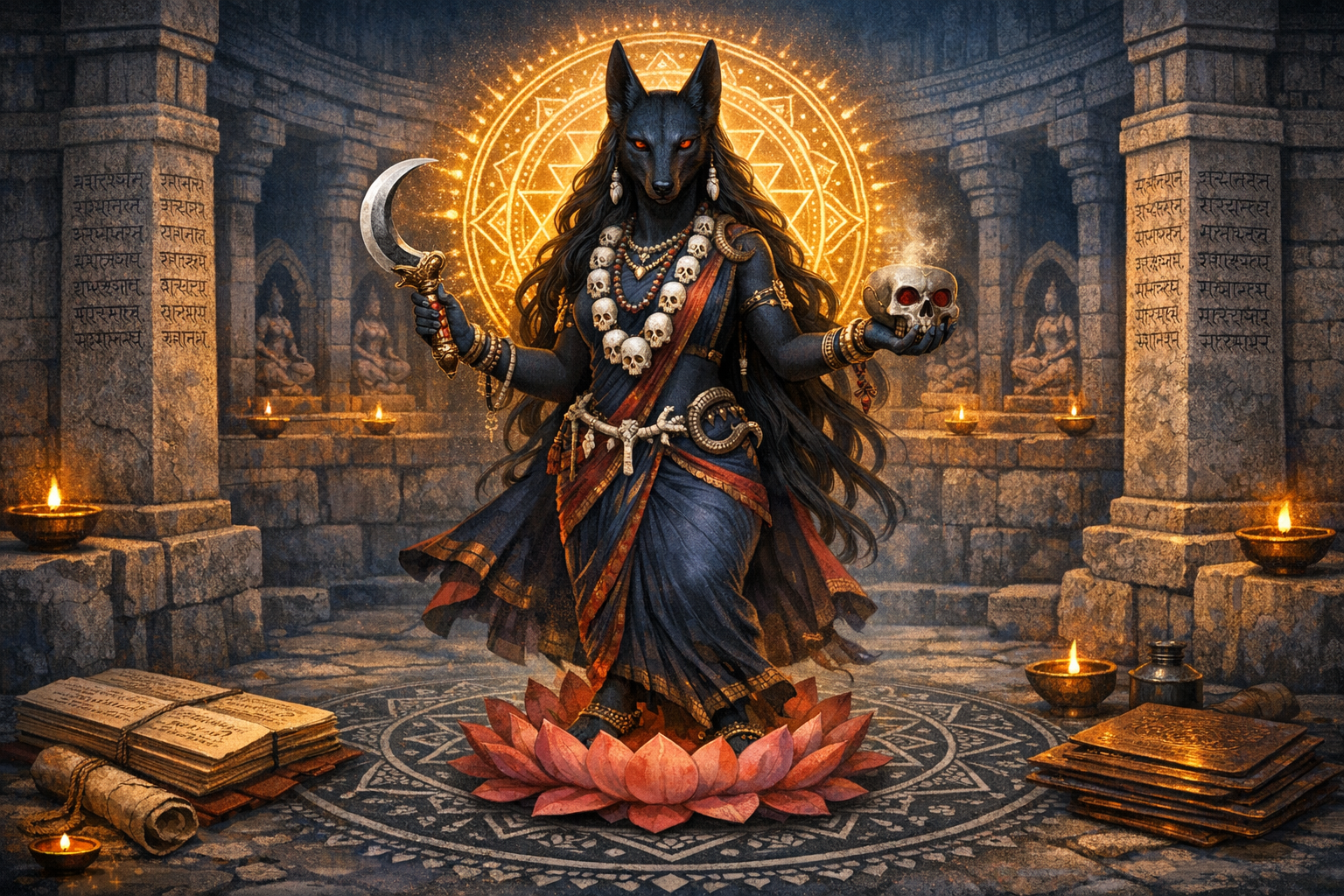
Kokamukha, remembered as the jackal-faced manifestation of Mahakali, emerges in the Shakta landscape at the intersection of Hindu scriptures, temple traditions, and Tantric iconography. The article clarifies the name’s philological roots and situates the form within cremation-ground theology, where fierce imagery communicates protection, fearlessness, and ethical clarity. It connects Kokamukha with Yogini traditions and early-medieval…
-
Apsaras and Oleander in Hindu Symbolism: Beauty, Peril, and the Dharma of Self‑Mastery

Apsaras carrying oleander (Karavīra) illuminate a core Hindu symbol where beauty both refines and tests. Drawn from Puranic literature and temple iconography, the motif highlights how allure becomes ethical instruction when guided by discernment, dispassion, and sustained practice. Oleander’s evergreen brilliance and toxicity sharpen the lesson: what delights can also endanger without inner alignment. Episodes…
-
Pancha Tattva Unveiled: Radiant Mercy of Lord Nityananda before Gaura Purnima 2026

This study series introduces Pancha Tattva as a precise, fivefold revelation of the Absolute that powers the Gaudiya Vaishnava sankirtana movement. The opening focus on Lord Nityananda explains His identity with Balaram and His earlier manifestation as Lakshman, situating Him as guru-tattva and the wellspring of compassion. Drawing on Chaitanya Charitamrita and allied scriptures, the…
-
Decoding Lakshmi’s Lotus: Sacred Symbolism of Prosperity, Purity, and Dharmic Wealth

Goddess Lakshmi’s enduring association with the lotus is a precise theological and ethical statement, not a decorative habit. The lotus models purity-in-engagementthriving in muddy waters yet remaining unstainedmirroring how dharmic wealth should arise and circulate without exploitation. Scriptural memory (Śrī Sūkta, samudra-manthana), iconographic conventions (padma-pīṭha, Gaja-Lakshmi), and temple arts all embed this meaning in public…
-
Why Brahma Chose Aruna: The Epic Dawn-Charioteer Who Shielded Creation from Surya

This article explores why Brahma appointed Aruna as the sārathi of Surya and how that choice preserves cosmic balance. Drawing on Mahābhārata and Purāṇic motifs, it explains Aruna’s identity as the crimson dawn (arunodaya) who moderates Surya’s tejas. The piece unpacks Vedic cosmographyseven horses as chandas, a single-year wheel with twelve spokesand links these images…
-
Nagabharana of Venkateswara Swamy: Adisesha’s Golden Embrace on Tirumala’s Divine Shoulders

The Nagabharana of Venkateswara Swamytwin golden serpents resting on the Lord’s shouldersembodies Adisesha’s protective presence in Tirumala’s Vaishnava tradition. This in-depth exploration explains its theological meaning, Agamic grounding, and South Indian craftsmanship, while showing how ornament becomes lived theology in darshan. It connects naga symbolism to Puranic narratives and to broader Dharmic motifs found in…
-
From Brahman to Cosmos: Decoding Hindu Cosmology, Cyclic Time, and Dharmic Unity

Hindu cosmology portrays creation as emergence from an undivided reality, Brahman, rather than a one-time act ex nihilo. Drawing on the Upanishads, Sāṅkhya, Vedānta, and the Puranas, it explains how the subtle becomes gross through ordered stages, from mahat and ahaṅkāra to the five elements. Cyclic timeyugas, manvantaras, and kalpasreplaces linear beginnings with rhythmic manifestation…
-
Ambarisha, Son of Mandhata: Ikshvaku Devotion, Durvasa’s Wrath, and Sudarshana’s Grace

Ambarisha, son of Mandhata in the Ikshvaku (Solar) line, embodies the fusion of royal duty and Vaishnava devotion that defines the Ekadashi–Durvasa episode in the Puranas. Set in Treta Yuga, his story hinges on technical ritual timingmaintaining Dvadashi parana without slighting a revered guestshowcasing dharma anchored in precise tithi calculation. When Durvasa reacts with wrath,…
-
Agastya as Asura Samhara Moorthy: Outwitting Ilvala–Vatapi with Spiritual Fire
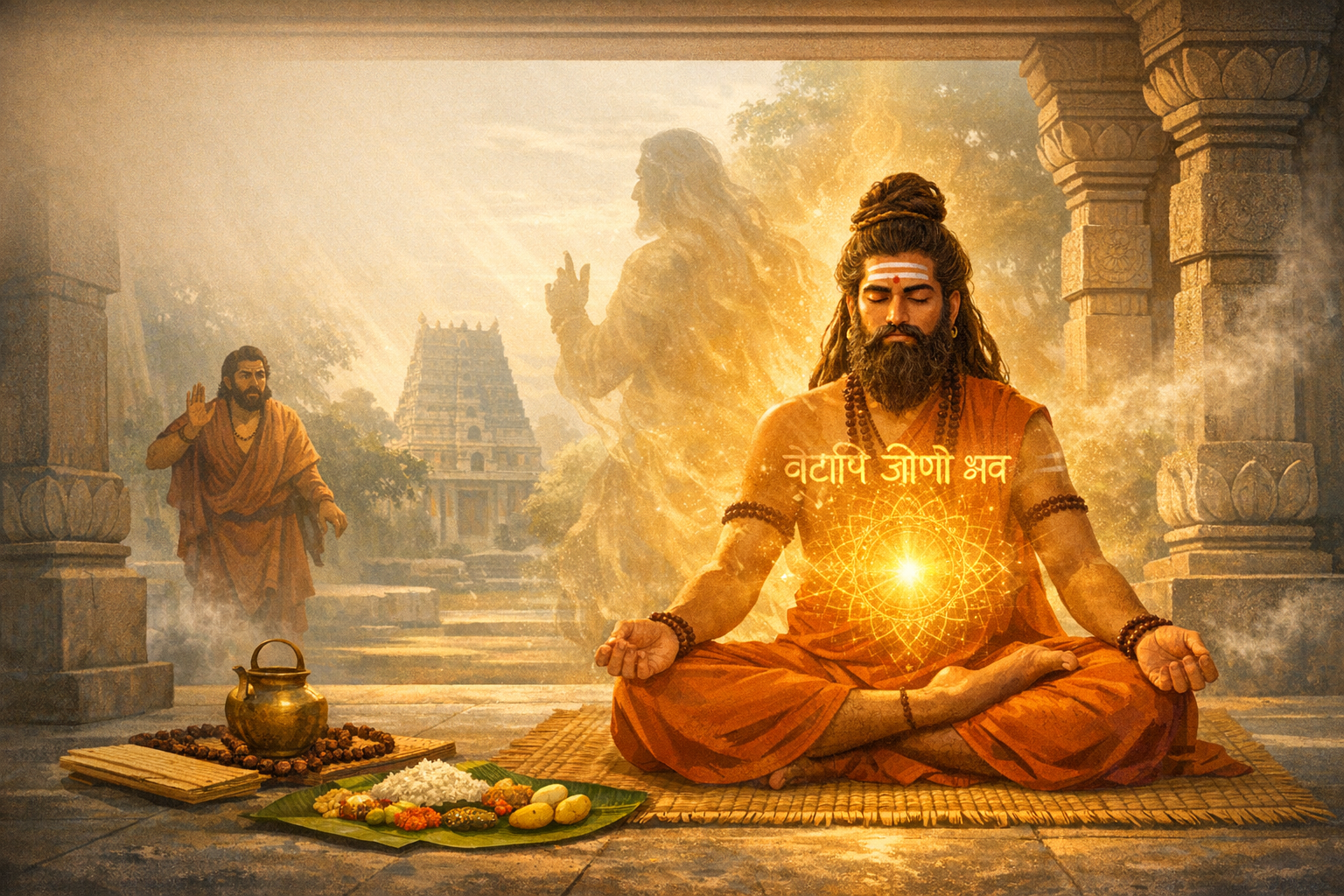
Rishi Agastya’s epithet Asura Samhara Moorthy comes alive in the famed Ilvala–Vatapi episode, where deception is neutralized by yogic insight rather than spectacle. The story upholds Dharma by safeguarding hospitality, demonstrating how spiritual fire (tapas) transmutes harm without amplifying violence. Yogic and Ayurvedic lenses deepen the teaching: jatharagni and disciplined breath digest not only food…
-
Forgotten Guardian: Riksharajas, the Androgynous Vanara Who Shaped Kings Bali and Sugriva

This long-form exploration brings to light Riksharajasalso known as Riksharaja and sometimes rendered as Vriksharajasthe often-overlooked guardian in the Ramayana who raised Bali (Vali) and Sugriva. Drawing on Valmiki’s Kishkindha Kanda, Kamba Ramayanam, Krittivasi traditions, and Puranic echoes (Skanda Purana, Padma Purana), it explains how and why different recensions describe divine paternity while preserving Riksharajas’s…
-
Ashta Sastha Revealed: Eight Transformative Forms of Lord Ayyappa and Their Spiritual Power
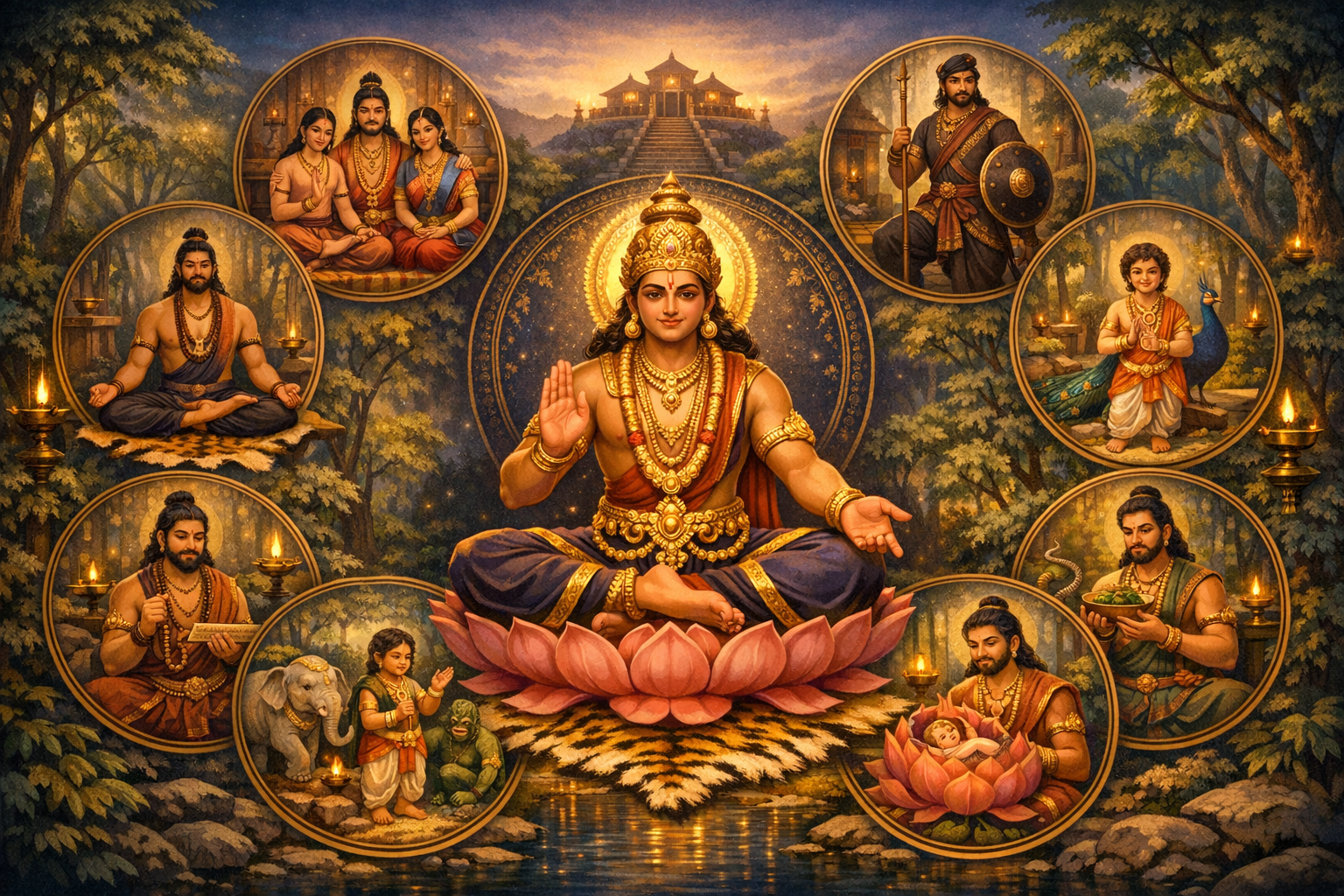
Ashta Sastha presents eight sacred modes of Lord Ayyappa (Dharma Śāstā) that together form a complete pedagogy of spiritual growth. Drawing on Puranic memory, regional sthala-purāṇas, and agamic iconography, the eight forms range from Yoga Śāstā’s meditative stillness to Gṛhastha Śāstā’s family ethics and Vīra Śāstā’s righteous guardianship. The account highlights living practices at Sabarimala,…
-
Why Sri Krishna Is Called Murari: Puranic Sources, Ekadashi Origins, and Inner Triumph
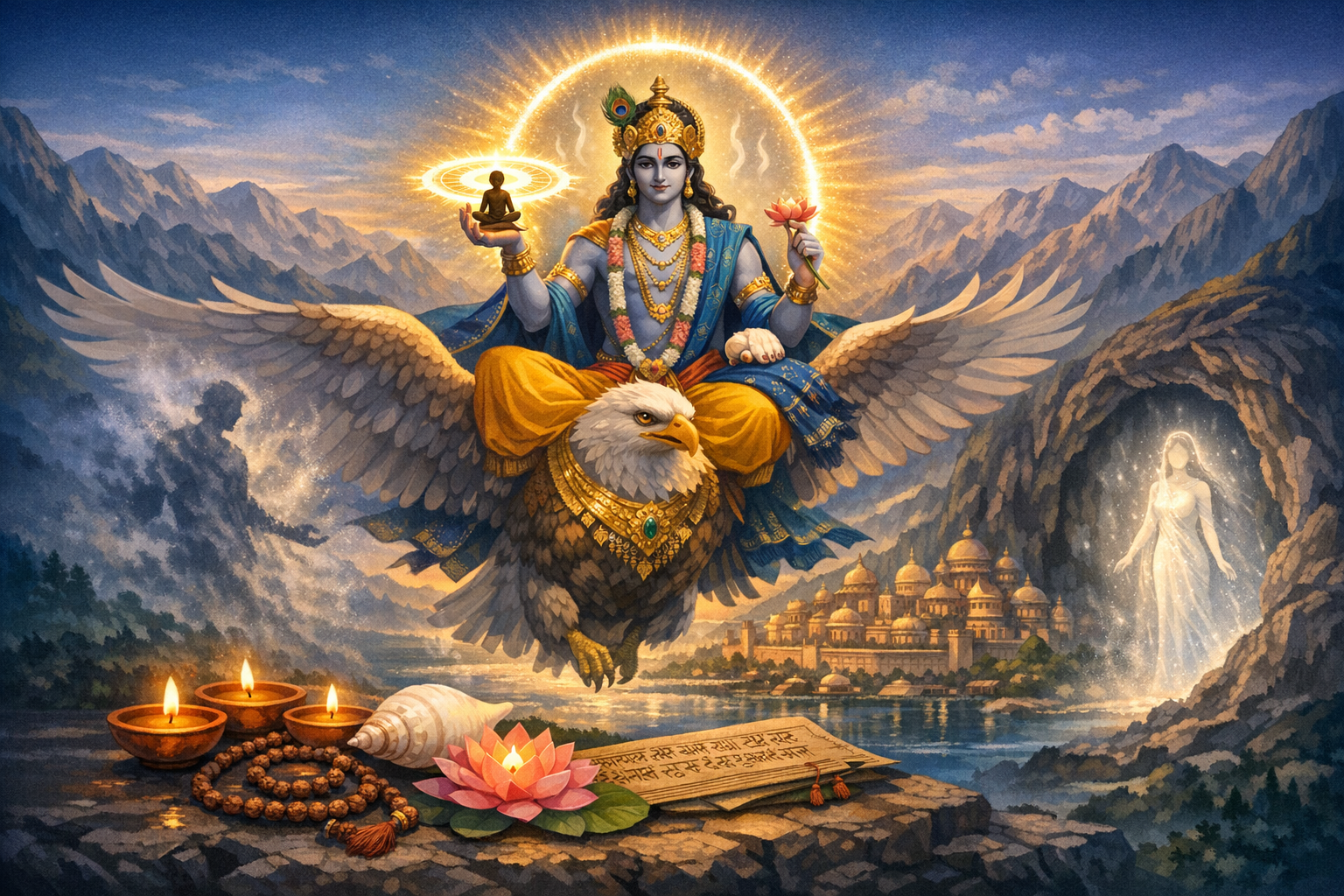
Murariliterally “foe of Mura”is a precise Sanskrit epithet of Sri Krishna grounded in the Puranas. The Bhagavata Purana narrates Krishna’s defeat of the asura’s general Mura at Pragjyotisha, while allied strands in the Vishnu Purana and Harivamsha confirm the theme. The Padma Purana adds a complementary arc by linking Mura’s fall to the origin of…
-
Shattering the Myth: Why Valmiki’s Ramayana Has No Maya SitaEvidence and Dharma
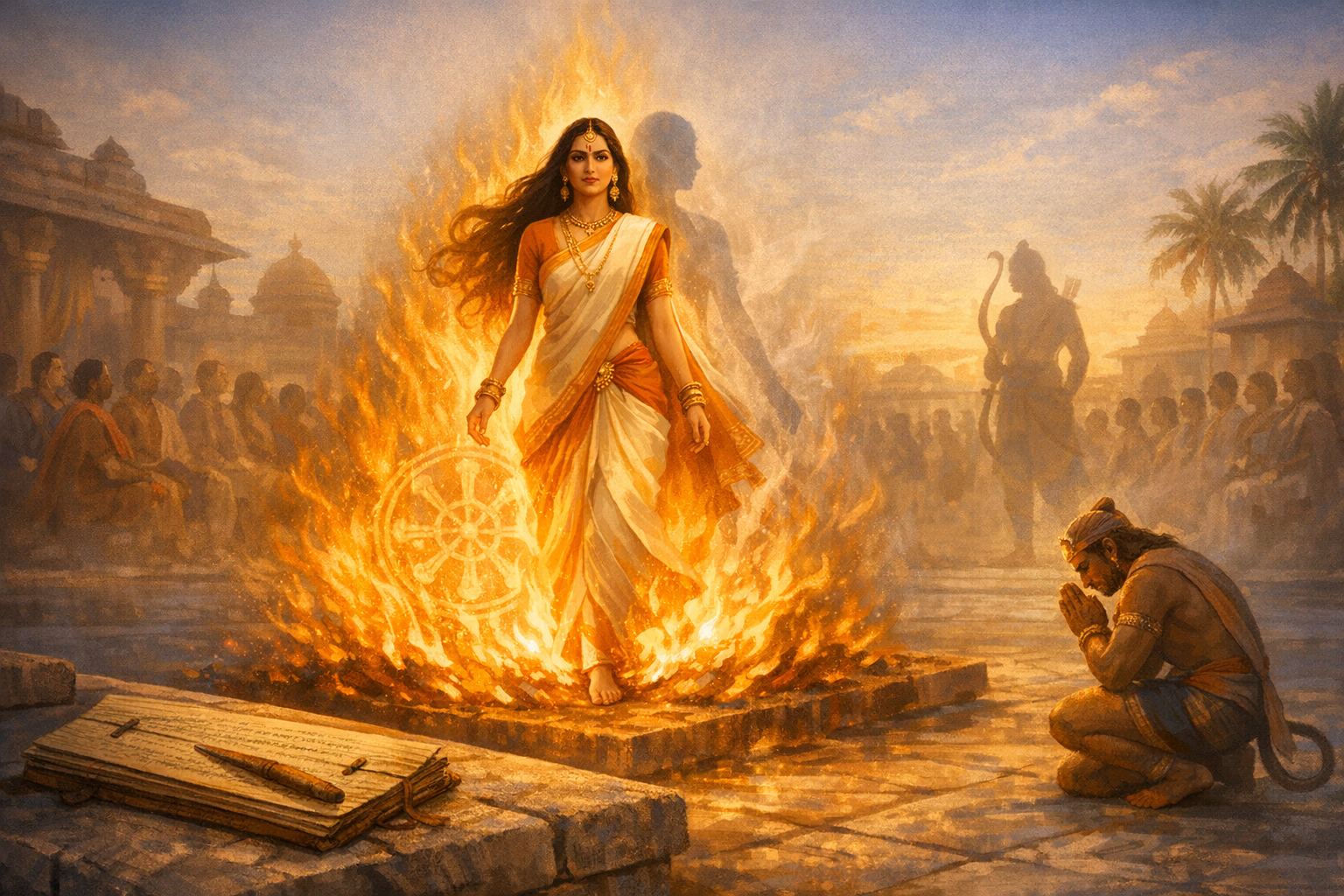
The Maya Sita motifan illusory duplicate of Sitadoes not appear in Valmiki’s Ramayana. Textual criticism across northern and southern manuscript families confirms its absence, especially in the Yuddha Kanda where Sita’s Agni-praveśa serves as public vindication. Later Puranic and bhakti-era tellings, such as the Adhyātma Rāmāyaṇa, introduce Maya Sita to offer a theologically protective reading…
-
Kuravi Veerabhadra Swamy Temple: Fierce Shaivite Power, Kakatiya Heritage, Rituals & Guide
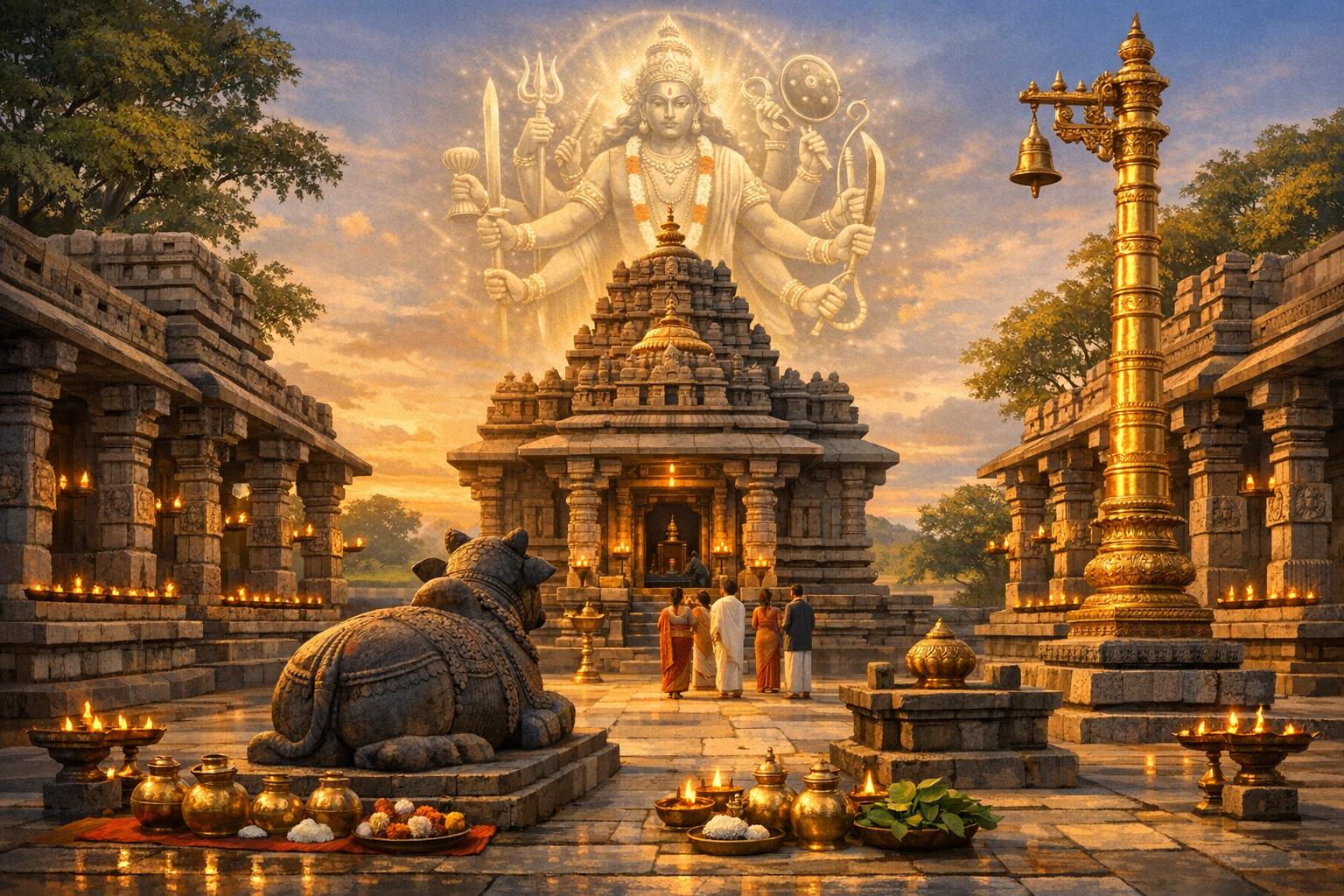
Kuravi Veerabhadra Swamy Temple in Mahabubabad, Telangana, is a living Shaivite kshetra where Veerabhadra’s fierce compassion is honored through precise daily rites and major festivals like Maha Shivaratri and Karthika masam. The shrine’s iconography, ritual cycle, and Dravida architectural grammar offer a clear, research-informed window into Telangana’s sacred heritage. Visitors gain practical guidance on access,…
-
Srimad Bhagvatam 4.14.34–37: Sacred Sound, Just Rule, and the Fall of King Vena
Srimad Bhagvatam 4.14.34–37 narrates how sages countered a tyrant’s denial of dharma using sanctified speech rather than weapons, offering a profound study in political theology, sacred sound, and ethical governance. The background of King Anga’s departure and King Vena’s misrule clarifies why authority without transcendence self-destructs. The episode is read not as praise of violence…