-
Exhausted by Self-Improvement? Shift from Fixing to Living with Compassionate Growth

Many people turn self-improvement into an exhausting full-time job, mistaking relentless effort for self-love. This piece reframes healing as compassionate presence rather than constant fixing, reducing self-criticism and self-growth burnout. It offers four practical shifts—checking the weight of practices, embracing real rest, ignoring non-resonant “shoulds,” and choosing good enough—to make mindfulness and self-care sustainable. The…
-
White Lotus in Hindu Iconography: Divine Thrones, Pure Radiance, and Spiritual Awakening

The white lotus in Hindu iconography signifies purity, sattva, and spiritual awakening, offering a visual guide to living unstained by the world. Depictions of Saraswati, Lakshmi, Vishnu, and Brahma with a white lotus highlight ethical clarity, wisdom, and compassionate abundance. This symbolism resonates across Hinduism, Buddhism, Jainism, and Sikhism, affirming unity in diversity through a…
-
Nurturing Children’s Spiritual Growth with Play, Respect, and Joy: A Dharmic Approach

Spiritual growth in childhood flourishes through play, respect, and lightness rather than constant instruction. This Dharmic approach, aligned with Hindu spirituality and shared across Buddhism, Jainism, and Sikhism, weaves mindfulness and compassion into daily family life. Play becomes a gentle form of sadhana, and reciprocal learning reflects the spirit of the Guru-Shishya Relationship. Practical ideas—laughter-filled…
-
Yoga and Peace: How Breath, Movement, and Mindfulness Transform Stress into Calm

Yoga connects body, mind, and subtle awareness to cultivate inner peace and reduce stress. Through asana, pranayama, and meditation techniques, it modulates the autonomic nervous system and strengthens emotional regulation. Ethical principles such as ahimsa and satya translate inner calm into compassionate action. These values align with Buddhism’s metta, Jainism’s ahimsa, and Sikhism’s seva, fostering…
-
Elevate 2026 with Tiny Buddha’s Daily Mindfulness: A Compassionate Calendar for Dharmic Unity

The 2026 Tiny Buddha Day-to-Day Calendar provides concise daily reflections that support mindfulness, compassion, and self-care. Printed on FSC certified paper with soy-based ink, it aligns with eco-conscious values and the principle of ahimsa. Readers appreciate how a brief morning reading offers perspective, steadies attention, and builds emotional resilience. The entries span happiness, relationships, change,…
-
Grahayajna and the Navagrahas: A Timeless Vedic Path to Balance, Healing, and Harmony

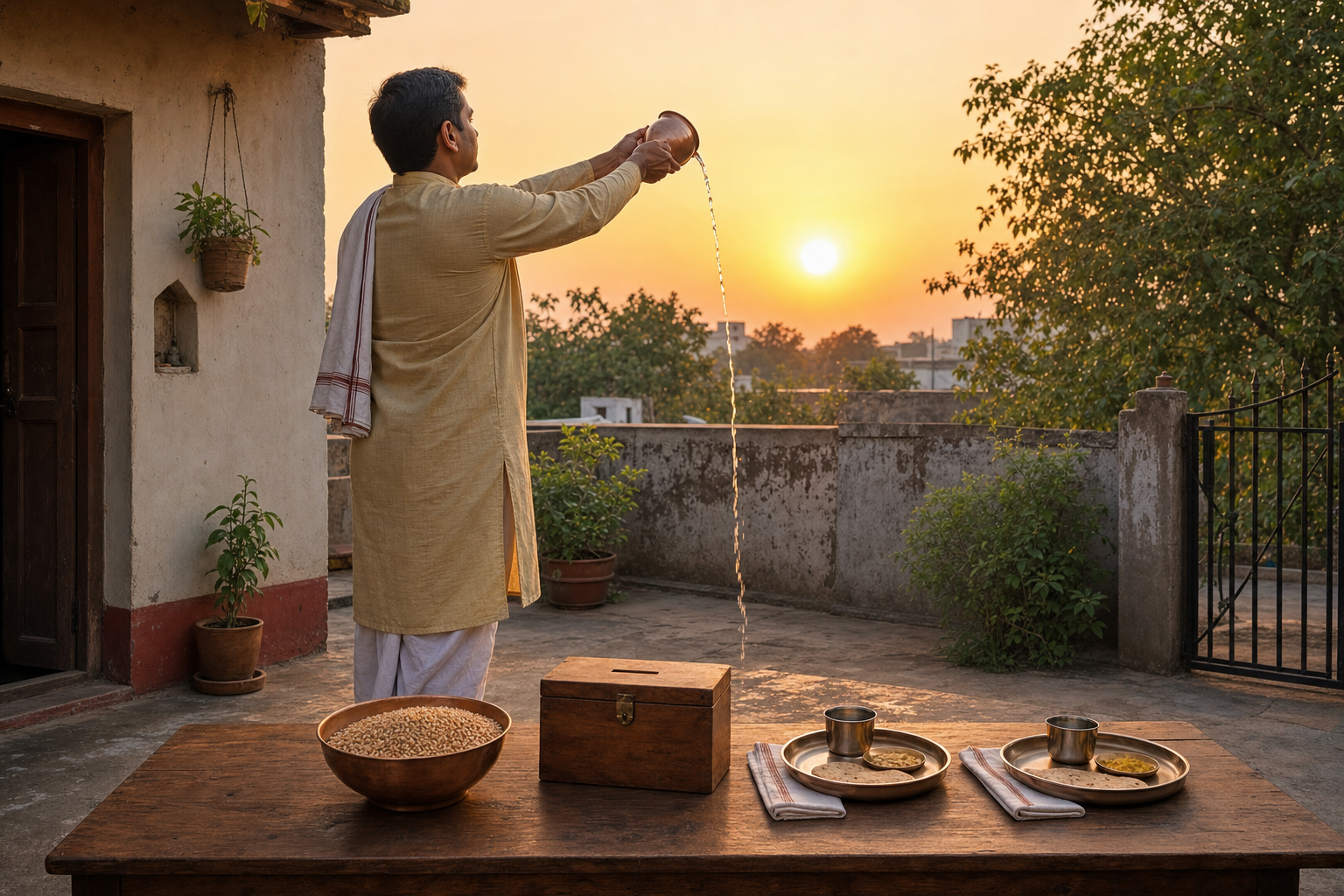
Grahayajna is a refined Vedic ritual tradition dedicated to the Navagrahas, practiced to harmonize life with cosmic order and cultivate inner balance. Anchored in Jyotish Shastra, it frames planetary influences as ethical invitations rather than fixed destinies. The rite unites homa, mantra, daana, vrata, and seva, emphasizing moral self-correction alongside precise ritual steps. Families and…
-
When Poor Japa Becomes Habit: Proven Steps to Transform Chanting and Reclaim Joy

Sustained observation shows that inattentive japa tends to create more inattentive japa, normalizing poor quality and making rounds harder to complete. The cycle can be reversed with intentional, tradition-aligned steps that improve attention, taste, and steadiness. Practical methods include forming a clear sankalpa, slowing pace and pronouncing each syllable, using breath awareness to stabilize the…
-
Guru Ladho Re: Discovering the True Guru and the Unifying Heart of Dharmic Wisdom

“Guru Ladho Re” — The True Guru has been Found — expresses a universal Dharmic insight: authentic guidance unites seekers across Hinduism, Buddhism, Jainism, and Sikhism. The True Guru is recognized by Dharma-centered qualities: wisdom, compassion, humility, and ethical integrity. This article clarifies how the Guru-Shishya Tradition promotes discernment, safeguards against personality cults, and directs…
-
November 23, 2025 Panchang: Precise Tithi (Tritiya→Chaturthi), Nakshatra & Rashi Guide

November 23, 2025 features a meaningful tithi transition in the Hindu Panchang: Shukla Paksha Tritiya lasts until 4:56 PM, followed by Shukla Paksha Chaturthi. This progression supports auspicious planning, with Tritiya favoring gentle beginnings and Chaturthi aligning well with focused Ganesha worship. As Nakshatra and Moon Rashi vary by region, local Panchang verification ensures accuracy.…
-
Discover Your Ishtadevata by Lagna: Pancham Bhava Guidance to Deepen Sadhana and Peace

A respected Jyotish perspective holds that the lord of the 5th house (Panchamesh) indicates one’s Ishtadevata. Because the 5th rules purva-punya, mantra, and bhakti, aligning upasana with the Pancham Bhava strengthens sadhana and steadies the mind during doshas. This approach complements other classical methods while honoring the Dharmic ideal of many valid paths. Read as…
-
पितृ ऋण (Pitru Runa) Explained: Causes, Family Signs, and Dharmic Paths to Healing

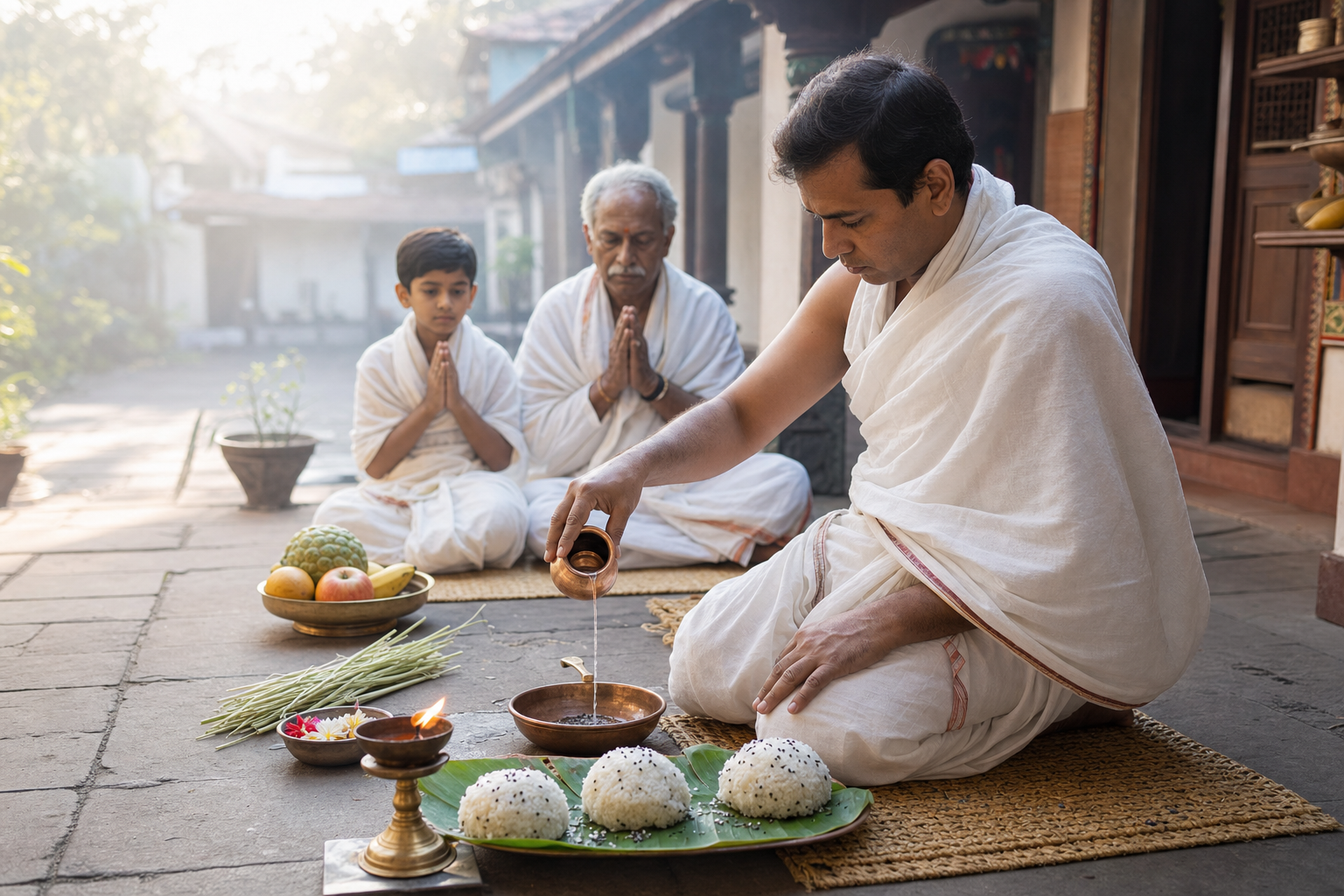
This article clarifies Pitru Runa (पितृ ऋण) as an ethical-spiritual responsibility rather than a fatalistic burden. It outlines traditional causes, observed family signs, and context from Jyotish while discouraging deterministic interpretations. Readers find inclusive, dharmic pathways for healing that honor Hindu, Buddhist, Jain, and Sikh perspectives through remembrance, seva, compassion, and accountability. Practical steps—family storytelling,…
-
पितृ ऋण के कारण: संतान व मान–प्रतिष्ठा पर गहरा प्रभाव, Pitru Runa remedies और व्यावहारिक उपाय

यह लेख “पितृ ऋण (Pitru Runa)” की धारणा को स्पष्ट करते हुए कारण, प्रभाव और व्यावहारिक उपायों का संतुलित, अकादमिक विश्लेषण प्रस्तुत करता है। इसमें बताया गया है कि कृतज्ञता, सेवा और पारिवारिक उत्तरदायित्व के क्षीण होने पर मान–प्रतिष्ठा व संतान-सुख प्रभावित हो सकते हैं—जैसे संतानाभाव, संतान का स्वास्यि खराब होना या बुरी संगति में…
-
Decoding Dakshinakali: The Powerful Tantric Meaning of Jackals in Cremation-Ground Iconography

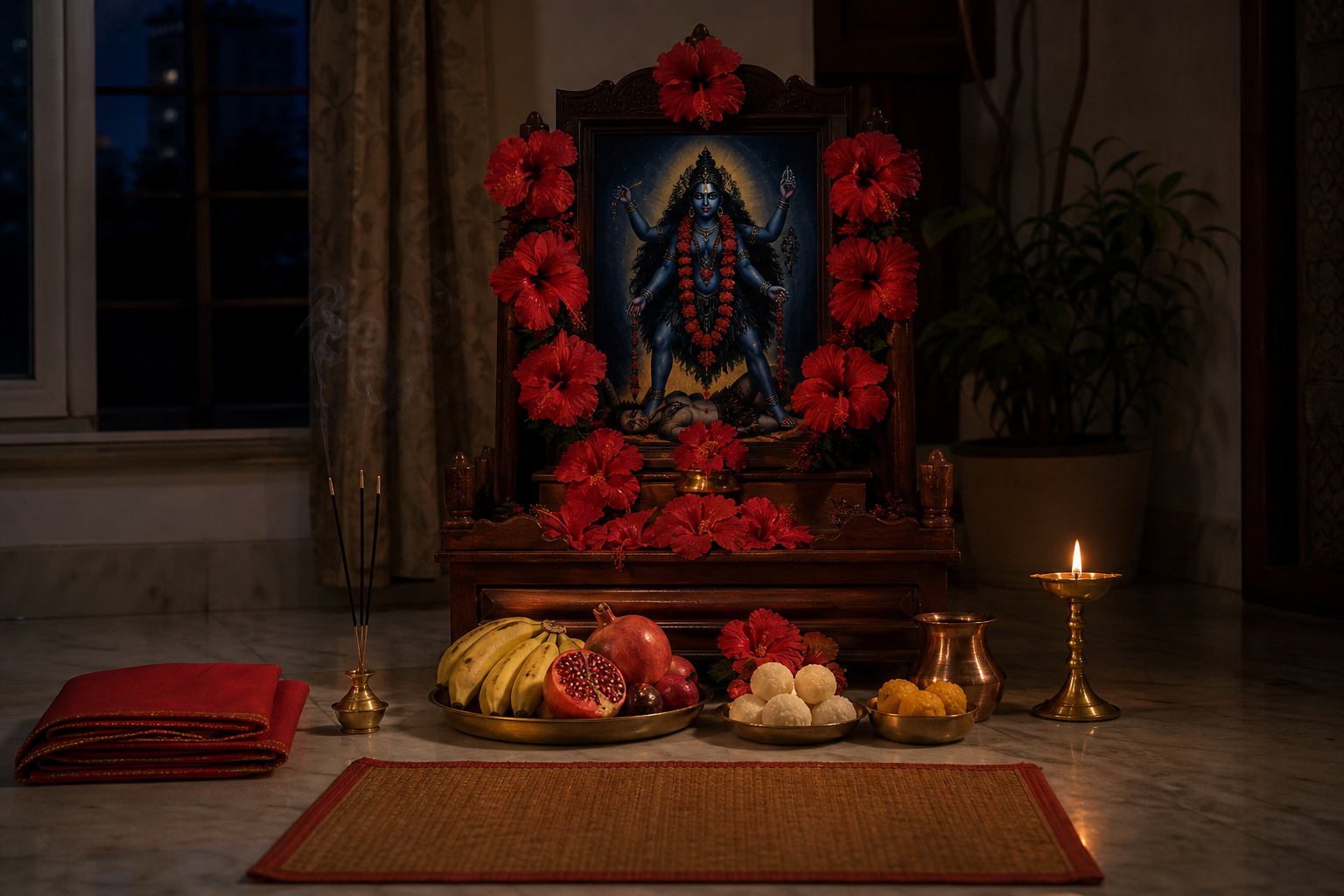
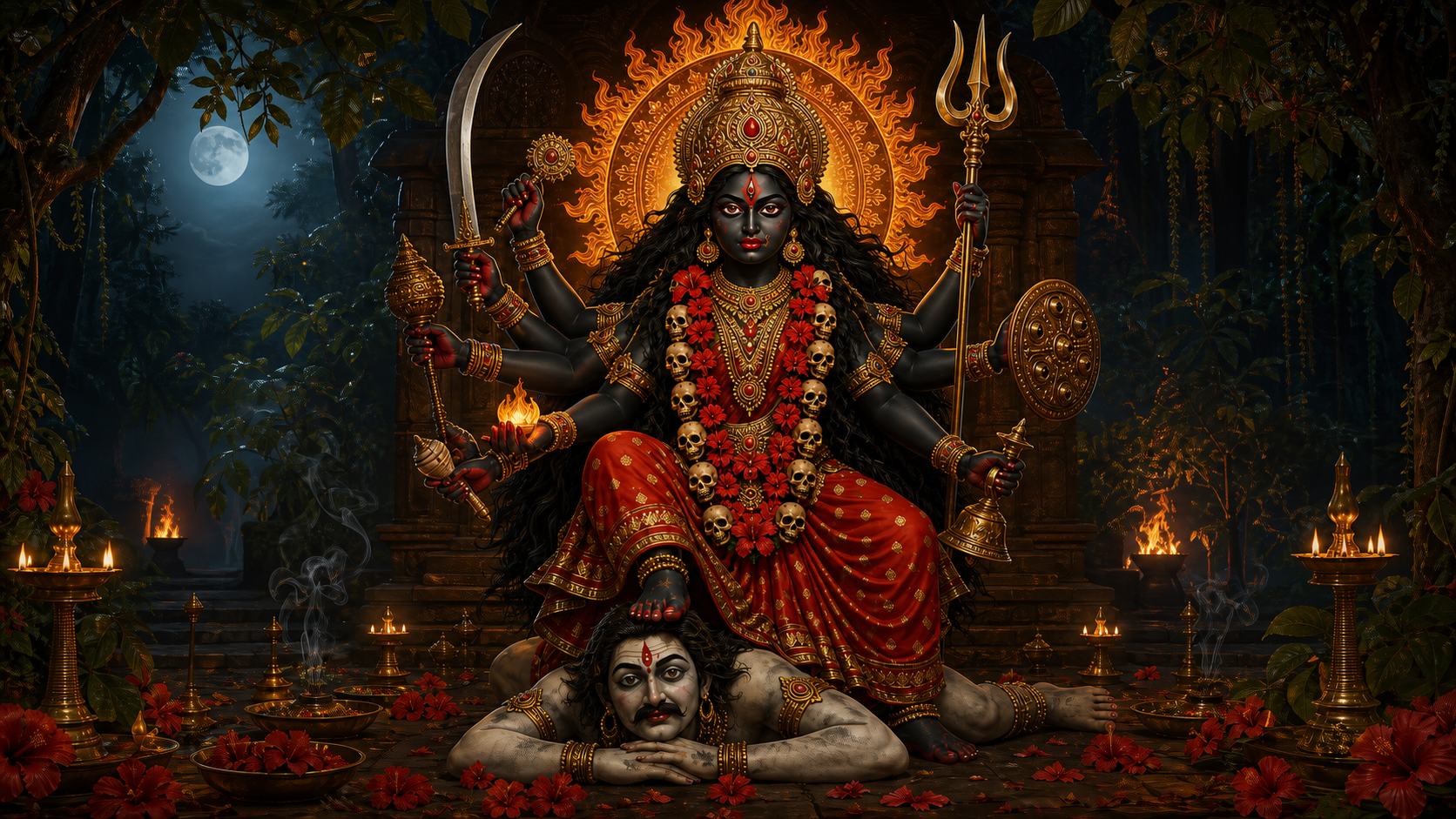
Tantric depictions of Dakshinakali with jackals in the cremation ground form a precise symbolic language that teaches fearlessness, compassion, and inner integration. The jackals signify liminality, time’s change, and the recycling of what is discarded—nothing lies outside the Goddess’s compassionate gaze. This iconography affirms ecological and ethical interdependence by revering even life’s overlooked processes. Parallels…
-
Steadfast Devotion Through Life’s Trials: Cultivating Faith and Resilience in Bhakti

Spiritual growth demands steadiness through both adversity and achievement. This reflection presents a practical framework for deepening faith—aligning daily choices with sadhana, cultivating abhyasa, and renewing commitment after setbacks. It explains how desires shape decisions and how satsanga, japa or meditation, study, and seva gradually realign intention with dharma. The approach is grounded in the…
-
Temple of the Vedic Planetarium: A Profound Act of Compassion and Dharmic Unity

The Temple of the Vedic Planetarium (TOVP) is presented as a compassionate cultural institution rather than just another temple. It integrates sacred architecture with education, translating Vedic heritage into accessible learning for families, students, and pilgrims. Rooted in the Vaishnava tradition, it highlights values shared across Hinduism, Buddhism, Jainism, and Sikhism, advancing unity in spiritual…
-
November 20, 2025 Panchang: Amavasya to Shukla Pratipada — Tithi Timings and Insights
On Thursday, November 20, 2025, the Hindu Panchang notes Amavasya tithi until 11:00 AM, followed by Shukla Paksha Pratipada through 1:09 PM on November 21. These timings, observed in most regions, help plan prayers, charity, and contemplative practices during the no-moon day. The shift to the waxing phase supports fresh beginnings and structured sadhana aligned…
-
Vedic Astrology and Troubled Friendships: Decode 11th House Clues, Heal Toxic Social Bonds
Vedic astrology offers a structured way to understand troubled friendships by analyzing the 11th house, its lord, and key planetary aspects. Afflictions from Saturn, Rahu, Ketu, or Mars can reflect distance, confusion, detachment, or conflict within social circles. Attention to dashas and transits reveals when friendship themes are most active, helping anticipate and manage group…
-
Utpanna Ekadashi 2025 Date, Meaning, and Fasting Guide: Embrace Renewal and Inner Strength

Utpanna Ekadashi 2025 falls on 15 November during Krishna Paksha in Margashirsha, and is observed by both Smarta and Vaishnava traditions. The vrata commemorates the symbolic victory of disciplined awareness, inspiring reflection, compassion, and self-restraint. Devotees typically fast, engage in japa or quiet study, and conclude the fast with parana on Dwadashi according to local…
-
Subramanya Sashti 2025 (26 November): Essential Guide to Puja, Vrat, Temples, and Meaning

Subramanya Sashti 2025 falls on 26 November, honoring Lord Subramanya (Kartikeya, Murugan, Shanmukha, Skanda) with special pujas and Abhishekam. Devotees observe vrat, chant hymns such as the Skanda Shasti Kavacham, and offer milk, panchamrit, flowers, and fruits at temples and home altars. The festival emphasizes valor, wisdom, and compassion, seeking blessings for wellbeing and the…
-
Lagna and the 1st House Explained: A Transformative Guide to the Ascendant in Vedic Astrology

Lagna (Ascendant) is the Vedic astrology anchor of the 1st House, linking the soul’s entry into life with identity, vitality, and direction. Classical guidance, including Sarvartha Chintamani (II.5), affirms that a house gains strength when occupied by its own lord—an insight crucial for interpreting Lagna. Assessing dignity, aspects, Shadbala, and vargas (notably Navamsa) clarifies health…