-
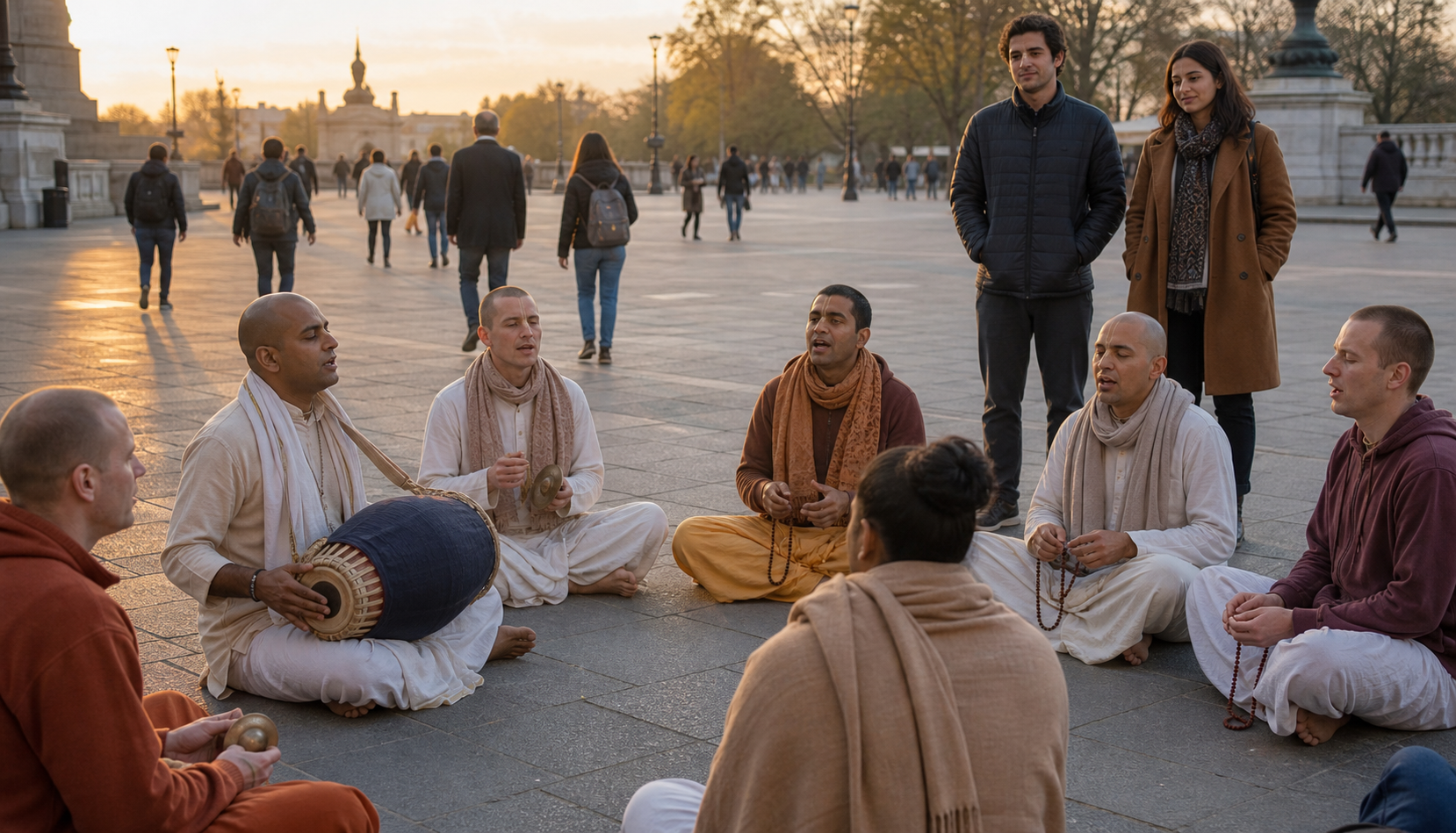
Bringing Sikh Stories to Screen: Authentic Representation, Dharmic Unity, and Cultural Power

This article outlines a research-led, production-ready framework for bringing nuanced Sikh stories to screen while advancing unity across dharmic traditions. It details how respectful depiction of articles of faith, language authenticity, and community consultation improve cinematic representation and trust. Practical guidance covers writing-room research, casting and wardrobe, sound and music ethics, location protocols in gurdwaras,…
-
HAF Appeals California Caste Policy, Citing Alleged Bias and Constitutional Risks

The Hindu American Foundation has appealed to the U.S. Court of Appeals, challenging aspects of California’s caste discrimination framework as constitutionally flawed and allegedly biased against Hindu and South Asian communities. The appeal raises Establishment Clause, Free Exercise, Equal Protection, and Due Process concerns, arguing that certain trainings and enforcement practices risk religious stereotyping. California’s…
-
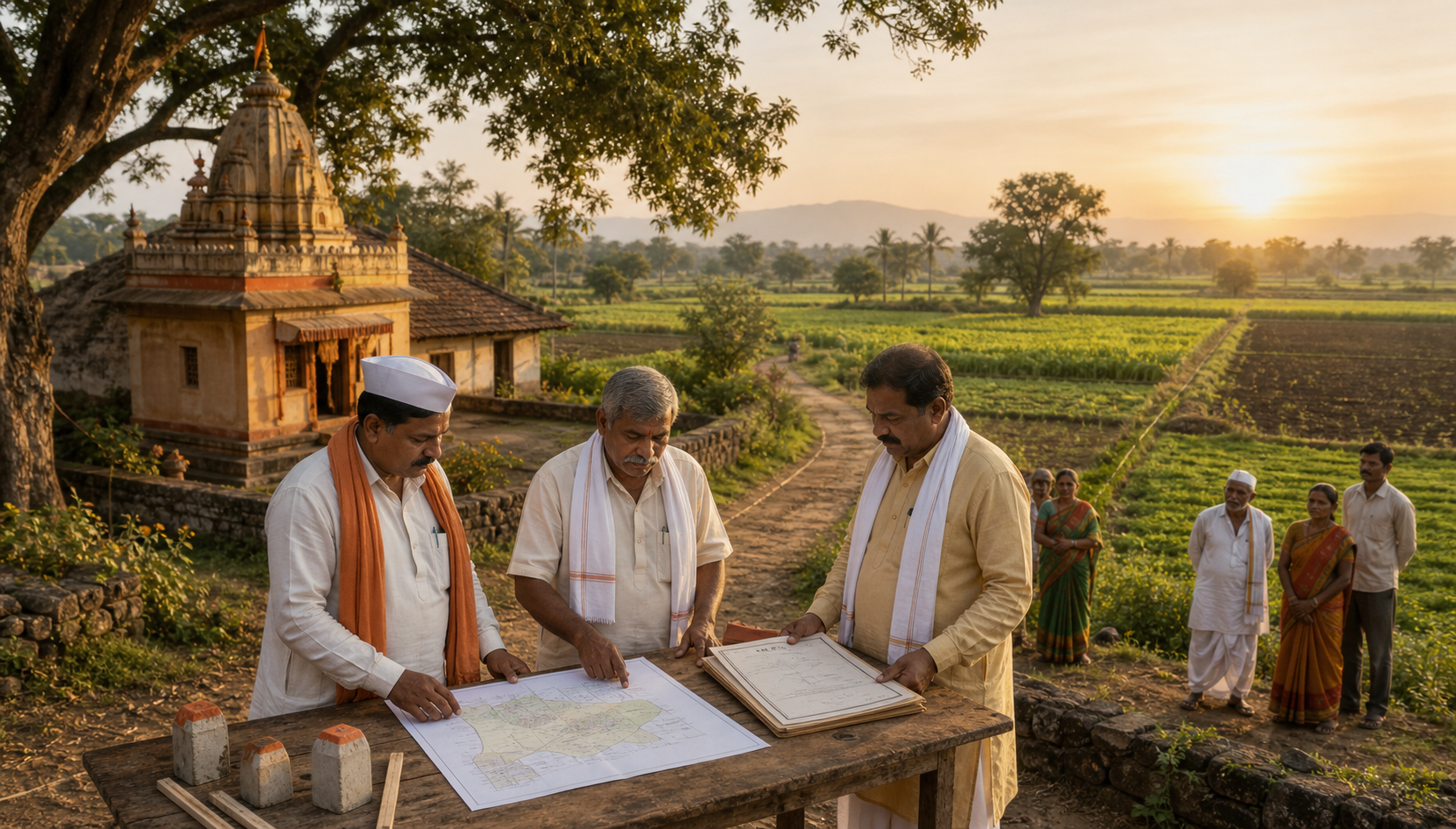
Sakal Hindu Sammelan in Padel, Devgad: 400+ Unite to Galvanize Dharma-Rakshan and Harmony

Over 400 participants gathered at the Sakal Hindu Sammelan in Padel, Devgad to reaffirm Dharma-rakshan through disciplined, lawful, and inclusive community organization. Framed within a dharmic ethos shared by Hinduism, Buddhism, Jainism, and Sikhism, the event emphasized actionable capacity-building over rhetoric. A seven-stream operating modelseva, shiksha, samskara, samvaad, suraksha, sanskriti, and satya-sankalpaoffers a practical template…
-
Not So Salient: Exposing Caste Stereotypes and Defending Hindu American Civil Rights

Harvard’s “The Brahminist Veto” casts Hindu Americans as a theocratic fringe, but the evidence points elsewhere: routine civic advocacy, due process in high-profile investigations, and a consistent demand for equal respect in academic settings. The record shows that caricatures of Hindu theologythrough misreadings of texts like Manusmriti and the Purusha Suktaignore scholarly consensus and historical…
-
Empowering Women as Guardians of Dharma: An Urgent Call from Pune’s Hindu Sammelan (HJS)

At a Hindu Sammelan in Pune, Kranti Petkar (HJS) urged women to prepare to protect nation and Dharmaan appeal grounded in dharmic unity and modern civic responsibility. This analysis reframes that call as a comprehensive resilience agenda that blends Kshatra Dharma with Ahimsa and Sant-Sipahi ethics. Readers gain a clear legal framework (including India’s updated…
-
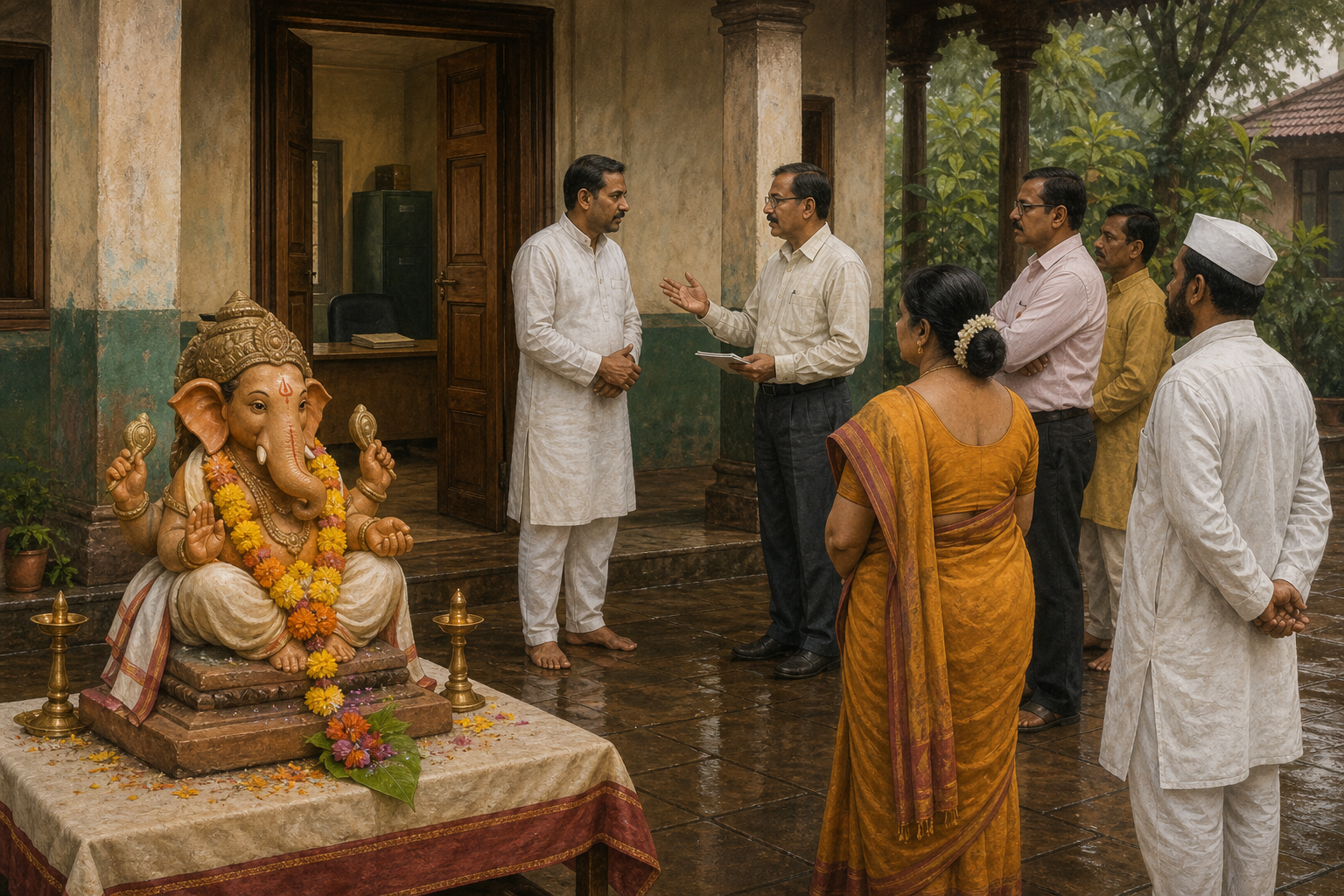
Safeguarding Sacred Symbols: HJS Spurs Withdrawal of Offensive Shiva–Ganesh Ad, Full Apology

An offensive Mahashivratri advertisement involving Lord Shiva and Shri Ganesh was swiftly withdrawn from leading Chhattisgarh newspapers after Hindu Janajagruti Samiti (HJS) intervened, prompting an unconditional written apology from Shri Ganesha Global Gulal Pvt Ltd. This outcome illustrates how timely civil society engagement and clear corporate accountability can protect sacred symbols and restore public trust.…
-
Plano Uproar: Alex Stein’s Mockery of Hindu Beliefs Spurs Walkout and a Call for Dharmic Unity

A Plano City Council meeting drew national attention when comedian Alex Stein mocked Hindu beliefs, prompting Indian-American attendees to walk out. The incident spotlights the need for cultural respect in civic spaces and renewed attention to Hinduphobia experienced by the Hindu American Community. Descriptions of sacred practicessuch as references to gomutra and gobarwere deployed without…
-
Varanasi Dharma-Jagruti Sabha: Rajan Keshari’s powerful call for Dharmic unity and Hindu Rashtra
At the Hindu Dharma-Jagruti Sabha in Baradih, Varanasi, Hindu Janajagruti Samiti (HJS) presented a values-centered call for Hindu Rashtra as a plural, dharmic framework rooted in Sanatana Dharma. The address by Rajan Keshari emphasized unity among Hinduism, Buddhism, Jainism, and Sikhism, advocating ethical governance, seva, and non-violence. Framed as civic responsibility rather than theocracy, the…
-
CoHNA Demands Correction: Ye’s WSJ Apology Mislabels Swastika as Hakenkreuz

CoHNA urges Ye and The Wall Street Journal to correct a paid advertisement that mislabels the sacred Swastika as the Nazi Hakenkreuz. The distinction is historically established: the Nazi emblem was called the Hakenkreuz, while the Swastika has denoted auspiciousness in Hindu, Buddhist, and Jain traditions for millennia. Legislatures in Virginia and California, and the…
-
Ohio Honors Hindu Heritage Month: Nearly 20 City Proclamations and a State Proclamation

Ohio marked a standout October 2025 for Hindu Heritage Month, with nearly 20 city proclamations and a formal state proclamation from Governor Mike DeWine. The recognitions highlight the contributions of Hindu Americans across education, healthcare, engineering, business, and the arts. They also affirm core dharmic valuesdharma, compassion, inclusivity, and universal respectshared across Hinduism, Buddhism, Jainism,…
-
Great Khali’s Vrindavan Remarks on Sanatan Dharma Spark Debate, Reinforce Dharmic Unity

A high-profile event in Vrindavan, Mathura, saw ‘The Great Khali’ defend Sanatan Hindu Dharma, triggering a wider discussion about cultural heritage and responsible public speech. The remarks drew both praise and concern, revealing how celebrity advocacy can spotlight faith while risking rhetorical excess. This analysis situates the moment within India’s dharmic traditionsHinduism, Buddhism, Jainism, and…
-
In Pune, Jagadguru Shankaracharya urges vigilance, consent, and unity across dharmic faiths

A meeting in Pune between Hindu Janajagruti Samiti and Jagadguru Shankaracharya Swami Sadanand Saraswati Maharaj emphasized ethical vigilance, informed consent, and interfaith harmony. The guidance focused on protecting individuals from coercion while affirming constitutional religious freedoms. It encouraged evidence-based community programs, campus dialogues, and family counseling to build resilience. The perspective centered on unity across…
-
Porvorim Dialogue: Kajal Hindusthani Champions Women’s Leadership for a Safer, United Society

At a Porvorim programme organised by the Hindu Jagran Manch, Kajal Hindusthani emphasized women’s leadership as central to addressing social and cultural challenges. The event focused on women’s safety, dignity, and community participation, aligning with dharmic values shared across Hinduism, Buddhism, Jainism, and Sikhism. By prioritizing inclusive spaces and practical community engagement, the discussion highlighted…
-
Canada Clarifies Hate-Symbol Law: Swastika Protected, Nazi Hakenkreuz Explicitly Banned

Canada’s Parliament has amended Bill C-9 to remove the term “Swastika,” ensuring the law applies only to Nazi hate symbols, specifically the Hakenkreuz. This clarification protects the sacred Swastika revered in Hinduism, Buddhism, and Jainism and respected within wider dharmic heritage. The change advances both religious freedom and accurate historical understanding. It reduces harmful mislabeling…
-
From Delhi, a Resonant Call to Safeguard Sanatan Dharma and Unify Dharmic Traditions
A recent gathering in New Delhi brought saints, seers, and Dharma-minded professionals together to affirm a shared civilizational identity rooted in Sanatan Dharma. Framed as “Sanatan Rashtra,” the call emphasized a cultural-ethical commonwealth rather than a theocratic state, aligning with India’s constitutional values. The assembly prioritized cultural preservation, interfaith harmony among Hindu, Buddhist, Jain, and…
-
Bill C-9 Clarified: Historic Win Separating Nazi Hakenkreuz from the Sacred Swastika

Canada’s House of Commons Justice Committee approved a crucial amendment to Bill C-9, replacing the term “Swastika” with the accurate “Nazi Hakenkreuz” when referring to the prohibited hate symbol. The change, advanced by MP Anthony Housefather and supported by a broad interfaith coalition, preserves religious freedom for Hindu, Buddhist, Jain, and Sikh communities while strengthening…
-
Naming Hinduphobia: Why Clarity Protects Civil Rights and Strengthens Dharmic Unity

Recognizing Hinduphobiaalongside antisemitism and racismgives institutions the clarity needed to document, prevent, and address targeted hate without restricting free speech. Georgia’s SB 375 adds a definition; it creates no new penalties and does not reference India or any political leader. Evidence from reports and incident data underscores the urgency of accurate terminology to protect temples,…
-
Protecting Dharmic Heritage in Education: HJS’s Appeal and Minister’s Positive Response
At the Yuva Warkari Parishad in Pune, Shri Sunil Ghanwat of HJS urged the Education Minister to protect Hindu traditions in education, receiving a positive response. The appeal linked cultural preservation with constitutional values and pluralist pedagogy. Proposed directions emphasized accurate representation, teacher sensitization, and consultative mechanisms with scholars and civil society. Such measures can…
-
Exposing a Pattern of Hate: Pieter Friedrich’s Rhetoric Against Hindus and Dharmic Pluralism
Public records reveal a consistent pattern in Pieter Friedrich’s rhetoric: delegitimizing Hindu American civic participation, invoking dual-loyalty tropes, and normalizing bigotry against multiple minorities. This analysis consolidates documented episodesfrom chants targeting US Congressman Raja Krishnamoorthi to archived antisemitic and anti-LGBTQ writingsso civic leaders and the public can evaluate his claims with care. It examines his…
-
Times Square Uproar: Hindu Diaspora Decries CJI Gavai’s Vishnu Remarks, Calls for Respect

A peaceful protest at Times Square on 12 November 2025 saw members of the Hindu diaspora express concern over remarks attributed to CJI B.R. Gavai regarding Bhagwan Vishnu and idol restoration. The gathering emphasized dignity, religious sensitivity, and cultural understanding in institutional discourse. Attendees from Hindu, Buddhist, Jain, and Sikh traditions highlighted dharmic unity and…