
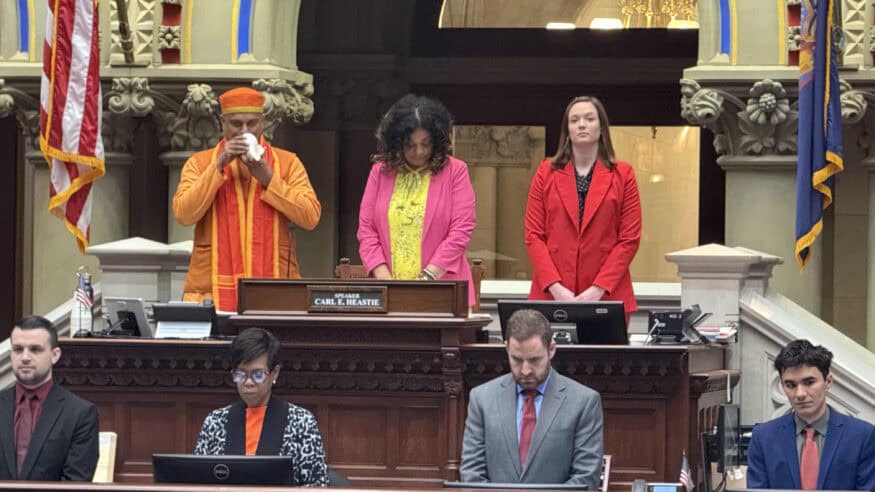
Yogi Dileep’s path from Kerala community classes to international advocacy is most useful as a study in how cultural influence grows: through practice, trust, institutions and accurate attribution.
His story also clarifies what the world receives when yoga travels responsibly – not merely postures, but an Indian civilizational discipline joining ethics, breath, attention, wellbeing and service.
Key takeaways
- Yogi Dileep’s contribution belongs within a coalition of teachers, advocates, diplomats and public institutions.
- International Yoga Day gave India’s yogic heritage a voluntary global platform rather than imposing a religious commitment.
- Classical yoga integrates ethical conduct, physical discipline, breath regulation, concentration and meditation.
- Health benefits should be discussed with attention to programme design, evidence quality, individual needs and safety.
Why patient teaching matters more than personal prominence
The source article, drawing on a June 2026 Indica Today interview, traces Dileep Kumar Thangappan’s development through family practice, several teachers, small classes in Tripunithura and later teaching in New York. It presents his childhood in a household with a Hindu mother and Christian father as an early education in living with difference without erasing conviction.
His role in yoga’s international rise is therefore best described as civil-society advocacy and relationship-building, not sole authorship. The distinction strengthens rather than diminishes his achievement. Cultural movements become durable when teachers create trust locally, networks carry an idea further and institutions give it a repeatable public form. Personal spiritual and medical recollections in his biography remain meaningful testimony, but they should not be mistaken for independently established clinical evidence.
What the United Nations milestone actually represents
According to the source’s chronology, Prime Minister Narendra Modi called for an International Yoga Day during his September 27, 2014 address to the UN General Assembly. India sponsored the draft that became Resolution 69/131, adopted without a vote on December 11, 2014. It designated June 21 for the observance, and the first International Day of Yoga followed in 2015.
This was both a diplomatic achievement and an affirmation of India’s cultural agency. Yoga could cross borders because participation was experiential and voluntary: people could breathe, move and observe attention without being compelled to accept a creed. Yogi Dileep’s reported advocacy illustrates the indispensable layer beneath formal diplomacy – the patient work of practitioners who make a civilizational inheritance understandable to new audiences.

Yoga’s full system demands evidence, restraint and care
Reducing yoga to asana obscures its architecture. Patanjali’s eight-limbed formulation places posture beside yama and niyama, pranayama, pratyahara, dharana, dhyana and samadhi. Ethical restraint and self-discipline shape conduct; posture develops stable embodiment; breath practices influence arousal and awareness; concentration and meditation train attention. A difficult pose performed with vanity or disregard for others may display athletic skill, but it does not by itself demonstrate yogic maturity.
The research summarized by the source supports similarly measured language. Yoga programmes may help with wellbeing, balance, stress, sleep, some pain conditions and some mental-health symptoms, but interventions and evidence quality vary. Forceful breathing, long breath retention and extreme inversions are not beginner practices. Older adults and people with relevant health conditions may need professional guidance and modifications. For the reported 2026 theme, ‘Yoga for Healthy Ageing,’ practical adaptation means comfortable breathing, stable support, manageable movement and participation that preserves dignity and social connection.
How universal yoga can remain rooted in Dharma
Global access need not require cultural amnesia. As reported in the source, UNESCO inscribed yoga on its representative intangible-heritage list in 2016, recognizing a tradition that includes postures, meditation, controlled breathing, chanting, self-realization and Guru-Shishya transmission. Naming these Indian and Hindu foundations protects yoga from becoming a marketable shell detached from its ethical and spiritual purpose.
At the same time, Sanatana Dharma and Vasudhaiva Kutumbakam provide a generous framework for sharing without coercion. Hindu, Buddhist, Jain and Sikh traditions remain distinct, yet they meet around disciplines such as self-restraint, contemplation, compassion, ahimsa and seva. Honest unity does not collapse their scriptures or philosophies into one system; it recognizes a Dharmic family of conversations in which difference can deepen mutual respect.
Yoga’s next chapter will be strongest when Indian provenance, careful teaching, scientific humility and community service advance together. That is the enduring value of Yogi Dileep’s journey: it shows how quiet practice can become confident cultural diplomacy without surrendering either roots or hospitality.
