

The reported Hindu Rashtra-Jagruti Abhiyan in Jharkhand brought together public lectures, smaller meetings, spiritual guidance and discussions with community figures in Ranchi, Dhanbad and Katras. Examined as a whole, the campaign presents a local model of cultural advocacy that connects public messaging with youth formation and community participation.
The available evidence, however, comes from one published account. It establishes the organiser, locations and broad forms of outreach, but does not independently verify the campaign’s reach or long-term effects. The most useful reading therefore separates what was reported from what would still need to be measured.
What the available account establishes
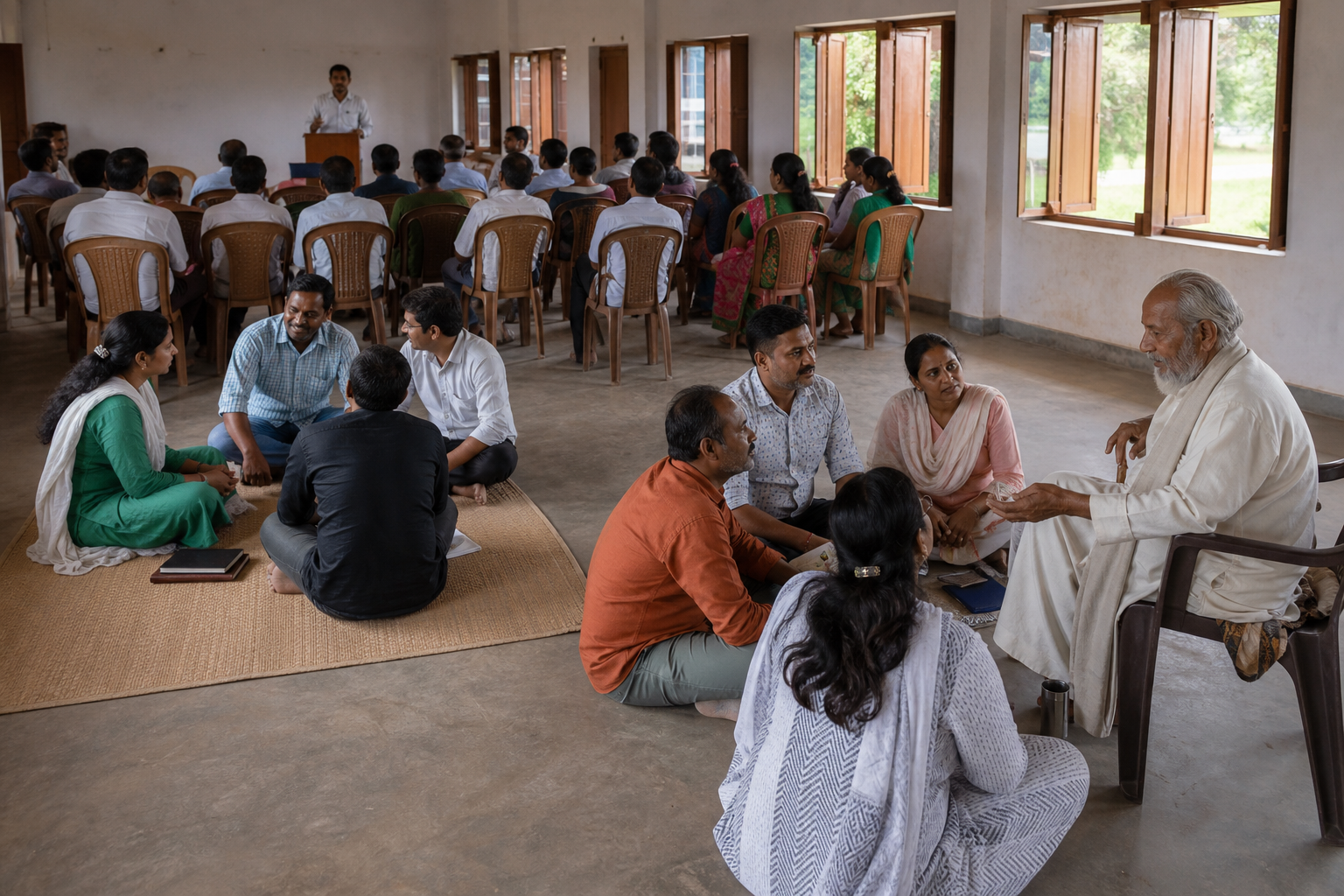
The source article identifies the Hindu Janajagruti Samiti as the organiser and describes activity across three Jharkhand locations: Ranchi, Dhanbad and Katras. It reports lectures, meetings, spiritual guidance sessions and engagement with community leaders, with youth awareness and Hindu unity among the recurring themes.
This combination matters because each format performs a different function. A public lecture can introduce a shared framework; a smaller meeting can accommodate questions; spiritual guidance can connect civic concerns with personal conduct; and local leadership can carry discussion beyond the event itself. This is an analytical interpretation of the reported programme design, not evidence that every intended result was achieved.
The account supplies no detailed attendance figures, complete speeches, formal resolutions or follow-up data. It consequently supports describing the Abhiyan as a regional awareness and mobilisation effort, but not making quantitative claims about its influence.
Key takeaways
- The source reports a multi-format campaign spanning Ranchi, Dhanbad and Katras rather than a single public gathering.
- Youth guidance, Hindu unity and community engagement appear as connected parts of the programme.
- The article presents spiritual formation as a way to encourage disciplined and socially responsible action.
- Sensitive social concerns require evidence, legal awareness, counselling and due process rather than collective suspicion.
- The report does not provide the data needed to assess participation, follow-through or durable outcomes.
Why the three-city design is significant

The source characterises Ranchi through its administrative and educational importance, Dhanbad through its industrial and working-class setting, and Katras through its relationship with the coal belt and local family, youth and trading networks. These descriptions suggest an effort to reach audiences shaped by different institutions and everyday pressures.
That distinction is more important than geography alone. Capital-city outreach can engage educational and civic networks, while activity in industrial and coal-belt communities can bring cultural questions into settings influenced by work, migration and neighbourhood relationships. The report does not document different messages for each location, so any claim that the programme was formally customised would go beyond the evidence. What can reasonably be inferred is that moving among the three places widened the campaign’s social field.
Local leaders are especially relevant in such a model. Public events are temporary, whereas trusted community networks can support continued discussion, mentoring and lawful assistance. Their presence may create the conditions for continuity, although the source does not identify specific follow-up arrangements or assigned responsibilities.
Youth guidance as a bridge between identity and conduct
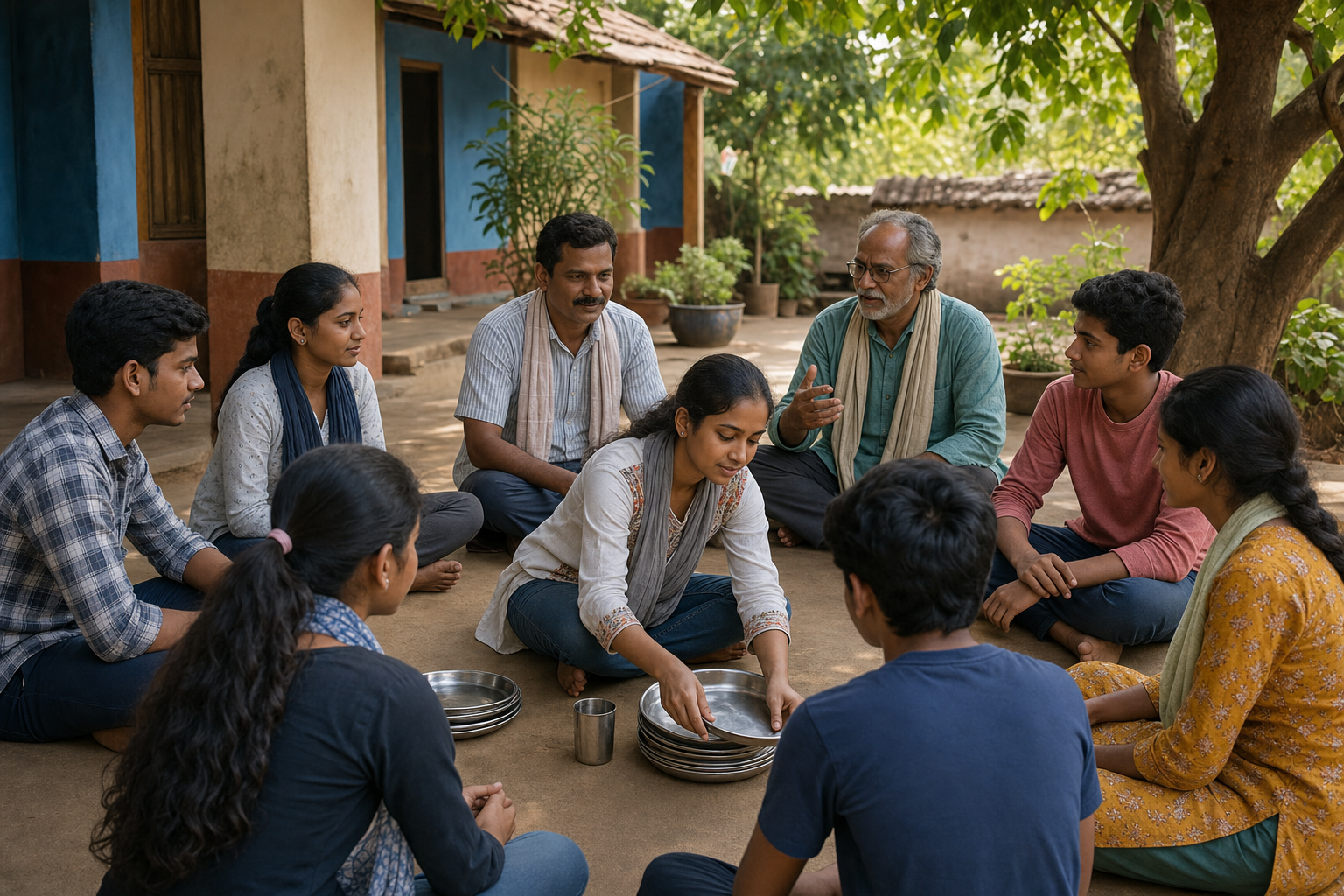
The article gives particular attention to guidance by Sadguru Nilesh Singbal and places young people at the centre of the Abhiyan’s concerns. It frames youth as navigating cultural identity alongside modern aspirations, family expectations, peer influence and social media. Within that framing, instruction grounded in Hindu Dharma and Sanatan Dharma is presented as a means of cultivating self-discipline, ethical clarity, cultural confidence and responsibility toward society.
The practical test is whether identity-based instruction becomes constructive capacity. Cultural literacy can help young participants understand inherited traditions, but responsible engagement also requires the ability to examine claims, distinguish evidence from rumour and respond without impulsiveness. Study, service, restraint and informed participation therefore offer more durable measures of youth development than enthusiasm at a meeting.
Spiritual guidance can contribute to this process when it turns anxiety into disciplined action. In public debates that easily become polarised, an emphasis on truthfulness, self-control and compassion can connect cultural commitment with ethical limits. That relationship between conviction and conduct is central to whether mobilisation strengthens community life or merely intensifies grievance.
Unity must accommodate diversity and legal safeguards
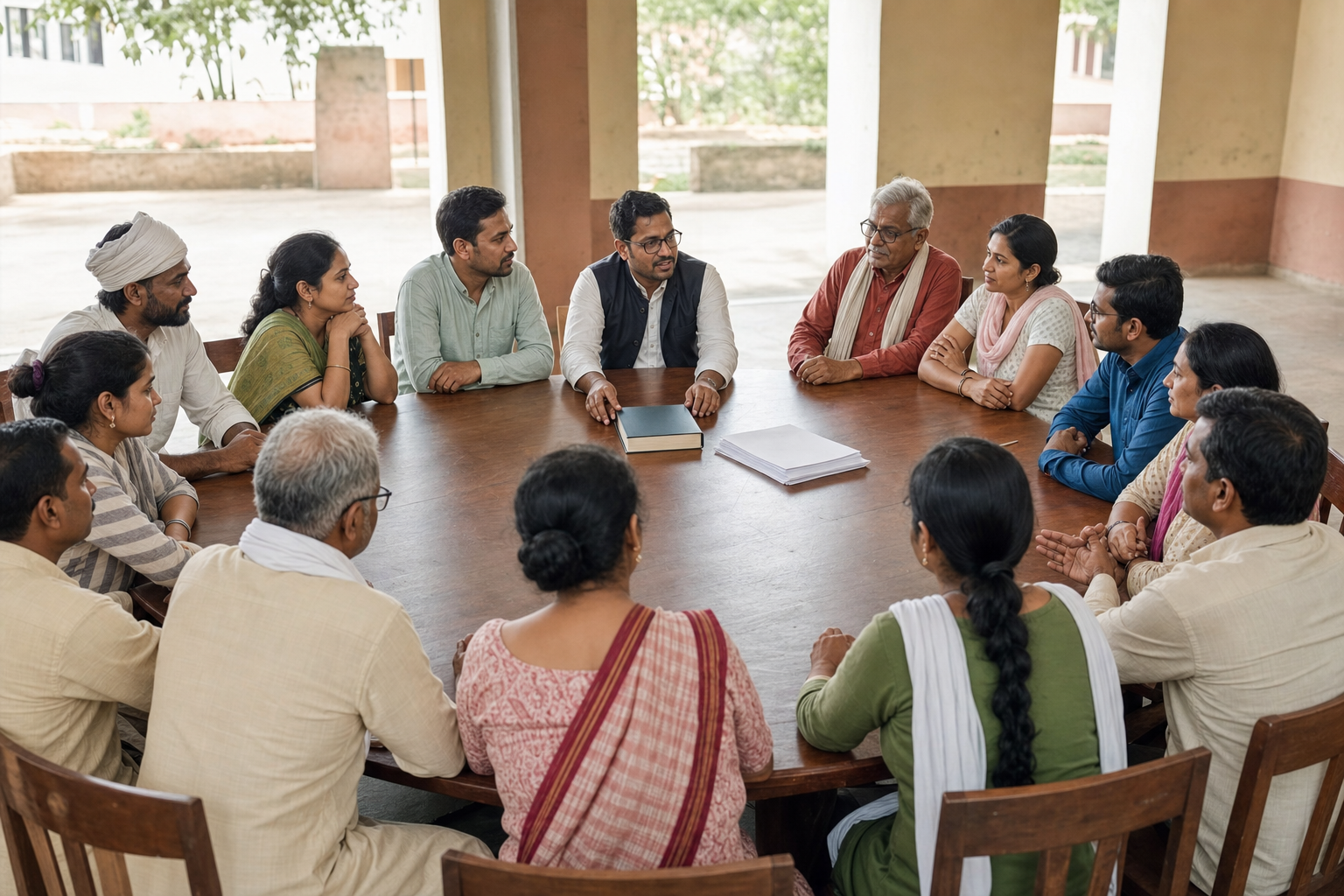
The source interprets Hindu unity as solidarity without uniformity. It points to Shaiva, Vaishnava, Shakta, Smarta, folk, tribal and regional traditions, while also invoking goodwill toward Buddhism, Jainism and Sikhism as members of a broader dharmic civilisational family. Under this interpretation, unity depends on mutual respect across distinct practices, languages, philosophies and social backgrounds rather than the elimination of difference.
This distinction becomes especially important when a campaign addresses contentious subjects. The article discusses the organisers’ use of the expression “love jihad” for alleged cases involving deceptive relationships or religious conversion, including concerns about consent, coercion, concealed identity or family distress. It does not provide documented cases from the Jharkhand programme, and the allegation should not be treated as a finding about any individual or community.
A responsible response to any specific complaint would require evidence, legal awareness, appropriate counselling and respect for due process. Protection of individuals cannot justify stereotyping an entire religious group, and community vigilance cannot substitute for lawful investigation. These safeguards are not peripheral to dharmic advocacy; they determine whether calls for protection remain compatible with truthfulness, restraint and social peace.
How the campaign’s value could be assessed
The report leaves the Abhiyan’s longer-term impact open. A credible assessment would need to look beyond the number of meetings and examine whether participants gained verifiable cultural knowledge, whether youth mentoring continued, whether community leaders established peaceful channels for assistance, and whether sensitive claims were handled with accuracy and legal discipline.
Other meaningful indicators would include participation across social and sectarian lines, constructive service arising from the programme, and the ability of organisers to correct misinformation. None of these outcomes is documented in the available source; they are evaluation criteria that follow from the campaign’s stated emphasis on awareness, unity and responsibility.
The Jharkhand initiative’s future significance will depend on that movement from episodic outreach to accountable local practice. If cultural confidence is joined to learning, service, lawful conduct and respect within Hindu diversity, the campaign can build a stronger foundation than mobilisation alone.