
-
Balarama’s Powerful Neutrality: The Hidden Dharma Behind Avoiding Kurukshetra
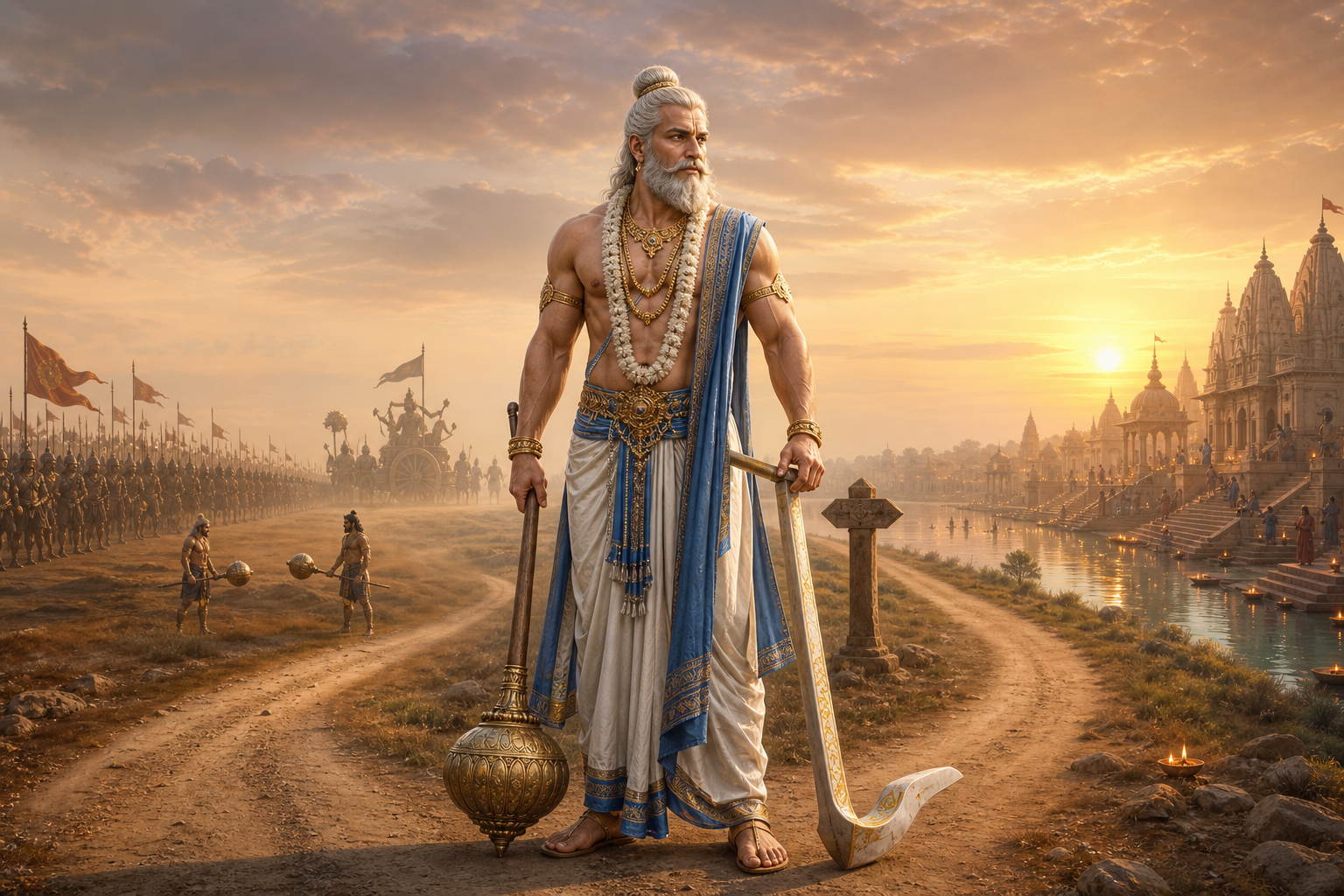
Balarama did not avoid the Mahabharata war out of weakness, confusion, or indifference. His neutrality arose from a difficult web of dharmic obligations: he loved the Pandavas, respected Krishna’s role, and also cherished Duryodhana and Bhima as students of mace warfare. By leaving for pilgrimage instead of joining either army, he preserved the integrity of…
-
Hanubhairav: Powerful Symbolism of Hanuman and Bhairava’s Fierce Sacred Unity
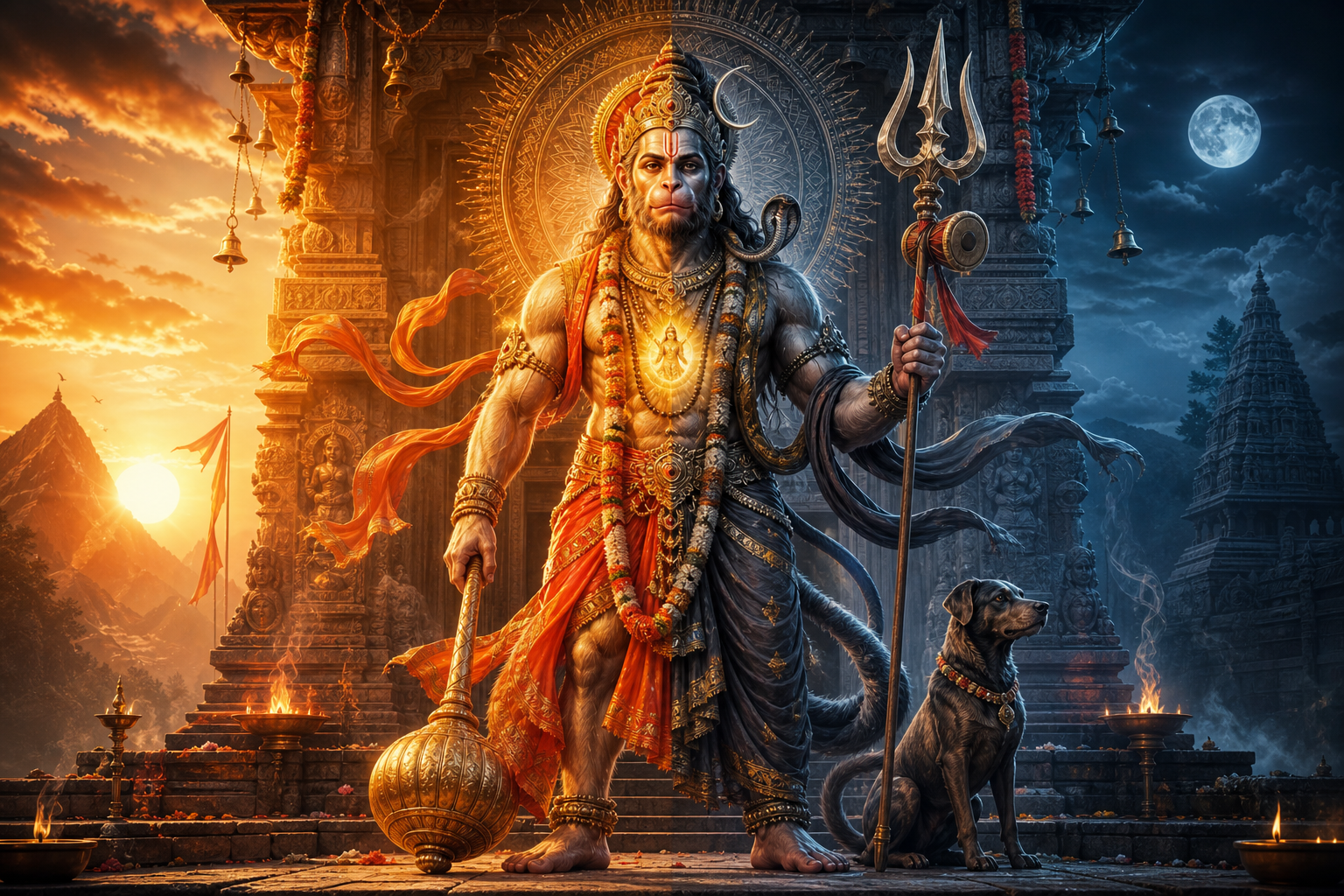
Hanubhairav represents the powerful symbolic union of Hanuman’s unwavering devotion and Bhairava’s fierce protective force. This long-form exploration explains the form as a devotional-tantric synthesis rather than a universally standardized Puranic avatara. It examines Hanuman’s bhakti, Bhairava’s Shaiva symbolism, and the deeper meaning of courage, discipline, ego-destruction, and sacred guardianship. The article also clarifies how…
-
Urvashi in Hindu Sculpture: Sacred Apsara Beauty, Symbolism, and Temple Art
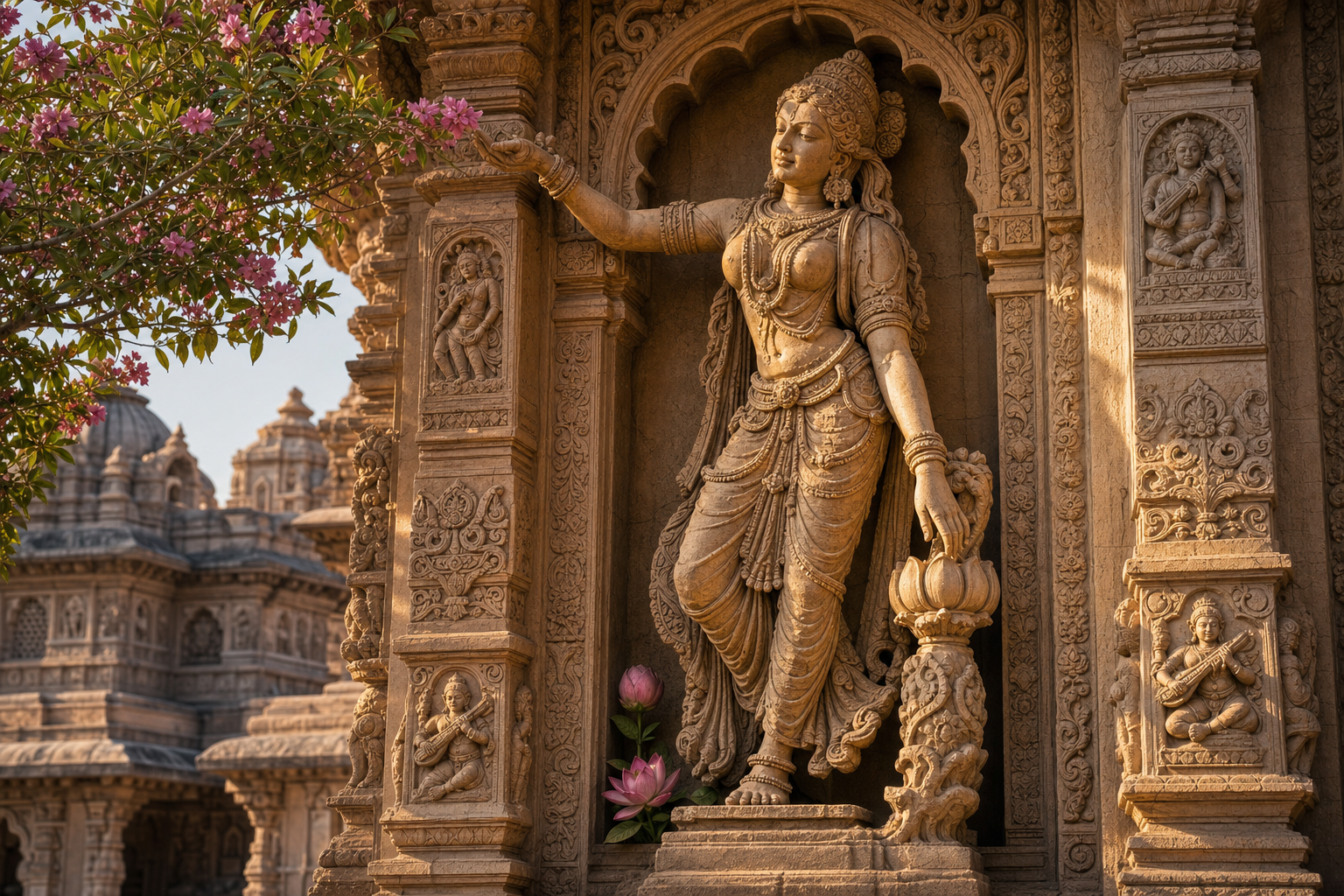
Urvashi in Hindu sculpture represents far more than celestial beauty; she embodies the meeting point of mythology, temple architecture, dance, rasa theory, and sacred feminine symbolism. This article explains how the Apsara tradition appears in Hindu temple art through surasundaris, devanganas, shalabhanjikas, dancers, musicians, and graceful figures carved into sacred architecture. It places Urvashi within…
-
Sakhada Bhagavati Temple: Powerful History and Sacred Symbolism of Nepal’s Headless Goddess
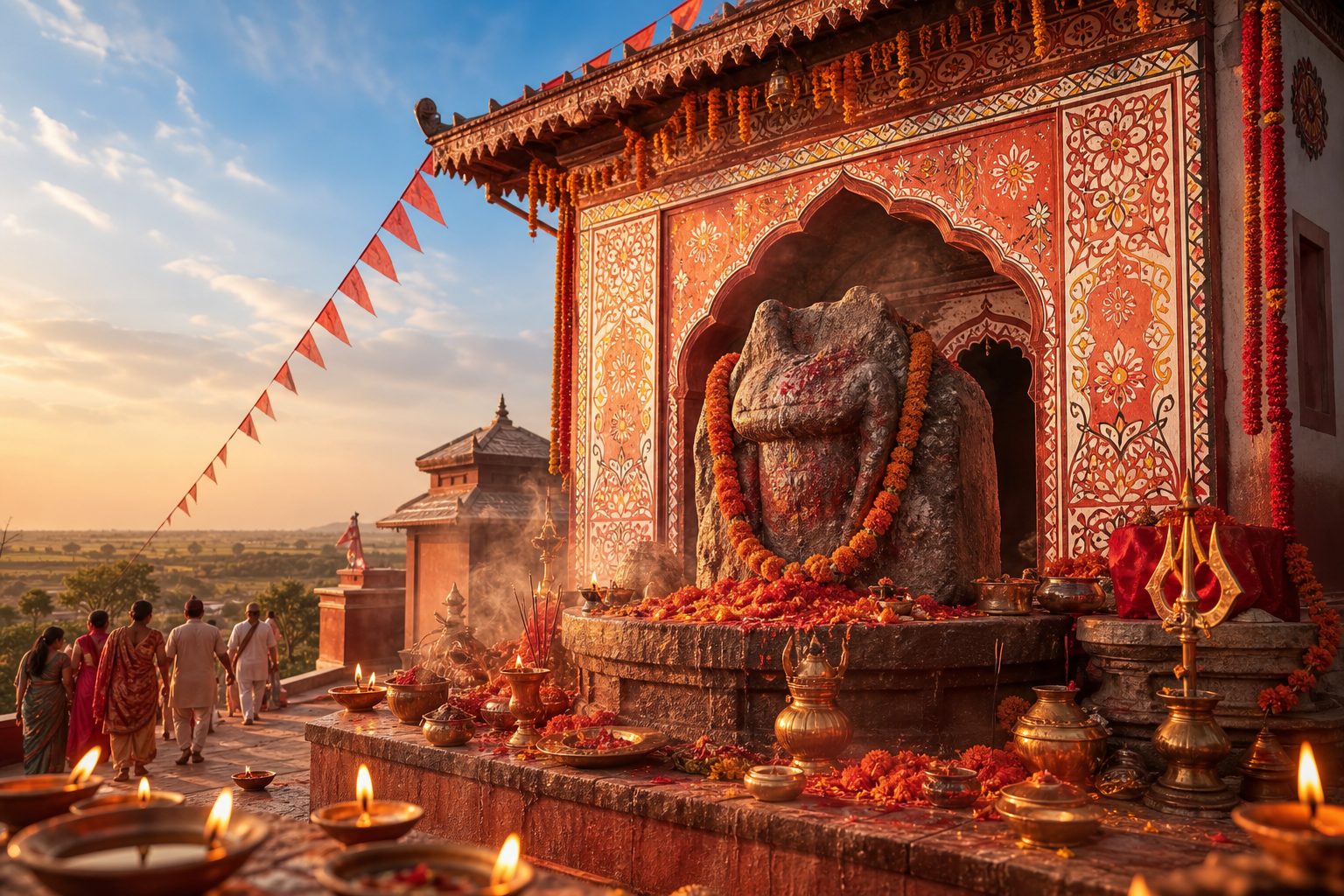
Sakhada Bhagavati Temple near Rajbiraj in Nepal’s Saptari district is one of the most compelling Shakti Peetha traditions of the Madhesh region. Associated with Chhinnamasta Bhagawati, the headless form of the Goddess, the temple transforms an image of rupture into a profound symbol of ego-transcendence, sacrifice, and cosmic power. Its history is linked with the…
-
Ashada Purnima: Powerful Spiritual Lessons for Sannyasis and Seekers
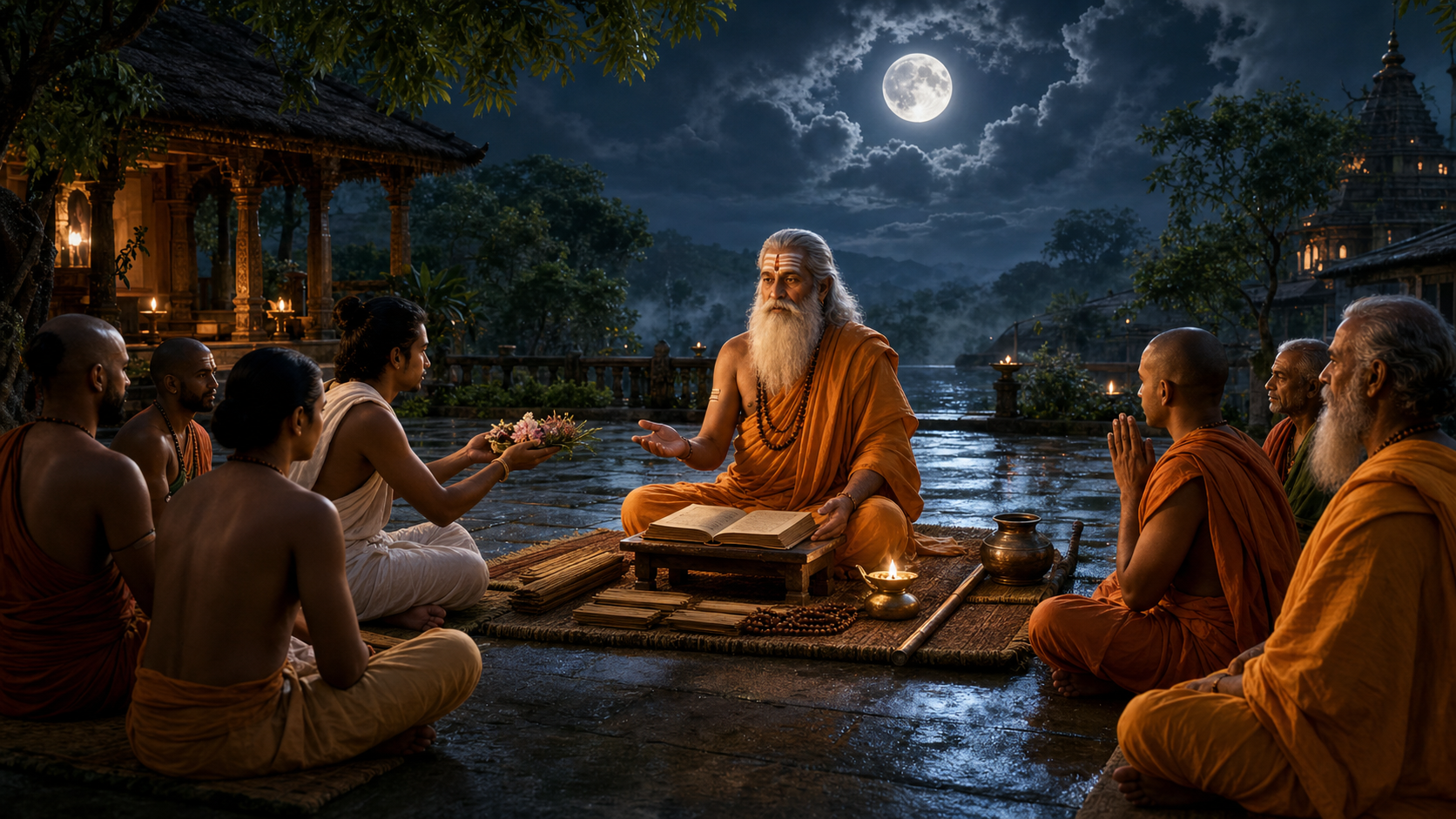
Ashada Purnima, also known as Guru Purnima or Vyasa Purnima, is one of the most meaningful observances for Hindu sannyasis and yatis. It marks a sacred moment of gratitude to the guru, reverence for Maharishi Veda Vyasa, and the beginning of Chaturmasya in many monastic traditions. The day highlights the importance of parampara, scriptural study,…
-
Five Faces of Shiva and the Agamas: A Powerful Map of Liberation
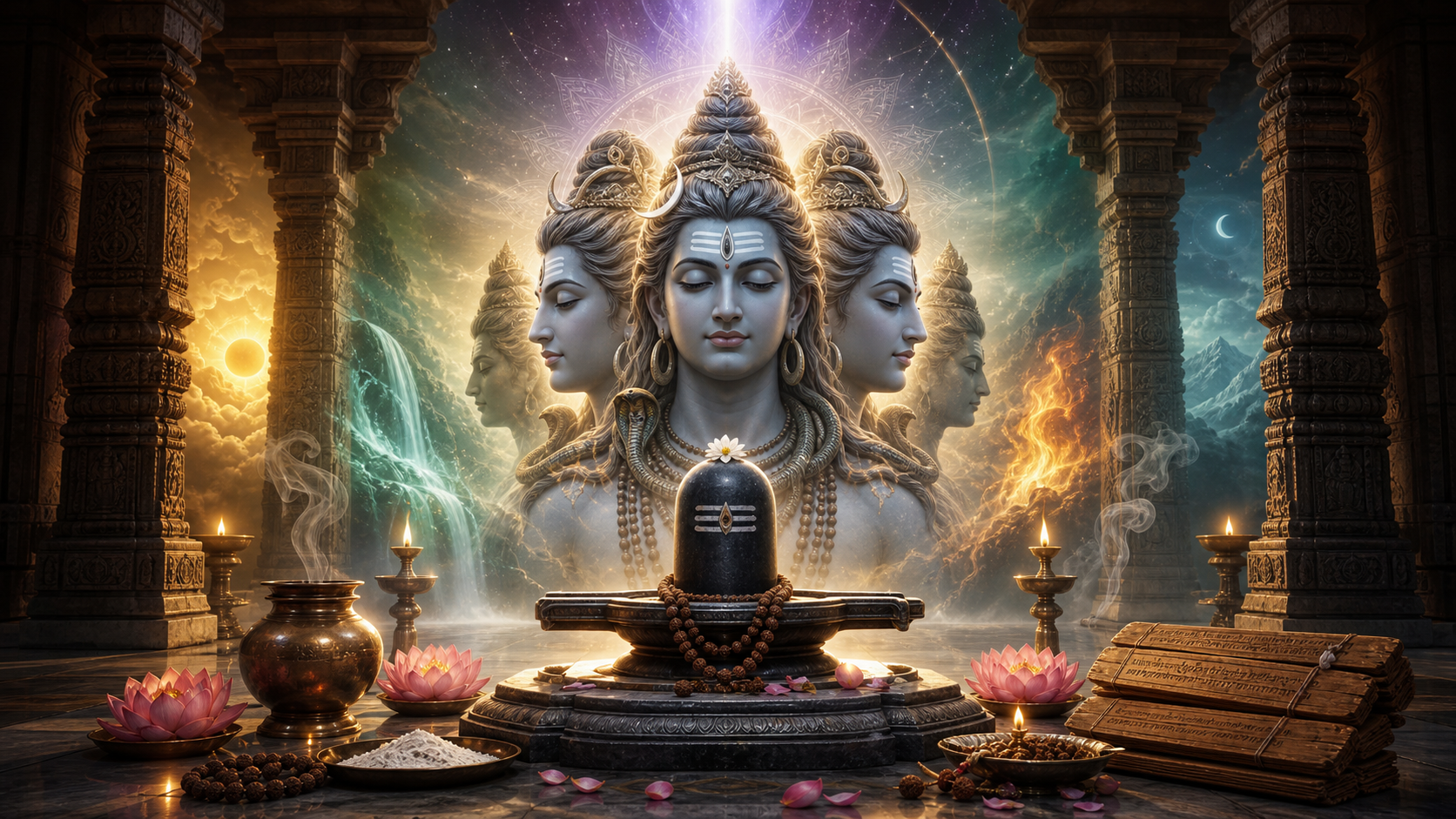
The five faces of Shiva, known as Sadyojata, Vamadeva, Aghora, Tatpurusha, and Ishana, form a profound Shaiva map of creation, preservation, transformation, inward discipline, and liberating grace. The Agamas explain these principles through temple worship, mantra, yoga, ritual practice, and philosophical insight. This article presents the Agamas as living Hindu scriptures that integrate body, speech,…
-
Avidya and Non-Resistance: A Powerful Hindu Path to Inner Freedom and Dharma

This article explores the Hindu understanding of avidya as the ignorance that turns life into resistance. It explains how the bondage of “mine” creates anxiety, possessiveness, and inner conflict by mistaking temporary roles and possessions for the Self. Drawing on Hindu philosophy, the Bhagavad Gita, Yoga, Vedanta, and the dharmic value of aparigraha, it presents…
-
Draupadi Amman’s Sacred Power: Iconography, Fire Rituals, and Living Shakti
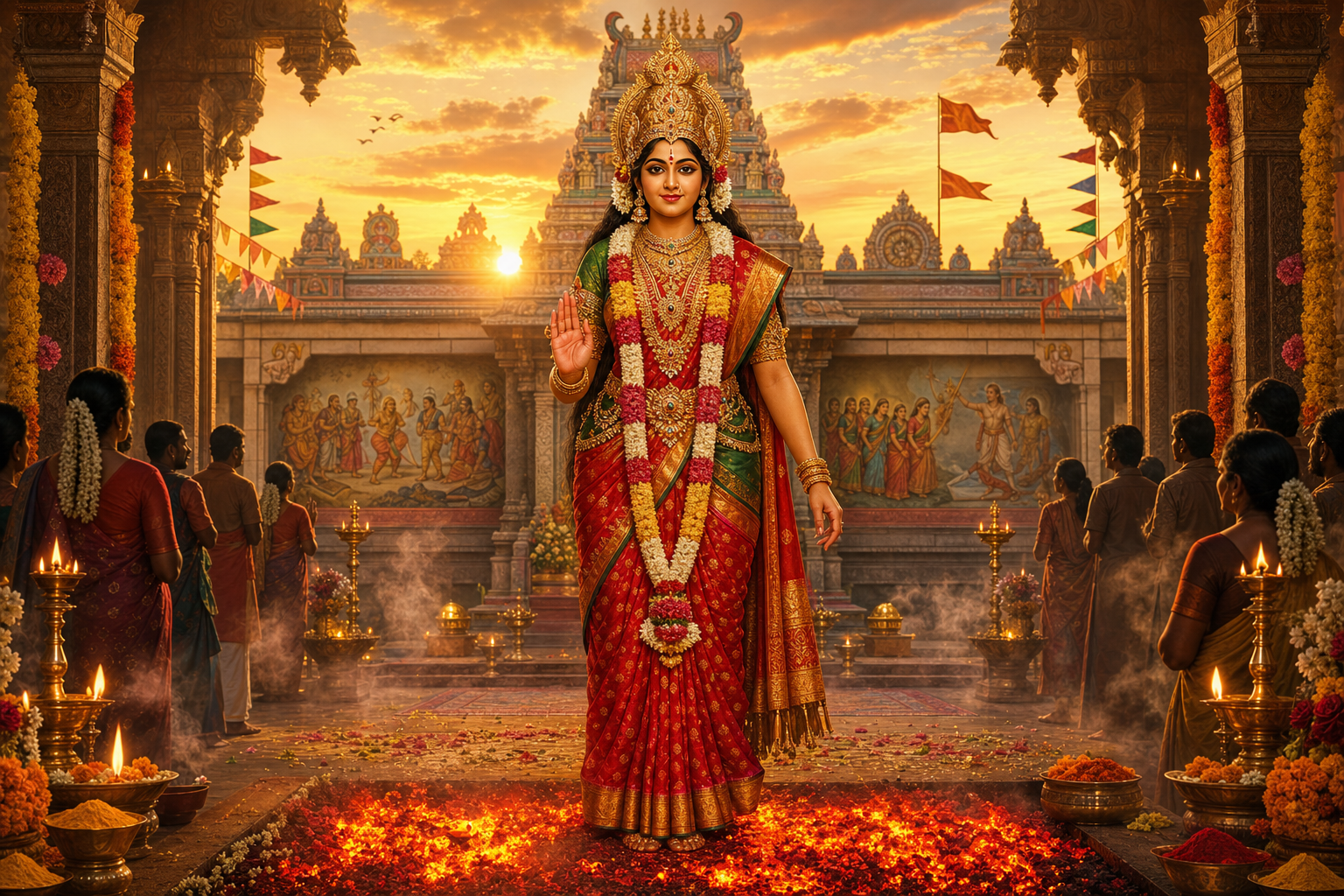
Draupadi Amman is revered in Tamil Hindu tradition as both the fire-born heroine of the Mahabharata and a living mother-goddess of protection, justice, and Shakti. Her iconography brings together royal dignity, feminine strength, sacred fire, devotion, and the moral memory of the epic. This article explains how her image, ornaments, colors, rituals, and temple festivals…
-
July 13, 2026 Panchang: Powerful Krishna Chaturdashi Guide Before Amavasya
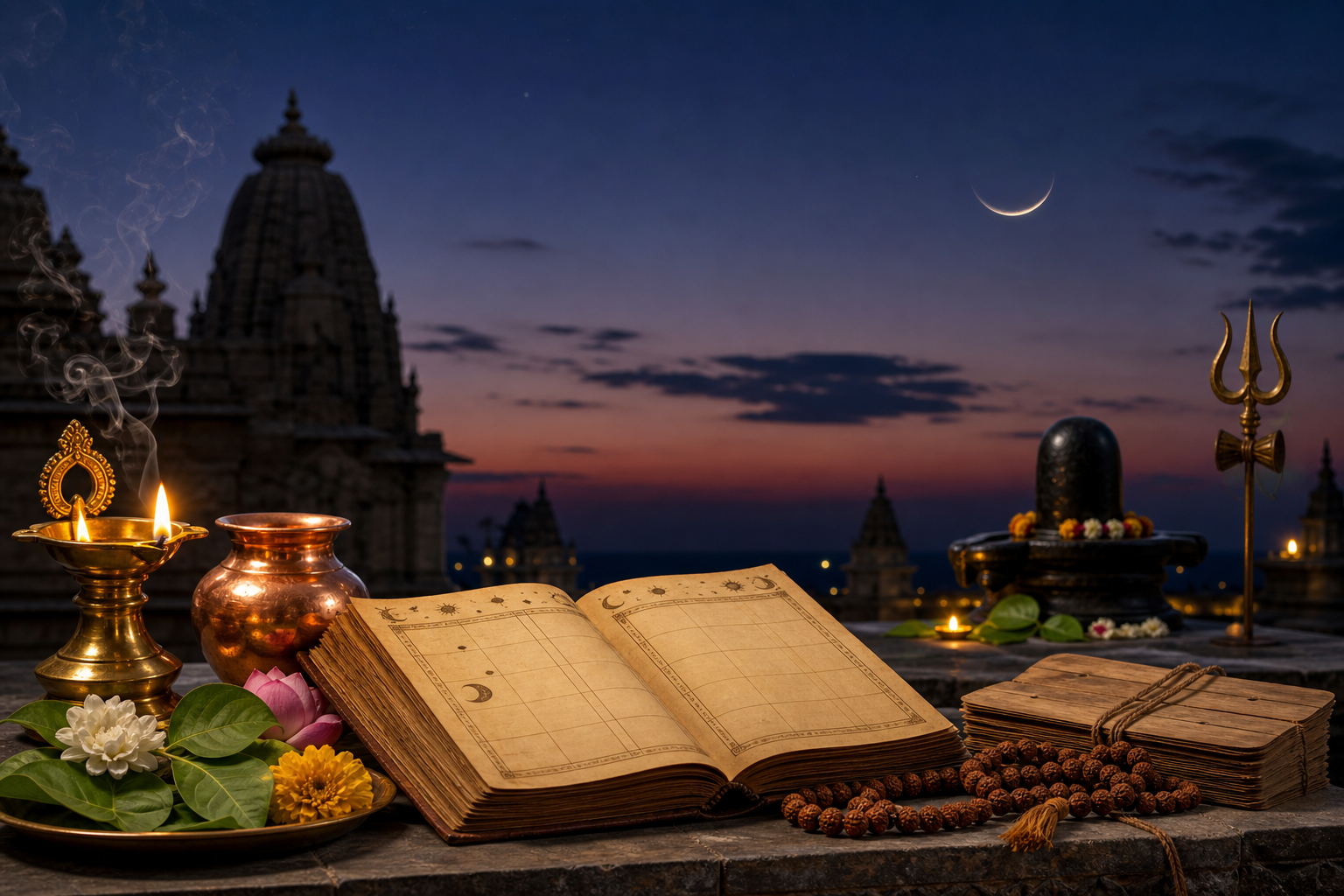
July 13, 2026 falls mainly under Krishna Paksha Chaturdashi, the fourteenth tithi of the waning lunar phase, until 6:01 PM. After that, Amavasya tithi begins and continues until 3:37 PM on July 14 in the referenced Panchang tradition. This makes the day a meaningful transition from completion and purification into the stillness of the no-moon…
-
Kapalamalini Explained: Fierce Skull-Garlanded Goddess of Shakti and Primal Wisdom
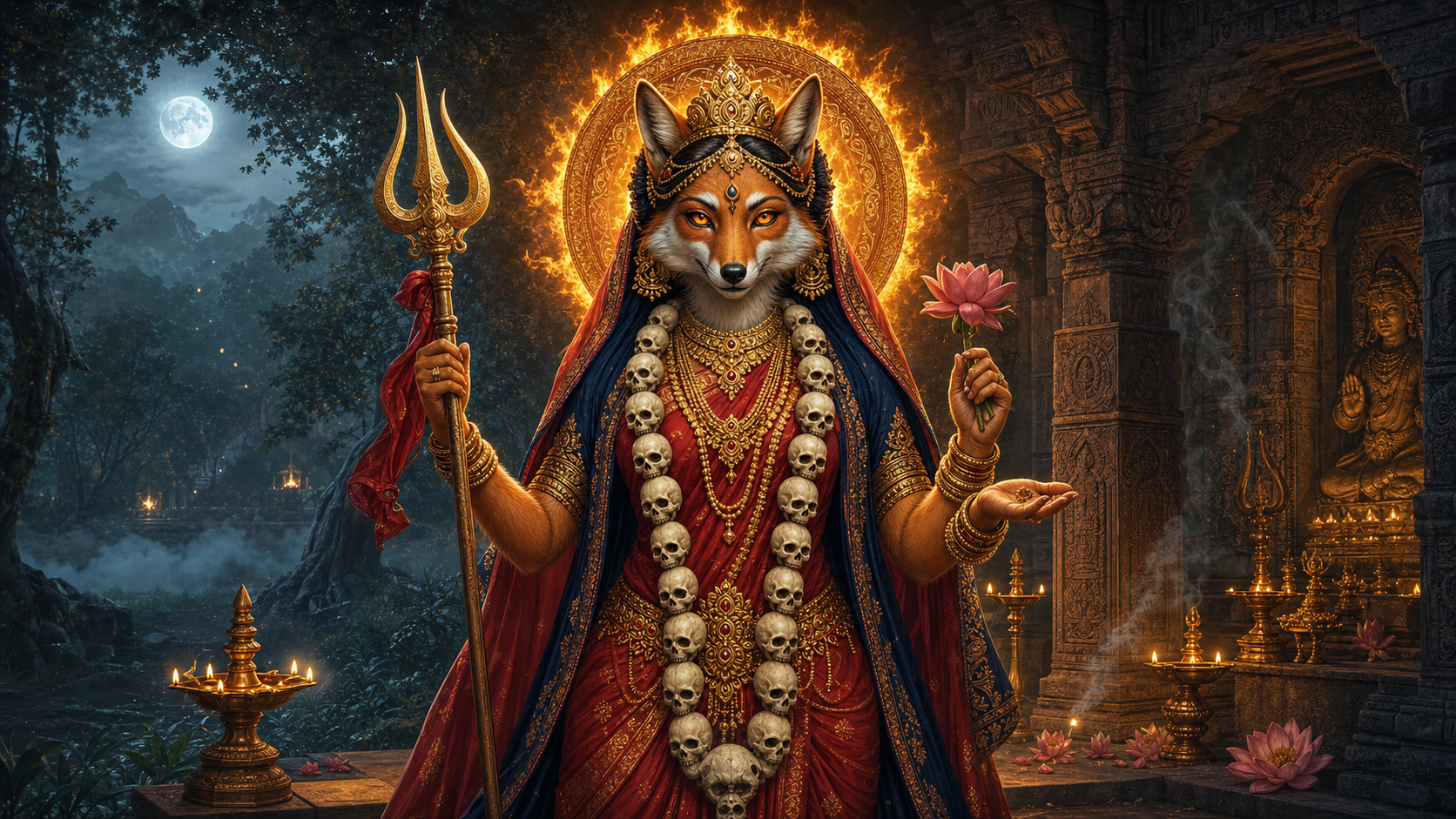
Kapalamalini is a fierce and esoteric form of the Hindu Goddess associated with skull symbolism, primal Shakti, wilderness power, and transformative wisdom. Her name means “the skull-garlanded one,” linking her to the deeper Shaiva and Shakta language of mortality, ego-transcendence, and liberation. The fox-faced aspect of her iconography suggests instinct, alert intelligence, liminality, and the…
-
Why Arjuna’s Choice of Krishna Reveals the Hidden Power of Discernment
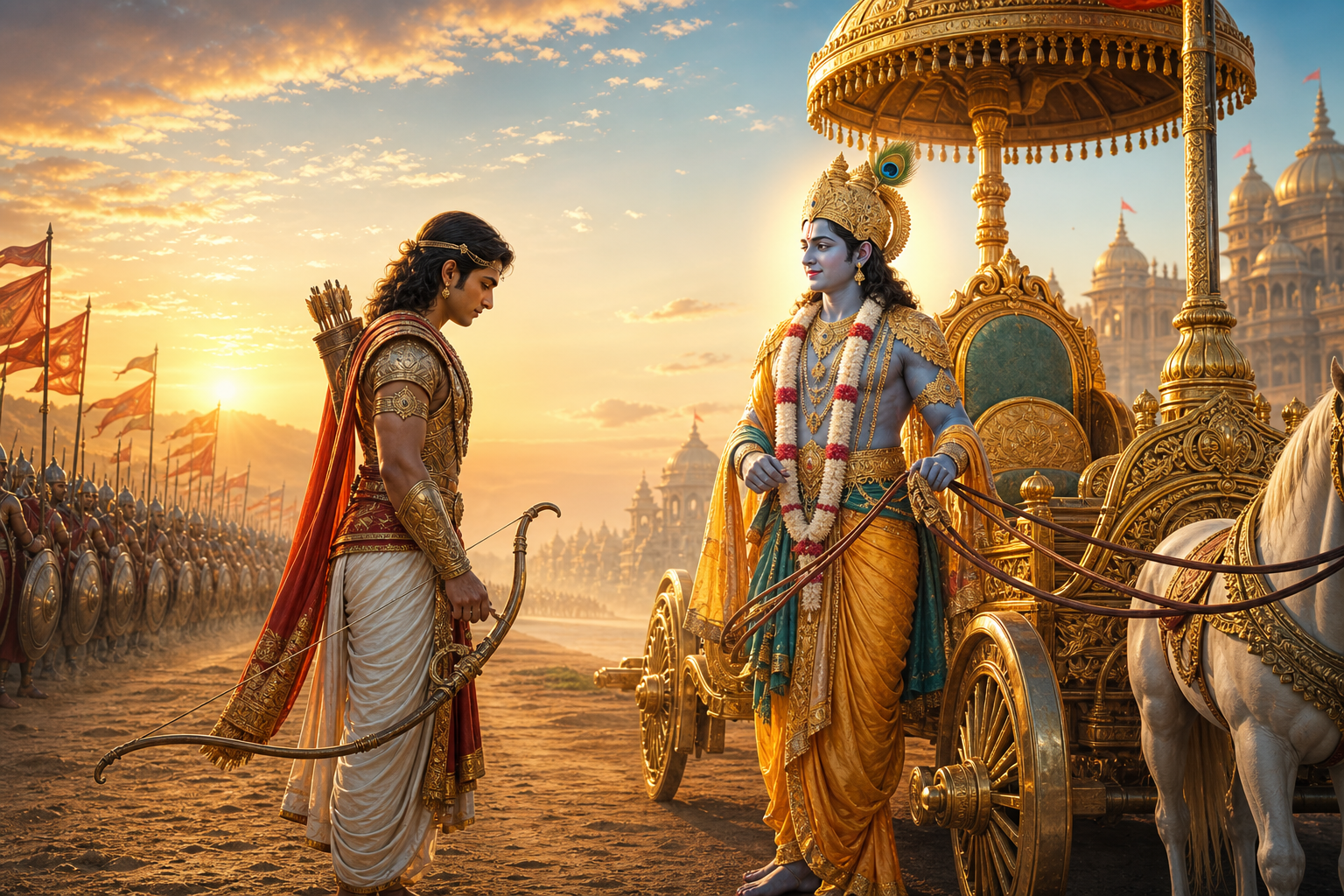
Arjuna’s choice of Krishna over the Narayani Sena in the Mahabharata is one of the epic’s clearest lessons in discernment. The episode shows that visible power, military strength, and numerical advantage are not always superior to wisdom, ethical guidance, and spiritual clarity. Duryodhana chose the army because he valued force, while Arjuna chose Krishna because…
-
Thottampattu: Kerala’s Powerful Bhagavathi Hymns of Bhadrakali Devotion
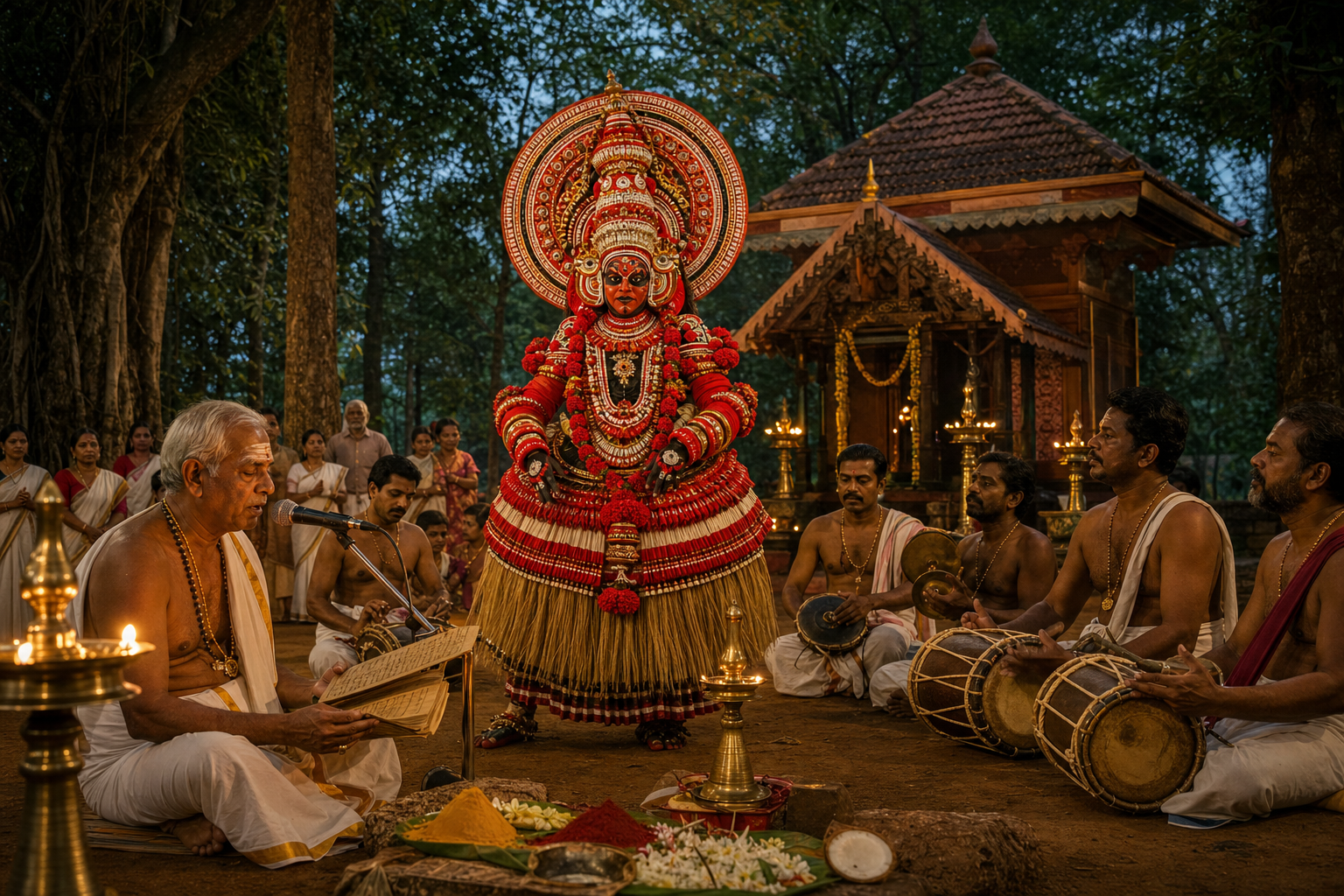
Thottampattu is one of Kerala’s most evocative ritual hymn traditions, especially associated with Bhagavathi and Bhadrakali worship. It functions as praise, invocation, oral history, and theological memory within temple and kavu settings. The tradition is closely connected with Theyyam in North Malabar and has meaningful parallels with Mudiyettu and Kaliyoottu. This article explains how Thottampattu…
-
Kundika in Hindu Sculpture: Sacred Water, Divine Grace, and Temple Iconography
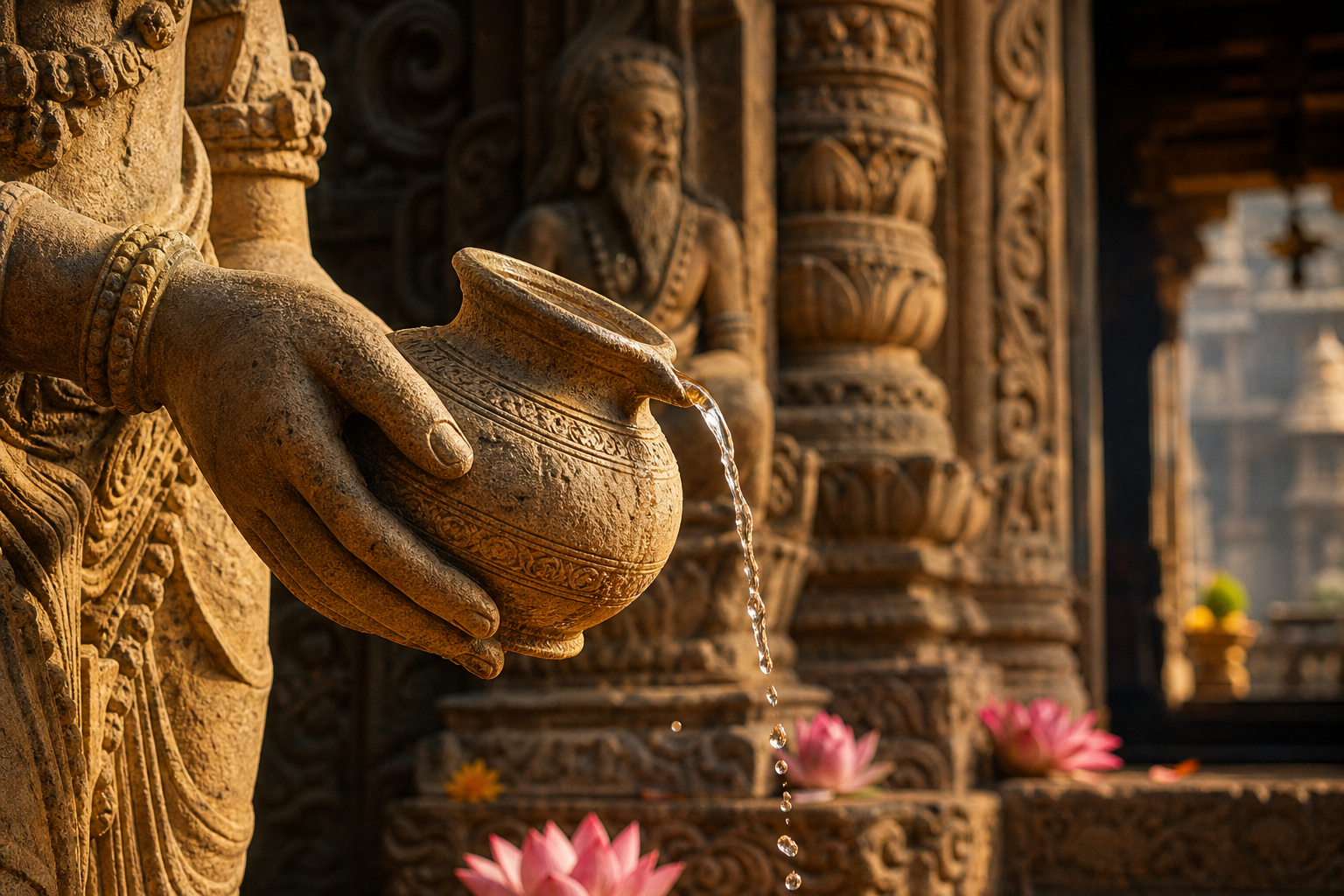
The kundika is a sacred ritual water vessel in Hindu sculpture, often confused with the kamandalu but carrying its own distinct iconographic and ritual meaning. This article explains how the kundika represents purity, consecration, sacred hospitality, and divine grace in Hindu temple art. It examines the vessel’s connection with abhishekam, tirtha, river goddesses, sages, Brahma,…
-
Mata Sita’s Mother Revealed: Sacred Earth, Sunayana, and the Ramayana Mystery
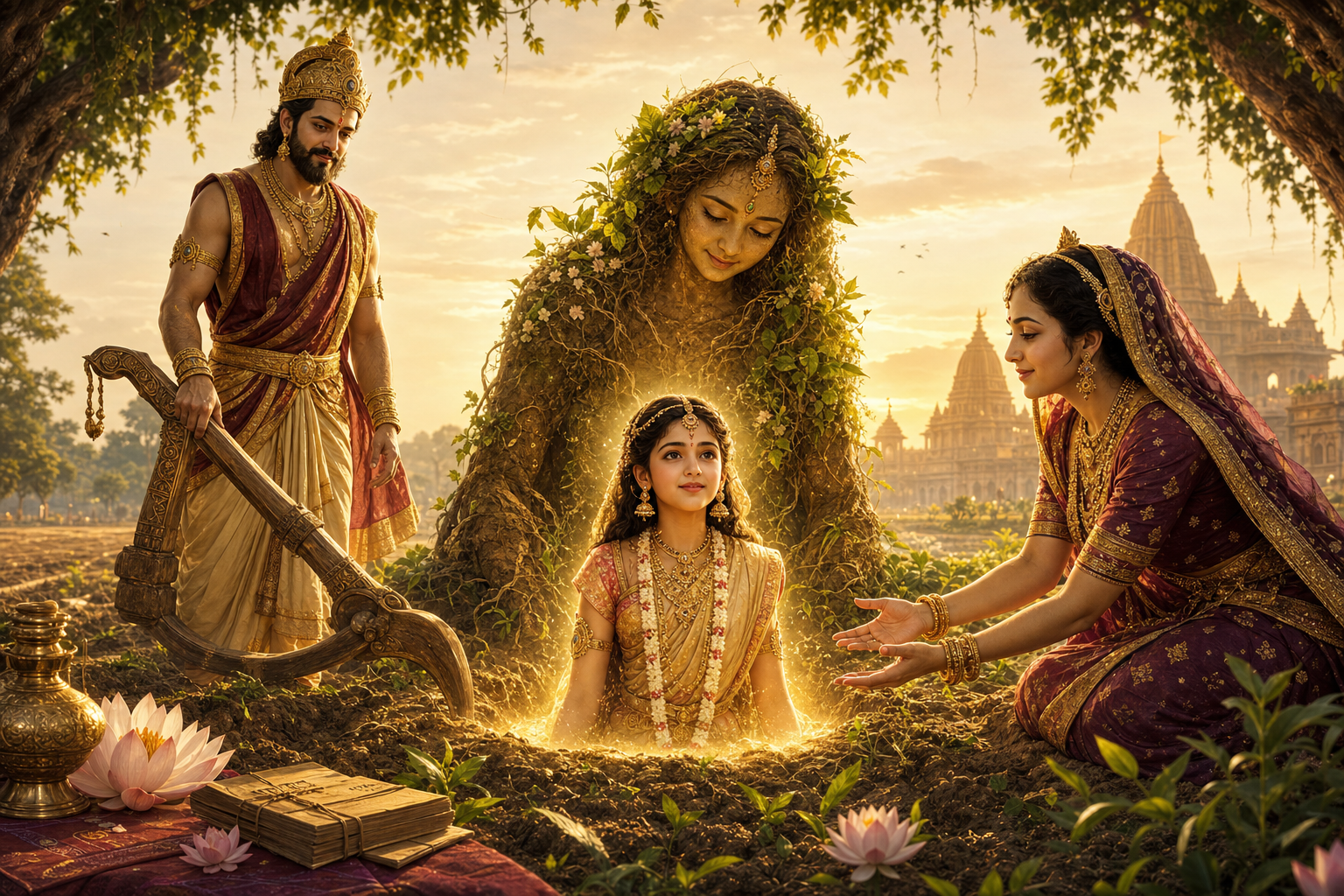
Mata Sita’s mother is best understood through the layered wisdom of the Ramayana tradition. In the Valmiki Ramayana, Sita is discovered by King Janaka in a furrow of the earth, making Bhumi Devi her sacred and cosmic mother. Later devotional and regional Ramayanas remember Queen Sunayana or Sunaina as her nurturing human mother. This article…
-
Varahi as Divine Mother: A Powerful Scholarly Guide Beyond the Consort Myth
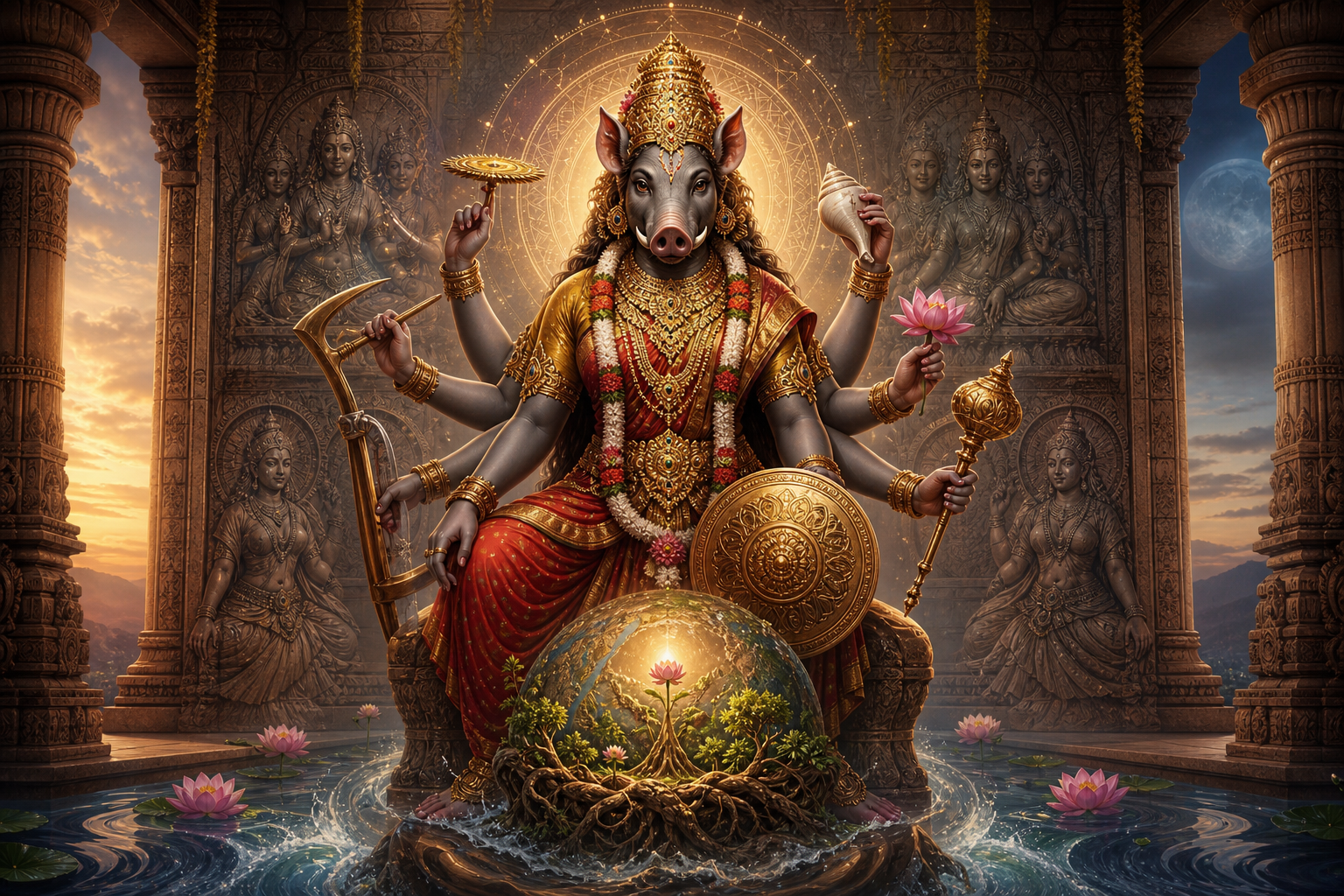
Varahi is often misunderstood as merely the consort or female counterpart of Varaha, but a deeper study of Hindu Goddess traditions reveals her as a sovereign Matrika and powerful form of Devi Shakti. Her boar-faced iconography represents protection, earth-restoration, courage, and the ability to confront hidden forces of disorder. This article explains why Varahi should…
-
Sacred Wilderness in Hinduism: Powerful Lessons from Forests, Beasts, and Dharma
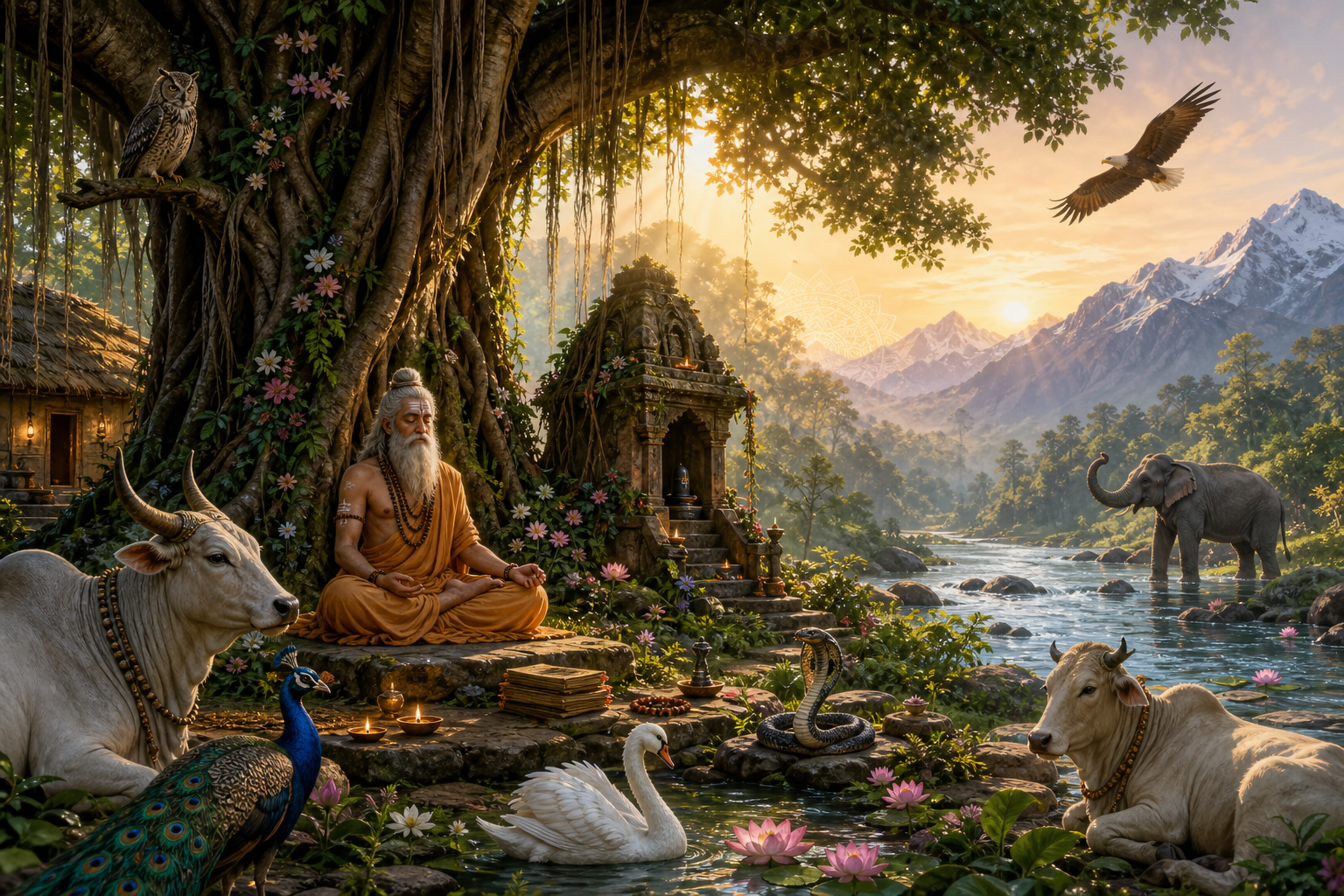
Hinduism presents the wilderness not as a realm of dread, but as a sacred field of discipline, revelation, and dharma. Forests in Hindu scriptures become places where kings, sages, and seekers encounter humility, tapas, and moral testing. Animals are not reduced to symbols of evil; they appear as vahanas, avatars, teachers, guardians, and embodiments of…
-
When Truth Clears the Crowd: Hindu Wisdom on Honest and Lasting Bonds
Honesty in Hindu philosophy is more than social politeness; it is the discipline of aligning speech, conduct, and conscience with satya. This article explains how truthful living often filters relationships, causing shallow or transactional associations to fade while genuine companionship remains. Drawing from Hindu teachings, the Bhagavad Gita, the Upanishads, and the broader dharmic traditions…
-
July 12, 2026 Panchang: Powerful Krishna Trayodashi Timing, Meaning, and Ritual Focus
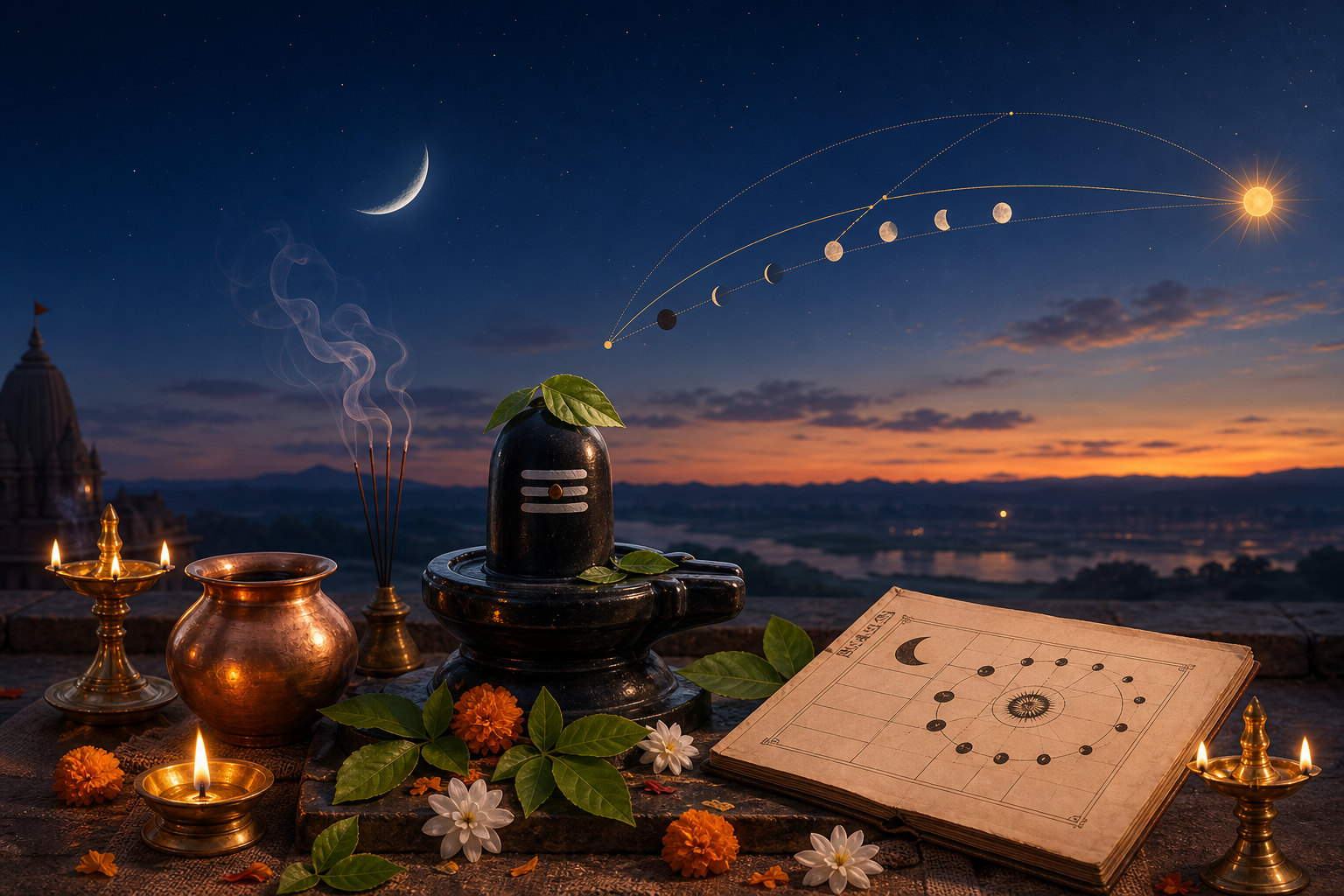
Sunday, July 12, 2026, is observed as Krishna Paksha Trayodashi tithi in the Hindu calendar for most regions until 8:30 PM. After that, Krishna Paksha Chaturdashi begins, marking an important evening transition in the waning lunar cycle. This guide explains the technical meaning of tithi, why panchang timings vary by region, and how Trayodashi is…
-
Urmila Nidra in Ranganatha Ramayanamu: The Powerful Hidden Sacrifice of Dharma

Urmila’s story in the Telugu Ranganatha Ramayanamu reveals one of the most moving and often overlooked sacrifices in the Ramayana tradition. While Rama, Sita, Lakshmana, Bharata, and Hanuman are remembered for visible acts of dharma, Urmila represents silent endurance and hidden service. The tradition of Urmila Nidra explains how she accepted fourteen years of sleep…
-
Arjuna’s Transformative Choice: How Krishna’s Presence Reshaped the Mahabharata War
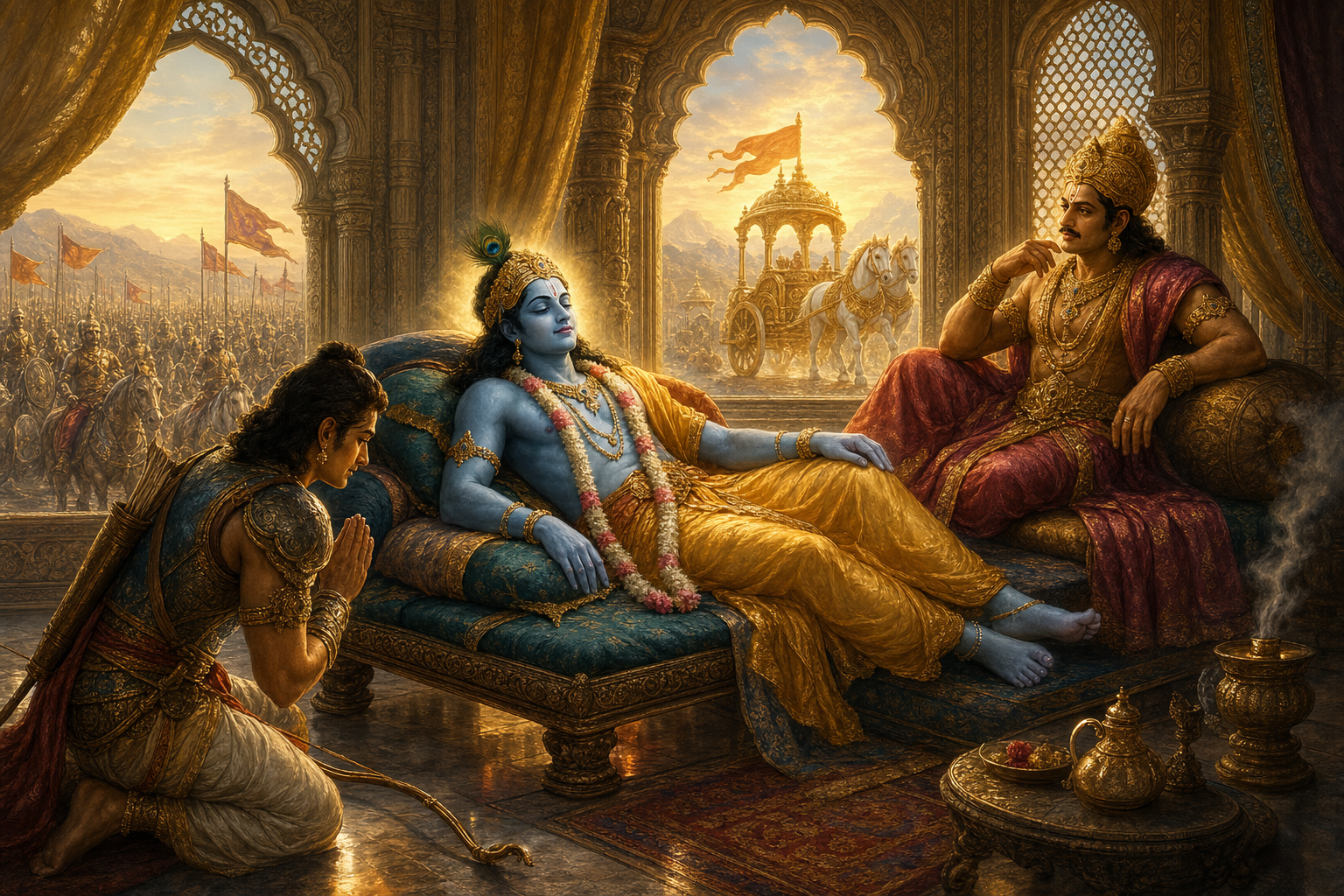
Arjuna’s choice of Krishna over the Narayani Sena stands as one of the most decisive moments in the Mahabharata. The episode from the Udyoga Parva reveals a profound contrast between Duryodhana’s reliance on visible military power and Arjuna’s trust in wisdom, humility, and dharma. Krishna’s unarmed presence becomes more important than an army because it…