
-
Luk Luk Dauji: Balarama’s Watchful Love and Krishna’s Sacred Braj Bond
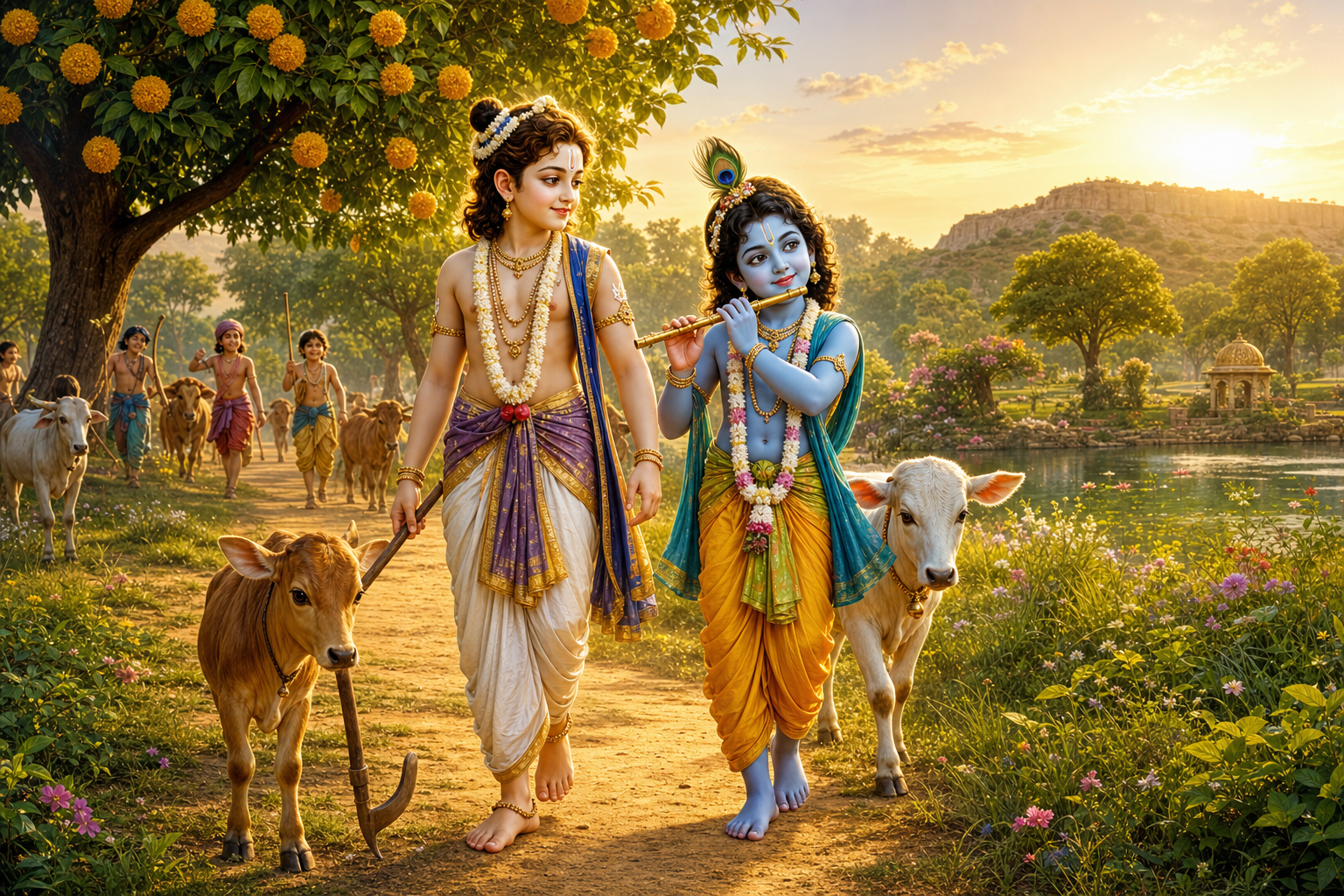
Luk Luk Dauji presents Balarama as the watchful elder brother whose loving gaze remains fixed on Krishna in the sacred landscape of Braj. This article explains the devotional, theological, cultural, and emotional meaning of Dauji’s attentive presence in Krishna Bhakti. It explores Balarama as protector, companion, source of strength, and model of loving service. The…
-
Vasuki as Dikpala: Powerful Naga Guardian of the Sacred Depths

Vasuki, the Naga king, holds a powerful place in Hindu sacred tradition as a guardian associated with the downward direction and the hidden depths of existence. This expanded study explains the Dikpala system, the symbolism of adho-dik, and Vasuki’s role in Purāṇic cosmology. It explores his connection with the Samudra Manthan, Lord Shiva, Naga worship,…
-
Shiva Beyond Fertility: The Powerful Truth of the Shivalinga and Inner Transformation

Shiva is often misunderstood as a fertility god because of a shallow reading of the Shivalinga, but Shaiva philosophy presents a far deeper truth. The Shivalinga means a sign or mark of the formless Absolute, not a simple biological symbol. Shiva’s major forms, including Mahayogi, Nataraja, Dakshinamurthy, Pashupati, and Bhairava, point toward transformation, consciousness, discipline,…
-
Chandidas, Forbidden Love, and the Transformative Power of Radha-Krishna Bhakti
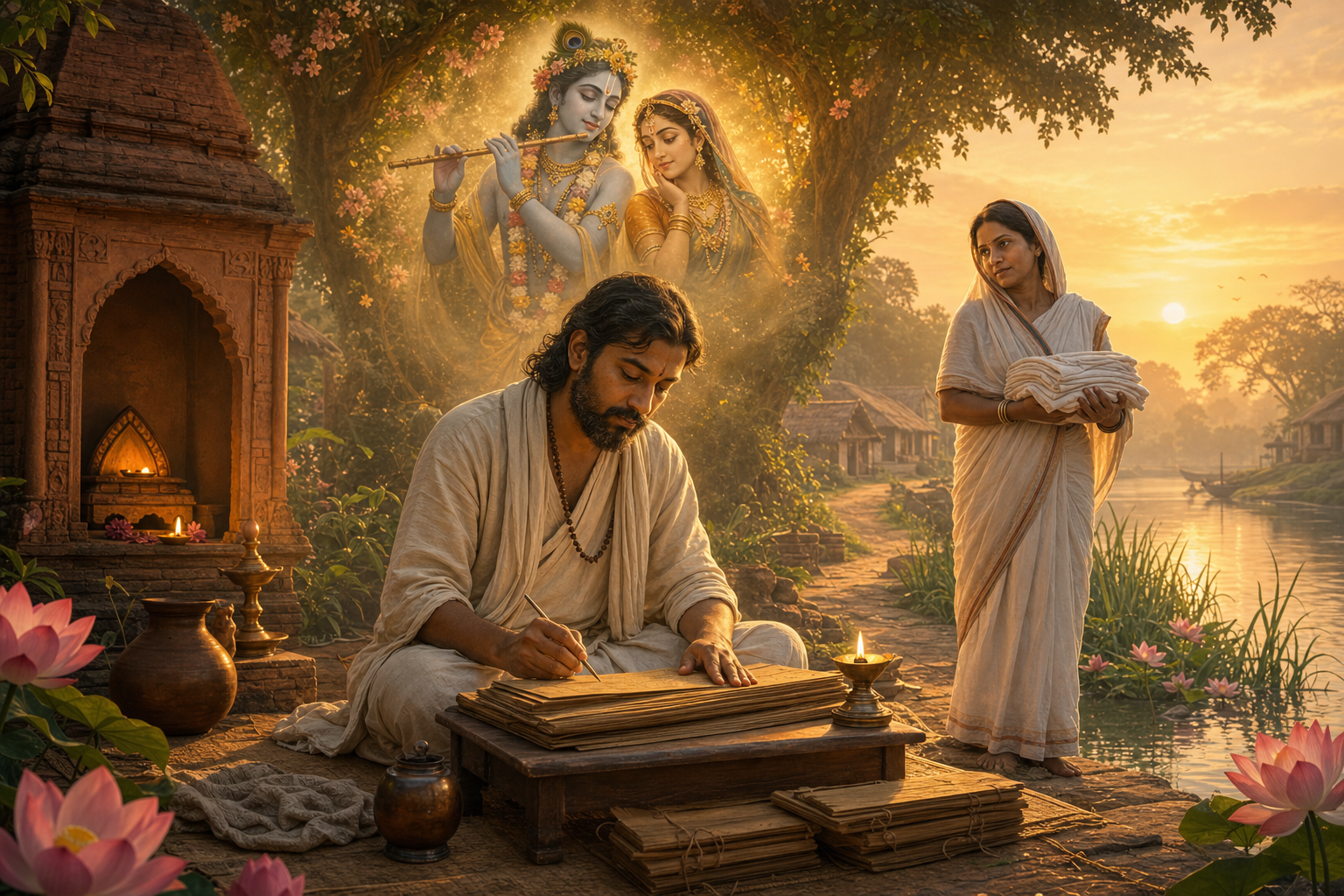
Chandidas remains one of Bengal’s most evocative devotional figures, remembered for Radha-Krishna poetry, temple service, and the legend of his forbidden love for Rami. His life and work reveal how Bhakti transformed human longing into a language of divine grace. The article explores the historical uncertainty around the name Chandidas while explaining why his cultural…
-
How Inner Harmony with Universal Vibration Awakens Profound Hindu Bliss

Hindu philosophy presents bliss as a refined state of inner harmony rather than a temporary emotional high. This article explains how concepts such as Ānanda, Om, Nāda Yoga, Prāṇa, dharma, and the guṇas illuminate the relationship between consciousness and cosmic order. It explores how mantra, meditation, breath discipline, temple worship, devotion, and ethical living help…
-
Shiva as the Cosmic Archer: Powerful Symbolism Behind the Destruction of Tripura
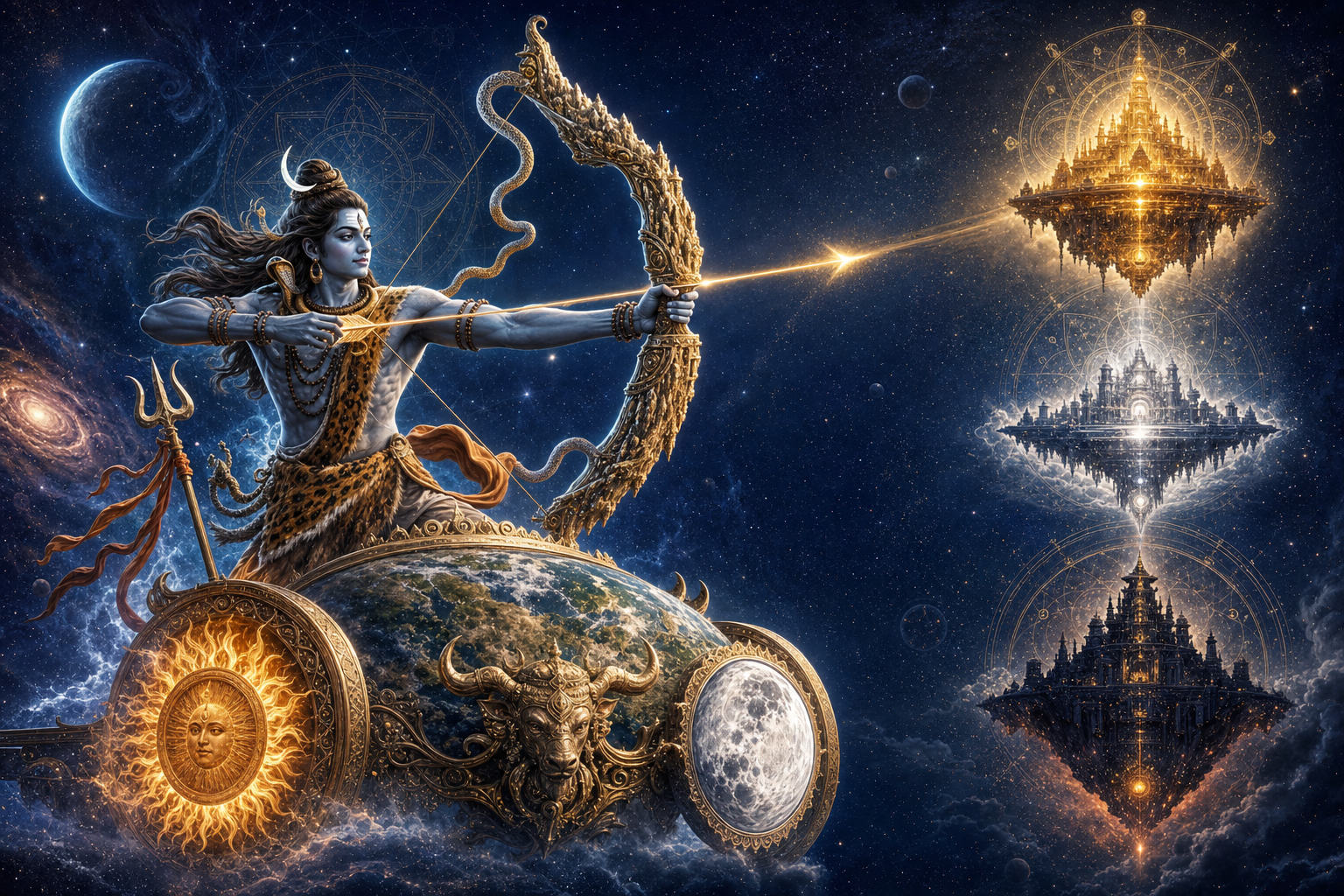
The story of Shiva destroying Tripura is far more than a dramatic Puranic battle. It presents Shiva as Tripurantaka, the cosmic archer whose bow, chariot, arrow, and timing symbolize the disciplined destruction of ego, ignorance, and adharma. The three cities of gold, silver, and iron can be read as the body, mind, and causal bondage,…
-
Indrani Iconography Revealed: Powerful Symbols of Shakti, Sovereignty, and Sacred Art
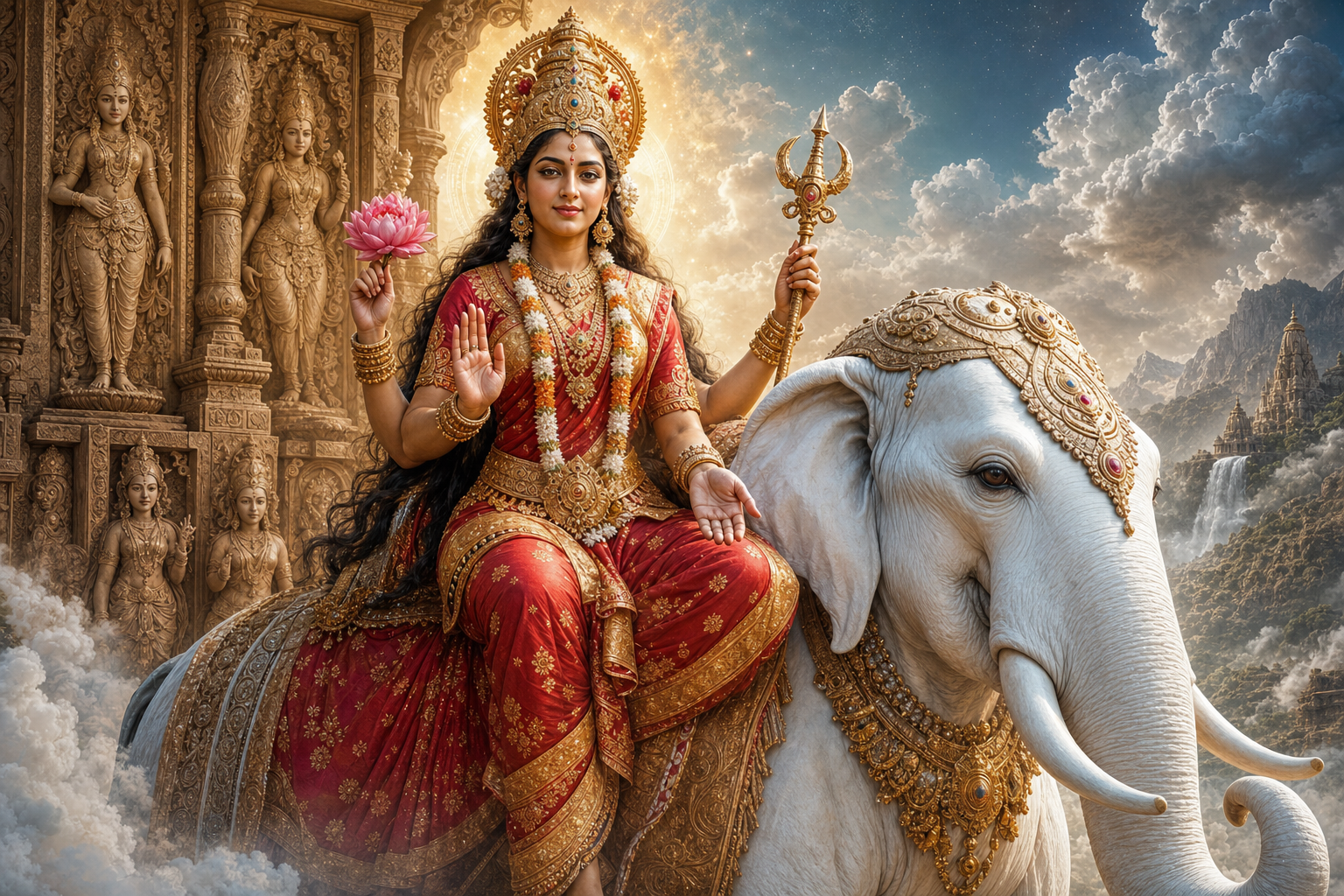
Indrani, also known as Shachi, Aindri, Mahendri, and Poulomi, is the divine Shakti of Indra and an important figure in Hindu iconography. Her sacred imagery reveals deep connections between sovereignty, rain, protection, feminine power, and cosmic order. As one of the Matrikas, she represents the active force of divine authority and the protective strength of…
-
July 11, 2026 Panchang: Essential Dwadashi Timings, Nakshatra and Rashi Guide
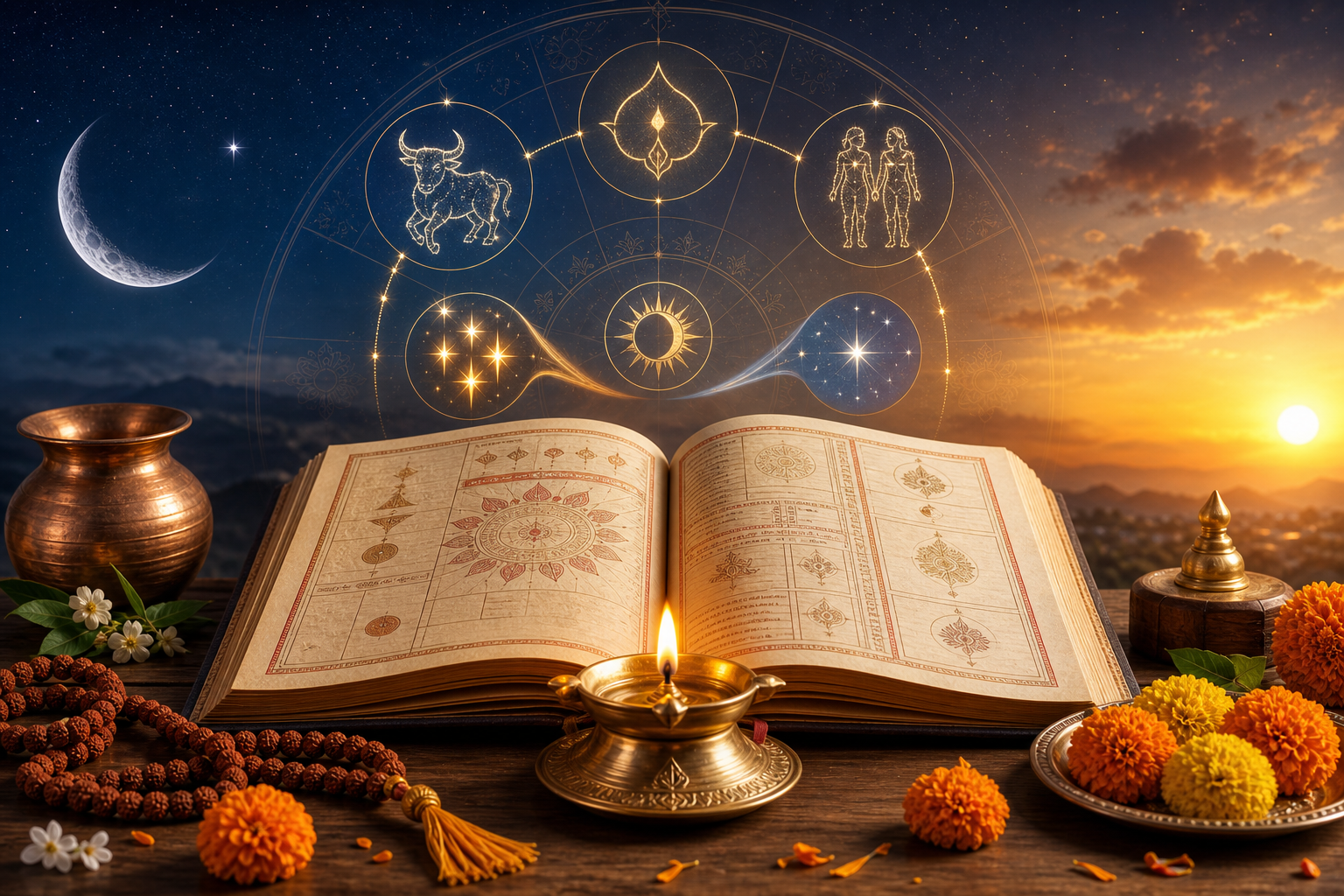
July 11, 2026 is primarily observed as Krishna Paksha Dwadashi after the early completion of Ekadashi. This guide explains the tithi, nakshatra, rashi, auspicious timings, and inauspicious periods in a clear Panchang format. It highlights Krittika Nakshatra until late morning, Rohini thereafter, and the Moon in Vrishabha Rashi. The article also explains why Dwadashi matters…
-
Kvena Ganesh and Vighnantaka Bhairava: Nepal’s Powerful Temple Secret
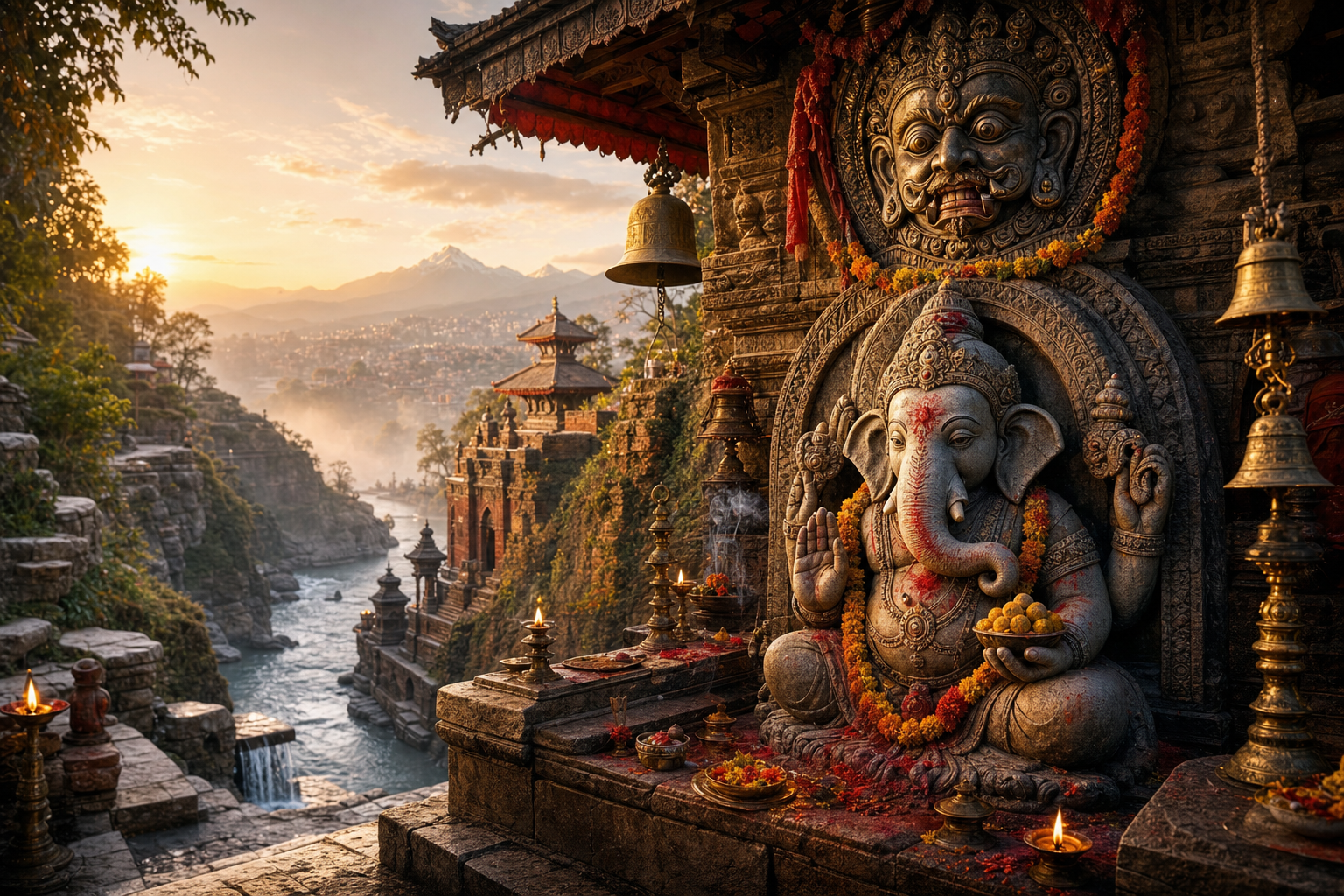
Kvena Ganesh and Vighnantaka Bhairava represent one of the most symbolically rich traditions connected with Jal Vinayak Temple at Chobhar in Nepal’s Kathmandu Valley. This account explores how Ganesh, the remover of obstacles, and Bhairava, the fierce destroyer of impurities and hindrances, together express a complete dharmic vision of protection and transformation. The article situates…
-
Why the Pandavas Chose Exile: The Fierce Triumph of Dharma Over Power
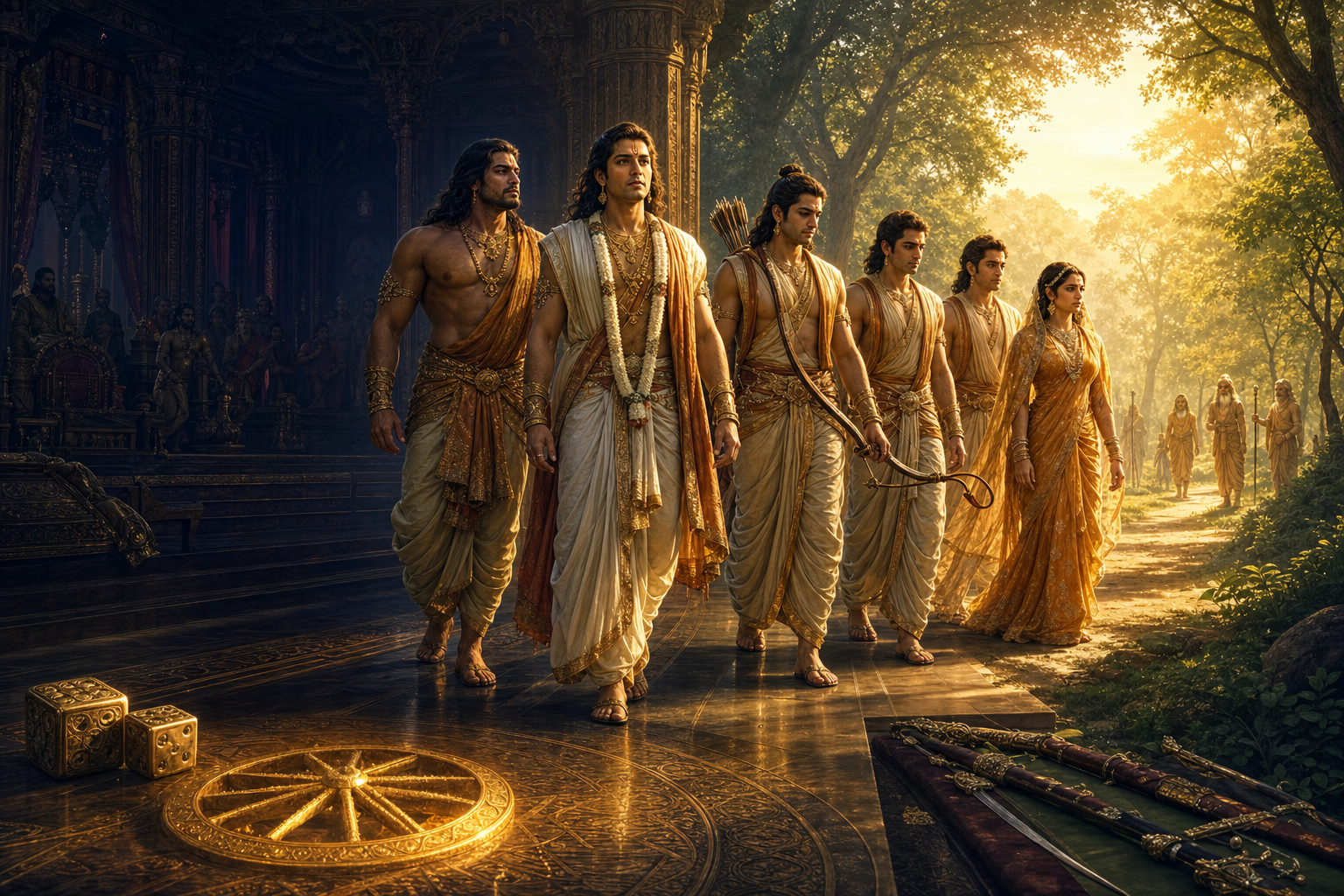
The Pandavas accepted exile not because they lacked strength, but because dharma required restraint before rightful action. Yudhishthira’s decision preserved moral legitimacy, protected Rajadharma, and prevented an impulsive civil war from obscuring the injustice committed by the Kauravas. The exile transformed the Pandavas’ suffering into preparation, discipline, and public testimony. It also exposed the difference…
-
Nyayasudha Explained: The Powerful Logic Behind Madhvacharya’s Dvaita Vedānta
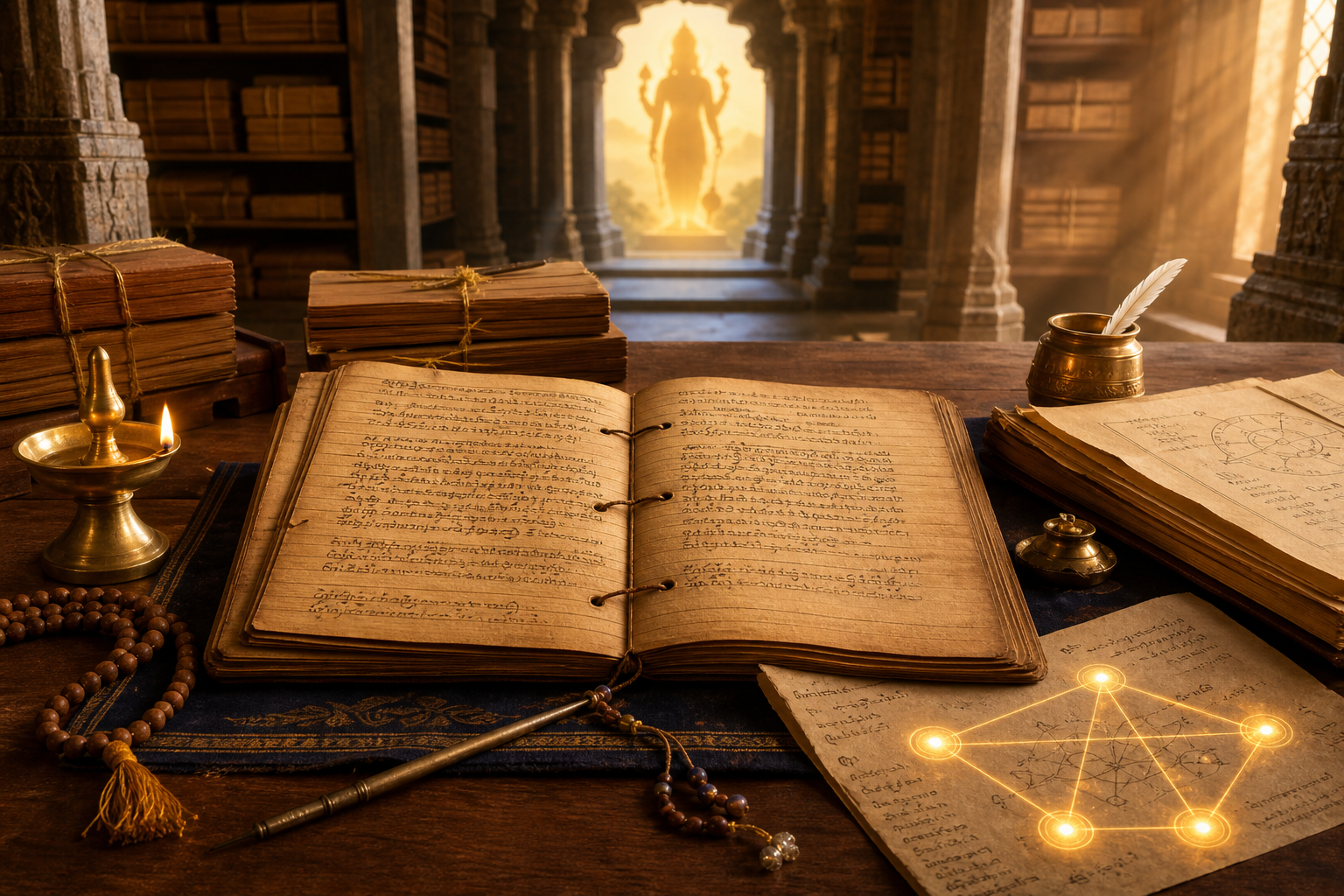
Nyayasudha is one of the most influential works in the Dvaita Vedānta tradition and a major commentary on Madhvacharya’s Anuvyākhyāna. Composed by Jayatirtha in the 14th century CE, it defends the realist vision of Tattvavada through logic, scriptural interpretation, and sustained philosophical debate. The work explains the distinction between the independent Supreme Reality and dependent…
-
Ugra Chandika’s Sacred Intoxication: Fierce Shakti, Dharma, and Inner Victory
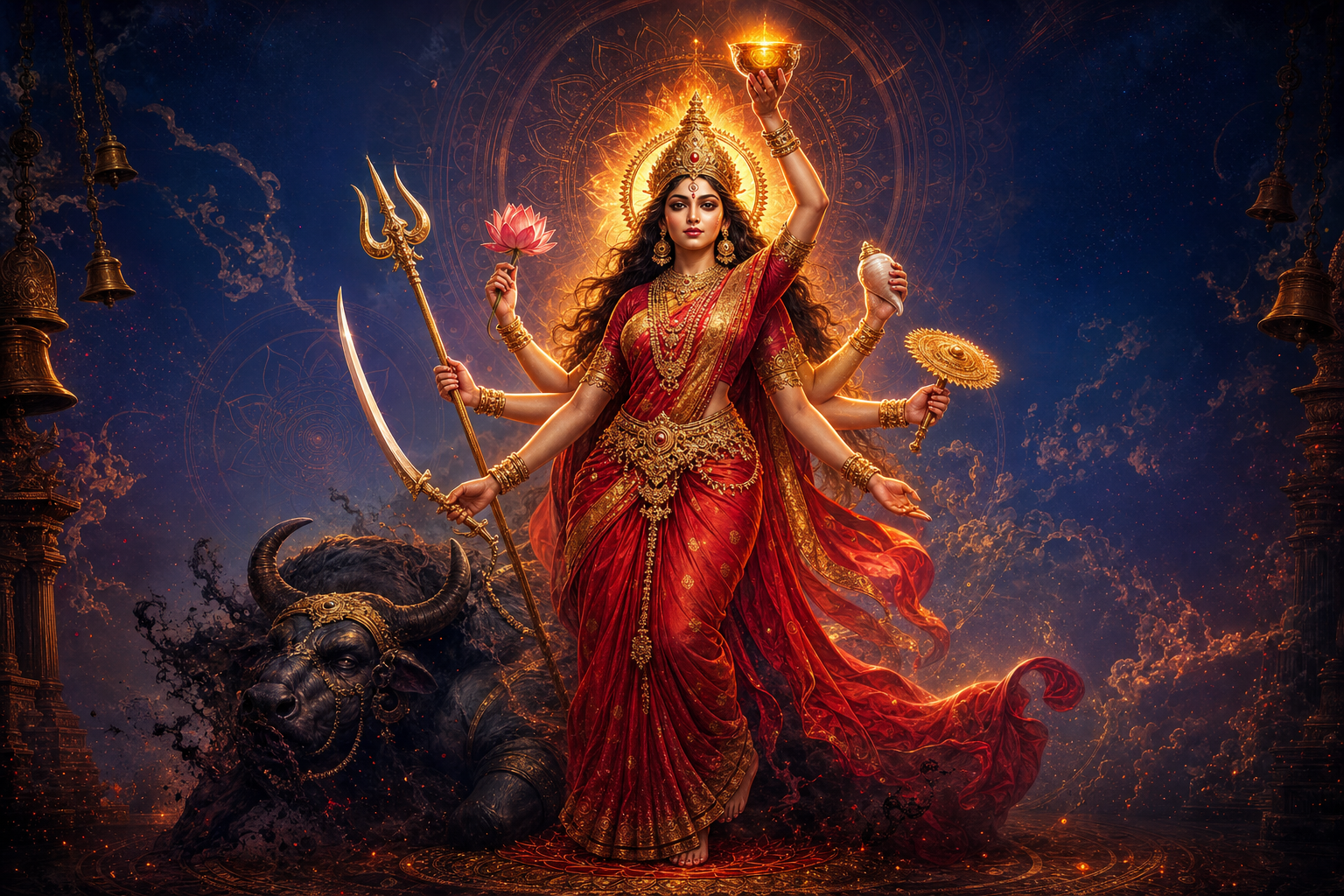
Ugra Chandika’s act of drinking madhu in the Devi Mahatmya is a profound symbol of divine sovereignty, not ordinary indulgence. The famous line “Garj garj kshanam mudha madhu yavat pibamyaham.” shows the Goddess calmly limiting the roar of adharma before destroying it. This episode reveals Shakti as fearless, disciplined, and beyond the forces that usually…
-
Krishna as Divine Thief: Powerful Symbolism of Butter, Love and Liberation
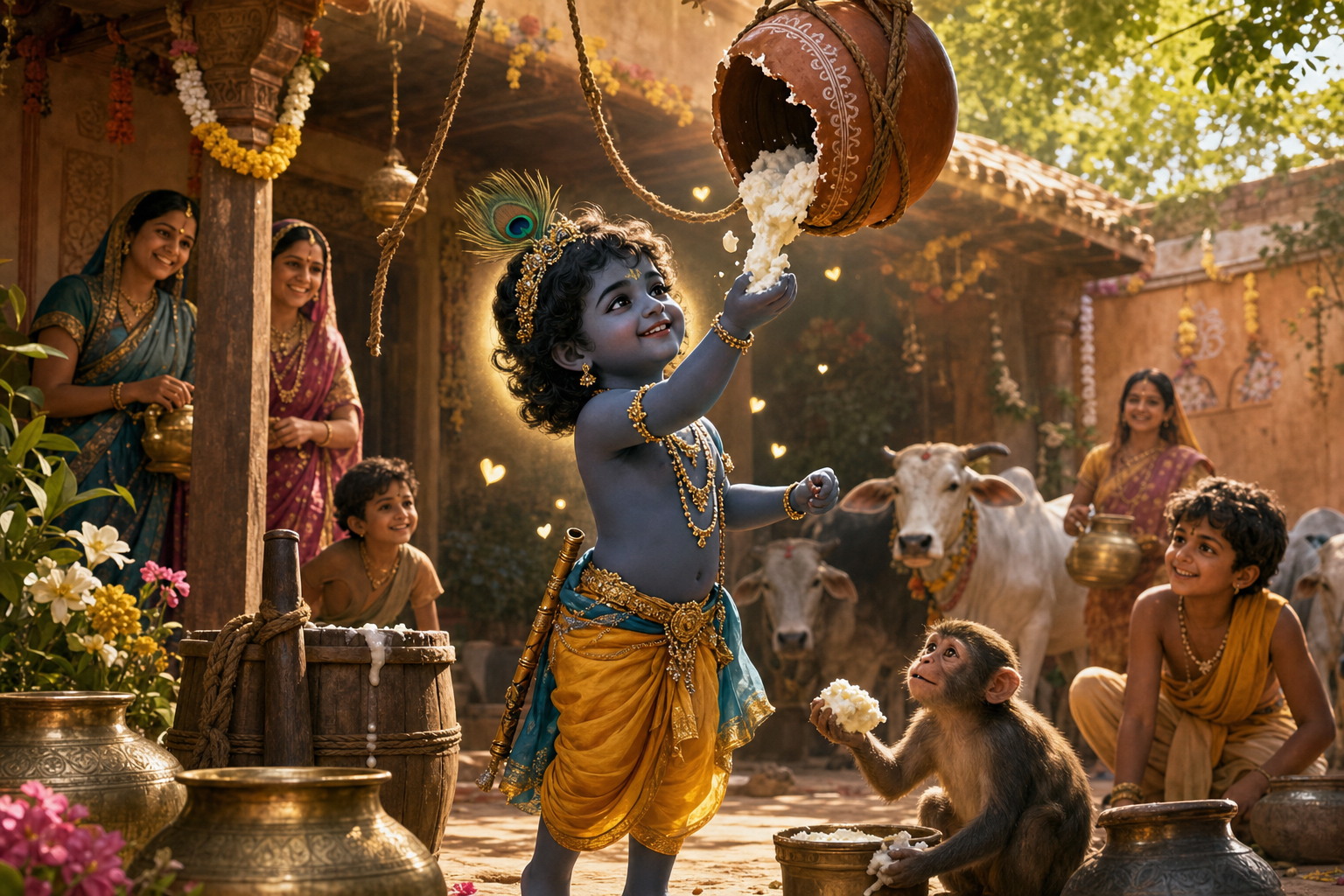
Krishna’s identity as Makhan Chor and Chit Chor reveals a profound theology of divine play, love, and liberation. The butter he steals symbolizes the softened essence of the human heart, refined through discipline, devotion, and remembrance. These stories from Vrindavan do not endorse ordinary theft; they use sacred symbolism to show how divine grace removes…
-
Seventh House in Hindu Horoscope: Powerful Insights into Marriage and Partnership

The seventh house in a Hindu horoscope, known as Kalatra Sthana, is traditionally associated with marriage, spouse, partnership, contracts, public dealings, and direct engagement with others. Its meaning goes far beyond romance because it reveals how an individual learns cooperation, responsibility, desire, and compromise. A proper Vedic astrology reading studies the seventh house, its lord,…
-
Bannari Amman Idol: Powerful Sacred Iconography, Shakti, and Living Temple Meaning
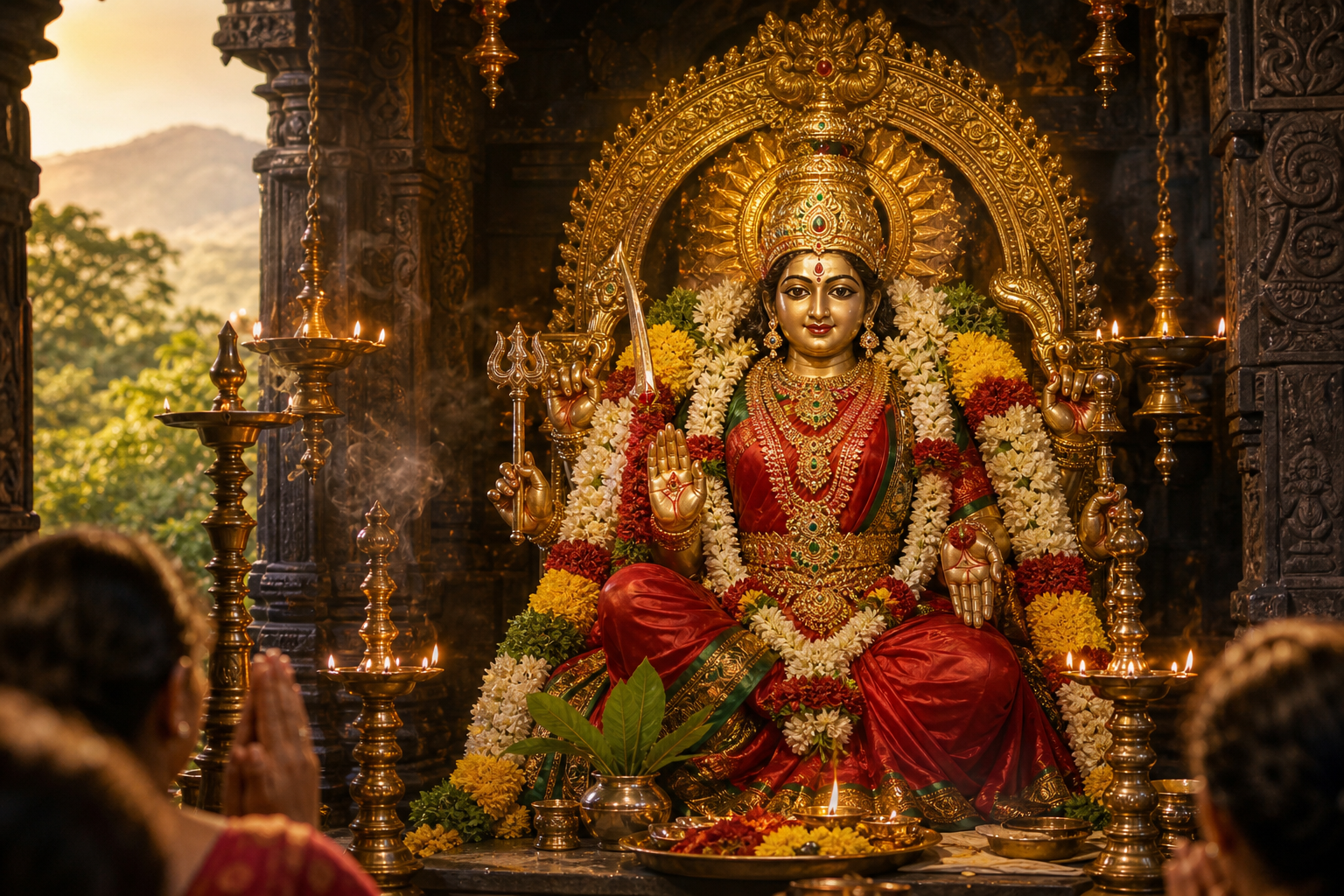
Bannari Amman’s idol is best understood as a living symbol of Shakti, protection, motherhood, and sacred presence. This article explains how Hindu iconography treats the deity’s form as a sculptural scripture rather than a mere image. It explores the role of Agama, temple ritual, darshan, alankaram, turmeric, kumkum, sacred geography, and community devotion in shaping…
-
Kanga Ajima of Kathmandu: Fierce Mother, Ancient Protector, Living Shakti
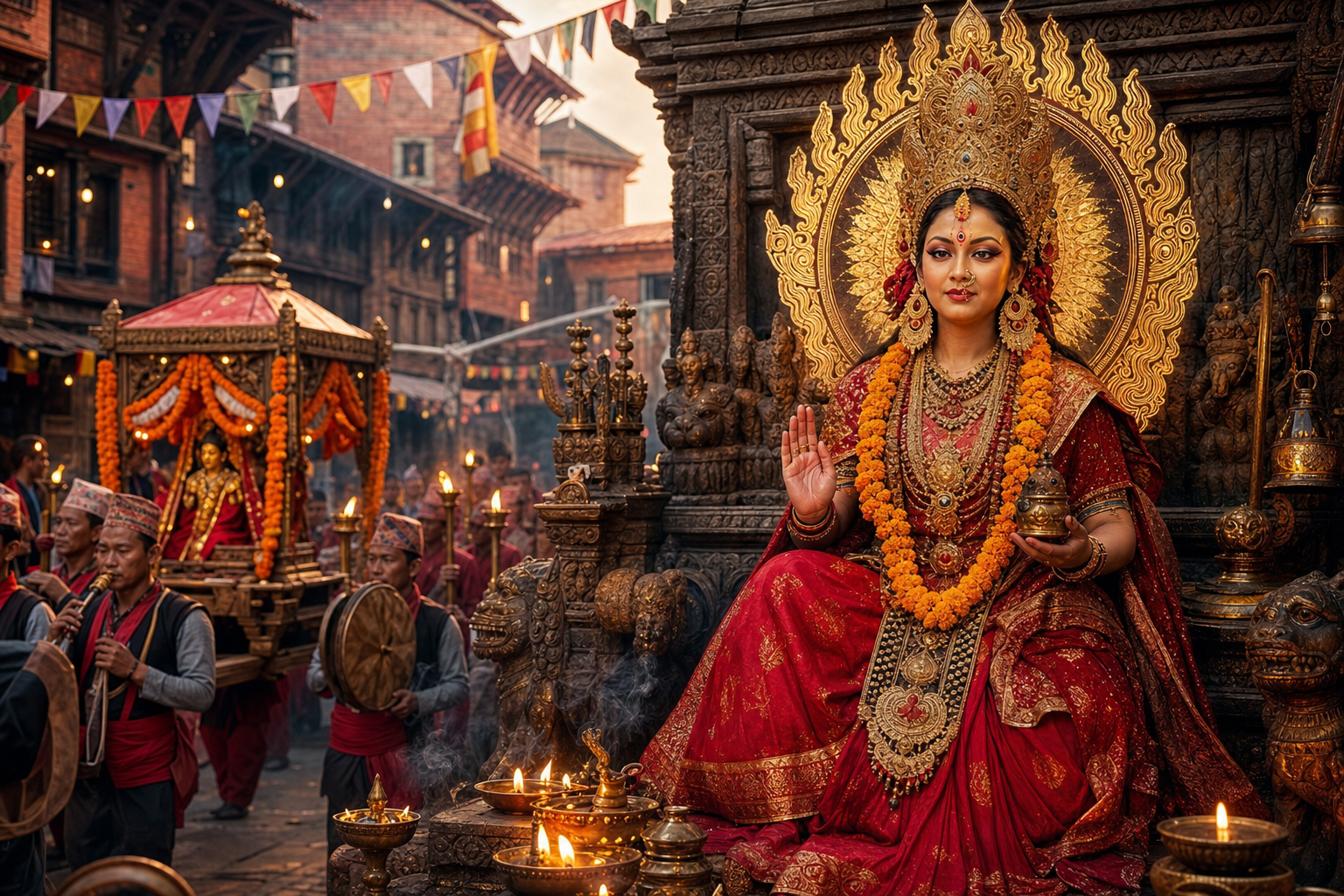
Kanga Ajima of Kathmandu Valley is one of the ancient mother goddesses of the Newar tradition and is revered as a fierce form of Chamunda. Her worship belongs to the wider Ajima and Astha Matrika traditions, where mother goddesses protect the sacred geography of the city. This article explains her theological meaning, civic role, festival…
-
Rama’s Unshaken Exile: Powerful Lessons in Dharma, Restraint, and Inner Calm
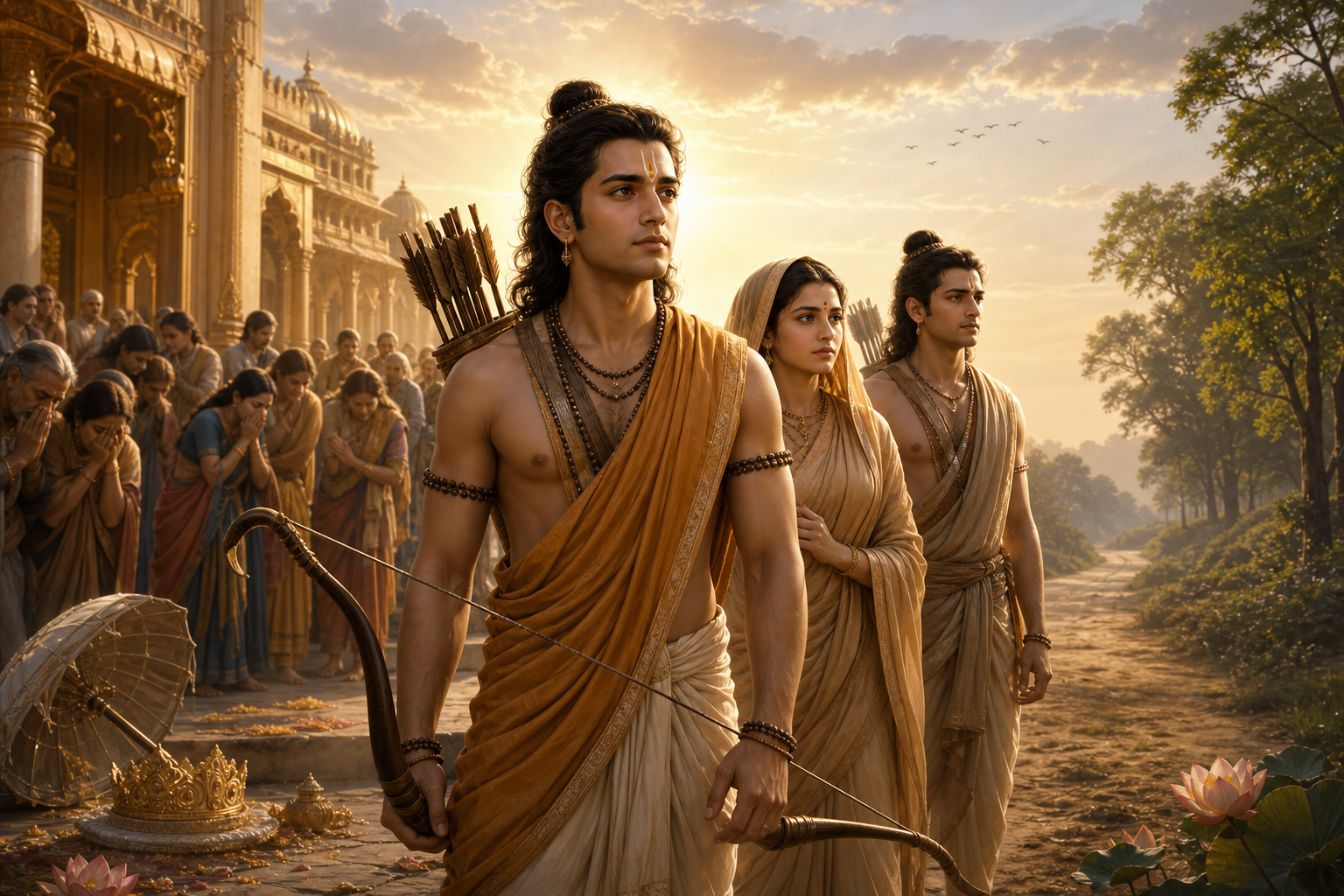
Rama’s departure from Ayodhya is one of the Ramayana’s most profound lessons in dharma, restraint, and moral courage. The episode shows Rama not as emotionally untouched, but as deeply human and fully aware of the pain caused by exile. His calm is not passivity; it is disciplined self-command guided by truth, filial duty, and social…
-
Powerful Yoga Vasishta Wisdom for Finding True Belonging Within the Self

The Yoga Vasishta teaches that the deepest form of belonging is not found through endless external searching, but through disciplined self-inquiry. This reflection explains why social approval, roles, and communities can support life yet still fail to remove inner restlessness. It presents Hindu wisdom on Atman, mind, vairagya, dharma, meditation, and Self-realization in a clear…
-
July 10, 2026 Panchang: Powerful Ekadashi Tithi, Timings, Rashi Guidance
Friday, July 10, 2026 is primarily observed as Krishna Paksha Ekadashi in the Hindu Panchang, with Dashami ending at 3:39 AM. This detailed guide explains the tithi transition, the meaning of Krishna Paksha, and the spiritual importance of Ekadashi in daily Hindu practice. It also clarifies why nakshatra, rashi, Rahu Kaal, and shubh muhurat must…
-
Madana Gopala Iconography: Powerful Secrets of Krishna’s Divine Love and Beauty
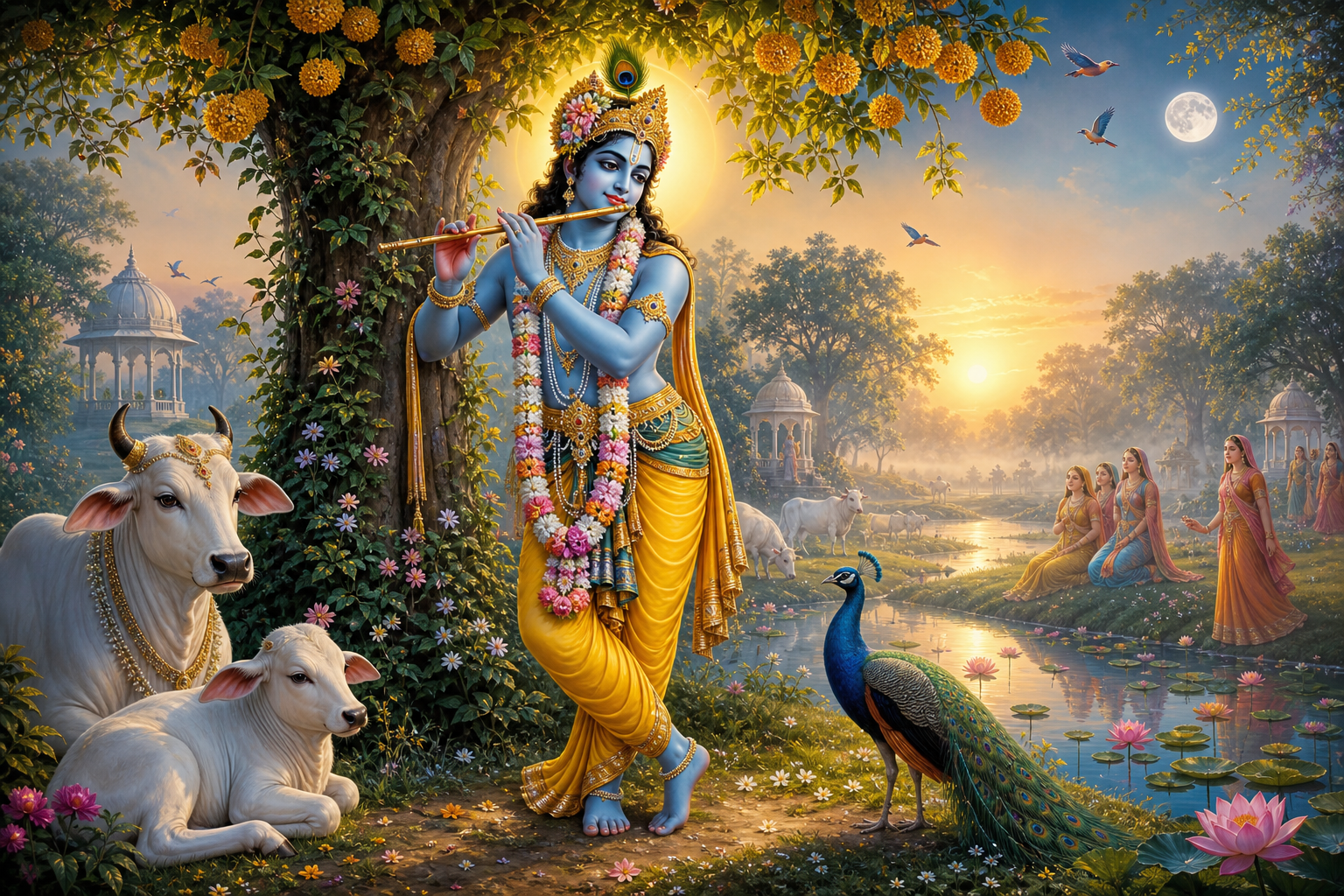
Madana Gopala represents Krishna as the flute-bearing cowherd whose beauty transforms ordinary desire into sacred devotion. This long-form study explains the meaning of the name, the connection with Venugopala and Madana Mohana, and the symbolism of the flute, tribhanga posture, peacock feather, pitambara, cows, forest garland, Radha, and Vrindavan. It shows how Krishna iconography functions…