
-
Hindu Goddess Kamalakshi Revealed: The Lotus-Eyed Power of Sacred Grace
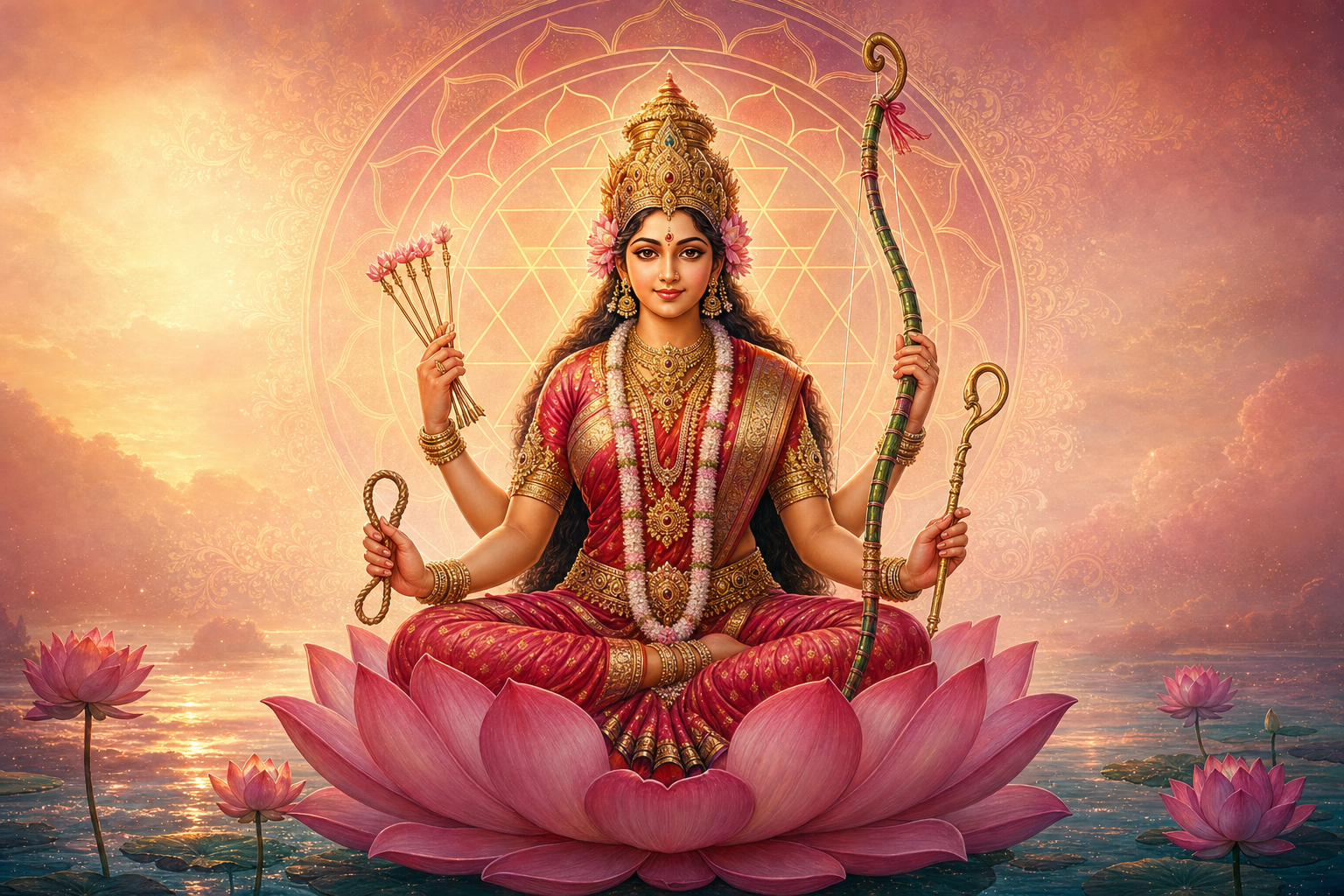
Kamalakshi, the lotus-eyed Goddess, represents compassionate awareness, spiritual purity, and the sacred attraction of divine grace. Her clearest textual identity appears in the Lalita Trishati, where she is praised as a name of Lalita Tripurasundari within the Sri Vidya tradition. The name combines kamala, meaning lotus, with akṣi, meaning eye, but its significance extends far…
-
Guliga Daiva: The Astonishing Story of Tulu Nadu’s Fierce Guardian of Justice

Guliga Daiva is one of Tulu Nadu’s most formidable sacred guardians, associated with truth, protection and uncompromising justice. His widely told origin story begins with a mysterious stone found in ash and develops through themes of insatiable hunger, divine restraint and the transformation of destructive energy into duty. This account explains why different villages preserve…
-
Four Tantric Mudras Explained: A Powerful Guide to Ritual, Mind, and Liberation
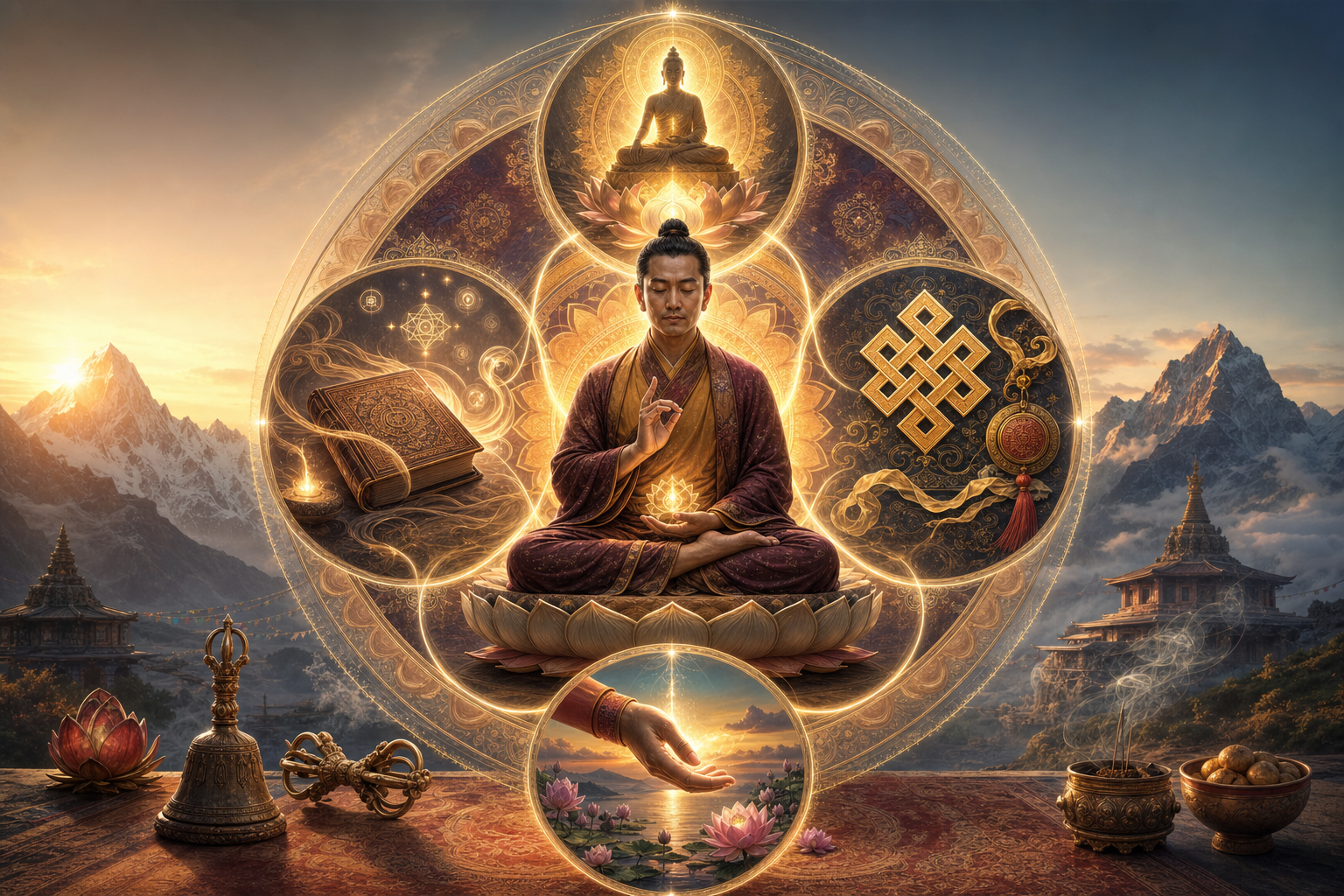
This comprehensive guide explains Karmamudra, Dharmamudra, Mahamudra, and Samyamudra within their proper tantric and historical settings. It clarifies that the precise fourfold system is especially well documented in Buddhist Yoga Tantra, although related mudras and concepts also occur in Hindu traditions. Each seal is examined through its ritual, philosophical, ethical, and contemplative meanings. The discussion…
-
Saptachakra Yoginis Revealed: A Powerful Map of Inner Awakening and Sacred Art
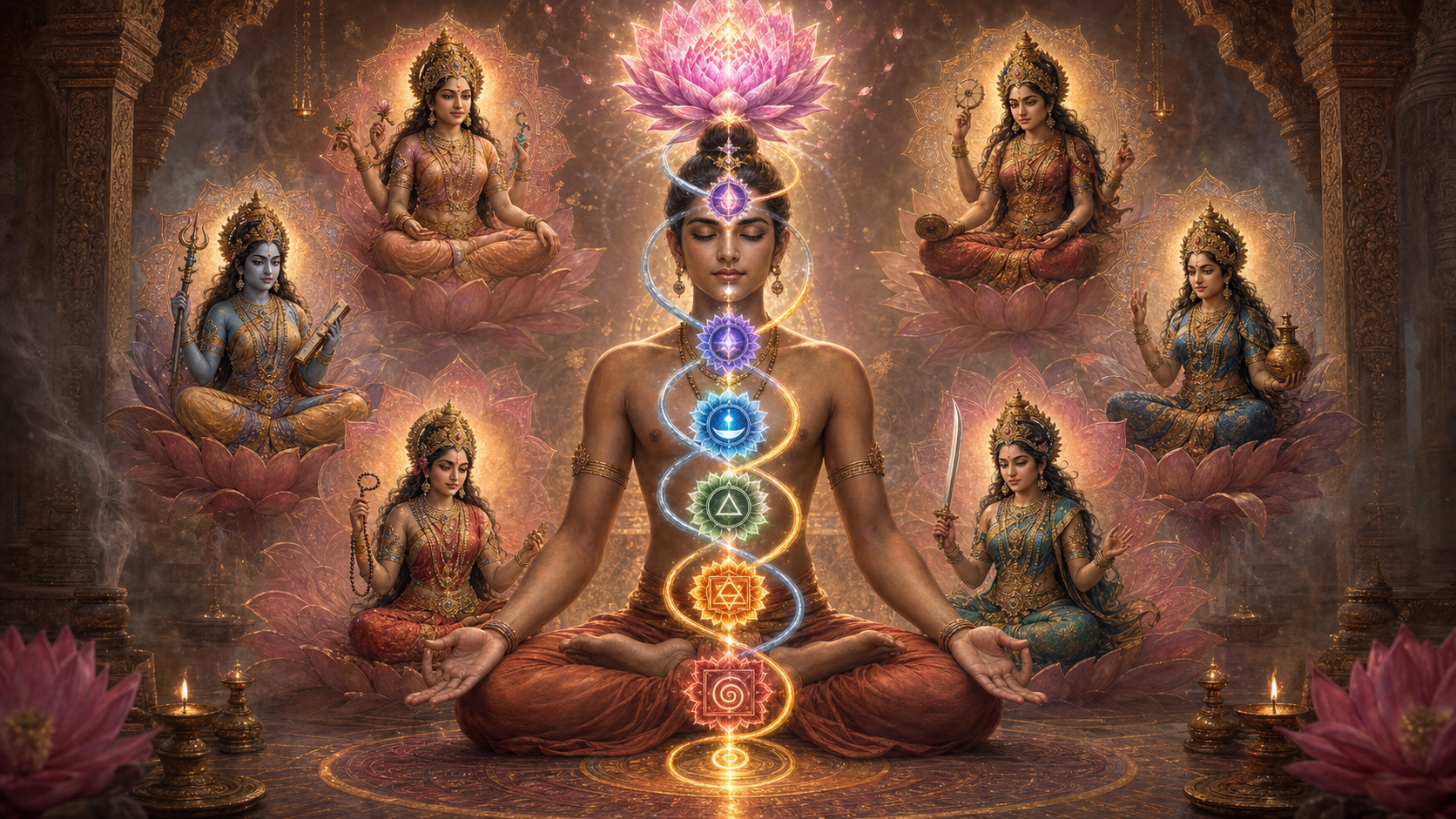
The Saptachakra Yoginis provide a sophisticated Hindu Tantric map of consciousness, embodiment, sacred sound, and transformative Shakti. This study explains the seven centres from Mūlādhāra to Sahasrara while distinguishing historically different Yogini sequences. It examines the lotuses, elements, seed syllables, geometric forms, animals, gestures, and divine figures that shape chakra iconography. The discussion also clarifies…
-
The Lost Nandi Purana Revealed: Its Contents, History, and Enduring Importance

This study reconstructs the lost Nandi Purana, also known as the Nanda Purana, from verses preserved in medieval Sanskrit compilations. It explains why the text’s classification as an Upapurana does not make it historically or spiritually insignificant. The discussion examines its possible Shakta origins, strong Shaiva material, and surviving Vaishnava elements without forcing them into…
-
The Living Current of Shakti: How Sacred Power Flows Through Family and Lineage

Shakta traditions understand Shakti as the dynamic presence of the Divine and as a sacred current sustained through family practice, guru-parampara, and personal sadhana. This study explains how household worship, Kula Devata traditions, mantra, diksha, festivals, storytelling, and embodied memory carry spiritual values across generations. It distinguishes theological claims about grace from scientific claims about…
-
Shitala Mata’s Sacred Emblems: How Broom, Waterpot, Neem, and Tray Teach Healing
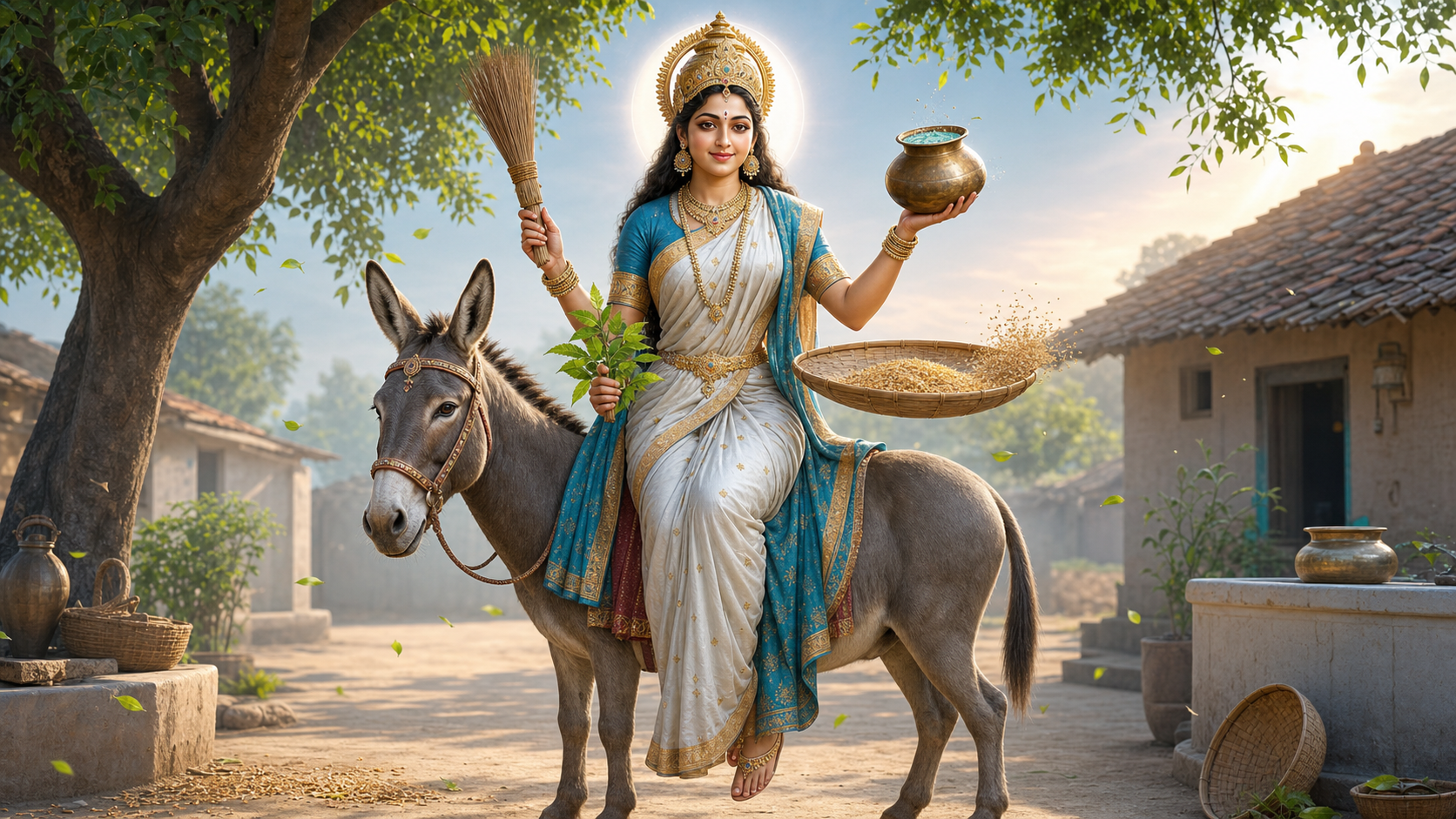
Shitala Mata’s broom, waterpot, neem leaves, and winnowing tray form a sophisticated sacred language of purification, cooling, protection, nourishment, and discernment. The broom represents cleanliness, prevention, disciplined action, and the removal of physical and psychological disorder. The waterpot signifies life, compassionate relief, consecration, responsible resource use, and the restoration of balance. Neem connects the goddess…
-
Why Detachment Is the Essential Inner Power for Understanding Vedanta Deeply

Vedanta teaches that detachment is essential for genuine spiritual progress because a restless, desire-driven mind cannot perceive the truth of the Self clearly. This article explains “vairagya” as disciplined inner freedom rather than rejection of life, showing how it supports discrimination, meditation, ethical living, and Self-Realization. It connects the teaching with the Bhagavad Gita, Upanishadic…
-
Why Bija Mantras Demand Deep Reverence Before Powerful Spiritual Practice

Bija mantras are sacred seed syllables in Hindu spirituality, carrying concentrated symbolic, devotional, and energetic meaning. Their power lies in their density, which is why traditional practice emphasizes reverence, pronunciation, preparation, and guidance. This article explains why bija mantras should not be treated as casual wellness tools or internet shortcuts. It highlights the role of…
-
July 17 2026 Panchang: Powerful Tithi, Nakshatra, Rashi and Good Time Guide
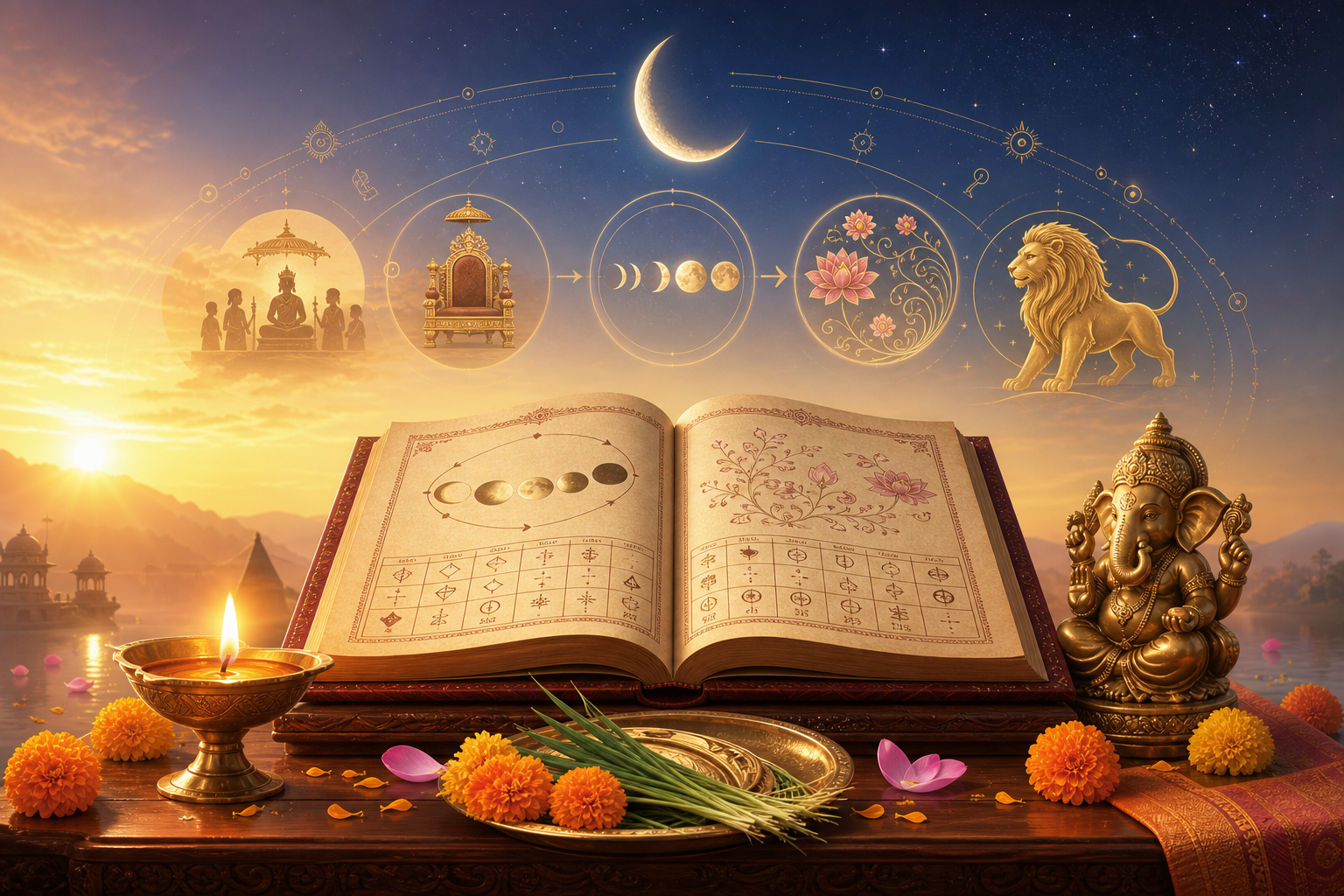
July 17, 2026, falls in Shukla Paksha and begins with Shukla Paksha Tritiya before moving into Shukla Paksha Chaturthi. The supplied Panchang records Tritiya until 9:39 AM, after which Chaturthi begins, though exact timings should be confirmed locally. The day is useful for worship, study, reflection, and disciplined planning, especially when aligned with a proper…
-
Shatanika in the Mahabharata: Powerful Legacy of Nakula and Draupadi’s Son

Shatanika, the son of Nakula and Draupadi, is one of the Upapandavas whose brief but meaningful presence deepens the emotional force of the Mahabharata. His identity connects the Kuru and Panchala lineages, the warrior discipline of Nakula, and the maternal strength of Draupadi. Though the epic does not give him a long independent biography, his…
-
Pancha Maha Mantras of Shiva: A Powerful Upanishadic Path to Inner Transformation

The Pancha Maha Mantras of Shiva are five sacred invocations from the Mahanarayana Upanishad that reveal Lord Shiva through distinct but unified aspects. They are associated with Sadyojata, Vamadeva, Aghora, Mahadeva, and Ishana, each representing a profound dimension of creation, preservation, transformation, illumination, and supreme knowledge. These mantras are important in Shaiva traditions because they…
-
Gopala Sundari: Powerful Mystery of Krishna, Shakti, and the Cosmic Mother
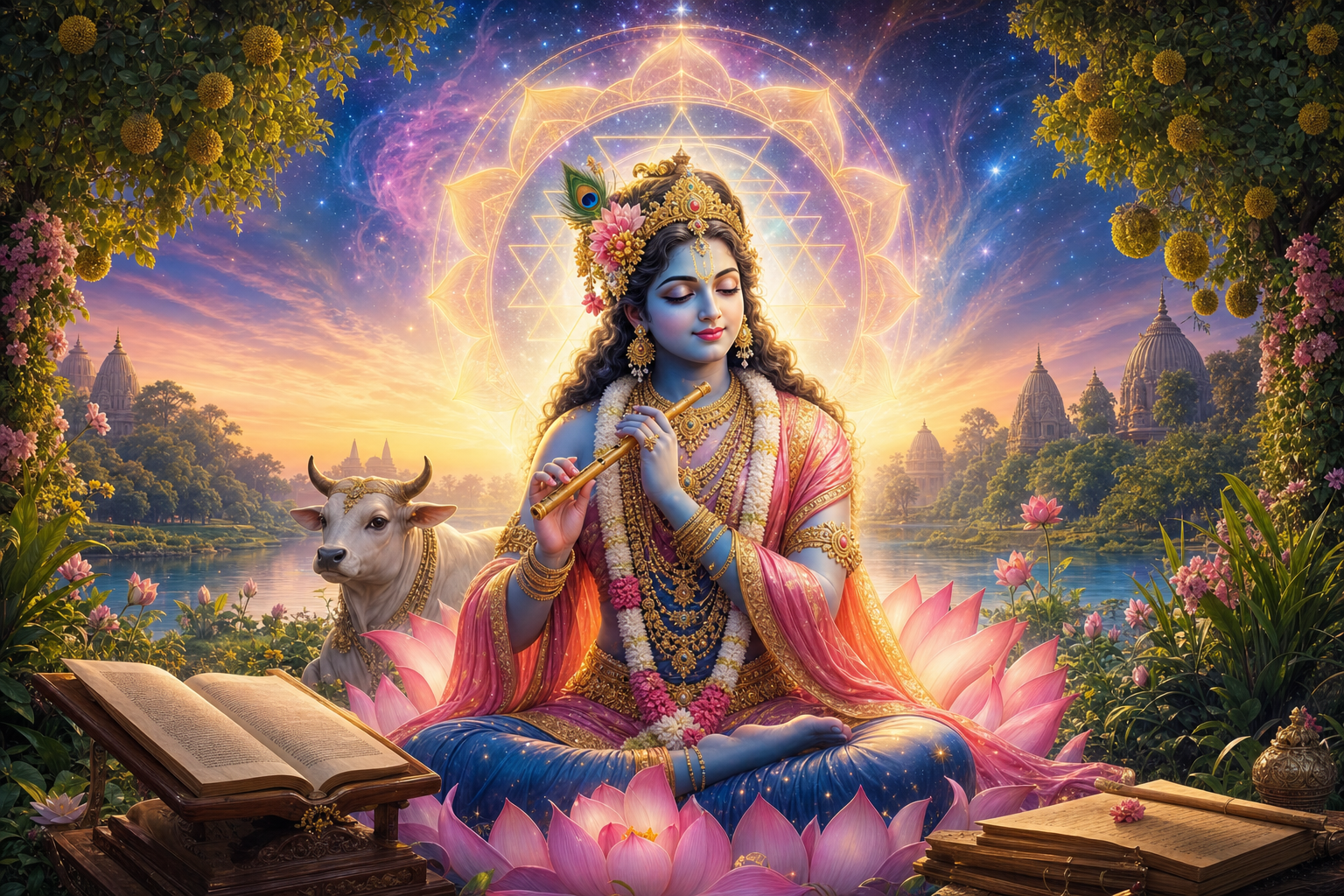
Gopala Sundari presents a profound Hindu theological vision in which Krishna and Shakti are contemplated as one indivisible divine reality. This article explores how the name unites Gopala, the beloved cowherd Krishna, with Sundari, the radiant beauty of the Divine Mother. It explains the form through Vaishnava bhakti, Shakta metaphysics, Vedantic non-duality, and the principle…
-
Changu Narayan’s Headless Vishnu: Sacred Legend, History, and Humbling Power

Changu Narayan in Nepal is one of the most important Vaishnava temples of the Kathmandu Valley and a major UNESCO World Heritage site. Its famous legend of Bhagavan Vishnu without a head is not merely a dramatic temple story, but a profound reflection on ego, anger, karma, repentance, and divine grace. The temple’s early Licchavi…
-
Indra and Trishira: Powerful Mahabharata Lessons on Envy, Tapas and Consequence

The story of Indra and Trishira in the Udyoga Parva of the Mahabharata offers a powerful reflection on envy, tapas, leadership, and consequence. Trishira, the three-headed son of Tvashta, represents disciplined austerity and sacred knowledge, while Indra’s fear reveals how insecurity can corrupt even great authority. The episode explains how one act of violence born…
-
Achutayus in the Mahabharata: Powerful Lessons from Kurukshetra’s Forgotten Warrior

Achutayus in the Mahabharata is a brief but meaningful figure from the Kurukshetra War, remembered in the intense Drona Parva setting of Arjuna’s vow against Jayadratha. His role illustrates how even lesser-known warriors reveal the epic’s deeper concerns with loyalty, vengeance, dharma, and the human cost of war. The episode belongs to the fourteenth day,…
-
Gaja Kundala Revealed: The Sacred Elephant Earring in Hindu Sculpture
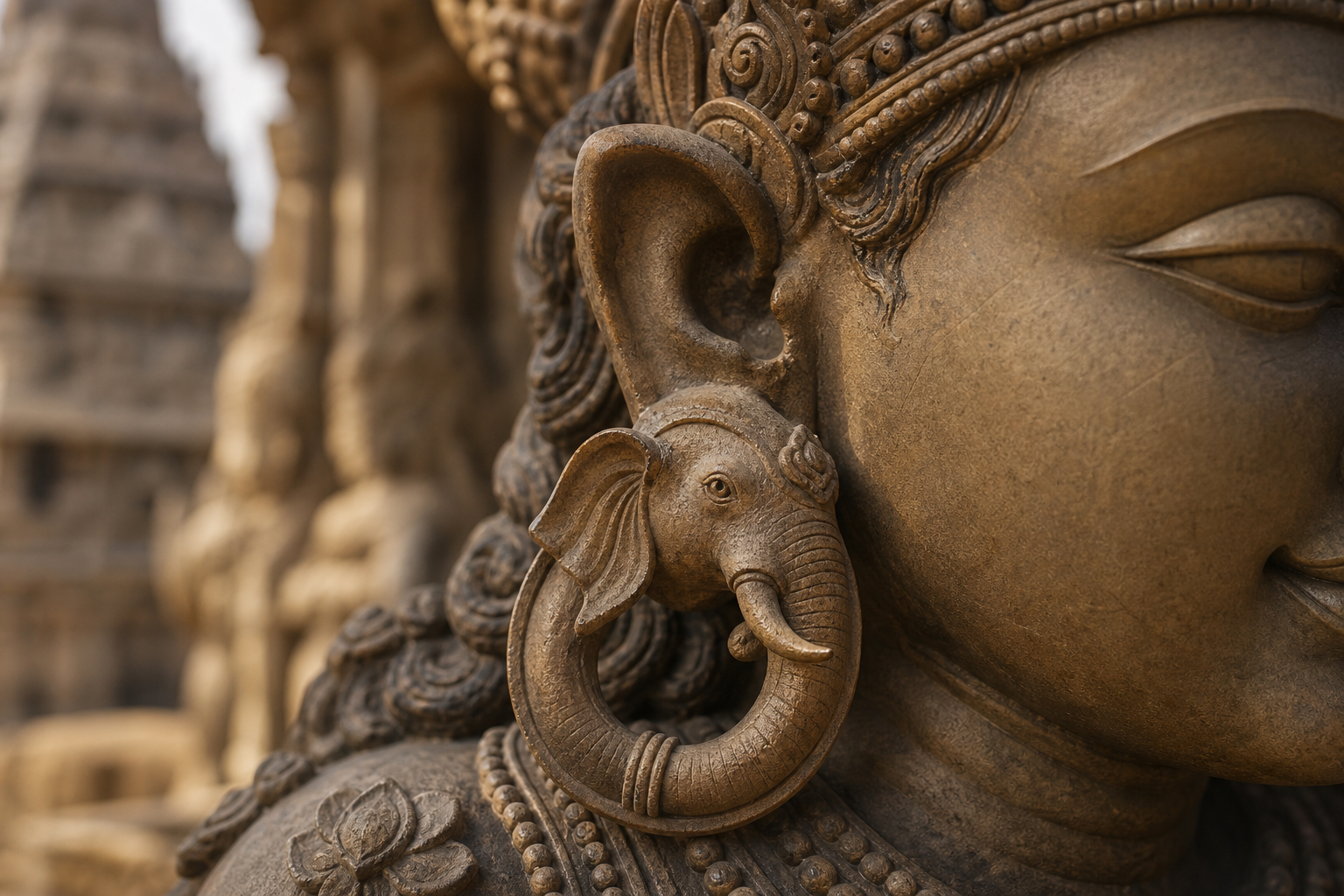
The gaja kundala is an elephant-form earring in Hindu sacred sculpture, combining ornament, iconography, and symbolic meaning. It belongs to the broader family of kundalas and carries associations of strength, royal dignity, auspiciousness, fertility, and sacred abundance. Its elephant symbolism connects it to figures and ideas such as Airavata, Ganesha, Gaja Lakshmi, temple ceremony, and…
-
Sri Krishna’s Stories: Powerful Wisdom for Healing the Heat of Samsara
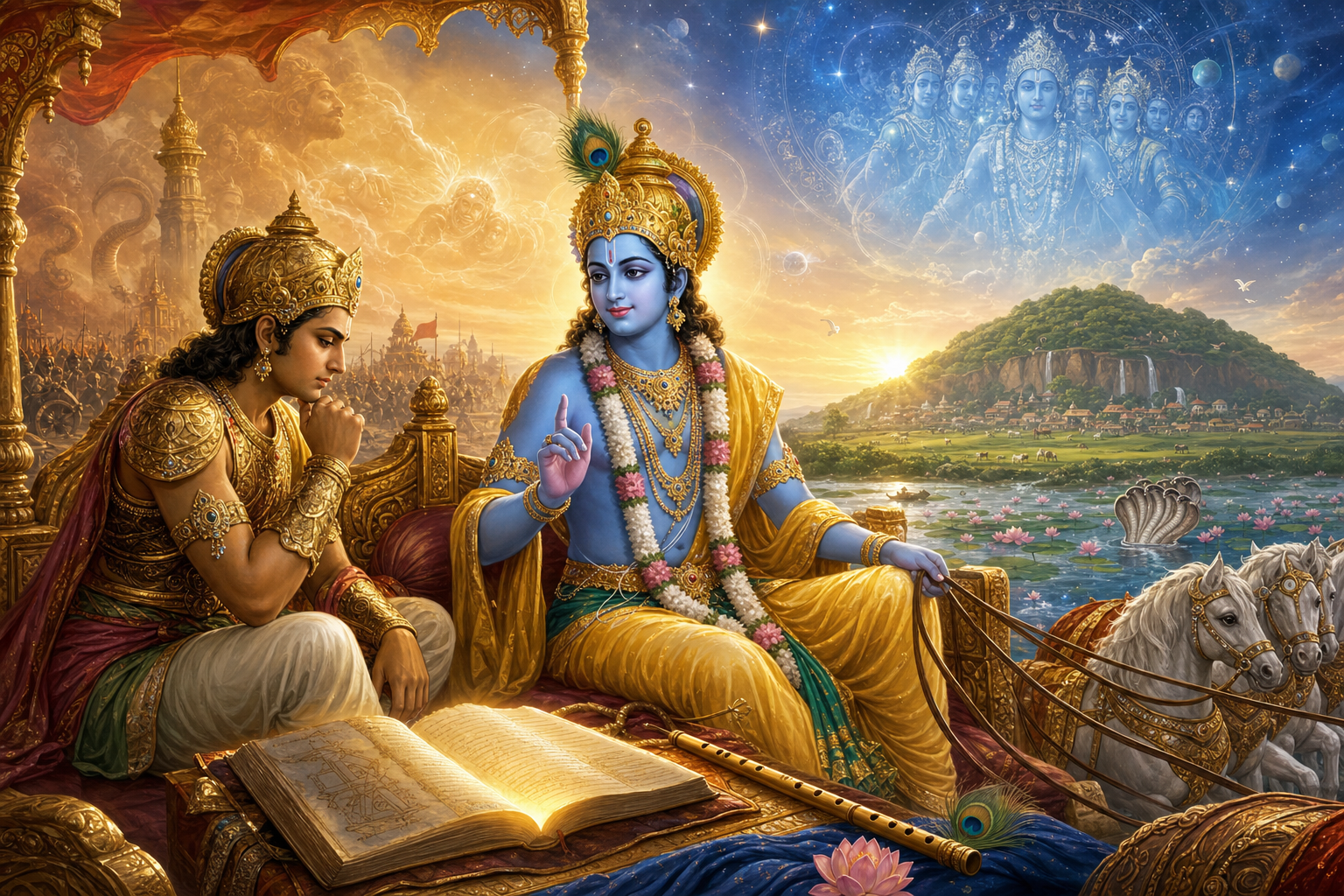
The stories of Bhagavan Sri Krishna offer spiritual renewal to those burdened by the heat of samsara. Through the Mahabharata, Bhagavad Gita, and Krishna’s childhood and royal narratives, they present a complete vision of dharma, devotion, selfless action, and inner clarity. Krishna’s guidance to Arjuna shows how moral confusion can become a path to wisdom.…
-
Avesham in Hindu Tantrism: Profound Divine Absorption Beyond Possession

Avesham in Hindu Tantrism is a profound state of divine absorption in which ordinary ego-consciousness becomes receptive to sacred presence. Rather than reducing it to spirit possession, this article explains Avesham through mantra, Shakti, guru-guidance, ritual discipline, and the subtle body. It explores how the experience relates to surrender, self-dissolution, devotion, and the transformation of…
-
July 16, 2026 Panchang: Powerful Shukla Dwitiya Timing, Nakshatra And Rashi Guide
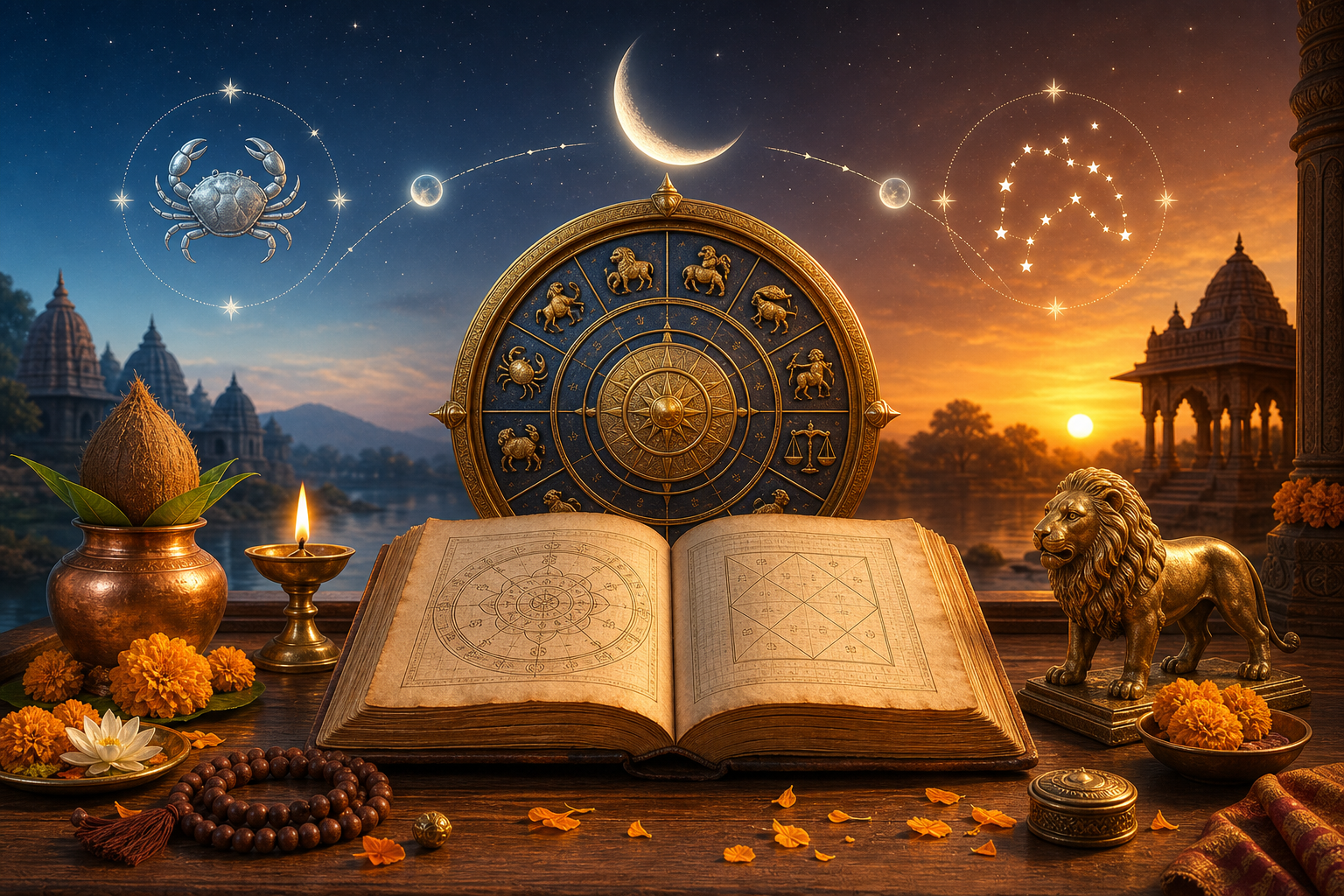
July 16, 2026, is a Shukla Paksha Dwitiya day in the Hindu calendar, with Tritiya beginning later in the day according to regional Panchang calculations. The supplied note records Dwitiya till 11:20 AM, while some city-specific Panchang references show the transition earlier, highlighting the importance of location-based calculation. The day is associated with Ashlesha Nakshatra…