
-
Rama Across the Mekong: Powerful Lessons from Laos and Thailand’s Ramayana
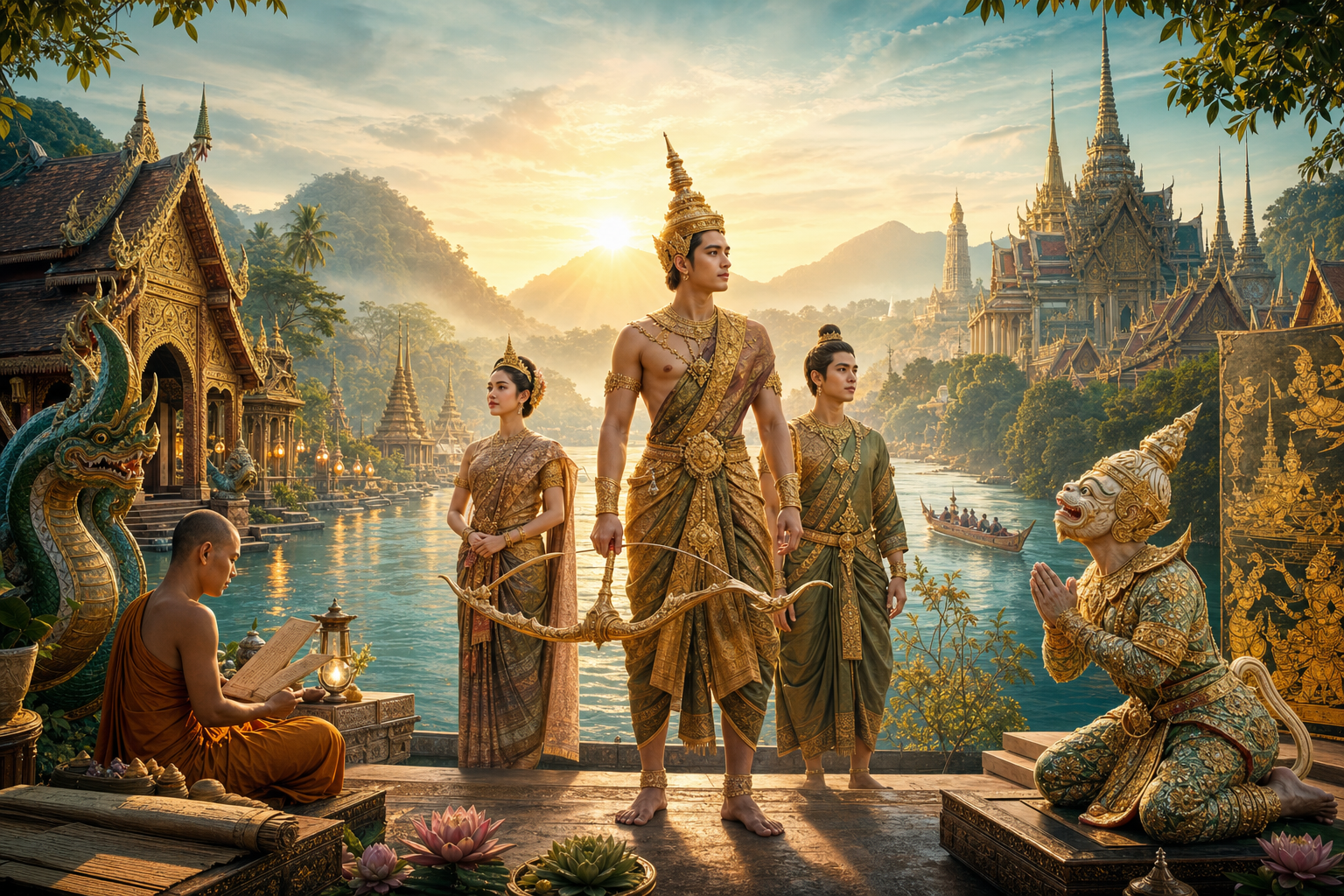
This article compares the Lao Phra Lak Phra Lam and the Thai Ramakien as two powerful Southeast Asian expressions of the Ramayana tradition. It explains how both works preserve the core Rama Katha while adapting the story to local Buddhist, royal, artistic, and geographic contexts. The Lao version is presented as a Mekong-centered, Theravada-inflected epic…
-
Sri Ramanujacharya’s Rama Bhakti: Powerful Lessons from Vaishnavism’s Living Heart
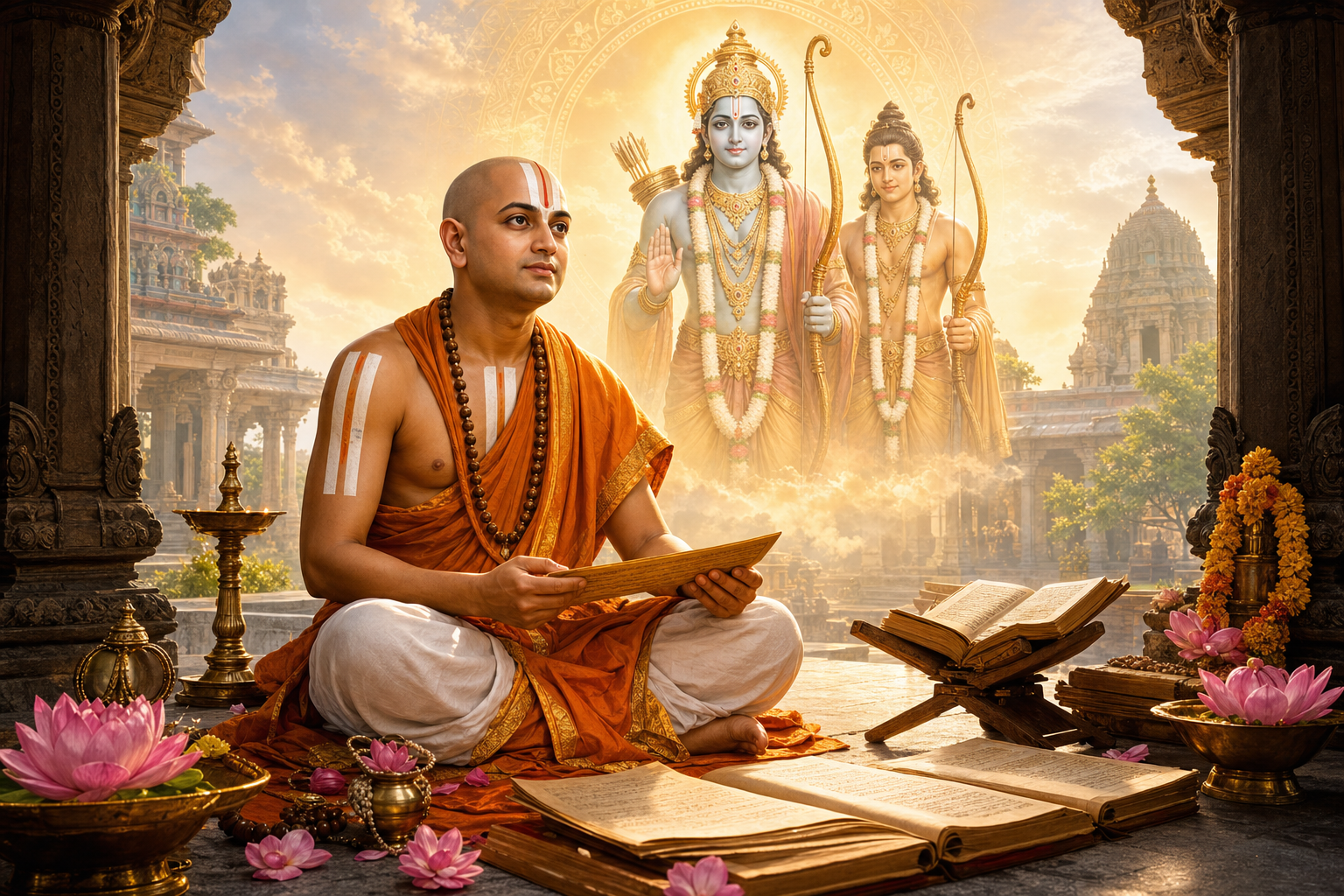
Sri Ramanujacharya’s legacy reveals how Vaishnavism unites rigorous Vedanta with heartfelt devotion. His name evokes Lakshmana, the devoted younger brother of Sri Rama, and symbolizes service, surrender, and loyalty to dharma. Through Vishishtadvaita Vedanta, Ramanujacharya affirmed the reality of the soul, the world, and the loving relationship between the devotee and the Supreme. His teaching…
-
Krishna’s Complete Divinity: Warrior, Lover, Child, and Infinite Consciousness
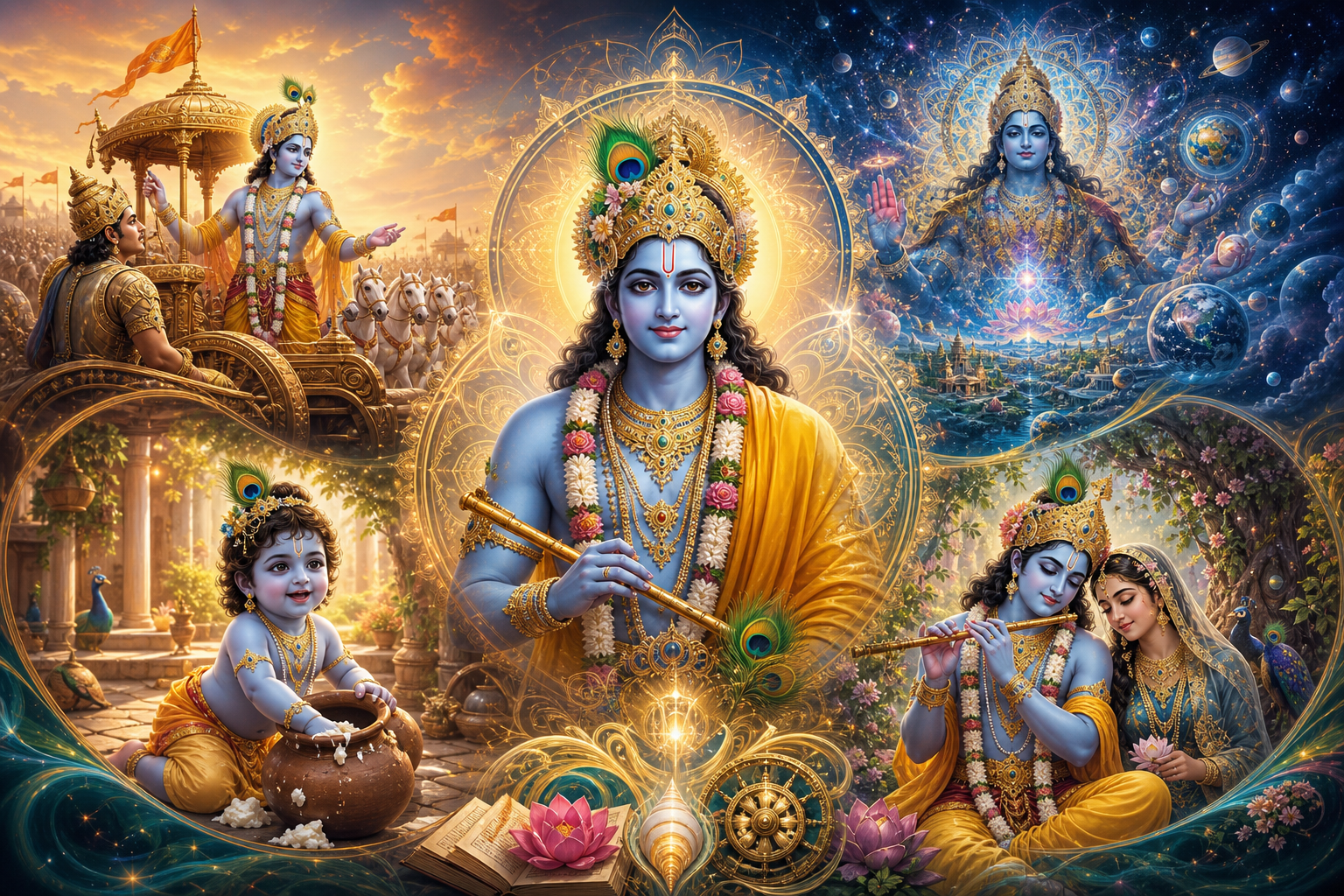
Krishna represents one of the most complete visions of divinity in Hindu philosophy: child, lover, warrior, teacher, friend, and cosmic reality. This essay explores how Krishna’s many forms in the Bhagavata Purana, Mahabharata, and Bhagavad Gita reveal a theology of wholeness rather than contradiction. It explains the devotional meaning of Bala Krishna, Radha-Krishna love, Krishna’s…
-
Own the Present: Hindu Dharma’s Powerful Path from Regret to Responsible Action
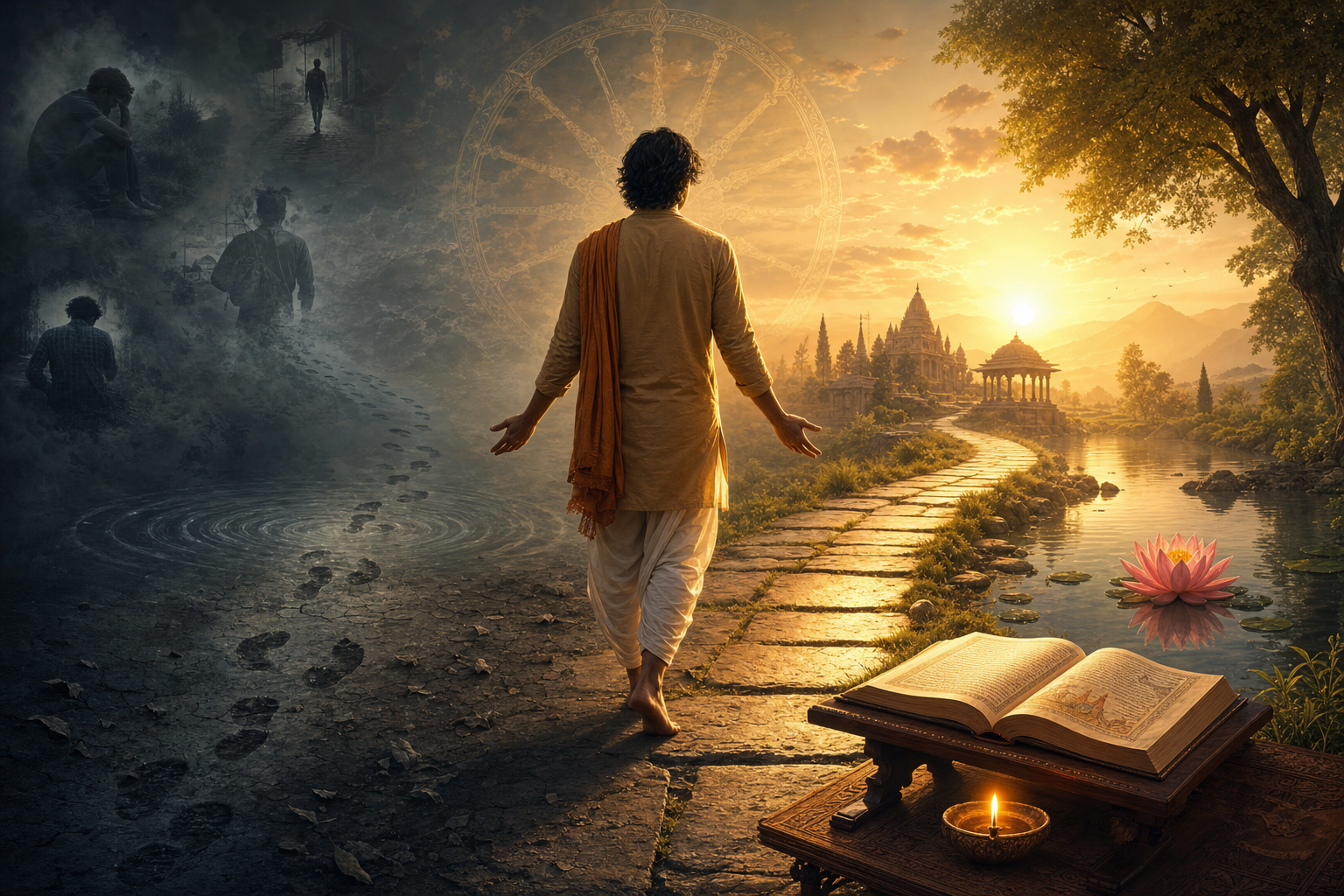
This article explores how Hindu Dharma transforms regret into responsible action through the living practice of present dharma. It explains that while past choices, inherited conditions, and social influences may partly shape a person, the present moment remains the true field of ethical freedom. The discussion clarifies karma as moral continuity rather than fatalistic punishment,…
-
July 5, 2026 Panchang: Essential Tithi Guide for Mindful Hindu Practice
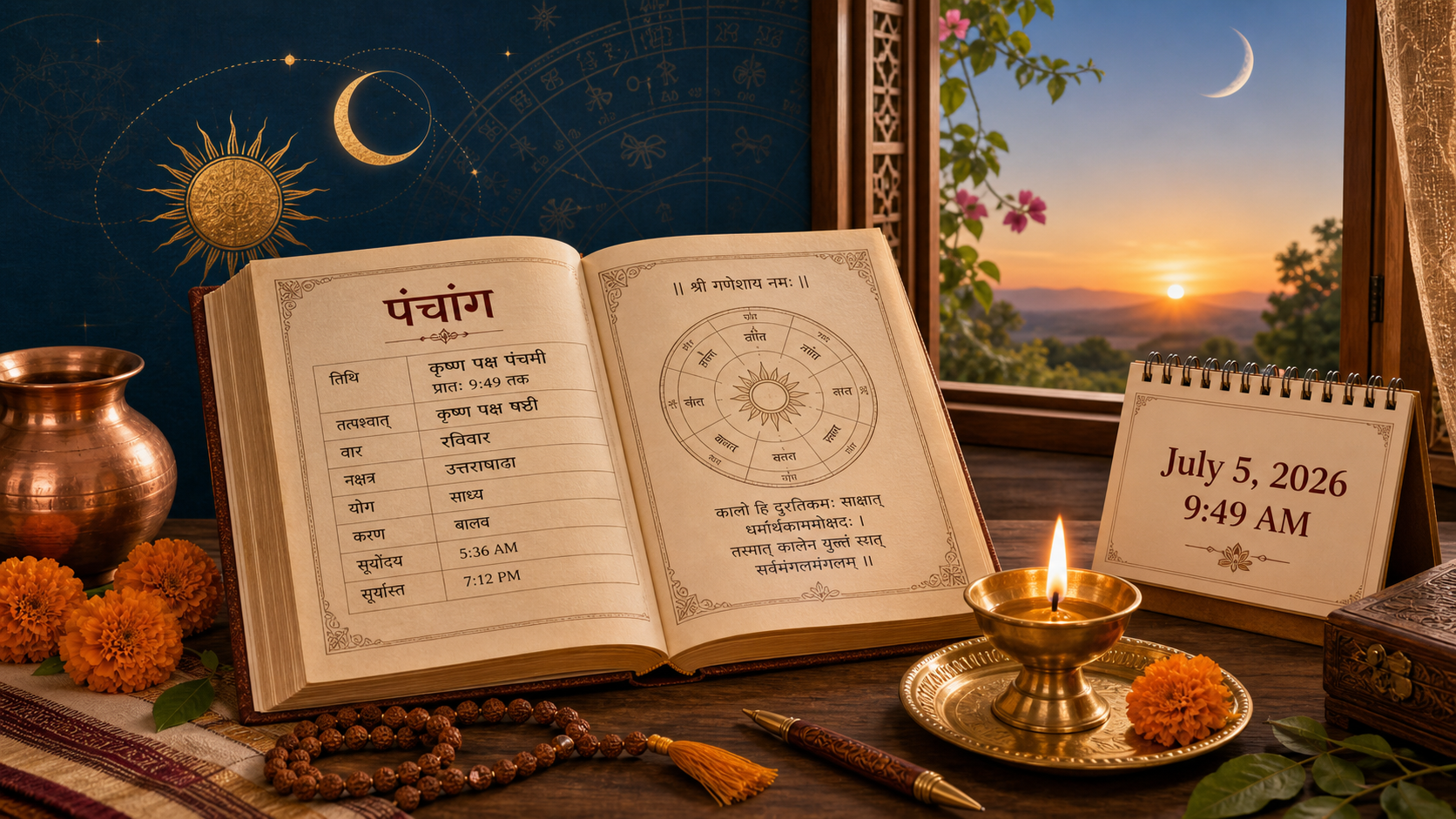
July 5, 2026, falls on a Sunday and is marked in the Hindu Panchang by Krishna Paksha Panchami until 9:49 AM. After that time, Krishna Paksha Sashti begins and governs the rest of the day. This guide explains the meaning of Panchami, Sashti, Krishna Paksha, tithi calculation, and the role of the Panchang in daily…
-
Kalapurusha Revealed: Powerful Cosmic Symbolism of Time, Death, and Dharma
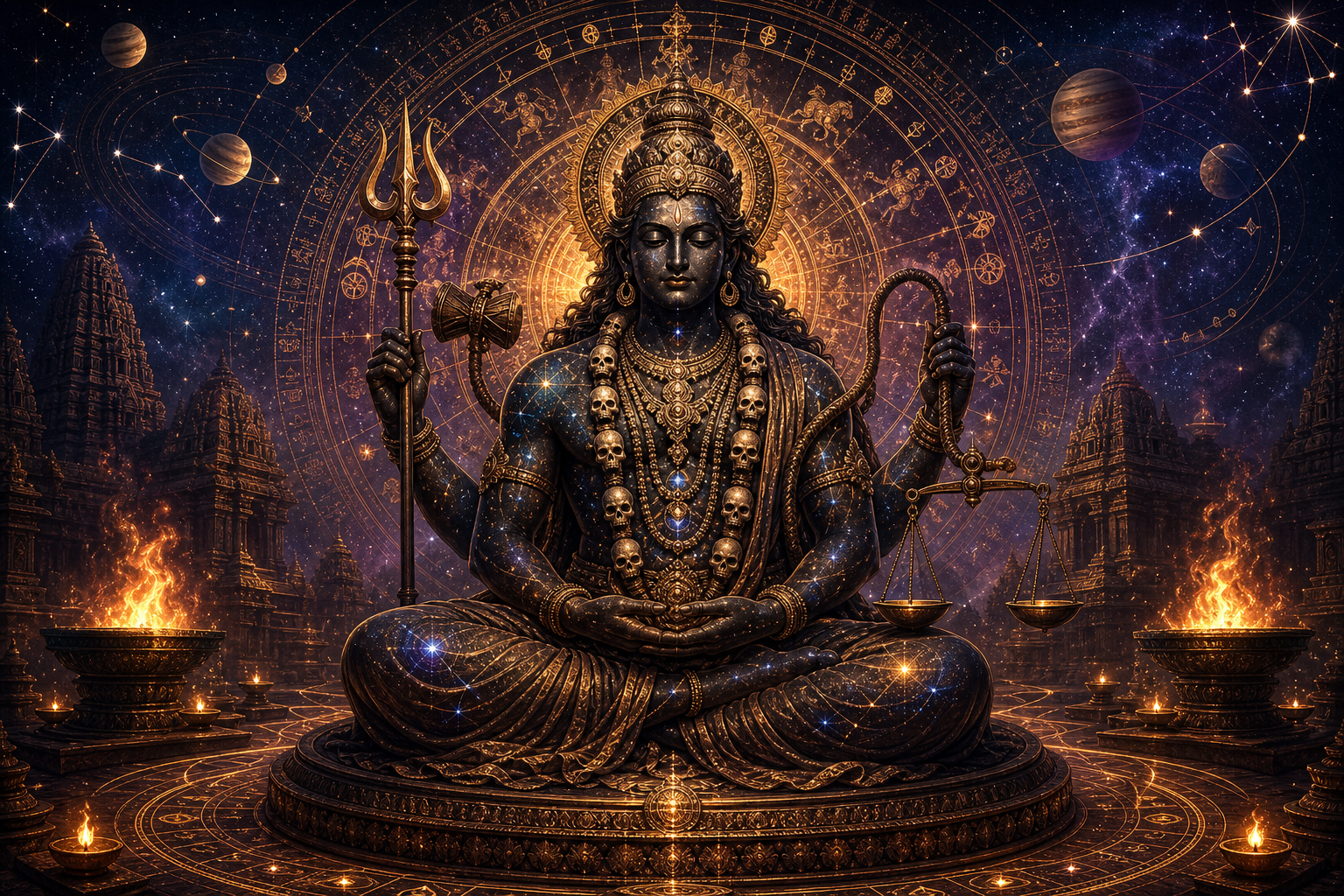
Kalapurusha represents the sacred embodiment of time and death in Hindu philosophy and iconography. This article explains how Kala means both time and mortality, showing why Hindu thought treats death as inseparable from cosmic order. It explores Kalapurusha through Purusha symbolism, Jyotisha, temple culture, karma, dharma, and the search for moksha. The discussion also clarifies…
-
Sacred Power of Balarama’s Langala: Plough Symbolism in Hindu Sculpture
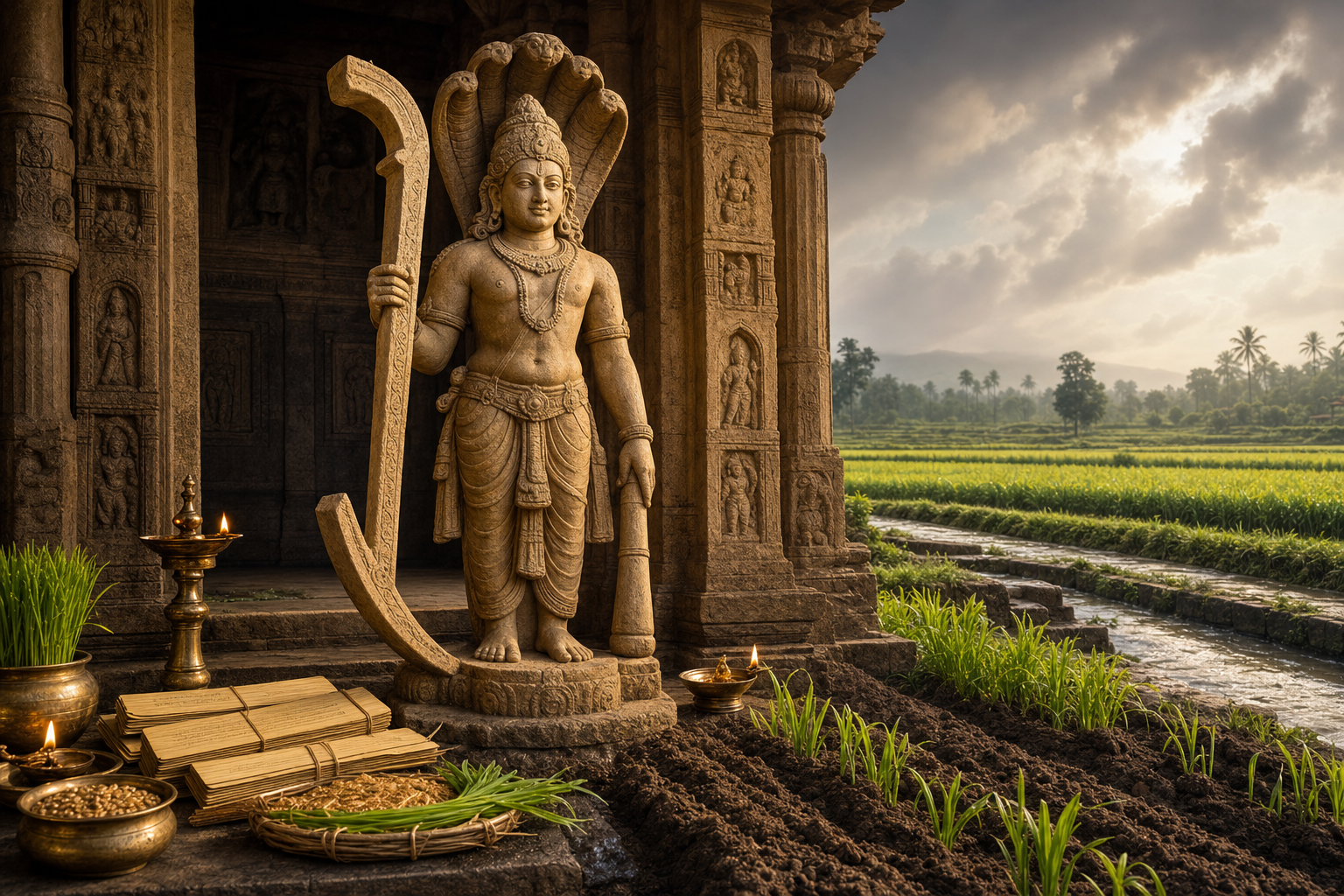
The Langala, or Hala, is the sacred plough associated with Balarama and one of the most meaningful agrarian symbols in Hindu sculpture. It represents fertility, strength, food, disciplined labor, and the sanctity of the earth. In Hindu iconography, the plough identifies Balarama as Halayudha and connects him with agriculture, protection, and cosmic support. The symbol…
-
Swayamvara vs Viryashulka: Ancient India’s Powerful Marriage Customs Explained
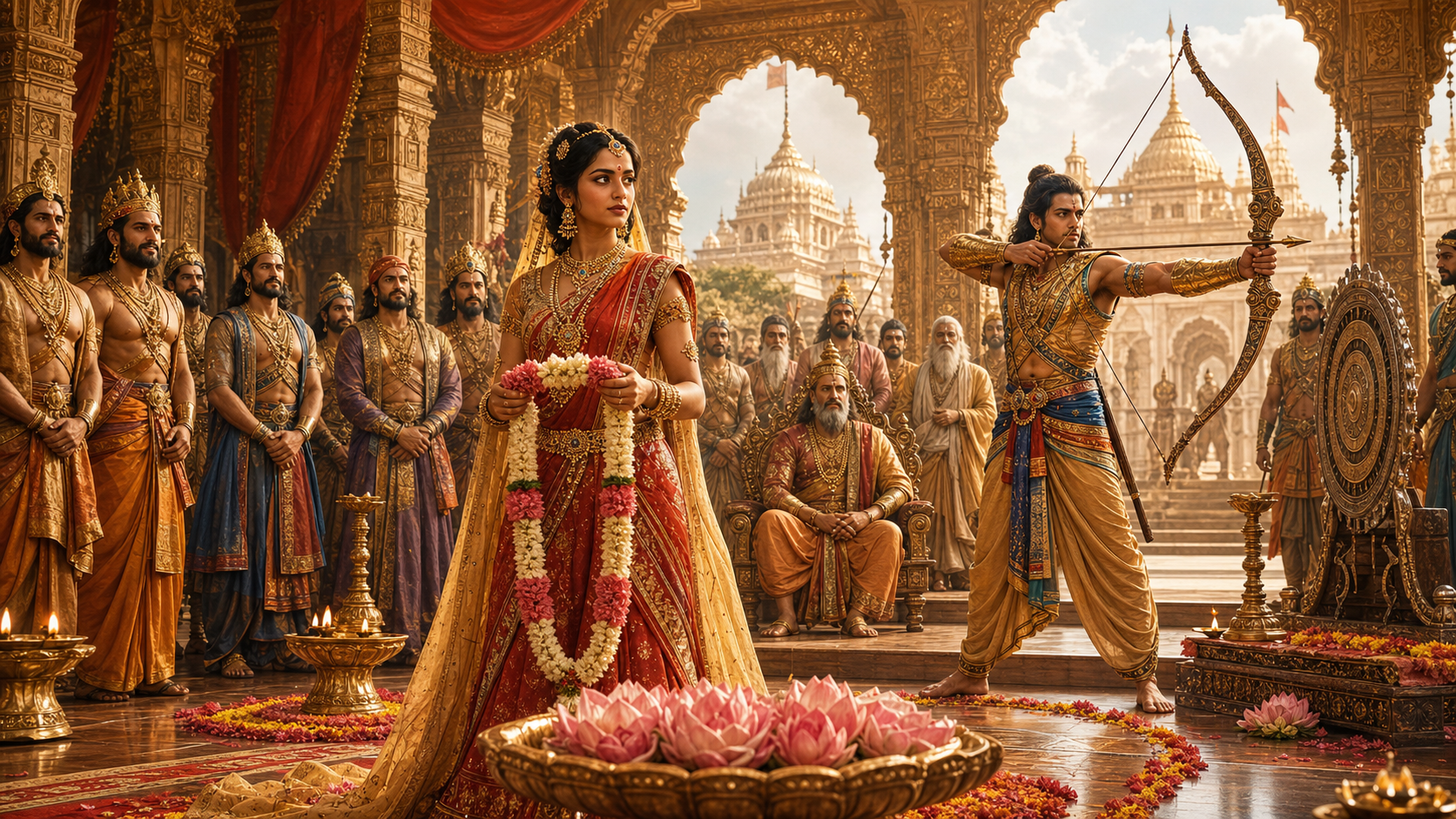
Swayamvara and Viryashulka are two important ancient Indian marriage customs, but they are not the same. Swayamvara centers on the bride’s public act of choosing a husband, while Viryashulka centers on a heroic test that proves a suitor’s worthiness. The Ramayana’s account of Sita and the bow of Shiva is a classic example of Viryashulka,…
-
Chinna Karuppar: Powerful Guardian of Tamil Nadu’s Sacred Village Dharma
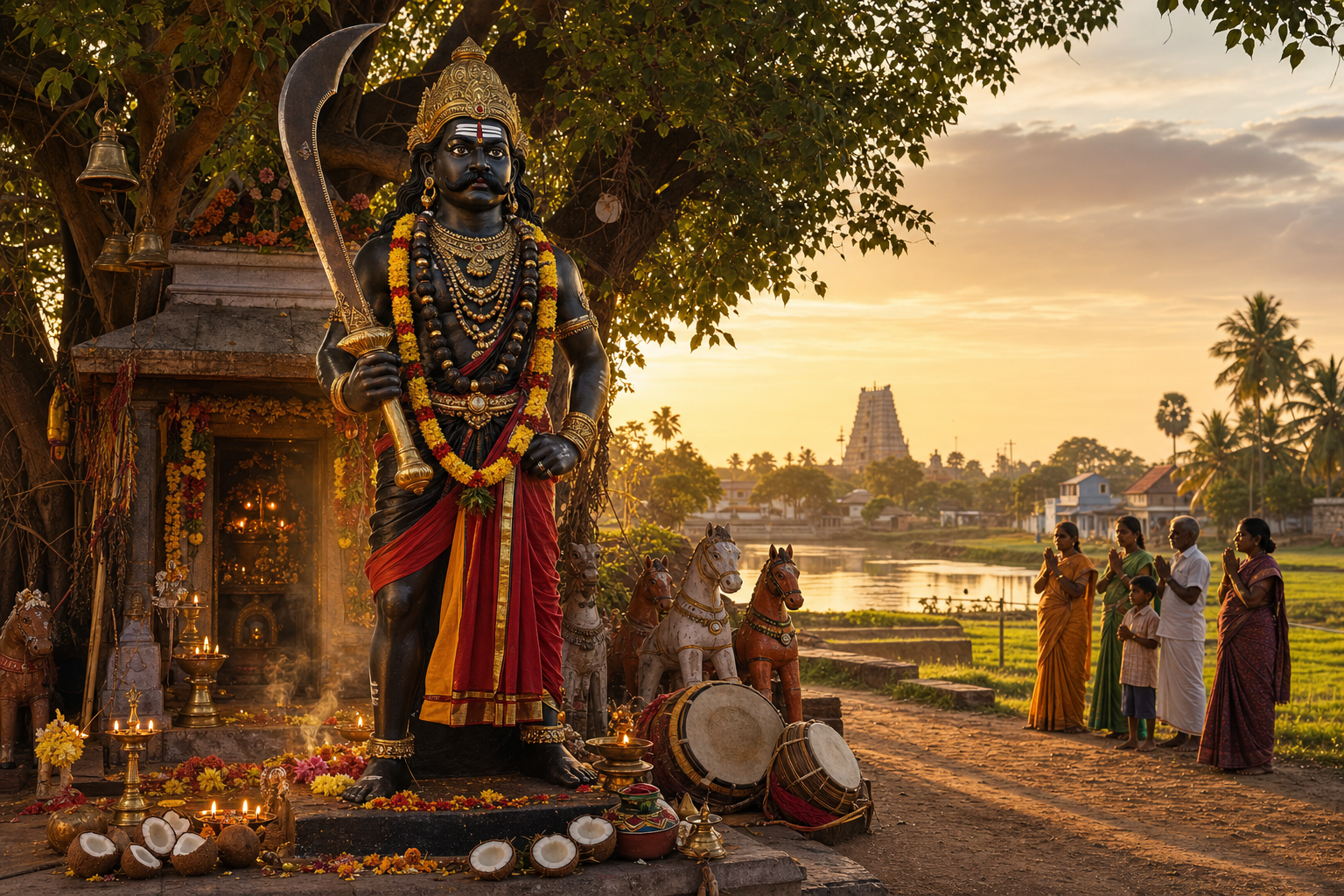
Chinna Karuppar, also known as Chinna Karuppasamy, is a powerful guardian deity within Tamil Nadu’s living village and kuladeivam traditions. His worship is rooted in southern districts such as Madurai, Sivagangai, Ramanathapuram, Dindigul, Theni, Tirunelveli, Pudukkottai, and Tiruchirappalli. This article explains his role as a kaval deivam, a sacred protector of boundaries, families, truth, and…
-
Why Every Ramayana Is Incomplete: The Powerful Living Tradition of Rama
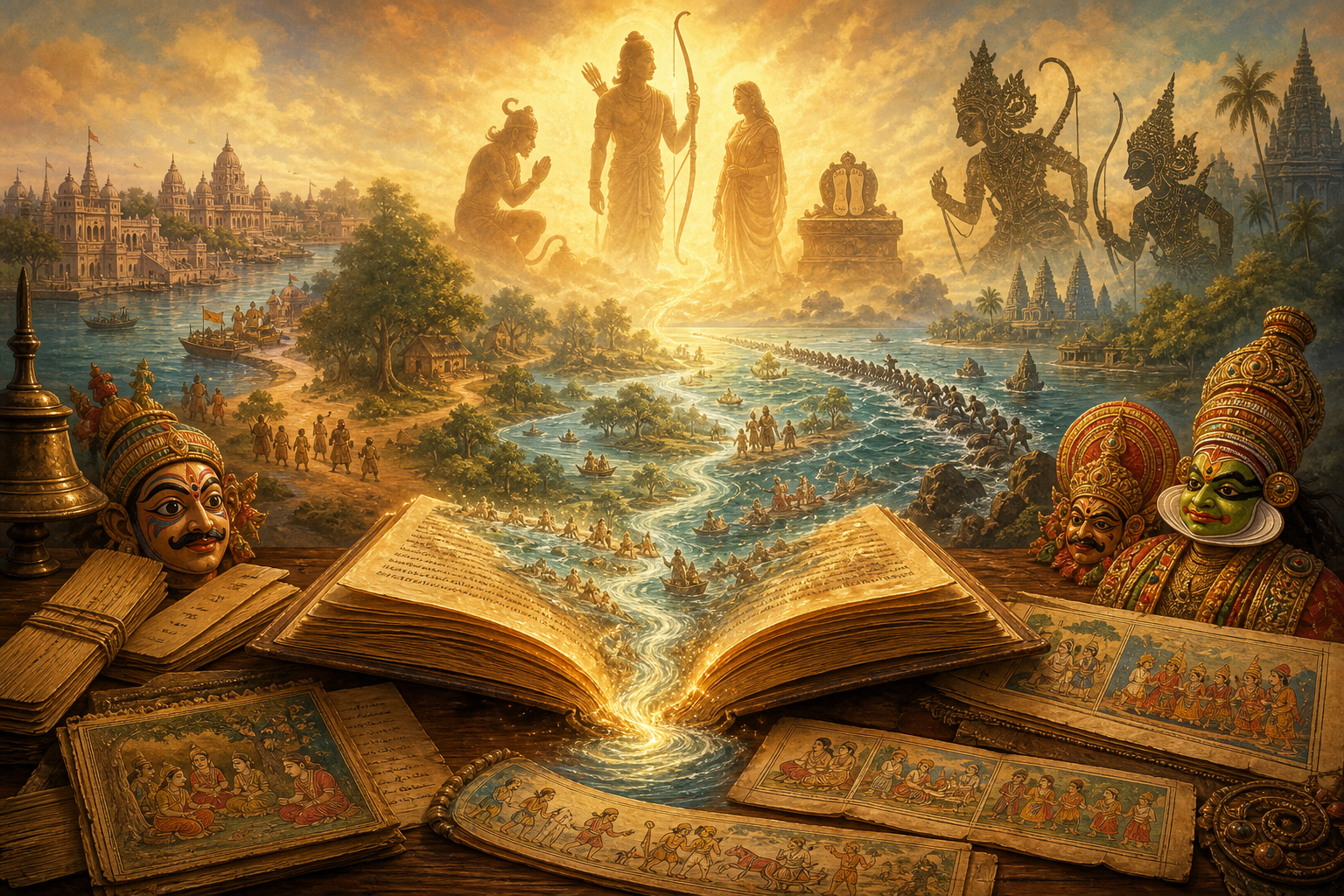
The Ramayana is often treated as a single familiar story, but its real tradition is far wider and deeper. Valmiki’s Sanskrit Ramayana, Tulsidas’s Ramcharitmanas, Kamban’s Tamil epic, Jain and Buddhist retellings, Southeast Asian adaptations, and folk performances all reveal different dimensions of Rama Katha. This article explains why every Ramayana is complete within its own…