
-
Govardhan’s Sacred Vow: The Powerful Link Between Rama, Krishna, and Dharma
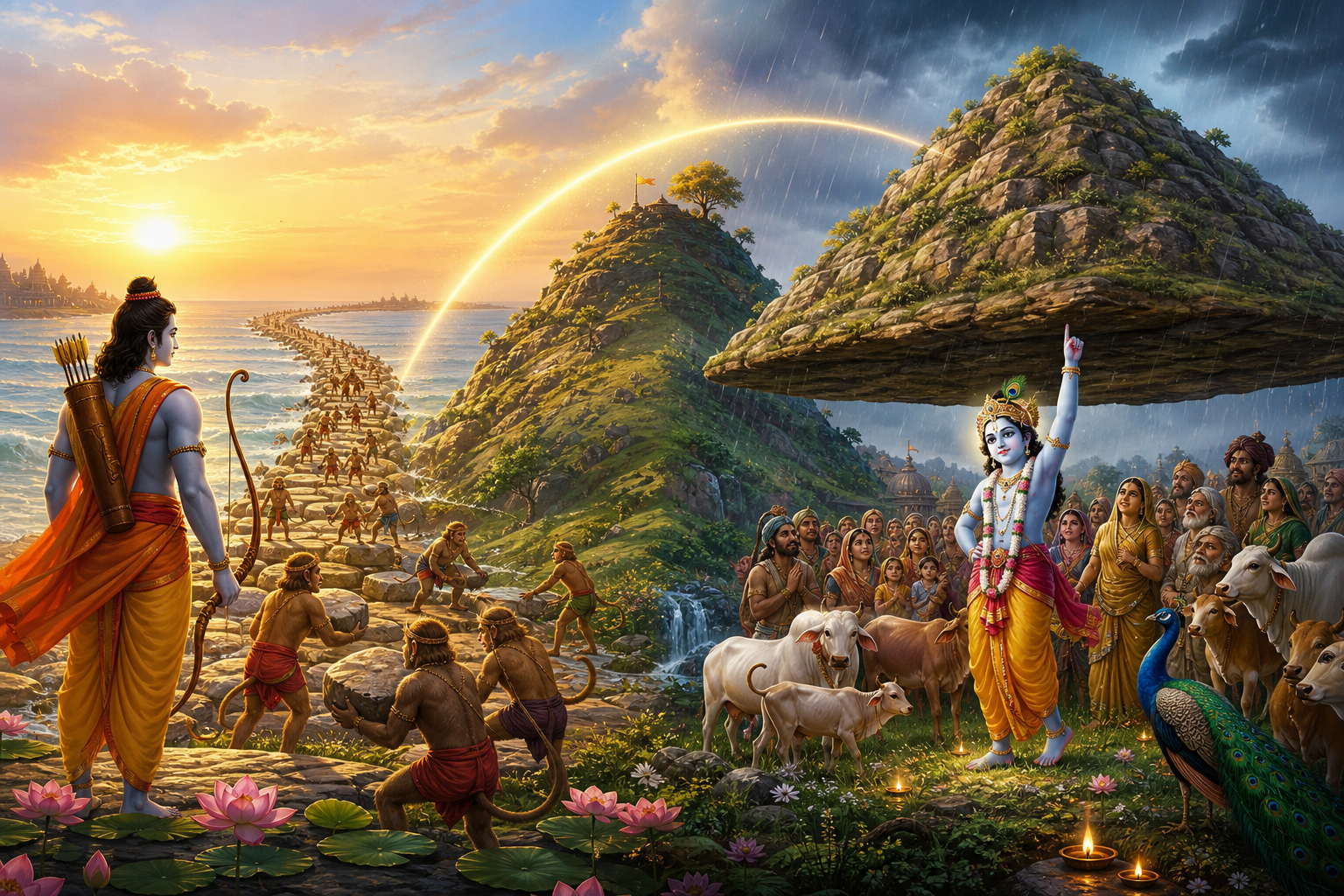
The story of Govardhan across Treta Yuga and Dvapara Yuga reveals a powerful connection between Sri Rama and Sri Krishna. In devotional tradition, Govardhan longed to serve Rama during the building of Rama Setu but was promised future fulfillment. That promise is completed when Krishna lifts Govardhan to protect Vraja from Indra’s storm. The narrative…
-
Yudhishthira’s Secret Strategy: How Shalya’s Counsel Shattered Karna’s Final Stand
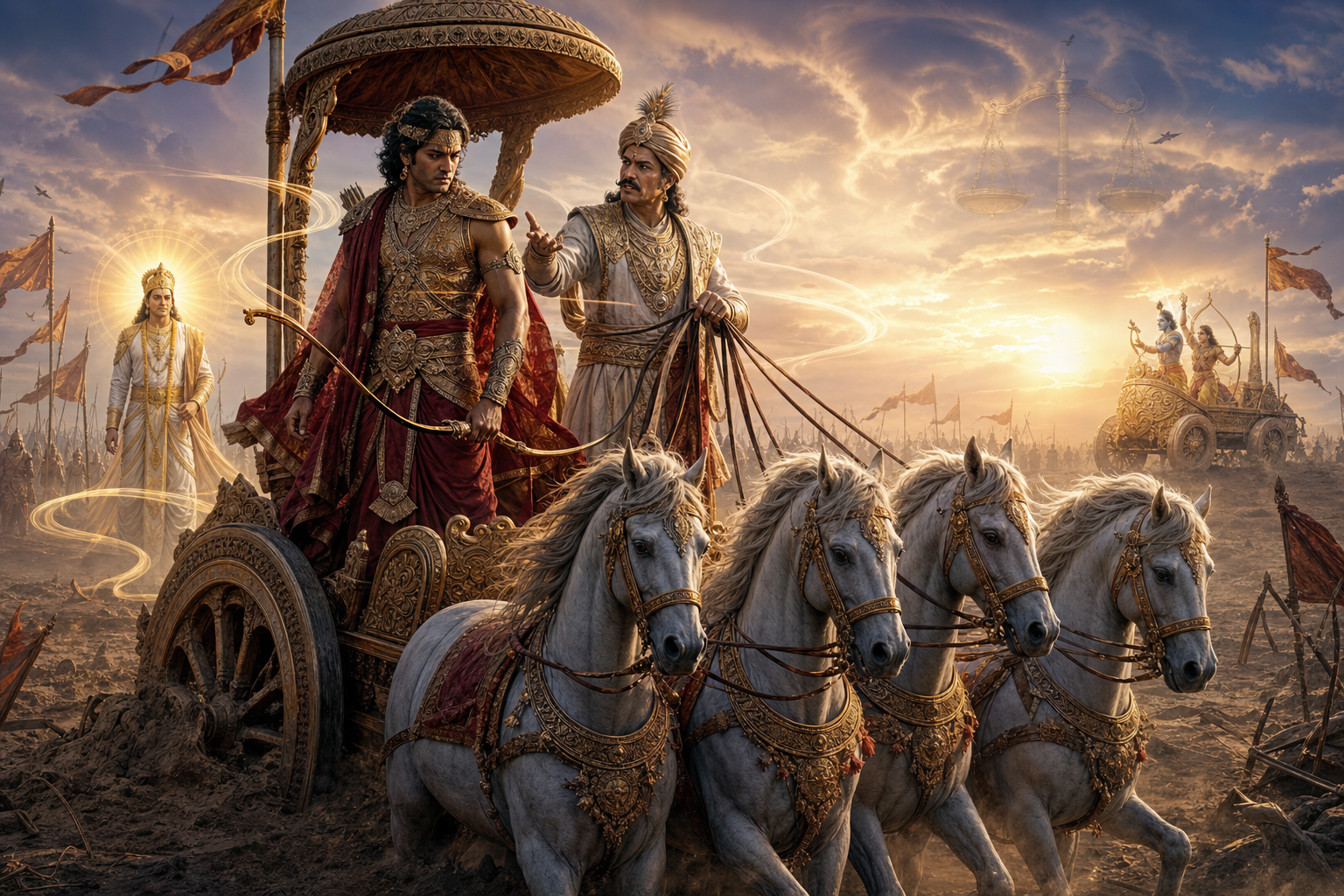
This article examines how Yudhishthira’s quiet agreement with Shalya shaped Karna’s final battle in the Mahabharata. Shalya, though related to the Pandavas through Madri, became bound to Duryodhana through the ethics of hospitality and promise. Yudhishthira recognized this moral complication and asked Shalya to weaken Karna’s confidence if he became Karna’s charioteer. The episode reveals…
-
Nagaraja in Hinduism: Powerful Meaning, Sacred Worship, and Serpent Wisdom
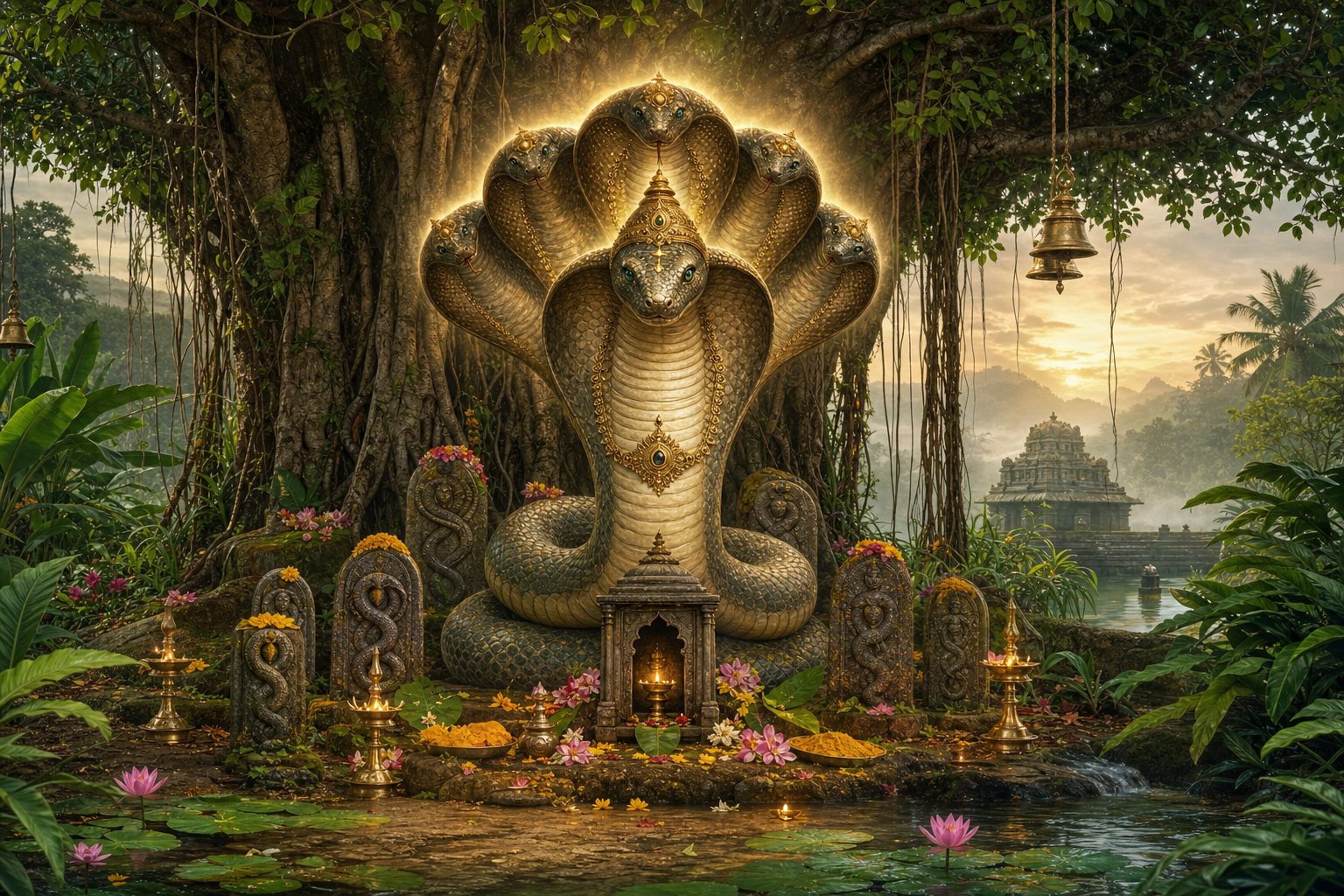
Nagaraja, the “King of Serpents,” is one of the most profound serpent figures in Hindu tradition, especially in South Indian worship. This article explains Nagaraja not merely as a serpent deity, but as a symbol of cosmic power, fertility, protection, ecological balance, and hidden spiritual energy. It explores scriptural figures such as Ananta, Vasuki, and…
-
Three Kinds of Atma in Hinduism: A Profound Upanishadic Map of the Self

The Atmopanishad presents a profound threefold understanding of Atma: Bahyatma, Antaratma, and Paramatma. Bahyatma refers to the physical body, the visible and changing outer self. Antaratma refers to the inner world of thought, emotion, memory, intention, and moral awareness. Paramatma points to the supreme Self, the deepest spiritual reality beyond bodily and mental change. This…
-
Brahma as Urdhva Dikpala: Powerful Wisdom of the Celestial Guardian
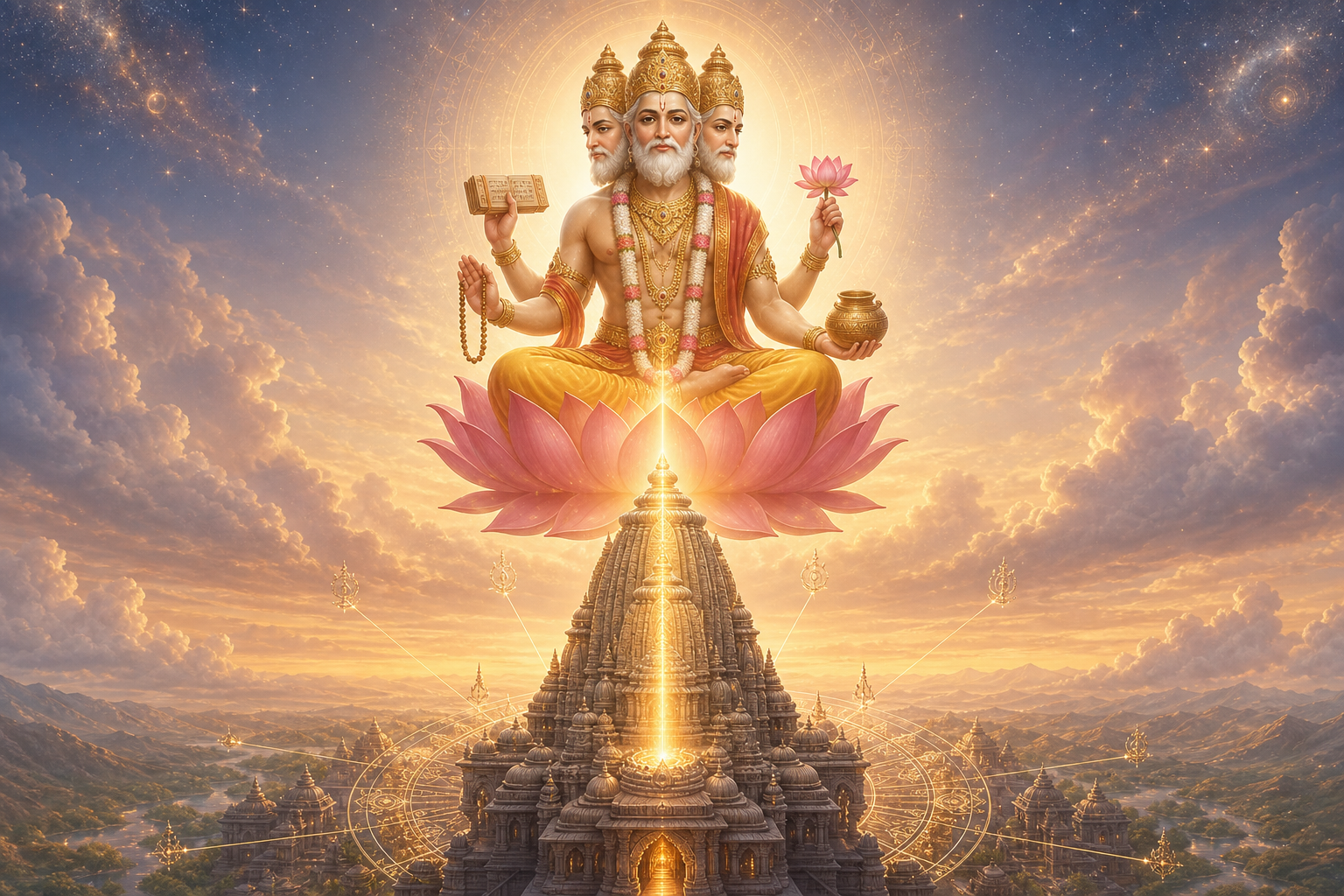
Brahma as Urdhva Dikpala reveals how Sanatana Dharma understands space as sacred, ordered, and spiritually meaningful. The Dasha Dikpalas, or guardians of the ten directions, transform the universe into a mandala of divine protection and cosmic orientation. Brahma’s role as the upward guardian connects him with creation, sacred knowledge, temple architecture, and the human aspiration…
-
Nadabindu Upanishad: Profound Teaching on Om Before Death and Liberation
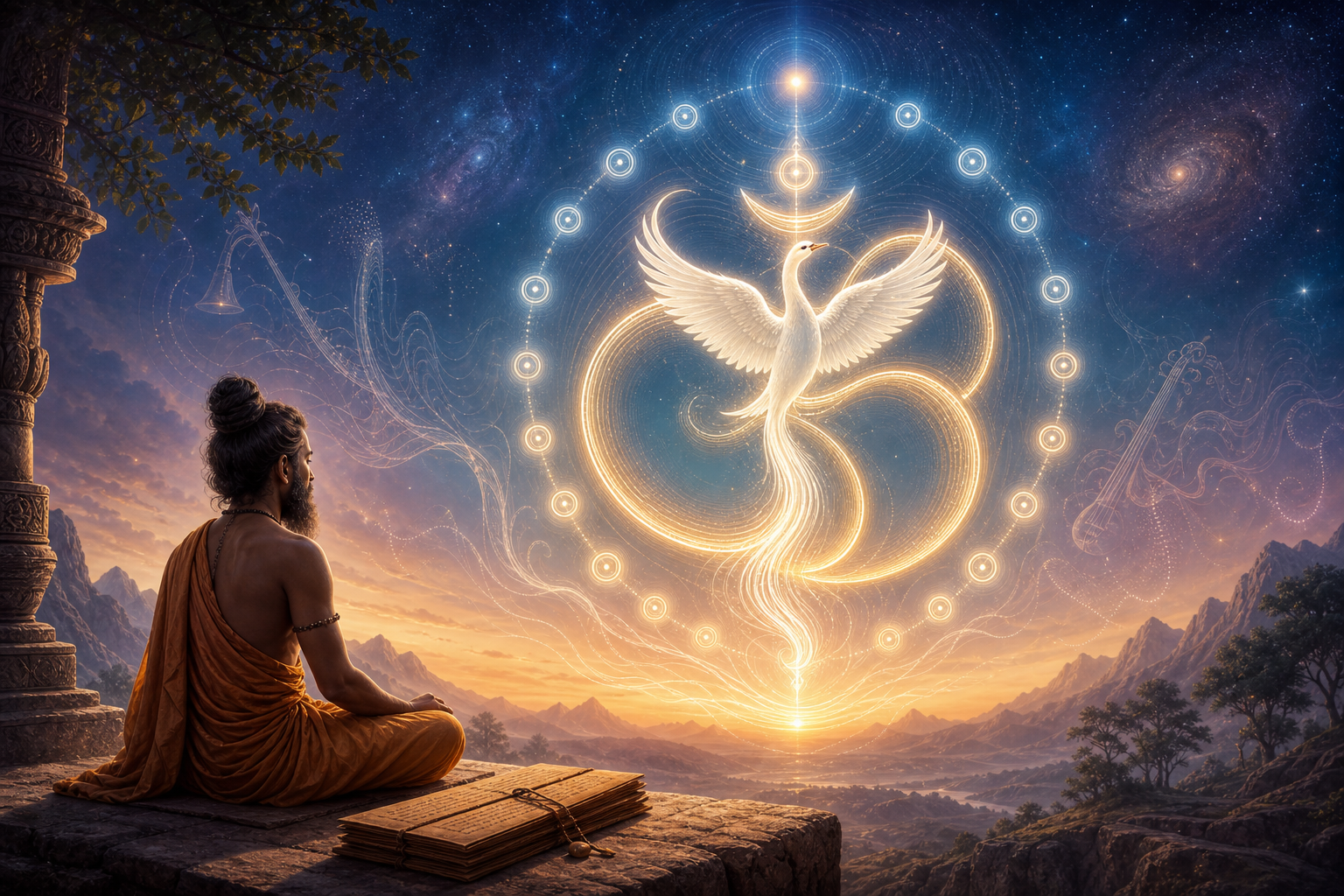
The Nadabindu Upanishad gives a profound yogic teaching on Om, its matras, and the state of consciousness at the time of death. It explains Aum as a complete contemplative structure, moving from the audible sounds a, u, and m to the subtle ardhamatra beyond sound. The text describes twelve matras or kalas of Om and…
-
Amman Worship in South India: Powerful Mother, Sacred Healing, Living Shakti
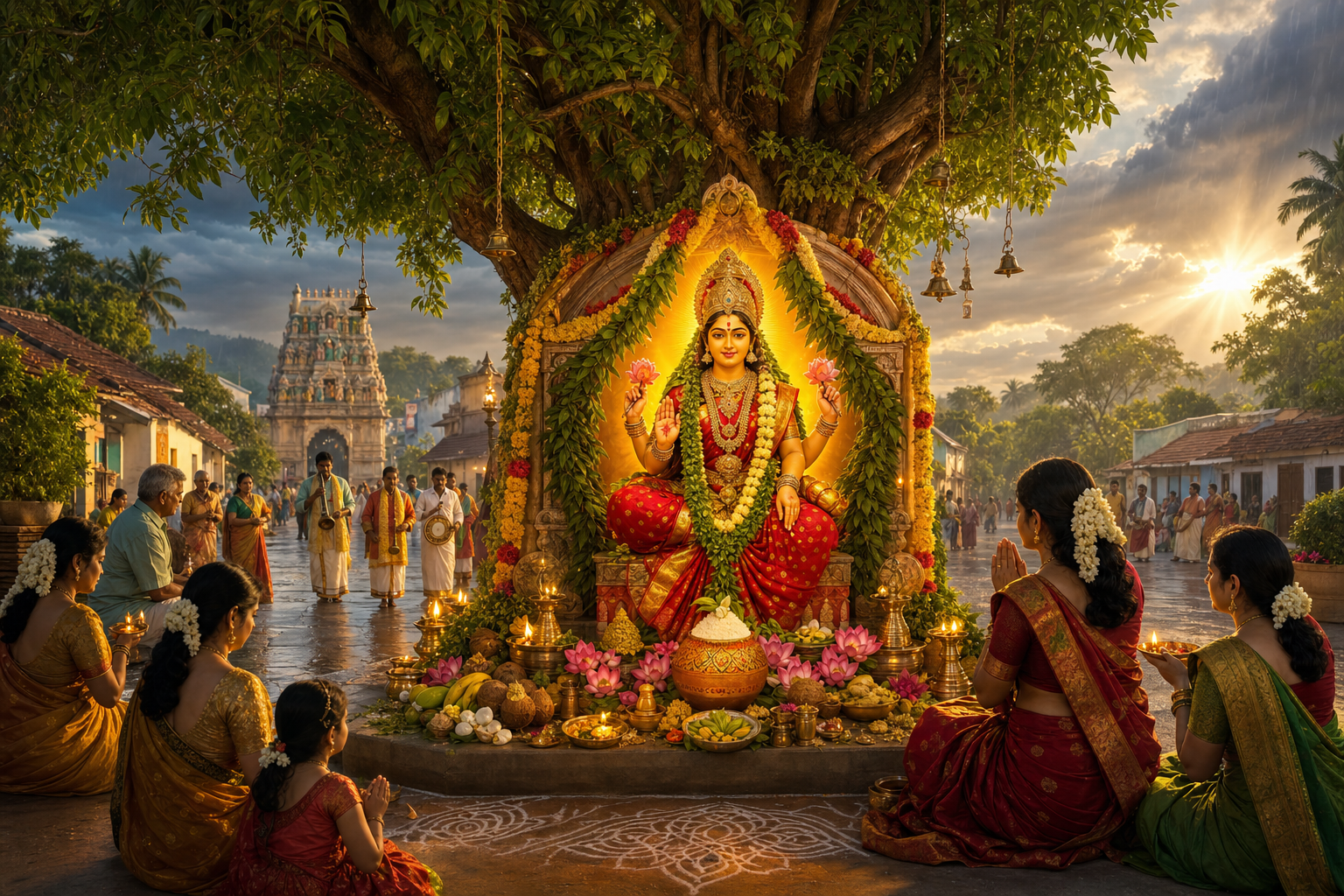
Amman worship in South India reveals one of the most powerful living traditions of Hindu devotion to the Divine Mother. Rooted especially in Tamil Nadu, it unites village protection, healing rituals, Shakti theology, ecological reverence, and community memory. This article explains the symbolism of Mariamman, Ellaiamman, Kaliamman, Angalamman, Draupadi Amman, and Meenakshi Amman while showing…
-
Drona’s Kamandalu Flag in the Mahabharata: Powerful Symbol of the Warrior-Sage
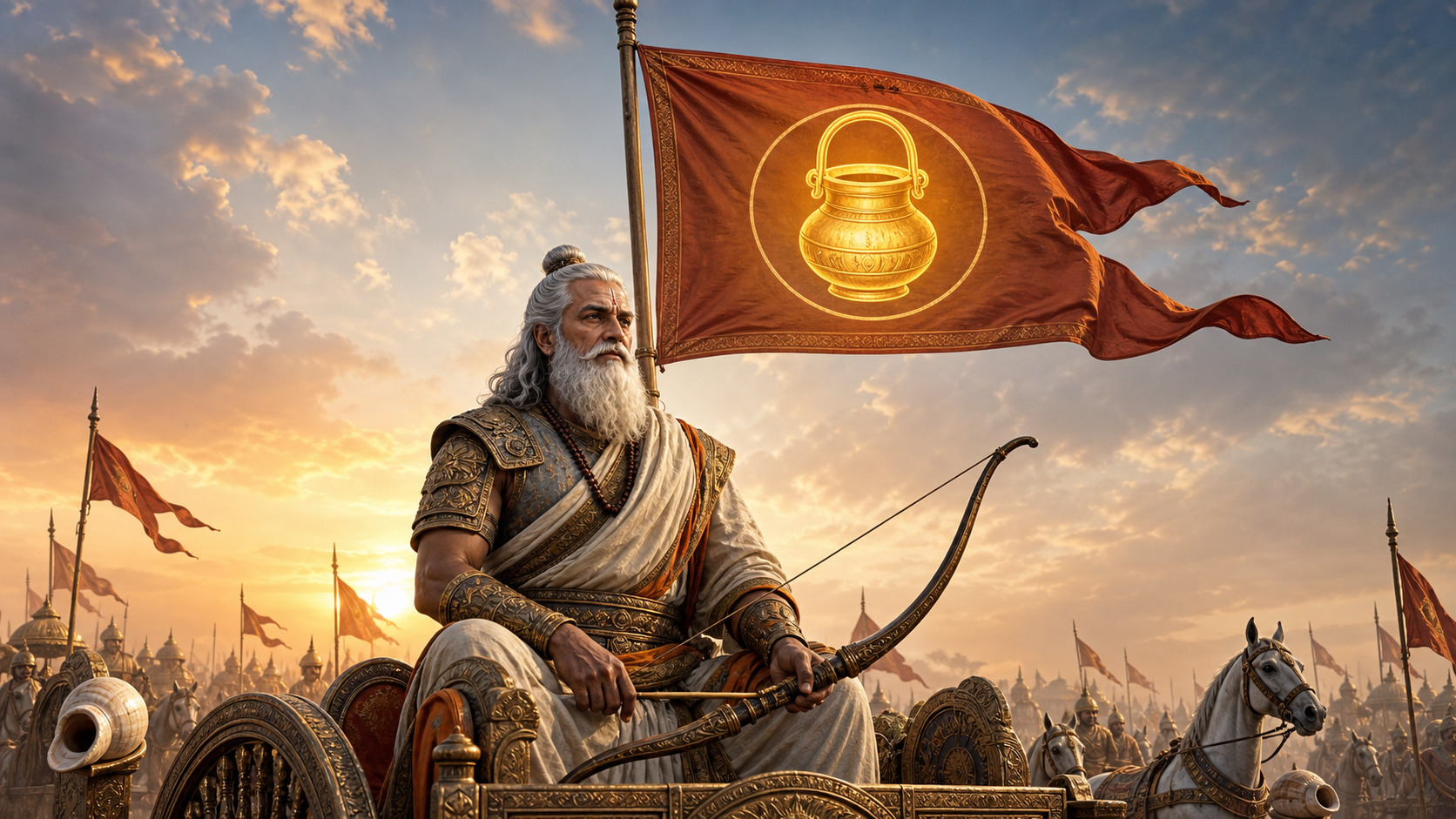
Drona’s kamandalu flag in the Mahabharata is a powerful symbol of the warrior-sage caught between sacred knowledge and battlefield duty. The emblem reflects his Brahmin lineage, his role as Dronacharya, and the deeper tension between Brahma-tejas and Kshatra-tejas. This interpretation explains how the ascetic water vessel becomes meaningful when raised above a war-chariot in the…
-
Self-Realization in Hinduism: Powerful Signs of Enthusiasm, Smile and Bliss

Self-realization in Hinduism is the direct recognition of the true self beyond body, mind and ego. Its signs are not limited to mystical language; they appear in daily life as enthusiasm, a natural smile and quiet bliss. Enthusiasm reflects action aligned with dharma rather than anxiety or ambition. A genuine smile reveals inner ease, humility…
-
July 15, 2026 Panchang: Powerful Tithi, Nakshatra, Rashi and Good Times
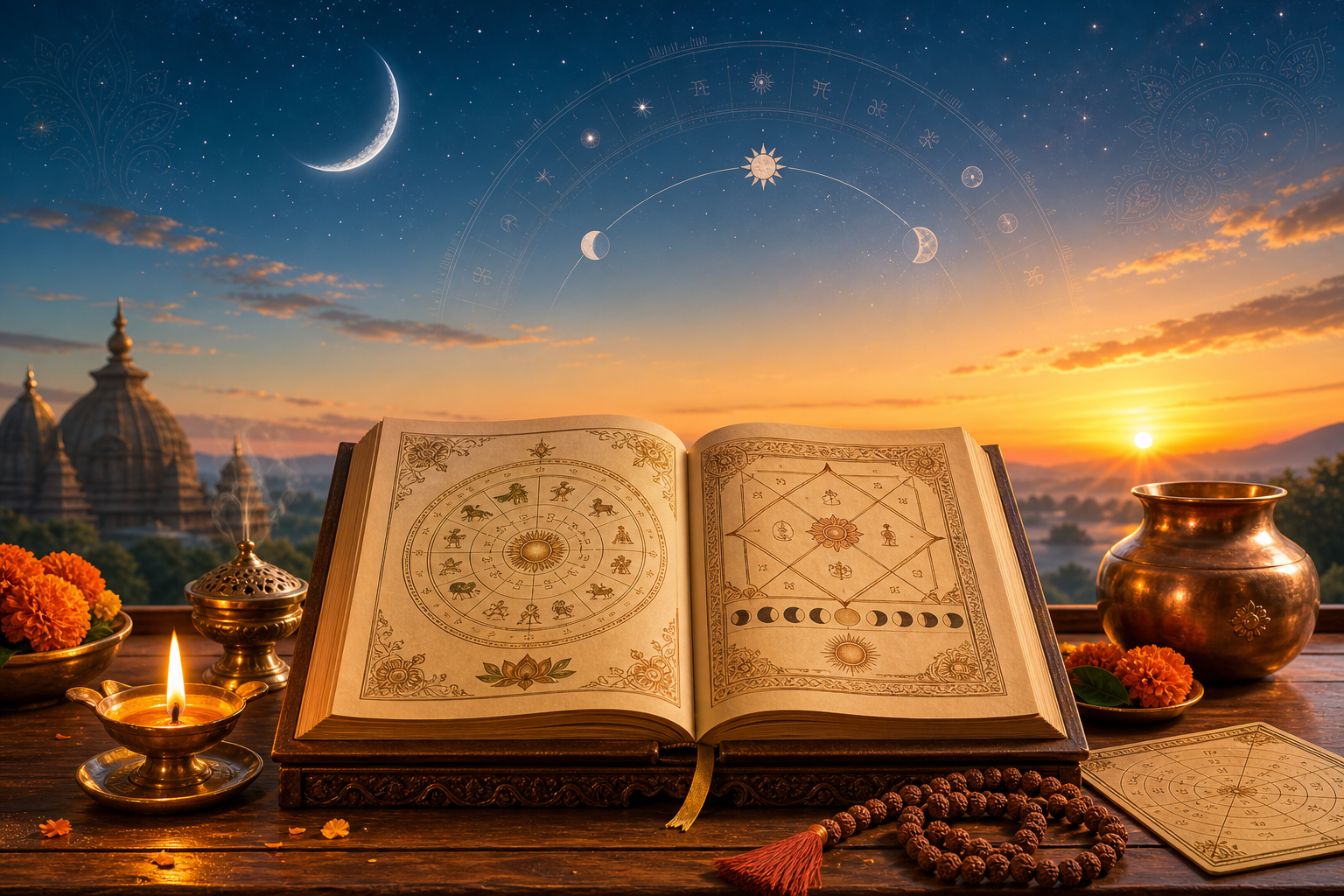
July 15, 2026 marks Shukla Paksha Pratipada in the Hindu Panchang, followed by Dwitiya after the Tithi transition. The day falls on Wednesday and belongs to the early waxing phase of the Moon, making it significant for renewal, planning, prayer, and disciplined beginnings. The provided source note states that Pratipada continues until 1:22 PM, though…
-
Sulochana in the Ramayana: Indrajit’s Wise Wife and the Silent Power of Dharma

Sulochana, remembered in later Ramayana traditions as the wife of Indrajit, represents the quiet power of dharma within Lanka’s troubled royal household. Her story deepens the epic by showing how conscience, counsel, and moral clarity can exist even among those bound to Ravana’s side. While she is not a major figure in the most familiar…
-
Shalya’s Fateful Promise: Powerful Mahabharata Lessons on Deception, Dharma and Destiny

The Shalya episode of the Mahabharata offers a profound study of deception, duty, destiny and dharma. King Shalya of Madra intended to support the Pandavas, but Duryodhana’s calculated hospitality trapped him into a promise that redirected his loyalty. This episode reveals how speech, honour and social obligation could carry immense moral force in epic India.…
-
Jagadgauri Manasa: The Serpent Goddess and the Radiant Beauty of the Universe
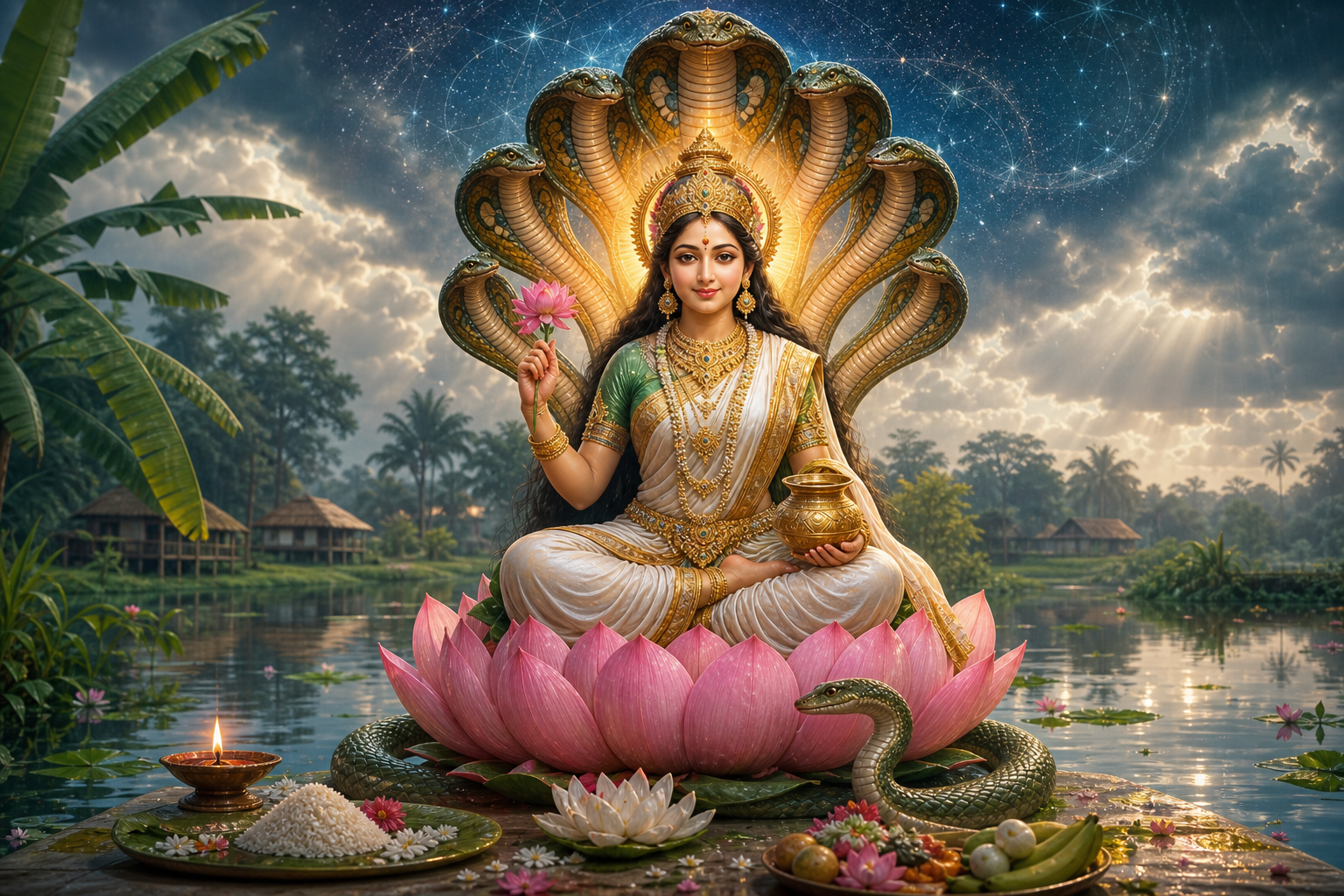
Goddess Manasa is called Jagadgauri because she embodies the radiant, protective, and auspicious power of the Divine Mother within the living universe. Her identity as the serpent goddess connects her to protection from snakebite, healing from poison, fertility, and ecological balance. The title Jagadgauri combines the ideas of Jagat, the world, and Gauri, luminous auspicious…
-
Dhyana Bindu Upanishad: Powerful Yogic Wisdom for Meditation and Inner Clarity
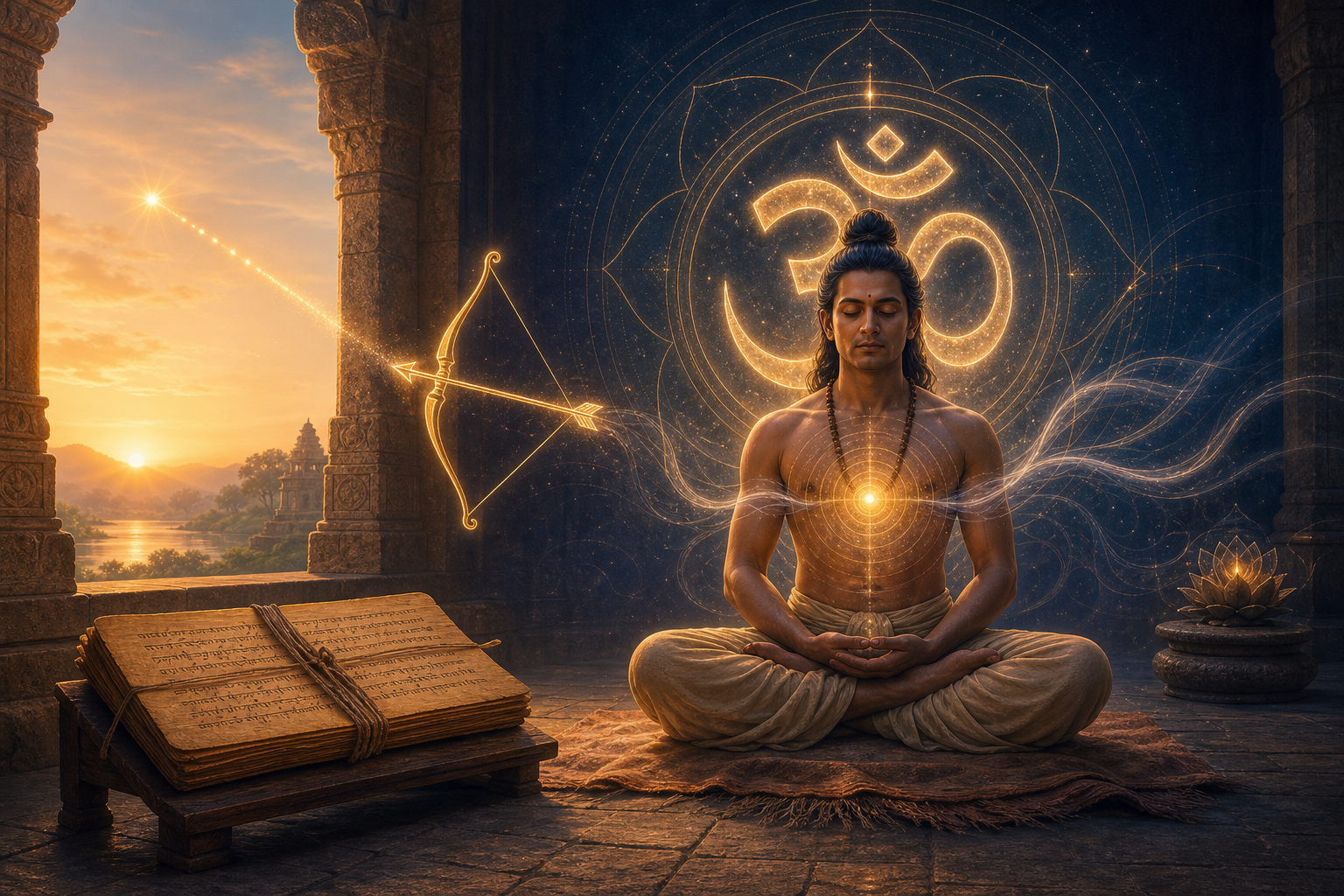
The Dhyana Bindu Upanishad is a compact but profound Yoga Upanishad centered on meditation, Om, breath, concentration, and the realization of Atman and Brahman. It presents yoga as a disciplined path that integrates posture, prana, mantra, mental steadiness, and philosophical insight. The text is especially valuable because it shows how inner practice can move the…
-
Pushpa Bana in Hindu Iconography: The Powerful Flower Arrow of Divine Love
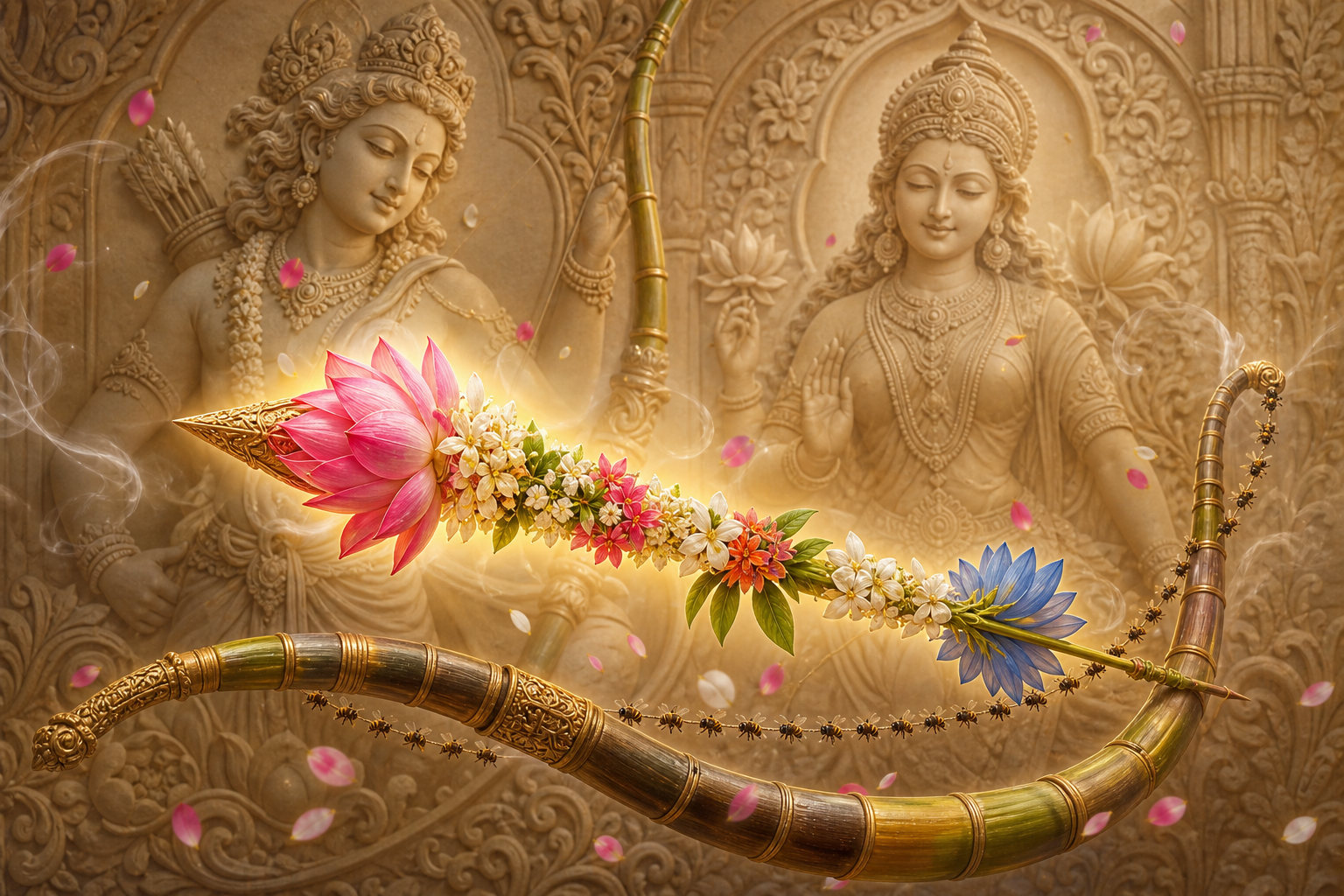
The pushpa bana, or flower arrow, is one of the most delicate yet powerful symbols in Hindu sculpture and iconography. Associated with Kamadeva and Lalita Tripura Sundari, it represents desire, beauty, sensory experience, and the transformation of attraction into devotion. Unlike weapons of war, the flower arrow pierces through fragrance, emotion, memory, and aesthetic power.…
-
Pampa Lake in the Ramayana: Sacred Waters, Exile, and the Power of Devotion
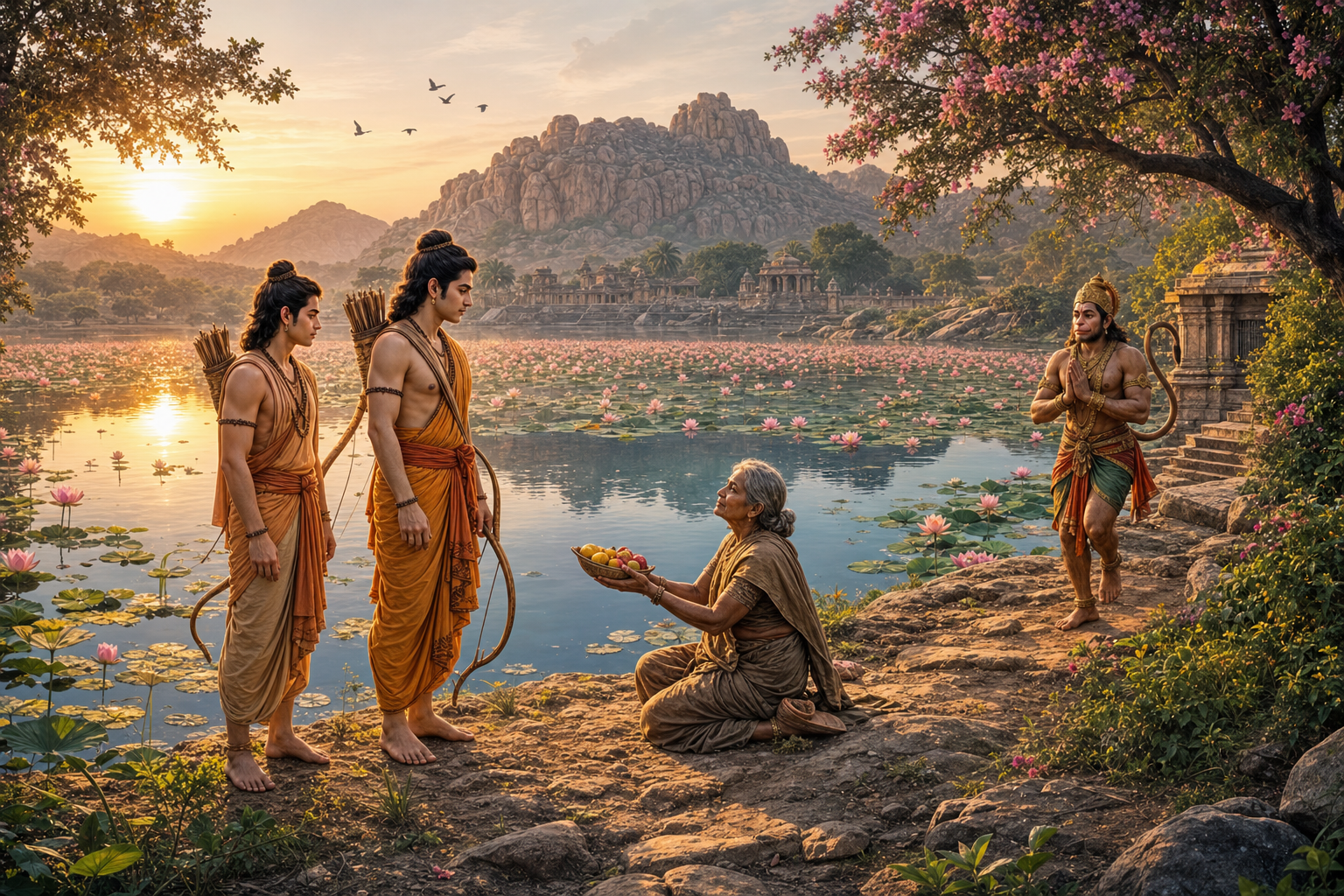
Pampa Lake, traditionally identified with the Kishkindha region near present-day Hampi and Anegundi in Karnataka, holds a profound place in the Ramayana. It is the sacred landscape where Sri Rama’s grief for Sita deepens, Shabari’s devotion finds fulfillment, and the first steps toward the alliance with Hanuman and Sugriva begin. The episode reveals how natural…
-
Rudra-Formed Ganas in Daksha Yajna: Fierce Justice and Sacred Humility
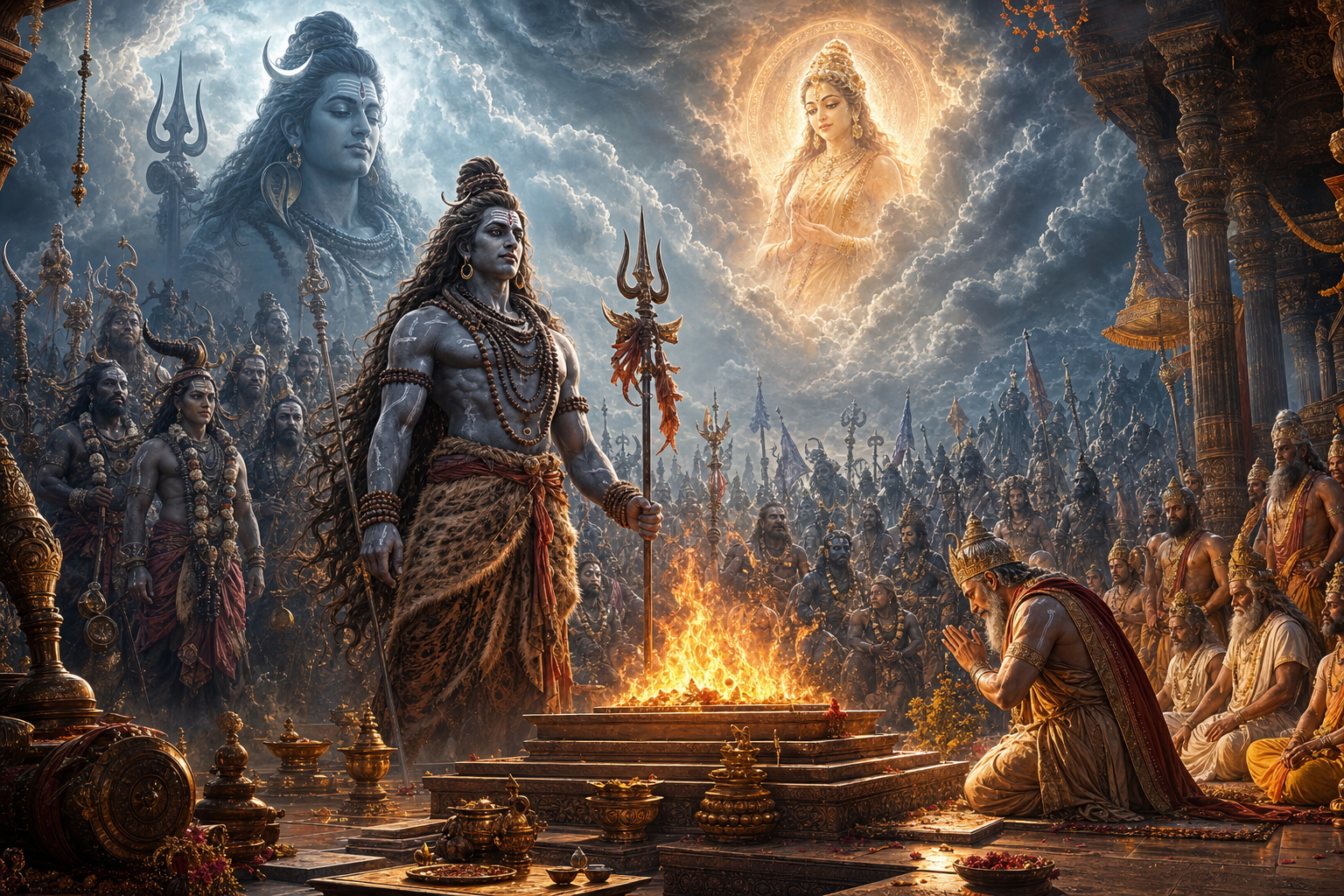
The Daksha Yajna episode is one of the most powerful Shaiva narratives, showing how pride can corrupt even a grand sacred ritual. Daksha’s insult to Lord Shiva and Sati leads to the manifestation of Virabhadra and thousands of Rudra-formed ganas who destroy the sacrifice. This article explains the theological meaning of the ganas, the symbolism…
-
Viparita Karani Mudra: Sacred Yogic Inversion for Prana, Stillness, and Renewal

Viparita Karani Mudra is a sacred yogic inversion rooted in Hatha Yoga and tantric understandings of the body as a living yantra. Classical traditions associate it with the preservation of amrita, the subtle nectar of vitality, and with the reversal of ordinary energetic decline. This article explains the practice academically and practically, distinguishing the classical…
-
Ancient Hindu Wisdom on Not Wasting: A Powerful Dharma Lesson for Modern Life
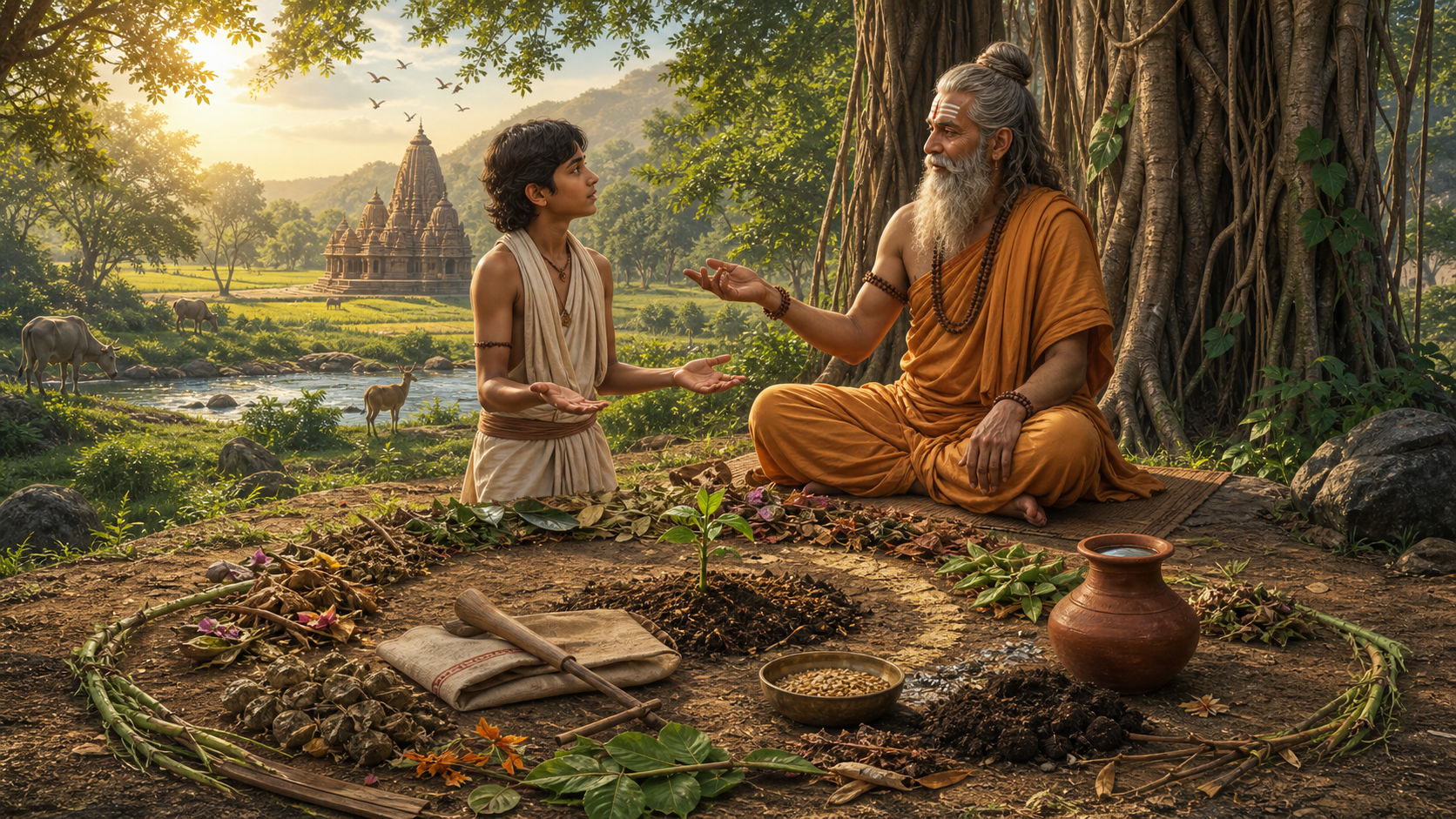
Ancient Hindu wisdom offers a powerful and practical lesson on the art of not wasting. Through a traditional guru-shishya story, the teaching shows that nothing in nature is truly useless when seen with attention and reverence. The article connects this insight with dharma, aparigraha, asteya, ahimsa, yajña, and the Isha Upanishad’s vision of sacred interdependence.…
-
July 14, 2026 Panchang: Powerful Amavasya Tithi Timings, Meaning and Guidance
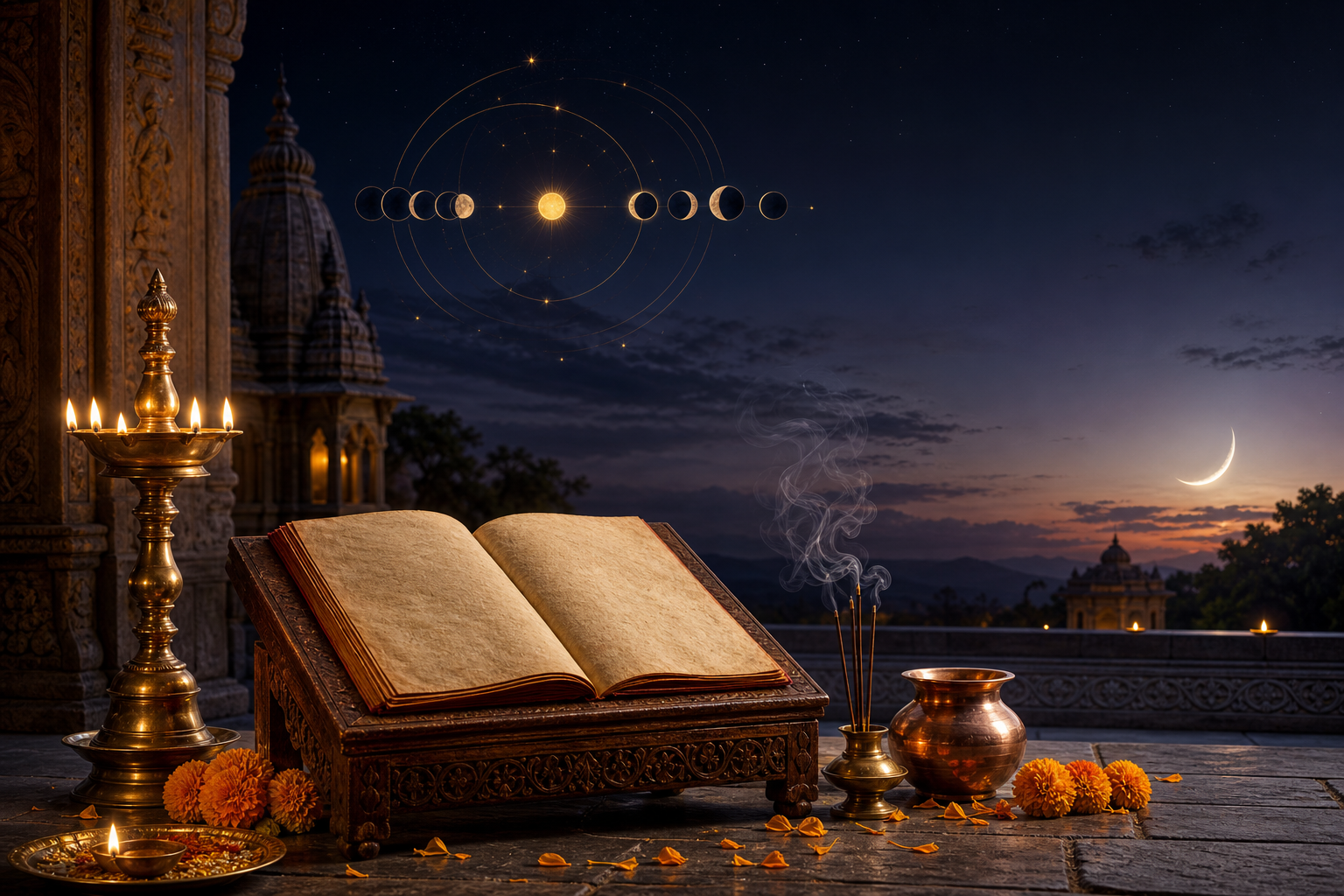
July 14, 2026, is marked by Amavasya tithi, the no moon day, until 3:37 PM in the Hindu Panchang. After this, Shukla Paksha Pratipada begins and continues until 1:22 PM on July 15, 2026. This transition is important because it marks the movement from the closing phase of Krishna Paksha into the beginning of the…