-
Beyond the Fish-Eye: How Bhagavan Krishna Surpassed Arjuna in a Harder Archery Trial

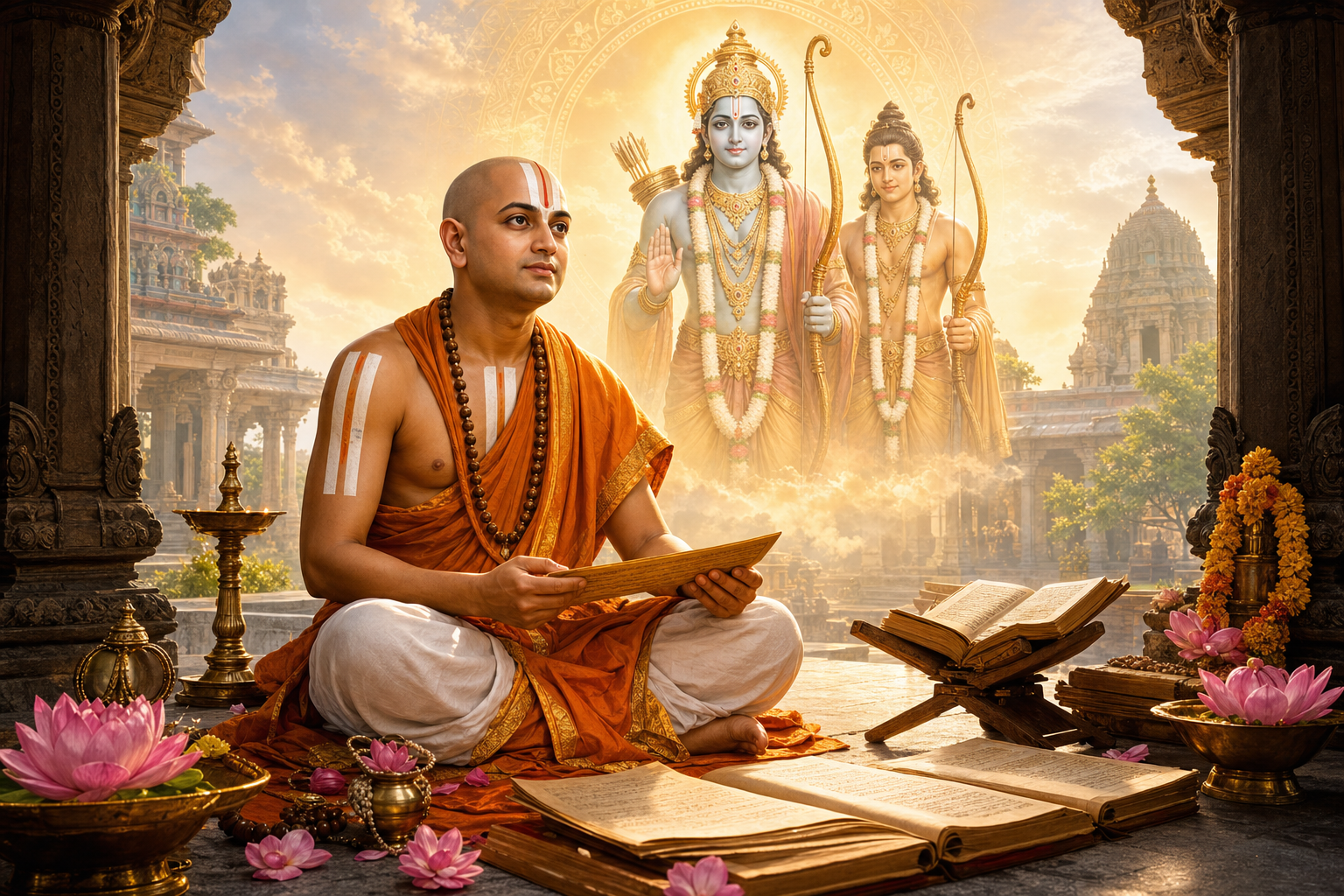
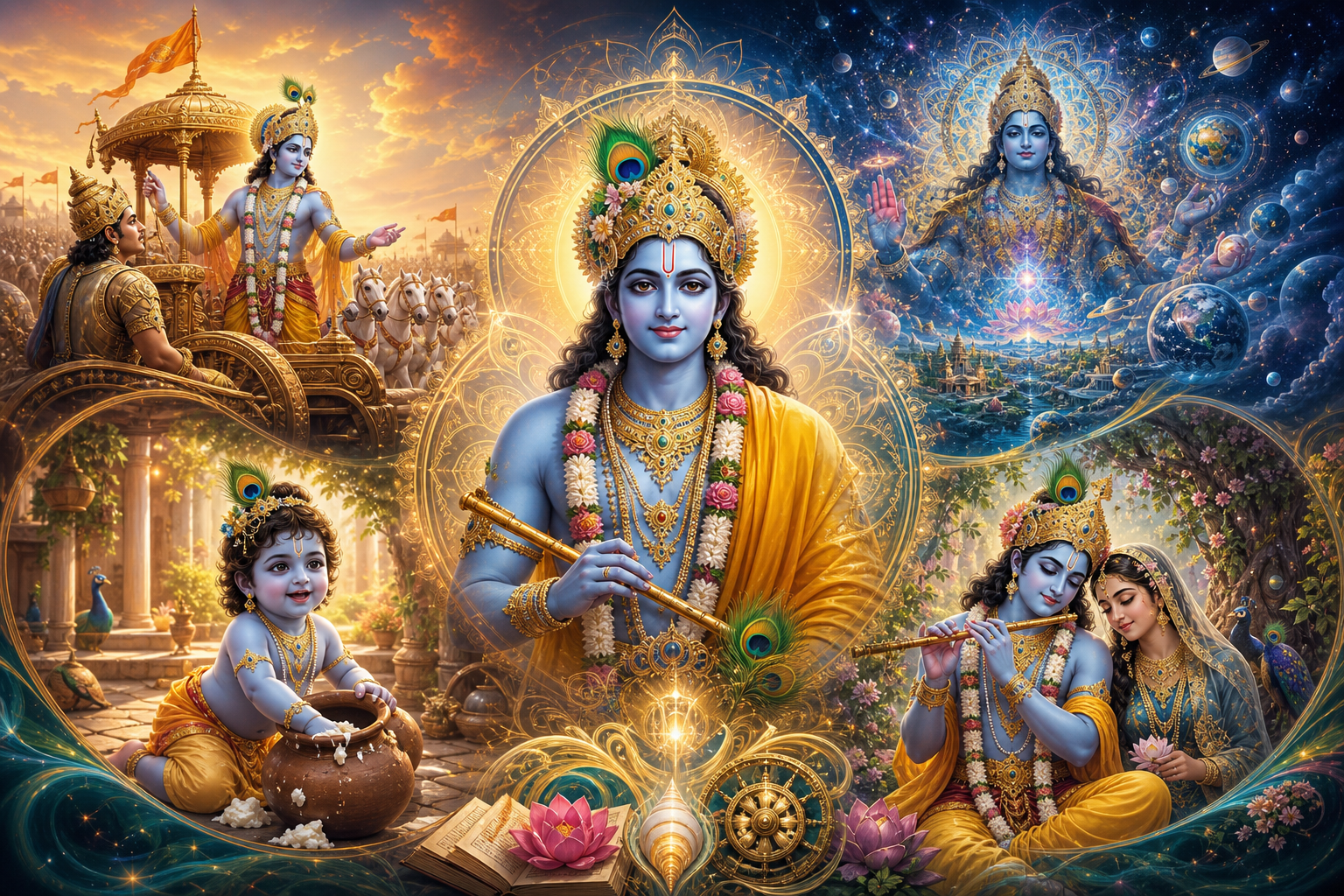
The Bhagavata Purana describes a remarkable swayamvara in which Lakshmana’s fish target was concealed on every side and visible only as a reflection in water. Famous kings could not complete the challenge, while Arjuna located the hidden target but merely grazed it. Bhagavan Krishna then strung the bow effortlessly, glanced once at the reflection, and…
-
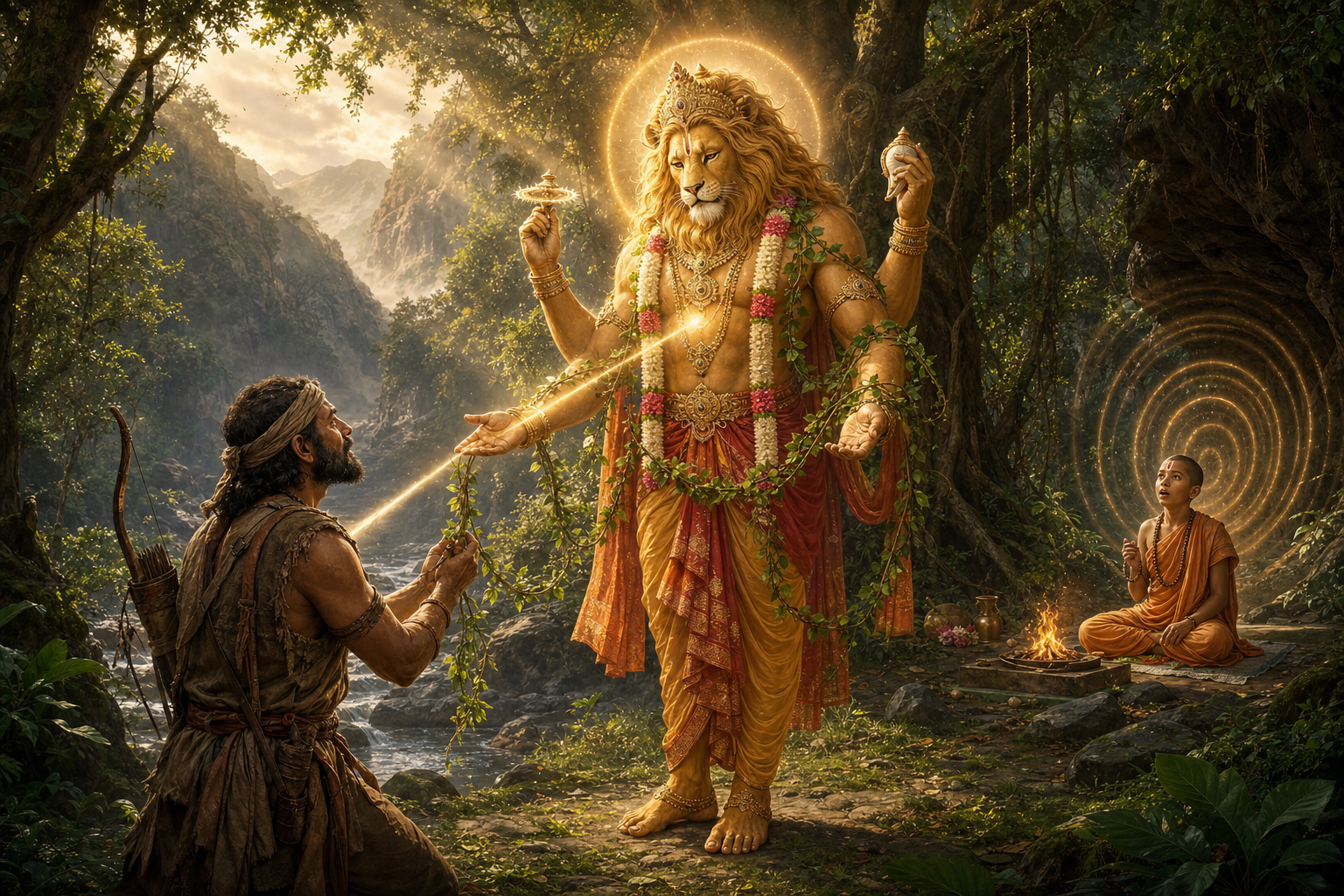
Betal’s Astonishing Origin: From Divine Curse to Immortal Guardian in the Kalika Purana

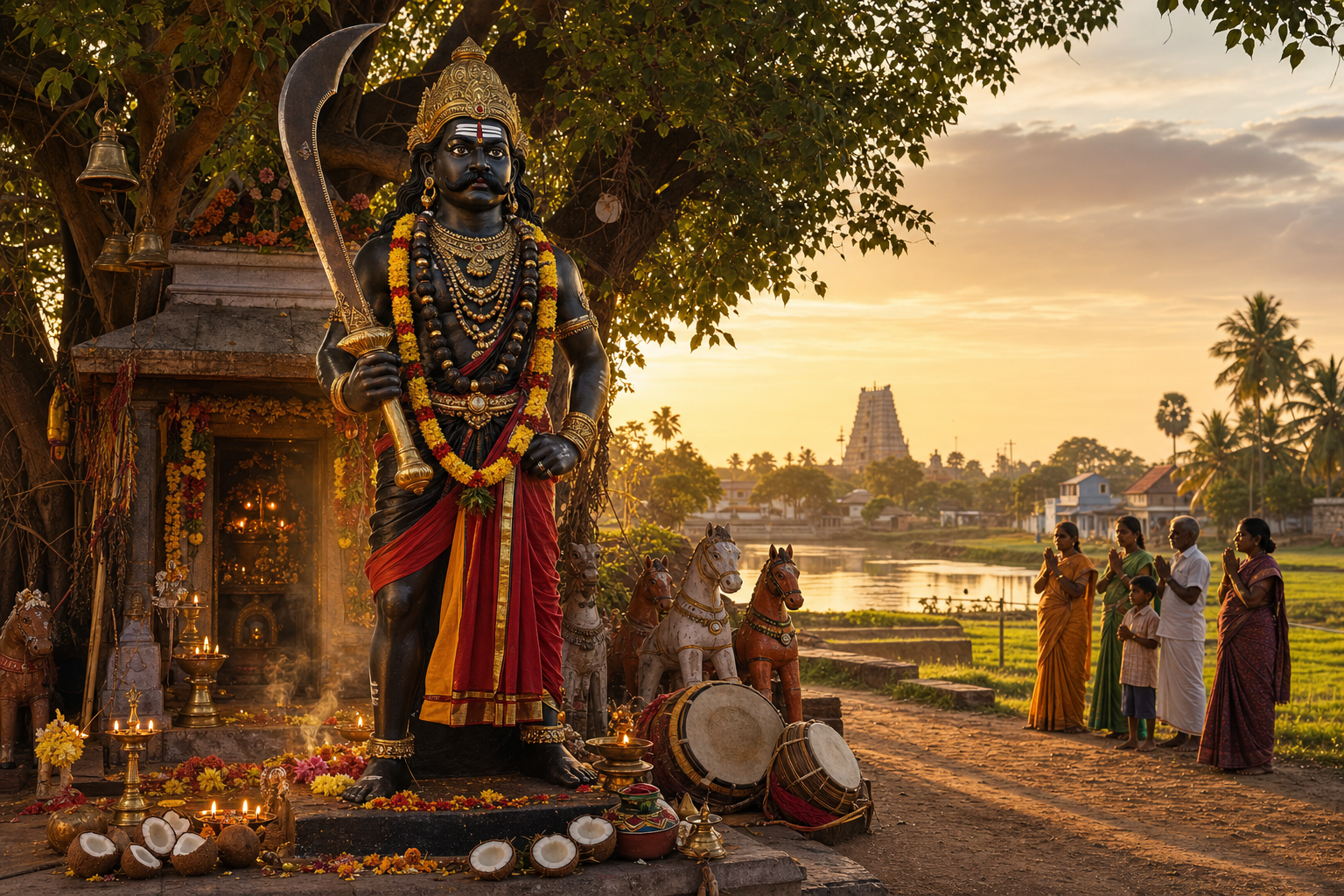
The Kalika Purana preserves a remarkable account of Betal, or Vetala, as far more than the frightening spirit familiar from popular folklore. It identifies him as the mortal form of Bhringi, a son of Shiva’s power and a companion of Bhairava. After a curse forces the pair into human birth with simian faces, fear and…
-
Anupalabdhi Explained: How Mīmāṃsā Turns Non-Perception into Reliable Knowledge

Anupalabdhi is the Bhāṭṭa Mīmāṃsā doctrine that qualified non-perception can provide valid knowledge of absence. It explains why an object’s failure to appear is informative only when the object was perceptible and the conditions of observation were adequate. The doctrine distinguishes disciplined negative knowledge from careless assumptions based on darkness, obstruction, distraction, weak instruments, or…
-
When Dice Decide Destiny: Yudhishthira, Nala, and the Mahabharata’s Warning

The dice games of Yudhishthira and Nala reveal the Mahabharata as a profound study of dharma, addiction, political failure, and moral recovery. Yudhishthira’s disastrous match shows how social pressure, rigid interpretations of duty, and institutional silence can transform procedure into injustice. Draupadi’s legal and ethical challenge exposes the limits of any wager that attempts to…
-
The Timeless Moral Compass: Why Helping Others Is Merit and Causing Harm Is Sin

This comprehensive exploration examines the ancient teaching that helping others generates merit while causing harm produces moral and karmic demerit. It explains the Sanskrit concepts of paropakāra, parapīḍana, puṇya, pāpa, dharma, ahimsa, seva, and lokasaṅgraha without reducing them to simplistic ideas of reward and punishment. The discussion connects the saying with the Bhagavad Gītā, the…
-
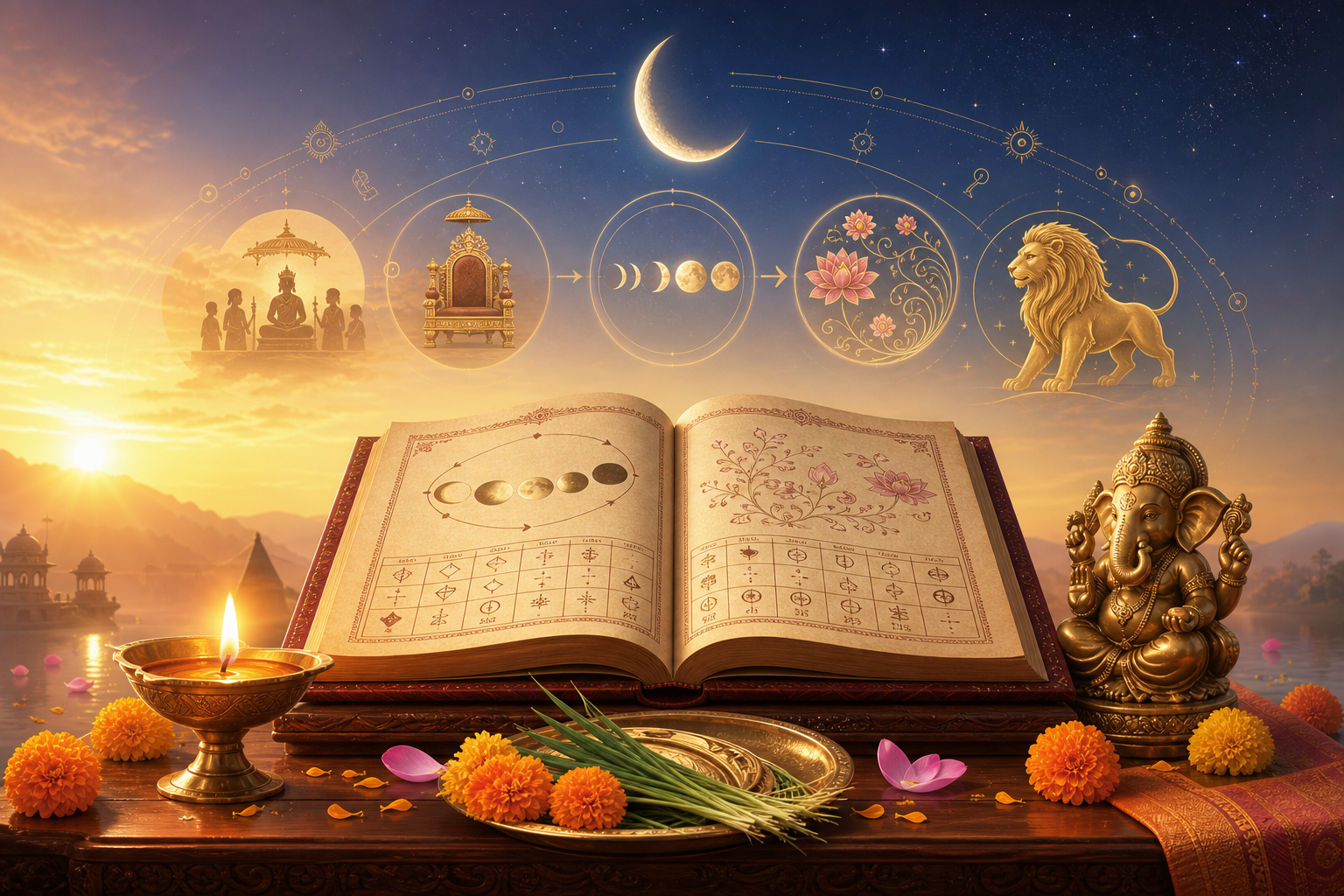
Essential July 19, 2026 Panchang: Panchami–Sashti Tithi and Good-Time Guide

Sunday, July 19, 2026, begins with Shukla Paksha Panchami according to the supplied Panchang entry. Panchami continues until 7:22 AM, after which Shukla Paksha Sashti begins. The guide explains why a tithi can change during a civil date and how the Sun–Moon angular relationship determines that transition. It also clarifies the distinct roles of nakshatra,…
-
Rudra’s Astonishing Birth in the Vishnu Purana: Tears, Eight Names, Cosmic Fire

The Vishnu Purana presents Rudra’s birth as both a fiery cosmic event and an intimate story about a crying child seeking a name. This study distinguishes the elevenfold manifestation described in Book One, Chapter 7 from the eight named forms of Chapter 8. It explains the meanings of Rudra, Bhava, Śarva, Īśāna, Paśupati, Bhīma, Ugra,…
-
Why Ritual Precision Matters: Preserving the Living Power of Shakta Tantra

Shakta Tantra is a sophisticated system in which mantra, gesture, visualization, sacred geometry, offerings, timing, and ethical discipline operate as an integrated whole. Ritual precision preserves the relationships among these elements and protects lineage-specific meaning from distortion. The tradition nevertheless contains legitimate regional and initiatory variations, so preservation should not be confused with enforcing artificial…
-
Lakshmana Rekha and Vibhandaka’s Wall: Powerful Lessons on Boundaries and Control

The Lakshmana Rekha and Vibhandaka’s metaphorical wall reveal two very different approaches to protection. This study distinguishes the popular Lakshmana Rekha motif from Valmiki’s account and traces its significance within the wider Ramayana tradition. It examines how Rishyasringa’s extreme isolation preserved discipline while leaving him vulnerable to sophisticated deception. The comparison shows why healthy boundaries…
-
When the Self Is Devoured: Shakta Tantra’s Fierce Path to Radical Liberation

Shakta Tantra presents liberation as the transformation of contracted identity rather than the destruction of a healthy personality. Its diverse lineages understand Shakti as the conscious power active through body, mind, cosmos, time, and spiritual realization. Fierce forms such as Kali confront mortality and attachment, while disciplines including mantra, initiation, nyasa, puja, yantra, and Kundalini…
-
July 18, 2026 Panchang Guide: Tithi, Nakshatra, Rashi and Auspicious Times

The July 18, 2026 Panchang falls in Shukla Paksha and requires careful location-based interpretation. The supplied fragment describes Chaturthi until 8:18 AM followed by Panchami, although independent New Delhi calculations identify Panchami as the sunrise tithi. Commonly used calculations place the Moon in Purva Phalguni and Simha Rashi for the principal portion of the day.…
-
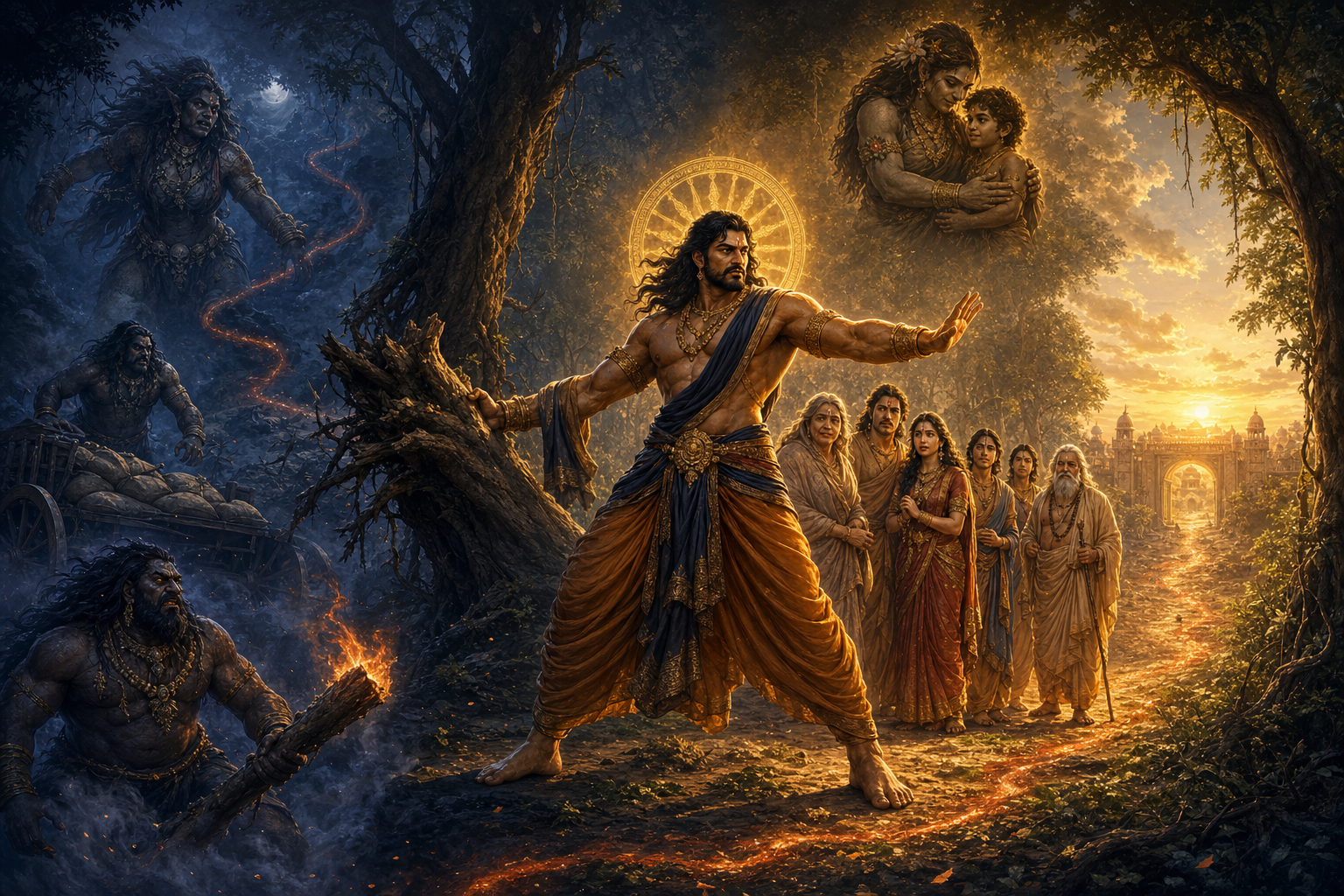
Krishna’s Powerful Mirror: Why Duryodhana Found No Good Person and Yudhishthira No Bad One

This Mahabharata folktale explains why Duryodhana could not find a genuinely good person while Yudhishthira could not identify anyone as wholly bad. Krishna’s practical lesson reveals how expectations, habits, and emotional dispositions shape what an observer notices in other people. The narrative is examined through dharma, viveka, confirmation bias, charitable interpretation, and the ethics of…