
-
How Shiva Humbled Arjuna: The Powerful Lesson Behind Kurukshetra’s Victory
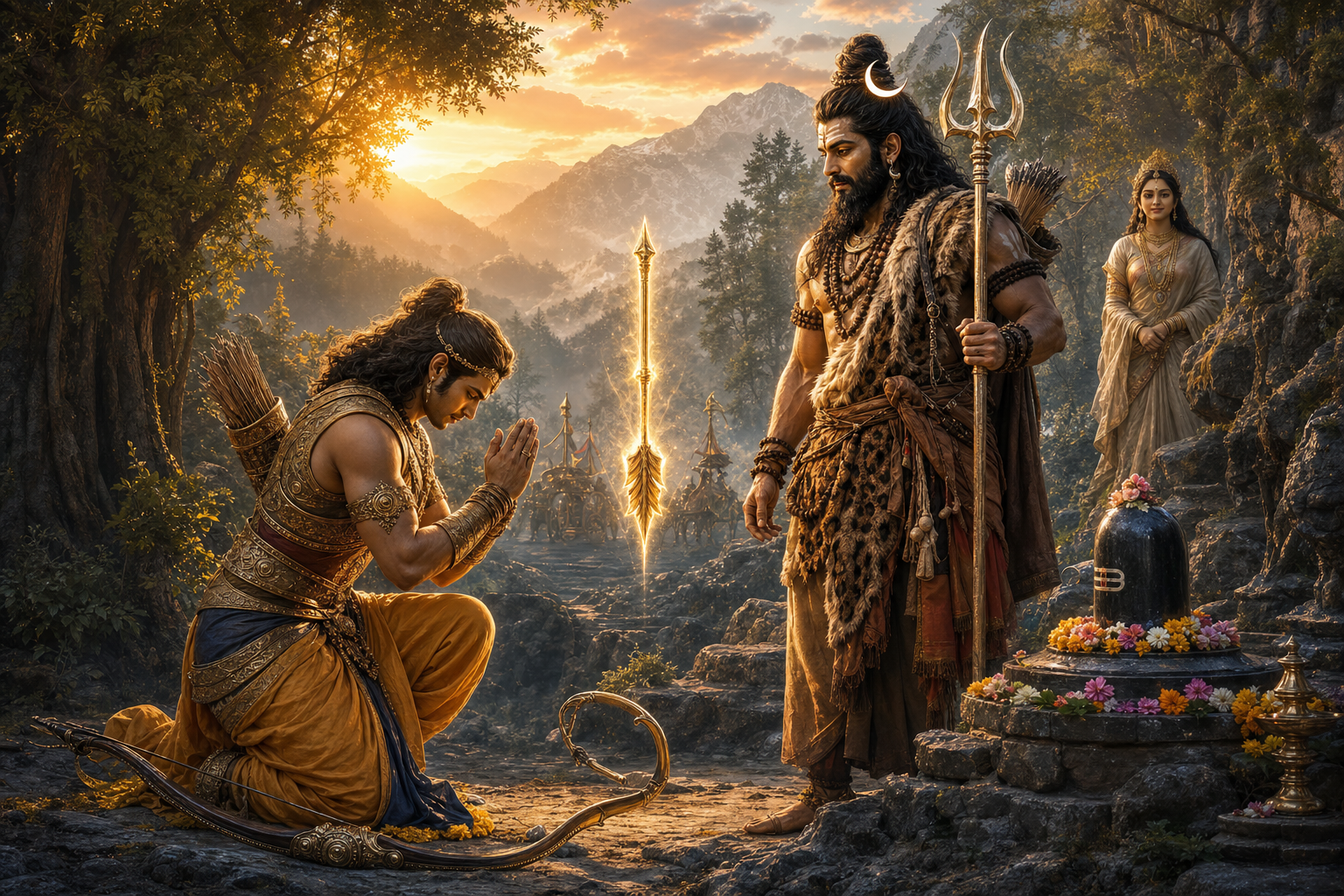
Arjuna’s encounter with Mahadev Shiva is one of the Mahabharata’s deepest lessons on humility, tapas, and righteous power. Before the Pandavas could win the Kurukshetra War, Arjuna had to be tested beyond ordinary skill and defeated in a way that purified his ego. Shiva’s appearance as the Kirata hunter reveals that divine grace often comes…
-
Kashmiri Ramayana: Dasharatha’s Blinding Tears and Karma’s Weight
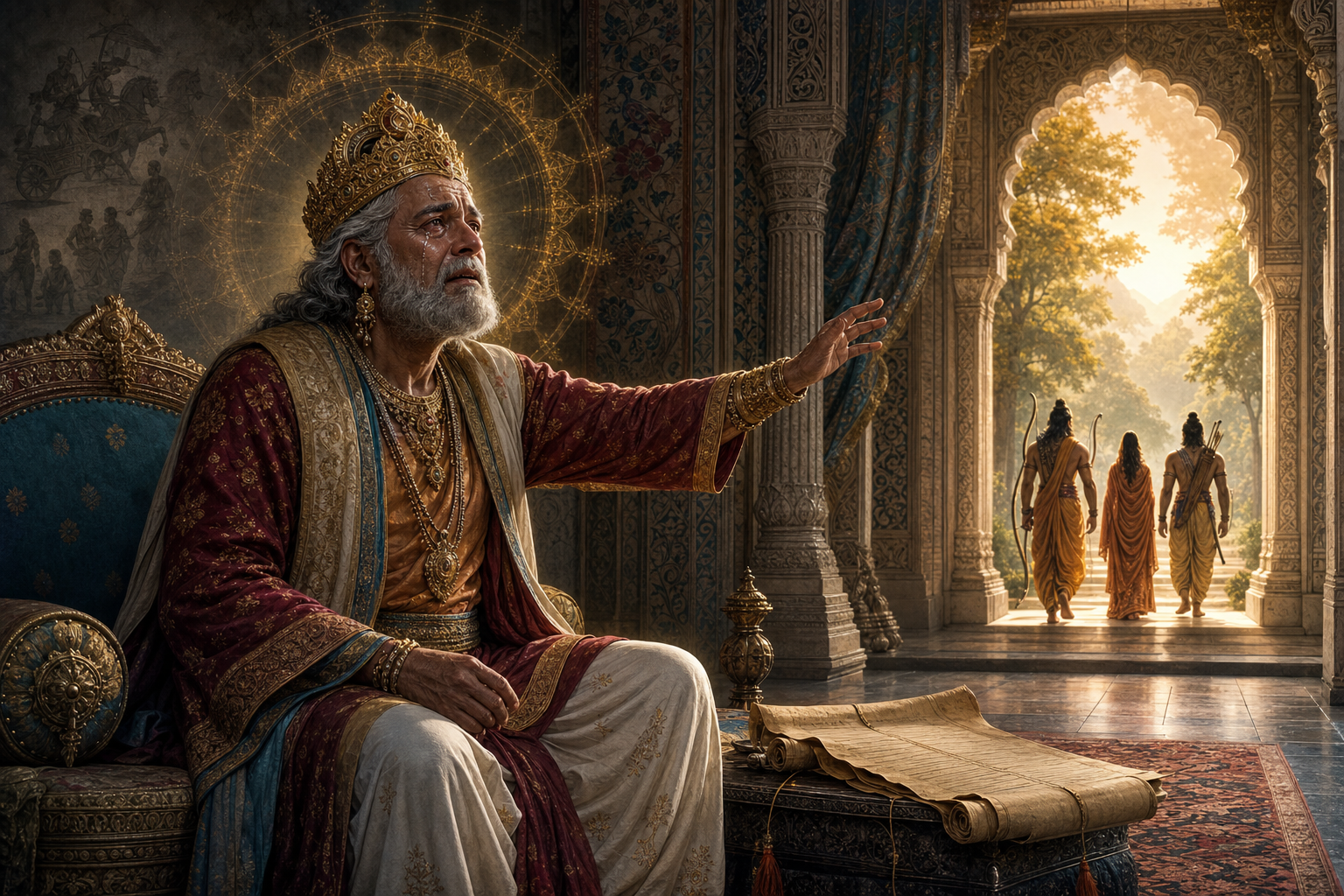
This rewritten article explores the Kashmiri Ramayana’s moving portrayal of King Dasharatha weeping until grief blinds him after Rama’s exile. It explains how the episode deepens the Ramayana’s teachings on dharma, attachment, parental love, and the inescapable workings of karma. The piece connects Dasharatha’s suffering with the earlier Shravana Kumara episode, showing how karmic consequence…
-
Anasara of Puri Jagannath: Powerful Ayurvedic Wisdom for Healing and Renewal
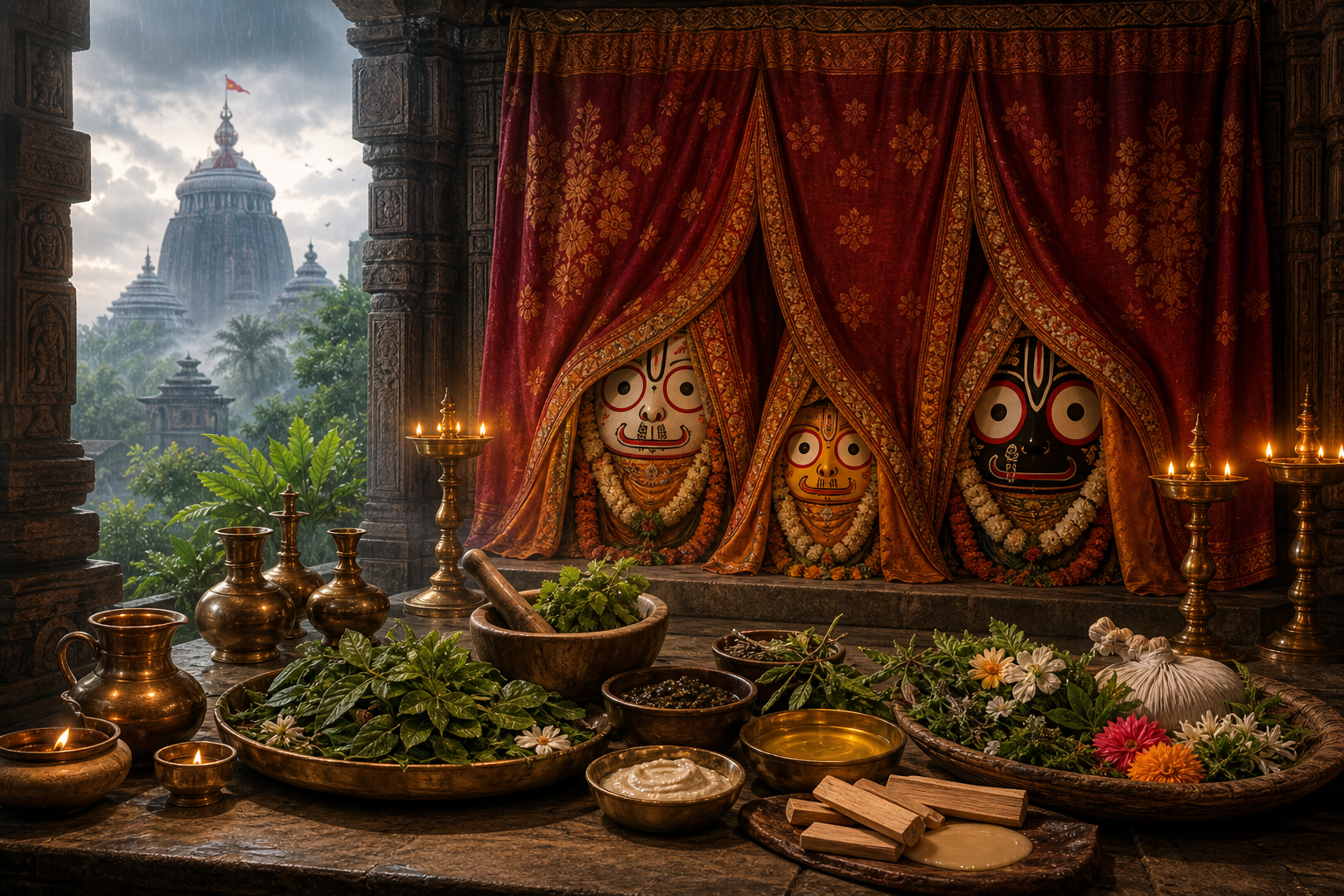
Anasara of Puri Jagannath reveals a profound connection between devotion, Ayurveda, seasonal awareness, and humane care. After Snana Purnima, Jagannath, Balabhadra, and Subhadra are ritually understood to fall ill and enter seclusion, where they are treated with rest, regulated offerings, and traditional healing preparations. This sacred period reflects the Ayurvedic principle of ritu sandhi, when…
-
Graiveyaka in Hindu Sculpture: The Powerful Sacred Collar of Divine Authority
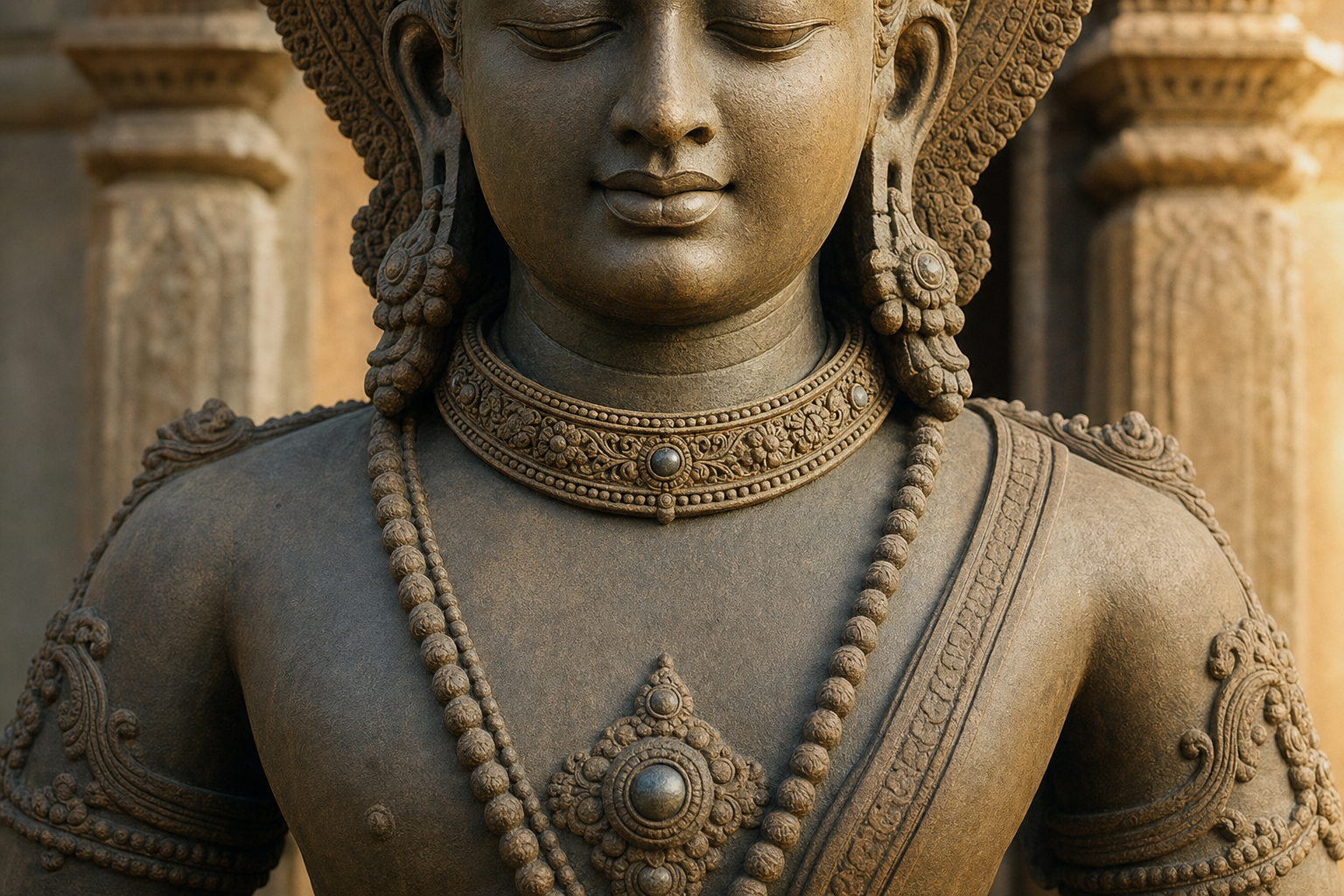
The graiveyaka is a close-fitting throat ornament in Hindu sculpture, derived from the Sanskrit griva, meaning neck or throat. This article explains how the ornament differs from longer necklaces such as the ekavali, dama, and hara, and why its placement matters in sacred iconography. It explores the graiveyaka as a marker of divine authority, mantra,…
-
Ekaksharakosha in Tantrism: Powerful Secrets of Sanskrit Seed Syllables
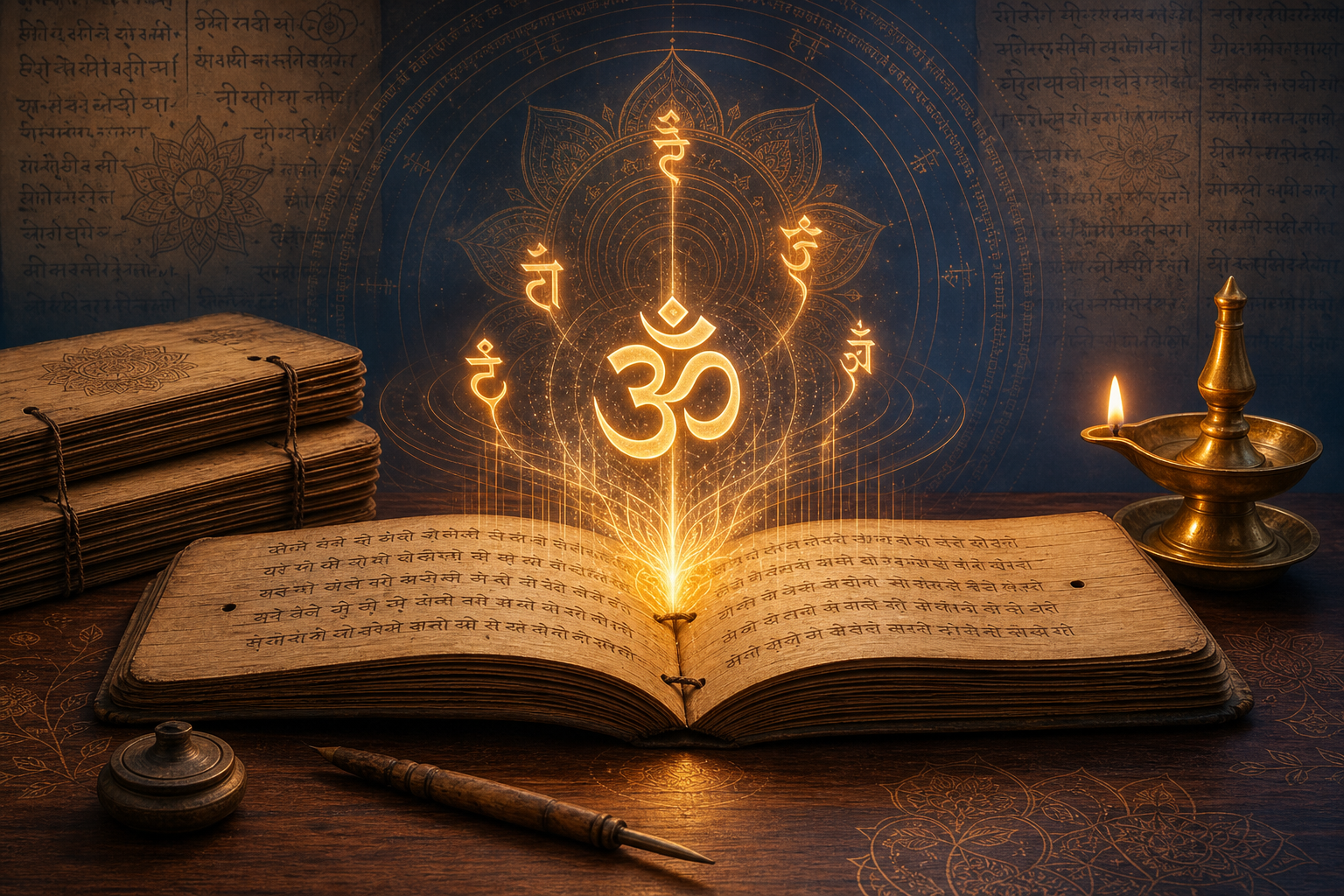
The Ekaksharakosha of Purushottamadeva is a compact Sanskrit lexicon devoted to single syllables and their layered meanings. Its importance becomes especially clear in relation to Tantrism, where sacred sound and bīja mantras are treated as concentrated forms of spiritual power. This article explains how Sanskrit lexicography, mantra-shastra, phonetics, and Tantric symbolism intersect in the study…
-
Somaskanda Murti: Powerful Shiva Family Iconography and Sacred Temple Wisdom
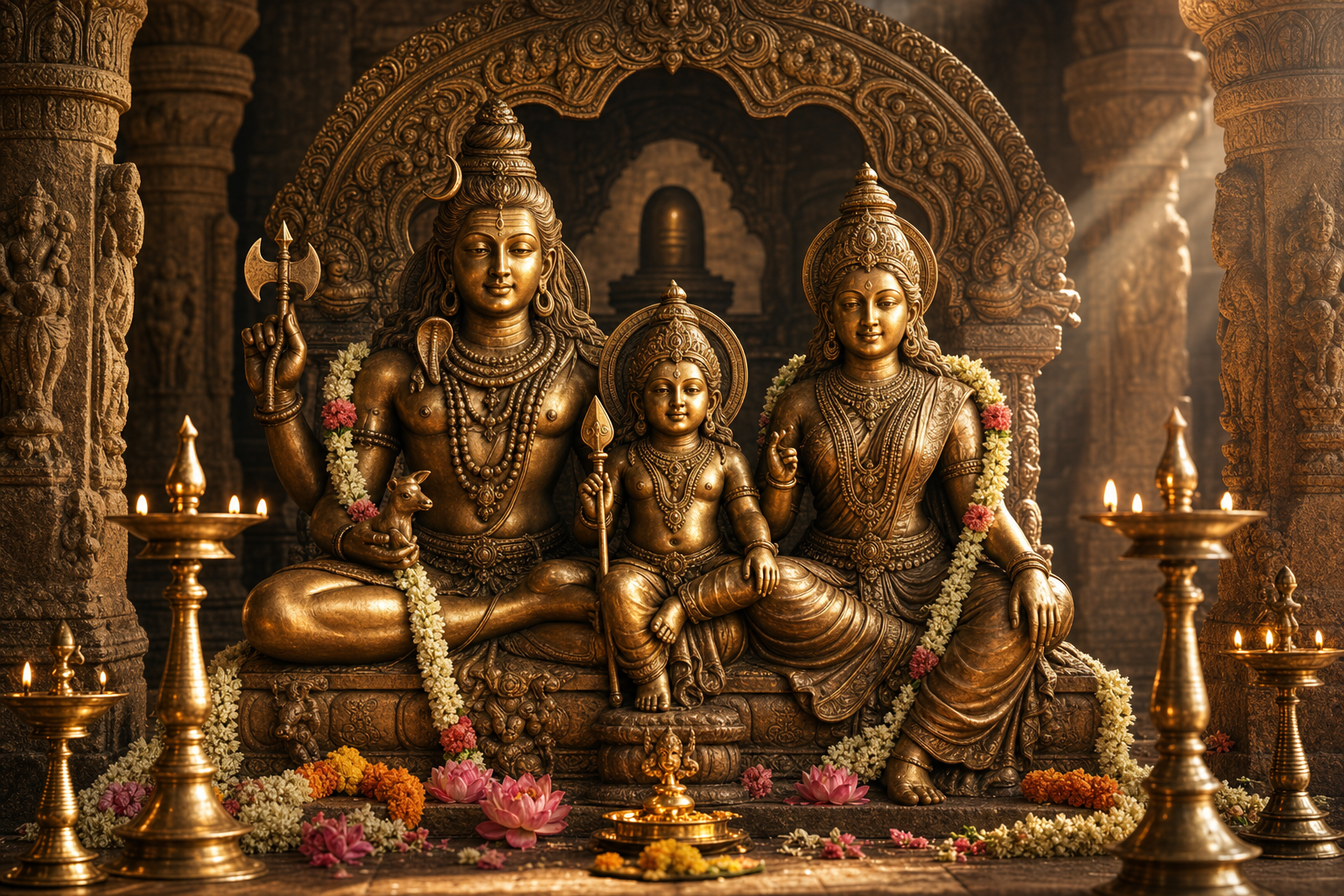
The Somaskanda Murti is one of the most profound forms in South Indian Shaiva iconography, presenting Lord Shiva with Uma and Skanda as a sacred family. This expanded study explains its Pallava origins, Chola refinement, temple placement, ritual significance, and philosophical symbolism. The form reveals the unity of Shiva and Shakti, the sacred role of…
-
The Difficult Power of Virtue: Hindu Wisdom on Hypocrisy, Dharma and Inner Reform
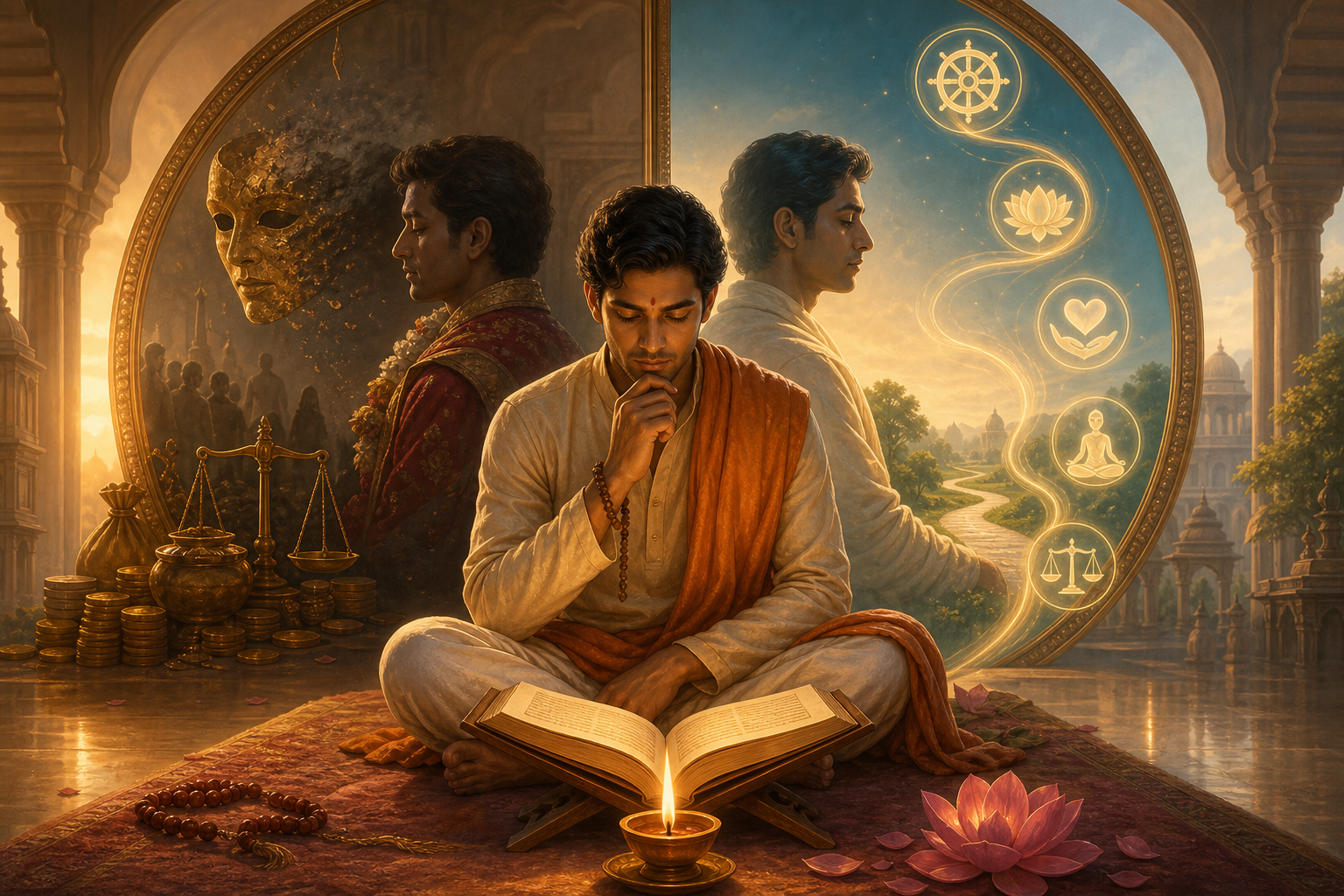
This article examines why people often praise virtue while failing to practice it in daily life. Drawing from Hindu wisdom, the Bhagavad Gita, Yoga philosophy, the Mahabharata, and broader Dharmic traditions, it explains hypocrisy as a gap between moral speech and disciplined action. The discussion shows that dharma is not a slogan, ritual identity, or…
-
Mannargudi’s Mismatched Earrings: A Powerful Krishna Legend of Living Devotion
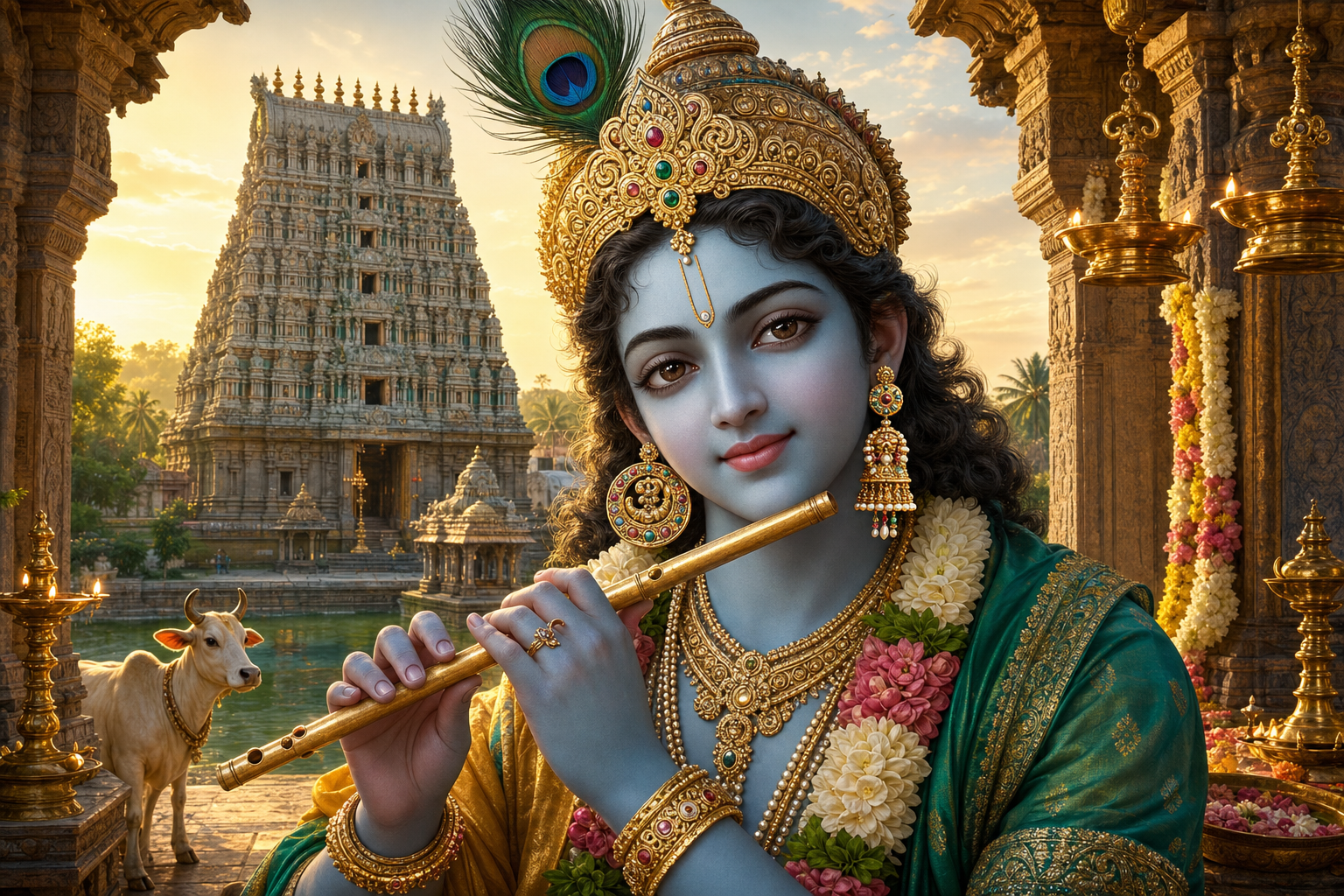
Mannargudi’s Rajagopalaswamy Temple in Tamil Nadu preserves one of the most tender Krishna traditions: the story of the deity’s two different earrings. This rewritten article explains the legend as a meaningful expression of bhakti, where Krishna’s loving haste becomes visible through sacred ornamentation. It places the story within the temple’s wider history, architecture, festivals, and…
-
July 9, 2026 Panchang Guide: Powerful Navami-Dashami Timings, Nakshatra and Rashi
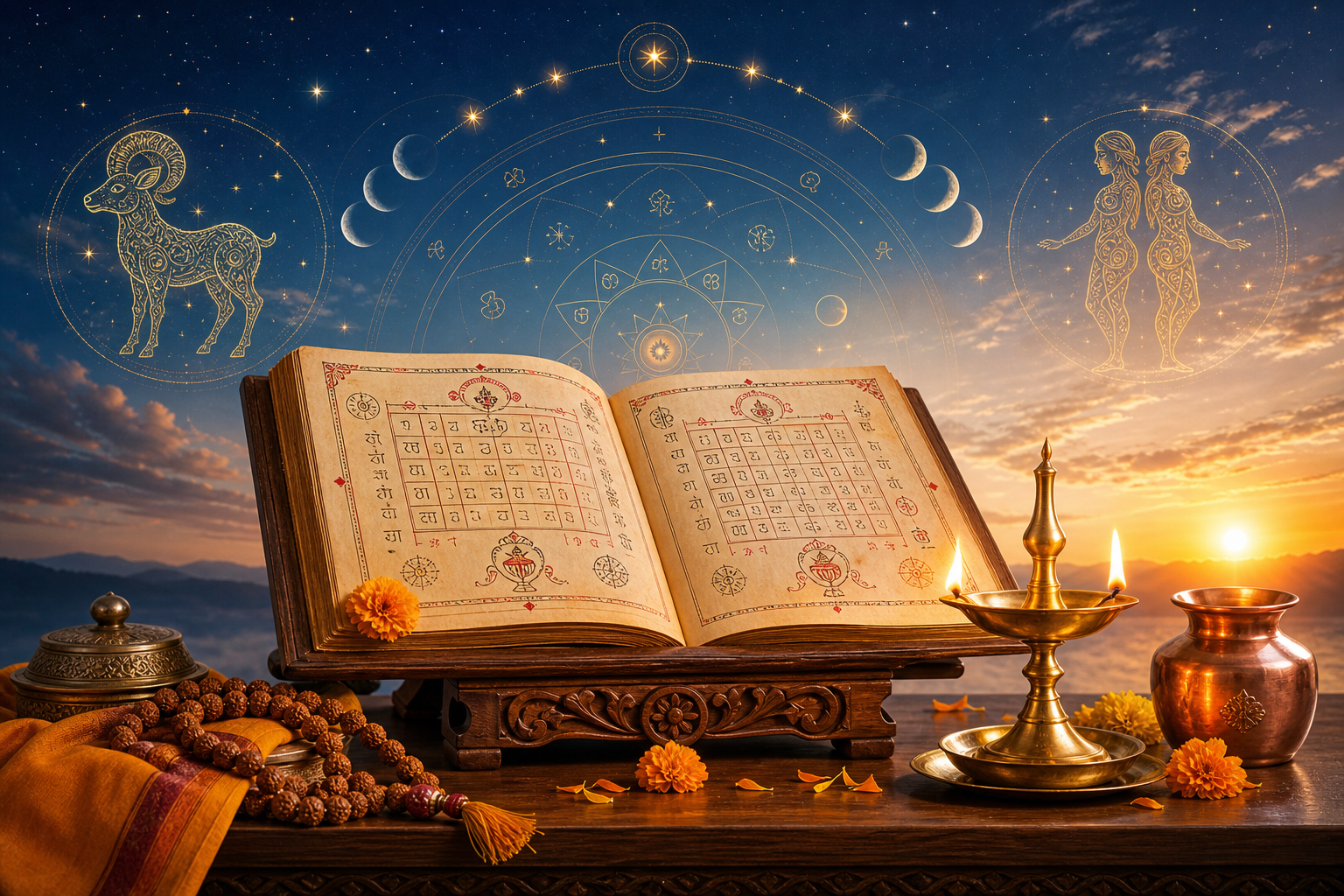
July 9, 2026 falls on Krishna Paksha Navami transitioning into Krishna Paksha Dashami in the Hindu Panchang. The day carries the reflective tone of the waning lunar phase and is useful for prayer, discipline, study, and mindful action. Ashwini Nakshatra gives way to Bharani, creating a movement from quick restoration toward responsibility and steadiness. The…
-
Duryodhana’s Fatal Blindness: The Virata War Lesson He Refused to Learn
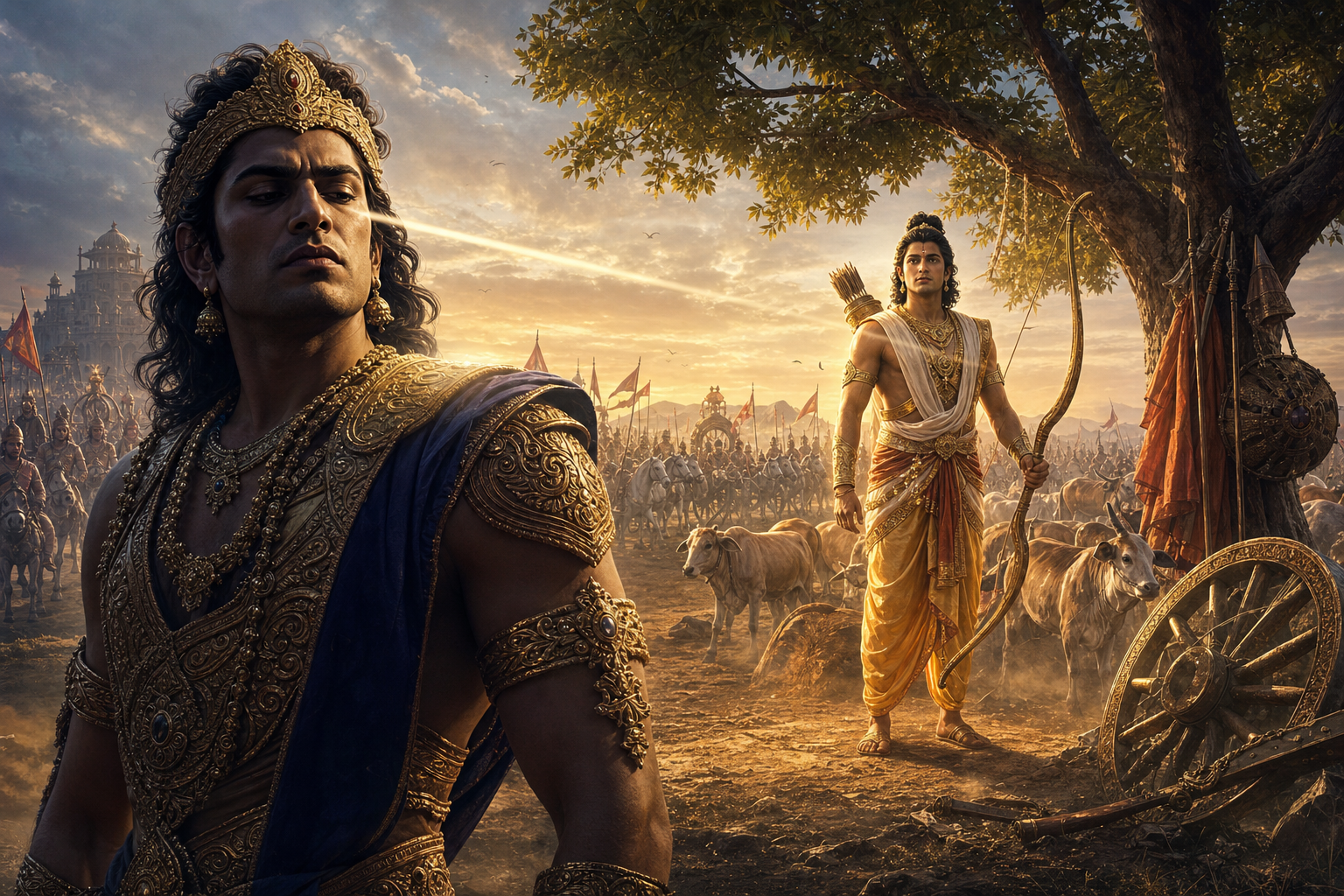
The Virata War in the Mahabharata was a decisive warning that Duryodhana refused to understand. Arjuna, disguised as Brihannala, defeated the great Kuru warriors and proved that the Pandavas had not been weakened by exile. The episode exposed Duryodhana’s deeper flaw: not ignorance, but prideful resistance to truth. His failure to learn came from ego,…
-
Uchchaihshravas Revealed: Sacred Power and Wisdom of the Divine White Stallion

Uchchaihshravas, the divine white stallion born from the Samudra Manthan, is one of the most striking symbols in Hindu sacred literature and iconography. This article explores its scriptural background, association with Indra, and deeper meaning as a sign of purity, sovereignty, speed, and disciplined spiritual energy. The seven-headed form is interpreted through the symbolic language…
-
Karumakan Theyyam: Powerful Kiratha Shiva Tradition of North Kerala’s Sacred Forests
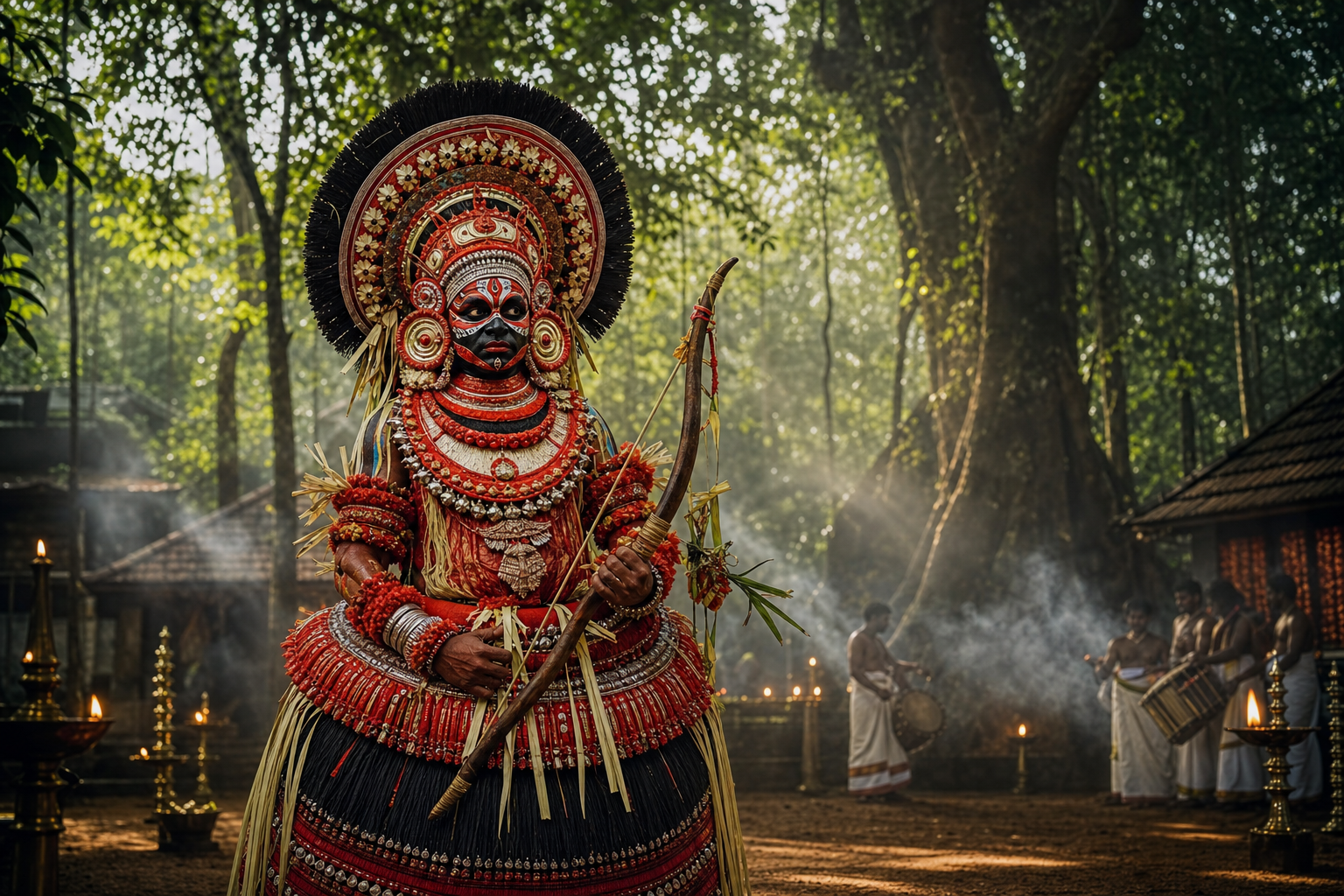
Karumakan is a revered Theyyam deity of North Kerala associated with the powerful Shaiva symbolism of Kiratha Shiva. His name, often understood as “the dark son” or “the black one,” reflects the Hindu idea that darkness can signify fullness, mystery, protection, and sacred depth. The tradition places Karumakan within the living ritual world of Theyyam,…
-
Devasakha in the Ramayana: Powerful Sacred Geography of Rama’s Northern Quest
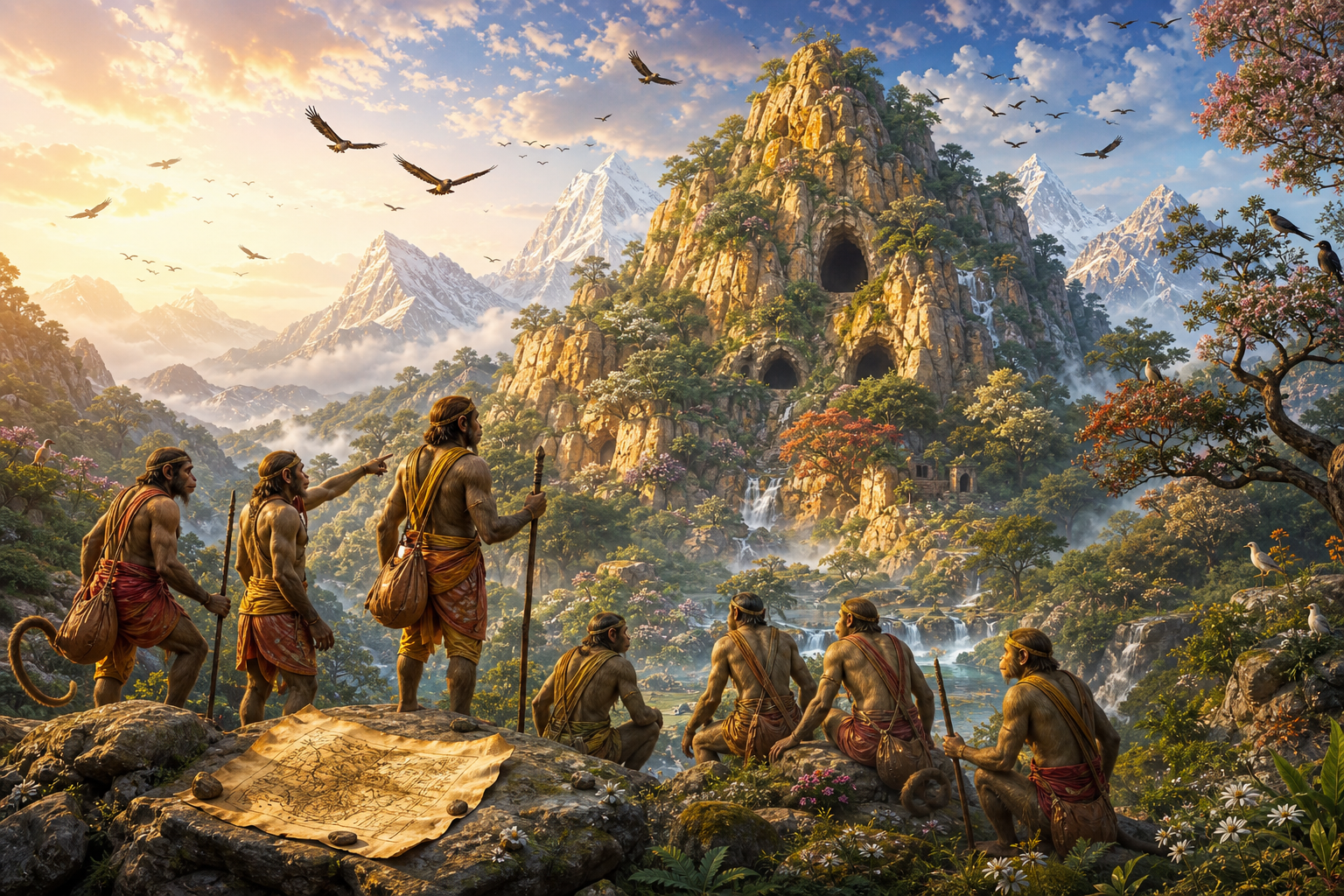
Devasakha is a lesser-known but meaningful mountain in the Valmiki Ramayana, appearing in Sugriva’s northern search route for Sita in the Kishkindha Kanda. The mountain is described as a refuge of birds, filled with winged creatures, fragrant trees, golden rocks, springs, and caves. This article explains Devasakha as part of the Ramayana’s sacred geography, where…
-
Sacred Brotherhood of Varathunga and Athivirarama Pandian: A Powerful Lesson
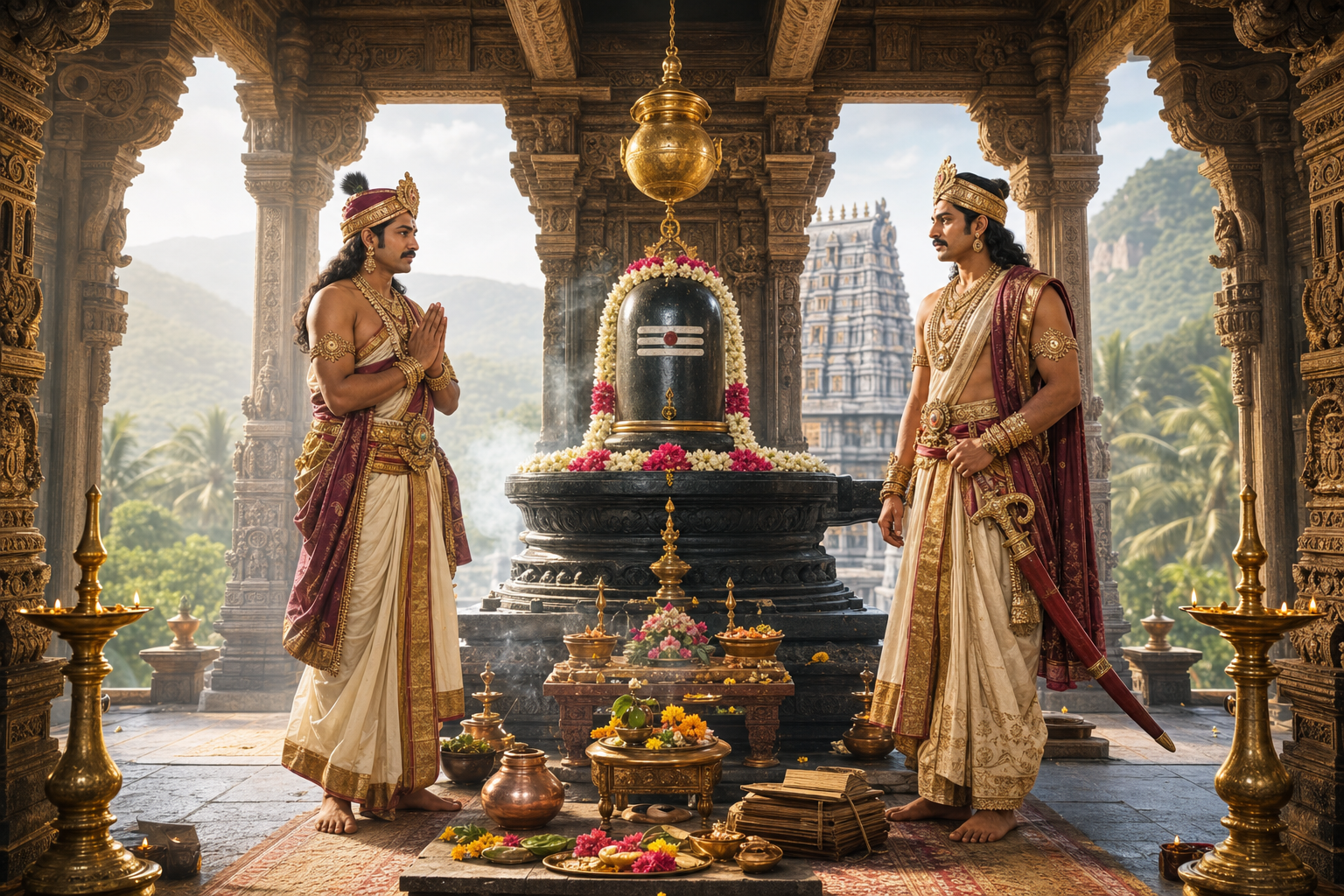
This expanded retelling presents the story of Varathunga Pandian and Athivirarama Pandian as a powerful lesson in devotion, pride, royal duty, and reconciliation. Set within the later Pandya world of Tirunelveli and Tenkasi, it connects the brothers’ conflict to the sacred geography of Kasi Viswanatha worship. The article explains how temple culture shaped South Indian…
-
Thirumudi Revealed: The Powerful Mudippura Legacy of Kerala’s Living Goddess
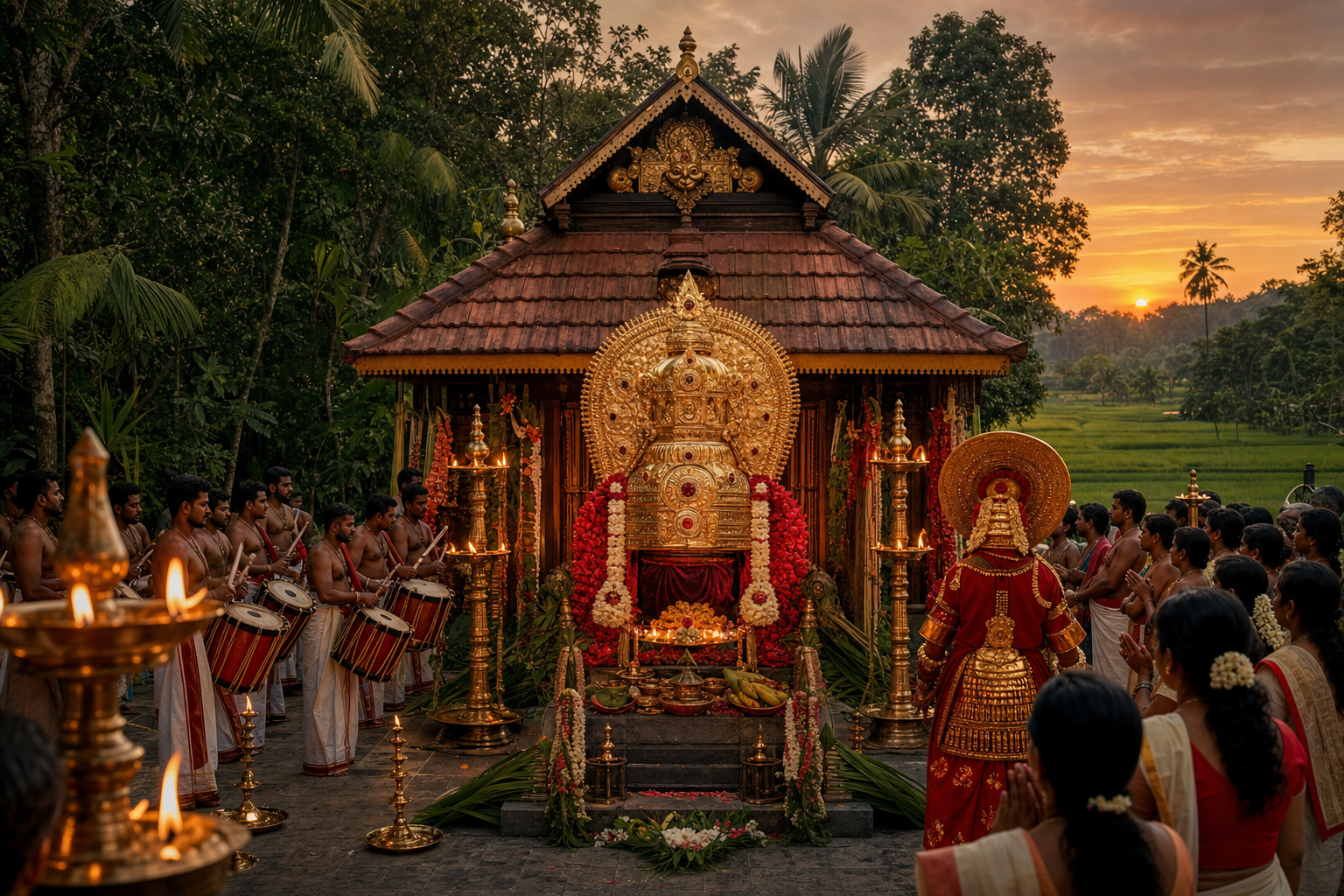
The Mudippura tradition of southern Kerala preserves one of the most powerful living forms of Bhadrakali worship. At its centre is the Thirumudi, the sacred crown or head-form through which the Goddess is invoked, protected, and revealed to devotees. This article explains how Mudippura temples function as ritual houses, community centres, and sacred spaces of…
-
Powerful Hindu Wisdom: Different Cows, One Milk, and the Unity Beneath Diversity
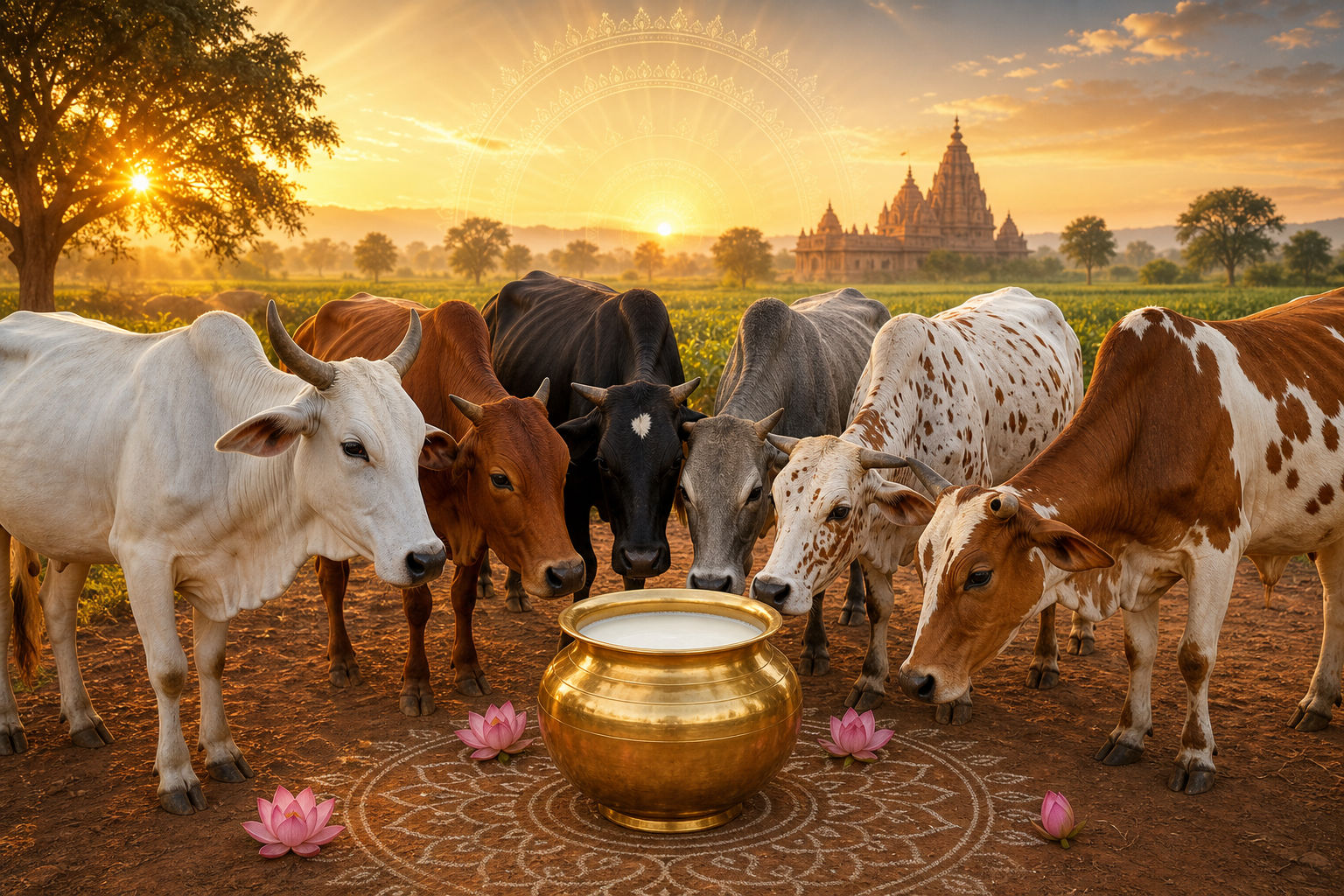
The teaching “Cows come in different colors but milk of all cows is one color” offers a powerful Hindu reflection on unity in diversity. It explains that outward differences in appearance, culture, sect, language, and spiritual practice need not obscure a deeper shared reality. The metaphor is rooted in everyday life, making complex ideas such…
-
Balarama and Pralamba: Powerful Lessons from Vrindavan’s Divine Cowherd Play
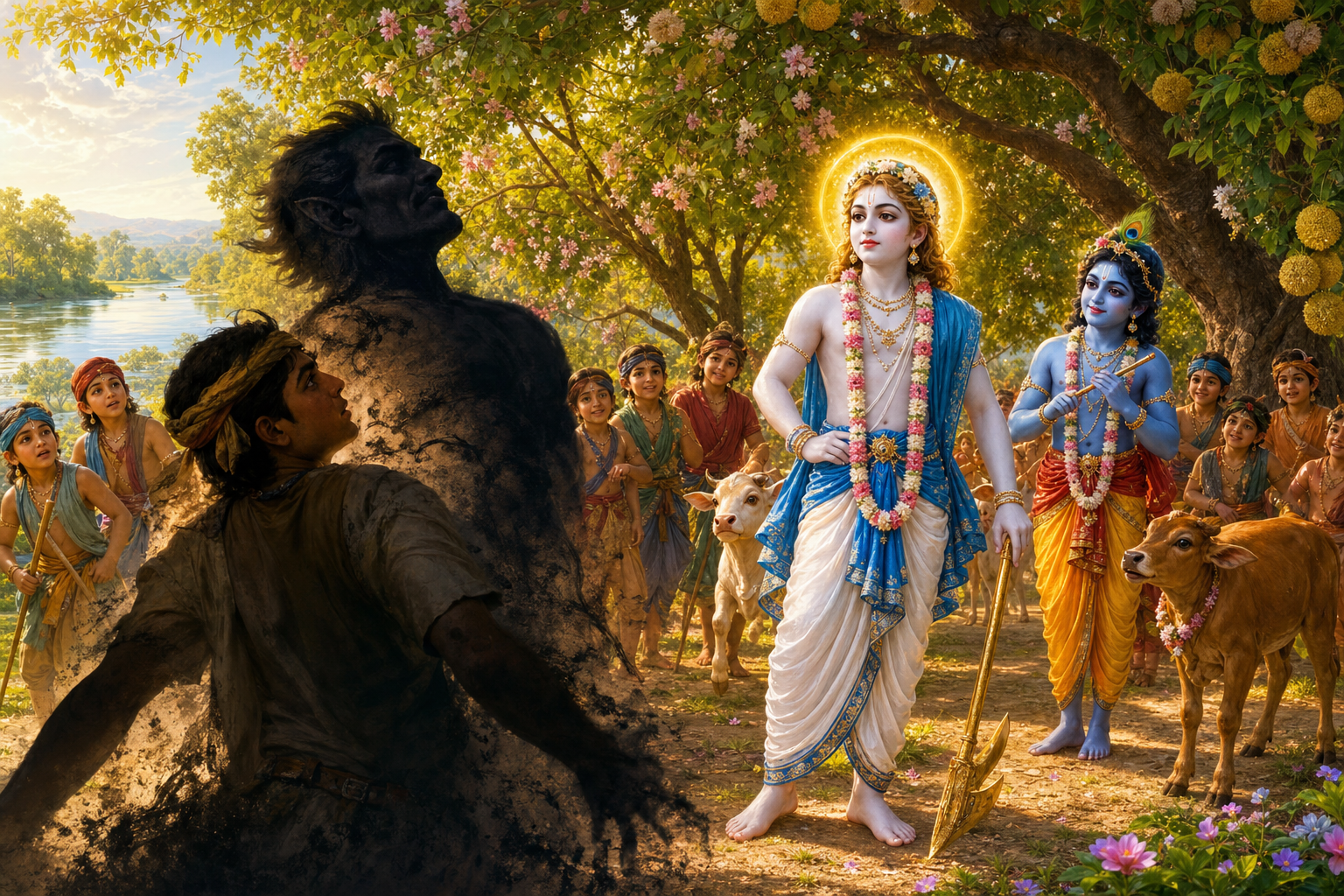
The story of Balarama and Pralamba from the Bhagavata Purana is more than a dramatic tale of a demon’s defeat in Vrindavan. It presents Balarama as a protector of dharma, a figure of strength, clarity, and spiritual steadiness. Pralamba’s disguise as a cowherd boy highlights the danger of deception that enters through false familiarity rather…
-
July 8, 2026 Panchang Guide: Powerful Tithi Insights for Mindful Hindu Living
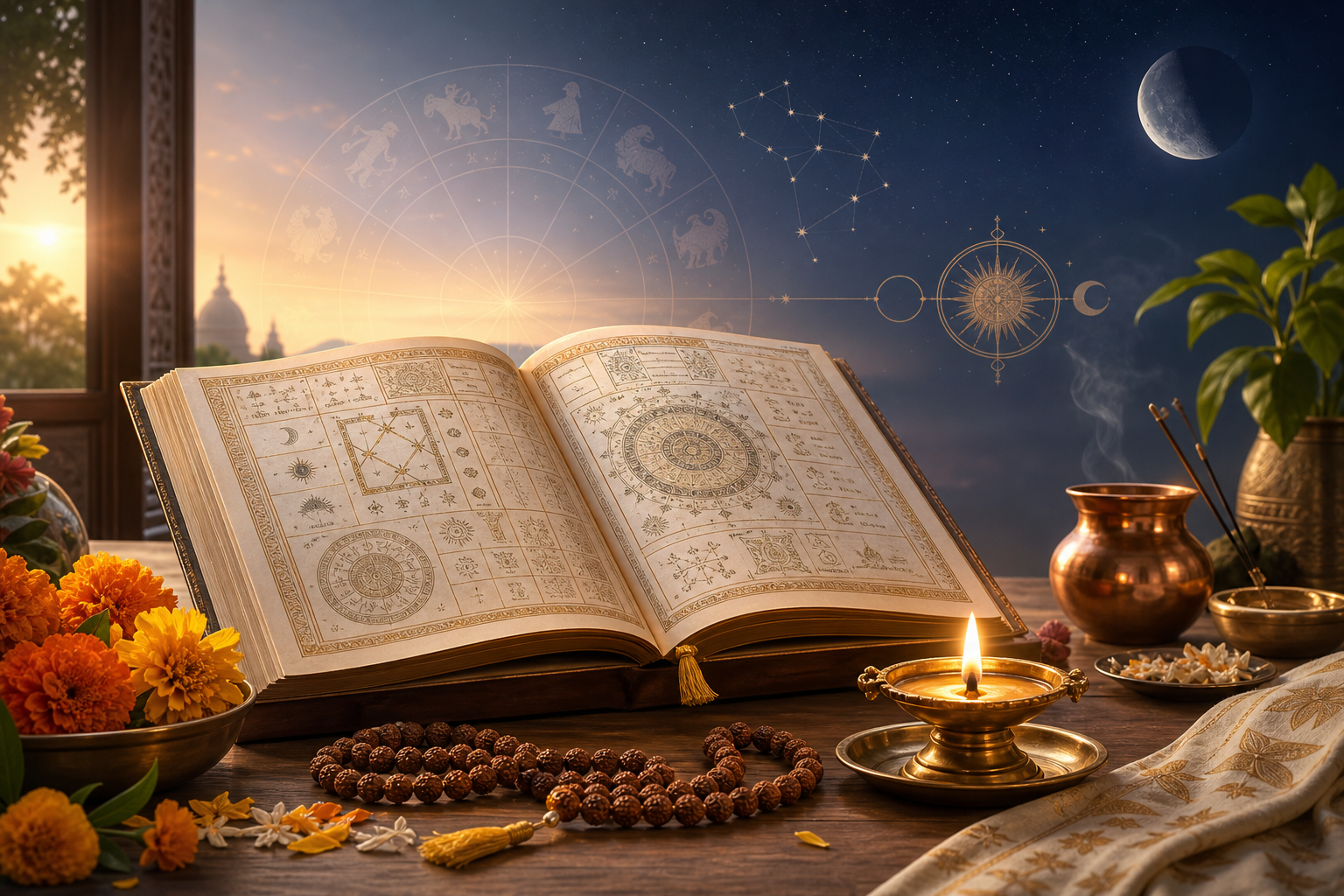
July 8, 2026, begins with Krishna Paksha Ashtami tithi, which continues until 7:16 AM, after which Krishna Paksha Navami begins. This Panchang guide explains the meaning of the waning lunar phase, the ritual significance of Ashtami and Navami, and why sunrise-based interpretation matters in Hindu calendar practice. It also clarifies why nakshatra, rashi, Rahu Kaal,…
-
Sacred Fury After Sati: The Ganas’ Sacrifice and Shiva’s Terrible Grace
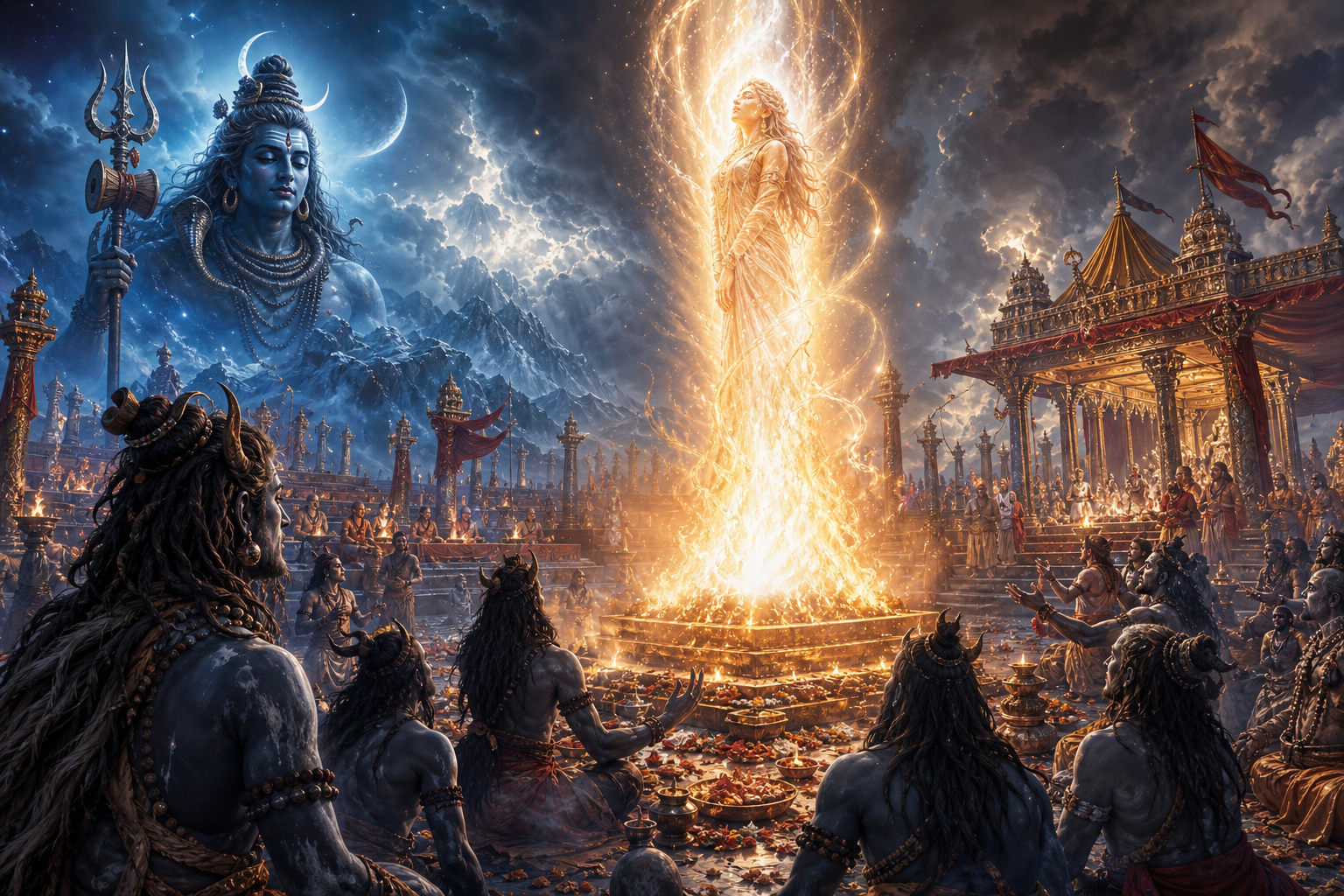
This long-form analysis explores the self-sacrifice of Shiva’s ganas after Sati’s death in the Daksha yajna narrative, especially as remembered through the Skanda Purana’s Kedara Khanda tradition. It explains why the episode should be read symbolically rather than as a literal ethical model, highlighting its themes of devotion, grief, sacred fury, and cosmic disorder. The…
-
Sarvatomukhi Dand Vyuha: Bhishma’s Powerful All-Facing Shield at Kurukshetra
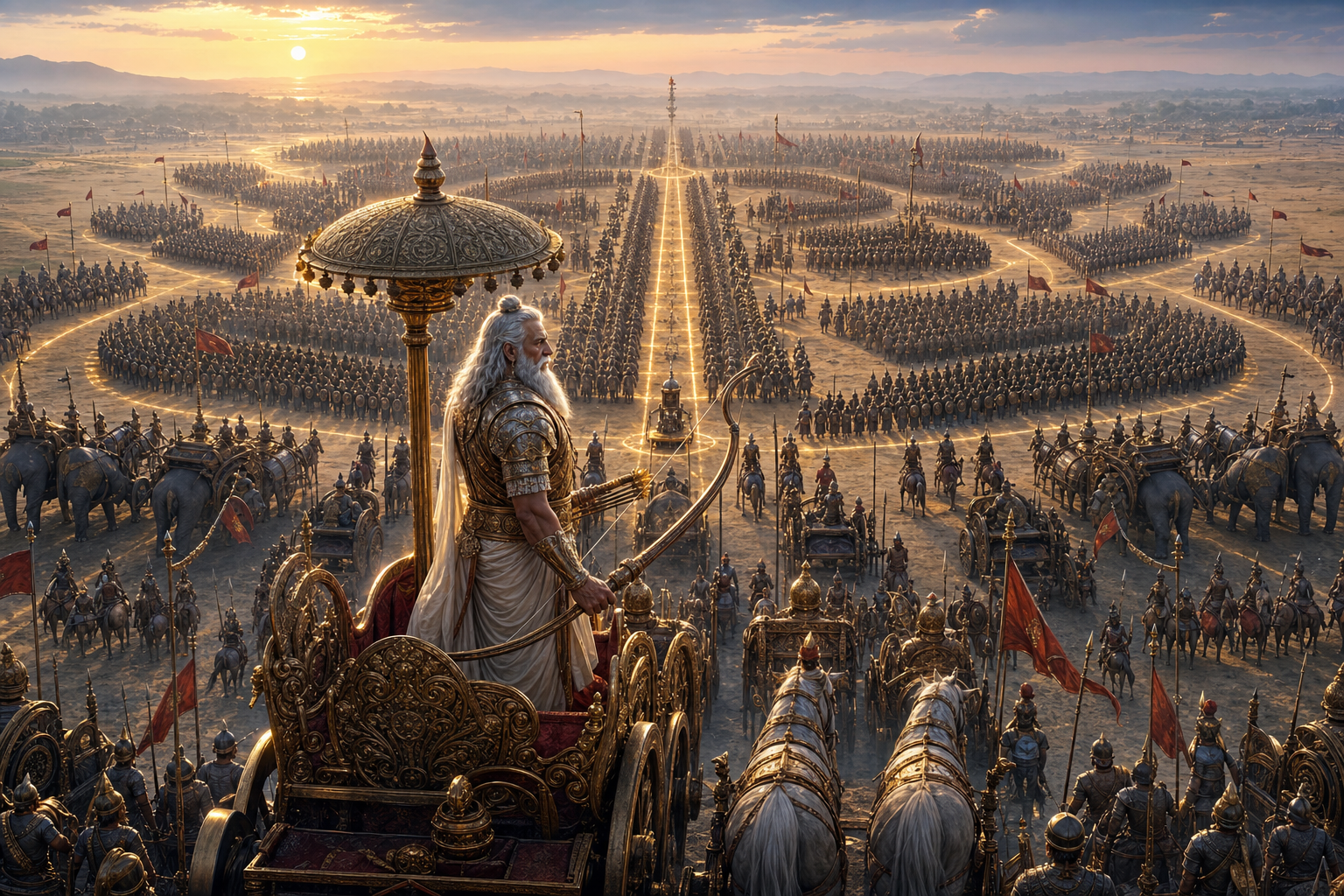
Sarvatomukhi Dand Vyuha was Bhishma’s all-facing opening formation on the first day of the Kurukshetra war. This article explains its military structure, strategic purpose, and symbolic importance within the Mahabharata. The formation combined central strength, all-directional readiness, layered protection, and disciplined command. It reflected Bhishma’s tactical genius as well as the moral complexity of fighting…