
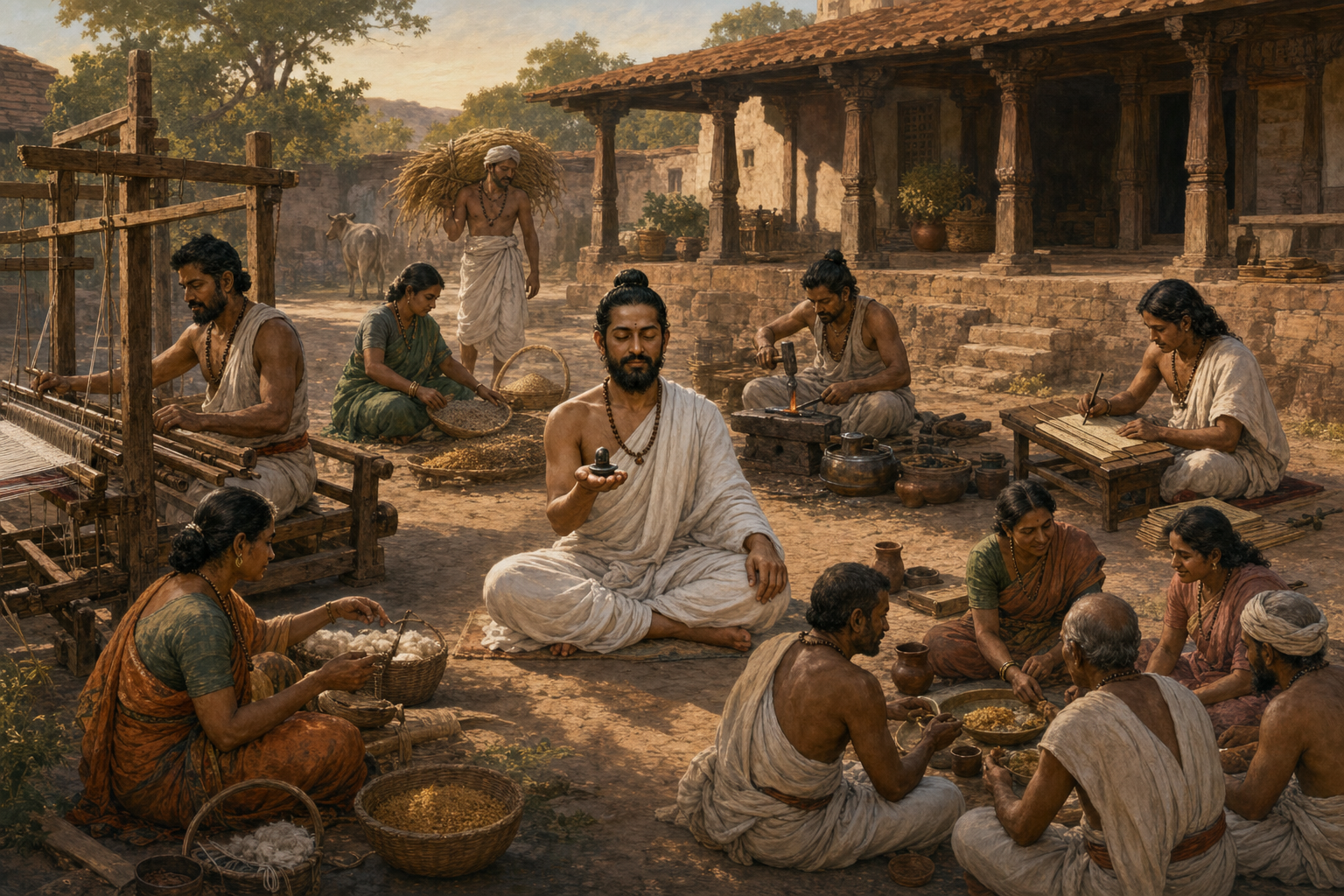
You may admire Basavanna’s teaching on equality yet still wonder what it asks of you when pay, prestige, household duties, institutional power, or community status are involved. The answer is not a loose instruction to be kind. It is a disciplined relationship between worship, work, sharing, and fellowship.
Read that relationship carefully, and Basava Purana becomes a tool for decisions. It helps you ask what makes work honorable, when possession becomes accumulation, whether a community actually practices equality, and how devotion should change conduct.
The ethical circuit: Ishtalinga, Kayaka, and Dasoha
Basava Purana is a 13th-century Telugu devotional epic composed by Palkuriki Somanatha in the dvipada metre. It remembers the spiritual and social ferment associated with 12th-century Kalyana, where Basavanna served under the Kalachuri ruler Bijjala II and the sharanas joined devotion to questions of labor, hierarchy, responsibility, and communal life.
The shortest useful account of its social ethic is a three-part circuit. Ishtalinga brings the presence of Shiva into personal life. Kayaka governs how you work. Dasoha governs what you do with what your work produces. None is complete by itself.
| Principle | Question it places before you | Practice you should be able to observe |
|---|---|---|
| Ishtalinga | Does remembrance of Shiva enter this decision? | Devotion accompanies ordinary conduct instead of being confined to occasional worship. |
| Kayaka | Is this work being done with integrity, attention, and respect for every worker? | Labor is judged by its ethical character, not by inherited or professional status. |
| Dasoha | What can be shared rather than accumulated for status or control? | Surplus is directed toward service, fellowship, and the common good. |
Ishtalinga without Kayaka can shrink devotion into a private refuge that leaves conduct untouched. Kayaka without Dasoha can become pride in productivity and personal merit. Dasoha without responsible work can turn generosity into an occasional performance disconnected from how wealth, authority, or recognition were acquired.
The three principles therefore correct one another. Personal worship forms the conscience. Work gives that conscience a field of action. Sharing prevents the fruits of action from hardening into self-importance. When you face an ethical choice, run it through all three questions rather than choosing the principle that demands the least from you.
Kayaka does not mean that every job is automatically sacred
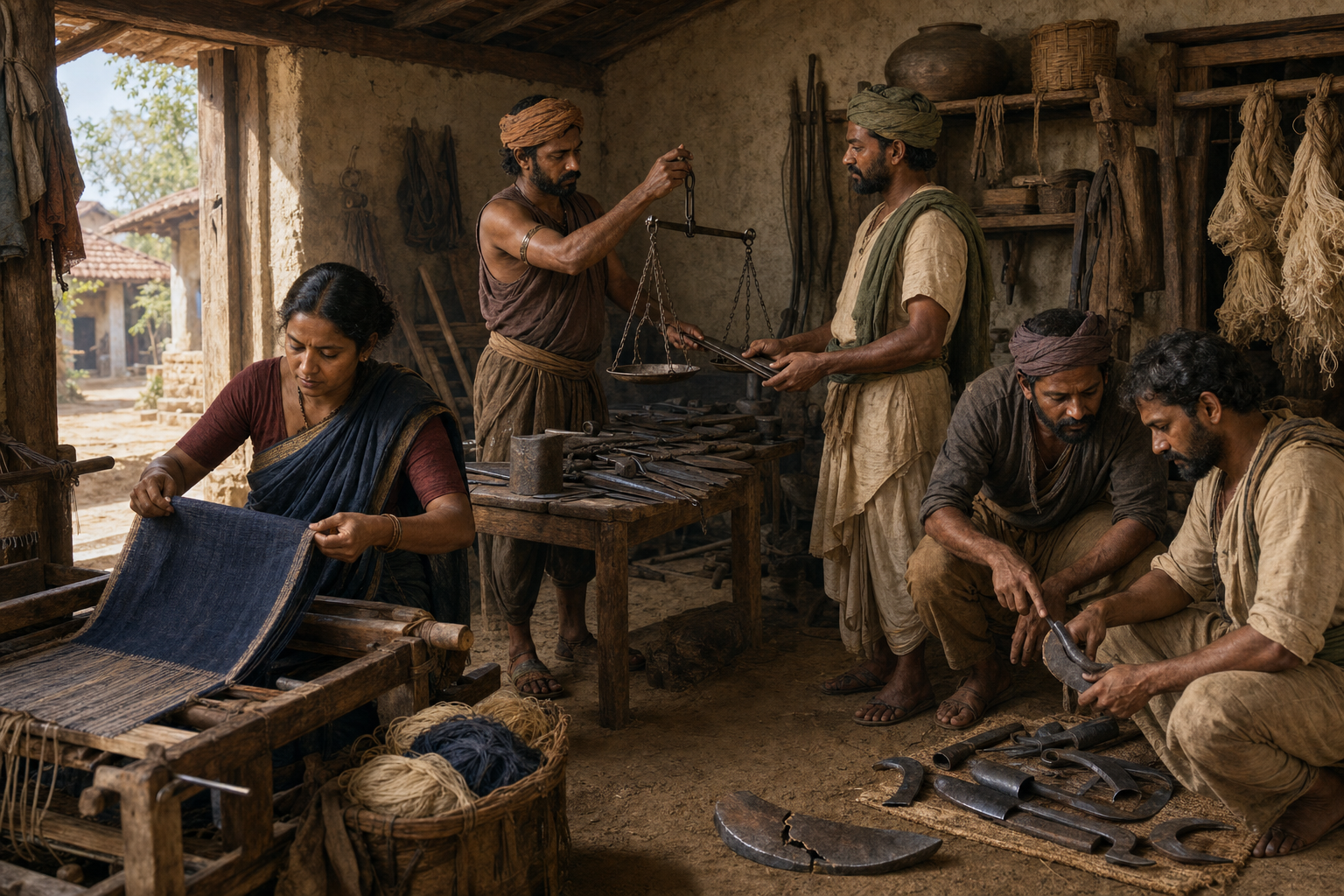
Kayaka is often rendered as work understood as worship. Its sharp edge can disappear when that phrase is reduced to working harder, obeying an employer, or admiring busyness. The sacredness does not come from a job title, salary, institution, or volume of output. It comes from treating labor as accountable participation in a moral order.
This changes both sides of the judgment. A socially prestigious occupation does not excuse deceit, humiliation, indifference, or careless harm. Work that receives little recognition does not become spiritually inferior merely because society assigns it less status. Kayaka directs your attention toward the character of the action and the dignity of the person performing it.
You can apply that distinction through five tests:
- Purpose: What genuine need does this task serve, and who bears the consequences if it is performed badly?
- Means: Can you complete it without deception, degradation, or treating another person as disposable?
- Attention: Are you offering the care the task requires, or merely protecting your image and position?
- Dignity: Do you extend the same basic respect to cleaners, couriers, craftspeople, caregivers, junior colleagues, household workers, and senior professionals?
- Accountability: Could you explain the way this work was performed before a serious spiritual community, including the people most affected by it?
The dignity test is especially important. It is easy to praise the dignity of labor in a speech while continuing to rank human beings by occupation in daily life. Notice who receives a greeting, whose name is remembered, who is allowed to speak, who gets credit, and whose mistakes are treated as evidence of inferiority. Those small arrangements reveal more about a community’s understanding of Kayaka than a ceremonial slogan does.
Kayaka also applies to people who allocate work. A manager, household head, temple committee, or community organization should not invoke sacred duty to demand limitless labor from others. The principle creates responsibility for the conditions, recognition, and relationships surrounding work; it is not a devotional cover for hierarchy.
Sikh teaching offers a recognizable parallel in kirat karo, the discipline of honest work. The resemblance can support Dharmic dialogue, but the terms should not be treated as interchangeable labels. Kayaka belongs to a specifically Lingayat ethical structure in which work is joined to Ishtalinga devotion and Dasoha. The comparison becomes useful when it clarifies shared responsibility without erasing the traditions that give each discipline its meaning.
Dasoha tests what you do with surplus

Kayaka asks how something is produced. Dasoha asks where its fruit goes. That second question prevents spiritualized work from ending in private accumulation. If every achievement terminates in your own comfort, prestige, or control, the ethical circuit remains open.
Surplus is broader than spare cash. Depending on your circumstances, it may include food, useful possessions, time, professional knowledge, access to an institution, a platform from which others can be heard, or the ability to connect someone with help. The principle supplies a direction, not a universal modern percentage. Inventing a sacred number would be less honest than examining your actual obligations and capacity.
A practical Dasoha review can follow four steps:
- Separate genuine responsibilities from accumulation maintained mainly for status, convenience, or fear.
- Name the surplus you actually control: money, goods, time, knowledge, space, access, or public attention.
- Choose a concrete form of service, mutual aid, shared fellowship, or support for a common undertaking.
- Review whether the sharing preserved the recipient’s dignity and addressed a real need rather than displaying the giver’s virtue.
Regularity matters because Dasoha is a way of ordering life, not merely a response to emotional occasions. A monthly review of resources, a recurring commitment of time, or a standing practice of sharing expertise can expose surplus that remains invisible when generosity depends on impulse.
The principle also asks you to examine control. A gift can reinforce hierarchy when it creates dependence, demands praise, or excludes the recipient from decisions. Sharing becomes more consistent with Dasoha when it strengthens fellowship and treats the other person as a participant rather than an object of charity.
Buddhist dana and Jain aparigraha provide useful Dharmic points of contact: generosity loosens possessiveness, while restraint limits the hold of accumulation. Yet Dasoha retains its own place within the Kayaka-Ishtalinga relationship. Use these parallels to recognize a family resemblance across Dharma, not to flatten distinct disciplines into one generic moral vocabulary.
Equality becomes visible when status is at risk
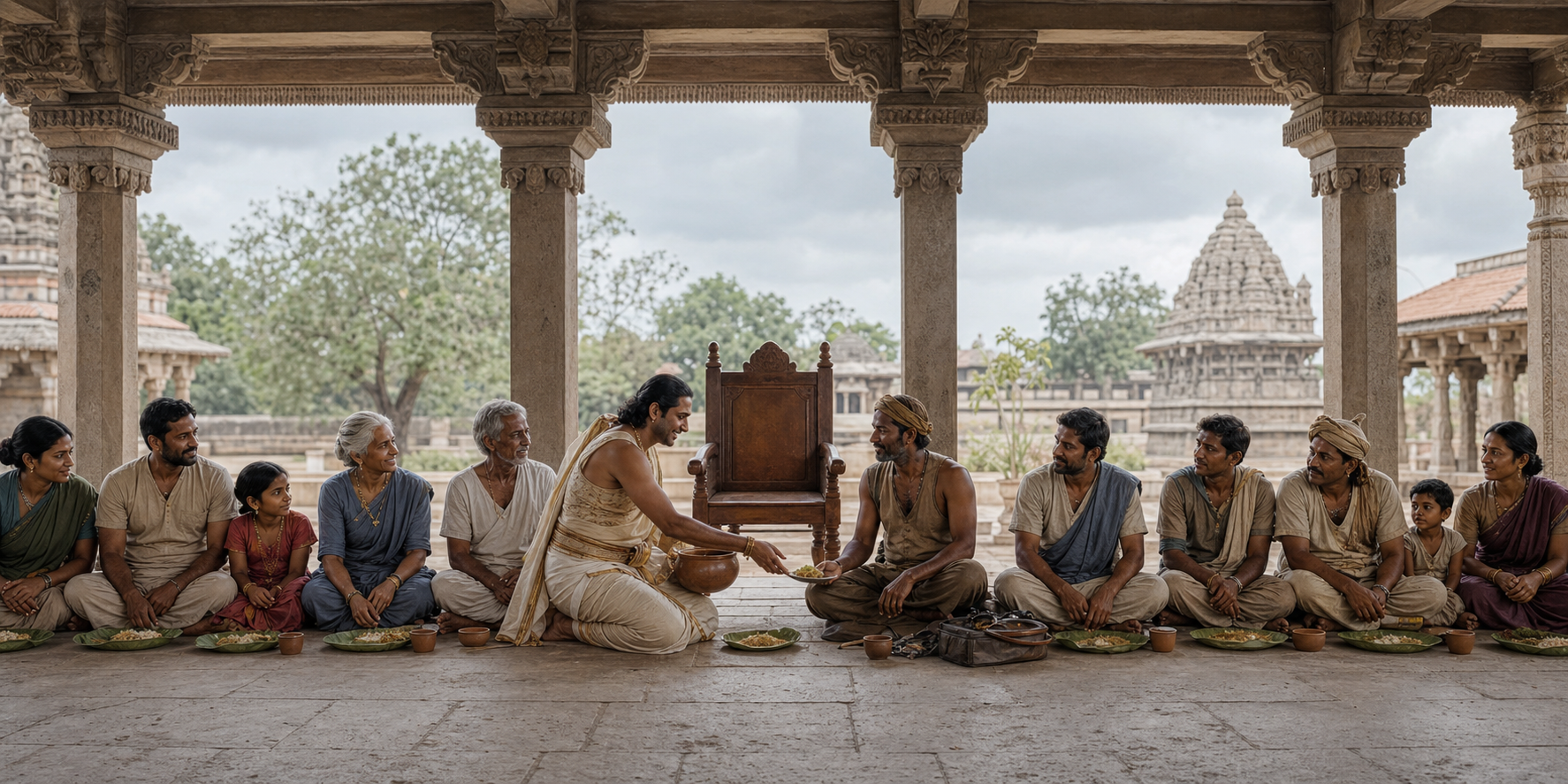
Basava Purana does not leave equality as an abstract declaration. Kalyana provides the setting in which devotion encounters administration, inherited rank, marriage, fellowship, and political authority. The devotional narrative remembers the Anubhava Mantapa as a forum for spiritual inquiry and community deliberation. It also associates a marriage crossing social boundaries with severe backlash in the episode commonly called the Kalyana crisis.
The moral test is not whether a group repeats the word equality. It is whether fellowship survives when established status is challenged. Agreement is easy when nothing important is redistributed. The deeper test arrives when someone previously ignored receives authority, when social boundaries are crossed, or when the dignity of one person’s labor limits another person’s privilege.
You can audit a family, workplace, temple body, matha, association, or discussion group through five visible questions:
- Access: Who is permitted to enter, participate, learn, worship, or receive assistance?
- Voice: Whose experience counts as spiritual or ethical knowledge, and who is expected only to listen?
- Labor: Are necessary workers honored as participants, or treated as an invisible service class?
- Fellowship: Who can sit, eat, deliberate, and serve with whom?
- Cost: Does the commitment to equality remain intact when it threatens reputation, inherited advantage, political comfort, or internal hierarchy?
Akka Mahadevi’s prominence among the women mystics associated with this tradition makes the test of voice particularly concrete. Inclusion is shallow if women may appear as devotees but are not received as spiritual authorities. At the same time, celebrating one renowned woman should not become a substitute for examining who can speak, teach, interpret, and decide in the institution before you now.
The emphasis on anubhava, direct spiritual experience, does not require contempt for learning or ritual. It challenges the claim that inherited position alone settles spiritual truth. That distinction matters. Replacing one closed authority with unexamined individual opinion would not create responsible dialogue; it would merely remove accountability.
A modern group can adapt the function represented by the Anubhava Mantapa without pretending to reproduce medieval Kalyana. Choose one live ethical question. Invite the people most affected by it. Prevent professional, gender, ritual, or social rank from deciding who may speak. End with a named action and a person responsible for carrying it out. Dialogue becomes social ethics only when deliberation changes practice.
Read with devotion and historical care
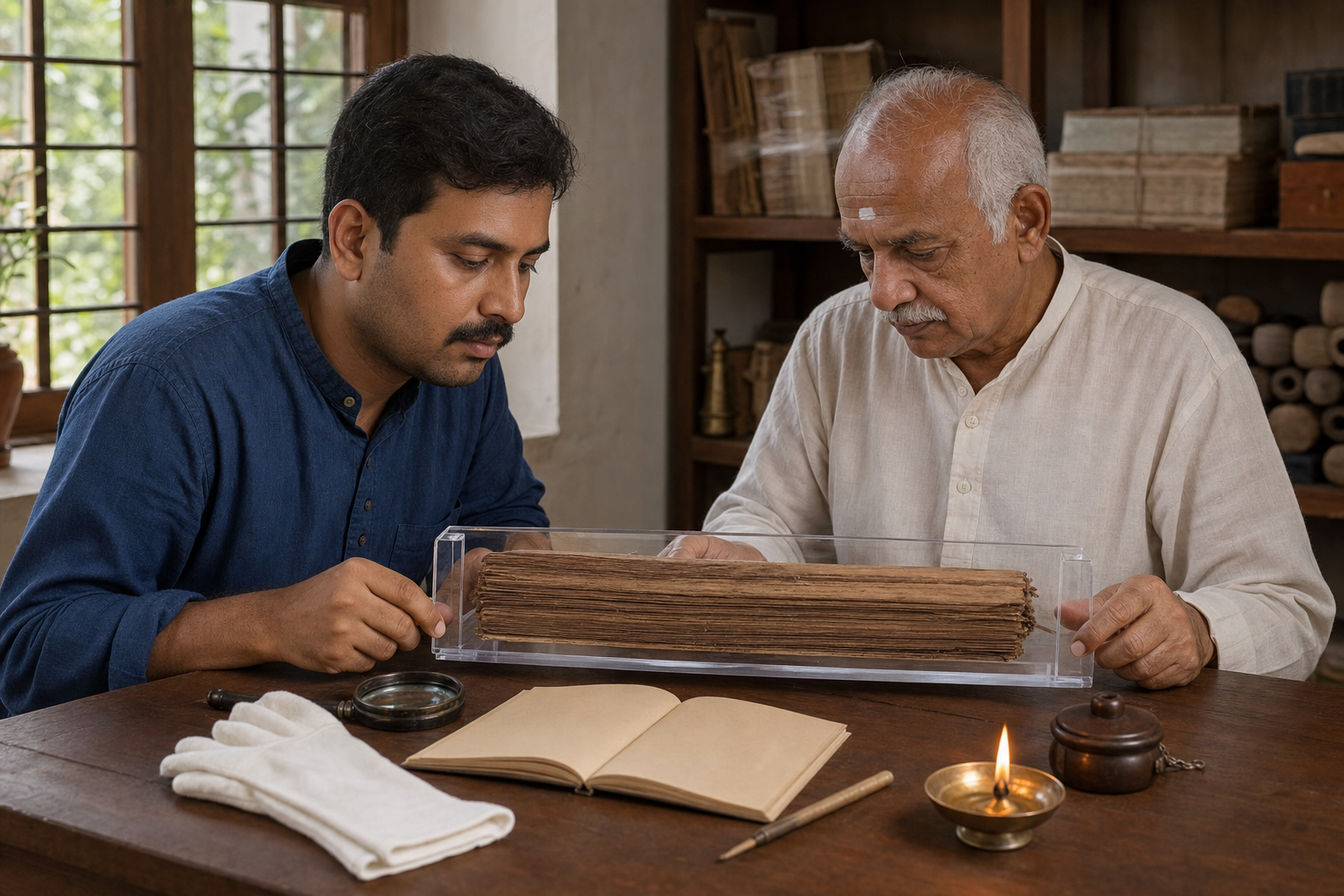
Basava Purana is hagiography, sacred narrative, ethical teaching, and cultural memory. Reading it only as a chronological record asks it to function like a modern archive. Reading it only as edifying legend can hide the real historical conflicts that gave its ethical vision weight. You do not have to choose between reverence and careful judgment.
Its dvipada couplets were suited to recitation, memory, and movement between story, prayer, doctrinal explanation, and moral example. Where language and edition permit, read passages aloud or listen to informed recitation. The cadence is part of how the teaching was carried into households and communities; a prose outline alone cannot reproduce that pedagogical function.
A disciplined reading can proceed in three passes:
- Narrative pass: Read for the whole life arc. Notice how Basavanna’s devotion, public responsibility, community formation, conflict, and spiritual consummation are related before extracting isolated lessons.
- Ethical pass: Mark episodes under Ishtalinga, Kayaka, Dasoha, equality, women’s authority, and deliberation. For each episode, ask who acts, who benefits, what hierarchy is challenged, and what the action costs.
- Contextual pass: Compare the narrative with vachana literature, inscriptions, and later Virashaiva charitras when you are making historical claims. Keep Palkuriki Somanatha’s 13th-century Telugu composition distinct from Bhima Kavi’s cognate Kannada Basava Purana of the 14th century.
This method also helps you handle miracle narratives. You need not force every sacred episode into the category of modern documentary evidence, nor dismiss it because it carries theological meaning. Ask what virtue, conflict, or communal memory the episode preserves. Then use inscriptions and contemporaneous materials for claims that depend on exact chronology.
Do not detach the social teaching from Shiva bhakti. Equality, labor, and sharing are not decorative reforms added to an otherwise private spirituality. They arise from a devotional claim: divine presence changes how a person works, possesses, meets others, and accepts correction. Conversely, do not use theology to soften the social demand. If devotion never alters these relationships, the narrative’s ethical force has been avoided.
Key takeaways
- Ishtalinga, Kayaka, and Dasoha form one ethical circuit: remembrance, responsible work, and sharing must remain connected.
- Kayaka dignifies labor; it does not sanctify every employer, occupation, command, or method.
- Dasoha directs genuine surplus toward service and fellowship without prescribing one universal percentage.
- Equality is measured through access, voice, labor, shared fellowship, and the willingness to bear a cost when hierarchy is challenged.
- Basava Purana can be read devotionally and critically: receive its moral vision while checking precise historical claims against vachanas, inscriptions, and related traditions.
Choose one recurring decision this week rather than trying to adopt a complete ethical program at once. Begin with the devotional remembrance taught within your sampradaya. Examine how the relevant work is done, identify a surplus you can share, and ask whose dignity or voice the present arrangement overlooks. Make one correction, then review its effect after a week.
That small, complete cycle is more faithful to Lingayat social ethics than collecting elevated sayings while leaving work, possession, and status untouched.