-
Beyond Endless Craving: Dharmic Science of Ambition, Lust, and Lasting Happiness

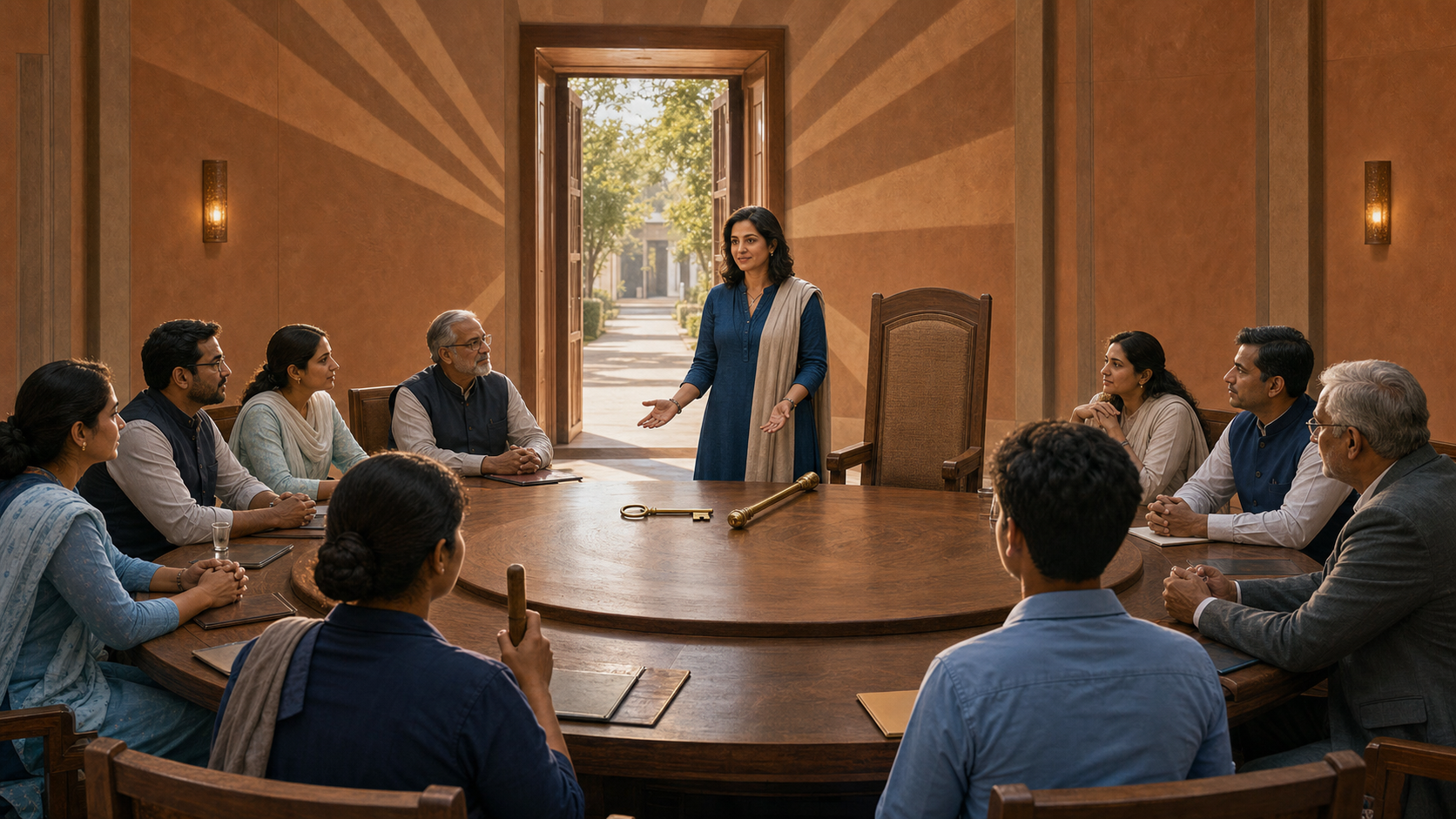
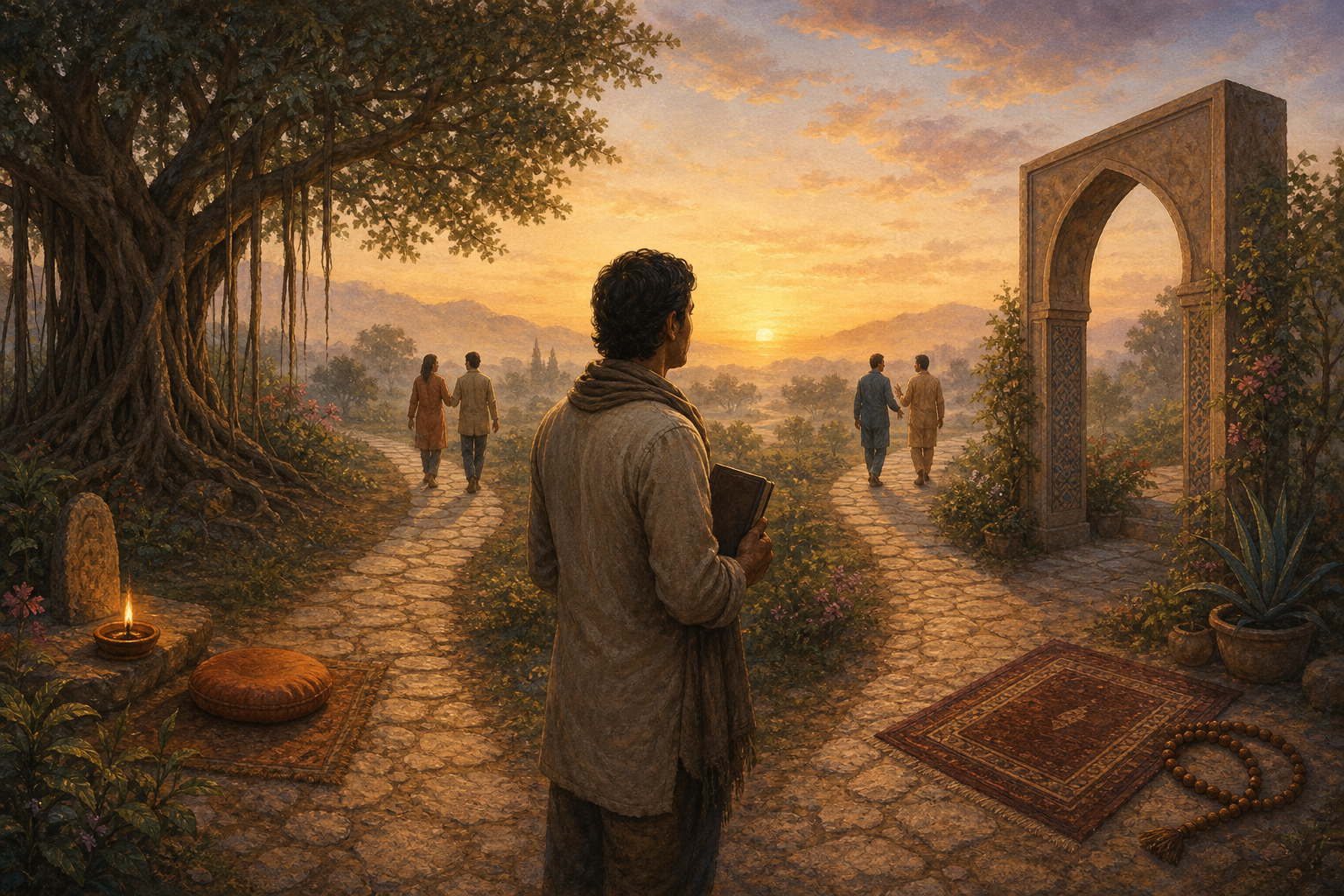
Progressive ambition often fails to produce lasting happiness because the senses–mind complex is mismatched to the goal of enduring joy. Vedic philosophy explains this law of material nature and locates fulfillment in the jiva’s spiritual quality as a particle of Sachidananda Vigraha. Converging insights from Hinduism, Buddhism, Jainism, and Sikhism show that inner realignment—not external…
-
UP SP leader’s arrest over Ram–Sita remarks: legal flashpoints, poll stakes, and dharmic harmony

A senior Samajwadi Party leader in Uttar Pradesh was arrested and expelled for derogatory remarks about Lord Ram and Sita, igniting a high-stakes political and legal confrontation as elections approach in UP and West Bengal. This analysis explains the applicable law (IPC 295A, 153A, 505(2)), the constitutional balance between free speech and public order, and…
-
Compassionate Destroyer: Kinnara Shiva, Divine Healer Who Burns Away Disease and Suffering

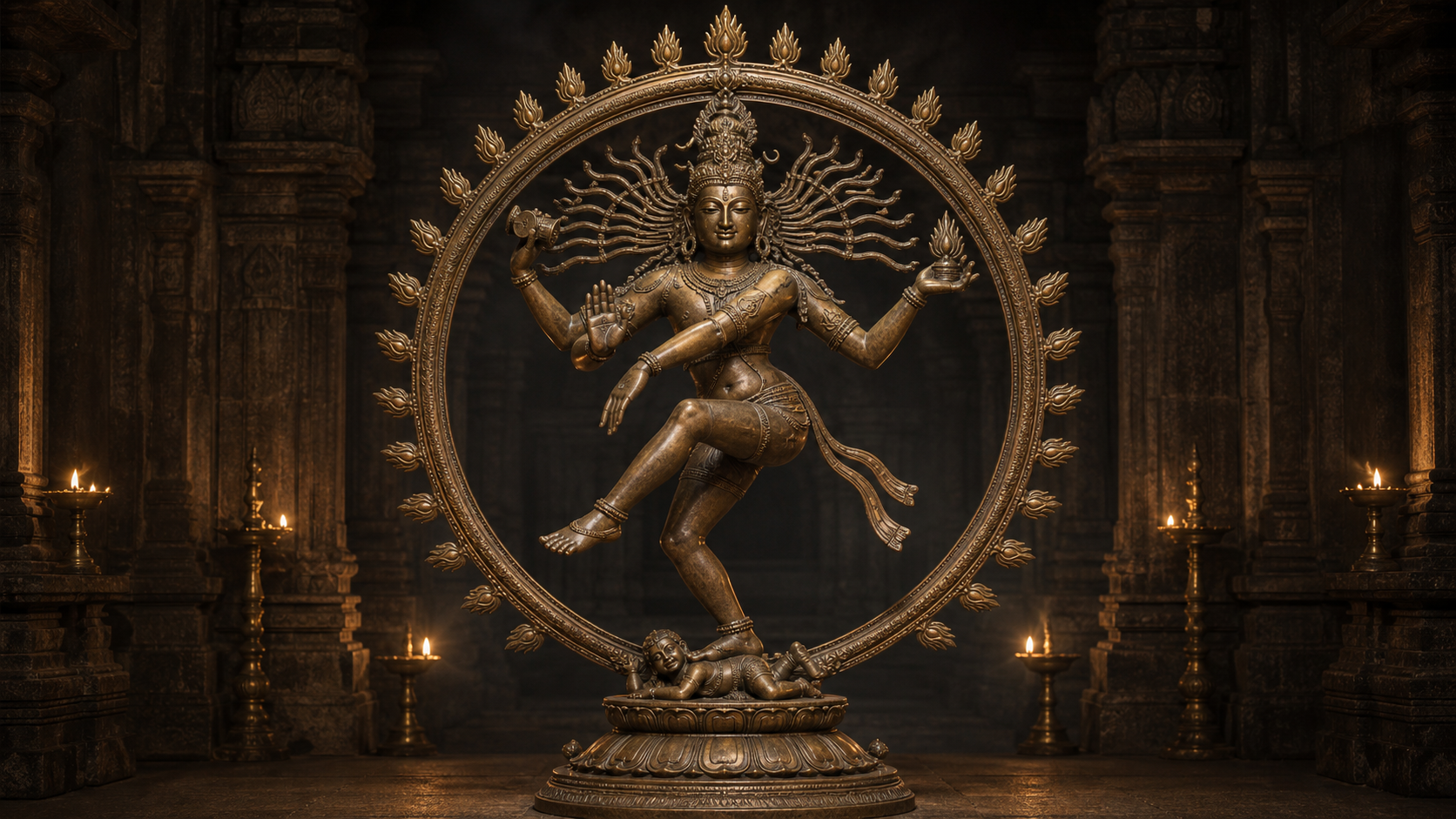
This study interprets Kinnara Shiva as a compassionate destroyer and divine healer within Hindu worship, framing disease and suffering through Shiva’s dual symbolism of purifying fire and cooling grace. It situates the epithet historically and doctrinally, clarifying that “Kinnara Shiva” functions as a living, vernacular honorific while grounding the healing theology in Sri Rudram and…
-
Decoding Kerala’s Sacred Geometry: Tantric Blueprints that Shape Hindu Divine Forms

Kerala’s temple sculpture is governed by a rigorous synthesis of Tantra, Āgama, and Śilpa-śāstra that translates metaphysical vision into precise sacred geometry and iconography. The Tantrasamuccaya and allied Sanskrit manuscripts calibrate everything from ground plans to mudras, ensuring that Hindu divine imagery remains theologically faithful and experientially powerful. Visitors can read this grammar in the…
-
Ego (Ahamkara), Conflict, and Liberation: A Dharmic Synthesis with Practical Tools for Peace

This article examines why ego (ahamkara) is repeatedly identified by Hinduism, Buddhism, Jainism, and Sikhism as a root driver of conflict, and how each tradition prescribes precise methods to transform it. It clarifies the mechanism from avidya to anger found in the Bhagavad Gita and Yoga philosophy, then correlates those insights with Buddhist anatta, Jain…
-
When Power Outpaces Wisdom: Ancient Dharmic Insights to Heal a Wealthy, Wounded World

Modern society holds immense technological power and material wealth, yet faces crises born of its own momentum. Drawing on Hinduism, Buddhism, Jainism, and Sikhism, this analysis explains how shakti (power) must be yoked to viveka (wisdom) through dharma to restore ecological balance, social harmony, and inner clarity. It maps Purusharthas to contemporary dilemmas, applies yama–niyama…
-
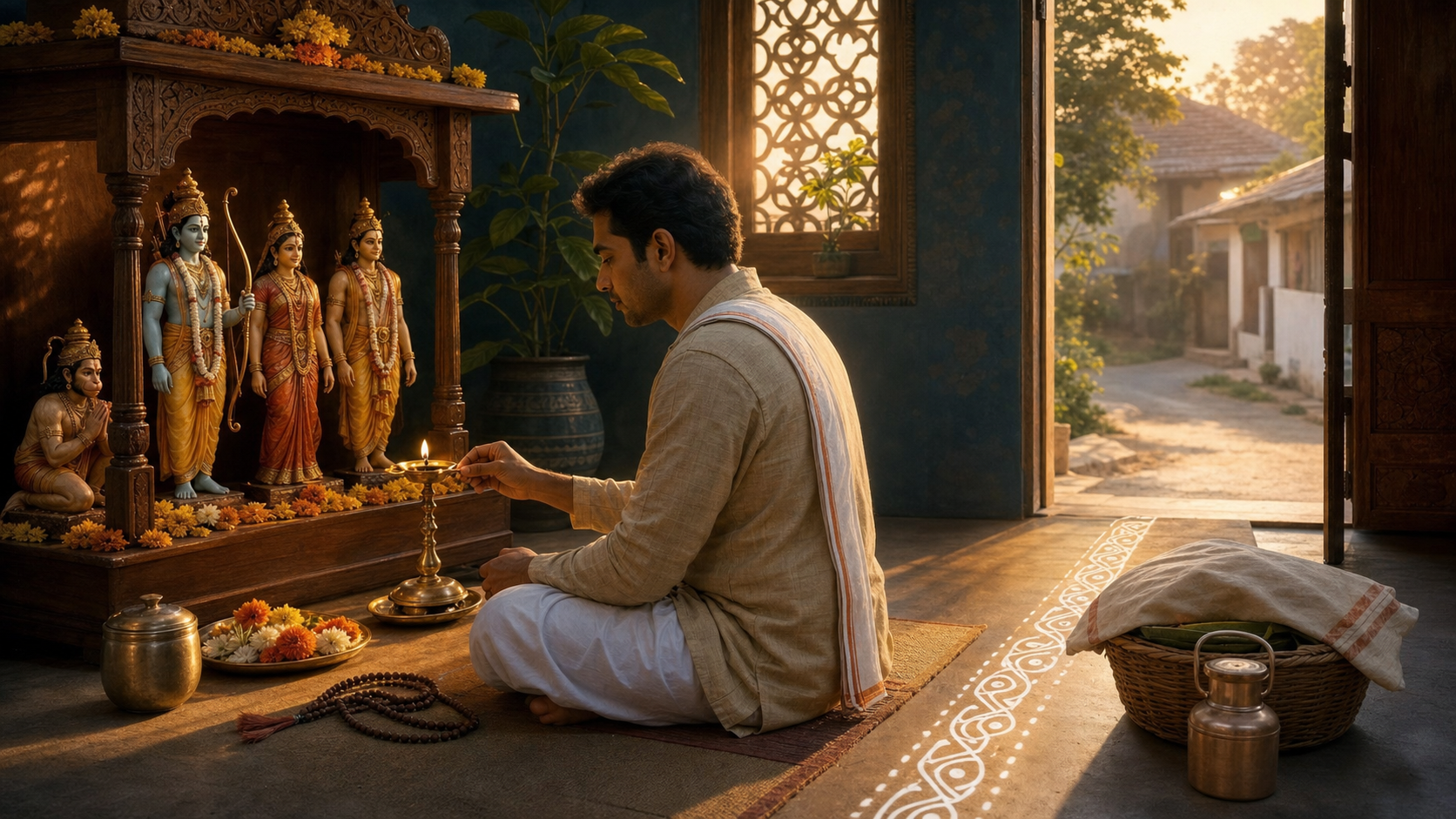
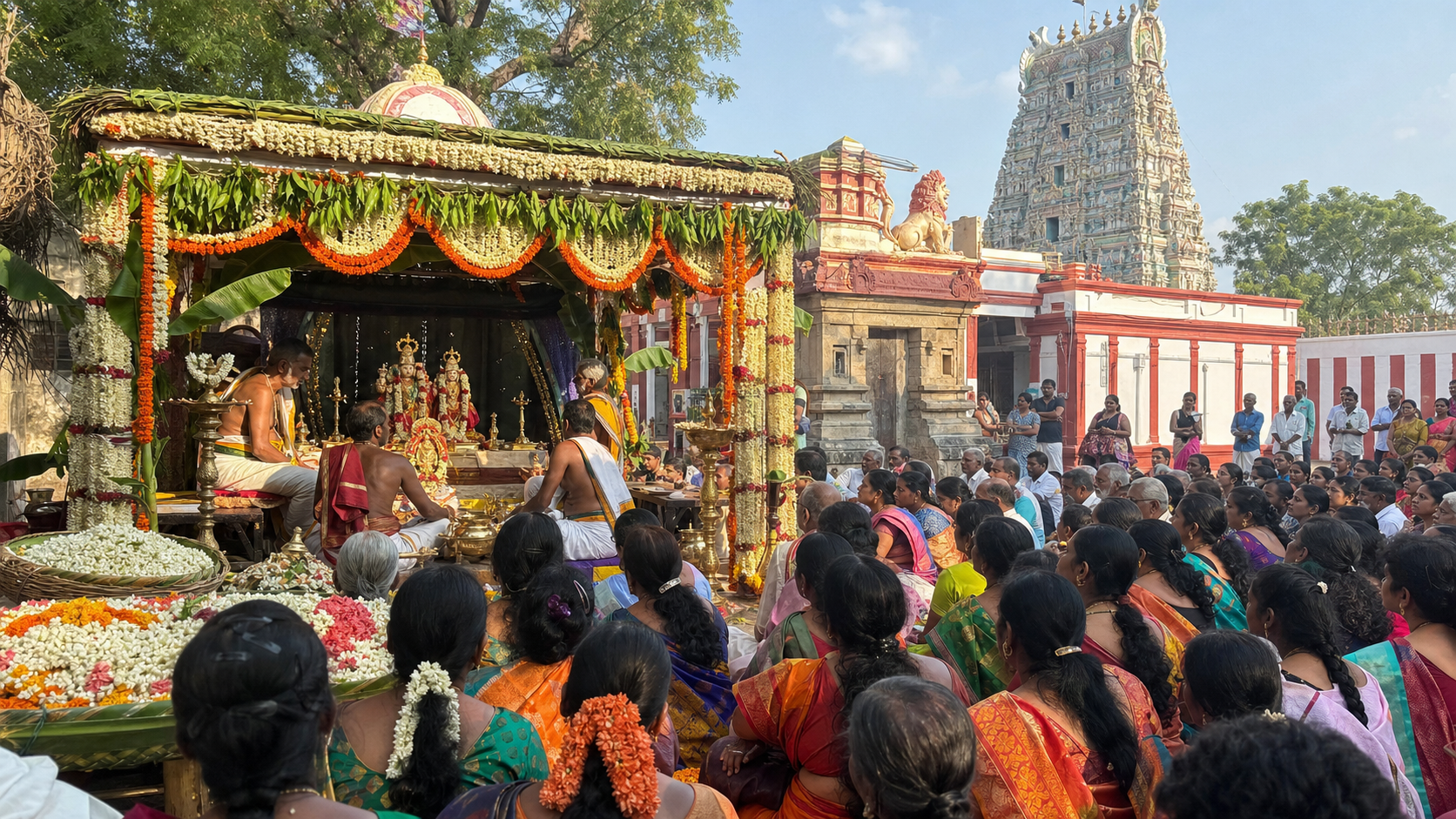
Tirumala Temple’s Sri Ramanavami Pattabhisheka Asthanam Unveiled: Sacred Coronation and Dharma

Sri Ramanavami Pattabhisheka Asthanam at Tirumala Temple is a scripturally grounded coronation observance presented before the Utsava deities of Sri Rama, Sri Sita, and Lakshmana Swamy at the Bangaru Vakili. Anchored in Valmiki Ramayana’s Yuddha Kanda, it translates the epic’s ethical vision into a living liturgical form. The rite aligns with the Vaikhanasa Agama and…
-
Who Is a True Guru? Shrimad Bhagavat’s 24 Transformative Lessons from the Avadhut

What is a true Guru according to the Shrimad Bhagavat? The Eleventh Canto’s dialogue between King Yadu and an Avadhut answers by expanding the Guru beyond a single figure to a universal function that dispels ignorance wherever it appears. Through 24 striking lessons from nature and human life—Earth’s forbearance, the Ocean’s equanimity, Pingalā’s renunciation, the…
-
April 5, 2026 Panchang: Krishna Paksha Tritiya/Chaturthi, Auspicious Times, Nakshatra & Rashi

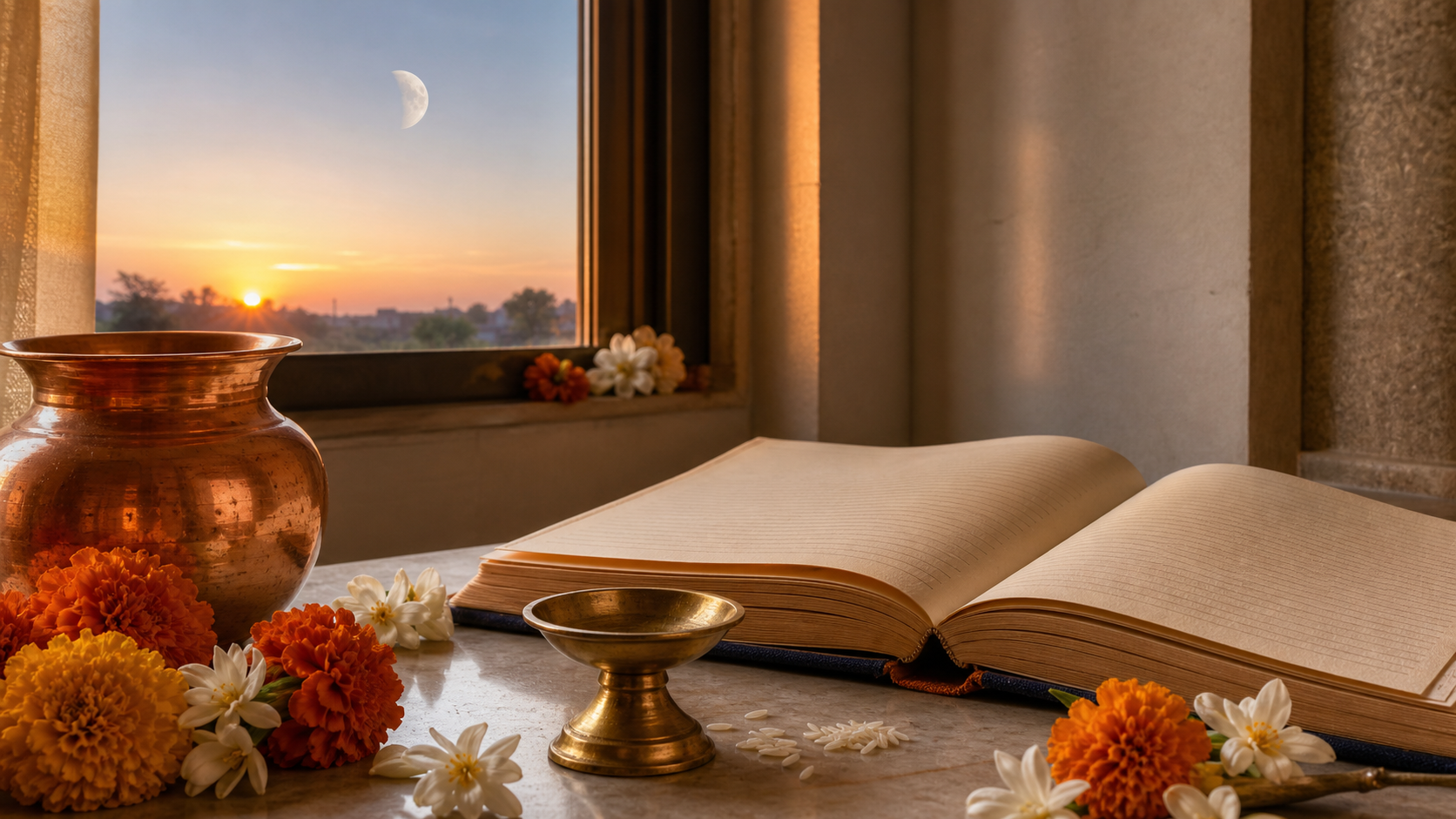
Sunday, April 5, 2026 spans two tithis: Krishna Paksha Tritiya until 10:04 AM, followed by Krishna Paksha Chaturthi for the remainder of the day in most regions. Tritiya, a Jaya tithi, supports planning and completion, while Chaturthi—central to Ganesha worship—is observed as Sankashti Chaturthi when Chaturthi prevails at local moonrise. Good Time guidance emphasizes Brahma…
-
Tamil Nadu 2026 at a Crossroads: Stalin’s Headwinds, Vijay’s Gamble, BJP’s Ascent

Tamil Nadu’s 2026 Assembly Elections mark the first full test of a post-charismatic era, where the DMK, AIADMK, BJP, and TVK must win not only arguments but also last-mile execution. The DMK contends with anti-incumbency critiques on governance, law and order, and religious administration, even as it leans on welfare delivery and alliance arithmetic. TVK…
-
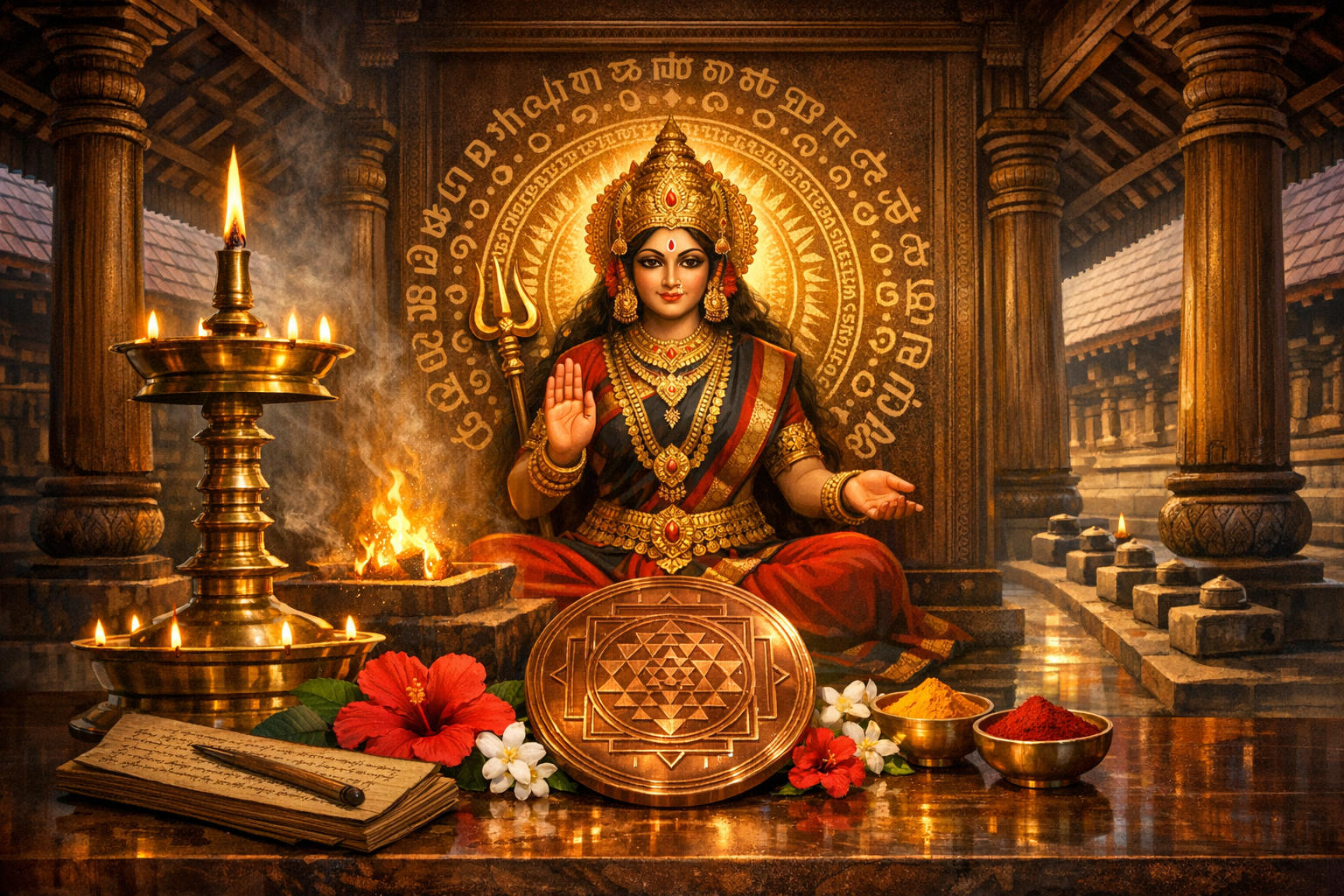
Siddha Kali and the Science of Siddhis: Tantric Methods, Mantras, and Ethical Mastery

Siddha Kali is revered in Shakta traditions as the beneficent source of siddhis—spiritual capacities that ripen through disciplined mantra, meditation, and ethical living. This long-form exploration presents the iconography, mantric grammar, and ritual architecture that distinguish her worship, from nyasa and yantra to Panchopachara offerings. It situates siddhi within a pan-dharmic ethos shared by Hinduism,…
-
From Restless Mind to Inner Clarity: How Yoga Rewires the Brain, Body, and Behavior

Yoga reframes a “restless” mind as a dynamic wave and offers precise methods to organize that energy into clarity, steadiness, and purpose. Patanjali’s ashtanga integrates ethics, postures, breath, and meditation, while parallel practices in Buddhism, Jainism, and Sikhism affirm unity in spiritual diversity. Evidence links yoga to better autonomic balance, reduced stress reactivity, improved mood,…
-
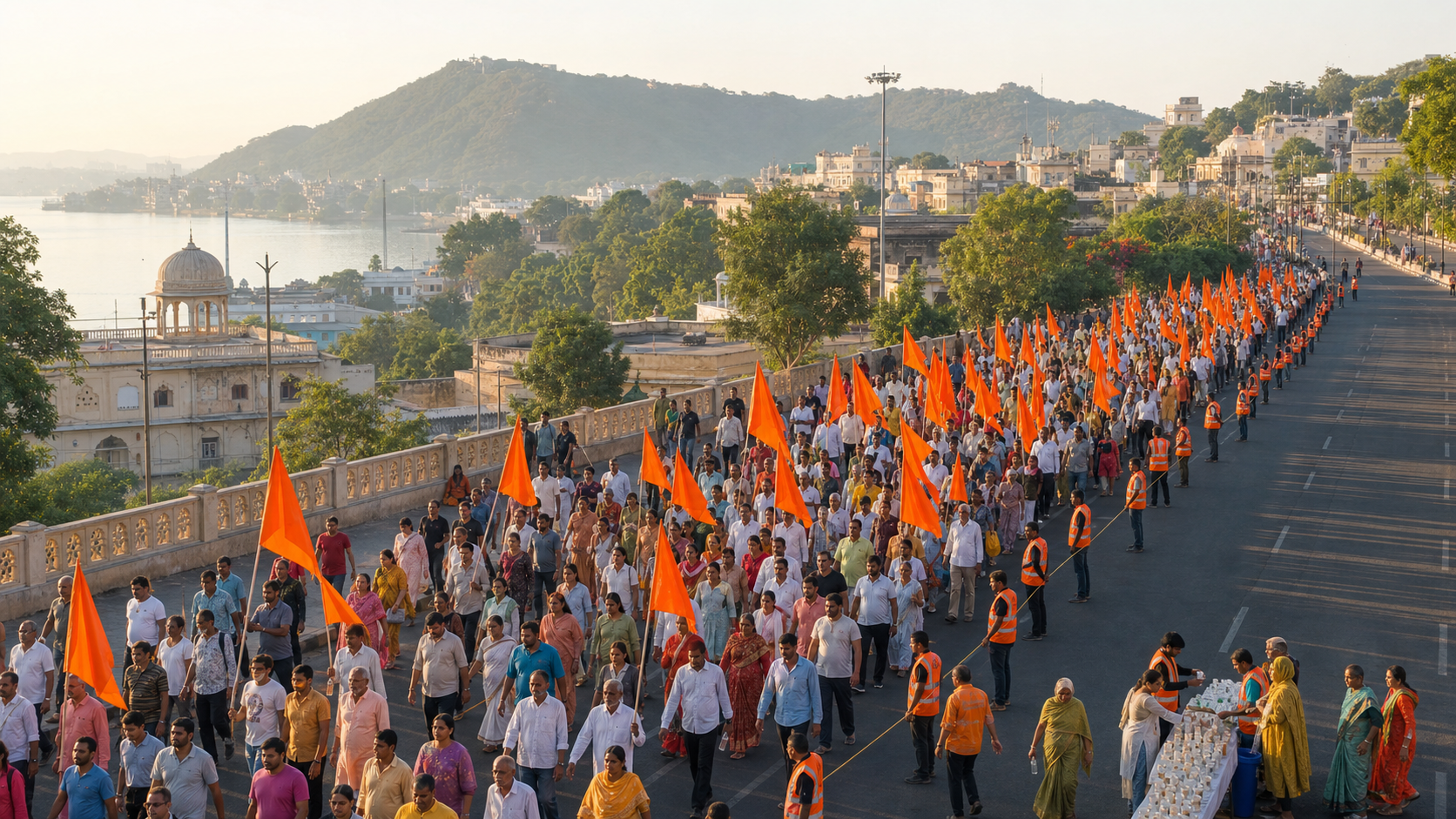
Stone-pelting mars Ram Navami in several states: patterns, causes, and safeguards for harmony

Clashes and stone-pelting reported during Ram Navami processions highlight a recurring risk pattern that can be managed with foresight and fairness. This analysis explains why disruptions recur, mapping spatial, temporal, informational, and organizational drivers. It details the legal architecture that protects religious freedom while preserving public order, and outlines evidence-informed policing that prevents escalation. Organizers…
-
SAB KE APNE RAM (SKAR) 4K: ISKCON Chowpatty’s Soul-Stirring Ramayana of Bhakti and Dharma

SAB KE APNE RAM (SKAR) at ISKCON Chowpatty delivers a 4K Ramayana drama that unifies devotion, ethics, and scholarship into an accessible cultural experience. The production frames Ram as Ideal King, Loving Friend, Goal of Sages, and Beloved of Devotees, translating Sanatana Dharma into relatable stagecraft. The Kevat episode becomes a living lesson in humility,…
-
This Is Life: A Poignant Classic of Hindi Cinema Restored by ITV—Story, Context, Legacy

This Is Life, reproduced by ITV, offers a succinct yet affecting window into classic Hindi social drama and is now more accessible through English subtitle autotranslation. The ensemble story of Anand Narayan, Gayetri, Kamla, Madhu, and Govind evokes shared ethical intuitions across Hinduism, Buddhism, Jainism, and Sikhism, modeling unity in diversity. Read as a socio-cultural…
-
Char Dham at a Crossroads: ‘Panchgavya’ at Gangotri and the High‑Stakes Debate on Entry Norms

As Char Dham Yatra 2026 nears, this analysis examines reports that the Gangotri Temple Committee may incorporate ‘Panchgavya’ into reopening rites, while debates on entry norms intensify across the Himalayan corridor. It explains the ritual and symbolic logic of Panchgavya within Hindu practice and outlines modern governance measures for ethical sourcing, hygiene, and ecological safeguards.…
-
Reassuring Update on HH Mukunda Goswami: Steady Recovery, Compassion, and Dharmic Solidarity

HH Mukunda Goswami (Maharaj) is stable and showing early, encouraging signs after recent brain surgery, with the care team prioritizing structured rehabilitation. The update explains what “encouraging signs” mean clinically and outlines how multidisciplinary rehabilitation supports neuroplastic recovery. Readers learn practical, non-intrusive ways to help—accurate information sharing, privacy respect, and caregiver support—while avoiding rumor or…
-
Eighteen Steps, One Presence: The Fierce Aniconic Power of Karuppasamy at Azhagar Kovil

Situated in the Azhagar Malai hills near Madurai, the Pathinettam Padi Karuppasamy shrine at Azhagar Kovil embodies an aniconic form of worship—no carved idol, only an intense guardian presence encountered at a threshold of eighteen steps. The shrine harmonizes classical Vaishnava temple worship with the fierce protection of a kaval deivam, emphasizing vows, truth, and…