
-
Srila Prabhupada’s 2026 Vyasa-puja: Inspiring Guide to Meaning, Homage Writing, and Dharmic Unity
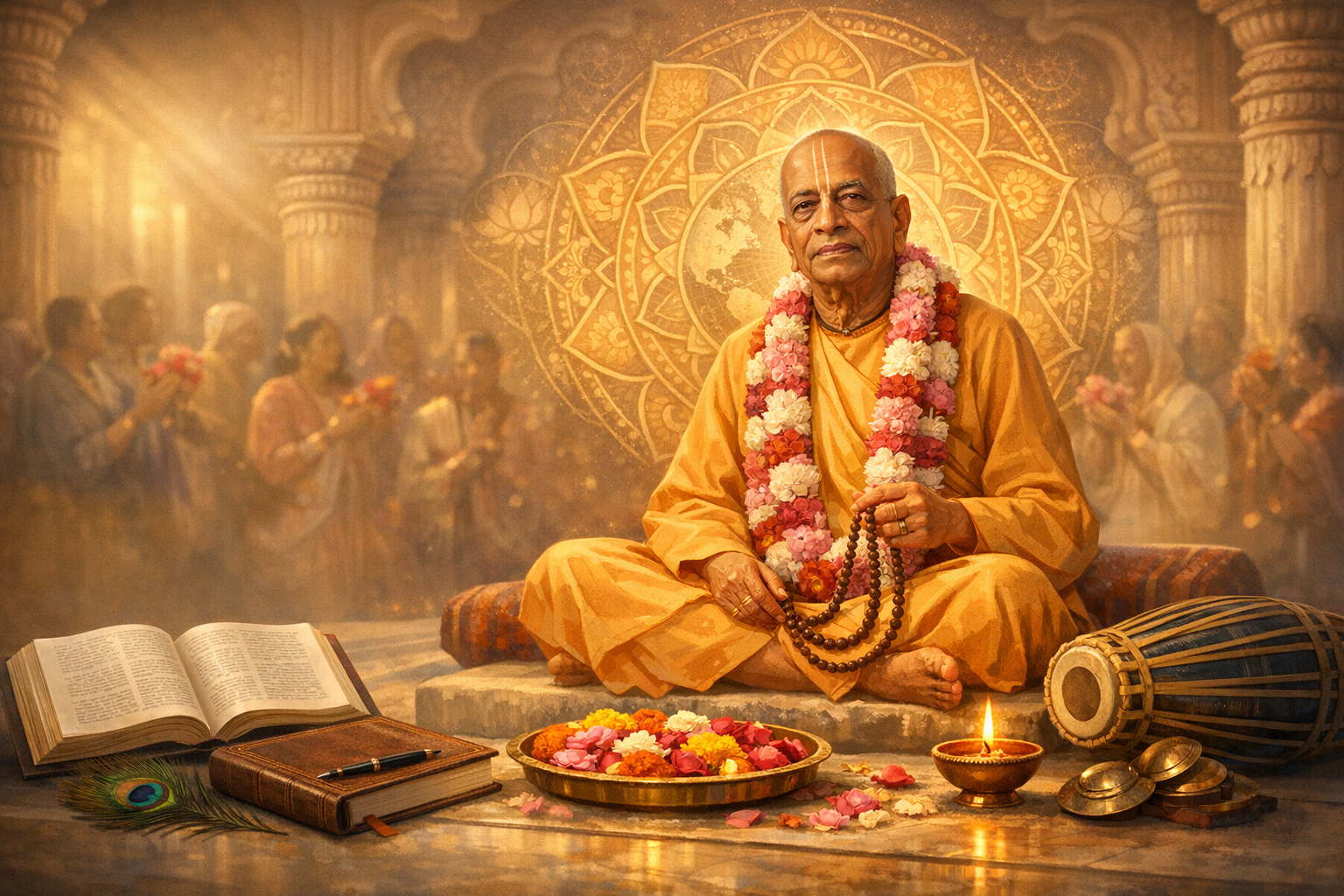
Srila Prabhupada’s 2026 Vyasa-puja is presented as a rigorous, tradition-grounded celebration that unites devotion, scholarship, and community remembrance. This comprehensive guide explains the theology of honoring the guru as representative of Veda Vyasa, with scriptural anchors in Bhagavad-gita and Srimad-Bhagavatam. It clarifies how the Vyasa-puja book serves as a cultural and spiritual archive, preserving lived…
-
Dr Pravin Togadia in Hajipur: A Powerful Call for Hanuman Chalisa Kendras to Unite Dharmic India
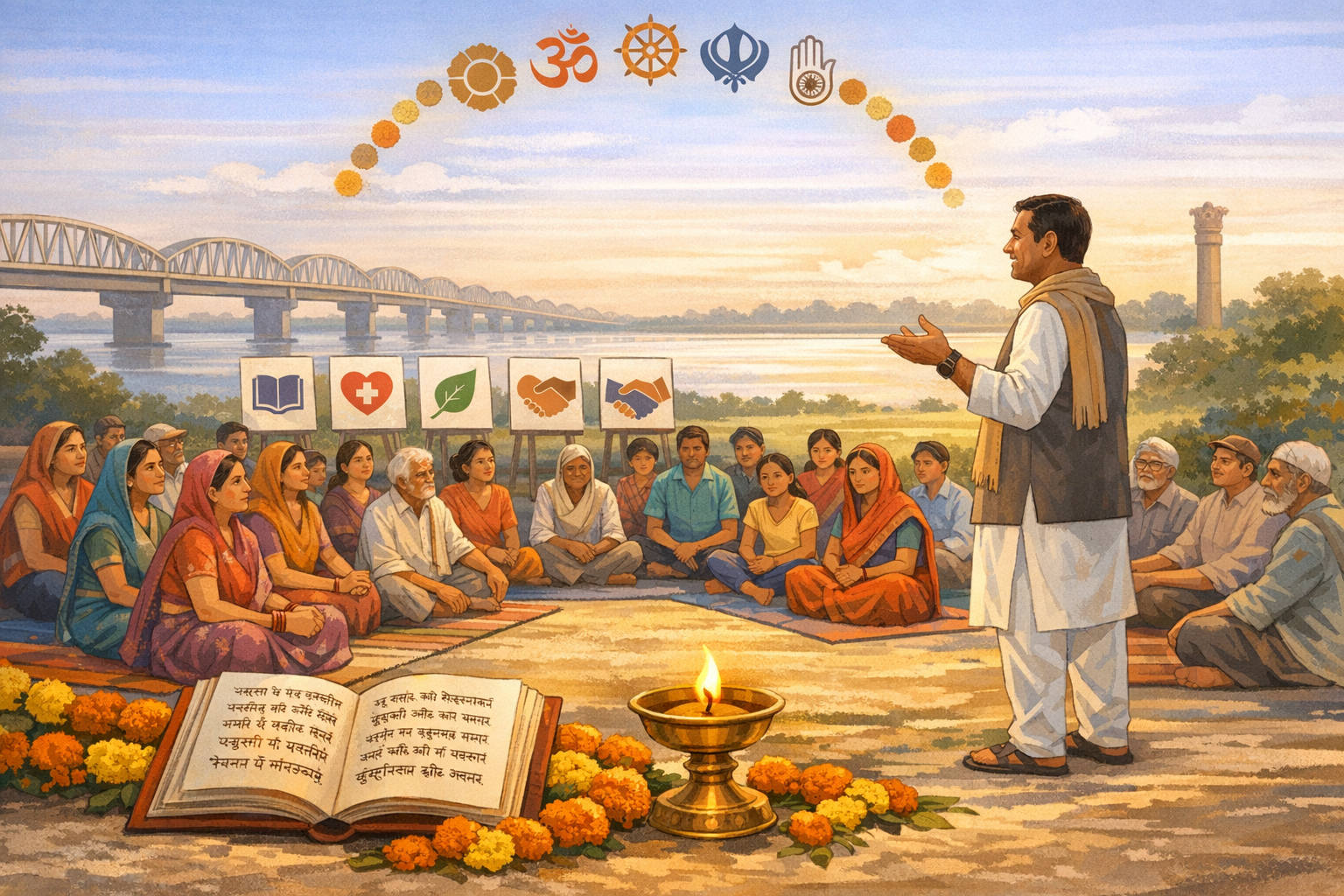
In Hajipur, Bihar, on March 11, 2026, AHP chief Dr Pravin Togadia called for ‘Hanuman Chalisa Kendra in Every Village’a simple, scalable framework to pair devotion with service. The proposed kendras center on sadhana (recitation), sangathan (local organization), and seva (civic action) to cultivate trust, resilience, and cultural continuity. Built on the Bhakti Tradition and…
-
ISKCON Vrindavan Boat Festival (11 March 2026): Nauka Vihar History, Rituals, and Visitor Guide

ISKCON Vrindavan’s Boat Festival (Nauka Vihar) on 11 March 2026 reanimates Krishna’s aquatic pastimes as preserved in Gaudiya Vaishnava literature, notably Gopal Champu by Srila Jiva Goswami. The event blends theology, ritual craft, and congregational kirtan to present a multisensory meditation on Radha-Krishna. Readers gain a clear understanding of the lila’s symbolismthe river as worldly…
-
Faith, Safety, and Justice: Aadya Surve’s Alleged Abuse and Return to Hinduism Explained
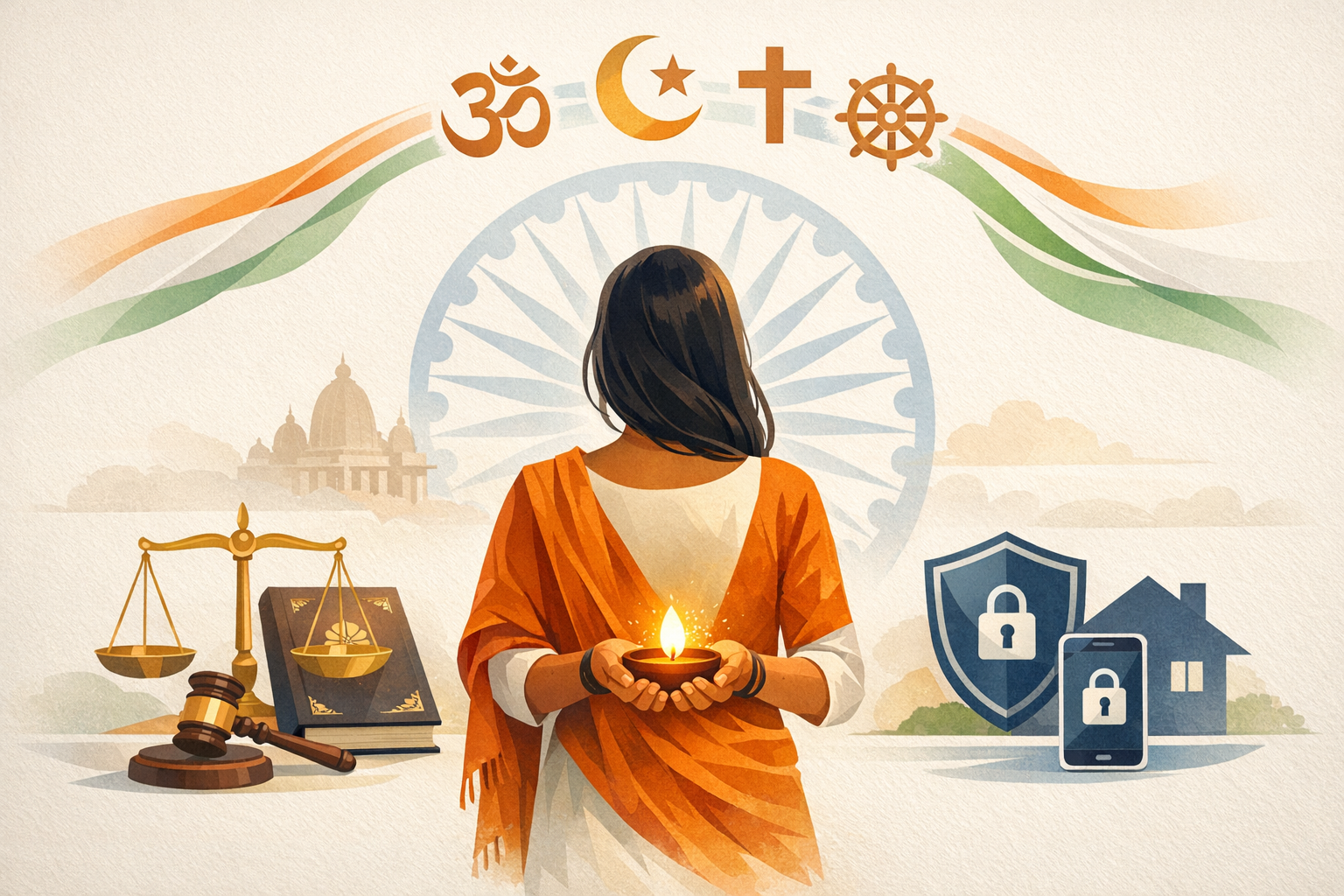
Former Miss India Earth 2019, Sayali (Aadya) Surve has alleged prolonged abuse in an interfaith marriage, publicly announcing a return to Hinduism (Ghar-Wapsi) and describing her experience using the contested term “love jihad.” This analysis separates allegations from communal generalizations, centering survivor safety, interfaith harmony, and constitutional rights. It outlines India’s legal pathwaysincluding the Protection…
-
Inside Hong Kong’s Hare Krishna Community: Unsung Devotees Powering Faith, Service, and Unity
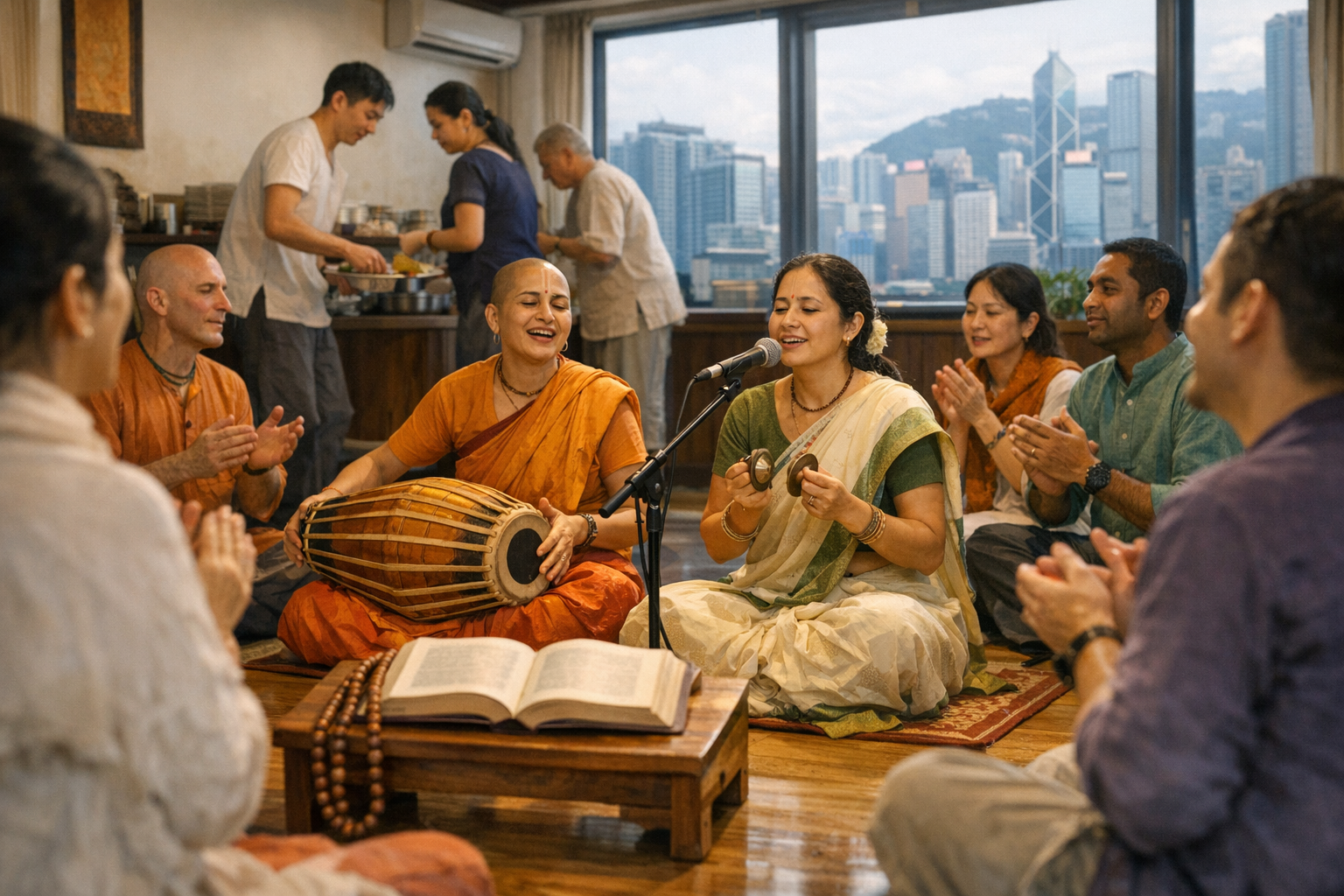
This long-form analysis spotlights Shereimony and Suchandratwo long-time devotees in Hong Kong’s Hare Krishna communitywhose steady sadhana, seva, and sādhu-saṅga exemplify quiet leadership. Readers gain an academic yet accessible overview of Krishna consciousness in the diaspora, including how Bhakti Yoga practices such as japa and kirtan support resilience. The article outlines practical, research-aligned benefits of…
-
Unveiling the Abhūtarājasas: Inside the Fifth Manvantara’s Forgotten Deva Gana
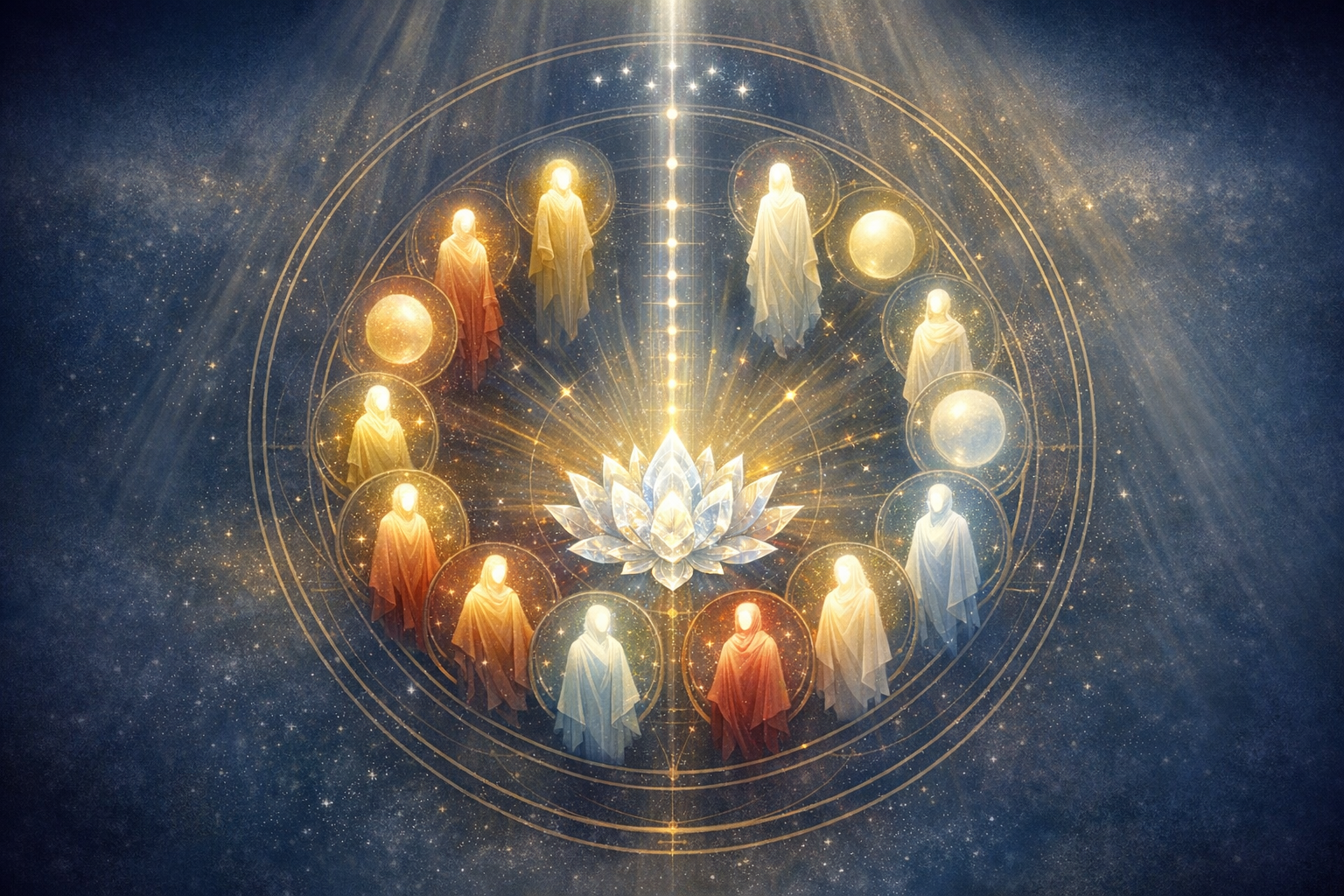
The Abhūtarājasasalso known as Abhutarayas or Abhutarajasasare a fourteen-member deva-gana assigned to the fifth Manvantara under Raivata Manu, as preserved in Purāṇic sources such as the Viṣṇu Purāṇa and the Bhāgavata Purāṇa. This article clarifies their place in Hindu cosmology, explains the Manvantara framework, and unpacks the philology of their name as a guna-inflected descriptor.…
-
Lauliki (Nauli) in Hatha Yoga: The Fourth Shatkarma to Ignite Digestion, Detoxify, and Focus

Lauliki (Nauli), classically presented as the fourth Shatkarma in several Hatha Yoga lineages, is an advanced abdominal kriyā that refines digestion, steadies the autonomic nervous system, and prepares the mind for deeper practices. Rooted in the Haṭha Yoga Pradīpikā and Gheraṇḍa Saṁhitā, the method isolates and gently churns the abdominal wall on an exhaled retention…
-
From ‘Why Me?’ to ‘What Now?’: Research-Backed Practice for Acceptance and Resilience

A small linguistic pivot from Why me? to What now? can transform adversity into a field of choice. This research-informed narrative examines a real case of Idiopathic Intracranial Hypertension, outlining how acceptance, present-moment awareness, and small, honest steps sustained healing and professional continuity. It clarifies the difference between acceptance and resignation, translating insights from resilience…
-
Goddess Trikala: Uniting Trimurti and Tridevi as the Timeless, All-Seeing Power of Shakti
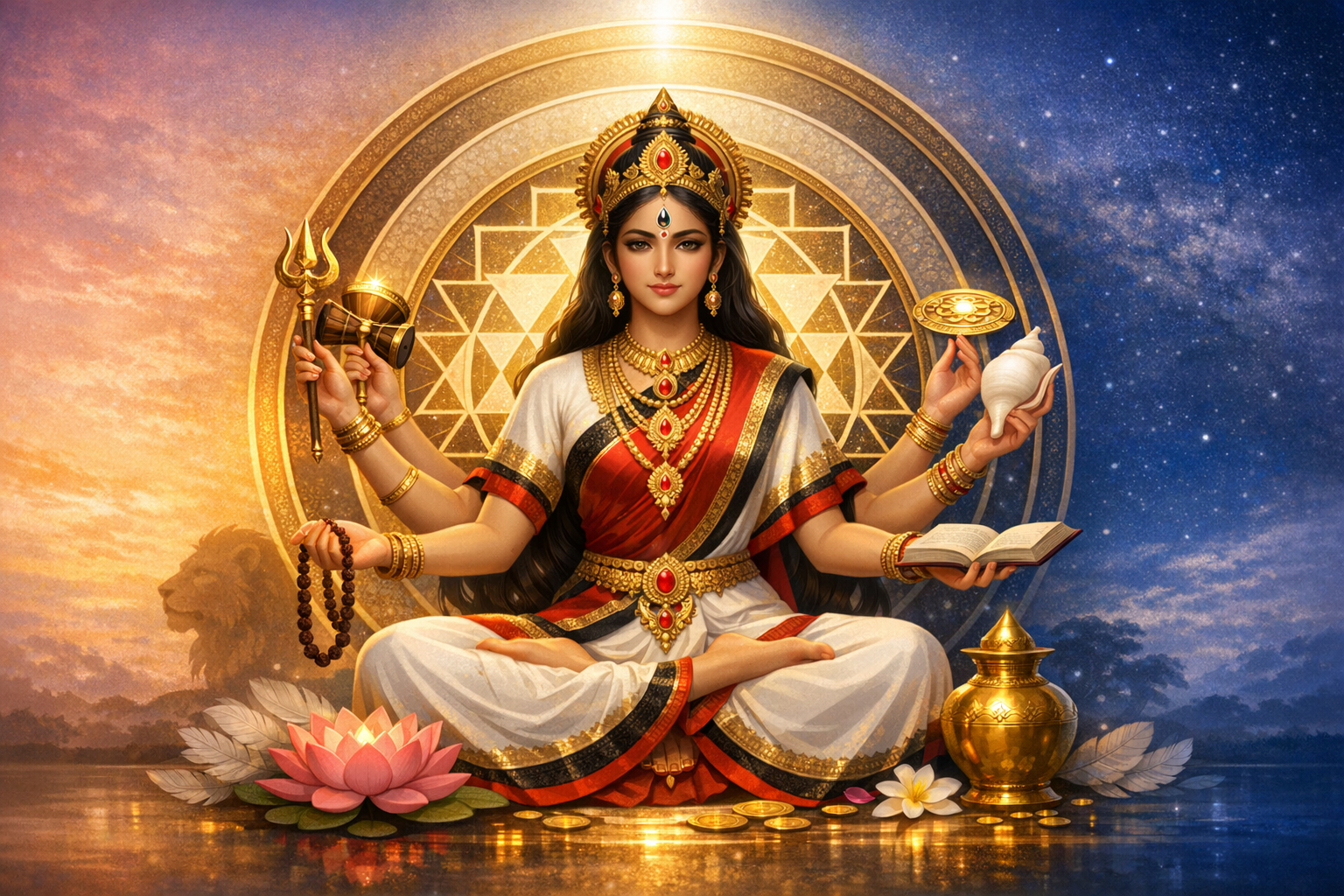
Goddess Trikala synthesizes Hinduism’s core triadspast, present, future and creation, preservation, dissolutioninto a single, time-enfolding vision of Shakti. Drawing on Purāṇic patterns in which the Goddess emerges from aggregated divine energies, Trikala Devi is interpreted as arising from the unified gaze and essences of the Trimurti. The article analyzes iconographic analogies (tri-netra, color triads, composite…
-
From Avidya to Ahimsa: How Ignorance Breeds Violenceand Dharmic Ways to Heal Ego
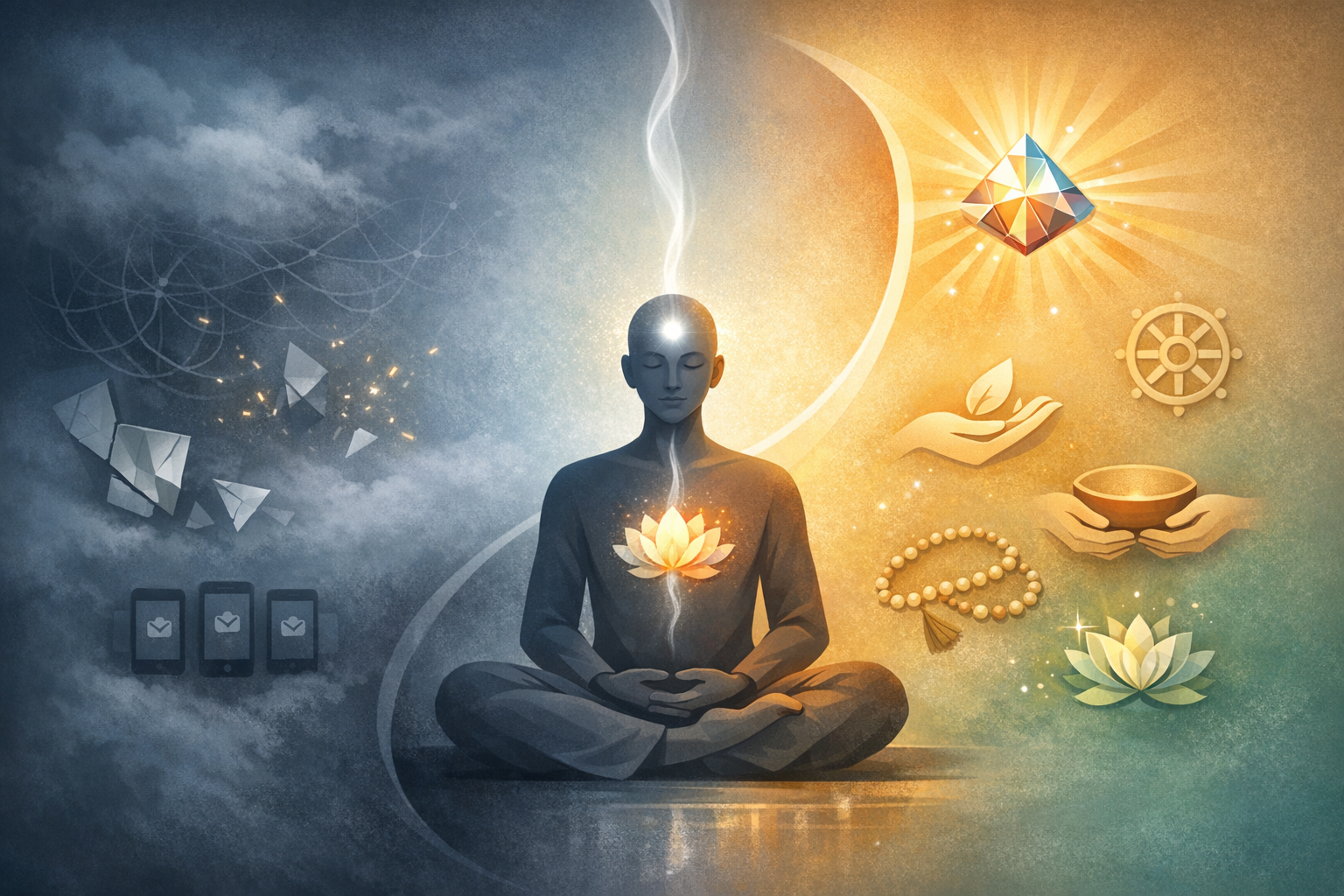
Ignorance narrows perspective, heightens ego defensiveness, and increases the risk of violence, but dharmic insights and modern science together offer proven ways to interrupt that cycle. This article maps how cognitive biases, identity threats, stress physiology, and moral disengagement convert ignorance into harm. It then presents convergent guidance from Hinduism, Buddhism, Jainism, and Sikhism on…
-
Challenging the Divine: How Sacred Confrontation in Hinduism Ignites Profound Enlightenment

Hindu scriptures and the wider dharmic traditions advance a bold claim: authentic enlightenment often arises through disciplined questioning and even confrontation with the divine. Far from promoting irreverence, this dialogical method integrates reason, devotion, and lived experience to clarify dharma and realize moksha. Case studies from the Upanishads, the Bhagavad Gita, and the Mahabharata show…
-
Honoring S. Raja Singh: Unwavering Service, Dharmic Unity, and Hyderabad’s Heritage
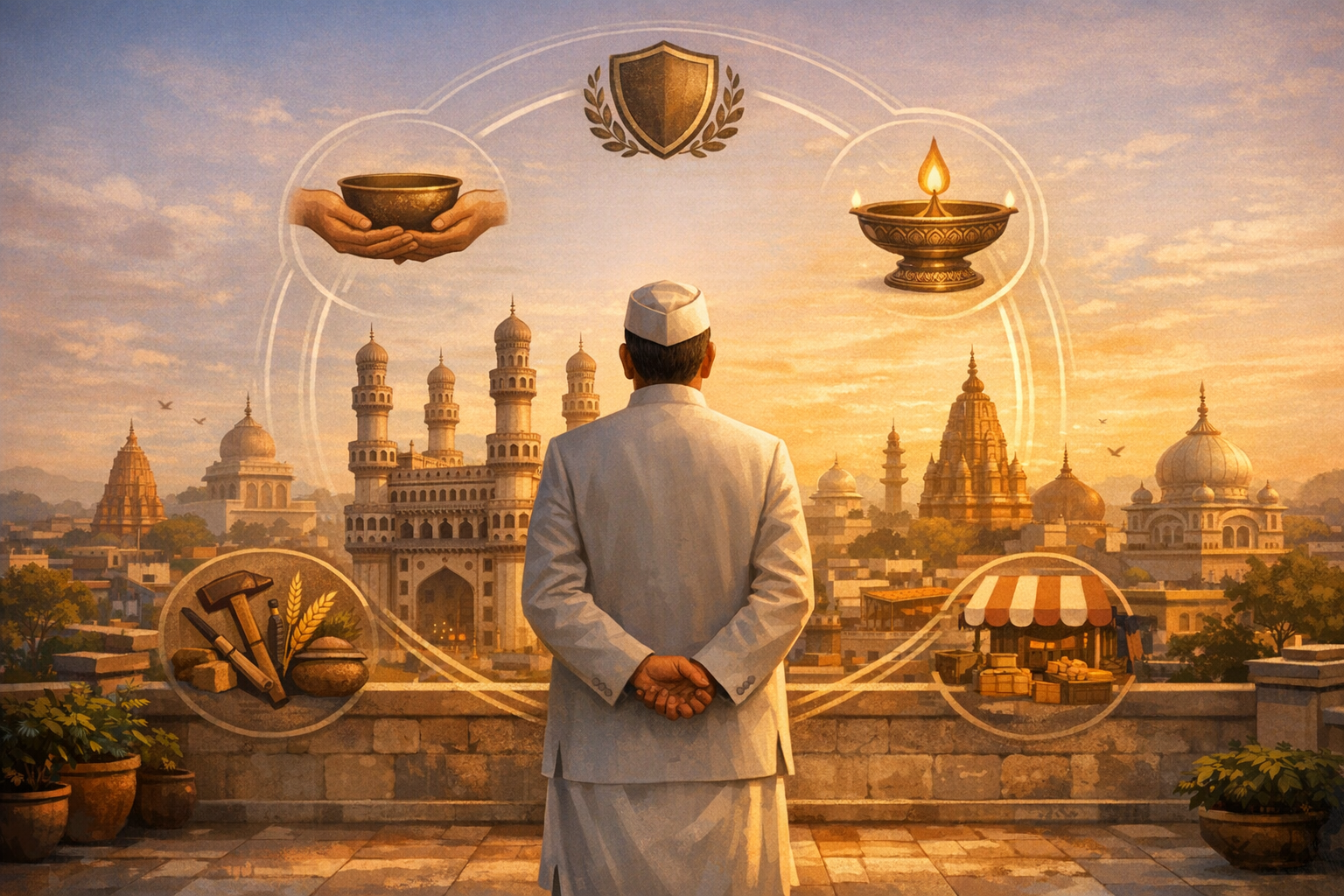
This tribute examines S. Raja Singh’s leadership in Hyderabad through an academic, governance-first lens. It highlights how constituency service, public safety, and cultural stewardship can align with India’s constitutional guarantees of religious freedom. It explains how dharmic traditionsHinduism, Buddhism, Jainism, and Sikhismshare a service ethic that strengthens social trust. Readers gain a practical framework (seva,…
-
March 18, 2026 Panchang: From Krishna Paksha Chaturdashi to AmavasyaTithi, Nakshatra & Rashi
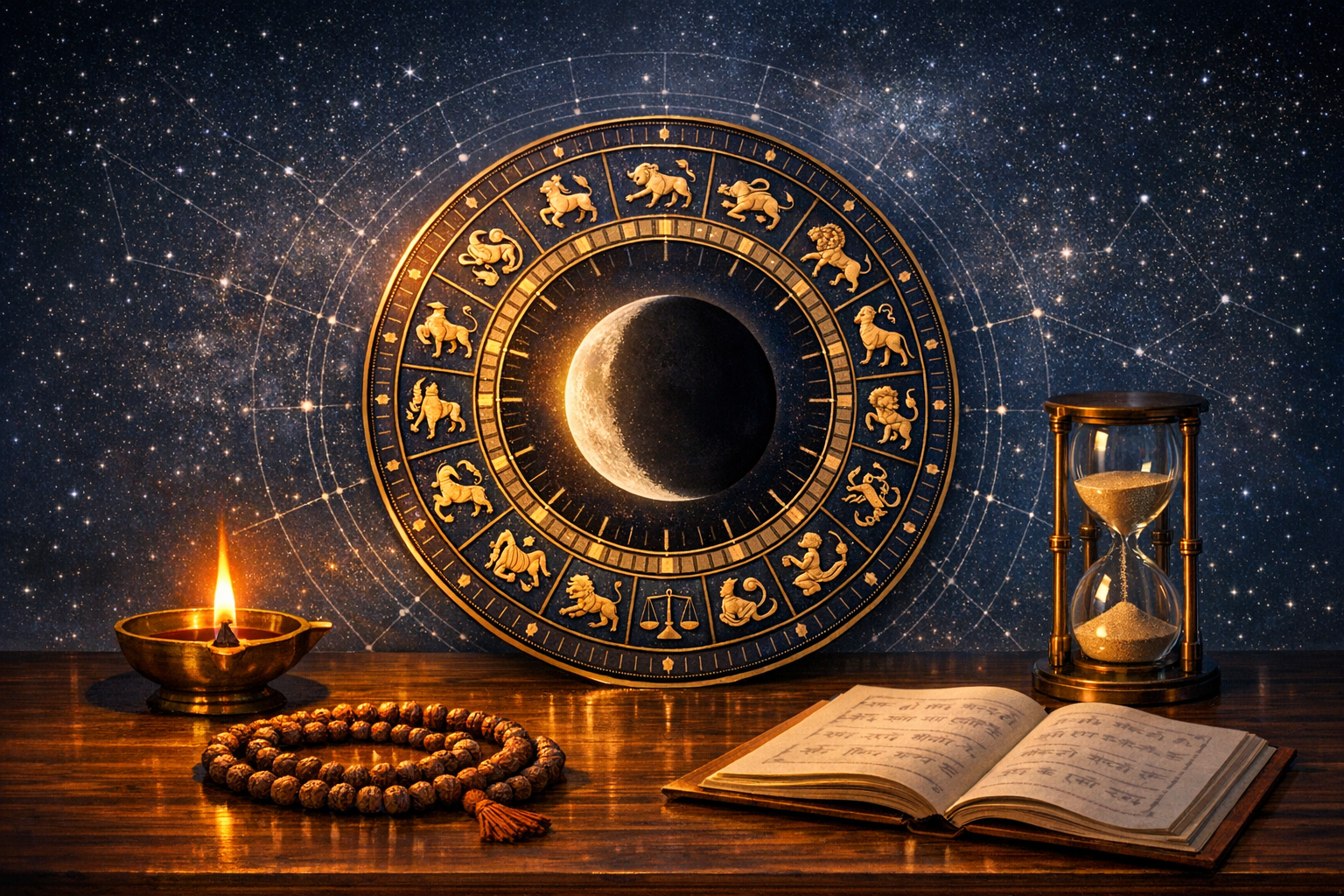
March 18, 2026 begins under Krishna Paksha Chaturdashi until about 07:30 local time and then shifts to Amavasya for the remainder of the day in most regions. This Panchang guide explains how tithi is calculated, why times vary by location, and how to combine tithi, Nakshatra, Rashi, Yoga, and Karana to plan practices with confidence.…
-
Chaitra Maas 2026 in Gujarati Panchang: Auspicious Dates, Sacred Rhythms, and Festival Guide
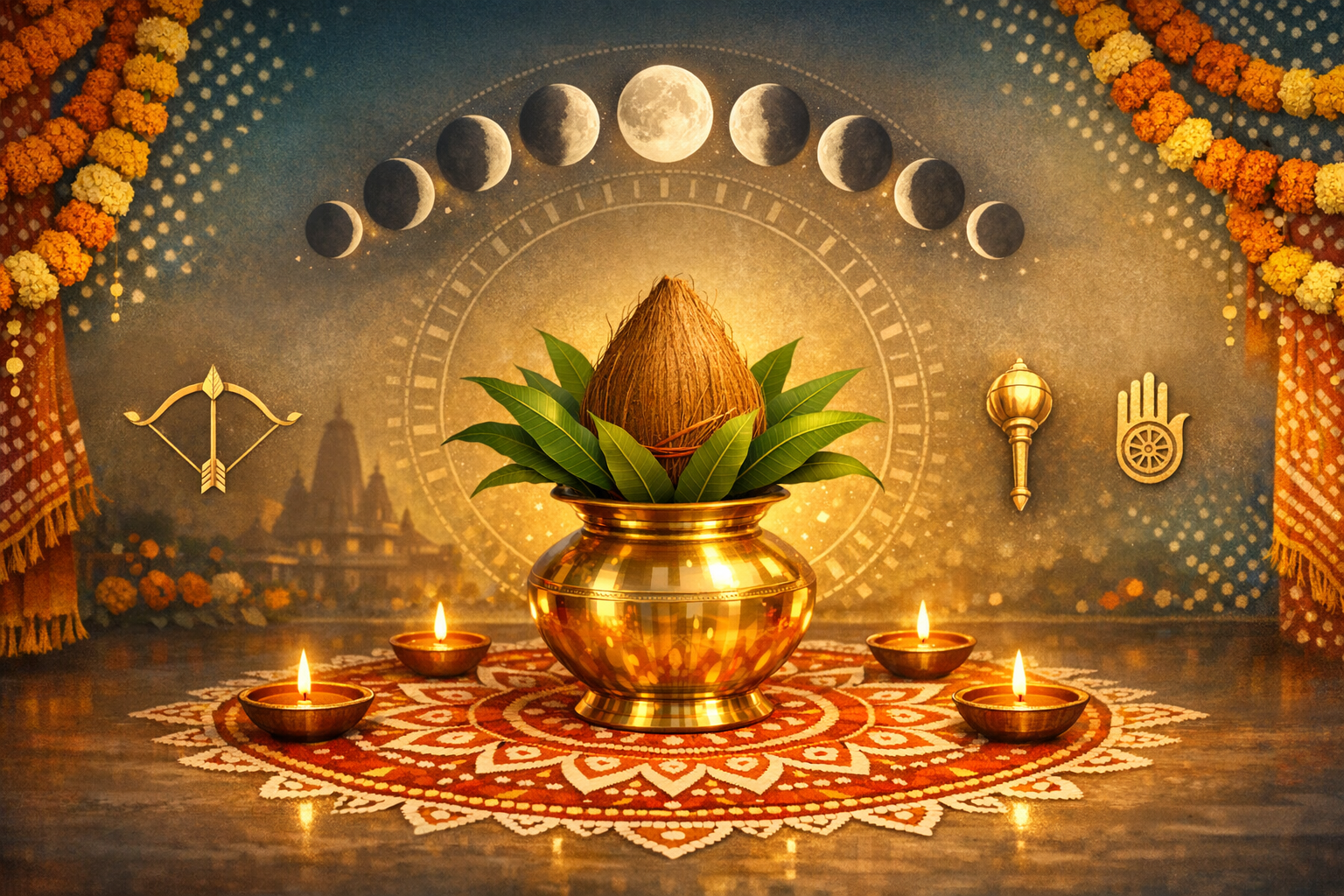
Chaitra maas 2026 in the Gujarati Panchang runs from 19 March to 17 April, aligning closely with Marathi, Kannada, and Telugu Amanta calendars while remaining the sixth month in Gujarat’s Kartak-to-Aso year cycle. The period hosts Chaitra Navratri, Ram Navami, Mahavir Jayanti, and (in several regions) Hanuman Jayanti, with tithi-based observances that may shift by…
-
Thaal Barun before Navreh 2026: A Definitive Guide to Dates, Ritual Steps, and Symbolism
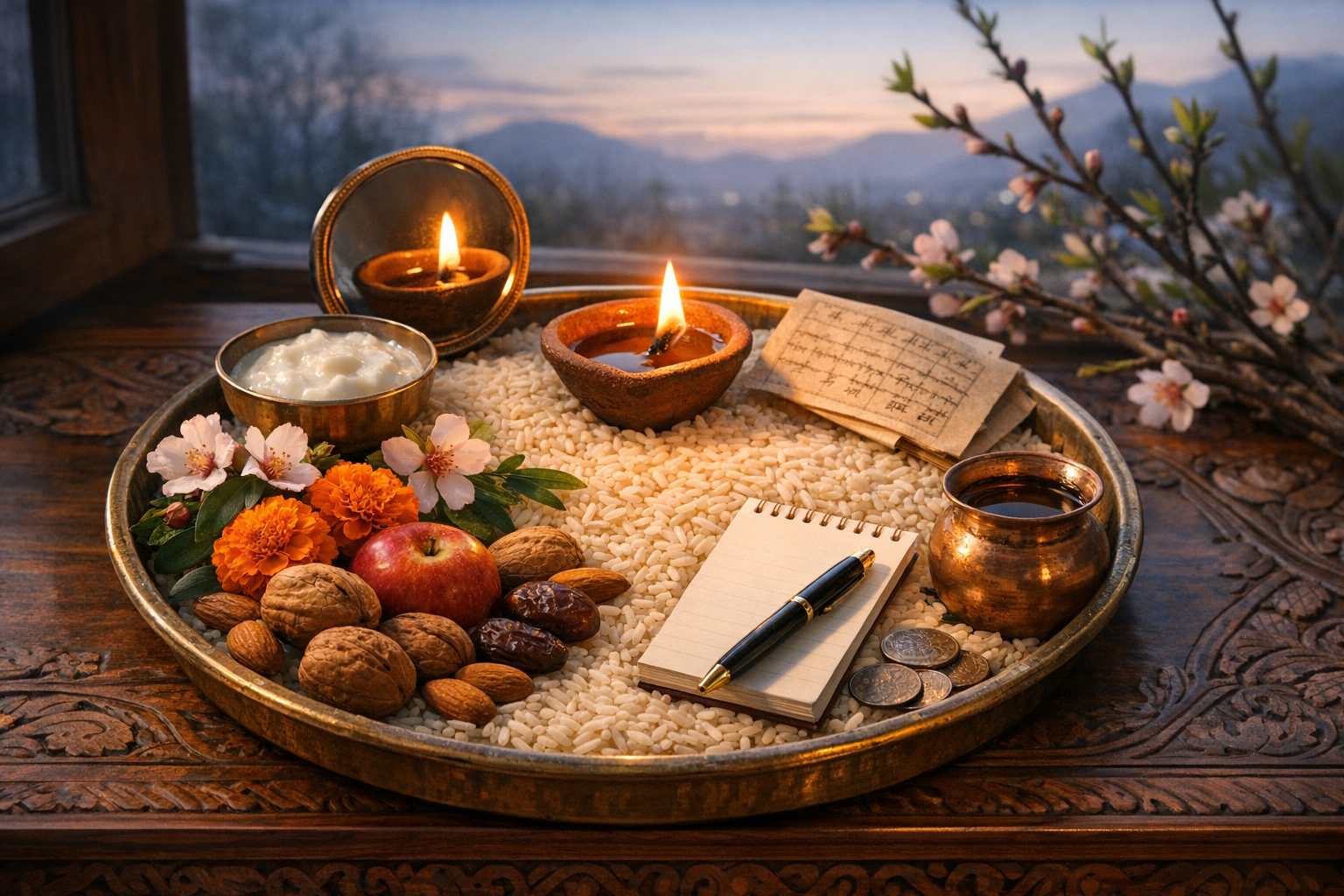
Thaal Barun is the Kashmiri Pandit ritual of arranging a sanctified thali on the night before Navreh, the Kashmiri New Year, to be seen at dawn as an act of conscious, auspicious beginning. For 2026 (IST), Thaal Barun for Sonth is on March 13, Sonth is March 14, and Thaal Barun immediately preceding Navreh is…
-
Mewar Festival 2026 in Udaipur: Dates, Gangaur Processions, Rituals, Routes & Visitor Guide
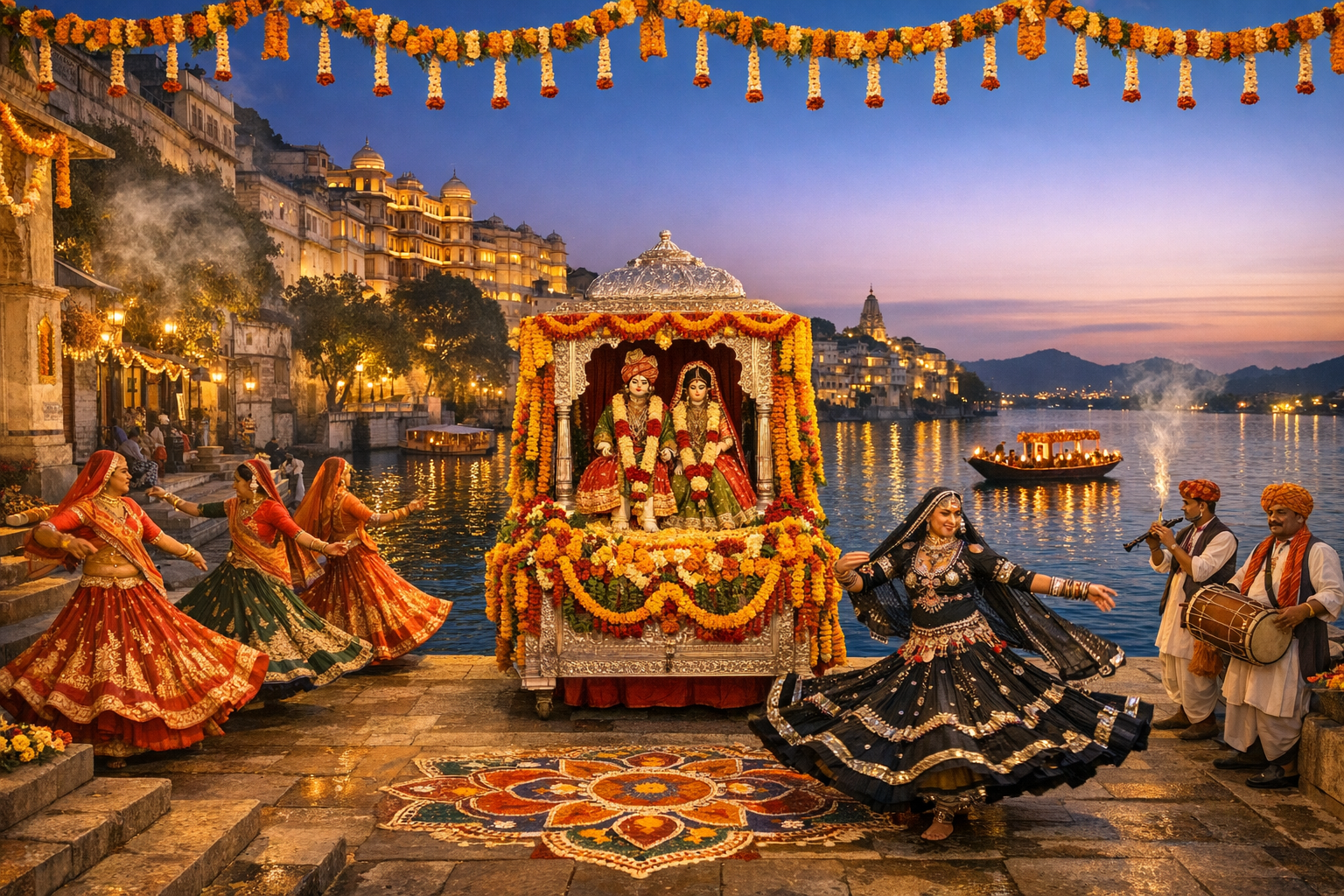
Mewar Festival 2026 in Udaipur, Rajasthan, will be celebrated from March 21 to March 23 in tandem with Gangaur, marking the arrival of spring and honoring Lord Isar (Shiva) and Goddess Gauri (Parvati). The festival’s highlight is the Gangaur procession through the old city to Gangaur Ghat on Lake Pichola, where a dignified lakeside ceremony…
-
Sonth (Chaitra Sankranti) 2026: Meaning, Timing, and Rituals for Kashmir’s Spring Renewal
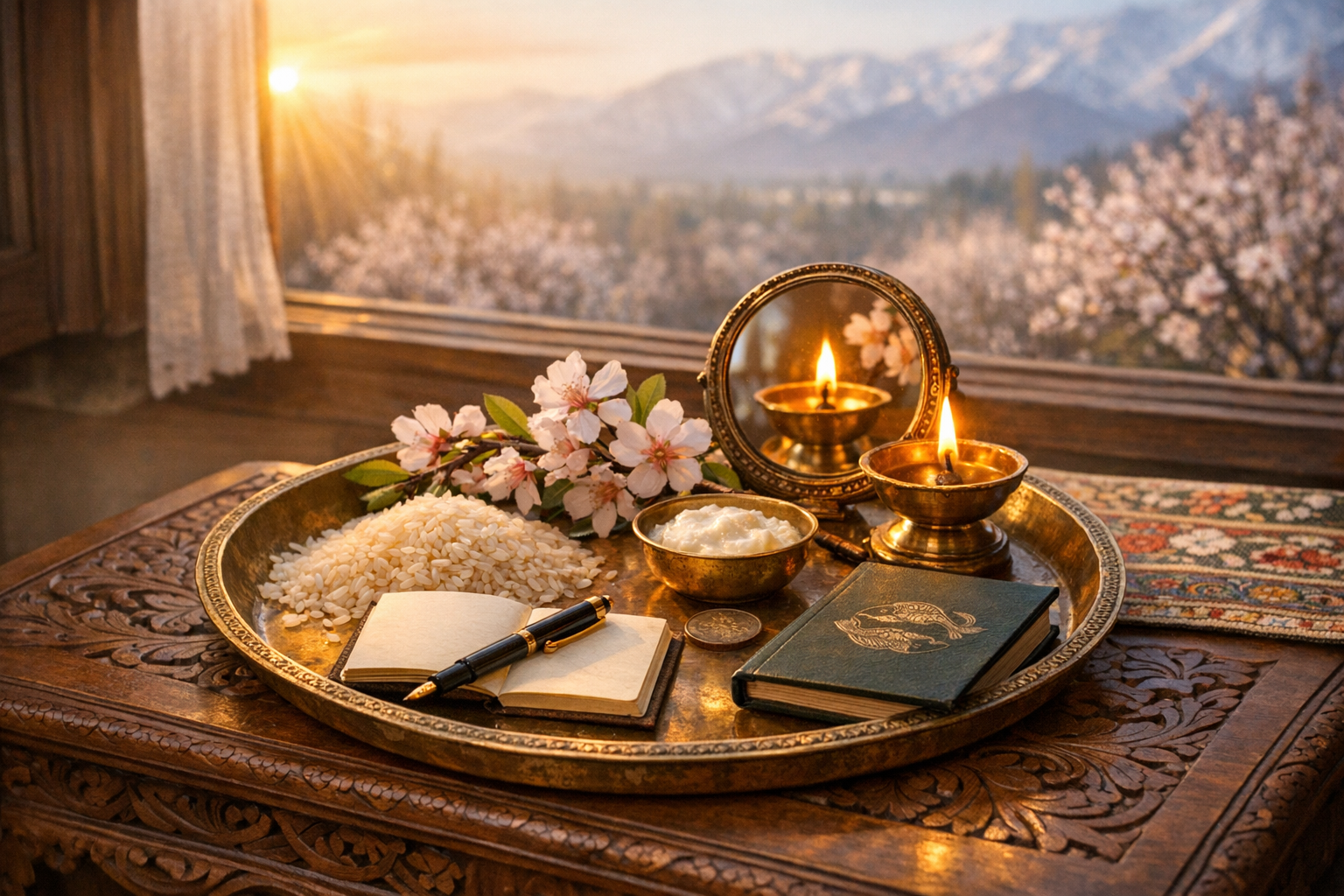
Sonth (Chaitr Sankrat) inaugurates the Chaitra month in the Kashmiri Hindu Saptarshi Panchang and falls on 14 March 2026 in India. This comprehensive guide explains the calendar science behind Chaitra Sankranti, why it occurs in mid-March, and how Sonth relates to the closely following Navreh. It details the dawn thaal traditioncurating grains, dairy, a coin,…
-
Sarhul 2026 in Bihar & Odisha: Date, Baha Parab, Rituals, and Eco-Spiritual Significance

Sarhul 2026announced for 21 March across many parts of Bihar and Odishahonors the first bloom of the sal tree and renews a village’s bond with forest and field. This in-depth guide explains how the festival’s timing aligns with the lunar calendar and local ecology, why the Pahan/Dehuri-led rituals center on sal flowers and water pots,…
-
Aaya Vyaya 2026–2027 Unpacked: Clear Income–Expense Signals for All Moon Signs (Rashis)

Aaya Vyaya (Aadayam & Vyayam) for 2026–2027, aligned with Sri Parabhava Nama Samvatsaram, distills yearly income and expense momentum for each Moon sign (rashi) into two numbers on a 1–14 scale. This guide explains how to read the table, why Moon sign is used, and how to convert the Income–Expense signal into clear budgeting and…
-
Hindu Sena’s Call for a Nationwide ‘Disturbed Areas Act’: Safeguarding Homes and Harmony

Hindu Sena’s March 2026 appeal for a nationwide ‘Disturbed Areas Act’ spotlights a difficult policy challenge: preventing coercive demographic change while safeguarding constitutional freedoms and property rights. This analysis separates the property-focused ‘disturbed areas’ model from security laws, evaluates Gujarat’s approach, and outlines how a national framework could work through evidence-based micro-notifications, time-bound permissions, and…