
-
Gudi Padwa 2026 (March 19): Rituals, Panchang, History, and Dharmic New Year Harmony

Gudi Padwa 2026 falls on March 19, aligning with Chaitra Shukla Pratipadathe first bright lunar day of the Hindu year for Maharashtrians and Konkanis, and observed as Yugadi/Ugadi in Telangana, Andhra Pradesh, and Karnataka. This guide explains the festival’s Panchang basis, the 60-year Samvatsara cycle (commencing Parabhava in 2026), and the sunrise muhurat logic to…
-
12 Evidence‑Backed Advantages of Spirituality for Resilience, Clarity, and Inner Peace

Spirituality, practiced within the plural dharmic streams of Hinduism, Buddhism, Jainism, and Sikhism, offers reliable advantages during life’s hardest moments. Evidence from contemplative science shows that meditation, pranayama, and compassion training calm the nervous system, improve heart rate variability, and sharpen decision-making. Ethical frameworks like dharma, ahimsa, and seva provide clarity under moral pressure while…
-
RSS’s Quiet Playbook in Bengal 2026: Soft Hindutva, Silent Cadres, and a High‑Risk Path to Power

West Bengal’s 2026 contest is increasingly shaped by the RSS’s low‑decibel “silent mobilisation,” which builds influence through social service, culturally fluent messaging, and booth‑level discipline. This analysis maps the quiet playbookcadre routines, women‑centric outreach, hyperlocal digital channels, and issue‑anchored communicationand weighs its rewards and risks in a plural, welfare‑savvy polity. It explains how soft Hindutva…
-
Rajaji versus Nehru: Recovering Political Decency in Post-Independence India

Rajagopalachari (Rajaji) embodied the rare scholar-statesman who coupled statecraft with civilisational wisdom. Drawing on contemporaneous reports and editorials from 1947–1952, this analysis maps how scarcity, discretionary controls, and weak accountability enabled a new political class and normalised black money in politics. It highlights internal voices of conscienceKonda Venkatappaiah, K.G. Mashruwalaand external critics like Sarat Chandra…
-
Lava and Kusha’s Divine Recital: How Valmiki’s Ramayana First Echoed Through Ayodhya
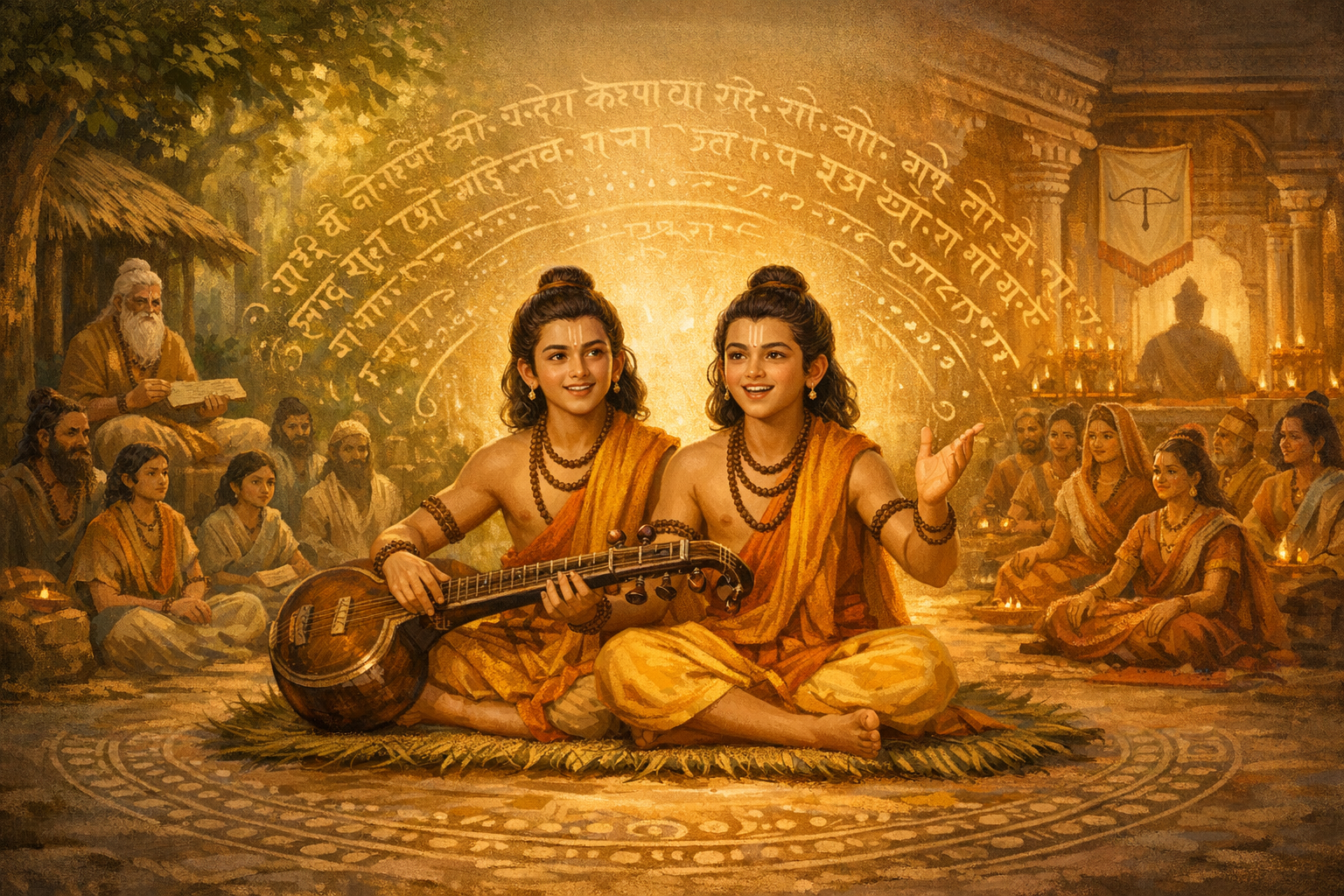
This essay explores the formative moment when Lava and Kusha first chanted Valmiki’s Ramayana, tracing how an ashram audience and a later royal performance shaped the epic’s authority as sung narrative. It explains the technical foundations of the recitalmetre, intonation, and emotive deliveryand shows why disciplined orality anchored the Ramayana’s cultural spread. The analysis situates…
-
Bengaluru Comedy Show Cancelled After HJS Complaint: Safeguarding Faith, Defining Free Speech
A stand-up comedy show in Bengaluru was reportedly cancelled after an HJS-led complaint alleged derogatory references to Hindu Dharma, India, Prabhu Shri Ram, and Hindu Rashtra. Absent a public transcript or order, the incident is best read as a test case for balancing Article 19 freedoms with Article 19(2) restrictions. The analysis outlines relevant legal…
-
Relativity, Interconnectedness, and Impermanence in Sikh Philosophy: Clarity for Dharmic Unity

This long-form exploration clarifies how Sikh philosophy integrates relativity, interconnectedness, and impermanence under Ik Oankar and hukam. It explains why perspective-awareness enhances, rather than weakens, commitment to Truth, and how interconnectedness turns metaphysics into concrete seva for sarbat da bhala. It shows how impermanence frees the heart from clinging without collapsing into nihilism, orienting life…
-
The Thirst That Remains: A Transformative Journey Across Hindu, Buddhist, Jain, and Sikh Wisdom

This long-form reflection reads the “thirst that remains” as a unifying metaphor across Hindu, Buddhist, Jain, and Sikh wisdom, showing how diverse practices meet a common aspiration for freedom and compassion. It maps core goalsmoksha, nirvana, kevala-jñāna, and muktiwhile explaining shared ethics like ahimsa, satya, dana/dasvandh, and aparigraha. It outlines practical contemplative methodsAṣṭāṅga Yoga, ānāpānasati…
-
Decoding Gandharva Astra and Ratha Māyā: Strategic Illusion in the Mahabharata’s Dharma-Yuddha
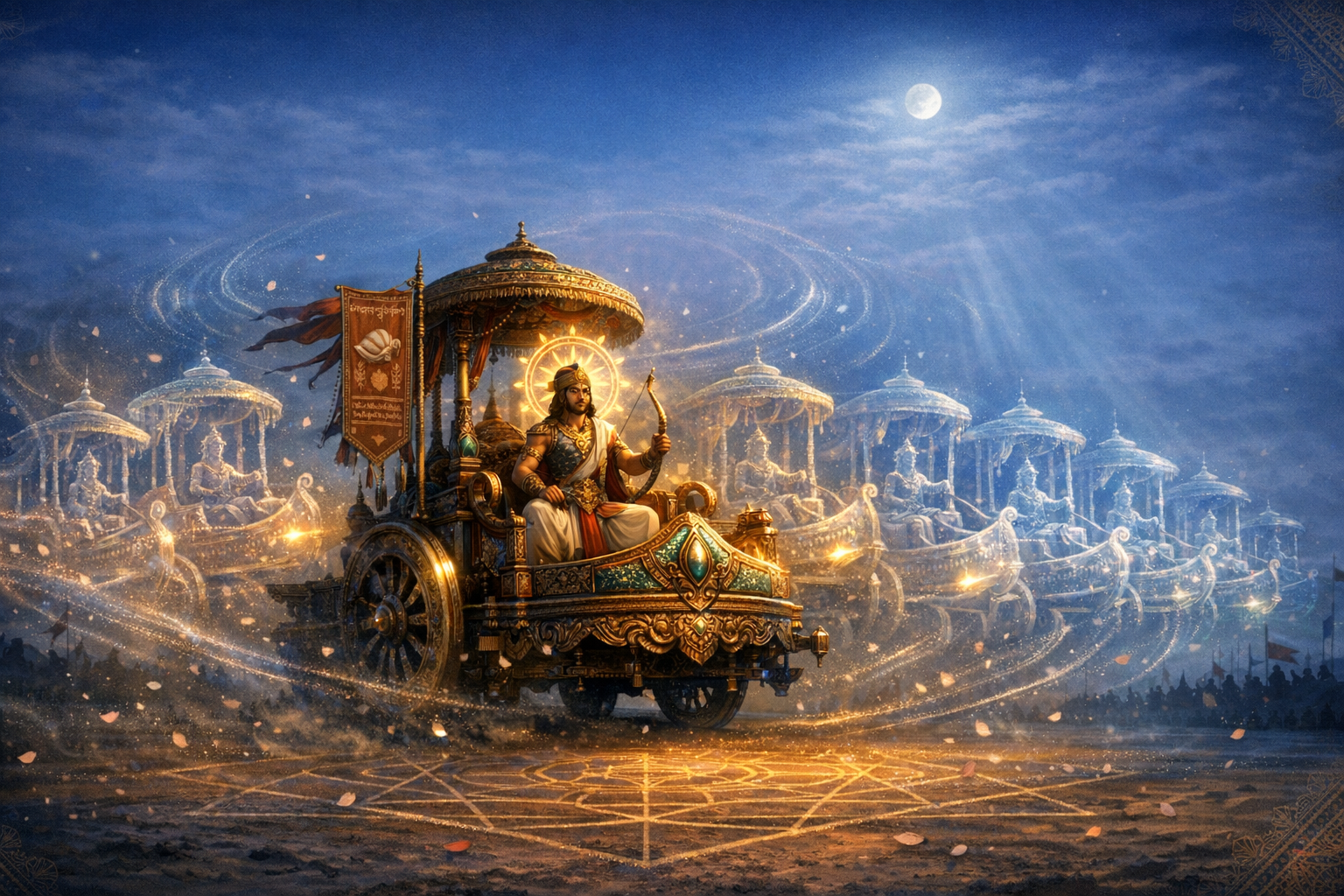
Gandharva Astra and Ratha Māyā reveal how the Mahabharata’s warfare valued perception, psychology, and ethics over brute force. Rather than destroy, these arts confoundmultiplying phantom chariots, bending acoustics, and reshaping what enemies can trust. Grounded in dharma, they belong to a just-war ethos that prizes restraint and the principle of minimum violence. Case motifs from…
-
Unlocking Truth: Six Pramāṇas in Hindu Philosophy and How They Strengthen Modern Thinking

This long-form guide explains the six pramāṇas of Hindu philosophypratyakṣa, anumāna, upamāna, arthāpatti, anupalabdhi, and śabdaand shows how they collaborate to produce reliable knowledge. It clarifies acceptance across Nyāya, Mīmāṃsā, Vedānta, Sāṃkhya-Yoga, Carvāka, and connects these insights with Buddhist, Jain, and Sikh approaches. Readers learn concrete criteria for perceptual reliability, how to build and test…
-
Sri Siksastakam Unveiled: How Krishna Sankirtana Cleanses the Heart and Heals Suffering
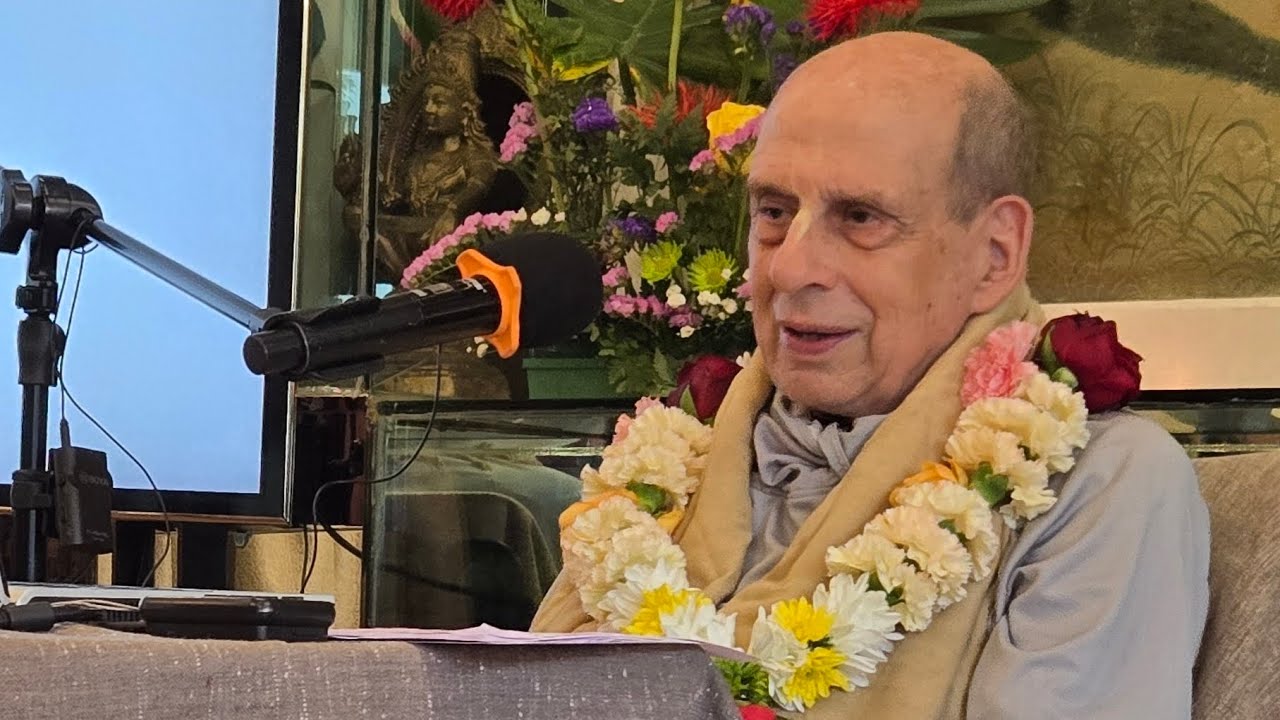
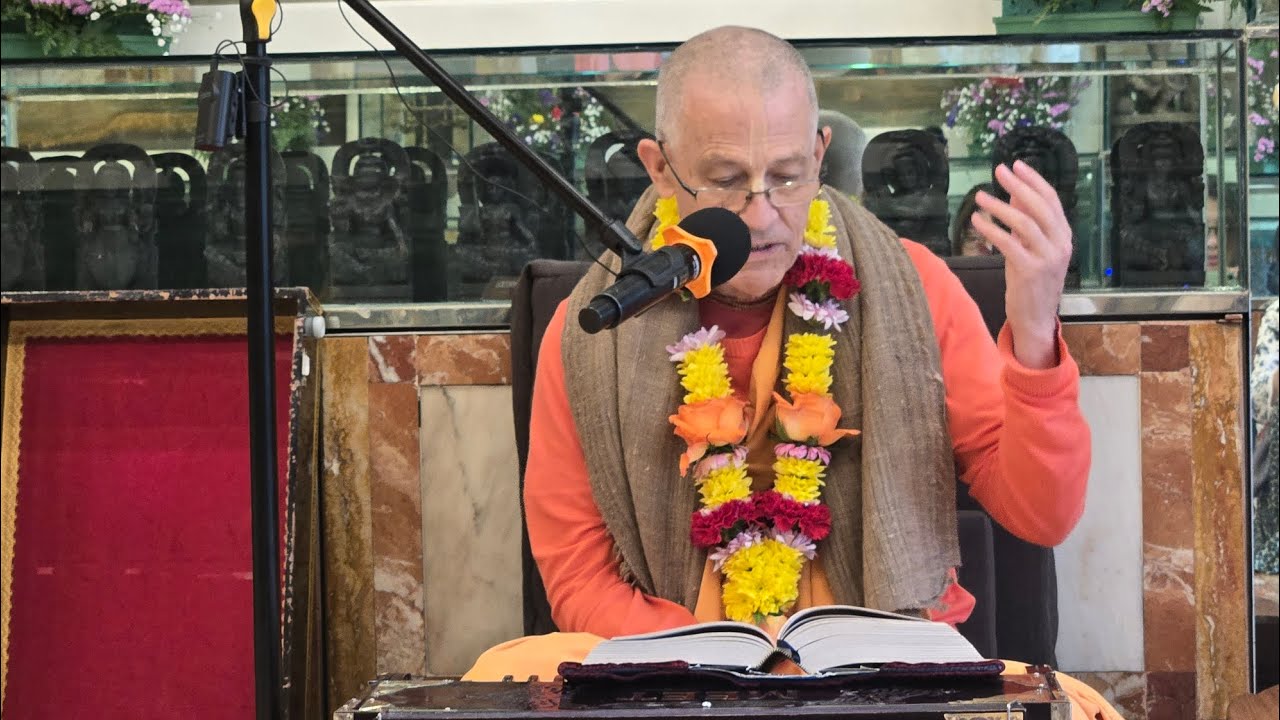
An in-depth ISKCON Hong Kong seminar led by HG Bhurijana Prabhu unpacked the first verse of Sri Siksastakam with philological precision and practical guidance. The discussion mapped the verse’s eightfold arcfrom cleansing the mirror of consciousness to bathing the entire selfshowing how sankirtana systematically heals inner turbulence. By contextualizing Sri Caitanya Mahaprabhu’s theology of the…
-
Yudhishthira’s Search for Elders: Duty, Detachment, and Dharma in Srimad Bhagavatam 1.13.39
Srimad Bhagavatam 1.13.39 captures a defining moment in the Kuru court as Mahārāja Yudhiṣṭhira seeks the whereabouts of Dhṛtarāṣṭra, Vidura, and the ascetic Gāndhārī. The verse frames a profound ethical tension: how a ruler balances familial compassion with respect for elders who choose renunciation. Through Nārada’s guidance in subsequent verses, compassionate concern matures into wise…
-
Uttam Nagar Holi Tragedy: Youth Killed After Balloon Dispute, Exposing Fragile Communal Peace

A Holi-day altercation in Delhi’s Uttam Nagar reportedly escalated into fatal mob violence after a coloured-water splash triggered a confrontation, resulting in the death of a young Hindu man. While some reports note that the woman involved is Muslim, investigators have not yet publicly confirmed motives; caution against communal attribution is therefore warranted. This analysis…
-
Healthy Jiva Seminar Insights: Harnessing Vedic Wisdom for Body–Mind–Atma Harmony and Resilience

The “Healthy Jiva” seminar by HH Bhanu Swami (Fri 06 Mar 2026) distilled a Vedic, evidence-aligned model of health that integrates the gross body, the subtle body, and the atma. It explained how imbalances propagate across layers, clarifying why mind-body practices such as asana, pranayama, meditation, and bhakti stabilize well-being. Drawing on tri-sharira, pancha-kosha, and…
-
Symbolism of Kalachakra’s Five Wheels: Timeless Hindu Cosmology, Panchakritya, and Unity
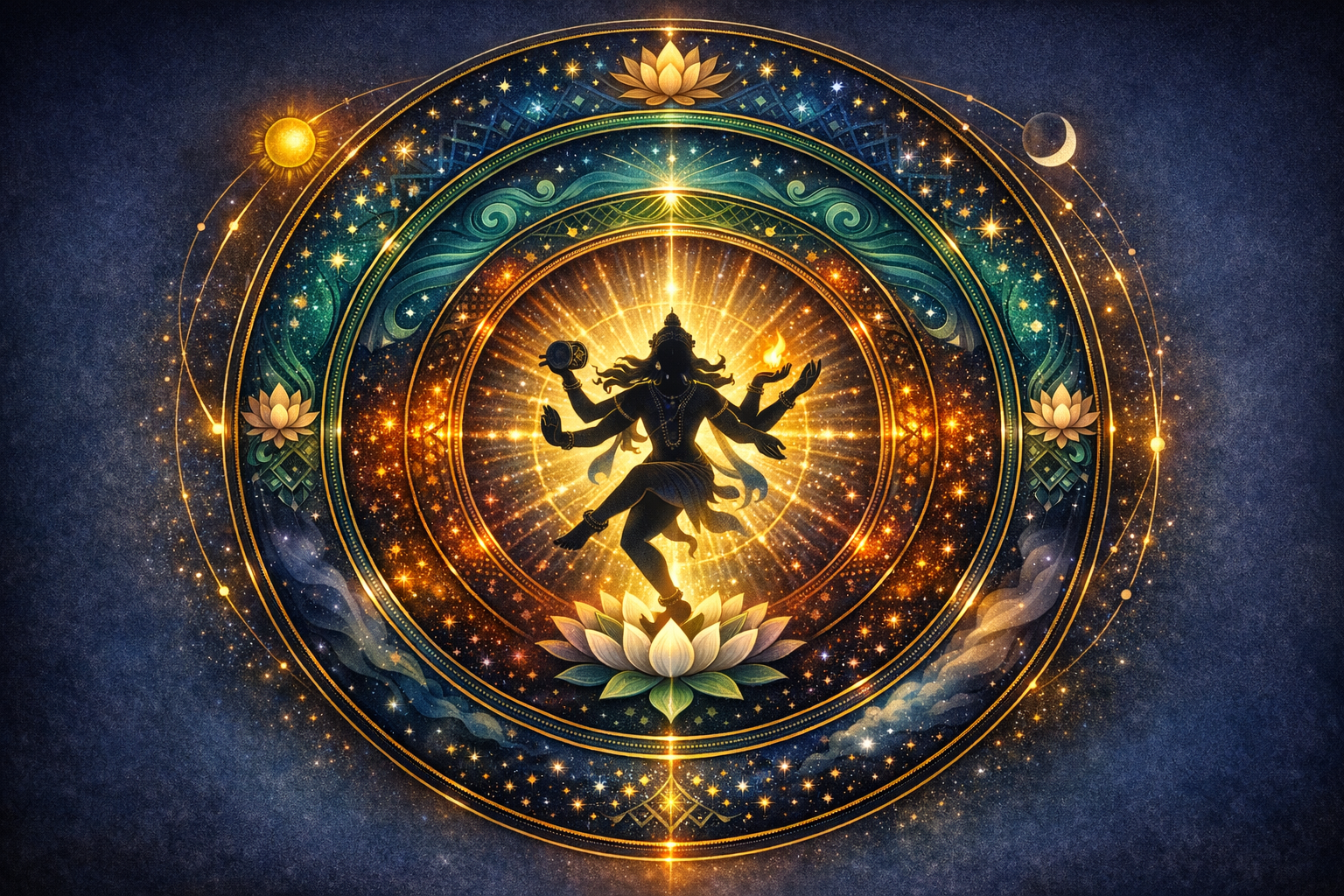
Kalachakra, the wheel of time, reveals a fivefold grammar of creation, preservation, dissolution, veiling, and grace that unites Hindu cosmology, ritual, and yogic practice. This article explains how the five wheels, grounded in the classical doctrine of Pañcakṛtya, operate across cosmic cycles, daily rhythms, and inner transformation. Readers gain a technical yet accessible framework that…
-
Nilakantha Chaturdhara’s Bharatabhavadipa: Illuminating Mahabharata’s Dharma and Depth

Nilakantha Chaturdhara’s Bhāratabhāvadīpa (Bharatabhavadipa) stands as one of the most trusted gateways into the Mahabharata’s narrative, ethics, and philosophy. Framed by rigorous Sanskrit exegesis, it clarifies complex episodes, reconciles apparent contradictions, and highlights the epic’s enduring guidance on rajadharma, dharma-yuddha, and moksha. Attentive to philology and textual variants, the commentary equips readers to engage the…
-
When Meditation Feels Impossible: A Science-Backed Path to Presence Through Nature

When formal meditation amplifies restlessness or exposure, a gentler doorway often works better. This piece outlines a science-backed, nature-based approach to presence that leverages bottom-up attention, polyvagal-informed safety, and environmental psychology to reduce cognitive load and ease the nervous system. It explains why soft fascination in natural settings restores attention, how gentle movement and texture…
-
Duryodhana’s Poison Plot, Bhima’s Naglok Descent, and King Aryak’s Divine Empowerment
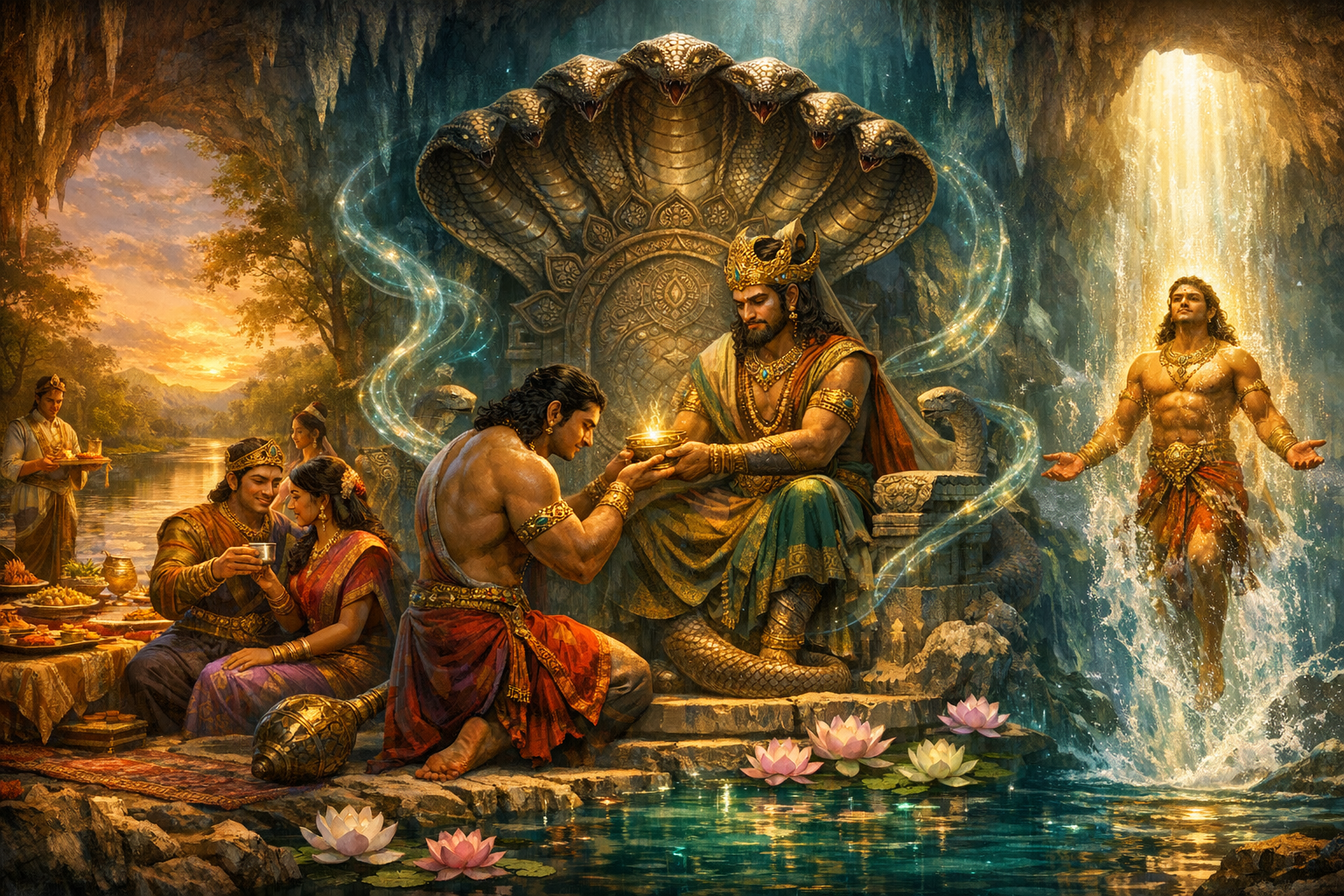
This long-form analysis explores the Mahabharata’s Naglok episode, where Duryodhana’s poison plot leads unexpectedly to Bhima’s empowerment under Naga King Aryak. It traces how treachery is transformed into destiny through kinship recognition, rasāyana-like rejuvenation, and Dharmic ethics. The essay situates Aryak within pan-Dharmic serpent symbolismparalleling motifs in Hindu, Buddhist, and Jain traditionshighlighting unity through shared…
-
The Upanishads’ Radical Vision: Beyond Worship to Realize Atman–Brahman Within
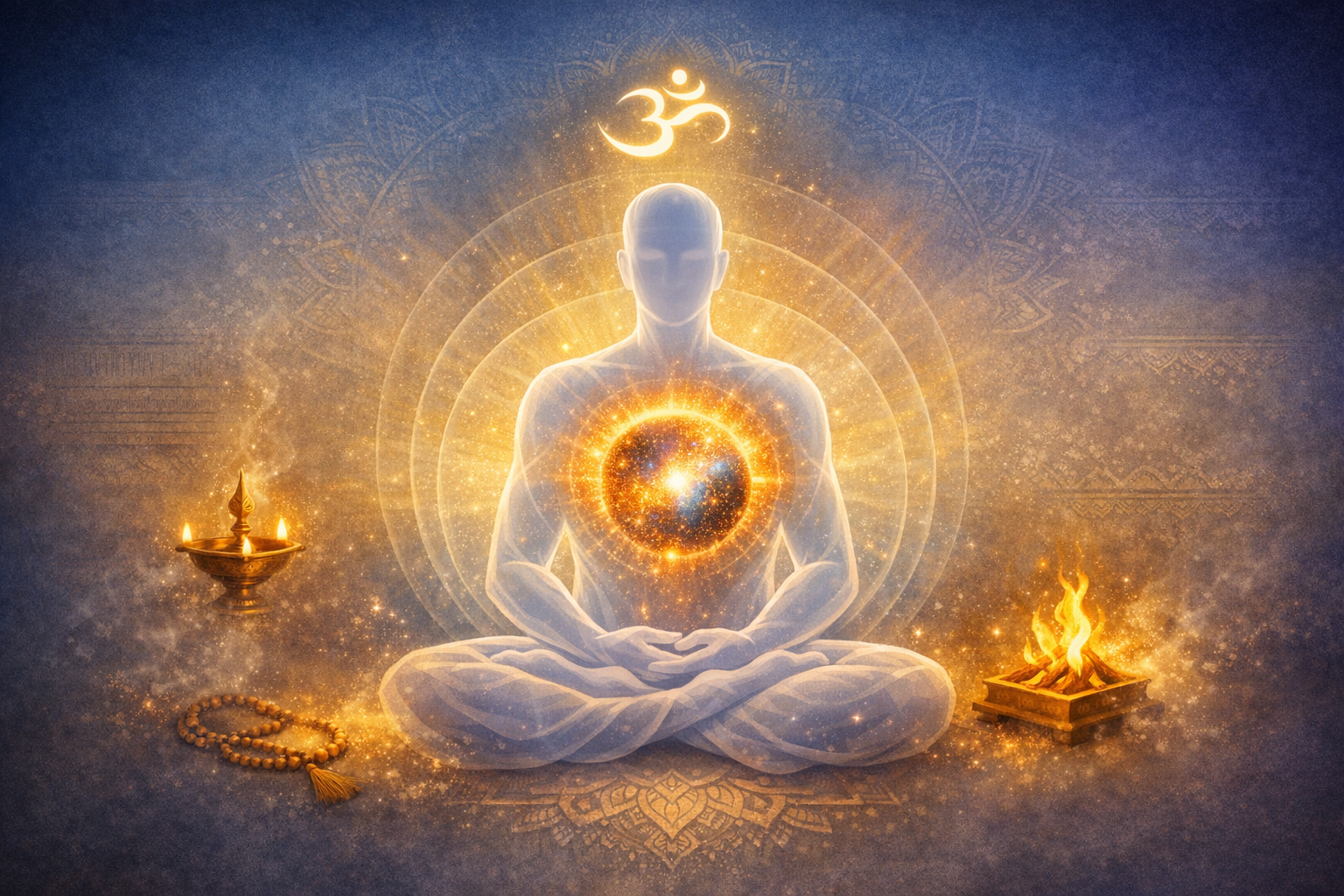
This essay clarifies the Upanishads’ radical claim that ultimate reality is not an external deity to be appeased but the Self (Atman), recognized as non-different from Brahman. It explains how ritual and devotion (upāsanā) are honored as preparatory means, while liberating knowledge (jñāna) is the goal. Readers gain a technical overview of key methodsśravaṇa, manana,…
-
Freedom from the Senses: A Dharmic Pathway to Moksha, Mastery, and Inner Sovereignty

This essay explores the Hindu philosophical insight that freedom from the slavery of the senses constitutes liberation and shows how it converges with parallel teachings in Buddhism, Jainism, and Sikhism. It clarifies how indriyas, raga-dvesha, and samskaras generate compulsion, and how masterynot repressionunlocks moksha. Drawing from the Bhagavad Gita, the Upanishads, and Yoga philosophy, it…