-
Unveiling Keshanta (Godana): The Sacred Rite of First Shaving in Hindu Samskaras

Keshanta (often called godana) is a Hindu samskara that marks the first formal shaving and the transition from adolescence to disciplined study. Rooted in the Grihya Sutras and Dharmashastras, it is performed variously as the first shaving of beard and moustache, and in some traditions includes head and limited body hair. The rite affirms values…
-
Unveiling Pushpaka Vimana: Adivasi Ass-Drawn Chariot Symbolism and Ramayana’s Living Tapestry

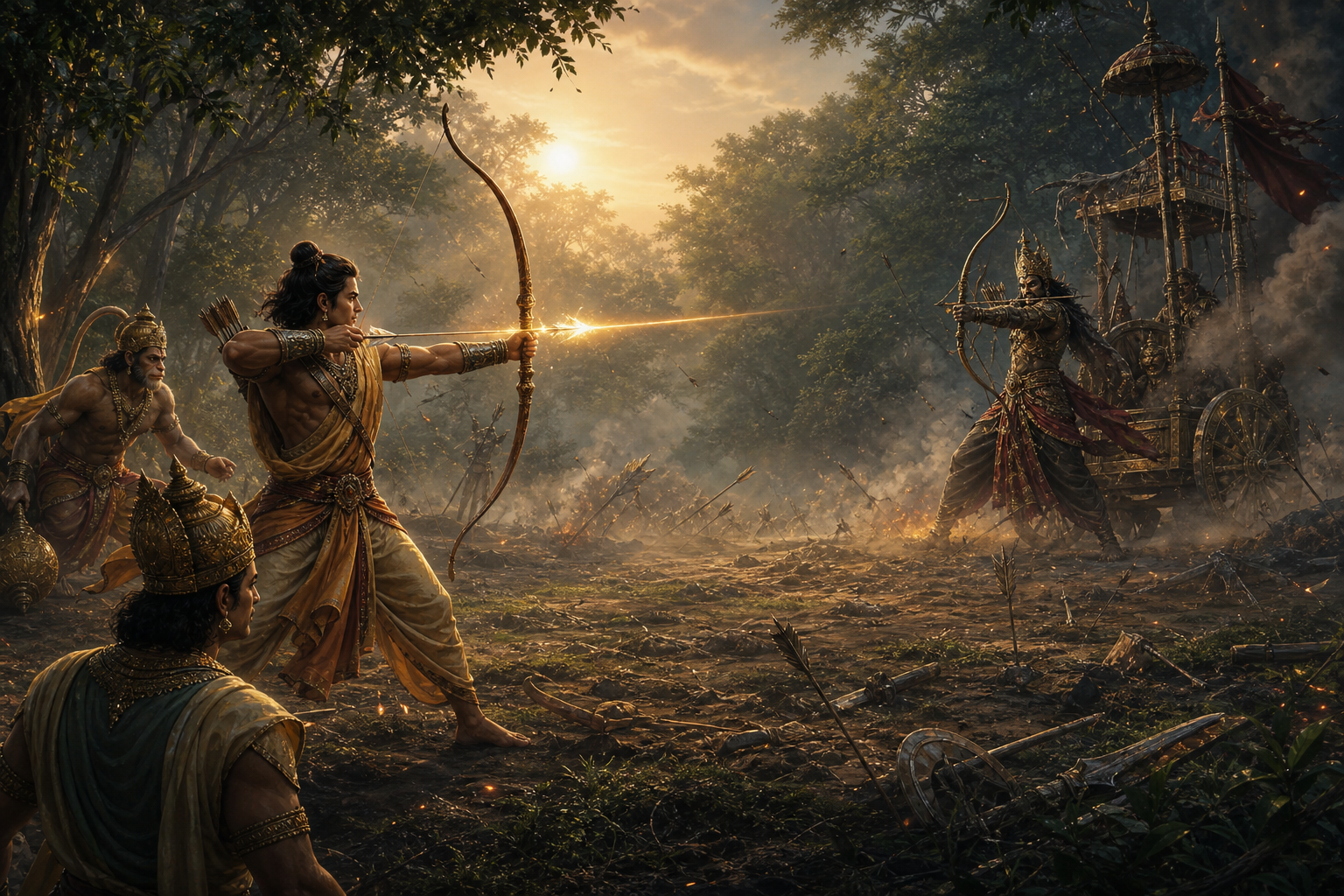
Pushpaka Vimana is widely known from the Ramayana as a self-moving, flower-decked aerial vehicle, yet in central India’s Adivasi traditions it is reimagined as a humble ass-drawn chariot. This long-form analysis explains how that shift is a culturally precise translation rather than a loss of meaning. Drawing on philology, iconography, and cultural anthropology, it shows…
-
Conquering the Restless Mind: Markandeya’s Counsel to Lakshmana in Skanda Purana

This article examines a Skanda Purana dialogue in the Nagara Kanda where Sage Markandeya counsels Lakshmana on the restless mind, the genesis of sin, and the restoration of dharma. It outlines a classical Hindu psychological framework—antahkarana and the guṇas—and explains why intention (saṅkalpa) is ethically decisive. Readers receive a practical sādhanā protocol that includes breath…
-
Stop Chasing Happiness: Dharmic Science to Light the Inner Cave of Joy and Resilience

The dharmic saying “Seeking happiness outside is like waiting for sunshine inside a deep cave” captures a precise psychology of well-being common to Hinduism, Buddhism, Jainism, and Sikhism. Rather than promising joy through acquisition, these traditions direct attention to the hṛdaya-guha—the cave of the heart—where clarity and resilience abide. Vedanta, the Yoga Sutra, Buddhist insight,…
-
Why Tagore Called the Mahabharata Indispensable: A Profound Guide to India’s Living Epic

Rabindranath Tagore’s claim that education in India is incomplete without the Mahabharata identifies the epic as a living curriculum in ethics, leadership, and spiritual inquiry. This analysis shows how the text integrates narrative with treatises such as the Bhagavad Gita, Shanti Parva, and Vidura-niti to teach rajadharma, apaddharma, and mokshadharma. Readers discover diplomacy in Udyoga…
-
February 24, 2026 Panchang: Shukla Saptami to Ashtami – Auspicious Times, Meanings, and Ritual Guide

February 24, 2026 spans two tithis in the Hindu Panchang: Shukla Paksha Saptami until 7:09 AM (IST), followed by Shukla Paksha Ashtami for the remainder of the day. The guide explains how tithis are astronomically defined and why the timing of the transition matters for worship, fasting, and planning. It highlights Saptami’s association with Surya-centered…
-
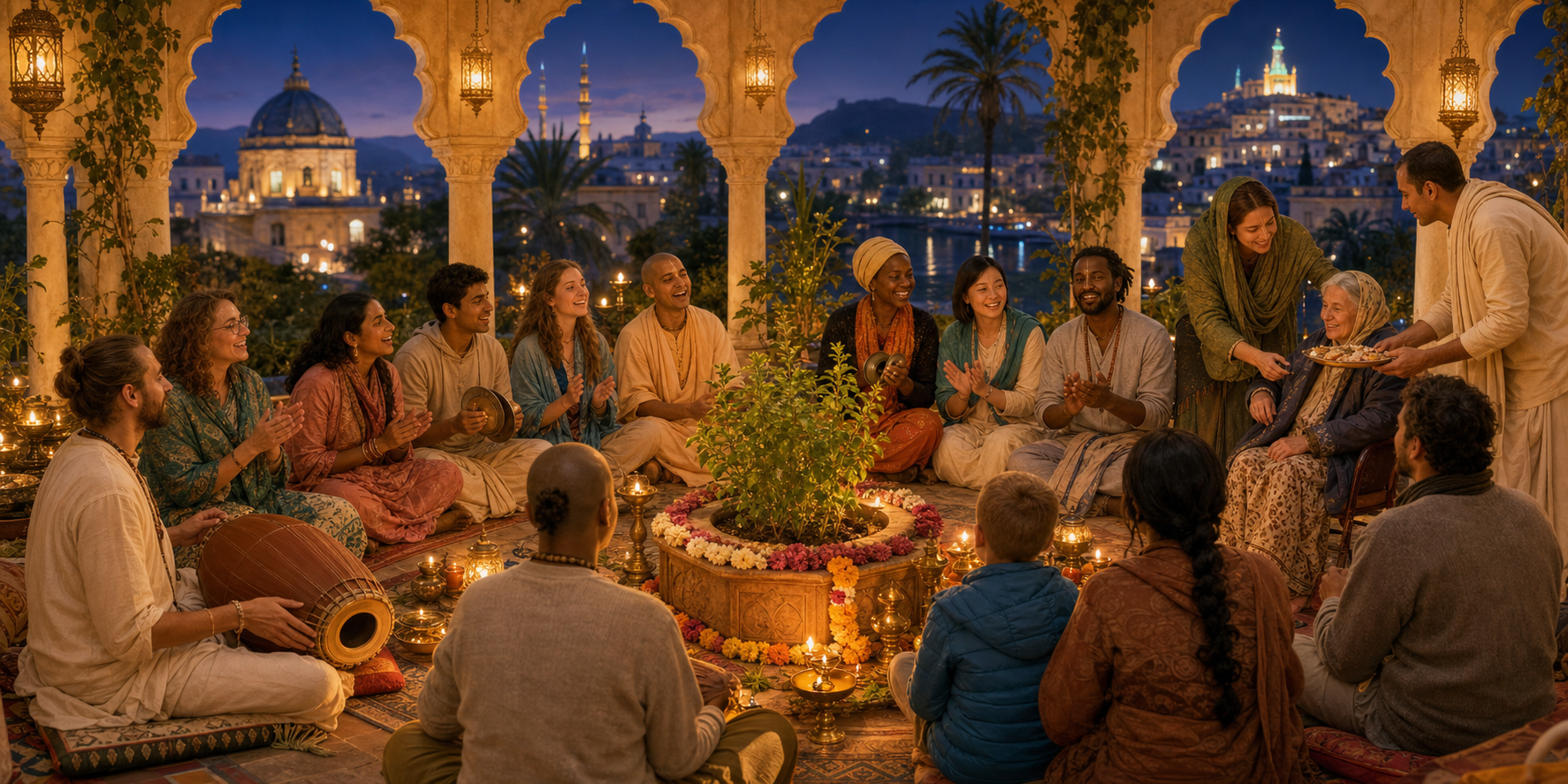
Reviving ISKCON Wellington: A Resilient Community Rebuilds Krishna’s Sacred Home

ISKCON Wellington’s long-serving temple closed in June 2024 due to structural and legal challenges, pausing a cherished rhythm of kīrtana, spiritual study, and free prasādam. This in-depth analysis outlines a responsible, step-by-step pathway to reestablish a sacred home for Krishna in Wellington that fully aligns with modern building, safety, and planning rules. It details seismic…
-
Sri Navadvipa-dhama Virtual Parikrama: Immersive, Scriptural, QR‑Guided Pilgrimage Anywhere

Sri Navadvipa-dhama Virtual Parikrama makes the sacred geography of Gaura-mandala-bhumi accessible worldwide through a multilingual, mobile-first platform. Rooted in Srila Bhaktivinoda Thakura’s vision and continued by ISKCON Mayapur, it integrates scriptural citations, curated media, and Google-guided routing. On-site QR codes unlock place-specific teachings, balancing convenience with devotional focus. The route aligns each of the nine…
-
Vishnupathi Punyakalam 2026–2027: Sacred Dates, Auspicious Timings, and Complete Puja Guide

Vishnupathi Punyakalam occurs four times a year when the Sun enters the fixed signs of the sidereal zodiac, creating an especially auspicious window for worship of Lord Vishnu. The 2026 cycle begins on 13 February 2026 with Kumbha Sankranti, followed by observances in May, August, and November; the pattern repeats in 2027 with similar mid-month…
-
Mahashivratri 2026 Puja Mantras: Timings, Vidhi, Abhishekam & Stotras (Bilvashtakam, Lingashtakam)

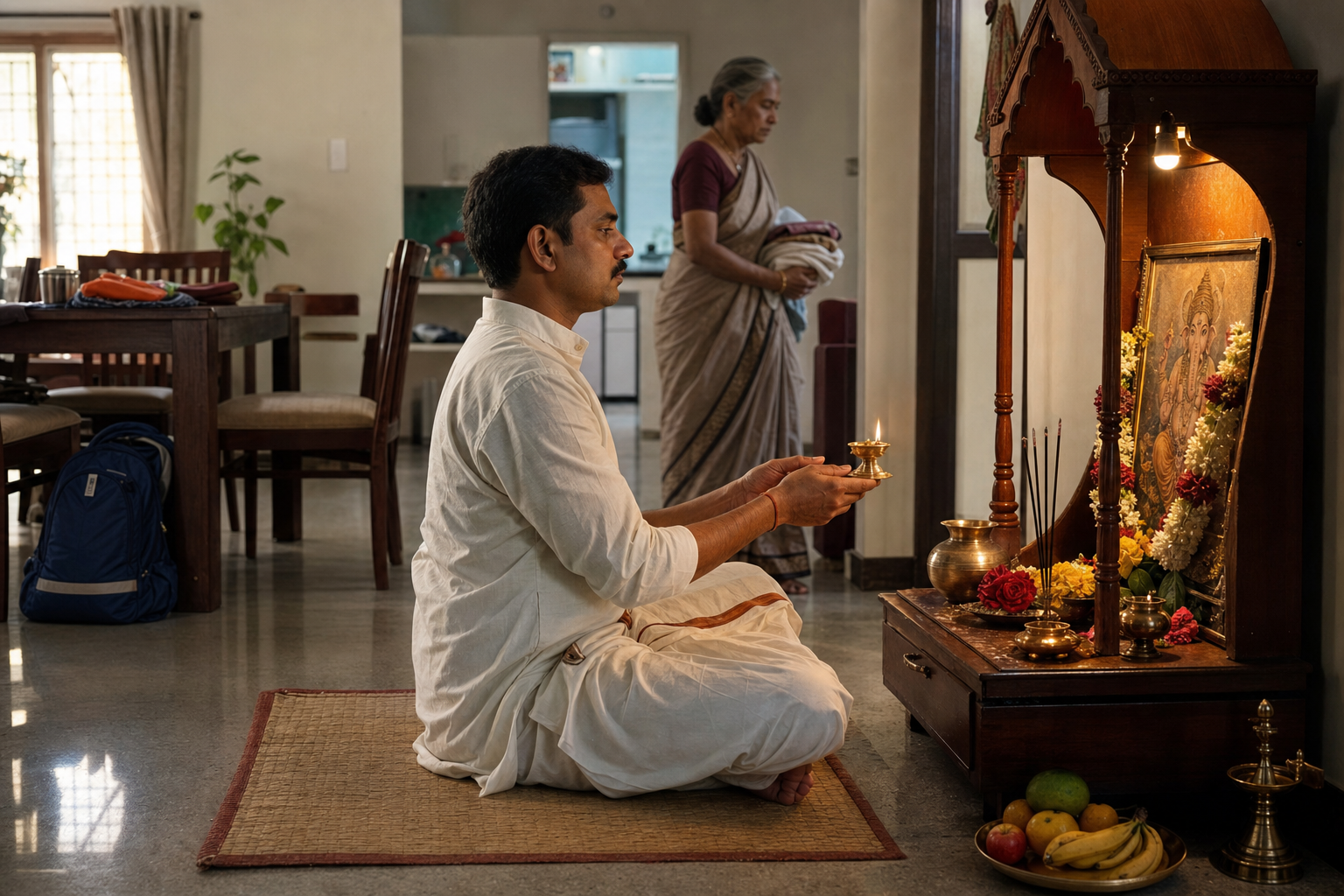
Mahashivratri 2026 falls on 15 February and is observed through a structured, night-long vigil of puja, stotra chanting, abhishekam, and japa. This comprehensive guide explains exact puja components—Panchopachara vs. Shodashopachara, samagri, bilva patra significance, and safe, traditional abhishekam sequences. It details the role of key mantras—ॐ नमः शिवाय and the Mahamrityunjaya mantra—and outlines when to…
-
Shivaratri Jatara 2026 at Vemulawada: Dates, Rituals, Travel and a Devotional Deep Dive

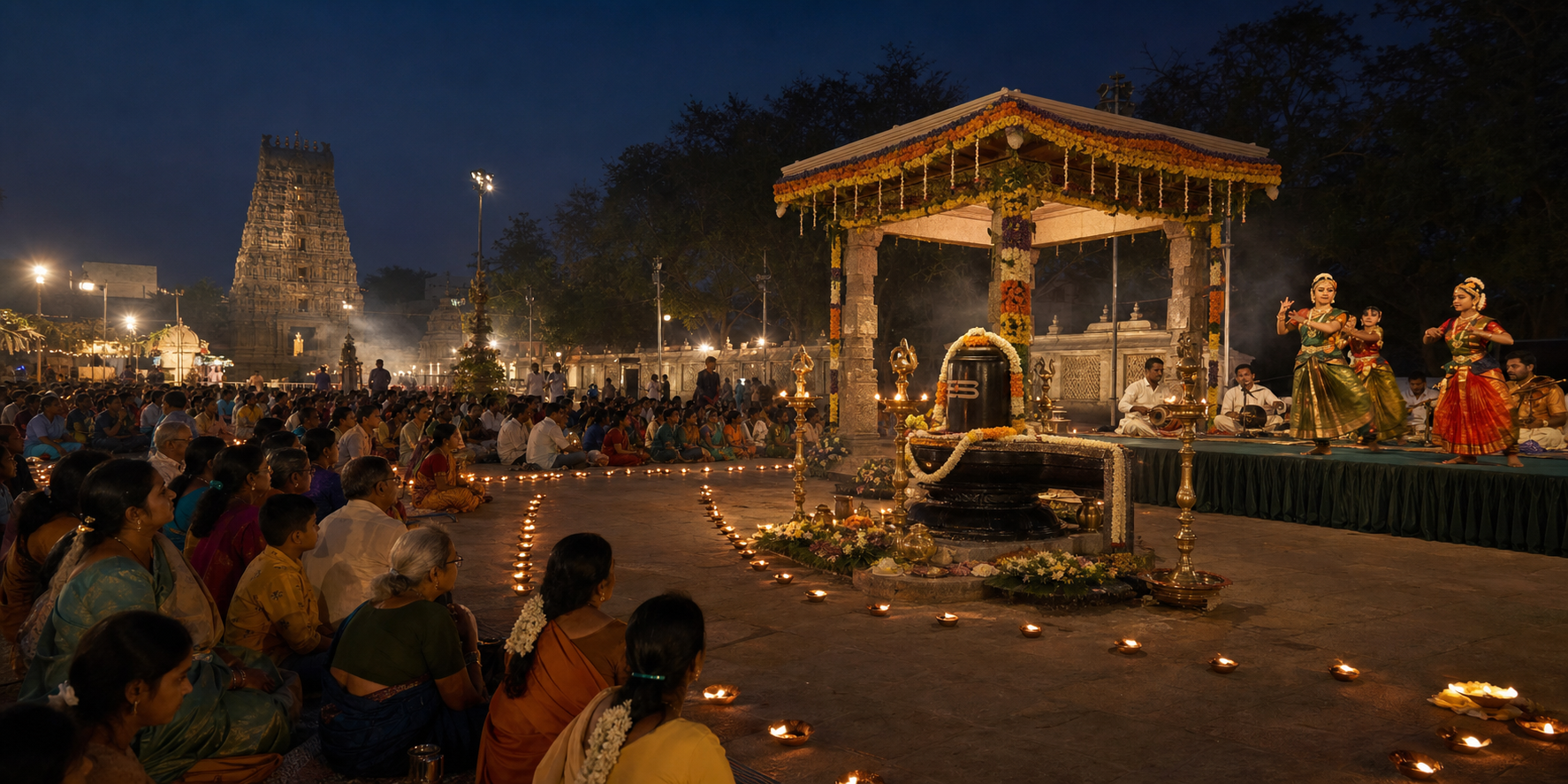
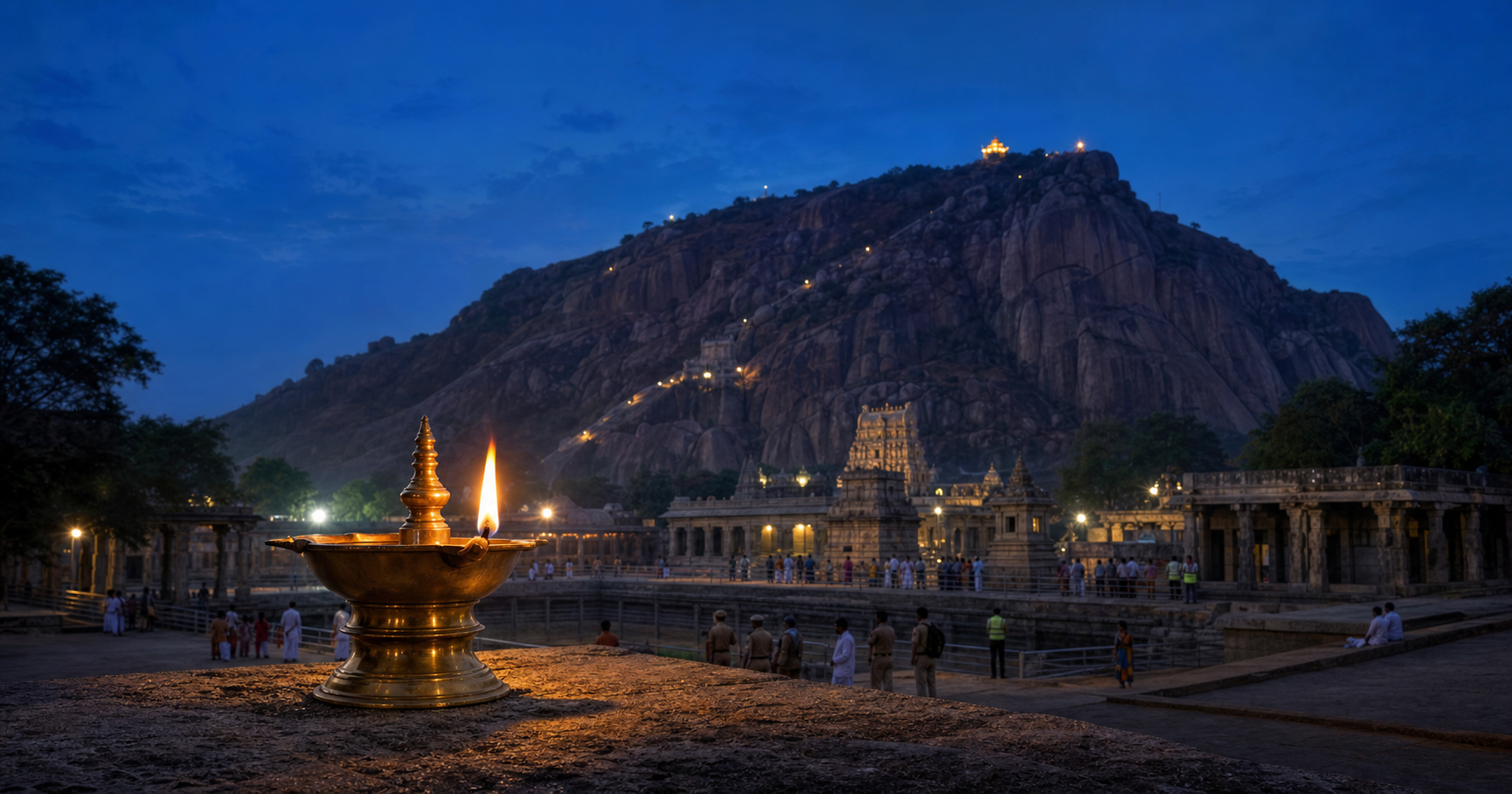
Maha Shivaratri 2026 at Vemulawada Rajarajeshwara Swamy Temple will be observed on 15 February, with the three-day Shivratri Jathara running from 14–16 February. This guide explains the festival’s lunar timing, the four-prahar night vigil, and Lingodbhava Kalam at midnight. It details distinctive local practices such as Kode-Mokku and the Dharma Gundam snana, while highlighting bilva…
-
Herath 2026: Kashmiri Pandits’ Shivaratri on Trayodashi—Date, Ritual Science, and Living Heritage

Herath—Shivaratri as preserved by Kashmiri Pandits—will be observed on 15 February 2026, in accordance with the rule that the tithi present at Nishita Kaal (midnight) governs the vrata. Unlike the pan-Indian practice on Chaturdashi, Herath follows Trayodashi when Chaturdashi does not prevail at Nishita, a principle attested in classical dharma digests. The article explains this…
-
Maha Shivaratri Puja Vidhi with Mantras: A Precise, Soul-Calming, Step-by-Step Home Guide

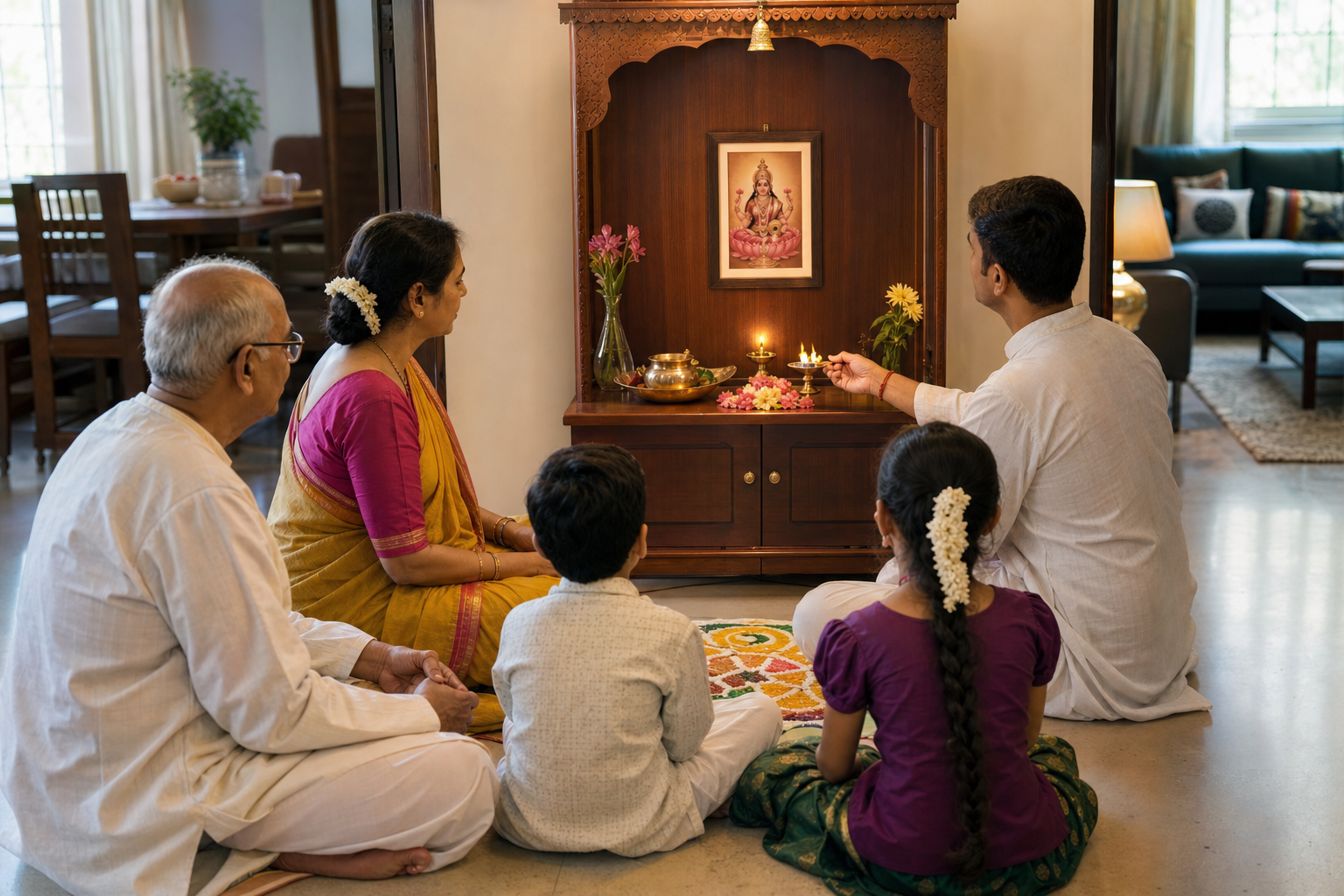
This comprehensive Maha Shivaratri Puja guide presents a precise, step-by-step home ritual with authentic mantras and clear sequencing suited to both beginners and experienced devotees. It explains Tithi-based timing, including Nishita Kaal, and offers a simple abhishekam-centered procedure with Panchopachara offerings. The guide outlines fasting options, night vigil practices, and safe, environmentally mindful use of…
-
Maha Shivaratri Jagaran and Lingodbhava: Ritual Science, Sacred Myth, and Inner Awakening

Shivaratri Jāgaraṇa is the disciplined practice of wakefulness at the heart of Maha Shivaratri Vrat, guiding awareness from tamas to sattva through mantra, dhyāna, and Shivalinga Puja. Scriptural sources in the Shiva Puranam and Linga Puranam describe Lingodhbhavam, the emergence of Śiva as an endless column of light, establishing the linga as the aniconic sign…
-
Shiva–Parvati Kalyanam on Maha Shivaratri: Ritual Steps, Timings, and Sacred Symbolism

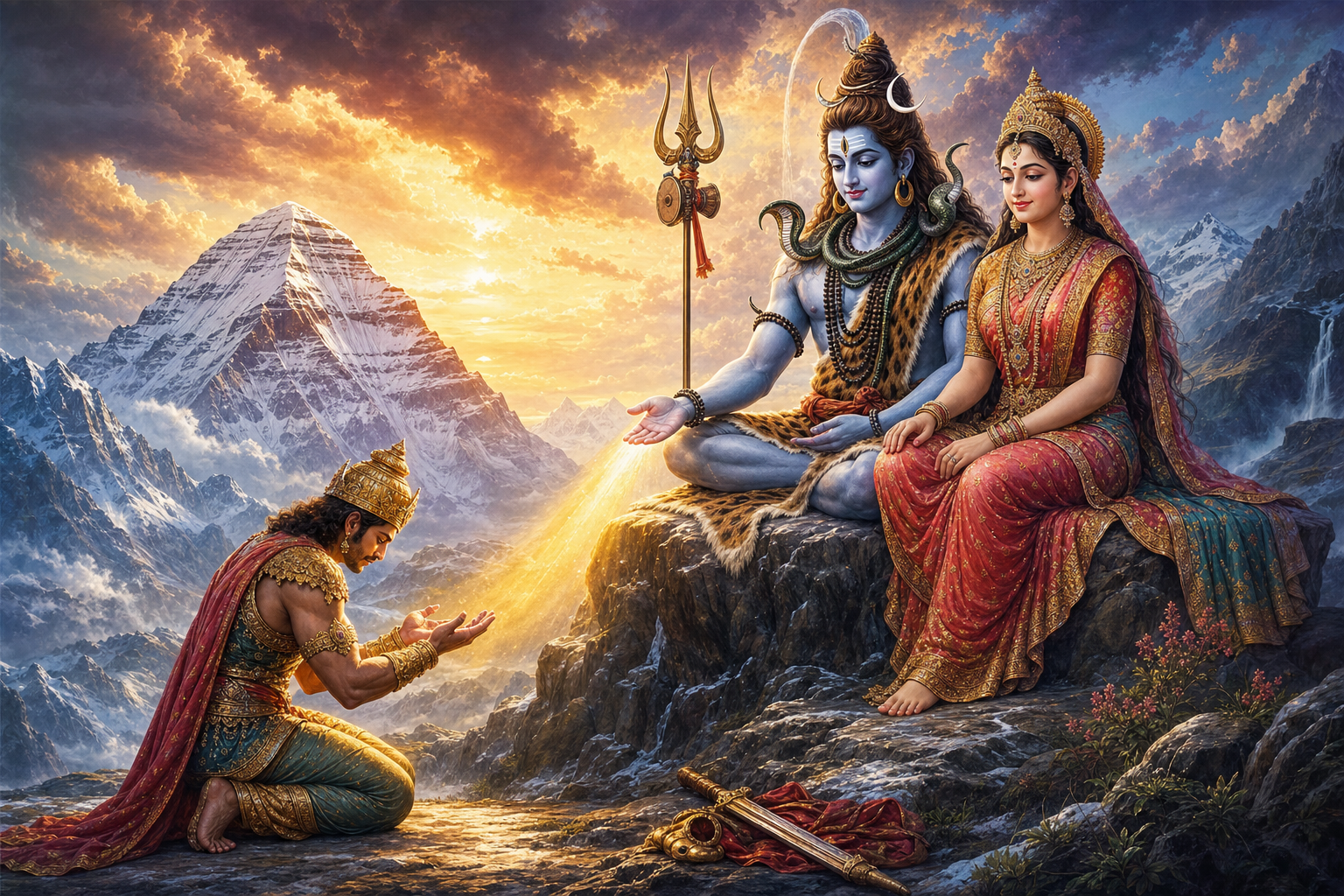
Shiva Parvati Kalyanam—ritually enacted around Maha Shivaratri—celebrates the sacred marriage of Shiva and Shakti as a living synthesis of ascetic insight and householder dharma. Readers gain clarity on timing (Shivaratri’s midnight worship followed by a next-day Kalyanotsavam in many traditions), detailed ritual steps (from Kanya Daanam and Panigrahana to Saptapadi), and the theological sources in…
-
Mahashivaratri Night Vigil Explained: Scriptural Roots, Profound Benefits, Practical Guide

Why remain awake on Mahashivaratri? The night-long jagaran is a carefully structured sadhana—rooted in Purana and Agama—combining four prahar abhishekas, mantra japa, meditation, and upavasa to cultivate clarity and devotion. Scriptural narratives, including the Lubdhaka episode, affirm that vigilant remembrance invites Shiva’s anugraha. Practically, aligning with nishita kala and prahar timings preserves continuity with temple…
-
Mahashivaratri 2026 at Srisailam Mallikarjuna: Jyotirlinga–Shakti Peetha Rituals, Nishita Kaal, and Pilgrim Guide

Mahashivaratri 2026 at Sri Bhramaramba Mallikarjuna Swamy Temple, Srisailam, is observed on February 15 and centers on the sacred Nishita Kaal midnight worship of Shiva. This in-depth guide explains the festival’s tithi logic, four-prahar puja structure, and the Lingodbhava rites unique to Shivaratri. It highlights Srisailam’s unparalleled status as both a Mallikarjuna Jyotirlinga and a…
-
Maha Shivratri 2026 Muhurat: Precise Nishita Kala, Lingodbhava Meaning & Complete Puja Guide

Maha Shivratri 2026 will be observed on the night of 15 February across South and North India, with the principal Shivalinga Puja anchored to the deep-night Nishita Kala Muhurat. This guide explains how tithi and the Ratri-first rule determine the correct date, why Nishita is the gold-standard Muhurat, and how to approximate it locally from…
-
Maha Shivaratri 2026 Lingodbhava Kalam: Midnight Muhurat, Ritual Guide, Calendar Science

Maha Shivaratri 2026 will be observed on the night of Sunday, 15 February, with Lingodbhava Kalam—the most auspicious Maha Shivaratri Muhurat—occurring around local midnight and extending into the early hours of Monday, 16 February, by the Gregorian calendar. Rooted in the Krishna Paksha Chaturdashi tithi and anchored in Nishita Kaal, this midnight window aligns ritual…
-
Boundaries That Heal: End People‑Pleasing, Reclaim Energy, and Protect Your Peace

This research‑grounded narrative shows how a single, consistently enforced boundary can reverse burnout, resentment, and people‑pleasing. It distinguishes non‑negotiable needs from others’ non‑emergent wants and explains why early pushback (the “extinction burst”) is normal. Readers receive technical tools—implementation intentions, triage matrices, respectful scripts, and capacity checks—to operationalize boundaries. Practical aftercare (breathwork, mindfulness, brief walks) is…